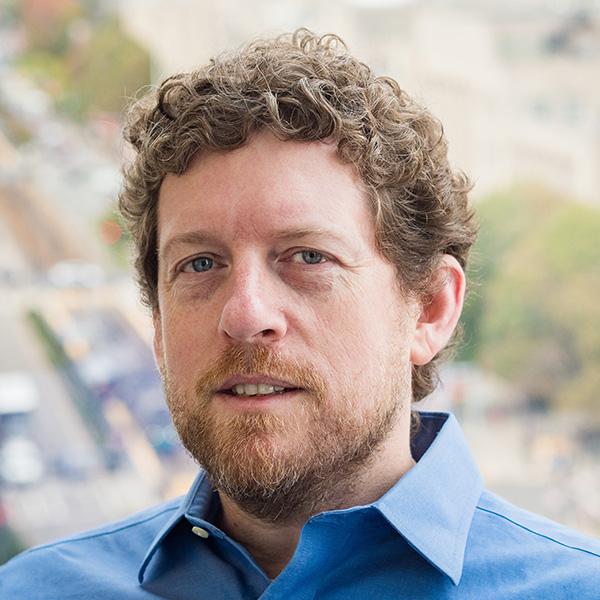
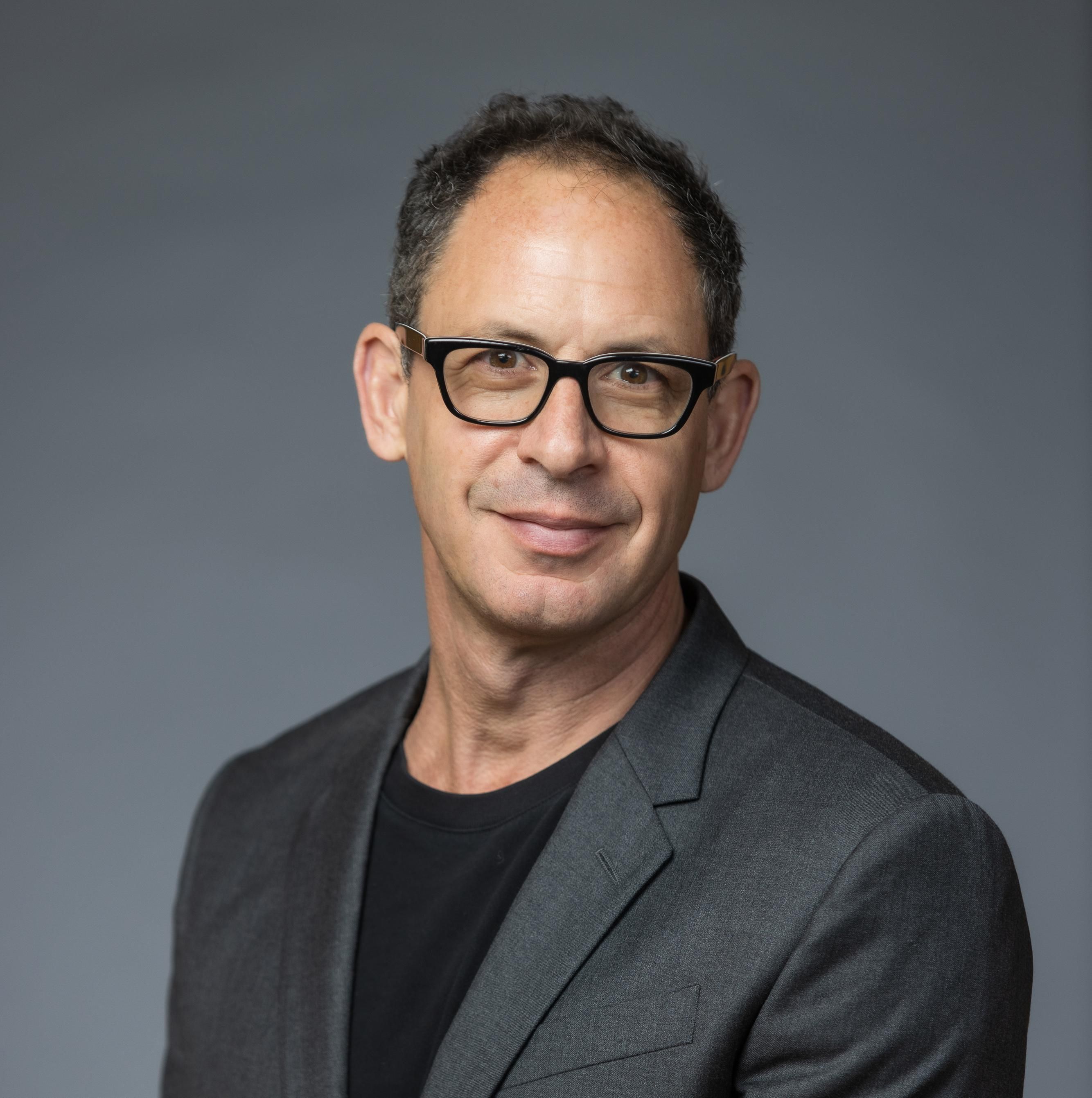
Jason Ritt is an Associate Professor of Brain Science (Research) and Scientific Director of Quantitative Neuroscience at the Robert J. and Nancy D. Carney Institute for Brain Science, Brown University. He holds affiliations with the Data Science Institute and collaborates across disciplines on quantitative research methods. Education : B.S., M.A., and Ph.D. in Neuroscience from Boston University (1997–2003). Research : Focuses on neural processing during active sensing and neuroengineering for neurostimulation. Combines electrophysiology, optogenetics, and theoretical approaches in rodent models. Develops closed-loop systems for studying sensory neural prosthetics and brain-machine interfaces. Key areas include synaptic diversity, neurocontrol algorithms, and sensory restoration. Teaching : Instructs NEUR 2100 NeuroPracticum, integrating hands-on neuroscience research training.
Kevin M. Franks is an Associate Professor of Neurobiology at Duke University, where he investigates how the olfactory system forms neural representations of sensory environments. His work focuses on functional neural circuits in the olfactory bulb and piriform cortex, using techniques like in vivo recordings, optogenetics, and behavioral assays. His research explores Neural circuit dynamics and plasticity Odor coding mechanisms Role of recurrent circuitry Integration of sensory modalities Recent publications highlight his contributions to understanding cortical odor representations, developmental neural connectivity, and cross-modal interactions. Awards include the 2024 Don Tucker Finalist recognition. He teaches advanced neuroscience courses at Duke, including Neurobiology research and concepts in neuronal systems.
Jonny Kohl is a Group Leader at the Francis Crick Institute , where he established the State-dependent Neural Processing Laboratory in 2019. His work bridges neural circuits and internal physiological states (e.g., hunger, pregnancy) to decode instinctive behaviors like parenting and aggression in mice. PhD: MRC Laboratory of Molecular Biology, Cambridge (2013) Postdoc: Harvard University (2014–2019) with support from EMBO, HFSP, and Wellcome Trust fellowships Research Interests : Kohl investigates how hormonal and metabolic states dynamically rewire neural circuits to drive adaptive behaviors. His lab combines circuit neuroscience , molecular biology , and behavioral profiling to study: State-dependent neural processing in parental behavior Chemosensory dominance hierarchies in mice Plasticity mechanisms in aggression circuits Development of ultrafast tissue labeling and cryoanesthesia tools Scientific Trends : His recent publications highlight hormone-mediated synaptic remodeling (2023), cost-effective lab tools (2023), and brain-wide activity mapping (2016). Collaborative work spans computational biology , metabolism , and imaging disciplines. Honors: NARSAD Young Investigator Award (2019), ERC Starting Grant (2019), Wellcome Trust Discovery Award (2025) Grants: BBSRC Research Grant (2025), BBSRC Pioneer Grant (2023) His lab mentors PhD and MSc students and has developed open-source neuroscience tools (e.g., cryoanesthesia device, 2023). Kohl's research has been featured in Nature , Science , and Cell .
Dana Small, PhD is a Senior Scientist at the RI-MUHC and Professor in the Department of Neurology and Neurosurgery at McGill University . Her research is centered in the Metabolic Disorders and Complications Program within the Centre for Translational Biology . Her research focuses on understanding how body and mind work together to optimize behavior, particularly through neuroimaging, metabolic, and behavioral studies of ingestive behavior. She investigates how modern food environments affect brain evolution and eating behavior. The 15 most recent publications show a consistent focus on food reward mechanisms (2025), nutrient-brain interactions (2024), addiction-genetics relationships (2023), and neural processing of taste and reward (2020-2023). These works appear in high-impact journals like Cell Metabolism and Science .
Timothy Tricas is a Professor at the University of Hawaii at Manoa's School of Life Sciences, specializing in fish sensory systems and coral reef ecology. He leads a research lab focused on understanding acoustic communication, neuroethology, and behavioral ecology in marine species. His work integrates field observations with neurophysiological and anatomical studies, often using advanced techniques like rebreather diving and hydrophone recordings. Affiliations: School of Life Sciences, Department of Zoology, Hawaii Institute of Marine Biology Courses Taught: Ethology, Animal Behavior, Sensory Ecology, Fish Behavior and Sensory Biology Research Interests: His studies explore how fish use sensory systems (auditory, lateral line, electrosense) to navigate, communicate, and survive in coral reef ecosystems. Key projects include decoding fish acoustic behaviors, understanding the evolution of specialized sensory adaptations (e.g., butterflyfish hearing mechanisms), and applying bioacoustics for coral reef health monitoring. Grants & Funding: Secured grants from NOAA, NSF, and the Hawaii Undersea Research Laboratory for projects like parrotfish soundscapes analysis and stingray electrosensory systems. Lab Activities: Mentors graduate and undergraduate students in field experiments, neuroanatomical studies, and acoustic data analysis. Current projects include parrotfish home range behavior and开发 new bioacoustic monitoring tools.
Dr. Lorenz Fenk is a Max Planck Research Group Leader at the Max Planck Institute for Biological Intelligence , leading the Neural Dynamics and Evolution department. His research focuses on neural systems function, natural behavior, and evolutionary neuroscience. Education: PhD in Neurobiology/Genetics (2016), University of Cambridge, UK Diploma (Mag. rer. nat.) in Biology/Anthropology (2010), University of Vienna, Austria His work combines quantitative methods and modern tools to study unconventional model systems like reptiles. Research themes include: Mechanisms of neural circuit dynamics during sleep Interhemispheric competition in reptiles Evolutionary aspects of sleep and cognition Internal brain activity and its link to memory/perception Recent publications demonstrate interdisciplinary trends in sleep research, neural computation, and evolutionary biology. Studies span vertebrate ultradian rhythms, reptilian brainstem circuits, and environmental modulation of behavior in Caenorhabditis elegans . Dr. Fenk's current affiliation is with the Max Planck Institute for Biological Intelligence, where he employs molecular, neurophysiological, and computational approaches to unravel cognitive processes and flexible behavior.
Prof. Dr. Andreas Herz is a Chair in Computational Neuroscience at the Faculty of Biology, Ludwig-Maximilians-Universität München (LMU). His research focuses on understanding neural mechanisms underlying spatial navigation, temporal cognition, and sensory processing. He leads the Computational Neuroscience group and collaborates with the Bernstein Center for Computational Neuroscience Munich. Research Interests: Dr. Herz investigates how neural systems encode spatial and temporal information, including grid cells, head-direction systems, and neural coding strategies. His work bridges experimental neurophysiology with theoretical modeling, addressing topics like cognitive maps, neural variability, and synaptic plasticity. Teaching & Mentorship: He oversees advanced courses on computational neuroscience and neurophysiology, fostering interdisciplinary training for graduate students. His research group includes prominent collaborators like Dr. Martin Stemmler and PD Dr. Kay Thurley, focusing on projects involving neural network dynamics and behavioral neuroscience. Publications & Impact: Over 85 peer-reviewed articles highlight his contributions to understanding entorhinal-hippocampal circuits, dendritic processing, and neural representation of space/time. Key work includes studies on grid cell variability, zebrafish spatial memory, and cytoskeletal organization in dendritic spines.
Katrin Vogt is a Group Leader at the University of Konstanz and an Affiliated Scientist at the Max Planck Institute of Animal Behavior. She serves on the IMPRS Board and Faculty, focusing on behavioral neuroscience in Drosophila larvae. Her research explores how social context and internal states (e.g., hunger) modulate neural circuits and behavior, utilizing genetic tools like optogenetics, RNAi, and CRISPR. Key Research Areas: Behavioral flexibility under internal state changes Neural integration of sensory and state signals in the antennal lobe Role of serotonin (CSD neuron) in modulating output pathways Computational modeling of state-dependent circuit dynamics Notable Achievements: Discovered state-dependent olfactory valence switching (e.g., geranyl acetate shifts from aversion to attraction under food deprivation) Elucidated glutamatergic inhibition mechanisms in picky local interneurons Identified 5-HT7 receptor's role in upregulating uniglomerular projection neuron activity Recent Publications: 2025: PLoS Biology on multimodal sensory neurons 2024: Current Biology commentary on behavioral neuroscience 2023: Current Biology on multisensory memory merging Academic Affiliations: University of Konstanz (Group Leader, Department of Collective Behavior) Max Planck Institute of Animal Behavior (Affiliated Scientist) IMPRS for Organismal Biology (Faculty Member) Scientific Awards: DFG Research Fellowship (Project No. 345729665) Students & Collaborators: PhD students: Hari P. Narayanan, Akhila Mudunuri Research assistants: Nora Tutas, Julius Klein, Constantin Dyroff DAAD summer student: Élyse Zadigue-Dubé Recent graduates: Amelie Edmaier (BSc 2023), Constantin Dyroff (BSc 2023)
Maria Neimark Geffen is a Professor at the Perelman School of Medicine , University of Pennsylvania , with appointments in the Department of Otorhinolaryngology, Neuroscience, and Neurology . She directs the Lab for Auditory Coding since 2010, focusing on how the brain encodes auditory information and how perception is shaped by experience and emotion. Her work combines two-photon imaging , optogenetics , electrophysiology , and behavioral experiments . Dr. Geffen earned her A.B. in Molecular Biology from Princeton University and a Ph.D. in Biophysics from Harvard, where she discovered a novel retinal circuit. After a postdoc at Rockefeller University, she joined UPenn, uncovering mechanisms like inhibitory neuron roles in sensory acuity and emotional learning links to auditory perception . Her recent publications highlight computational models of auditory cortex circuits , inhibitory neuron subtypes in adaptation , and cross-modal integration , reflecting her interdisciplinary approach. Scientific awards include the Burroughs Wellcome Career Award and Klingenstein Fellowship . Burroughs Wellcome Career Award at the Scientific Interface Klingenstein Foundation Award in Neurosciences Human Frontiers Young Investigator Award Auditory Neurophysiology Spotlight Award Kaufman Foundation New Initiative Grant Dr. Geffen mentors extensively, with trainees winning NIH Ruth L. Kirschstein NRSA and Brain Research Foundation Awards . Her lab collaborates across Computational Neuroscience Initiative , Hearing Sciences Center , and international institutions.
Yujia Zhang is a Tenure Track Assistant Professor at the School of Engineering , École Polytechnique Fédérale de Lausanne (EPFL), leading the Laboratory for Bio-Iontronics (BION) since January 2025. His work focuses on developing iontronic biointerfaces and hybrid intelligent systems for biomedical applications. Academic Affiliations: EPFL School of Engineering, STI-SMT SMT-ENS PhD program committee Research Themes: Droplet-based iontronics, synthetic tissues, advanced manufacturing Research Trends from his publications emphasize microscale droplet iontronics , soft energy systems , and biohybrid interfaces , with applications in neurostimulation , tumor modeling , and biomedical devices . Scientific Awards : 2023: Early-career Research Scientist Representative, UK Parliamentary & Scientific Committee 2022: Excellent Doctoral Dissertation, Chinese Academy of Sciences 2021: Outstanding Doctoral Thesis, Chinese Institute of Electronics 2020: Special Prize for President Scholarship, Chinese Academy of Sciences Academic Contributions include mentoring PhD students and teaching microfabrication technologies. His lab develops 3D-printed synthetic tissues and droplet networks for interactive biological communication.
Elissa A Hallem is a Professor in the Department of Microbiology, Immunology, and Molecular Genetics at the David Geffen School of Medicine, University of California, Los Angeles (UCLA) . Her research lies at the intersection of neurobiology and parasitology , focusing on the sensory neural circuits that drive host-seeking behavior in skin-penetrating nematodes like Strongyloides stercoralis , a human-parasitic worm. She also investigates chemosensation , host-pathogen interactions , and sensory plasticity using both parasitic nematodes and the free-living Caenorhabditis elegans as comparative models. Education BA in Biology and Chemistry from Williams College (1999) PhD in Neuroscience from Yale University (2005) Postdoctoral training in Biology at Caltech (2010) Research Focus Her work addresses fundamental questions about how sensory circuits enable parasitic worms to detect and infect hosts. Key findings reveal the neural basis of heat seeking , chemosensory valence , and experience-dependent plasticity in nematodes. She has developed genetic tools for Strongyloides and studies steroid hormone pathways in Pristionchus pacificus . Scientific Awards 2023: UCLA Life Sciences Excellence in Research Award 2020: UCLA Faculty Mentor Award 2016: HHMI Faculty Scholar Award 2015: Burroughs-Wellcome Fund Investigators in the Pathogenesis of Disease Award 2014: NIH Director's New Innovator Award 2012: MacArthur Fellowship 2011: Rita Allen Foundation Fellowship Lab Overview The Hallem Lab at UCLA emphasizes inclusive research and tool development for parasitic nematode studies, aiming to uncover novel strategies for preventing infections through understanding sensory-driven parasitic mechanisms.
Josie Clowney is an Associate Professor in the Department of Molecular, Cellular, and Developmental Biology at the University of Michigan, where she has held faculty position since 2017. Her research investigates the genomic algorithms that construct neural circuits during development, using Drosophila as a model to study how chemosensory systems drive both instinctual behaviors and learning. She teaches Bio 172 and an upper-level seminar on cellular diversity and scientific writing, and mentors graduate students through MCDB, CMB, NGP, and BIOINF PhD programs. Her educational background includes: Ph.D. in Biomedical Sciences (2012) from the University of California, San Francisco B.S. in Cellular and Molecular Biology (2005) from the University of Michigan, where she conducted research with Cunming Duan Clowney's research centers on understanding how definitive neuronal parameters are encoded in genomic information and translated into cellular architectures. Her lab hypothesizes that developmental algorithms for learning circuits versus instinctual circuits differ fundamentally in their genomic requirements, with chemosensory circuits serving as key models. Using fruit flies for their tractable brain organization, her work bridges computational principles and biological implementation to uncover universal brain organization rules. Analysis of her 15 most recent publications (2016-2025) reveals consistent focus on Drosophila mushroom body development, neural sexual differentiation, and spatial constraints in circuit formation. Key themes include non-deterministic mechanisms diversifying cell surface expression, chromatin dynamics in circadian regulation, and how input density tunes sensory responses. Her work integrates genomics, neuroanatomy, and behavior to model how compact genomic information generates complex neural architectures. No scientific awards were mentioned in the provided text. Dr. Clowney advises graduate students through multiple PhD programs at the University of Michigan, though specific student names and grant details are not provided in the source material. Her teaching includes foundational undergraduate coursework and advanced seminars emphasizing scientific writing. The active publication record spanning 2016-2025 indicates sustained research funding supporting her lab's investigations into neural circuit development. The Clowney Lab, housed in the Biological Sciences Building (4218 BSB), employs Drosophila genetics and neuroanatomical techniques to dissect developmental algorithms of brain wiring. Current projects explore how spatial constraints structure learning circuits, mechanisms of neural sexual differentiation, and the genomic encoding of circuit diversity. The lab collaborates within Michigan's neuroscience community through the Program in Biology and participates in interdisciplinary initiatives studying brain evolution and function.
Dr. Katrin Vogt is a researcher at the University of Konstanz, specializing in neuroethology and sensory systems. Her work focuses on understanding recurrent neural circuits governing state-dependent behavior, particularly in olfactory systems of Drosophila larvae. She leads a subproject investigating hunger-dependent serotonergic modulation in the antennal lobe, collaborating with a doctoral student. Her research bridges vertebrate and invertebrate models to identify conserved network principles across species. Dr. Vogt is part of a DFG-funded interdisciplinary team examining recurrent circuits' roles in flexible behavioral responses to environmental changes. Her research interests include neural circuitry modulation, sensory integration, and behavioral plasticity. Key projects involve analyzing how sensory inputs are modulated by internal states like hunger, and how recurrent connections enable adaptive responses. She has contributed to studies on visual and olfactory memory formation, multisensory integration, and navigational strategies in Drosophila. Publications highlight work on dopamine signaling in taste punishment, social behavior in larvae, and cross-species odor coding principles. Her findings aim to uncover fundamental mechanisms underlying sensory-driven behavior and neural plasticity in both vertebrates and invertebrates.
Dr. Andrew Lin is a Senior Lecturer and School Director of One University at the University of Sheffield's School of Biosciences. He holds a PhD from the University of Cambridge and a BA in Biology from Harvard University. His career includes roles as a Lecturer (2019-2022), Vice-Chancellor’s Fellow (2015-2019), and Postdoctoral Fellow at the University of Oxford (2009-2015). Research focuses on how the brain encodes sensory information for memory formation, using Drosophila's olfactory system as a model. Key areas include sparse coding in Kenyon cells, synaptic inhibition/excitation balance, and neural circuit dysfunction links to epilepsy. Teaching includes modules like BMS11004 Introduction to Neuroscience and BMS248 Neural Circuits, Behaviour and Memory. He has secured grants from the European Research Council, BBSRC, and Wellcome Trust. Professional memberships include the FENS-Kavli Network and BBSRC Pool of Experts. Lab research employs techniques like in vivo two-photon imaging, electrophysiology, and genetic manipulation. PhD opportunities are available in neural circuitry and sensory processing.
Dr. Emily Gibson is an Associate Professor in the Department of Bioengineering at the University of Colorado School of Medicine. She holds a PhD from the University of Colorado Boulder (2004) and a BS from the Colorado School of Mines (1997). Her multidisciplinary research focuses on developing advanced optical technologies for neuroscience applications. Her primary research interests include: Development of implantable miniature microscopes for two-photon brain imaging in freely behaving animals Superresolution STED microscopy for subcellular imaging of protein dynamics Optical interfaces for neural modulation and sensing in central and peripheral nervous systems Applications in brain mapping, neural circuit analysis, and bioelectronic medicine Dr. Gibson's recent publications demonstrate a strong focus on neurophotonic tool development, including miniature microscopes, fiber-optic imaging systems, and superresolution techniques. Her work consistently applies these technologies to study neural coding, learning mechanisms, and neurodegenerative processes. She leads the Biophotonics Lab at CU Anschutz, which actively develops open-source neurophotonic tools. Current projects include BRAIN Initiative-funded work on voltage imaging and NSF-supported research on odor navigation. Her lab maintains active collaborations with neuroscientists and clinicians to translate optical technologies into neuroscience research and clinical applications.