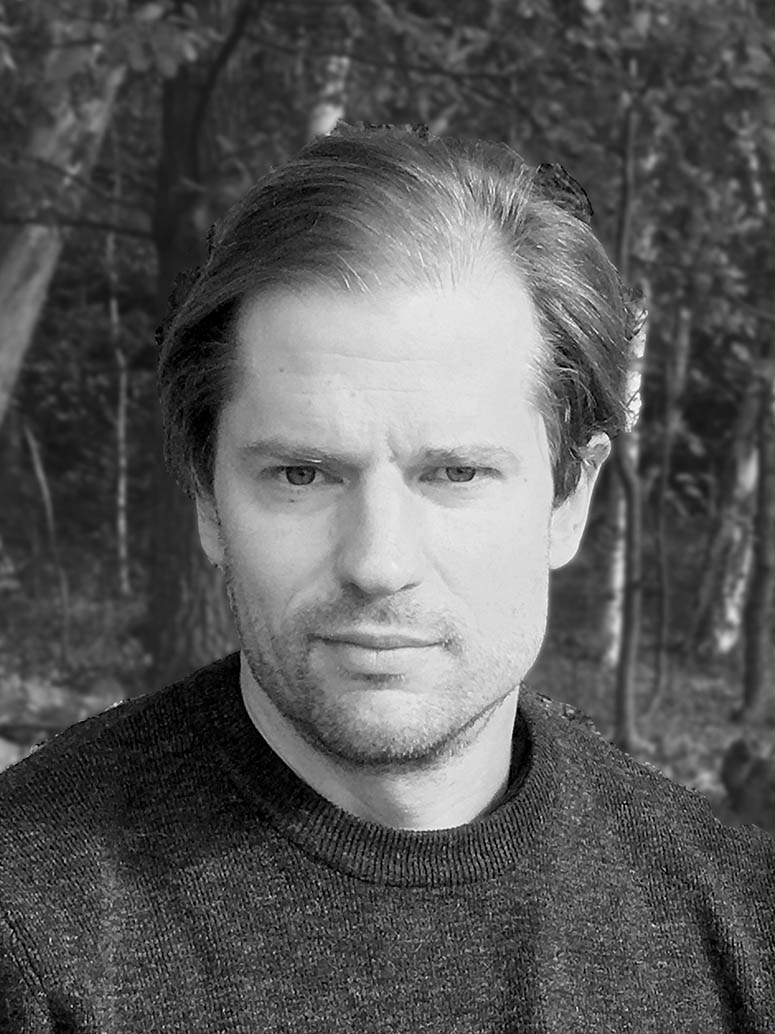
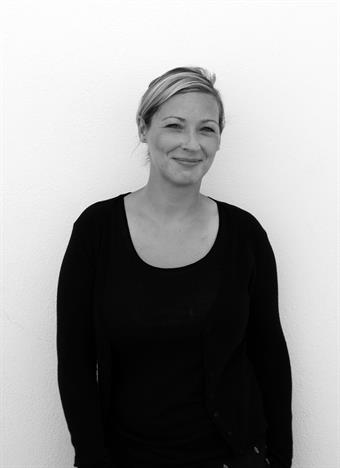
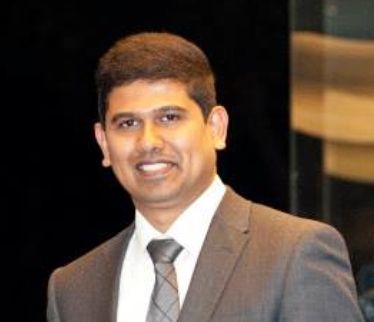
Lauri Lihtmaa is a Researcher at the Department of Civil Engineering and Architecture , University of Tallinn College of Engineering . His work spans energy efficiency in building stock renovation , urban sustainability , and policy-driven environmental economics , with a focus on Estonian housing dynamics and modernist district revitalization . Education : Research Master's in Maakorraldus (2004) from Estonian University of Life Sciences; PhD studies in Renovation Patterns (ongoing at Tallinn University of Technology, and Sustainability Assessment (interrupted at Estonian University of Life Sciences). His research interests center on: Energy-efficient building renovation (particularly multifamily structures) Climate-resilient urban development for post-WWII districts Policy analysis of subsidy distribution in environmental economics Strategic environmental assessment in local governance Current projects include leading roles in: European Commission-funded Collaborative Pre-Fabricated District Reinvention (2024-2027) CINEA-supported Heritage Home Renovation Services (2023-2026) Ministry of Education-backed Energy Efficiency Center of Excellence (2024-2030)
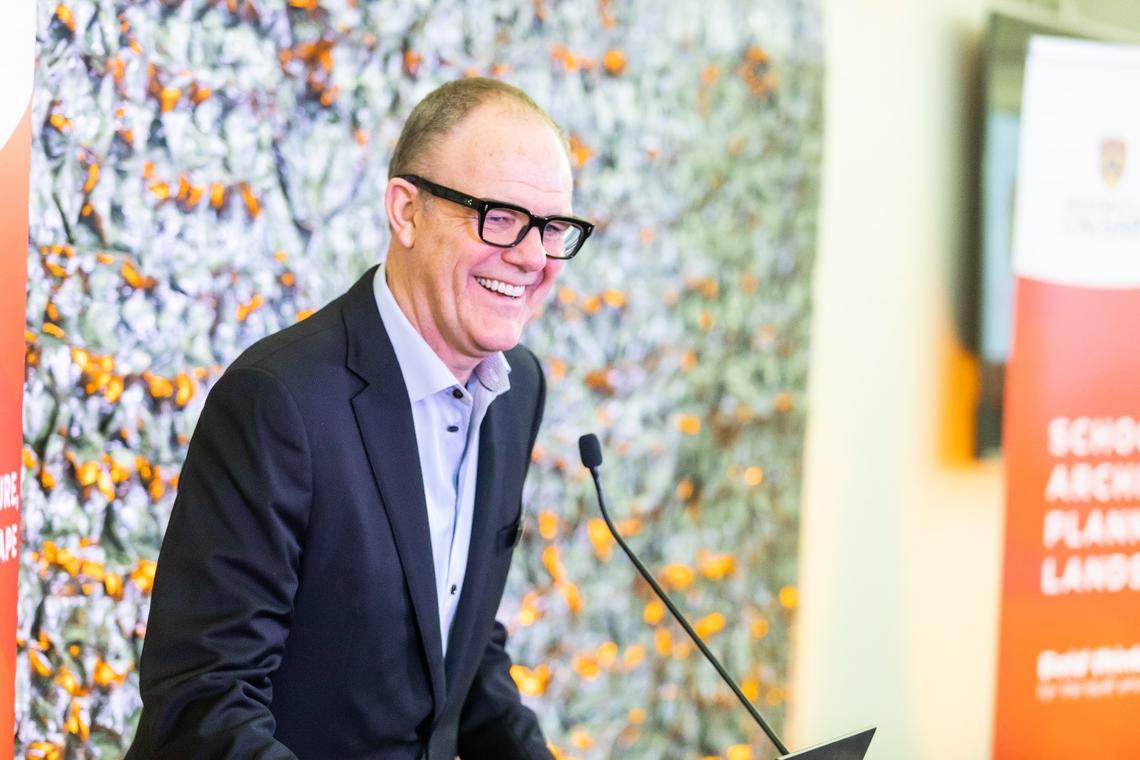
John L. Brown is the Dean and Professor at the School of Architecture, Planning and Landscape (SAPL) at the University of Calgary. A registered architect and founder of Housebrand and Garden Loft, his work emphasizes innovative housing solutions that integrate mass customization, digital monitoring, and medical support for aging populations. He holds a B.Sc. in Engineering (University of Manitoba), M.Arch (University of Texas), M.Sc (Columbia University), and PhD (Royal Melbourne Institute of Technology). His research focuses on accessible, affordable housing and age-in-community design, exemplified by projects like FABhomes—prefabricated smart homes for seniors. Brown champions entrepreneurial practice models and co-launched Canada's first Doctor of Design program for practicing professionals. He has led initiatives such as the 9 Block urban revitalization and Green Alley Project, emphasizing real-world application of academic research. Brown is President of the Royal Architectural Institute of Canada and advocates for interdisciplinary solutions to global challenges through architecture. His work bridges academic theory and professional practice, aiming to empower professionals to drive societal change.
Dillon Pranger serves as an Assistant Professor at the Illinois Institute of Technology, directing the interdisciplinary Deconstruction/Reconstruction Lab focused on sustainable building material recovery and circular construction techniques. As a licensed architect, he founded the award-winning Office of Dillon Pranger (ODP) in Chicago, specializing in small-scale contextual projects that integrate material, labor, and energy lifecycles into design processes. Pranger's educational background includes a B.S. in Architecture from the University of Cincinnati and an M.Arch. from Cornell University, where he received the Henry Adams Certificate and Richmond Herold Shreve Award for distinguished thesis work. His teaching experience extends to Cornell University, Harvard GSD, and Syracuse University prior to his current position. His research centers on sustainable material systems and circular economy principles within architecture, challenging traditional waste paradigms through projects like Taking Stock and The Architecture of Waste publication. Pranger's work investigates finite material resources, design for disassembly methodologies, and urban mining concepts, emphasizing temporary material states and reversible construction techniques that preserve material value throughout multiple lifecycles. His recent design projects demonstrate consistent exploration of material reuse across scales—from the BYOB temporary structure using reclaimed Chicago bricks to Woodstack's friction-fit lumber assemblies. These works collectively examine construction waste reduction through innovative disassembly systems, QR-code material tracking, and context-specific material lifecycles, establishing him as a leading voice in circular architectural practice. Silver Medal for Best Young Architect, The Architect’s Newspaper (2023) Architizer A+ Awards (2023, 2024) Rethinking the Future Award (2023) Tallinn Architecture Biennale (2022) Henry Adams Certificate, Cornell University Richmond Herold Shreve Award, Cornell University Pranger actively mentors students through his Deconstruction/Reconstruction Lab while maintaining ODP's client-based practice. His studio courses like ARCH 497: Material Narratives and ARCH 497: The Architecture of Waste directly translate research into pedagogy, with students developing alternative building assemblies through physical prototyping. The lab investigates material scarcity through projects tracking lumber price fluctuations and exploring circular housing solutions for Amsterdam's urban context. The Deconstruction/Reconstruction Lab operates as both academic research unit and design incubator, with projects like Arcadian Anthropocene examining circular system logic for high-density housing and Design for Disassembly prototyping reversible construction techniques. Collaborative efforts involving students and practitioners test material reuse at full scale, from Woodstack's temporary pavilion to BYOB's modular brick assembly, creating tangible demonstrations of circular architectural principles.
Dr Rachel Couper is a Lecturer and Research Project Manager with the Future Building Initiative at Monash University. She holds a PhD in Architecture from the University of Sydney and specializes in bridging industry and research through applied design research, particularly in mass timber construction, industrialized building, and offsite construction. Her role as Project Manager for the Building 4.0 CRC Lighthouse Projects involves developing innovative solutions and prototypes for the construction industry. Trained in both architecture and art, she also engages in design practice through temporary pavilions and art installations. Education: PhD in Architecture, University of Sydney (2017) MArch(Hons), University of Sydney (2012) Bachelor of Architecture, University of Sydney (2009) Bachelor of Arts (Visual), Southern Cross University (1996) Research Interests: Industrialized construction, modular design, sustainable materials, and prototyping. Her work emphasizes practical applications and collaboration between academia and industry to address challenges in modern construction practices. Recent projects include the Innovation in Advanced Manufacture of Multi-Storey Housing CRC-Project and the NCHA Independent Living Lab Prototyping Project. Awards: Byera Hadley Travelling Scholarship (2014) Advising & Grants: Rachel leads multiple research projects funded by industry and government collaborations, including roles in the Building 4.0 CRC and Project #61: Building Productivity. She actively contributes to interdisciplinary teams focused on scalability, logistics optimization, and sustainable building innovations. Labs/Teams: Core member of the Future Building Initiative and lead in the Building 4.0 CRC Prototyping and Fabrication Technologies Theme. Collaborates with global networks in architectural design, engineering, and construction management.
Daniela Bosia is a Full Professor at Politecnico di Torino's Department of Architecture and Design (DAD), where she serves as academic advisor for disability/DSA integration. Her research integrates civil engineering, cultural heritage, and societal wellbeing through four key pillars: 1) Sustainable construction using agri-food waste (e.g., wool/hemp insulation), 2) Accessibility and inclusive design in healthcare/urban spaces, 3) Conservation of modern/rural architecture, and 4) Circular economy applications in building technology. Her publications (2017-2025) demonstrate strong cross-disciplinary focus: Materials Innovation : 35% address circular economy solutions like stone waste composites and natural fiber insulation Inclusive Design : 40% explore accessibility frameworks for healthcare, heritage sites, and housing Heritage Conservation : 25% document 20th-century industrial techniques and rural landscape preservation She leads significant EU/PNRR projects including: 3A-ITALY Spoke 2 (2023-2025): Circular economy in Italian manufacturing FITNESS (2014-2016): Sustainable textile insulation ARV Climate Positive Communities (2022-2025) Current PhD supervisions focus on: Modern construction materials documentation (F. Ramirez) Accessible signage systems (G. Beltramino) Participatory design methodologies (C. Rolletto) She coordinates three research centers: Accessibility & Heritage, Architecture for Health (AxS), and Mountain Architecture Institute.
Antti Lehto is an Assistant Professor at the Department of Architecture, Aalto University. His work focuses on sustainable and circular economy principles in architectural design. Research highlights include: Innovative material reuse strategies Low-carbon building concepts Flexible housing solutions Circular economy in urban planning Climate emergency-responsive design Recent publications explore topics like Design through Availability and The New Aesthetics of Circular Architecture , emphasizing resource efficiency and climate adaptation. Scientific awards: Wuorio award for best Master's Thesis (2024, 2025) Aalto Pioneering Excellence Award Honourable Mention (2024) for Closing Loops Pilot Shortlisted: Finnish Wood Awards (2023) for Postivarikko and Haagan Artturi He leads circular economy projects like the Closing Loops pilot, which involves constructing a warehouse in Helsinki using recycled materials to study their impact on design, cost, and carbon footprint.
Dr. Deborah Do-Rosario-Benros is a Senior Lecturer in Technical Studies and Representation at the University of East London (UEL), serving as a Cluster Leader in the Department of Architecture & Visual Arts within the School of Architecture, Computing and Engineering. She is a UK-registered architect (ARB/RIBA) with advanced research expertise in computational design methodologies. Educational Background: Doctorate from University College London (The Bartlett School) Master's in Architecture from the University of Lisbon Visiting student at Massachusetts Institute of Technology (MIT) Her research focuses on Design and Computation , Shape Grammars , and Mass Customisation in architecture. Recent work explores 3D printing , robotic manufacturing , and modular design for sustainable housing solutions. Research Publications Trends: Her 2024-2023 articles analyze computational frameworks like multilingual shape grammars, apply robotic construction to micro-housing, critically review 3D printing in large-scale construction, and investigate modular systems using bent metal pipes and space-filling solids. Collaborative co-design with AI and participation in international competitions like the Orange County Sustainability Decathlon are recurring themes. Professional Experience: Prior roles include teaching at the University of Lisbon, visiting faculty at Cornell University, and professional practice at architectural firms Foster and Partners and Arup. She has presented at major conferences including SIGraDi, ZEMCH, and SEEDS. Labs and Teams: As Cluster Leader at UEL, she coordinates research efforts in architecture and computational design, collaborating with institutions like MIT and Cornell.
Ehsan Kamel is an Associate Professor in the Department of Energy Management at the New York Institute of Technology's College of Engineering and Computing Sciences. He joined the university in 2017 after earning his Ph.D. in Civil Engineering from Pennsylvania State University. His research focuses on building energy modeling, sustainable construction materials, and extraterrestrial habitat design for Mars. He directs the Energy and Green Technologies Laboratory (EnTech Lab), fostering student hands-on experience in energy and green technologies. Kamel has secured over $575,000 in grants from organizations like the National Science Foundation and NYSERDA, advancing energy efficiency and sustainability initiatives. His work bridges academia with industry, addressing real-world challenges in energy systems and climate resilience. Education: Ph.D. in Civil Engineering (Pennsylvania State University, 2017); M.S. in Civil Engineering; Certified Energy Manager (CEM). Research Interests: Building energy modeling integrates physics-based simulations and machine learning to optimize energy use in buildings and urban systems. He explores climate change impacts on energy systems, low-income housing energy burdens, 3D-printed construction, and sustainable materials. His extraterrestrial research models habitats for Mars using Martian climate data and locally sourced materials. Recent Projects: Urban-scale energy modeling with HPC systems, energy burden analysis in low-income households, and Mars habitat simulations. His work has been recognized with awards including the inaugural Trailblazers in Clean Energy (2024) and AEE Energy Innovator of the Year (2023). Grants and Collaborations: Principal investigator for NYSERDA grants ($500,000) and ASHRAE-funded projects. Collaborates with universities globally and energy firms on building efficiency solutions. Manages a research portfolio totaling $575,000 since 2017. Labs/Teams: Directs EnTech Lab, advises ASHRAE student branch, and leads interdisciplinary teams on energy-smart buildings and digital twin technologies.
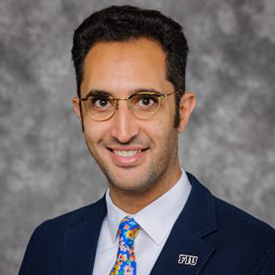
Mohamed ElZomor, Ph.D., is an Associate Professor and Graduate Program Director in the Department of Civil Engineering at Florida International University (FIU). His research focuses on sustainability of the built environment, disaster resilience, social sustainability, engineering education, and equitable infrastructure development. He actively integrates innovative pedagogical approaches to address challenges in construction management and workforce development. His work emphasizes curriculum development for disaster resilience, mental health in STEM education, and leveraging disruptive technologies for efficient disaster response. He advocates for infrastructure equity through frameworks like the Envision rating system and explores origami-based solutions for temporary post-disaster housing. ElZomor also investigates barriers and drivers for sustainable practices in construction and promotes inclusive education for underrepresented populations in engineering fields. Key research interests include: sustainable construction practices, social sustainability (health & wellbeing), education pedagogy reforms, disaster preparedness, and integrating AI/robotics into construction curricula. His projects often bridge academia and industry to foster real-world applications of sustainable and resilient infrastructure concepts. Notable contributions include developing frameworks for front-end planning in infrastructure projects, analyzing post-disaster reconstruction challenges, and promoting minority student success through targeted communication and skill-building programs. He emphasizes interdisciplinary approaches to address global challenges such as climate change and urban inequities.
Haitham Kanakri is a Lecturer in the Department of Electrical and Computer Engineering at Purdue University's Indianapolis campus. His research focuses on power electronics, biomedical engineering, and electromagnetic systems with applications in medical devices, renewable energy systems, and semiconductor technologies. He is affiliated with Purdue Engineering and contributes to interdisciplinary projects spanning nanoengineering, sustainable housing design, and neurostimulation therapies for Alzheimer’s disease. Key research interests include capacitorless power converter designs, planar electromagnetic components, and neuroengineering innovations. His work integrates nanotechnology fabrication processes with traditional electrical systems to achieve compact, high-performance solutions. Recent projects explore electromagnetic field therapy for neurological disorders and high-efficiency DC-AC conversion systems for electric vehicles. Notable contributions include developing portable neurostimulation devices using meander line antennas and advancing resonant converter technologies for renewable energy applications. His work bridges theoretical electromagnetic models with practical engineering solutions, particularly in transformer design and semiconductor cooling systems. While no specific awards are listed, his publications indicate sustained innovation in power electronics and biomedical engineering. Academic advising and grant activities are not detailed in available records. Collaborations likely involve multidisciplinary teams given the breadth of his research portfolio.
Judith Reitz is a full-time Professor at the Peter Behrens School of Arts , part of Hochschule Düsseldorf (University of Applied Sciences) . She has served as Dean of the Architecture department since 2019 and leads the PBSA Design.Build. - Studio for Social Impact since 2011. Previously, she held academic positions at Texas A&M University (2007-2016) and RWTH Aachen (2006-2011). Academic Education: Meisterklasse (Masterclass) under Zaha Hadid at University of Applied Arts Vienna (2001-2003). Academic background in Architecture at RWTH Aachen (1997-2001), graduating with honors. Research Interests include Interior Architecture, Social Impact Design, Vernacular Architecture , and Sustainable Construction . Her work focuses on material reuse, energy-efficient methods, and integrating cultural contexts into architectural solutions. Publications emphasize community-driven projects in South Africa, blending traditional techniques with modern computational design. Scientific Awards include multiple Architizer A+ Awards (2017), STO Förderpreis for sustainability (2016), and recognition in media like AIT and DOMUS . Her 15 most recent articles (2002-2016) explore topics from neovernacular structures to mobile refugee facilities , reflecting interdisciplinary collaboration with institutions such as ACSA and CAADRIA . Grants include the Springorum Preis (RWTH Aachen, 2003) and Stipendium Deutsche Akademie Villa Massimo Rom (2007). She has advised research teams like Thomas Georg Schaplik and co-founded the BFR lab (2006), a Cologne-based architecture and research firm. Judith Reitz is a member of Bund Deutscher Architekten (BDA) since 2011.
Michael Grobbauer is a Professor and Senior Researcher at the Center for Alpine Construction within the Design and Green Engineering framework at Salzburg University of Applied Sciences. He has been active since 2012, with a focus on sustainable building practices and energy-efficient urban development. Key research areas: Sustainable Construction, Building Energy Modeling, Timber Engineering, Renewable Energy Integration His recent work explores parametric timber solutions and energy performance certificate-based urban modeling , contributing to climate-resilient building systems. He has published 42 works, including 2023 Energy journal articles and 2022 conference papers on modular construction. Salzburg State Architecture Prize (2006) Inventor of Graz University of Technology (2013) Salzburg Timber Construction Award (2007) IOC/IAKS Special Distinction (2007) Active in projects like ScaleUp_ZAB (2023–2025), Grobbauer leads initiatives in solid timber construction and photovoltaic integration . He has reviewed 14 publications and presented at events including the 2024 Austrian PV Conference.
Professor Elena Marco is a globally recognized academic and leader in architecture and sustainability at the University of the West of England (UWE) , serving as Pro Vice-Chancellor & Head of College of Arts, Technology and Environment. She champions equity, particularly for underrepresented groups in STEM, and leads UWE’s sustainability agenda as chair of the Sustainability Executive Committee. PhD holder from University Politécnica de Cataluña National Teaching Fellow (2021) RIBA President's Research Awards Highly Commended Research Focus: Sustainable and healthy architecture, climate change adaptation in housing, behavioral science in design, and energy-efficient practices. Her work explores how material possessions impact domestic space and well-being, advocating for flexible housing solutions. She has led interdisciplinary projects integrating public health into architectural education . Academic Trends: Recent publications emphasize regenerative architectural pedagogies, storage optimization in housing, and energy modeling. Her work bridges practice, pedagogy, and policy to address global challenges like climate change. Scientific Awards: National Teaching Fellowship (2021) Highly Commended in RIBA President's Research Awards (2021) Leadership & Teaching: With over two decades in higher education, she has transformed architectural curricula, secured improved National Student Survey scores, and pioneered initiatives like the Public Health Practitioner-in-Residence to foster healthier communities. Her keynote lectures span continents, influencing global architectural discourse. Labs & Teams: She leads the Sustainability Executive Committee and has headed UWE’s Architecture and the Built Environment department (2014–2022), driving research and practice collaborations.
Dr. Pushpitha Kalutara serves as Head of Course for Built Environment at Central Queensland University's School of Engineering and Technology, holding a PhD in Civil Engineering from RMIT University. With over 17 years of post-graduate experience spanning academia and industry, he maintains active roles as Principal Supervisor for multiple PhD candidates and reviewer for the Journal of Engineering, Construction and Architectural Management. Education: BEng (Civil Engineering) - University of Moratuwa, Sri Lanka PhD (Civil Engineering) - RMIT University, Melbourne, Australia His research focuses on integrating digital solutions with sustainable practices in construction, particularly advancing Building Information Modelling (BIM) for facility management, developing lean procurement frameworks, and pioneering suicide prevention through architectural design. Recent publications demonstrate a shift toward mental health applications in built environments, with significant work on social-spatial design interventions for suicide prevention alongside traditional expertise in asset management and structural health monitoring. Key research trends: Analysis of 15 most recent publications reveals dual trajectories - ongoing development of decision-making frameworks for sustainable community building management (using AHP and neuro-fuzzy systems), and emerging focus on mental health applications in construction (suicide prevention design, industry mental health interventions). His work consistently bridges Australian industry needs with academic research, particularly for councils and infrastructure operators. Awards: Post Graduate Research Award by Engineers Australia and National Asset Management Council (2013) Australian Postgraduate Award Industry (APAI) by ARC Industry Linkage Scheme (2010) Dr. Kalutara actively supervises multiple PhD candidates including projects on construction industry suicide prevention frameworks, AI impacts on road construction project management, and counterterrorism design for critical infrastructure. His industry collaborations span Victorian local councils, Municipal Association of Victoria, and major construction firms. Professional software expertise includes SAP, Revit, AutoCAD, and statistical tools like SPSS and MATLAB for construction analytics.
Dr. Daniela Ottmann is an Associate Professor at Bond University's Abedian School of Architecture within the Faculty of Society & Design. She holds a Doctor of Engineering (Dr.-Ing.) from the University of Duisburg-Essen and a Master of Architecture from BTU Brandenburg Technical University. Her research focuses on ecologically responsive architecture/urbanism, climate adaptive design, and sustainable urban development strategies. Ottmann has led major research projects funded by German, Omani, and Australian governments, including AUDRC (2014-ongoing) and GUtech (2010-2013). She coordinates the environmental stream of architecture curricula, integrates robotics into eco-composite material research, and leads study trips to the Solomon Islands. Notable research areas include bio-climatic design strategies for deserts, affordable housing solutions via digital prefabrication, and community co-design processes. Research Grants: German Government: €300,000 Omani Government: €150,000 Australian Government: >$500,000 AUD Key Projects: Klimastoff: Bioclimatic Design Strategies for Deserts Housing+: Modular Prefabrication Solutions Urban Ecolution: Healthy Ecologically Integrated Cities Desert Beach Laboratory (Oman, 2011-2013) Professional Roles: Visiting Professor, University of Kassel (2021) Adjunct Associate Professor, Griffith University (2021–present)