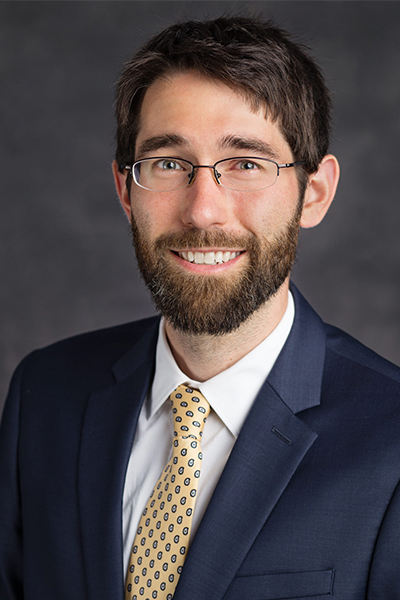
Adam M. Enders is an Associate Professor in the Department of Political Science at the University of Louisville. He also teaches advanced courses on measurement and scaling at the ICPSR Summer Program. His research examines the intersection of political psychology and societal dynamics, focusing on conspiracy theories, core values, partisanship, and polarization. Enders holds a Ph.D. (2016) and M.A. (2013) in Political Science from Michigan State University, and a B.A. (2011) in Political Science and Public Policy from Albion College. His work investigates how conspiratorial thinking influences public opinion, the role of racial prejudice in political behavior, and how subjective perceptions contribute to polarization. Publications appear in top journals like the American Journal of Political Science and Journal of Politics . He has also contributed to The Atlantic and Politico Magazine , analyzing modern conspiracism and its political ramifications. Teaching focuses include political psychology, public opinion dynamics, and quantitative research methods. His methodological expertise in scaling and measurement underpins much of his empirical work, emphasizing rigorous design to explore complex belief systems.
Igor Francetic is a Research Fellow at the Division of Population Health, Health Services Research & Primary Care at the University of Bristol. He holds a PhD in Public Health from the University of Basel (2019) and has expertise in health economics, applied microeconomics, and econometric analysis. His research focuses on healthcare organization, health behaviors, and policy evaluation, with a particular emphasis on emergency care prioritization, primary care workforce dynamics, and health inequalities. He has contributed to policy-oriented projects in Switzerland and Tanzania, including studies on hospital networks, patient safety, and health systems governance. **Education**: PhD in Public Health (University of Basel, 2019) MSc in Economics (University of Lausanne, 2016) BA in Economics (University of Lugano, 2012) BSc in Business Administration (SUPSI, 2011) **Research Interests**: His work explores cancer screening, spillover effects in healthcare, emergency care disparities, and primary care networks. He employs microeconometric and network analysis tools, leveraging platforms like R and Stata. Recent studies include evaluating skill-mix changes in primary care (England), socioeconomic disparities in emergency care access, and the impact of social accountability monitoring in Tanzania. **Awards & Fellowships**: SSPH+ Fellow, Swiss School of Public Health (2024–) SNSF Ambizione Fellow, SUPSI (2024–) **Teaching**: Co-lecturer for the Health Economics unit (ECON 32202) at the University of Bristol. **Professional Memberships**: Health Economists' Study Group UK (HESG) Royal Economic Society (RES) Swiss Society of Health Economics (sggö) Croatian Health Economics Association (CHEA) – Co-founder and board member
Dr. Bok Sowell is a Professor in the Department of Animal & Range Sciences at Montana State University, affiliated with the College of Agriculture. His expertise spans rangeland ecology, wildlife habitat conservation, and livestock nutrition. He holds a Ph.D. in Range Nutrition from New Mexico State University (1989), an M.S. in Mule Deer Nutrition from Texas Tech University (1981), and a B.S. in Wildlife Management from New Mexico State University (1978). Research focuses on sagebrush ecosystems, sage-grouse conservation, grizzly bear behavior, and livestock grazing management. Notable projects include studies on fence modifications for sage-grouse nest survival, stable isotope analysis of army cutworm moths, and dormant season grazing strategies for beef cattle. Teaching includes courses like Natural Resource Conservation and Wildlife-Livestock Nutrition . Over 35 peer-reviewed articles highlight contributions to rangeland ecology and wildlife management. Awards include the 2024 Founder's Day Award for Excellence and recognition for academic advising. Grants include funding from the US Fish and Wildlife Service for sagebrush landscape management. Professional service includes roles with the Society for Range Management and Ecosphere journal. He leads efforts to restore aspen ecosystems and mitigate human-wildlife conflicts in the Greater Yellowstone Ecosystem.
Michael Willis is Professor of Chemistry at the University of Oxford and Fellow of Lincoln College, leading the Willis Research Group with expertise in catalytic organic synthesis. His work bridges academic innovation and industrial pharmaceutical applications through novel sulfur chemistry methodologies. His educational trajectory includes: Undergraduate studies at Imperial College London PhD at University of Cambridge under Professor Steve Ley Postdoctoral research at Harvard University with Professor David Evans Research centers on catalytic sulfur functionalization, particularly using DABSO as a sulfur dioxide surrogate to develop sulfonamide/sulfonimidamide synthesis routes. His group pioneers enantioselective desymmetrization methods and heterocyclic cross-coupling techniques, emphasizing industrial applicability in drug discovery. Key themes include energy-efficient catalysis and sustainable chemistry approaches to complex molecule synthesis. Analysis of recent publications (2021-2023) reveals sustained innovation in sulfur reagent development, with increasing focus on photocatalysis and radical-based transformations for sulfonamide diversification. The work demonstrates strategic progression from fundamental reagent discovery (DABSO) to complex target synthesis with pharmaceutical relevance. Award recognition includes: 2015 Pfizer, AstraZeneca, Syngenta Process Chemistry Research Award 2014 Royal Society of Chemistry Catalysis in Organic Chemistry Award 2008 AstraZeneca Award in Synthetic Organic Chemistry The Willis Group maintains active pharmaceutical industry collaborations while developing next-generation catalytic methods. Current projects focus on expanding sulfur pharmacophore applications and improving synthetic efficiency for agrochemical targets through novel catalytic manifolds.
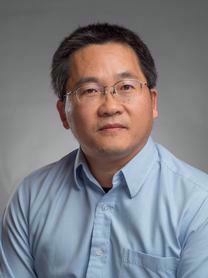
Maobing Tu is a Professor at the University of Cincinnati, specializing in biomass processing chemistry and biofuel production. His research focuses on biochemical engineering, lignocellulosic biomass conversion, and environmental biotechnology. He holds a PhD from the University of British Columbia (2007) and East China University of Science and Technology (2001). Key research areas include developing sustainable biorefinery processes, mitigating biomass recalcitrance, and enhancing microbial fermentation efficiency. He has secured multiple grants, including an NSF CAREER Award and NSERC Fellowships, supporting projects on lignin valorization, PFAS treatment, and bioprocess engineering. Education: PhD, University of British Columbia, Vancouver, 2007 PhD, East China University of Science and Technology, Shanghai, 2001 Awards: NSF Career Award (2013–2018) NSERC Industry R&D Fellowship (2007–2008) His work spans collaborations on nanocellulose-based materials, microbial fuel cells, and lignin-based piezoelectric materials. Recent grants include federal funding for decarbonizing chemical recovery processes and novel membrane electrolysis systems. Publications highlight advancements in biomass pretreatment, enzyme recycling, and detoxification strategies for biofuel production. Current projects address environmental challenges like PFAS remediation and microbial community dynamics in water systems.
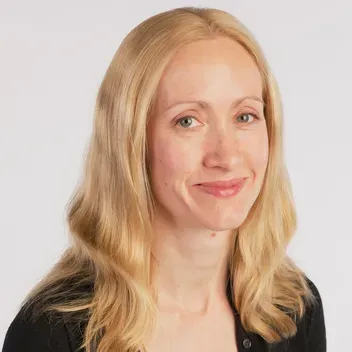
Professor Sarah Coulthurst is the Chair of Microbial Interactions and a Wellcome Trust Senior Research Fellow at the University of Dundee's School of Life Sciences. Her research focuses on understanding how Gram-negative bacterial pathogens cause disease, with a focus on protein secretion systems (especially the Type VI secretion system), inter-bacterial competition, and antimicrobial resistance mechanisms. She leads a molecular microbiology group using genetics, proteomics, and non-mammalian virulence models. Education: PhD in Molecular Microbiology from the University of Cambridge (2005), MSci in Natural Sciences (2000), and BA in Natural Sciences (1999), all from the University of Cambridge. Research Focus: Her work investigates the molecular mechanisms of the Type VI secretion system (T6SS), bacterial competition strategies, and antimicrobial peptide production. Key projects include studying Serratia marcescens's T6SS-mediated attacks and the role of lifestyle switches in clinical pathogen adaptation. Recent Work: Recent publications highlight discoveries in T6SS effector proteins, pore-forming mechanisms, and genomic regulation of bacterial competition. She also contributes to understanding antimicrobial resistance and Serratia's role in polymicrobial communities. Awards: Includes Fellow of the Royal Society of Edinburgh (2024), Wellcome Senior Research Fellowship (2020), and multiple prizes for contributions to microbiology and teaching excellence. Teaching & Supervision: Module manager for Advanced Molecular Microbiology and supervisor for PhD projects on T6SS mechanisms and bacterial adaptation. She also engages in public outreach and educational initiatives. Lab & Collaborations: Collaborates with institutions like the University of Newcastle and Heriot-Watt University. Her lab integrates cutting-edge omics approaches with traditional microbiology to study pathogen interactions.
Heather R. Christofk is a Professor in the Department of Biological Chemistry at the David Geffen School of Medicine at UCLA. Her research focuses on the intricate relationship between cellular metabolism and various biological processes, particularly in the contexts of cancer development, stem cell function, and viral infections. Education: PhD in Cell and Developmental Biology from Harvard University (2007) BS in Molecular, Cell, and Developmental Biology from UCLA (2001) Dr. Christofk's research program centers on understanding how metabolic pathways regulate cellular processes in both normal physiology and disease states. Her laboratory has made significant contributions to understanding how cancer cells reprogram their metabolism to support rapid growth and proliferation, with particular focus on glucose metabolism, amino acid utilization, and metabolic adaptations in tumor microenvironments. She has also pioneered work on the metabolic regulation of stem cell function, especially in hair follicle stem cells, demonstrating how metabolic pathways control stem cell activation and differentiation. Her research has important implications for developing novel therapeutic approaches that target cancer metabolism while preserving normal tissue function. Analysis of Dr. Christofk's recent publications reveals a strong focus on metabolic heterogeneity across different biological contexts. Her work spans cancer metabolism (particularly in liposarcoma, melanoma, and hepatocellular carcinoma), stem cell metabolism (especially hair follicle stem cells), viral metabolism (including Epstein-Barr virus and Zika virus), and developmental metabolism (fetal development and organogenesis). A recurring theme is how metabolic pathways serve as regulatory nodes that control cell fate decisions, tumor progression, and therapeutic responses. Selected Research Funding: Metabolic Control of Hair Follicle Stem Cell Homeostasis and Tumorigenesis (NIH R01AR070245, 2018-2023) - Co-Principal Investigator Nutrient regulation of cancer cell growth (NIH R01CA215185, 2017-2022) - Principal Investigator Regulation of the Warburg Effect in Cancer (NIH DP2OD008454, 2011-2016) - Principal Investigator Dr. Christofk's laboratory maintains active collaborations across multiple disciplines, working with clinicians, basic scientists, and computational biologists to address complex questions in metabolism and disease. Her team employs a range of cutting-edge techniques including metabolomics, stable isotope tracing, molecular biology, and in vivo models to investigate metabolic regulation in health and disease.
Dr. Shahaf Peleg is the Head of the Energy Metabolism and Epigenetics Working Group at the Research Institute for Farm Animal Biology (FBN). His research focuses on aging biology, epigenetic mechanisms, and metabolic interventions. Key areas include histone acetylation regulation, mitochondrial function, and dietary effects on longevity. He uses models like Drosophila, C. elegans, and mice (e.g., Titan mouse) to study aging pathways. Leading interdisciplinary projects on energy metabolism and epigenetic interactions. Developing optogenetic tools for mitochondrial research. Expertise in lipidomics and circadian metabolism. Recent work emphasizes dietary interventions in obesity-related aging and optogenetic rejuvenation of cellular energetics. Active in collaborative networks like ARDD Emerging Science workshops. Publications span metabolic pathway analysis, alcohol's epigenetic impacts, and longevity biomarkers. His team's Titan mouse model is a key tool for testing frailty attenuation strategies.
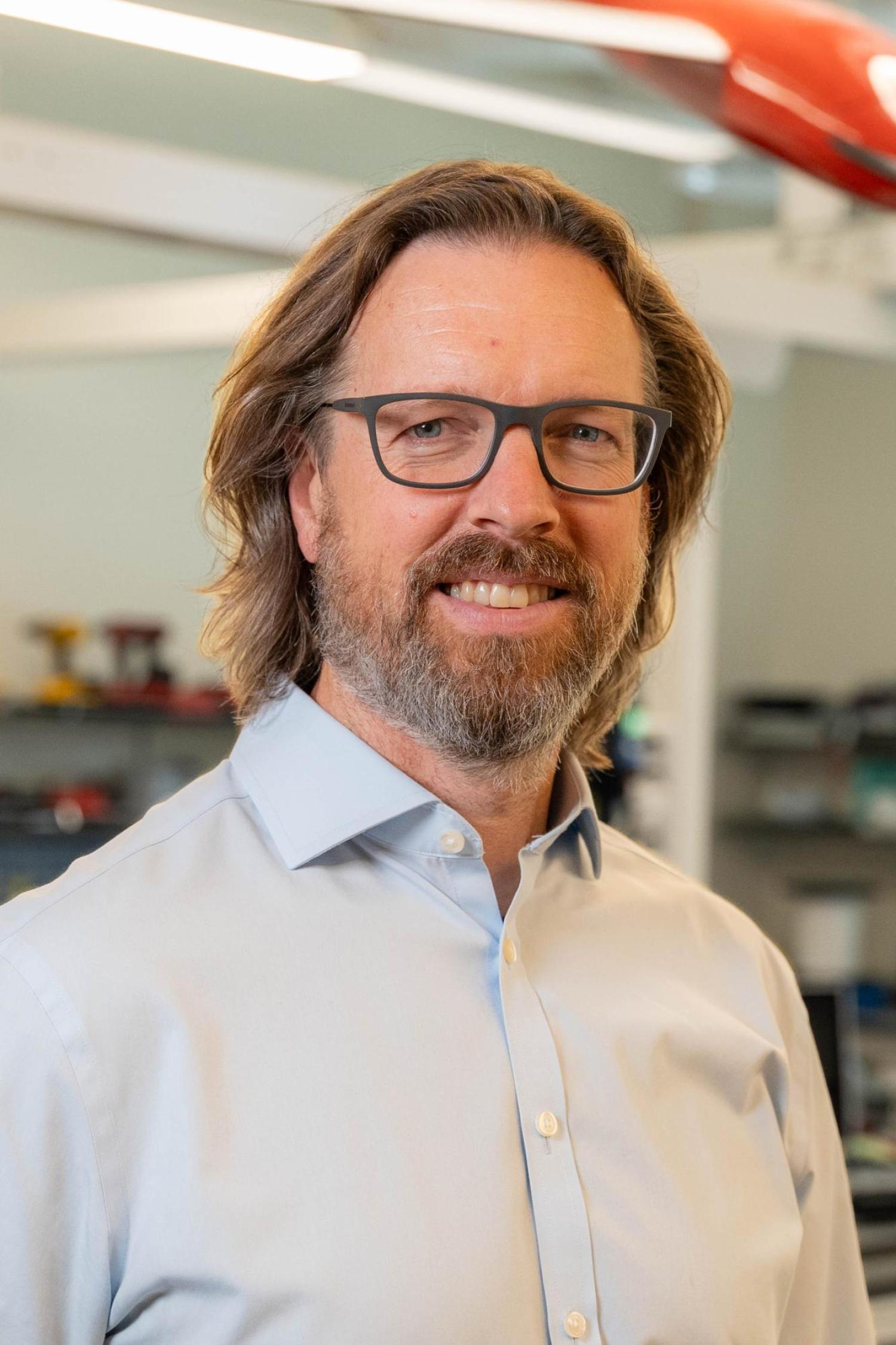
Eric Frew is a Professor in the Department of Aerospace Engineering Sciences at the University of Colorado Boulder. He holds leadership roles including Director of the Autonomous Systems Interdisciplinary Research Theme (ASIRT) and former Director of the Research and Engineering Center for Unmanned Vehicles (RECUV). His research focuses on autonomous systems, heterogeneous unmanned aircraft systems, and optimal distributed sensing. He earned his PhD from Stanford University in 2003, and has been a faculty member at CU Boulder since 2004. Education: PhD, Aeronautics and Astronautics, Stanford University, 2003 MS, Aeronautics and Astronautics, Stanford University, 1996 BS, Mechanical Engineering, Cornell University, 1995 Research Interests: Networked unmanned systems Optimal distributed sensing Controlled mobility in sensor networks Miniature self-deploying systems Guidance and control of unmanned aircraft in complex atmospheric phenomena Notable Awards: Outstanding Mentor Award (2023) AIAA Associate Fellow (2013) NSF CAREER Award (2009) Grants and Labs: Leads the Center for Autonomous Air Mobility and Sensing (CAAMS), and has conducted field campaigns such as TORUS (Targeted Observation by Radars and UAS of Supercells). His work integrates theoretical research with practical deployment of autonomous systems for environmental monitoring and severe weather studies. Labs/Teams: Active in CAAMS and RECUV, collaborating with industry/government on pre-competitive research in autonomous air mobility and sensing.
Rafał Biedrzycki is an Assistant Professor at The Institute of Computer Science within Warsaw University of Technology's Faculty of Electronics and Information Technology. His research focuses on optimization algorithms, evolutionary computation, and machine learning applications. He holds a PhD in Information Science (2009) and a D.Sc. (2024). Key research interests include evolutionary algorithms (e.g., Differential Evolution, CMA-ES), optimization techniques for real-world problems (e.g., compressor scheduling, optical networks), and algorithm benchmarking. He has contributed to improving constraint-handling methods and hybrid algorithm designs. Received team awards for scientific achievements from Warsaw University of Technology (2019, 2023) and teaching excellence (2021, 2024). Active in interdisciplinary projects, including the DAFNE initiative for data fusion systems (2010-2011). Supervises research in optimization, machine learning, and computational electromagnetics. His work bridges theoretical algorithm development with practical applications in engineering and data analysis. Recent efforts include analysis of CEC competition algorithms and parameter-tuning methodologies.
Patrick Singleton is an Associate Professor in the Department of Civil and Environmental Engineering at Utah State University, specializing in transportation research. His work bridges travel behavior, safety analysis, and health impacts of transportation systems, with a focus on active transportation and data science applications. Academic Background: PhD in Civil and Environmental Engineering (Portland State University, 2017) Research Areas: Travel behavior, transportation-electrification, pedestrian safety, health-wellbeing in transport Recent research trends emphasize data-driven approaches to pedestrian and bicycle safety, transportation electrification, and the impact of environmental factors like air quality on travel patterns. His lab develops tools for pedestrian data analysis and systemic safety improvements. Scientific recognition includes multiple UDOT awards and a 2017 Best Paper award. He mentors graduate students in transportation modeling and safety analysis.
Associate Professor Ben Gilby is a coastal and marine ecologist at the University of the Sunshine Coast (UniSC), specializing in ecological restoration, conservation biology, and spatial ecology. He holds an Associate Professor position in Animal Ecology within the School of Science, Technology and Engineering. His research focuses on optimizing ecosystem management through systematic planning, spatial ecology, and ecological indicators, with expertise in coastal fish habitats and shellfish reef restoration. He collaborates extensively with government agencies, NGOs, and industries to address ecological monitoring, restoration, and environmental planning challenges. Ben Gilby's education includes a PhD and BSc(Hons) from Griffith University (Griff) and the University of Queensland (Qld). His teaching includes courses on endangered animals, coastal and marine ecology, and restoration ecology. His research has been published widely in journals like Ecology , Conservation Biology , and Restoration Ecology , with a focus on seascape connectivity, urbanization impacts, and the ecological functions of coastal habitats. Key research topics include shellfish reef restoration, nutrient offsetting using coastal wetlands, and the integration of spatial ecology into conservation planning. He coordinates postgraduate research on coastal fish ecology, ecological restoration hotspots, and the ecological roles of coastal habitats. His work emphasizes maximizing ecological, social, and economic outcomes through evidence-based approaches.
Ana Paula Mora Tavares is an Assistant Researcher at CICECO-Aveiro Institute of Materials, University of Aveiro, Portugal. She holds a PhD in Chemical Engineering from the University of Aveiro (2006), preceded by a MSc from Federal University of Rio de Janeiro (2000) and a BSc from Estadual University of Rio de Janeiro (1997). Her academic career includes postdoctoral research at LSRE/FEUP (2006–2009) and a Ciência 2008-funded independent position (2009–present). She teaches laboratory classes in Microbial Biotechnology at the University of Aveiro and has been involved in COHITEC’s technology commercialization training. Research Interests: Her work focuses on biomolecules purification (e.g., enzymes, antibodies), ionic liquids, aqueous biphasic systems, nanomaterials, and biocatalysis for organic synthesis. She pioneers applications in enzyme immobilization, anticancer drug development (e.g., L-asparaginase), and eco-friendly bioremediation strategies. Current projects include the InsectERA initiative for circular economy innovation. Awards: 2007 Honourable Mention from Companhia União Fabril for PhD thesis Supervision: 3 PhD students (Ana Filipa Soares Pereira, Ana Isabel Bastos Valente, Ana Sofia Correia Marques) Key Projects: InsectERA (circular economy), COHITEC (technology valorization) Labs/Teams: PATh G5 - Biomimetic Materials Group and L3 Sustainability Unit at CICECO. Her research leverages interdisciplinary approaches, combining chemical engineering with nanotechnology for biomedical and environmental applications.
Prof. Jay A. Gupta is a Professor and Vice Chair for Graduate Studies and Postdoctoral Affairs in the Department of Physics at The Ohio State University. His research focuses on atomic-scale studies of novel materials using scanning tunneling microscopy (STM) to address challenges in energy conversion and advanced computing. Key areas include magnetic skyrmions in chiral systems, semiconductor defects, 2D materials, and spintronics. He leads a laboratory equipped with four advanced STM systems and collaborates on NSF NeXUS, an ultrafast science facility. Education: B.S. Chemistry/Physics (UIUC), Ph.D. Physics (UCSB) Lab Locations: Physics Research Building (labs 0101/0105/0178) Key Projects: Spin-polarized STM of MnGe, defect-mediated surface chemistry in semiconductors, ultrafast laser-material interactions His group has trained over 30 graduate/undergraduate students and postdocs, many now in academia and industry. Research is supported by NSF, Department of Energy, and industrial partnerships.
Dr. Gary Mitchell is a Reader (Education) in the School of Nursing and Midwifery at Queen's University Belfast, with a focus on aging populations, dementia care, and healthcare education. He leads postgraduate education initiatives and co-develops digital educational tools to enhance nursing practice and public health awareness. Director of Postgraduate Taught Education at the School of Nursing and Midwifery Academic Lead for the Future Ready Evidence-Based Practice Champion Programme Former Chair of the Royal College of Nursing's Older People's Forum Editorial Board Member of BMC Geriatrics and Nursing Reports His research interests span qualitative methodologies, care home nursing, and the integration of digital education. Key projects include co-designing interventions to improve dementia care, pain management, and diabetes education in long-term care settings. Dr. Mitchell has authored over 260 publications, focusing on topics like restrictive practices in care homes, the psychosocial impact of chronic illnesses, and educational games for public health awareness. Awards: MBE (2023), Queen's University Teaching Awards (2024, 2023, 2021, 2020) He supervises PhD students in aging care and collaborates internationally on projects funded by agencies like the Burdett Trust for Nursing and the National Institute for Health Research (NIHR).