
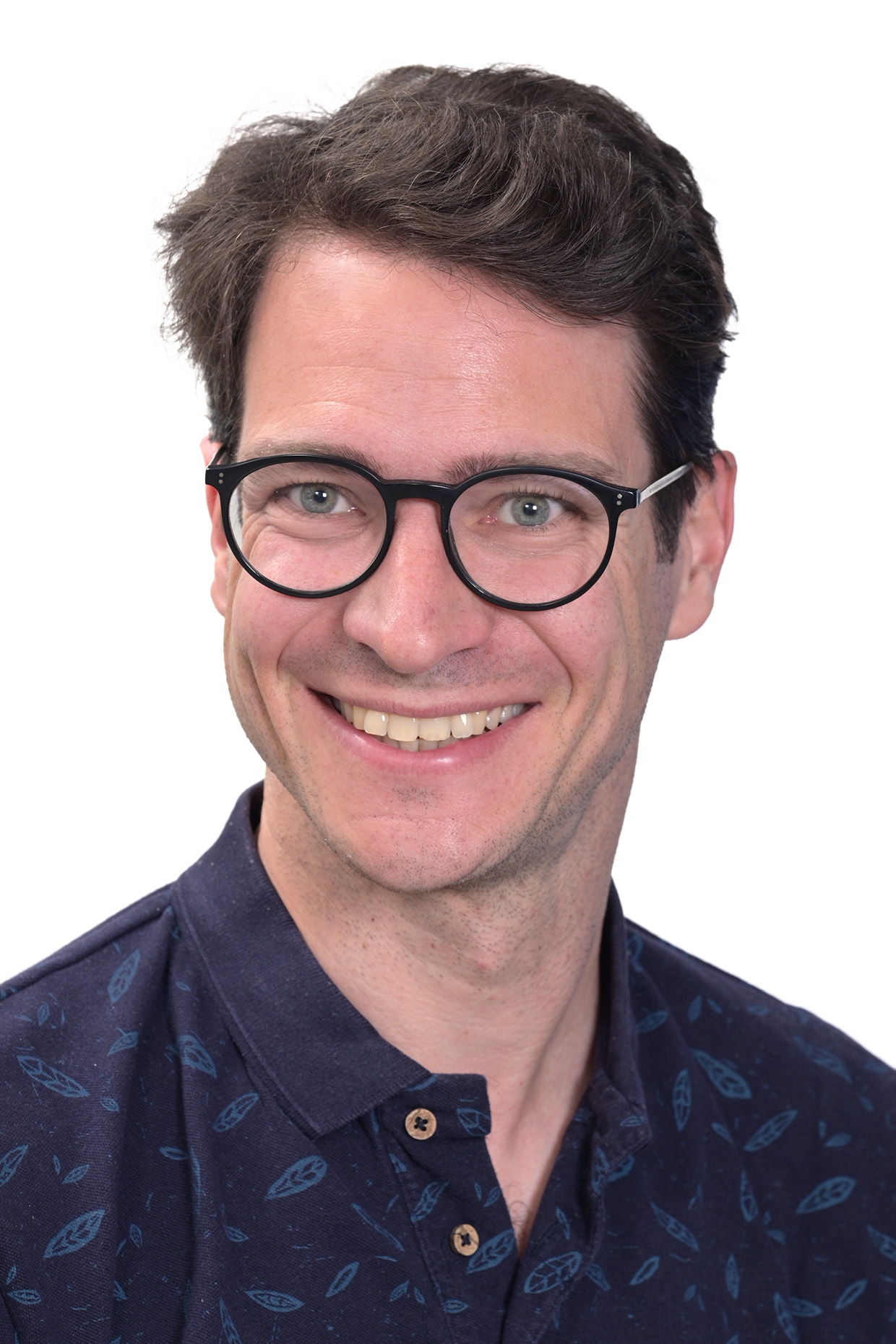
Professor Stefan Dudli is a leading researcher at the Center of Experimental Rheumatology, University Hospital Zurich, Department of Rheumatology. He heads the Dudli Lab, a growing satellite research group located at the Balgrist Campus, where his team focuses on the pathophysiology of rheumatic disorders and novel therapeutic development. His work bridges rheumatology and orthopedics with a particular emphasis on spinal conditions and pain mechanisms. Professor Dudli's research spans multiple interconnected domains centered on spinal pathology. His primary focus is on Modic changes - vertebral bone marrow lesions associated with idiopathic low back pain. His lab has demonstrated that these changes represent inflammatory and fibrotic alterations in bone marrow where the adjacent degenerated intervertebral disc plays a critical role. His research has established animal and in vitro models showing dual etiologies: disc infection and autoimmune responses against disc material can both trigger Modic changes. A secondary major research focus is Complex Regional Pain Syndrome (CRPS), particularly investigating the epidermal communication between neuronal and non-neuronal cells in CRPS skin to understand precise pathogenesis. Analysis of Professor Dudli's recent publications reveals a strong translational research trajectory moving from basic pathophysiological understanding toward therapeutic development. His work shows increasing sophistication in methodology, incorporating advanced techniques like transcriptomic profiling, flow cytometry screening, and biomechanical modeling. The research demonstrates particular strength in bridging basic science with clinical applications, especially in developing targeted treatments for Modic changes and understanding biological subgroups in CRPS. Professor Dudli leads a multidisciplinary research team focused on spinal pathology and pain mechanisms. The Dudli Lab employs diverse technical expertise including primary cell isolation from multiple tissues (bone marrow, intervertebral discs, synovium, skin), advanced cell culture models, and comprehensive cellular characterization techniques. His research benefits from close clinical partnerships that enable translation of basic discoveries into potential therapies for painful spinal conditions.