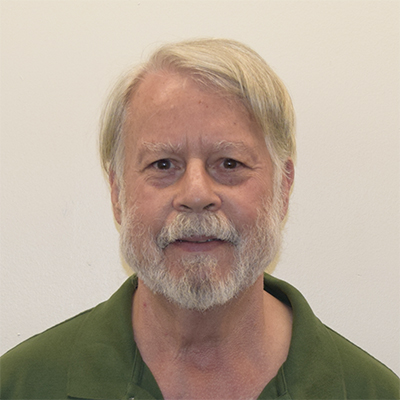
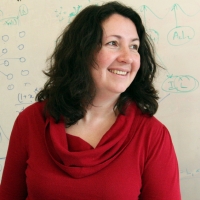
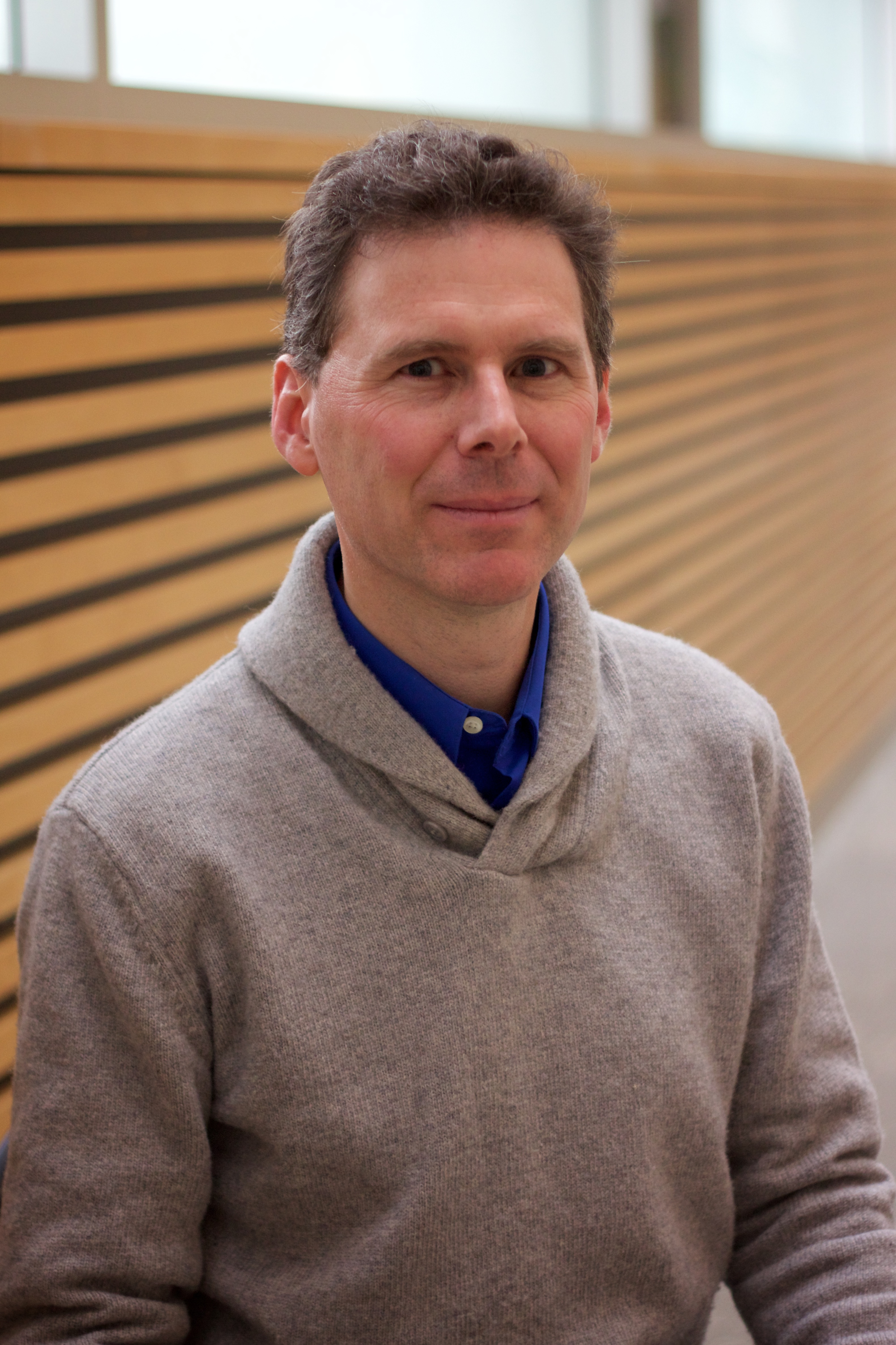
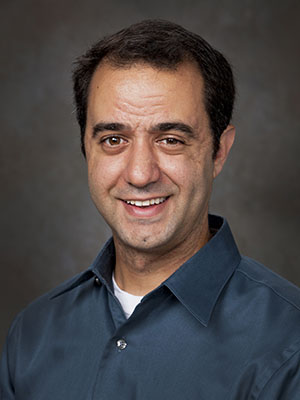
Mark Y. Liberman is the Christopher H. Browne Distinguished Professor of Linguistics and Trustee Professor at the University of Pennsylvania. He holds a joint appointment in the Department of Linguistics and the Department of Computer and Information Science. His roles include Director of the Linguistic Data Consortium (LDC), Faculty Director of Ware College House, and former Director of the Institute for Research in Cognitive Science. Education: A.B. in Linguistics and Applied Mathematics from Harvard University (1965–1969), M.S. (1972) and Ph.D. (1975) in Linguistics from MIT. Research focuses on corpus-based phonetics, clinical linguistics applications, tonal phonology, formal models for linguistic annotation, and computational linguistics. He explores speech production, prosody, and interdisciplinary topics like language evolution and neurobiology of speech. Recent articles highlight advancements in speech biomarkers for neurodegenerative diseases, autism analysis, and computational linguistics. Awards include Fellowships from the AAAS and Linguistic Society of America. He advises graduate students and leads large-scale language resource initiatives like LDC, contributing to open-access linguistic datasets. Labs/Teams: Linguistic Data Consortium (LDC), Institute for Research in Cognitive Science (IRCS), and collaborations in computational linguistics and neuroscience.
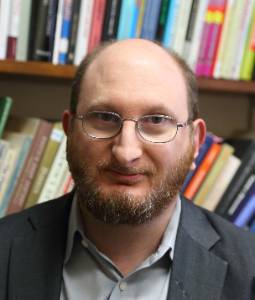
Joseph A. November is an Associate Professor in the Department of History at the University of South Carolina, affiliated with the McCausland College of Arts and Sciences. His research focuses on the history of biomedical computing, distributed computing, and the intersection of technology and medicine. He holds a Ph.D. from Princeton University (2006), an M.A. from the University of Chicago (2002), and a B.A. from Hamilton College (1997). His work includes the award-winning book Biomedical Computing: Digitizing Life in the United States (2012), which explores the co-development of biomedicine and computing technologies. Current projects include Revolutions@home , examining distributed computing in protein folding research, and a biography of computing pioneer Robert S. Ledley. He has received grants from the NSF, NIH, and the Charles Babbage Institute. Teaching interests span the history of science and technology, including courses on the history of medicine, digital humanities, and the role of games in historical education. He actively contributes to professional organizations like SHOT and the History of Science Society. Awards include the Computer History Museum Prize (2013) and the National Institutes of Health DeWitt Stetten Fellowship (2007-2008). His research bridges historical analysis with contemporary issues in technology and biomedical ethics.
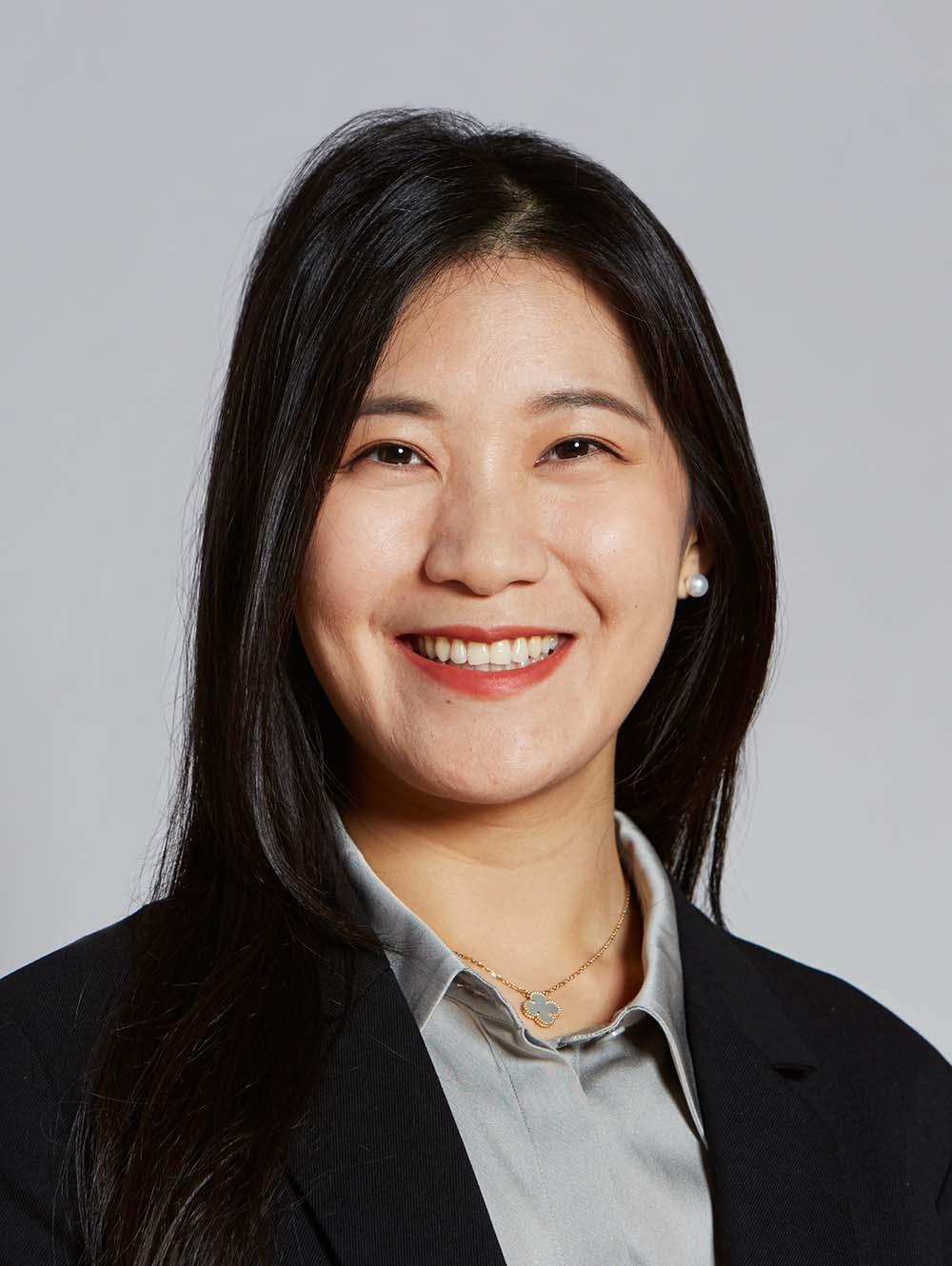
Prof. Hedan Bai is an Assistant Professor at the Department of Materials, ETH Zürich, specializing in robotics materials, bio-inspired systems, and soft robotics. Their research focuses on developing advanced materials for sensing, energy-efficient systems, and biomedical applications. Notable projects include the SmartSuit architecture for space exploration and self-healing optical sensors for soft robots. Research interests span bioelectronics, stretchable sensors, haptic interfaces, and biomimetic materials. Bai's work integrates material science with robotics to create adaptive, sustainable, and intelligent systems. Key areas include wireless implants for neuromodulation, environmental-responsive textiles, and energy-harvesting devices. Publications highlight innovations in optical waveguides, self-healing materials, and wearable technologies. Their interdisciplinary approach bridges robotics, biomedical engineering, and aerospace applications. No formal awards are listed, but contributions to next-gen materials for robotics are prominent. Advising and grants are not detailed in the text, but Bai's lab focuses on projects like SmartSuit for extravehicular activities and synthetic afferent neural networks. Collaborations likely involve aerospace and biomedical sectors.
Professor Hutan Ashrafian is a clinician-scientist and surgeon at the University of Leeds Business School, holding dual roles as Professor of Research Impact and Senior Research Fellow at Imperial College London. His expertise spans AI in healthcare, metabolic surgery, and ancient history. He pioneered STARD-AI and QUADAS-AI guidelines for AI diagnostics, collaborated on AI-driven breast cancer screening with Google and NHS, and led global health policy initiatives. Ashrafian’s work bridges medicine, history, and philosophy, including his contributions to understanding historical figures’ medical conditions, such as King Tutankhamun’s epilepsy. He has authored over 550 publications, 12 books, and holds a PhD in computational physiology and an MBA with distinction. Awards include the Hunterian Prize and Wellcome Trust Fellowship. His research also explores AI ethics, quantum physics paradoxes, and art-based medical diagnostics. Education: PhD in Computational Physiology (Imperial College London) MBA (Warwick Business School) MD (University College London) Bachelor of Science in Immunology (University College London) Research Interests: Ashrafian’s work spans: AI in Medicine: Diagnostic algorithms, guideline development (STARD-AI/QUADAS-AI), and ethical frameworks. Metabolic Surgery: Bariatric interventions, gut microbiome, and obesity treatments. Ancient History: Medical analyses of historical figures (e.g., Tutankhamun, Julius Caesar) and art-based pathology identification. Philosophy: AI rights (AIONAI law), temporal paradoxes, and the Simulation Argument. Awards: Royal College of Surgeons Arris and Gale Lectureship Hunterian Prize Wellcome Trust Research Fellowship Advising & Innovation: Supervised >50 PhD students, co-founded Oxford Medical Products (weight loss tech), and serves as CSO at Flagship Pioneering’s Preemptive Health division. He advises on NHS digital transformation and global health policy. Labs/Teams: Leads AI initiatives at Imperial’s Institute of Global Health Innovation and collaborates with Google, NICE, and international institutions on health tech solutions.
Shrikanth (Shri) Narayanan is a University Professor and holder of the Niki and Max Nikias Chair in Engineering at the University of Southern California (USC), serving as the inaugural Vice President for Presidential Initiatives. He leads the Signal Analysis and Interpretation Lab (SAIL) and holds joint appointments in Computer Science, Linguistics, Psychology, Neuroscience, Pediatrics, and Otolaryngology-Head and Neck Surgery. His research focuses on speech and audio processing, behavioral signal processing, and real-time MRI of speech production, with applications in healthcare, education, and technology. Education: B.E. in Electrical Engineering from College of Engineering, Guindy (Chennai, India, 1988); M.S., Engineer, and Ph.D. in Electrical Engineering from UCLA (1990, 1992, 1995). Research interests span computational linguistics, machine learning, and multimodal human behavior analysis. He pioneered technologies for speech biomarkers in mental health, real-time MRI of speech production, and wearable sensor systems for longitudinal health studies. His work in speech emotion recognition, forensic interviews, and clinical applications has been recognized through over 40 awards, including the IEEE Flanagan Award and ISCA Medal. He has published extensively in journals like Proceedings of the IEEE , Journal of the Acoustical Society of America , and PLOS One . Key Grants: NSF CAREER, Okawa Research, IBM Faculty, Google/Amazon awards. Labs/Teams: Signal Analysis & Interpretation Lab (SAIL), USC Information Sciences Institute (ISI), Google Visiting Faculty Researcher.
Fanny Yang is an Assistant Professor in the Computer Science Department at ETH Zurich . She previously held postdoctoral positions at Stanford University and a Junior Fellowship at the Institute for Theoretical Studies at ETH Zurich, advised by Nicolai Meinshausen . Her PhD was completed at the EECS Department of UC Berkeley , supervised by Martin Wainwright . Research Interests : Theoretical foundations of machine learning and statistics , particularly focusing on overparameterized models and high-dimensional data . Developing trustworthy ML models with emphasis on distributional robustness , domain generalization , and interpretability . Applications in medical diagnostics and treatment effect analysis , aiming to address reliability issues in real-world domains. Recent Work Trends : 2025 Articles : Theoretical analysis of semi-supervised multi-objective learning , test-time scaling with verifiers, and foundation models for efficient randomized experiments . 2024 Articles : Studies on robust mixture learning , privacy-preserving data synthesis via optimal transport , confounding quantification in causal inference , and semi-private learning frameworks. 2023 Articles : Investigations into active vs. passive learning in high dimensions, inductive bias in noisy interpolation , and semi-supervised novelty detection using model ensembles .
Yuki M. Asano is a full Professor at the University of Technology Nuremberg , leading the Fundamental AI (FunAI) Lab . Previously, he led the QUVA Lab at the University of Amsterdam and earned his PhD at the Visual Geometry Group (VGG) of the University of Oxford under Andrea Vedaldi and Christian Rupprecht. University of Technology Nuremberg (2024–present) University of Amsterdam (prior to 2024) University of Oxford (PhD, 2020) His research spans Artificial Intelligence , Machine Learning , and Computer Vision , with a focus on Causal Representation Learning , Self-Supervised Learning , and Efficient Model Adaptation . He pioneered techniques like BISCUIT (causal variable identification) and VeRA (parameter-efficient fine-tuning). His work extends to Medical Imaging and Environmental Monitoring through applications in fetal ultrasound analysis and marine debris detection. Recent publications (2023–2025) highlight advancements in Self-Supervised Learning , Vision-Language Models , and 3D Understanding . Notable papers include TWIST & SCOUT (multimodal LLM grounding), SIGMA (masked video modeling), and GeneralAD (anomaly detection). His ICCV 2023 work on Self-Ordering Point Clouds and MoSiC (optimal-transport motion trajectories) underscores his interdisciplinary approach. He received the JUPITER compute grant (2025) and an Outstanding Paper Award at ICLR 2024 . His collaborations span institutions like MIT-IBM Watson AI Lab, Qualcomm AI Research, and University of Amsterdam.
Polina Golland is a Professor in the Department of Electrical Engineering and Computer Science (EECS) at MIT and a Principal Investigator in the Computer Science and Artificial Intelligence Laboratory (CSAIL). Her research focuses on developing novel techniques for biomedical image analysis and understanding, particularly in medical vision, AI/ML, and health care applications. She leads the Medical Vision Group and collaborates with the Vision Group at CSAIL. Her work emphasizes statistical modeling of medical images, shape modeling, and predictive analytics for biological processes. Current projects include fetal MRI analysis, cardiac MRI segmentation, and quantitative assessment of pulmonary edema in chest X-rays. She has secured grants from NIH, MIT-IBM Watson AI Lab, and other institutions to support her research. Dr. Golland teaches courses on inference, probability, and probabilistic systems. She advises graduate students in MIT's EECS program and has mentored numerous postdocs and researchers. Her lab focuses on translating advanced imaging techniques into clinical workflows, with applications in neuroimaging, fetal health monitoring, and cardiovascular disease analysis. Notable collaborations include work with Harvard Medical School affiliates, Brigham and Women's Hospital, and the MIT Jameel Clinic. Her research aims to bridge computational methods with clinical needs, improving diagnostic tools and treatment planning through machine learning and medical imaging innovation.
Kenneth S. Breuer is a Professor of Engineering at Brown University, serving as Director of the Center for Fluid Mechanics. He holds appointments in the School of Engineering and collaborates across disciplines, including Biology and Physics. His research focuses on fluid mechanics, animal flight mechanics (particularly bats), bacterial motility, renewable energy, and turbulence. Breuer earned his Sc.B. from Brown University and M.Sc./Ph.D. from MIT, returning to Brown in 1999 after faculty service at MIT. Education: Sc.B. (Brown), M.Sc./Ph.D. (MIT). Awards include Fellowships from the American Physical Society and American Society of Mechanical Engineers, and the Harold and Esther Edgerton Chair at MIT. He has authored over 100 publications and edited books such as *Microscale Diagnostic Techniques*. Research Interests: Fluid mechanics at micro/nanoscales, bio-inspired flight mechanisms, energy harvesting, and vortex dynamics. Collaborations include Professors Sharon Swartz (Biology) and Thomas Powers (Engineering). Current projects explore bat wing aerodynamics, membrane hydrofoils, and aerosol transmission in vehicles. Awards: APS Division of Fluid Dynamics Chair (2012), Midwest Mechanics Lecturer, and multiple fellowships. Teaching includes courses in Fluid Mechanics, Transport Phenomena, and Renewable Energy Systems. His lab develops bio-inspired robotic systems and studies flow interactions in animal and engineered systems.
Lerrel Pinto is an Assistant Professor of Computer Science at the Courant Institute of Mathematical Sciences at New York University (NYU), where he leads the General-purpose Robotics and AI Lab (GRAIL) as part of the CILVR research group. His work bridges the gap between theoretical machine learning and practical robotics applications, with a focus on enabling robots to generalize and adapt in real-world environments. Dr. Pinto received his undergraduate degree from IIT Guwahati, followed by a PhD from the Robotics Institute at Carnegie Mellon University (CMU). He then completed a postdoctoral fellowship at the University of California, Berkeley before joining NYU as faculty. His research program centers on robot learning and decision making, with several key thrusts that demonstrate his innovative approach to robotics. Pinto's work emphasizes large-scale learning techniques that leverage both extensive data and sophisticated model architectures. A significant portion of his research focuses on representation learning for sensory data, particularly developing methods that enable robots to make sense of visual, tactile, and auditory inputs. His lab has made notable contributions to reinforcement learning algorithms that allow robots to adapt to new scenarios with minimal retraining. Pinto also champions open-source robotics , developing affordable robot platforms that democratize access to robotics research. Analysis of Pinto's recent publications reveals a strong trend toward multimodal perception in robotics, integrating visual, tactile, and auditory information to create more robust robot systems. His work increasingly focuses on zero-shot and few-shot learning capabilities, enabling robots to handle novel situations without extensive retraining. There's also a clear progression toward general-purpose robotics , moving away from task-specific solutions toward more flexible systems that can handle diverse real-world challenges. Dr. Pinto's scientific contributions have been recognized with several prestigious awards: Sloan Research Fellowship (2025) NSF CAREER Award (2024) RAL Early Career Award (2024) Best Student Paper Award at ICRA (2016) Outstanding Paper Award at MFM-EAI workshop at ICML (2024) Best Paper Award at NGSM workshop at ICML (2024) Best Student Paper Award at RSS (2023) As an advisor, Pinto has mentored numerous students who have gone on to impactful careers in both academia and industry. His former PhD student Denis Yarats co-founded Perplexity.AI, while Mahi Shafiullah became a postdoc at UC Berkeley and Meta AI. Many of his Masters students have pursued PhDs at top institutions like CMU, MIT, and Stanford, or joined leading robotics companies including 1X, Fauna Robotics, and NVIDIA. Pinto's lab has secured significant research funding, including the NSF CAREER award and likely other grants supporting his robotics research program. The General-purpose Robotics and AI Lab (GRAIL) that Pinto leads brings together a diverse team of researchers working on cutting-edge robotics challenges. The lab maintains strong collaborations with industry partners and other academic institutions, facilitating technology transfer and real-world impact. GRAIL's research spans multiple robotics platforms and focuses on developing algorithms that enable robots to learn from diverse experiences and generalize across environments.
Didier Trono is a Full Professor at École Polytechnique Fédérale de Lausanne (EPFL), where he leads the Laboratory of Virology and Genetics (LVG) within the School of Life Sciences. Formerly, from 2004 to 2012, he served as the founding dean of EPFL's Faculty of Life Sciences, orchestrating its development and growth during this formative period. Trono received his medical education at the University of Geneva, followed by clinical training in pathology, internal medicine, and infectious diseases in Geneva and at Massachusetts General Hospital in Boston. His scientific career began at the Whitehead Institute of MIT, and in 1990 he was recruited by the Salk Institute of San Diego to launch an AIDS research center. After seven years in the United States, he returned to Europe and eventually joined EPFL. Dr. Trono's research has evolved significantly over his career. Initially focusing on virus-host interactions, he studied pathogens like HIV and Hepatitis B virus, creating HIV-derived genetic transfer tools that are now successfully used in gene therapy. For approximately the last fifteen years, his research has centered on epigenetics, particularly exploring the impact of retroelements and their control mechanisms on development and physiology of higher organisms, including humans. His laboratory investigates how transposable elements and KRAB zinc finger proteins regulate gene expression, with important implications for understanding cancer biology and developing new diagnostic and therapeutic approaches. Analysis of his recent publications (2022-2024) reveals a strong focus on transposable elements, KRAB zinc finger proteins, and their roles in gene regulation and cancer. His work combines molecular biology, genomics, and bioinformatics approaches to understand how these ancient viral remnants have been co-opted by the host genome to regulate development and cellular functions. The research spans basic molecular mechanisms to potential clinical applications in cancer diagnosis and therapy, with some recent work also addressing SARS-CoV-2 and immune responses. Throughout his career, Professor Trono has mentored numerous PhD students, including Bojkowska Karolina, Brandão Sanches Vong Martins Filipe Amândio, Bulliard Yannick, Coluccio Andrea, Corsinotti Andrea, Coudray Alexandre, De Tribolet-Hardy Jonas Caspar, and Dorschel Iris Arianna. His laboratory has received significant funding to support research at the intersection of virology, genetics, and epigenetics, contributing to EPFL's reputation as a leading institution in life sciences research. The Trono Laboratory continues to be at the forefront of research on retroelements and their regulatory mechanisms, maintaining a vibrant research environment that bridges fundamental biological questions with potential medical applications, particularly in cancer research and precision medicine.
William Chueh is a Professor in the Departments of Materials Science and Engineering and Energy Science & Engineering at Stanford University. He serves as Director of the Precourt Institute for Energy and Faculty Director of the Energy Innovation and Emerging Technologies Program. His research focuses on redox-active materials for energy storage, conversion, and carbon-neutral energy cycles. Education: PhD, Materials Science, Caltech (2010) BS, Applied Physics, Caltech (2005) Research Interests: Energy storage and conversion systems (batteries, fuel cells, electrolyzers) Multi-scale electrochemical and chemical reaction dynamics Materials design rules for redox-active solids Thermodynamic frameworks for sustainable energy Publication Trends: His work spans fundamental materials synthesis, electrochemical characterization, and modeling of redox reactions. Key themes include solar thermochemical cycles, ceria-based systems for CO2/H2O conversion, and advanced battery technologies. Scientific Honors: Outstanding Young Investigator Award (MRS, 2018) Camille Dreyfus Teacher-Scholar Award (2016) Sloan Research Fellowship (2016) CAREER Award (NSF, 2015) Advising: He advises students in energy technologies, materials science, and electrochemistry, including doctoral and master’s candidates. Contact: wchueh@stanford.edu
Robert Rohling is a Professor at the University of British Columbia's Faculty of Applied Science, affiliated with the Department of Mechanical Engineering and holding a joint appointment with the Department of Electrical and Computer Engineering. As Director of the Institute of Computing, Information and Cognitive Systems (ICICS), his research focuses on biomedical engineering, medical imaging, robotics, and computational methods. B.A.Sc. (UBC) M.Eng. (McGill) Ph.D. (Cambridge) Rohling's work spans three primary research areas: medical imaging (3D ultrasound, spatial compounding, elasticity reconstruction), medical information systems (radiologist navigation tools for large image datasets), and robotic calibration for surgical applications. His multidisciplinary approach integrates mechanical and electrical engineering principles with clinical needs. Rohling's publications (2020-2022) reveal trends in advanced ultrasound techniques (e.g., shear wave vibro-elastography), AI-driven image processing (cycleGAN translation), and computational optimization for diagnostic accuracy. Keywords across his work include Medical Imaging, Biomedical Engineering, Robotics, and Computational Modeling. As director of the Robotics and Control Laboratory , Rohling leads interdisciplinary collaborations with industry and clinical partners to address practical challenges in medical diagnostics and surgical robotics. His research emphasizes translating engineering innovations into clinical practice.
Bobak Mortazavi is an Associate Professor in the Department of Computer Science & Engineering at Texas A&M University. His research focuses on medical analytics, machine learning, wearable sensors, and cyber-physical systems. He leads interdisciplinary projects in healthcare technology, including AI-driven diagnostics and predictive modeling for cardiovascular diseases. He has received notable awards such as the Best Demonstration Award at IEEE EMBS 2012 and the Best Paper Award at the Fourth International Conference on Data Analytics 2015. His work bridges machine learning with clinical applications, emphasizing practical solutions for healthcare challenges. Recent research includes developing AI tools for aortic stenosis detection, electrolyte estimation via ECG, and real-time patient monitoring systems. He collaborates with industry and academic partners to advance telemedicine and wearable health technologies. Key contributions include the SMART-LV project for smartphone-based cardiac diagnostics and the ArterialNet framework for blood pressure reconstruction using wearable sensors. His work is published in top journals like IEEE Journal of Biomedical and Health Informatics and Elsevier's Pervasive and Mobile Computing.
Professor Maria Craig is a distinguished academic and researcher at the University of New South Wales, Faculty of Medicine & Health, specializing in childhood diabetes research. She holds a prominent position as a Professor with extensive contributions to the field of pediatric endocrinology and diabetes, particularly focusing on type 1 diabetes in children. Professor Craig's educational background includes: MB BS from the University of Melbourne MMedSc(ClinEpid) from the University of Newcastle PhD from the University of Sydney FRACP (Fellow of the Royal Australasian College of Physicians) Professor Craig's research primarily focuses on childhood diabetes, with special emphasis on prediction and prevention of type 1 diabetes. She has a significant interest in the association between viruses and type 1 diabetes, collaborating with the Virology Research Group at Prince of Wales Hospital (POWH). Together with Professor Bill Rawlinson, she leads the viral theme for the multicentre ENDIA study (endia.org.au). As principal investigator for the CoRD trial, she is conducting a world-first phase 1 study using autologous cord blood for prevention of type 1 diabetes in children with islet autoimmunity. Additionally, she serves as principal investigator for the Australasian Diabetes Data Network (ADDN). Her research portfolio also encompasses the epidemiology of various forms of childhood diabetes (type 1, type 2, cystic fibrosis related diabetes and monogenic diabetes) and diabetes complications, in collaboration with Professor Kim Donaghue at the Children's Hospital at Westmead. Professor Craig's extensive publication record, including over 361 journal articles, demonstrates her leadership in advancing our understanding of childhood diabetes. Her recent work shows increasing focus on early detection methods, risk prediction models, technological interventions for diabetes management, and the complex interplay between viral infections and autoimmune diabetes development. She has been instrumental in developing clinical practice guidelines through her role as co-editor of the International Society for Pediatric and Adolescent Diabetes (ISPAD) guidelines. Professor Craig has received numerous prestigious awards recognizing her contributions to pediatric endocrinology and diabetes research: Australian Paediatric Endocrine Group Young Investigator's Award (1997) Asia Pacific Paediatric Endocrine Society Clinical Teaching Award (2008) Lifetime Honorary Member, Caring and Living as Neighbours (2013) Australian Diabetes Society Jeff Flack Diabetes Data Award (2019) Australian Paediatric Endocrine Group Norman Wettenhall Award for Research and Innovation (2019) Throughout her career, Professor Craig has demonstrated exceptional leadership in professional societies, having served as former president/treasurer of the Australasian Paediatric Endocrine Group (APEG) and currently as Scientific Convenor of the Asia Pacific Paediatric Endocrine Society Fellows school. Her work with the ENDIA study and Australasian Diabetes Data Network represents significant collaborative research efforts involving multiple institutions across Australia and internationally. Her principal investigator roles for major studies indicate substantial research funding support. Professor Craig leads several important research initiatives including the ENDIA study, the CoRD trial, and the Australasian Diabetes Data Network. These programs involve multidisciplinary teams of researchers, clinicians, and support staff working collaboratively to advance understanding and treatment of childhood diabetes. Her work at the intersection of virology and diabetes represents a unique and innovative approach to understanding the environmental triggers of type 1 diabetes.