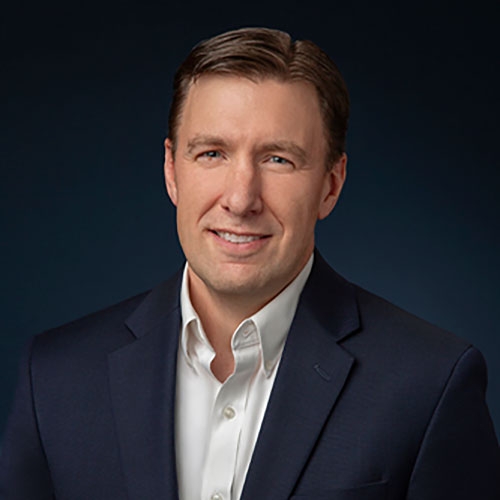
Christian Timmerer is a Professor at the Institute of Information Technology, Alpen-Adria-Universität Klagenfurt. His research focuses on adaptive video streaming , energy efficiency , MPEG standardization , and quality of experience (QoE) , with significant contributions to HTTP Adaptive Streaming (HAS), multi-codec optimization, and immersive media systems. Email: christian.timmerer@aau.at Office Hours: Monday 3:00-4:00 PM (by appointment) Projects: CD-Labor ATHENA, GAIA, SPIRIT His research integrates machine learning and generative AI to enhance video encoding, super-resolution, and voice dubbing, while prioritizing sustainability through energy-aware algorithms and open-source tools like GREEM and VEED. Current work emphasizes latency reduction and dynamic bitrate adaptation in live streaming environments. Recent publications address VVC optimization , multi-resolution encoding , and perceptual quality modeling , reflecting interdisciplinary efforts in networking , computer vision , and human-computer interaction . Awards include leading funded projects on adaptive streaming and green video systems.
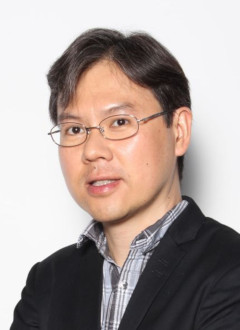
Yuhao Chen is a Research Assistant Professor at the University of Waterloo, specializing in cutting-edge research at the intersection of computer vision, robotics, and healthcare. His work focuses on 3D reconstruction, food tracking, medical imaging, and AI-driven solutions for nutrition analysis and sports analytics. He has contributed to benchmark datasets like NutritionVerse, MetaGraspNet, and FoodVerse, advancing applications in robotic grasping, dietary intake estimation, and human-object interaction analysis. Research interests include egocentric video analysis, real-time 3D reconstruction, zero-shot learning, and multi-task learning. His projects often integrate Gaussian splatting, photometric SLAM, and diffusion models to solve complex problems in food tracking, medical image segmentation, and sports player motion analysis. Recent work highlights include FoodTrack for dietary monitoring and RepViT-MedSAM for medical image segmentation. Yuhao Chen’s innovations span robotics, healthcare, and AI, with a focus on practical applications such as automated nutrition assessment, robotic bin picking, and athlete performance analysis. His research emphasizes scalable frameworks and physically informed 3D reconstruction methods to address real-world challenges in health, sports, and automation.
Kshirasagar Naik is a Professor in the Department of Electrical and Computer Engineering at the University of Waterloo, Ontario. He is actively involved in graduate research supervision and has been a member of IEEE since 1994. His academic career spans decades, with a focus on wireless communication, energy efficiency, and cybersecurity. 1992, Doctorate in Computer Engineering from Concordia University, Ontario 1988, Master of Mathematics in Computer Science from University of Waterloo, Ontario 1983, MTech in Computer Engineering from Indian Institute of Technology, Kharagpur, India 1981, BScEng in Electronics and Telecommunication from Sambalpur University, India His research interests include Mobile and Ad Hoc Networks , Cybersecurity , Internet of Things (IoT) , and Intelligent Transportation Systems . He has published extensively on energy optimization in wireless devices, delay-tolerant networks, and security protocols for vehicular systems. Recent publications highlight the integration of Machine Learning and IoT in environmental monitoring, particularly forest fire detection and prediction. Other works focus on cybersecurity , vehicular networks , and energy optimization in data centers and handheld devices. Professor Naik is currently accepting graduate students for research in mobile systems, network protocols, and green computing at the University of Waterloo.
Piet Desmet is a full professor at KU Leuven's Faculty of Arts, serving as vice rector of KU Leuven, Kulak Kortrijk Campus, and academic director of the Office of the Academic Director, Bruges Campus. He leads multiple research divisions including itec and its Language and Technology subdivision, and is a member of Leuven.AI - KU Leuven Institute for Artificial Intelligence. As general coordinator of itec and academic director of the imec smart education research program, he oversees significant research initiatives spanning multiple campuses. Desmet's research focuses on the intersection of language learning and technology, with particular expertise in Second Language Acquisition and Technology, Computer-assisted Language Learning (including AI-based chatbots), Learning Analytics, and Language Technology and Corpus Linguistics. His work explores intelligent feedback systems, linguistic complexity prediction, adaptive testing, and natural language processing applications for educational contexts. His research spans theoretical linguistic frameworks to practical educational implementations, with a strong emphasis on empirical validation of technological interventions in language learning. Analysis of Desmet's recent publications reveals a strong trajectory toward integrating artificial intelligence with language education, particularly through conversational AI and learning analytics. His work increasingly focuses on chatbot-assisted language learning, adaptive assessment systems powered by large language models, and the application of computational linguistics to educational problems. The publications demonstrate a consistent methodological approach combining theoretical linguistics with empirical educational research, often employing eye-tracking, ERP studies, and learning analytics to evaluate effectiveness. Desmet actively supervises numerous PhD students and leads multiple major research projects including Smart Education at Schools (2025-2026), Enhancing EFL Learners' Speaking Ability through Chatbot-Assisted Dynamic Assessment Powered by LLMs (2024-2028), and the Flanders Ed Tech Hub (2022-2025). His research portfolio demonstrates significant funding success across multiple national and international initiatives focused on educational technology and language learning. As head of itec (an imec research team at KU Leuven), Desmet leads a substantial research ecosystem focused on smart education technologies. The itec team collaborates extensively with Leuven.AI and the KU Leuven Educational Research Institute (LIVO), creating a multidisciplinary environment that bridges computational linguistics, educational psychology, and artificial intelligence. Recent initiatives include the 'AI in Education' online training course and the network for Edtech and Learntech in Flanders.
Antonia Beitzen-Heineke is a Medical Specialist in Internal Medicine, Hematology, and Oncology at the University Medical Center Hamburg-Eppendorf (UKE). She holds dual affiliations in the II. Medical Clinic and Polyclinic (Center for Oncology) and the Institute of Tumor Biology within the Center for Experimental Medicine. Her expertise spans oncology, hematology, and hemostaseology , with a focus on cardio-oncology, chemotherapy-induced toxicity, and coagulation disorders in cancer patients. Her research emphasizes translational studies in tumor biology, including the molecular mechanisms of coagulation activation in acute myeloid leukemia and the role of AXL inhibition in myeloproliferative neoplasms. She also investigates long-term cardiovascular effects of cancer therapies, leveraging cardiac MRI for early detection of myocardial dysfunction. Publications highlight her work on thrombosis in paroxysmal nocturnal hemoglobinuria, checkpoint inhibitor immunotherapy’s impact on hemostasis, and athlete cardiac adaptations. She collaborates with multidisciplinary teams in radiology, immunology, and pharmacology. Her clinical roles involve managing patients with hematologic malignancies and complex coagulation pathologies. No scientific awards are explicitly noted, but her active research profile underscores contributions to cardio-oncology and thrombosis biology.
Matthew L. Jensen is the W.P. Wood Presidential Professor of Management Information Systems at the University of Oklahoma's Price College of Business, where he also co-directs the Center for Applied Social Research. He holds a Ph.D. from the University of Arizona (2007). His research focuses on decision-making processes in mediated environments, with emphasis on online credibility assessment, cybersecurity training efficacy, and deception detection. He has secured over $9.7M in grants from NSF, Air Force Office of Scientific Research, and other agencies. Education: Ph.D., Management Information Systems, University of Arizona, 2007 Research explores how individuals evaluate information credibility in AI-driven interactions, phishing susceptibility mitigation through gamified training, and ideological messaging on extremist websites. His work appears in top journals like MIS Quarterly and Information Systems Research. Recent projects include developing AI tools for duplicate comment detection in regulatory processes and analyzing phishing vulnerability across industries. Key achievements include a $9.7M grant portfolio and leadership in interdisciplinary teams investigating digital deception and cybersecurity collective action. His training games have advanced bias mitigation strategies in both organizational and educational contexts.
Professor Matt Garratt is a faculty member at the University of New South Wales (UNSW Canberra), School of Engineering and IT, serving as AI theme lead for the Defence Trailblazer Universities initiative with over $200 million in funding. His primary research focuses on sensing, guidance, and control for autonomous systems within robotics and unmanned aerial vehicles. Garratt's research spans robotics, swarm intelligence, and autonomous systems with emphasis on bio-inspired navigation techniques and adaptive flight control. His work addresses critical challenges including terrain following using vision systems, landing UAVs on moving platforms, and developing self-organizing swarms. He integrates artificial intelligence, computer vision, and machine learning to advance unmanned systems capabilities in complex environments. Analysis of his recent publications reveals strong trends in bio-inspired UAV navigation (particularly honeybee behavior modeling) and swarm robotics applications. His work increasingly incorporates deep learning for perception tasks while addressing real-world challenges like gas plume detection and adversarial robustness in 3D vision systems. The research demonstrates consistent progression toward practical implementation of autonomous systems in dynamic environments. Professor Garratt has secured over $7.7 million in external research funding as Chief Investigator on 33 grants. He actively mentors graduate students with scholarships available for Masters and PhD research in robotics and AI, focusing on: UAV path planning and adaptive control systems Swarm robotics collective motion optimization Bio-inspired autonomous navigation techniques Computer vision for robotic perception He co-founded the UNSW Canberra AIR (AI and Robotics) Group (AIR Lab), which drives research in trusted autonomy, swarm intelligence, and AI integration for defense applications. The lab develops practical solutions for autonomous systems operating in complex, real-world environments while maintaining ethical AI frameworks.
Andrea M. Baran, M.S. serves as a Senior Associate (Part-Time) in the Department of Biostatistics and Computational Biology at the University of Rochester School of Medicine and Dentistry. With expertise spanning biostatistics, oncology, and infectious diseases, she contributes significantly to clinical research across multiple medical disciplines through rigorous statistical analysis and methodological innovation. Her educational background includes: MS in Medical Statistics from University of Rochester School of Medicine & Dentistry (2009) BS in Cell Biology, Cytology from University of Rochester (2008) BA in Statistics from University of Rochester (2008) Ms. Baran's research focuses on biostatistical methodology applied to clinical medicine , with particular emphasis on oncology, hematology, and infectious disease applications. Her work bridges statistical theory with clinical practice, developing analytical approaches for complex medical data including gene expression patterns, clinical trial outcomes, and disease progression models. She has made significant contributions to studies examining miRNA analysis, clinical trial design, and biomarker development. Analysis of her recent publication record reveals a strong concentration on hematologic malignancies, particularly chronic lymphocytic leukemia and lymphoma, where she applies sophisticated statistical models to evaluate treatment efficacy, resistance mechanisms, and patient outcomes. Her work also extends to infectious disease research, where she develops statistical approaches for understanding host immune responses to respiratory viruses and other pathogens. While specific awards are not mentioned in available records, her extensive publication history in high-impact journals including Journal of Infectious Diseases , Blood Advances , and Genome Biology demonstrates significant recognition within her fields of expertise. Ms. Baran collaborates extensively with clinical researchers across the University of Rochester Medical Center, providing biostatistical leadership for numerous clinical trials and observational studies. Her work supports research initiatives in oncology, hematology, infectious diseases, and geriatric care, contributing to evidence-based medical practice through rigorous statistical analysis and interpretation of complex datasets. She is actively involved in multiple research teams studying hematologic malignancies, infectious diseases, and clinical trial methodology, where her biostatistical expertise helps shape research design, data collection protocols, and interpretation of findings for clinical application.
Professor Chew Lock Yue is an Associate Dean (Students) in the College of Science and a Full Professor in the School of Physical & Mathematical Sciences at Nanyang Technological University (NTU). He holds a B.Eng (Hons) in Electrical Engineering from the National University of Singapore (1991), an M.Sc in Electrical Engineering from the University of Southern California (1997), and a Ph.D. in Theoretical Physics from NUS (2004). His research focuses on complex systems, nonlinear dynamics, quantum thermodynamics, and urban systems modeling. Current projects include thermodynamics of information processing, machine learning integration with complex systems, and statistical physics of sea-level rise. Professional roles span technical leadership at DSO National Laboratories (1992-2005), academic appointments since 2005 (Assistant Professor to Full Professor), and administrative roles including Cluster Deputy Director at NTU’s Data Science & Artificial Intelligence Research Centre (2018-2021). He has received multiple teaching awards, including the Nanyang Award for Excellence in Teaching (2007) and the Best Faculty Mentor Award (2013). Research interests also encompass social-ecological systems, quantum heat engines, and spatial agglomeration patterns in urban contexts. His work bridges physics with interdisciplinary challenges like climate modeling and machine learning, with over 150 publications in peer-reviewed journals. Active in education, he teaches courses on quantum mechanics, nonlinear dynamics, and statistical physics.
Dr. Ioannis Kaparias is an Associate Professor in Transport Engineering at the University of Southampton, affiliated with the Transportation Research Group (TRG). He holds a Master of Engineering from Imperial College London and a PhD from the same institution. His academic career includes roles at City, University of London, and postdoctoral research at Imperial College. He is a Fellow of Advance HE, a member of the Chartered Institute of Highways and Transportation (CIHT), and serves as Deputy Editor-in-Chief of the IET Intelligent Transport Systems journal. Education: MEng in Civil Engineering, Imperial College London (2004) PhD in Transport Engineering, Imperial College London (2008) Postdoctoral Researcher, Imperial College London (2008–2012) Research Interests: Efficient, safe, and sustainable land transport systems Highway and traffic management, including real-time routing and network reliability Active travel modes (cycling/pedestrian infrastructure) Public transport operations and optimization New transport technologies (CAVs, MaaS, EVs) Land use-transport interaction models Teaching: Highway & Traffic Engineering modules at Southampton Doctoral Programme Director (Training) in the School of Engineering Past roles include teaching at Imperial College London, City University London, and the University of East London External Roles: Member of US Transportation Research Board committees (Pedestrians/ACH10 and Human Factors/ACH40) Independent expert for the European Commission Speaker at international conferences (e.g., 'To share or not to share space? A very British tale', 2023)
Roles & Affiliations: Distinguished Research Professor in Statistical Science at Queensland University of Technology (QUT), Director of QUT Centre for Data Science, and Associate Member of University of Oxford's Department of Statistics. Served as Deputy Director of ARC Centre of Excellence in Mathematical and Statistical Frontiers (2015–2021) and ARC Laureate Fellow (2015–2021). Education: BA (Hons) and PhD in Mathematical Statistics from University of New England, Australia. Completed post-doctoral roles at multiple Australian universities. Research Interests: Specializes in Bayesian statistical modelling, computational methods, and their applications in environmental science, genetics, healthcare, and industry. Leads projects on coral reef recovery, cancer epidemiology (Australian Cancer Atlas), and virtual citizen science platforms like Virtual Reef Diver. Her work emphasizes interdisciplinary collaboration, integrating complex data sources with advanced statistical techniques to address real-world challenges. Publications & Grants: Over 350 refereed journal publications and attracted >30 major grants. Recent focus areas include influenza epidemiology, spatial health disparities, and AI-driven early warning systems for climate-sensitive diseases. Active in developing methodologies for spatial statistics, small-area estimation, and federated learning. Awards & Recognition: 2024 Ruby Payne-Scott Medal (Australian Academy of Science), Pitman Medal (2016), first female recipient of this award in 35 years. Elected Fellow of Australian Academy of Science (2018), Academy of Social Sciences (2018), and Queensland Academy of Arts and Sciences (2018). Holds international roles including Vice-President of International Statistical Institute (2021–2025) and Scientific Council Member at Centre International de Rencontres Mathématiques (France). Supervision & Leadership: Supervised over 36 PhD students and leads teams in >50 collaborative projects. Current supervision includes 5 PhD and 4 Masters students at QUT. Founded the QUT Centre for Data Science and previously led the Collaborative Centre for Data Analysis, Modelling and Computation. Labs & Initiatives: Core contributor to the Australian Cancer Atlas 2.0, Virtual Reef Diver project, and Queensland's Learning Potential Fund. Active in global initiatives like the World of Statistics campaign and UN Big Data Task Teams.
Dr Sara Giarola is an Honorary Research Fellow at Imperial College London's Department of Chemical Engineering, part of the Faculty of Engineering. Her work focuses on large-scale energy systems modeling, climate change mitigation strategies, and the integration of technological innovations into global energy frameworks. She is affiliated with the Sustainable Gas Institute (SGI), Energy Futures Lab, Grantham Institute, and MUSE energy systems model project. Dr Giarola holds a PhD in Chemical Engineering from the University of Padova and has extensive experience in mathematical programming, supply chain optimization, and advanced biorefining processes. Her research spans interdisciplinary areas including renewable energy systems, bioenergy production, and policy analysis for decarbonization pathways. Key affiliations include the Network of Excellence in Air Quality and SGI's Modelling gas futures initiative. She contributes to the development of agent-based models and geospatial analytics to address complex energy transition challenges, particularly in regions like Ecuador, Mexico, and China. Publications highlight her expertise in modeling energy trade dynamics, hydrogen infrastructure, and the socio-technical dimensions of net-zero pathways. Her work emphasizes real-world applications of integrated assessment models to evaluate climate policies and technological feasibility.
Dr. Lateef Akanji is a Senior Lecturer in the Department of Petroleum Engineering at the School of Engineering, University of Aberdeen, where he has been contributing since 2014. He previously served as Lecturer and Head of the Petroleum Technology Research Group at the University of Salford, Assistant Professor at King Saud University, and Visiting Lecturer at the University of Leoben. His academic journey includes a PhD from Imperial College London and degrees from the University of Ibadan. University: University of Aberdeen School: School of Engineering Position: Senior Lecturer, Petroleum Engineering Email: l.akanji@abdn.ac.uk Education: PhD, Petroleum Engineering, Imperial College London M.Sc., Petroleum Engineering, University of Ibadan B.Sc. (Honours), Petroleum Engineering, University of Ibadan DIC (Diploma of Imperial College) Research Interests: Dr. Akanji's research centers on multiphase flow in porous and permeable media, with applications in enhanced oil recovery (EOR) in clastic, carbonate, and unconventional shale reservoirs. His work integrates theoretical, experimental, and computational fluid dynamics, utilizing platforms like Python, C++, and Fortran. He is pioneering the application of artificial intelligence in petroleum engineering, particularly in EOR screening and production optimization. His research includes pore-scale modeling, gas-lift systems, and nuclear reactor flow dynamics. Publication Trends: His recent publications (2025–2021) reflect a strong focus on fluid displacement in porous media, shale reservoir characterization, AI applications in energy, and nuclear safety. Notable themes include computational modeling of multiphase flow, biosurfactant EOR, and advanced numerical methods for reservoir simulation. Scientific Awards and Honors: Fellow of the Higher Education Academy (FHEA) Chartered Engineer (CEng) Chartered Petroleum Engineer European Engineer (Eur Ing) Member of the Energy Institute (MEI) Advising and Grants: Dr. Akanji supervises numerous PhD students in areas such as AI-based production optimization, permeability upscaling, and biosurfactant EOR. He leads research funded by PTDF, TETFUND, Sonangol, and Elphinstone, focusing on high-pressure high-temperature flow loops, gas-lift pilot rigs, and neuro-fuzzy screening systems. His collaborative projects involve institutions in the UK, Austria, and Australia. Laboratories and Research Platforms: He contributes to the development of the Complex System Modelling Platform (CSMP++), a C++-based API for simulating multi-physics flow in porous systems, co-developed with ETH Zurich and Montanuniversität Leoben. He also leads a technology innovation platform for EOR, including experimental rigs for biosurfactant screening and gas-lift stability testing.
Nuno F. da Cruz is a Senior Associate at LSE Cities, London School of Economics and Political Science, where he conducts interdisciplinary research on urban governance, public administration, and sustainability. He previously served as an Assistant Professorial Research Fellow at LSE Cities and currently teaches in the Master of Public Policy (MPP) programme, convening the Public Management (PP403) course. He is also Field Editor of the Journal of Public Policy and actively involved in research leadership and policy engagement. His research focuses on urban and metropolitan governance, local government transparency, strategic planning, and sustainable urban development. He has extensive experience leading international research projects funded by the ESRC, the British Academy, and various NGOs, and has collaborated with organizations such as UCLG, Metropolis, UN-Habitat, and Transparency International. His advisory work includes engagements with the World Bank and the European Committee of the Regions. His recent publications explore networked governance, urban transport, emergency governance, and the socio-political dimensions of infrastructure. His work employs both qualitative and quantitative methods, including social network analysis, and appears in leading journals such as Urban Affairs Review , Government Information Quarterly , and Cities . He is a key contributor to policy initiatives like the European Cities Programme and the Emergency Governance Initiative, focusing on innovation and resilience in city governance. His research trends emphasize multilevel governance, the integration of technology in urban services, and the democratic implications of governance structures, particularly in rapidly urbanizing contexts. His work bridges academic inquiry with practical policy applications, aiming to enhance the effectiveness, transparency, and inclusiveness of urban governance. Senior Associate, LSE Cities Field Editor, Journal of Public Policy Member, LSE Research and Policy Staff Committee Member, LSE Middle East Centre’s Academic Committee Class Teacher, Public Management (PP403), MPP Programme He has advised on governmental initiatives and consulted for international institutions. His grants include funding from the ESRC and the British Academy. He leads and contributes to research teams such as the Emergency Governance Initiative and the European Cities Programme, fostering collaboration across academic, policy, and civic sectors. LSE Cities serves as his primary research lab, focusing on urban innovation, governance reform, and crisis response. His future work is expected to deepen the understanding of emergency governance, urban sustainability transitions, and the role of local institutions in shaping democratic urban futures.
Dr. David Connell is an Associate Professor in the Ecosystem Science and Management program within the Faculty of Environment at the University of Northern British Columbia (UNBC). He is affiliated with the Natural Resources and Environmental Studies (NRES) Graduate Program and is actively involved in research, teaching, and graduate supervision. His office is located in the Teaching and Learning Building on the Prince George campus, and he is available for collaboration and media inquiries. His educational background, while not explicitly detailed in the text, is inferred to include advanced degrees in environmental planning or a related field, given his academic position and research output. His research expertise centers on agricultural land use planning and farmland protection, with additional interests in local food systems, community development, Luhmann social theory, and the conservation of British Columbia’s inland temperate rainforest, particularly the Ancient Cedars of the Fraser River Valley. Dr. Connell’s research program is highly applied and policy-relevant, focusing on evaluating legislative frameworks for farmland protection across Canadian jurisdictions, assessing the socio-economic benefits of farmers markets, and exploring non-timber uses of forest ecosystems. His work integrates social science perspectives with environmental planning to address complex sustainability challenges. His recent publications reveal a consistent trend toward policy analysis, interdisciplinary research, and community-based solutions in environmental management. UNBC Award of Excellence in Research (2017) UNBC Award of Excellence in Teaching (2014) Dr. Connell is a dedicated mentor, supervising numerous MA and PhD students in the NRES program on topics ranging from farmland protection to food sovereignty and ecotourism. His research is supported by competitive grants from SSHRC, Agriculture and Agri-Food Canada, and other funding agencies. He leads a research program on agricultural land use planning and has developed practical resources such as strategic planning guides for farmers markets and assessment toolkits for farmland protection. His work contributes significantly to both academic discourse and practical policy development in sustainable land use and community resilience.


/bilder/personen/beitzenheinekeantonia_20150813_05_kontaktbild.jpg)