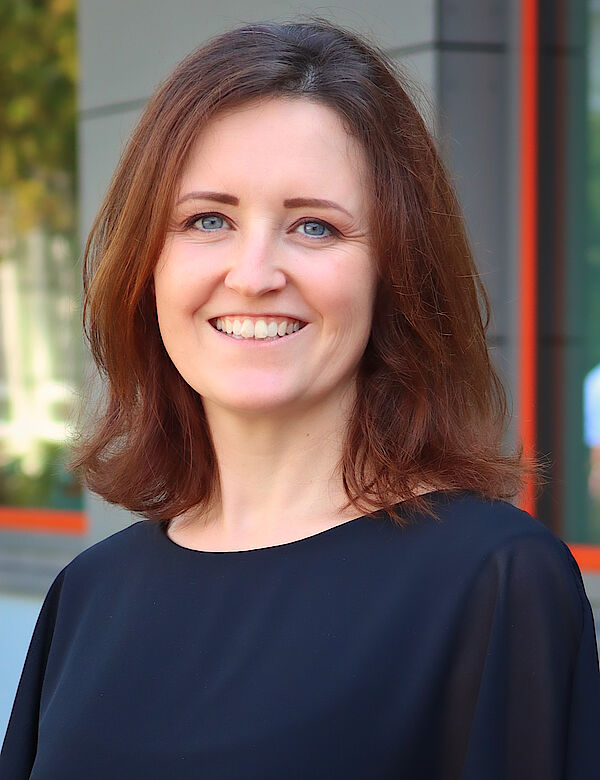
Prof. Dr.-Ing. Frank Thielecke is a full Professor and the head of the Institute of Aircraft Systems Engineering (Flugzeug-Systemtechnik) at Technische Universität Hamburg (TUHH), Germany. His research is centered on advanced aircraft systems, avionics, flight control, and the integration of emerging technologies such as hydrogen and hybrid-electric propulsion. Institution: Technische Universität Hamburg Department: Institute of Aircraft Systems Engineering (Flugzeug-Systemtechnik) Email: frank.thielecke@tuhh.de Office: Neßpriel 5, Room 1.012, 21129 Hamburg His research interests include integrated modular avionics (IMA), model-based systems engineering (MBSE), aircraft load estimation, health monitoring, fault diagnosis, and sustainable aviation technologies. He leads a research group actively contributing to next-generation aircraft design, with a strong focus on digitalization, virtual testing, and system safety. The recent publications highlight a consistent trend in developing model-based tools and architectures for avionics and aircraft systems. Key themes include the design of IMA platforms, virtual integration, system validation, hydrogen aircraft systems, and control algorithms for UAVs and flexible aircraft. His work frequently appears in AIAA, DASC, DLRK, and CEAS conferences and journals. Prof. Thielecke has been involved in numerous collaborative research projects focusing on more-electric aircraft, fuel cell systems, and advanced actuation. He has contributed to the development of frameworks such as ASHLEY and SArA for avionics platform design and systems architecting. His team also works on noise reduction in hydraulic systems and condition monitoring for aircraft subsystems. He supervises a group of researchers and PhD students, many of whom co-author his publications. While specific student names are not listed, long-term collaborators like Oliver Luderer, Thimo Bielsky, Nils Külper, and Philipp Chrysalidis are likely doctoral candidates or postdoctoral researchers in his group. He has secured funding for projects related to hydrogen aircraft, hybrid propulsion, and digital avionics engineering. His lab, the Institute of Aircraft Systems Engineering, operates test benches for avionics, hydraulic systems, and flight control validation. The team uses advanced simulation, co-simulation (e.g., FMI), and hardware-in-the-loop techniques for virtual integration and testing. Ongoing work includes the development of tools for early validation of flight control platforms and automated requirement-based testing.