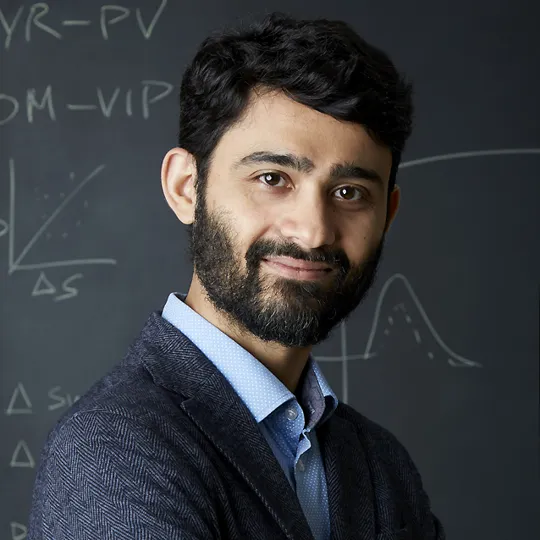
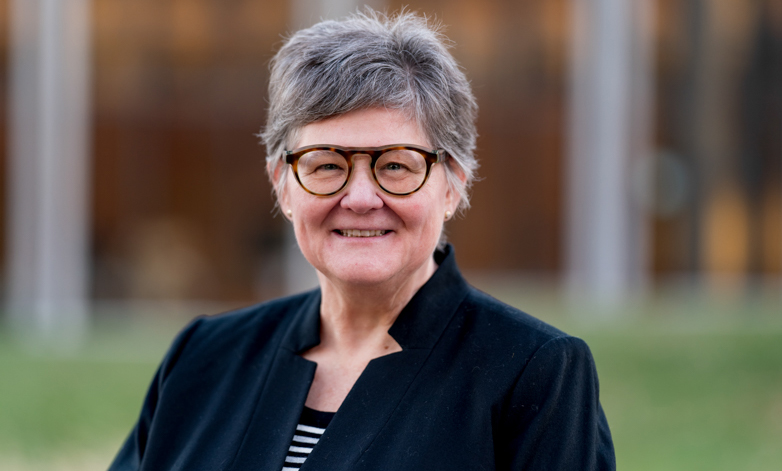
Dr. Adil Khan is a Reader in Developmental Neurobiology at the Centre for Developmental Neurobiology, King's College London. His research focuses on the neural circuit basis of cognition, including working memory, decision-making, and attentional switching, using mice and rats as model organisms. He combines in-vivo two-photon calcium imaging, optogenetics, and behavioral assays to study prefrontal and visual cortex circuits. Neuroscience Systems Neuroscience Cognitive Neuroscience Neural Circuits Visual Cortex Neurobiology His recent work explores prediction-error signals in task-switching, VIP interneuron disinhibition, and attentional modulation mechanisms. He has secured major grants, including a £3.44M Wellcome Career Development Award (2023-2031) for studying flexible behavior. His publications span journals like Nature Neuroscience and Neuron , emphasizing visual cortex plasticity and cognitive control. Key collaborators include Professor Claudia Clopath (Imperial College London), Dr. Aditya Gilra (Amsterdam), Dr. Katharina Wilmes (University of Bern), and Dr. Angus Chadwick (University of Edinburgh). Scientific awards include the Wellcome Career Development Award (2023).
Jason Raymond, Ph.D., is a Research Assistant Professor at the Fralin Biomedical Research Institute (FBRI) at Virginia Tech-Carilion, where he also serves as the Focused Ultrasound Core Manager. He leads advanced research in therapeutic ultrasound and manages state-of-the-art facilities including MRI-guided focused ultrasound systems and a 9.4T small-bore MR-imaging platform. His work supports both preclinical and clinical trials in focused ultrasound applications. Ph.D. in Biomedical Engineering, University of Cincinnati Postdoctoral Research Fellow, University of Oxford Lecturer and Senior Research Associate, Department of Engineering Science, University of Oxford Junior Research Fellow, Kellogg College, Oxford B.S. and M.S. in Engineering Acoustics and Mechanical Engineering, Boston University Dr. Raymond’s research focuses on biomedical therapeutic ultrasound, with applications in drug delivery, blood-brain barrier opening, high-intensity focused ultrasound (HIFU) ablation, and acoustic cavitation. His expertise also extends to ultrasound contrast agents, photoacoustic imaging, and the physical interactions of sound and light in biological tissues. He has pioneered work in sonochemistry, microbubble dynamics, and non-invasive neuromodulation. His recent publications reveal a strong trend in leveraging ultrasound for chemical and biological applications, including sonochemical degradation, hydroxyl radical monitoring, and genetic engineering of biofilms. His work integrates acoustics, chemistry, and biomedical engineering to develop novel therapeutic and diagnostic tools. 38th F.V. Hunt Postdoctoral Research Fellowship, Acoustical Society of America Whitaker International Fellowship, Thoraxcenter–Erasmus Medical Center Junior Research Fellowship, Kellogg College, Oxford Dr. Raymond has been instrumental in establishing physical acoustics laboratories and has contributed to major advancements in focused ultrasound technology. He actively mentors researchers, supports collaborative projects across Virginia Tech, and provides technical guidance for industry and academic partners. His leadership in core facilities enables broad access to cutting-edge ultrasound technologies. He manages the Focused Ultrasound Technical Facilities at FBRI, which include a clinical transcranial MRI-guided focused ultrasound system (InSightec and Siemens) and a Bruker 9.4T MR system for small animal studies. These labs support research in non-invasive surgery, hyperthermia, ablation, and blood-brain barrier modulation.
Jacek Jarocki is a researcher at the Department of the History of Modern and Contemporary Philosophy within the Faculty of Philosophy at the Catholic University of Lublin . His academic work spans the history of modern philosophy, philosophy of mind, and philosophical methodology. He has contributed extensively to debates on panpsychism, neutral monism, and the metaphysics of consciousness through publications in journals like Diametros and Przegląd Filozoficzny – Nowa Seria . Education : PhD (2019) in philosophy under Prof. Dr. hab. Piotr Gutowski and Dr. Marcin Iwanicki, MA (2014) in philosophy under Prof. Dr. hab. Piotr Gutowski, and BA (2012) in philosophy under Dr. Maksymilian Roszyk. Research Focus : Jarocki's research emphasizes the metaphysics of mind, thought experiments in philosophy, and the historical roots of American New Realism. His work bridges analytic philosophy with continental traditions, exploring consciousness, free will, and modal semantics. Publications : He has authored 15+ peer-reviewed articles and co-edited volumes like Philosophical Journeys , analyzing themes such as panpsychism, Strawson's metaphysics, and the intersection of philosophy with media and culture. Grants : Jarocki has led two NCN grants ( New Realism , 2019-2022; Strawson's Metaphysics , 2016-2019) and participated in the Mistrz grant (2016-2019) on theism-atheism disputes. Teaching & Outreach : He tutors at the MISHuS College , coordinates the Academy of Young Humanists , and runs the YouTube channel Pan od Filozofii , engaging in philosophy popularization at events like the Lublin Science Festival.
Brady D. Lund is an active researcher in Library and Information Science with significant contributions to bibliometrics, information behavior, and the ethical implications of artificial intelligence in scholarly communication. His research spans multiple domains including data science ethics, information literacy, and public library services, with particular attention to how digital technologies impact information practices across diverse populations. Lund's research interests focus on the intersection of information science and emerging technologies, particularly examining how AI systems affect scholarly publishing practices, research ethics, and information behavior. His work on ChatGPT's impact on academic writing and AI authorship policies has been particularly influential in library and information science circles. He also investigates information literacy among vulnerable populations, including rural older adults during the pandemic, highlighting the critical role of libraries in community information ecosystems. Analysis of Lund's recent publications reveals a clear trajectory toward examining the ethical dimensions of AI in information contexts, with increasing focus on transparency frameworks, data privacy, and the practical implementation of AI systems in professional settings. His collaborative work spans multiple disciplines, connecting information science with healthcare, cybersecurity, and public policy. Lund demonstrates strong collaborative patterns, frequently working with Ting Wang and Nishith Reddy Mannuru across multiple publications. His research shows methodological diversity, employing both quantitative bibliometric approaches and qualitative investigations of information behavior. While specific grant funding isn't detailed in the publication records, his work addresses significant societal challenges related to information access, digital equity, and ethical technology implementation.
Tonya Edmond is a Professor at the Brown School of Washington University in St. Louis, where she previously served as interim co-dean (2022-2023), associate dean for social work and social policy, and faculty fellow in the Office of the Provost for diversity initiatives. She co-directs the Center for Violence and Injury Prevention and is a faculty affiliate for the Center for Mental Health Services Research. Elected chair of the Faculty Senate Council for 2025-26, she represents university-wide faculty interests. Edmond holds a PhD from the School of Social Work at The University of Texas at Austin. Prior to academia, she practiced for 15 years in clinical and administrative roles at domestic violence and rape crisis centers, grounding her research in real-world service delivery challenges. Her research focuses on violence against women, trauma treatment, and implementation science, specifically testing interventions for survivors of childhood sexual abuse, sexual assault, sex trafficking, and intimate partner violence. She advances trauma-informed systems of care and evidence-based trauma treatments through community-engaged research. Recent work explores psychedelic-assisted therapy's potential for underserved populations, where she anticipates social workers playing a pivotal role in expanding access. Current scholarship trends emphasize implementation strategies in real-world settings, particularly her Department of Justice-funded study on Cognitive Processing Therapy adoption in rape crisis centers. Her work bridges clinical innovation with systemic change, increasingly incorporating emerging modalities like psychedelic therapy to address treatment gaps for marginalized survivors. Scientific recognition includes: Fellow of the American Academy of Social Work and Social Welfare (AASWSW), 2023 As an educator, Edmond teaches 'Intervention Approaches to Address Gender-Based Violence' and 'Core Concepts in Trauma Treatment with Children & Adolescents,' mentoring future social workers while leading university-wide diversity initiatives. Her Department of Justice grant exemplifies her focus on translating evidence into practice through implementation science frameworks. Edmond leads the Center for Violence and Injury Prevention and co-founded the Psychedelic-Assisted Therapies Learning Community, fostering interdisciplinary collaboration between social work, psychiatry, and public health to develop trauma-responsive care models and prepare the workforce for emerging therapeutic modalities.
Lisa Qia Rong is an Associate Professor of Anesthesiology at Weill Cornell Medical College and an Associate Attending Anesthesiologist at NewYork-Presbyterian Hospital. Her clinical and academic work is centered on cardiovascular anesthesiology, with a focus on intraoperative echocardiography and perioperative outcomes in cardiac surgery. Associate Professor, Department of Anesthesiology, Weill Cornell Medical College Associate Attending Anesthesiologist, NewYork-Presbyterian Hospital Principal Investigator, NHLBI-funded research on surgical revascularization Education: B.A., Columbia University, 2005 M.D., Robert Wood Johnson Medical School, 2009 M.Sc., Weill Cornell Graduate School of Medical Sciences, 2021 Residency: NYU Langone Medical Center Fellowship: University of Washington Medical Center Dr. Rong’s research focuses on cardiovascular anesthesiology , particularly the use of 3D transesophageal echocardiography in guiding structural heart interventions and assessing myocardial function. She investigates perioperative outcomes , including atrial fibrillation, renal injury, and disparities in care based on sex, insurance status, and socioeconomic factors. Her work also emphasizes methodological rigor, authorship equity, and the integrity of medical literature, including retracted studies. Her recent publications (2023–2025) show a strong trend in intraoperative imaging , evidence-based guidelines , and healthcare disparities . She frequently contributes to high-impact journals such as Circulation , JACC , and British Journal of Anaesthesia , with a focus on echocardiographic validation, meta-analyses, and scientific statements. Her research bridges clinical practice with academic scholarship, particularly in optimizing cardiac surgical outcomes through advanced imaging and equitable care delivery. Scientific Awards: No awards listed in the provided text. Dr. Rong serves as Principal Investigator on an NHLBI-funded project examining the impact of surgical revascularization strategies on left ventricular function and clinical outcomes (2021–2026). She has no reported external relationships. She advises on methodological quality in guidelines and has published on authorship patterns, gender disparities, and research integrity, contributing to academic discourse beyond direct clinical research. She is actively involved in research networks such as the ROMA trial network and has contributed to large-scale analyses on TAVR, pericardiotomy, and pulmonary artery catheter use. Her work often involves collaboration across institutions and disciplines, reflecting a systems-level approach to improving cardiovascular care.
Brigitte Pientka is a Full Professor in the School of Computer Science at McGill University, where she leads the Computation and Logic group. She received her PhD from Carnegie Mellon University in 2003, and previously studied at the University of Edinburgh and Technical University of Darmstadt. Her educational background includes: PhD from Carnegie Mellon University (2003) Studies at the University of Edinburgh Studies at Technical University of Darmstadt Dr. Pientka's research focuses on developing theoretical and practical foundations for building and reasoning about reliable, safe software systems. She combines theoretical research on logical foundations of computer science in programming languages and verification with system building. Her work spans logics (classical and non-classical), type theory, theorem proving, logic and functional programming, and logical frameworks. She has made significant contributions to the field of contextual types and mechanized metatheory. Her recent publications demonstrate a strong trend toward modal type theory, contextual types, and session types, with applications to functional programming, verification, and meta-programming. She has made significant contributions to the Beluga system, which explores how to combine functional programming with dependently-typed, higher-order data specified in the logical framework LF. Her work often bridges theoretical foundations with practical implementations for mechanized reasoning. Dr. Pientka has received several notable awards: Humboldt Fellowship Test of Time Award @ PPDP'18 for 'Programming with proofs and explicit contexts' Best student paper award at ICLP'03 She is actively involved in mentoring and academic service, having served as PC Chair for ICFP'24, CPP'23 and CPP'24, and as General Chair for POPL'20. She is an Executive Editor of Logical Methods in Computer Science and serves on the editorial boards of the Journal of Functional Programming and ACM Transactions of Computational Logic. She leads the Computation and Logic group at McGill University, which focuses on developing theoretical and practical foundations for reliable software systems through research in logical frameworks, type theory, and programming language design.
Christophe Grova , Professor in the Department of Physics at Concordia University and scientific lead of the PERFORM physiology platform , is a multidisciplinary researcher at the intersection of Biomedical Engineering , Neuroscience , and Medical Physics . He directs the Multimodal Functional Imaging Laboratory , focusing on advanced neuroimaging techniques like EEG/MEG , fMRI , and fNIRS to study brain mechanisms in epilepsy and sleep . His work emphasizes multimodal data fusion to uncover neurovascular coupling and functional connectivity patterns, with software developments such as MEM and NIRSTORM enhancing analysis precision. Key Research Areas : Epilepsy, Sleep Studies, Neuroimaging, Computational Neuroscience, Multimodal Data Fusion Affiliations : Full Professor at Concordia University (Physics), Adjunct Professor at McGill University (Biomedical Engineering, Neurology and Neurosurgery). Scientific Awards : Not explicitly listed in the provided text. Software Contributions : Developed MEM (EEG/MEG source localization) and NIRSTORM (fNIRS analysis) for open-source platforms like Brainstorm .
Florian Haas is a Senior Lecturer in Linguistics at the Institute for English and American Studies , Friedrich Schiller University Jena , where he has taught since 2009 across BA, MA, and teacher training programs. His research focuses on recent morphosyntactic changes in English , contrastive linguistics , typology , and usage-based construction grammar , with a notable Habilitation thesis on the history of human impersonal pronouns in English. Education : PhD in Linguistics (2008, Free University of Berlin, summa cum laude), MA in European Master's Degree in Linguistics (2002), MA in English Studies (2002). His research interests span corpus-driven analysis of language change, cross-linguistic contrasts (particularly English-German), and cognitive approaches to grammar. His publications emphasize diachronic shifts in pronouns, genre-specific linguistic patterns, and constructionist analyses of syntax. He has supervised numerous student theses on topics like political framing, bilingualism, and sociolinguistic variation in English. Academic service includes roles as Erasmus coordinator, reviewer for journals like Journal of Pragmatics , and memberships in societies such as the Association for Linguistic Typology .
Julie Brefczynski-Lewis is a Research Assistant Professor at West Virginia University School of Medicine, holding positions in both the Department of Neuroscience and the Rockefeller Neuroscience Institute. She earned her PhD from the Medical College of Wisconsin and serves as the neuroimaging liaison for the Center for Advanced Imaging. West Virginia University School of Medicine Department of Neuroscience Rockefeller Neuroscience Institute Dr. Brefczynski-Lewis's primary research focuses on compassion meditation training for stress relief, particularly regarding difficult interpersonal relations. She has developed a smartphone application to facilitate daily meditation practice and examines the resulting neural, physiological, and behavioral changes. Her work spans multiple neuroimaging techniques including MRI, PET, EEG, and TMS, with applications in working memory, mindfulness, trust, neonatal cognition, pediatric sleep disorders, stroke studies, depression, and auditory processing in disordered populations. Her recent publications demonstrate a strong trajectory in advancing neuroimaging technology, particularly in developing ambulatory PET systems that allow brain imaging during natural movement. This work represents a significant departure from traditional stationary brain imaging approaches and opens new possibilities for studying brain function in real-world contexts. Neuroimaging liaison for the Center for Advanced Imaging Weekly neuroimaging group meetings at Mondays 4:00 PM Provides training in MRI, PET, EEG, and TMS techniques Assists with experimental design and IRB protocols Dr. Brefczynski-Lewis actively collaborates across disciplines, serving as a bridge between technical imaging development and clinical applications. Her work on compassion meditation represents an important integration of traditional contemplative practices with modern neuroscience methodology, while her contributions to ambulatory PET technology showcase her innovative approach to overcoming limitations in current neuroimaging paradigms.
Ping Wang is a Professor in the Department of Asian Languages & Literature at the University of Washington, serving as Graduate Program Coordinator and Graduate Admissions & Education Committee Chair. They hold a Ph.D. in Chinese Language and Literature from the University of Washington (2006). Their research focuses on Chinese Intellectual History, Medieval Philology, Poetry and Poetics, and Translation Studies. Recent research trends include interdisciplinary approaches to classical texts and modern translation methodologies. The listed articles highlight contributions to computational linguistics and AI, though primary disciplinary focus remains humanities. No specific awards are listed, though the department's 'Awards & Honors' page may contain institutional recognitions. Advising emphasizes graduate education coordination rather than individual student mentorship. Active in departmental administration and curriculum development. Research affiliations include the Bilingual and Biliteracy Research Lab and the Early Buddhist Manuscript Project. Office located in GWN M246 with regular Thursday office hours.
Ben Ward-Cherrier is a Senior Lecturer in Robotics at the University of Bristol's School of Engineering Mathematics and Technology. His research focuses on biomimetic tactile sensing, neuromorphic systems for robotics, and haptic interfaces. He develops artificial tactile systems inspired by biological sensory mechanisms for applications in prosthetics, robotic manipulation, and human-robot interaction. Key research areas include neuromorphic tactile sensors that mimic biological afferents, real-time texture and edge classification algorithms, incipient slip detection for stable grasping, and vibrotactile feedback systems. Recent work integrates spiking neural networks with tactile hardware for efficient sensory processing. Publications demonstrate advancement in tactile sensing capabilities, including braille recognition in noisy environments, psychophysics-inspired benchmarking, multi-modal texture/velocity classification, and industrial applications like composite defect detection. Research bridges computational neuroscience with practical robotic systems.
Mozziyar Etemadi, MD, PhD, is an Assistant Professor at Northwestern University, holding dual appointments in the Feinberg School of Medicine (Department of Anesthesiology) and the Mccormick School of Engineering . His research focuses on integrating artificial intelligence with wearable technology to address critical challenges in clinical care, particularly in cardiology, gastroenterology, and maternal health. He leads projects in the Institute for Augmented Intelligence in Medicine and Northwestern University Clinical and Translational Sciences Institute (NUCATS) . **Education**: BS and MS from Stanford University (2008–2009); PhD and MD from University of California, San Francisco (2013–2016). Postdoctoral training included Computer Science at UC Berkeley (2014) and Anesthesiology residency at Northwestern (2021). Board-certified in Anesthesiology. **Research**: Develops AI-driven tools for non-invasive monitoring (e.g., wearable sensors for heart failure, pulmonary pressure estimation) and diagnostic systems in radiology and gastroenterology. Key areas include reducing racial bias in clinical AI, improving radiologist efficiency, and global health applications like fetal ultrasound in low-resource settings. **Awards**: Notable recognitions include Forbes 30 Under 30 in Science (2011) , CIMIT Prize for Primary Care Innovation (2012) , and a Best Paper Award at EICS (2015) . **Industry Ties**: Collaborates with Cardiosense and other entities, focusing on translational AI solutions for clinical challenges. His work balances academic innovation with real-world healthcare impact.
Won Dong Shin is a Postdoctoral Researcher at the Laboratory of Intelligent Systems (LIS) within the School of Engineering (STI) at EPFL. His research focuses on bio-inspired robotics, particularly in the design and control of drones and multi-modal robots. He explores topics such as avian-inspired flight mechanisms, morphological control systems, and autonomous navigation strategies. His work integrates vision-based control, biomimetic principles, and reinforcement learning to enhance the agility and accuracy of winged drones in urban environments. He has contributed to developing robots capable of transitioning between ground and air, perching, and adapting to complex terrains through energy-efficient designs. Selected projects include studies on elastic actuation for repetitive hopping, multi-modal locomotion systems, and bio-inspired claws for perching. His research often emphasizes practical applications in robotics for civilian tasks, such as urban exploration and environmental monitoring. Shin collaborates with the LIS group, which is part of EPFL’s Institute of Microengineering (IGM). His contact information includes the email won.shin@epfl.ch and a physical office at MED 1 1612 in Lausanne.
Dr. Yen-Ting Yeh is Assistant Professor at the University of Saskatchewan's HCI Lab, specializing in novel interaction techniques for mobile devices and wearables. Previously, he worked as a creative technologist for artist Rafael Lozano-Hemmer. His research creates: Finger-based dexterous gestures for physical phone manipulation Acoustic interaction techniques using finger snapping Folding interactions for modified clamshell phones Body landmark detection for interactive installations He holds a PhD in Computer Science from the University of Waterloo where he studied under Prof. Daniel Vogel. His work combines technical innovation with practical usability studies to expand human-device interaction capabilities.