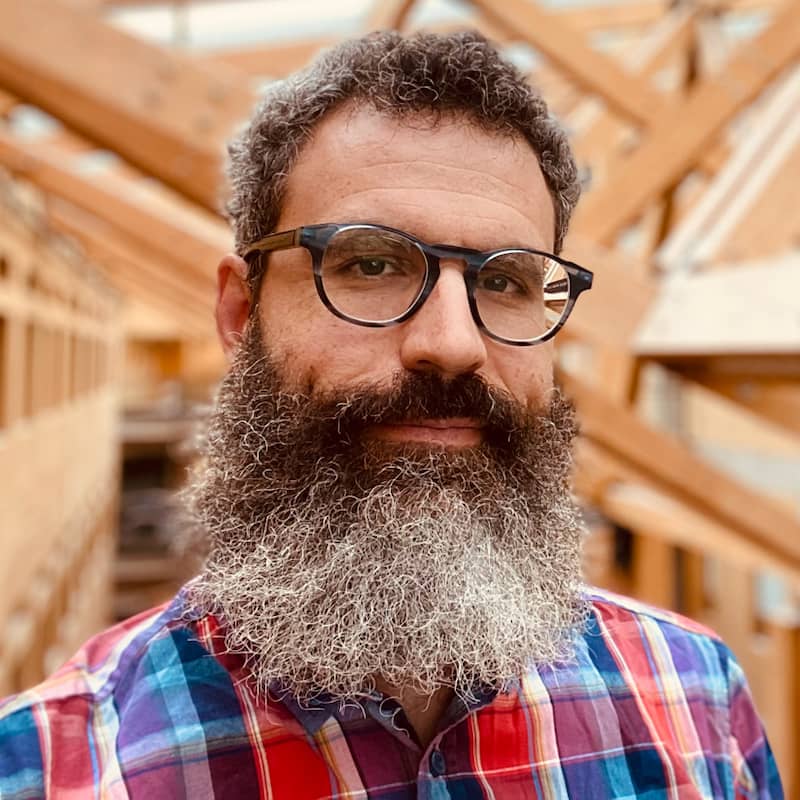
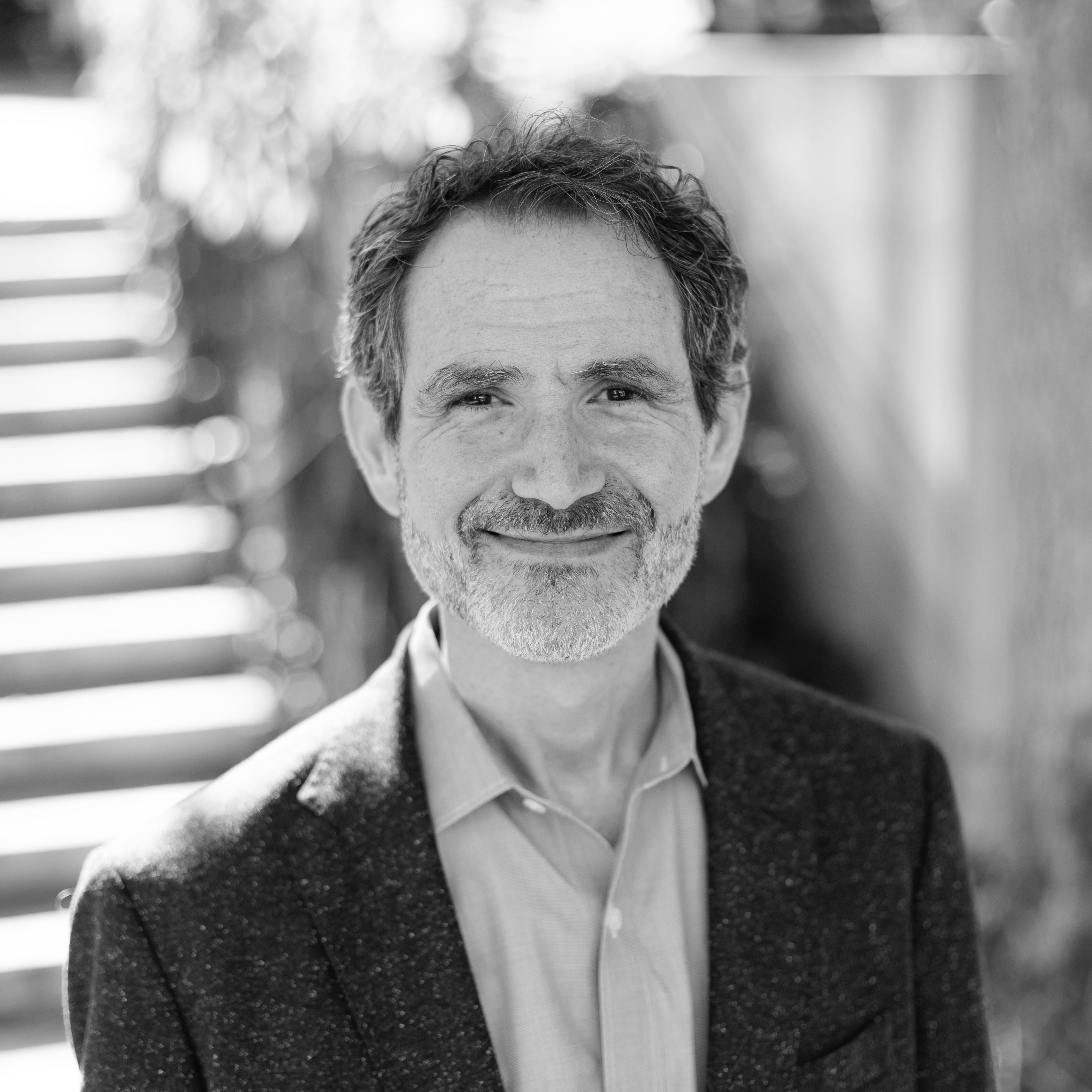
Brian A. Primack is a Professor of Public Health with tenure at Oregon State University's College of Public Health and Human Sciences, serving as its dean since 2022. Previously, he was Dean of Education and Health Professions at the University of Arkansas and Dean of the Honors College at the University of Pittsburgh. His research focuses on social media's impact on mental health, including depression, anxiety, and loneliness. He has authored over 300 publications, including his book You Are What You Click , and secured over $10 million in federal research funding. Dr. Primack's research highlights both risks and opportunities of digital media. He emphasizes optimizing social media use through strategies like curating connections and mitigating negativity. His work intersects education, medicine, and public health, addressing disparities in health outcomes, such as those exacerbated during the pandemic. Notable awards include membership in the American Society of Clinical Investigation (2019) and the Next Big Idea Book Award shortlist (2021). His leadership philosophy prioritizes unlocking potential, fostering community trust, and advancing equitable health solutions. He oversees a college with nearly 2,400 students and $18 million in annual research funding, emphasizing community engagement and innovative scholarship.
Gregory Paradis is an Assistant Professor in the Department of Forest Resources Management at the University of British Columbia (UBC) Faculty of Forestry. His research focuses on sustainable forest management, integrating operations research, mathematical optimization, and systems modeling to address complex interactions between ecosystems, industries, and society. He works with the FRESH Lab and collaborates with the Integrated Remote Sensing Studio, emphasizing ecological and economic integration in forest planning. Sustainable Forest Management Operations Research Forest Economics Data Science Risk Assessment GIS-based Methods His research spans forest inventory optimization, climate change adaptation strategies, wildfire risk modeling, and decision support systems for invasive species. He develops computational frameworks to enhance wood supply planning, carbon management, and ecological resilience. Recent work includes machine learning applications for fire safety in timber structures and automated road planning tools for wildlife conservation. Paradis’s publications highlight trends in applying optimization methods to sustainable forestry, with a focus on biodiversity, climate adaptation, and value chain innovation. He advocates for interdisciplinary approaches that bridge silviculture, industrial engineering, and data science to tackle emerging challenges in forest ecosystems. As an educator, he seeks motivated students with quantitative and creative problem-solving skills. His lab collaborates on remote sensing integration, risk assessment models, and policy-relevant forest management strategies, ensuring plans account for uncertainties like insect infestations or windthrow events.
Professor Paul Marx is a faculty member at the University of Bonn, affiliated with the Faculty of Philosophy and the Institute of Political Science and Sociology. His research focuses on critical areas of political sociology and policy analysis, with particular emphasis on labor market dynamics and political participation. His research interests center on labor market policy , attitude research , policy analysis , politics and emotions , political socialization , tax and redistribution policy , and inequalities in political participation and representation . Professor Marx examines how economic conditions, particularly labor market experiences, shape political attitudes, behaviors, and representation. His work often employs mixed-methods approaches, combining quantitative analysis with qualitative insights from focus groups and elite interviews. Analysis of Professor Marx's recent publications reveals a consistent focus on the intersection of economic conditions and political behavior. His research demonstrates how labor market insecurity, income inequality, and welfare state policies influence political participation, voting behavior, and attitudes toward redistribution. A notable trend is his examination of political inequality, particularly how economic hardship in childhood affects later political engagement. His work also addresses contemporary political debates in Germany and Europe, including identity politics, gender-neutral language, and taxation policies. Professor Marx maintains an active research agenda with numerous publications in 2023-2025. His work appears to focus on German politics and comparative European welfare states, with some research extending to development contexts such as Bangladesh. His methodology frequently combines survey data with experimental and qualitative approaches to provide comprehensive insights into political behavior.
Andrew Mondschein is Associate Professor of Urban and Environmental Planning at University of Virginia School of Architecture, serving as Associate Dean of Research. His work focuses on equitable transportation systems, sustainable accessibility, and impacts of emerging technologies on urban mobility. Education includes: PhD, University of California, Los Angeles MA Urban Planning, University of California, Los Angeles BA Architecture, Yale University Research examines how transportation technologies affect social equity and urban form, with emphasis on pedestrian wellbeing, autonomous vehicle adoption, parking policy, and community-centered planning. Recent publications demonstrate strong focus on psychophysiological impacts of urban walking, cross-cultural mobility studies, and spatial analysis of transportation preferences. Articles show consistent themes: urban walkability (especially health impacts), autonomous vehicle integration, parking policy analysis using novel data sources, and community-centered planning approaches. Methodologically, employs mixed methods including biometric sensing, sentiment analysis of social media, geospatial modeling, and participatory design. No specific awards mentioned. Teaching covers transportation policy, land use, environmental impacts, and research methods with emphasis on ethical planning practices.
Scientia Professor Nasser Khalili is the Head of the School of Civil and Environmental Engineering at the University of New South Wales (UNSW). He also serves as the Director of the ARC Research Hub for Resilient and Intelligent Infrastructure Systems (RIIS), President of the Australian Association for Computational Mechanics (AACM), and a core member of the International Technical Committee on Unsaturated Soil (TC106). His research focuses on geotechnical engineering, computational mechanics, porous media behavior, and sustainable infrastructure systems. Key areas of expertise include unsaturated soils, hydraulic fracturing modeling, and advanced material characterization for asphalt mixtures. Professor Khalili's work integrates computational methods with experimental analysis to address challenges in infrastructure resilience and environmental sustainability. He has pioneered studies on pore pressure dynamics, fracture mechanics in porous media, and the application of waste materials in construction. His leadership roles in national and international committees reflect his influence in advancing geotechnical and computational engineering practices. His scientific contributions include over 150 peer-reviewed articles, with recent work emphasizing machine learning applications in civil engineering and innovative solutions for sustainable asphalt mixes. Awards include Fellowship of the Academy, recognizing his significant impact on the field.
Sarah Woolf-King is an Assistant Adjunct Professor in the Department of Medicine at the University of California, San Francisco (UCSF), School of Medicine. She is a licensed clinical psychologist (CA PSY28178) whose research bridges psychology and health, with a strong focus on substance use, HIV, and mental health in families affected by congenital heart defects. Her educational background includes a B.S. in Psychology from Arizona State University (2002), an M.S./Ph.D. in Clinical Psychology from Syracuse University (2010), an M.P.H. in Epidemiology from UC Berkeley (2011), a clinical internship in Behavioral Medicine at VA Palo Alto (2010), and a T32 Postdoctoral Fellowship at UCSF’s Center for AIDS Prevention Studies (2013). Dr. Woolf-King’s research centers on two primary areas: (1) the impact of alcohol use on HIV treatment and prevention, particularly among HIV-positive men who have sex with men (MSM) and in East African populations, and (2) the mental health needs of parents of children with critical congenital heart defects (CHD). Her work employs diverse methodologies, including daily data collection, qualitative interviews, randomized trials, and biomarker validation (e.g., PEth). She aims to develop integrated behavioral interventions to improve health outcomes for individuals and families coping with chronic illness. Her recent publications (2023–2025) reflect a consistent focus on alcohol use in the context of HIV, with studies on counseling interventions, digital screening, remote biomarker collection, and behavioral mechanisms. There is also growing attention to mental health in vulnerable populations, including college students and parents of children with genetic or cardiac conditions. Her work is increasingly interdisciplinary, combining psychology, epidemiology, public health, and global health. Scientific Awards: Hellman Fellow, Hellman Fellows Fund (2015–2017) Mentored Research Scientist Development Award (K01), NIH/NIAAA (2013–2018) Loan Repayment Program in Clinical Research, NIH/NIAAA (2011–2016) Ruth L. Kirschstein National Research Service Award (F31), NIH/NIAAA (2008–2010) Mentored Scientist Award in HIV/AIDS, UCSF CFAR (2012–2014) Dr. Woolf-King has served as Principal Investigator on NIH-funded projects, including an R34 grant for a brief ACT intervention for HIV-positive hazardous drinkers and a K01 grant on alcohol and sexual risk behavior. She collaborates extensively with researchers at UCSF and in East Africa, particularly Uganda. While her adjunct title suggests a part-time or non-tenure-track role, she maintains an active research program with significant grant support and a robust publication record. There is no indication of retirement or former staff status.
Aura Istrate is a Lecturer/Assistant Professor in Urban Planning & Sustainable Urbanism at the School of Architecture, Planning and Environmental Policy at University College Dublin (UCD). With an international background spanning multiple continents, she conducts interdisciplinary research on sustainable urban development, focusing on active mobility, nature-based solutions, and climate-neutral cities. She teaches GIS and urban planning modules while coordinating several significant research projects across European and Asian contexts. University College Dublin, School of Architecture, Planning and Environmental Policy Primary Coordinator of C-NEWTRAL (Horizon MSCA-DN 2024-2028) Co-Leader of REALLOCATE (Horizon Europe project 2023-2027) Principal Investigator for BIODIVERSA+ projects (NatureScape and NBS4AQUAMISSION) Educated at the University of Architecture and Urban Planning 'Ion Mincu' in Bucharest (BA and MA) and the University of Liverpool (PhD), Dr. Istrate further enhanced her teaching credentials with a Professional Certificate in University Teaching & Learning from UCD. Her academic journey reflects a strong foundation in architectural and urban planning principles combined with specialized expertise in sustainable urbanism. Dr. Istrate's research focuses on smart and sustainable urbanism, particularly examining active mobility, livable streets, green public spaces, and nature-based solutions in urban planning. Her work employs participatory, geospatial, and mixed methods to inform smart communities and the transition to climate-neutral cities. She has practical international experience in urban design and planning, with ongoing collaborations spanning European and Asian countries, currently teaching and researching across cultures in UCD and UCD's International Colleges (CDIC). Her recent publications reveal a strong focus on street vitality, urban heat adaptation, and nature-based solutions. The research demonstrates methodological diversity combining quantitative spatial analysis with qualitative community engagement approaches. Her work spans multiple geographic contexts, with particular expertise in Chinese urban environments and European cities, showing how urban planning concepts need to be contextualized for different cultural settings. The articles consistently address climate adaptation challenges through innovative approaches like urban nature games and fine-grained street classification systems. Dr. Istrate serves as a PhD thesis supervisor and is actively involved in major research initiatives including C-NEWTRAL (as Primary Coordinator), REALLOCATE (as Co-Leader), and BIODIVERSA+ projects (as PI for NatureScape and NBS4AQUAMISSION). Her grant portfolio includes Horizon Europe projects and other significant funding that supports interdisciplinary research on climate-neutral urban development. She has coordinated multiple teaching modules including Planning Design & Development, GIS & Planning, Intro to Spatial Planning, and Local Planning Studio. She leads international research collaborations and maintains active partnerships across various European and Asian countries. Her work bridges academic research with practical urban planning applications, particularly through her focus on research-by-design approaches and participatory methods that engage communities in the planning process. She has served as a lecturer, tutor, or teaching assistant across departments of Architecture, Planning, Environmental Studies, Global Studies, and Human Geography in Ireland, the UK, Czechia, Sweden, China, and Romania since 2010.
Joanna Pawlik is an Associate Professor and Head of the Department of Art History at the University of Sussex, within the School of Media, Arts and Humanities. Her research focuses on modern art and literature, emphasizing transnationalism, avant-gardism, and protest movements. She has been funded by prestigious grants like the Leverhulme Trust and the AHRC. Her 2021 monograph Remade in America , awarded the MSA First Book Prize, examines Surrealism's role in American activism post-1940. Current research explores fascist iconography in American art (1945–1980), funded by a Leverhulme Fellowship. Education: PhD in Art History, University of Sussex (2003–2008) MA in Art History, York University, Canada (2021–2022) BA Hons in Art History, University of East Anglia (2018–2021) Research Interests: Her work investigates surrealism's transnational legacies, anti-fascist art, feminist/queer methodologies, and postwar American visual culture. She examines how surrealist principles intersect with race, gender, class, and activism in movements like the Beat Generation and Black Arts Movement. Grants & Awards: Leverhulme Research Fellowship (2020–2022) Leverhulme Trust Grant 'Radical America: Afterlives' (2016) MSA First Book Prize (2021) Professional Activities: Co-director of the SAVAnT Doctoral School promoting interdisciplinary American visual studies. Supervises PhD projects on postwar American art, anti-fascism, and feminist/queer art history. Engages in public scholarship through interviews and exhibitions.
Adam Khalifa is an Assistant Professor in the Department of Electrical & Computer Engineering at the University of Florida. His research focuses on low-power analog/RF/Mixed-mode ASIC design, miniaturization of biomedical devices, wireless powering solutions, and neural stimulation/recording techniques in animal models. He holds a PhD from Johns Hopkins University and degrees from The Hong Kong University of Science and Technology. His work emphasizes implant packaging, electrode microfabrication, and coil design for medical applications. Key research areas include developing energy-efficient wireless systems for implanted devices, such as magnetoelectric antennas and galvanic body-coupled powering. He has pioneered advancements in miniaturized implantable devices, including the 'Microbead' stimulator. His NIH T32 Fellowship (2019) and Ferdinand H. Fellowship (2018) reflect his impactful contributions. Publications highlight innovations in wireless power transfer, metamaterials for biomedical implants, and injectable microdevice fabrication. His work spans from circuit-level modeling to in vivo validation, emphasizing both technical and biological integration challenges. Collaborative efforts address challenges like implant migration tracking via MRI and energy harvesting for battery-free systems.
Marcus Herrmann is a Professor of Aerospace and Mechanical Engineering at Arizona State University's School for Engineering of Matter, Transport and Energy. He is also affiliated with the Center for Negative Carbon Emissions. His research focuses on fluid mechanics, multiphase flows, atomization processes, and numerical methods for discontinuous interfaces. Herrmann holds a PhD in Mechanical Engineering from RWTH Aachen University (2001) and a Diplom (1995). His career includes a postdoctoral fellowship at Stanford University's Center for Turbulence Research (CTR) and a visiting scientist position at the University of Technology Eindhoven, Netherlands. He has secured major grants from NASA, NSF, and industry partners like Honeywell, focusing on atomization modeling, supersonic crossflows, and turbulence simulations. Research interests span computational fluid dynamics, multiphase flow simulation, and LES/DNS methodologies. His recent work emphasizes high-fidelity numerical techniques for particle-resolved simulations and phase interface dynamics. Teaching includes courses like MAE 561 (Computational Fluid Dynamics) and MAE 384 (Advanced Math Methods for Engineers). He actively advises students through research and dissertation roles. Notable projects include modeling wax deposition in pipelines and developing novel approaches for interface dynamics in turbulent flows. His work bridges fundamental fluid mechanics with industrial applications like combustion systems and porous media modeling.
Mariana Resener is an Assistant Professor in the School of Sustainable Energy Engineering at Simon Fraser University (SFU). She holds a Ph.D. in Electrical Engineering (2016) from the Federal University of Rio Grande do Sul, Brazil, alongside M.Sc. (2011) and B.Sc. (2008) degrees in the same field. Her research focuses on optimizing power systems, particularly in distributed energy resources, energy storage, and volt/var control. She teaches courses like Power Electronics and Power Systems Analysis & Design. Her work emphasizes sustainable development in grid planning and energy infrastructure. As a Senior Member of IEEE and an Associate Editor for the Energy Systems Journal (Springer), she contributes to advancing smart grid technologies and renewable integration. Her research spans metaheuristic optimization, stochastic modeling, and grid resilience strategies for distributed systems. Recent projects include hybrid renewable energy systems for substations, EV charging station optimization, and fault analysis in unbalanced grids. She collaborates with industry on practical solutions for grid modernization and reliability enhancement.
Uwe Flick is a Seniorprofessor in the Department of Education and Psychology at Freie Universität Berlin, specializing in Qualitative Social and Education Research. He has held professorships at Alice Salomon University and Hannover Medical School and is internationally recognized for his contributions to qualitative methodology. Education: Dr. phil. from Freie Universität Berlin (1988), Habilitation in Psychology from Technical University of Berlin (1994). Professional Affiliations: Freie Universität Berlin (2013–present, Seniorprofessor since 2022), Alice Salomon University (2004–2013), Hannover Medical School (1996–1997). His research centers on qualitative methods , social representations of health and illness , chronic illness , migration , and vulnerability . He investigates the lived experiences of marginalized groups, including chronically ill youth, homeless adolescents, and refugees, often employing triangulation and mixed methods to deepen understanding. The 15 most recent publications highlight his sustained focus on advancing qualitative research methodology—editing handbooks, writing foundational texts, and refining concepts of research quality, triangulation, and design. Simultaneously, his empirical work explores health communication, peer relationships, and integration challenges among vulnerable populations, demonstrating a powerful integration of methodological innovation with socially relevant inquiry. Scientific Awards: Lifetime Achievement Award in Qualitative Inquiry, ICQI (2019) Flick actively advises doctoral students through his Promotionskolloquium and has secured substantial research funding for projects on refugee integration, sleep disorders, and chronic illness. His editorial roles in journals like Qualitative Research , Journal of Health Psychology , and Sozialer Sinn , and his leadership in book series such as Qualitative Sozialforschung , underscore his influence in shaping the field. He is a central figure in qualitative research communities, frequently engaging as a visiting scholar and professor across Europe and globally. He leads a research team at Freie Universität Berlin, supervising master’s and doctoral projects on topics like peer relations, health concepts, and migration, fostering the next generation of qualitative researchers.
Jay Henderson is an Assistant Professor in the Department of Computer Science at Memorial University of Newfoundland, leading the Human-Computer Interaction (HCI) Lab. His research focuses on quantitative HCI, measuring human performance with emerging technologies such as mixed reality and generative AI. He holds a PhD from the University of Waterloo and has held roles including Postdoctoral Fellow at Carleton University and Senior Research Scientist at Huawei Technologies Canada. Education: PhD in Computer Science, University of Waterloo (2021) BSc Hons in Computer Science (minors in Mathematics and Psychology), Mount Allison University (2016) Research Interests: Henderson’s work bridges computer science with psychology and mathematics, emphasizing objective measurement of user interactions. Key areas include mixed reality productivity, generative AI interfaces, gesture-based input, and multimodal feedback systems. His quantitative approach ensures practical insights for technology design. Key Grants & Awards: NSERC Discovery Grant ($155,000 over 5 years) NSERC Discovery Launch Supplement ($12,500) David R. Cheriton Graduate Scholarship ($20,000 over 2 years) Teaching & Supervision: Teaches courses like COMP 4303 (AI for Games) and supervises multiple graduate and undergraduate researchers. Notable supervisees include Daniel Jo (MSc) and Arunav Saha (BSc Honours). Service Contributions: Served on ACM committees including Graphics Interface and CHI Late Breaking Work. Acted as Virtual Chair for ACM ASSETS 2024 and contributed to ACM’s name change policy as a transgender advocate.
Jennifer C. McIntosh is a Professor and University Distinguished Scholar in the Department of Hydrology and Atmospheric Sciences at the University of Arizona (UA), with a joint appointment in the Department of Geosciences. She is also an Adjunct Professor at the University of Saskatchewan. Her academic roles include teaching advanced hydrogeology courses and advising graduate students. She holds a BA in Geology-Chemistry from Whitman College, MS and PhD in Geology from the University of Michigan, and completed a postdoctoral fellowship at Johns Hopkins University. Her research focuses on the interplay between hydrology, geochemistry, and microbiology in the Earth’s crust, spanning micro-to-macro scales. Key projects include studying subsurface fluid dynamics, microbial methane production, and the impacts of climate and human activities on groundwater systems. She has applied these methods to critical zones, sedimentary basins, and oil/gas reservoirs, with fieldwork in the Colorado Plateau, Paradox Basin, and Western Canada. McIntosh has received numerous awards for research and teaching, including the Blitzer Award for Excellence in Teaching Physics-Related Sciences (2019) and the UA Distinguished Scholar Award (2017). She actively serves on national committees for the US EPA, National Academies, and Nuclear Waste Technical Review Board. Education: BA (Whitman College), MS/PhD (University of Michigan), Postdoc (Johns Hopkins University) Notable Awards: GSA Fellow (2019), CIFAR Earth 4D Program (2019), Morton K. Blaustein Fellowship (2004) Labs/Teams: Jemez River Basin Critical Zone Observatory, Siljan Impact Structure Research Group Future Works: Investigating anthropogenic impacts on deep groundwater systems and astrobiology of subsurface microbes
Dr. Zara Ersozlu is a Senior Lecturer in Mathematics Education within the School of Education at the University of Newcastle, Australia. With a distinguished international career spanning multiple continents, she has held academic positions at prestigious institutions including North Carolina State University (USA), Gazi and Gaziosmanpasa Universities (Turkey), National Taiwan Normal University (Taiwan), The University of Western Australia, Murdoch University, and Deakin University. Her academic journey includes tenured positions as an Associate Professor and leadership roles as Department Head and Chair in teacher education disciplines. Currently, she teaches undergraduate and postgraduate courses in mathematics education, including Effective Pedagogies in Primary Mathematics, K-6 Mathematics, K-6 Numeracy, and Digitally Supported Learning. Dr. Ersozlu earned her Doctor of Philosophy from Firat University in Turkey and her Master of Art from Sakarya University. Her extensive academic preparation is complemented by five years of practical teaching experience in public schools prior to entering academia. This blend of theoretical knowledge and practical classroom experience informs her approach to teacher education and educational research. At the broadest level, Dr. Ersozlu's research investigates solutions to real-life problems impacting people's well-being, success, and capacity to achieve. Her scholarly work spans primary and secondary mathematics education, the psychology of mathematics (including metacognition, self-regulation, and anxiety), cross-cultural educational studies, teacher education, virtual simulated learning environments, and educational assessment. She has increasingly focused on the transformative potential of AI and machine learning in education, exploring how these technologies alter teaching, learning, and research processes. Her methodological expertise encompasses both quantitative and qualitative approaches, allowing her to effectively analyze both small and large educational datasets. Analysis of Dr. Ersozlu's recent publications reveals a strong emphasis on mathematics anxiety, teacher education, and the integration of technology in learning environments. Her work demonstrates a consistent focus on practical applications of educational research to address real-world challenges in mathematics education. The interdisciplinary nature of her research connects educational psychology, technology integration, and cross-cultural perspectives, with particular attention to how these elements intersect in teacher preparation and student learning outcomes. 2023 ATEA Research Recognition Award from the Australian Teacher Education Association 2021 Fellow of the Higher Education Academy (Advance HE, UK) 2010 Fellowship Program for Postdoctoral Researchers from the Council of Higher Education of Turkey Dr. Ersozlu is deeply committed to mentoring the next generation of scholars, currently supervising four PhD students and having successfully guided ten students to completion. Her grant portfolio includes significant funding for projects such as Best Practice Guidelines for RPL in Initial Teacher Education Programs ($60,000), Exploring the Reciprocal Relationship Between Mathematics Anxiety and Mathematical Resilience ($2,599), and multiple conference travel awards. She serves as an Associate Editor for several prominent journals including the International Electronic Journal of Mathematics Education and as Editor for Interdisciplinary STEM Education. Her editorial work reflects her standing as a respected voice in mathematics education research. Dr. Ersozlu's academic leadership extends to her role in developing innovative teaching approaches that integrate virtual simulation technology and learning analytics. Her work with TeachLivE™, a mixed-reality classroom simulation platform, demonstrates her commitment to creating authentic learning experiences for teacher education students. Through these initiatives, she bridges the gap between educational theory and classroom practice, preparing future educators to effectively implement evidence-based teaching strategies in diverse learning environments.