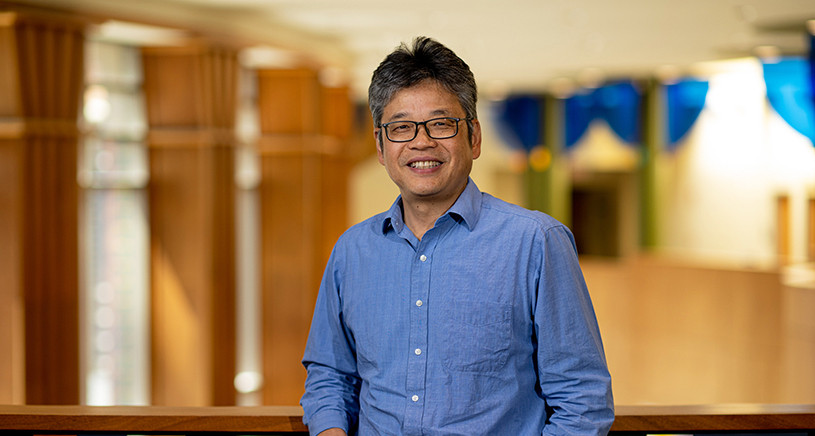
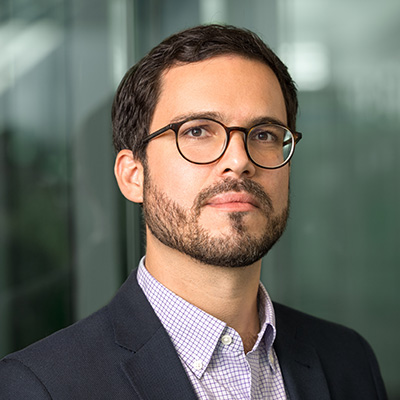
Dr. Anwar Ali is a Lecturer in the Department of Electronic and Electrical Engineering at Swansea University's Bay Campus, affiliated with the School of Aerospace, Civil, Electrical and Mechanical Engineering. He holds an M.S. in Electronic Engineering (2010) and a Ph.D. in Electronic and Communication Engineering (2014) from Politecnico di Torino, Italy. His research focuses on: Power electronic converters and conditioning systems Embedded systems for aerospace applications Analog/mixed-signal circuit design Satellite technologies including power management Attitude determination and control systems Thermal modeling of aerospace systems Dr. Ali has authored over 50 publications with recent works concentrated in satellite power systems, thermal analysis of spacecraft, machine learning applications in healthcare/robotics, and energy harvesting techniques. His research demonstrates consistent innovation in small satellite technologies and cross-disciplinary applications of electrical engineering principles. He currently supervises PhD projects on: Wireless power transfer for implantable medical devices Integrated power and attitude control optimization for small spacecraft and teaches modules including Analogue Design, Software Engineering, Embedded System Design, and Integrated Circuit Design.
Panagiotis Papapetrou is a Professor of Data Science and Deputy Head of Department at the Department of Computer and Systems Science , Stockholm University (since 2017). He also serves as Head of the Data Science Research Group and holds an Adjunct Professor position at Aalto University (Finland). As a Board Member of the Swedish Association for Artificial Intelligence (SAIS) , he contributes to shaping AI research directions in Sweden. Research Pillars: Algorithmic data mining, interpretable machine learning, time series classification, and health informatics Key Projects: AI for societal fairness, digital twins for smart buildings, EXTREMUM for explainable medical AI, and e-learning personalization Teaching Legacy: Developed courses in Data Mining (HT2013-2022), Machine Learning (VT2022-2024), and Health Informatics (VT2018-2021) His work focuses on interpretable AI for healthcare applications, particularly through counterfactual explanations for time series classification and forecasting. This includes developing methods like Glacier for constrained counterfactuals and Ijuice for k-justified explanations. His research also explores multimodal clustering of sepsis patient records and federated learning approaches for ICU mortality prediction. Recent scientific contributions include: CounterFair (2024): Group fairness analysis via counterfactual burden metrics M-ClustEHR (2024): Multimodal clustering for electronic health records COMET (2024): Constraint-based glucose forecasting explanations Temporal pattern mining (2024-2025): Enhanced forecasting models through decomposition Z-Time (2024): Interpretable multivariate time series classification His editorial leadership includes: Action Editor at Machine Learning Journal (since 2024) Action Editor at Data Mining and Knowledge Discovery (since 2018) Guest Editorial Board for ECML/PKDD Journal Track (2014-2019)
Peter X. K. Song is a Professor in the Department of Biostatistics at the University of Michigan School of Public Health. With expertise spanning statistical methodology development and interdisciplinary applications, Dr. Song maintains active collaborations across Nutritional Sciences, Environmental Health Sciences, Chronic Disease research, and Nephrology. His work bridges theoretical statistics with practical healthcare solutions, focusing on innovative approaches to complex data challenges in public health and medicine. Based at the M4140 SPH II building in Ann Arbor, he leads the Song Lab and contributes significantly to the academic community through teaching, research mentorship, and scholarly publications. PhD, University of British Columbia, Vancouver, 1996 BS, Jilin University, Changchun, 1985 Dr. Song's research focuses on the statistical foundation of big data analytics, with particular emphasis on data integration, distributed inference, high-dimensional data analysis, longitudinal data analysis, mediation analysis, and spatiotemporal modeling. His methodological innovations address critical challenges in smart health applications, including organ exchange programs, children's health, chronic disease management, environmental health assessment, and nutritional sciences. His approach combines statistical theory, integer optimization, and algorithm development to create practical tools that help researchers understand complex relationships between environmental exposures and health outcomes. Dr. Song's publication record demonstrates a consistent trajectory of methodological innovation applied to pressing health challenges. His recent work shows increasing focus on sleep classification using AI techniques, personalized treatment effect analysis, distributed statistical methods for high-dimensional data, and epigenetic applications in adolescent health. The interdisciplinary nature of his research is evident in publications spanning biostatistics journals, computer science venues, and domain-specific medical publications. His work increasingly addresses the challenges of integrating diverse data sources while maintaining statistical rigor in the era of big data. IMS Fellow ASA Fellow Elected Member of the International Statistical Institute 2017 ENAR John Van Ryzin Award Dr. Song has mentored an impressive 22 PhD students and 6 postdoctoral trainees throughout his career, with many now holding faculty positions at prestigious institutions or working as data scientists in leading technology companies. His lab, the Song Lab, currently supports two postdoctoral research fellows and eight doctoral students working on cutting-edge statistical methodology development. His collaborative research extends across numerous grants that support interdisciplinary projects in kidney paired donation programs, environmental health studies, nutritional sciences, and chronic disease research, demonstrating his commitment to translating statistical innovation into practical health solutions. The Song Lab serves as a hub for interdisciplinary statistical research at the University of Michigan, bringing together experts from statistics, operations research, and machine learning to address complex challenges in medical and public health sciences. Current lab members include eight doctoral students and three postdoctoral fellows working on projects related to optimal organ matching strategies, causal mediation pathways of omics biomarkers, and statistical methods for big data integration. The lab maintains strong connections with clinical researchers across nephrology, pediatrics, environmental health sciences, and nutritional sciences, ensuring that methodological developments remain grounded in real-world applications.
Daniel Vogler is a Senior Research and Teaching Associate and Head of Research at the University of Zurich , affiliated with the Institute of Communication Science and Media Research (IKMZ) . He serves as Deputy Director of the fög – Research Center for Public Opinion and Society , with a career spanning over 15 years in academic communication research. Education: Communication Science, Political Science, and Ethnology at University of Zurich (2003-2013), culminating in a 2020 PhD on Media Reputation of Universities . His research focuses on Journalism Research, Public Relations, Online Communication, Crisis Communication, and Computational Social Science , with notable work on media reputation dynamics, AI's impact on journalism, and crisis-driven norm formation. Recent publications analyze Swiss media ecosystems using automated content analysis and longitudinal studies. Key awards include the 2023 ICA Health Communication Top Paper Award and the 2020 ICA Best Student Paper Award . He contributes to editorial boards of journals like the International Journal of Crisis and Risk Communication Research and co-edits the Yearbook Quality of the Media – Switzerland .
Dr. Travis Dorsch serves as Associate Professor and Graduate Program Director in the Department of Human Development and Family Studies at Utah State University's Emma Eccles Jones College of Education and Human Services, where he founded and directs the Families in Sport Lab. His academic career bridges human development theory with practical applications in youth sport contexts, examining how family systems and social environments shape athletic experiences. His educational foundation includes a PhD in Kinesiology (Psychology of Sport and Exercise) from Purdue University (2013), preceded by an MS (2007) and BA in Psychology (2003). This interdisciplinary training informs his unique perspective on sport socialization processes. Dr. Dorsch's research program centers on the interplay between family dynamics and youth sport participation , employing mixed-methods approaches to investigate: Parental socialization mechanisms in athletic contexts Sibling influences on sport engagement Socioeconomic barriers to sport access Emotional abuse dynamics in competitive environments Systemic optimization of youth sport structures His work demonstrates how contextual factors from household to national policy levels affect athlete development. Analysis of his 50+ publications reveals three dominant research trajectories : pandemic-era sport disruptions (2020-2023), emotional abuse frameworks in collegiate athletics (2021-2024), and family systems theory applications in youth sport (2013-present). These intersect at the critical nexus of developmental appropriateness in sport programming. His distinguished recognition includes: Multiple Graduate Mentor of the Year awards (2021, 2022) Early Career Distinguished Scholar honor (2020) Research Fellow designation (2021) Consistent departmental and college teaching awards Dr. Dorsch has secured funding from major organizations including the NCAA, Aspen Institute, and TeamSnap to support his Families in Sport Lab. His mentorship extends to 11 graduate students, with research translating into practical tools for coaches, parents, and sport administrators featured in major media outlets like The New York Times and TIME Magazine .
Brooke Foucault Welles is a Professor in the College of Arts, Media and Design at Northeastern University, where she also serves as Interim Dean and Director of the Network Science PhD program. Her research focuses on how social networks and communication technologies shape power dynamics, particularly in contexts of marginalization and social justice. PhD in Media, Technology and Society from Northwestern University MS and BS in Communication from Cornell University Her research spans multiple domains including: Network science of AI and social systems Digital activism and social movement dynamics Health information and (mis)information flows Open source community structures Race/ethnicity in digital contexts Computational social science methodologies Recent publications focus on attention dynamics in social networks, hate speech protection mechanisms, and open-source software sustainability. Her work has been supported by grants from the NSF, NULab, and Chan Zuckerberg Initiative. Awards include: McGannon Book Award (2021) for #HashtagActivism Best Paper Honorable Mention at CSCW 2019 She leads the Communication Media and Marginalization Lab (CoMM Lab) which includes PhD students and postdocs from diverse disciplines. Her advising approach emphasizes interdisciplinary collaboration and methodological training in both quantitative and qualitative approaches.
Howard Bondell is a Professor of Statistical Data Science at the School of Mathematics and Statistics, University of Melbourne, since 2018. He serves as Head of School since 2021, Co-Director of the Melbourne Centre for Data Science, and holds an ARC Future Fellowship (2020-2024). Ph.D. in Statistics, Rutgers University (2005) Academic Career: North Carolina State University (2005-2018) His research focuses on model selection , robust estimation , regularisation , Bayesian methods , and uncertainty quantification in statistical and machine learning. His publications emphasize applications in regression analysis, quantile modeling, variable selection for high-dimensional data, and genetic data analysis. Scientific awards include: Fellow of the American Statistical Association (2017) ARC Future Fellow (2020-2024)
Will Beischel is an Assistant Professor in the Department of Psychology at Loyola University Chicago, specializing in Social Psychology. His interdisciplinary research bridges psychological science with queer and trans studies to develop inclusive frameworks for understanding gender and sexuality across diverse populations. Education: Postdoctoral Fellowship: Université de Sherbrooke Doctorate: University of Michigan Bachelors: Loyola University Chicago Dr. Beischel's research program focuses on three interconnected domains: (1) Positive experiences of gender and sexuality including gender euphoria and pleasure across identity spectra; (2) Methodological innovations like the Gender/Sex 3x3 framework for measuring beyond binaries; and (3) Developmental processes in gender identity formation, particularly during adolescence. His work employs mixed methods including surveys, interviews, and community-based approaches while centering intersectional perspectives on race, ethnicity, and social identity. He teaches PSYC 238: Sex and Gender: Similarities and Differences and actively seeks collaborators for social justice-oriented psychological research. Analysis of his 2022-2025 publications reveals a strong trajectory toward expanding psychological theory through non-binary gender frameworks, examining positive affect in gender experiences, and addressing health disparities among gender/sexual minorities. His work increasingly integrates biological markers with social identity constructs while developing practical tools for clinical and community settings. Scientific Awards: No awards were documented in the provided materials. Dr. Beischel is not recruiting Ph.D. students for Fall 2025. While specific grant details weren't provided, his research program demonstrates substantial external funding through national collaborations and community partnerships focused on LGBTQ+ health and methodology development. His work involves community-engaged research teams and interdisciplinary collaborations across psychology, gender studies, and public health. Current projects emphasize translating theoretical frameworks into practical tools for educators, clinicians, and policymakers while fostering spaces for gender and sexual diversity in academic settings.
Guadalupe Lopez Hernandez is an Assistant Professor of Developmental Psychology in the Department of Psychology at Loyola University Chicago, where she leads the Juntos Lab and teaches courses such as PSYC 273 Developmental Psychology. Education: Ph.D. in Psychology – University of California, Los Angeles M.A. in Psychology – University of California, Los Angeles B.A. – Northern Illinois University Research Interests: Dr. Lopez Hernandez’s scholarship centers on the social belonging and social-emotional development of Latinx immigrant-origin adolescents in families, schools, and communities. Employing qualitative and mixed-methods designs, she investigates how xenophobia, oppressive immigration policies, and anti-immigrant rhetoric shape adolescents’ experiences of inclusion or exclusion, especially in suburban contexts experiencing rapid demographic change. Her core questions include how undocumented household status affects adolescent development, how immigration enforcement and toxic discourse influence belonging, and which factors foster resilience amid racial injustice and xenophobia. Publications Trend: Across her recent publications, a clear thematic arc emerges: nuanced qualitative and mixed-methods explorations of immigrant-origin youths’ psychological experiences under threat, with emphases on social exclusion, anxiety, resilience, and civic engagement. Her work spans developmental psychology, urban education, cultural diversity, and mental-health psychiatry, consistently foregrounding Latinx voices in suburban and higher-education settings. Scientific Awards: No awards explicitly listed in the provided text. Labs & Teams: She directs the Juntos Lab , a research group dedicated to understanding and promoting the social belonging of Latinx immigrant-origin adolescents through community-engaged scholarship.
Prof. Dr. Patrick Cichy is an affiliated professor at the Institute for Technology and Innovation Management (TIM) of RWTH Aachen University and also associated with Bern University of Applied Sciences. His research agenda lies at the intersection of information systems, innovation management, and data science, with a core focus on privacy & cybersecurity, service and business-model innovation, IoT ecosystems, and text mining/visual analytics. Research Interests: Privacy & Cybersecurity: Investigating how individuals and organizations balance privacy concerns with data sharing incentives, especially in emerging technology contexts. Service & Business Model Innovation: Examining how firms create and capture value from digitally enabled services and personal data. IoT Ecosystems: Studying the dynamics of value creation, legitimacy, and privacy within interconnected Internet-of-Things environments. Text Mining & Visual Analytics: Leveraging advanced computational techniques to map and analyze large-scale discourse and innovation patterns. Across his latest publications (2014–2024), a clear thematic trajectory emerges: an evolving exploration of privacy calculus and data-sharing behavior, methodological advances in text mining for innovation studies, and longitudinal analyses of privacy discourse spanning three decades. These works collectively contribute to both theoretical development and practical guidance for policymakers and managers navigating digital transformation. Contact: Email: cichy@time.rwth-aachen.de Office hours: By appointment
Lionel Truquet is a Lecturer-Researcher in Statistics at ENSAI (École Nationale de la Statistique et de l'Administration Économique), where he focuses on Statistics for dependent data and Time series analysis . He serves as a Director of Research and has contributed significantly to fields like Markov chains and nonlinear dynamics . Research Interests: Time series models for ecological and economic data Statistical inference for categorical and discrete-valued processes Ergodic properties of Markov chains in random environments Mixing conditions for nonstationary processes Perturbation techniques in stochastic modeling Recent Publications: His work spans nearest neighbor sampling , multivariate autoregressive models , and mixing properties of count processes , with applications in ecology and econometrics. Key trends include nonparametric methods for high-dimensional data and stationarity analysis in time-varying systems. Scientific Awards: TJALLING C. KOOPMANS ECONOMETRIC THEORY PRIZE (2021–2023) for groundbreaking work on multivariate count autoregressions.
Hilde Colpin serves as a Full Professor in the Faculty of Psychology and Educational Sciences at KU Leuven, where she leads the School Psychology and Development in Context research unit. She holds dual affiliations with the KU Leuven Institute for Child and Youth (LC&Y) and the KU Leuven Institute for Educational Research (LIVO), and serves on the PPW Faculty Council, Bachelor Psychology Program Committee, and Master Psychology Program Committee. Her research investigates the interplay between teacher-student and peer relationships within school contexts and their impact on children's social-emotional development and mental health. Specializing in identity-based bullying prevention and interventions for vulnerable youth—including children with refugee and migration backgrounds—she develops evidence-based frameworks for collaborative family-school partnerships. Her work bridges developmental theory with practical classroom applications. Her 2025 publications reveal a cohesive focus on relational dynamics in educational settings, with recurring themes of teacher connective practices, bullying intervention efficacy, and adolescent mental health outcomes. These works employ mixed-methods approaches across diverse age groups and school systems, consistently emphasizing the dual influence of teachers and peers on student well-being. Key outputs include validated measurement tools like the TAP-S questionnaire and the CONNECTIONS in CLASS research report for schools. Professor Colpin currently directs nine major research projects as promoter or co-promoter, including 'Primary Prejudice' (addressing identity-based bullying, 2023-2027) and 'CONNECTIES in the CLASS' (examining relationship dynamics, 2022-2026). She mentors students through courses such as 'Prevention: Children and Youth' and clinical practicum supervision in educational psychology. She spearheads the CONNECTIONS in CLASS (CiC) research initiative, which investigates how teacher-student and peer relationships interact to shape adolescents' mental health. This program produces actionable tools for educators and informs policy through its school-based implementation framework.
Jack Peltz, PhD, serves as an Assistant Professor in the Department of Psychology, Philosophy, and Neuroscience Programs at the State University of New York at Brockport. His academic career focuses on the intersection of developmental psychopathology, sleep science, and family systems dynamics, with particular emphasis on adolescent and college-age populations. His educational background includes: PhD in Clinical Psychology (Concentration: Developmental Psychopathology; Certificate: Quantitative Methods), University of Rochester, 2013 MA in Clinical Psychology, University of Rochester, 2010 MA in Child Development (Concentration: Clinical and Developmental Psychology), Tufts University, 2007 BA in Japanese, Middlebury College, 1996 Dr. Peltz's research program centers on developmental psychopathology and sleep regulation , investigating bidirectional relationships between sleep disturbances and family functioning. As a clinical psychologist specializing in behavioral sleep health for children and families, he develops community-based interventions to promote sleep hygiene. His work uniquely bridges quantitative methodology with clinical applications, examining how economic stressors, social media influences, and developmental transitions impact sleep-wake patterns. Analysis of his recent publications (2023-2025) reveals three dominant research trajectories: (1) sleep as a mediator between adverse childhood experiences and psychological outcomes, (2) technology-mediated sleep disruptions (including wearable devices and social media), and (3) developmental transitions (puberty, college entry) affecting sleep-family dynamics. His methodological approach combines longitudinal designs, ambulatory EEG, and mixed-methods analysis to capture real-time sleep-family interactions across diverse populations including youth with visual impairments.
Dr. Barbara E. Jones serves as an Associate Professor in the Department of Internal Medicine at the University of Utah School of Medicine, with dual appointments in Pulmonary and Critical Care Medicine. Her clinical practice spans diverse healthcare settings within the Veterans Affairs system and academic medical centers, focusing on evidence-based adaptation of care to varied patient populations. Her educational background includes: M.D. from University of Washington School of Medicine B.A. in Philosophy from Dartmouth College Master of Science in Clinical Investigation (M.S.C.I) from University of Utah Postdoctoral Fellowship in Pulmonary and Critical Care Medicine at University of Utah Residency in Internal Medicine at University of Utah Dr. Jones' research centers on decision-making processes in pneumonia diagnosis and treatment, employing a tripartite informatics approach combining population analytics, cognitive behavior analysis, and clinical decision support systems. Her work specifically targets reducing diagnostic uncertainty and treatment variation across healthcare systems, with emphasis on equitable care delivery for diverse patient populations. Current projects investigate diagnostic discordance in community-acquired pneumonia, electronic surveillance for hospital-acquired infections, and machine learning applications for diagnostic error detection. Analysis of her 15 most recent publications reveals consistent focus on pneumonia management systems, with emerging emphasis on pandemic impacts on diagnostic practices and AI-driven quality improvement. Her work predominantly utilizes large VA healthcare datasets spanning 100+ medical centers, featuring mixed-methods approaches that integrate quantitative analytics with qualitative clinician experience assessment. Dr. Jones actively contributes to clinical guideline development and medical education through editorial work in major journals including Chest and Annals of Internal Medicine , where she frequently addresses controversies in pneumonia diagnosis and antibiotic stewardship. Her research program operates at the intersection of the University of Utah Health system and the Veterans Affairs national healthcare network, leveraging electronic clinical decision support implementations across diverse hospital settings including rural and critical access facilities. Current initiatives focus on real-time feedback systems for diagnostic performance improvement and automated surveillance for healthcare-associated infections.
Professor Elaine Chase serves as Professor of Education, Wellbeing and International Development at University College London's Institute of Education (IOE), specifically within the Education, Practice & Society department. With extensive experience bridging academic research and practical application, she previously worked as a health promotion specialist in the UK and served as a youth health programme advisor with Namibia's Ministry of Youth and Sport for several years. Her research focuses on the sociological dimensions of health, wellbeing and rights for marginalized individuals and communities, examining the critical interface between policy, practice and context through qualitative and mixed-method studies conducted internationally. Her work spans diverse vulnerable populations including young parents, youth in public care, young people accessing sexual and reproductive health services across Eastern Europe, Central Asia and MENA regions, HIV/AIDS-affected families, children living in poverty, and unaccompanied children seeking asylum across Europe. Professor Chase currently leads multiple significant research initiatives: the Life Facing Deportation project examining immigration policies' impacts on children and families; the RELIEF project promoting transformative education in displacement contexts; the Children Caring on the Move project investigating separated child migrants; the Becoming Adult project exploring wellbeing outcomes for unaccompanied migrant youth transitioning to adulthood; the LOHST project studying pandemic impacts on unaccompanied migrant youth's service access; and the Connecting during COVID-19 project examining care and remittance practices among UK migrant communities. She also contributes to the London International Development Centre - Migration Leadership Team funded by ESRC and AHRC. Life Facing Deportation: Immigration policy impacts on vulnerable families RELIEF: Transformative education in displacement contexts Children Caring on the Move: Separated child migrants' care experiences Becoming Adult: Wellbeing outcomes as unaccompanied youth transition to adulthood LOHST: Pandemic impacts on unaccompanied migrant youth's service access Connecting during COVID-19: Care and remittance practices among UK migrant communities Poverty, Shame and Social Exclusion: Comparative research on poverty's social impacts Her teaching responsibilities include the MA Education, Health Promotion and International Development program, coordination of the Dissertation with Integrated Research Teaching (DwIRT) module, and co-leadership of the Education, Migration and Development module with Amy North. She actively supervises multiple doctoral students conducting research in related fields. Professor Chase's recent scholarly output demonstrates a strong emphasis on education in conflict-affected contexts (particularly Myanmar), migration studies, wellbeing research, and pandemic impacts on vulnerable populations. Her work consistently addresses policy-practice-context interfaces and employs participatory, trauma-informed methodologies appropriate for working with marginalized communities across multiple continents.