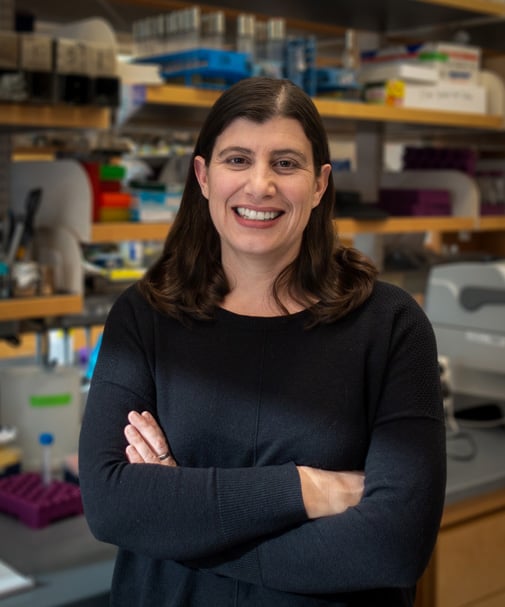
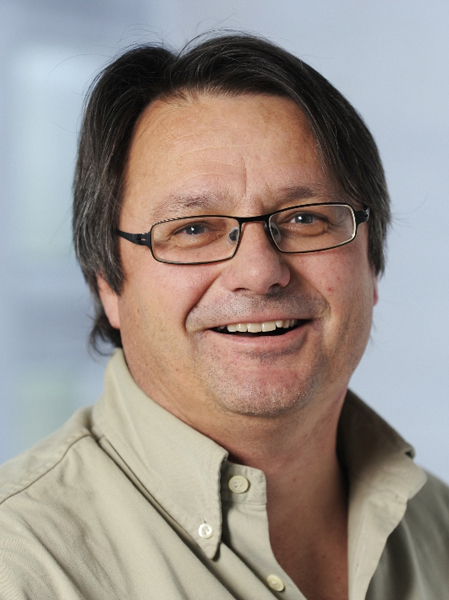
Prof. Waldemar Kolanus leads the Molecular Immunology and Cell Biology department at the University of Bonn's Life & Medical Sciences Institute (LIMES) . His research bridges immunoregulation , stem cell dynamics , and metabolic stress responses in immune cells. Unit 2 member at LIMES Principal investigator in SFB 704 and ImmunoSensation Cluster Leads a multidisciplinary lab with postdocs, PhD students, and technical staff His work focuses on intracellular signaling pathways connecting immune activation to tissue homeostasis, particularly through: Cytohesin proteins in integrin-mediated adhesion and migration TRIM71 in stem cell regulation and congenital hydrocephalus High-salt environments affecting macrophage function Publication trends show expertise in immune cell migration , genetic models , and chemical inhibition , with frequent use of mice and zebrafish for in vivo studies. Key articles explore: TRIM71's dual role in auditory development and germ cell maintenance Cytohesin family's Golgi regulation and insulin signaling Ruxolitinib's off-target migration inhibition of dendritic cells Contact details: Address: LIMES Institute, Carl-Troll-Straße 31, Bonn Email: kolanus.sekretariat@uni-bonn.de Phone: +49 228 73-62788
Silvia Santos is a Group Leader at the Francis Crick Institute, leading the Quantitative Stem Cell Biology Lab since January 2018. Her research focuses on understanding cell decision-making during transitions, specifically cell division and differentiation in early development using human embryonic stem cells. She combines experimental techniques with theoretical approaches, including advanced microscopy, genomics, and computational modeling. Education and Career: PhD in Molecular and Cell Biology from EMBL-Heidelberg (2008), followed by postdoctoral training at Stanford University (2009-2014). She held an MRC Career Development Award at Imperial College London (2014-2017) before joining the Crick. Her work emphasizes interdisciplinary methods to study cellular processes in health and disease. Research Interests: Spatial-temporal control in cell decisions, stem cell differentiation, cell cycle regulation, and modeling embryonic development. She advocates for women in science and mentorship programs for early-career researchers. Key Achievements: Recipient of Marie Curie E-Star, EMBO, and HFSP fellowships. Recognized with the BioModels’ Model of the Year 2023 for contributions to systems biology. Her lab develops models like gastruloids to study embryonic development. Grants and Mentorship: Supported by MRC and other grants. Committed to fostering excellence in training and mentorship, previously chairing mentorship initiatives at Imperial College London. Labs and Teams: Quantitative Stem Cell Biology Lab at the Crick, collaborating with interdisciplinary teams on projects involving proteomics, genomics, and high-throughput screening.
Dr. Monica P. Colaiacovo is a Professor of Genetics at Harvard Medical School, where she leads research in the Department of Genetics within the Blavatnik Institute. Her laboratory is located in the New Research Building in Boston, Massachusetts. Dr. Colaiacovo's research focuses on the molecular mechanisms of meiosis, chromosome dynamics, and DNA repair in the Caenorhabditis elegans model system. Her work examines how environmental toxicants impact germline function and reproductive health, with particular emphasis on chromosome segregation, recombination, and the synaptonemal complex. Her publications reveal a consistent research trajectory examining critical aspects of meiotic chromosome behavior, including double-strand break formation and repair, crossover designation, and chromosome movement during prophase I. Her laboratory has made significant contributions to understanding how environmental exposures like bisphenol A and phthalates disrupt normal meiotic progression and lead to germline dysfunction. Dr. Colaiacovo's work demonstrates strong interdisciplinary connections between basic chromosome biology, environmental health sciences, and reproductive medicine. Her research group employs advanced genetic, molecular, and imaging techniques to dissect the complex mechanisms ensuring accurate chromosome segregation during gamete formation. Her laboratory actively collaborates with researchers studying aging, DNA repair pathways, and environmental toxicology, as evidenced by publications spanning multiple high-impact journals including Nature, PLoS Genetics, and Genetics.
Dr. Julia Kamenz is an Assistant Professor (Rosalind Franklin fellow) at the University of Groningen's Faculty of Science and Engineering, where she leads research in the Molecular Systems Biology group within the Groningen Biomolecular Sciences and Biotechnology Institute (GBB). Her work focuses on understanding the molecular mechanisms that regulate cell cycle progression and cell division. Dr. Kamenz received her undergraduate training in Biochemistry at the University of Tuebingen, completed her PhD at the Friedrich Miescher Laboratory of the Max Planck Society under Dr. Silke Hauf (defended February 2015 with highest honors), and conducted postdoctoral research at Stanford University with Prof. James E. Ferrell. Her PhD work was supported by a Boehringer Ingelheim Fonds fellowship, and her postdoc was funded by a German Research Foundation (DFG) Postdoctoral Fellowship. Her research expertise spans cell cycle regulation and dynamics, post-translational modifications, Xenopus laevis model systems, and live cell microscopy. Dr. Kamenz investigates how kinases and phosphatases intricately regulate cell proliferation and division, with particular interest in the molecular mechanisms that ensure faithful chromosome segregation during mitosis. Her recent work has revealed novel insights into mitotic checkpoint signaling, particularly in early embryonic development where these checkpoints appear to function differently than in somatic cells. Dr. Kamenz's publication record demonstrates a strong focus on the dynamics of cell cycle transitions, with recent papers appearing in high-impact journals including Nature, The Journal of Biological Chemistry, and The Journal of Cell Biology. Her research integrates experimental biochemistry, live-cell imaging, and computational modeling approaches to understand complex regulatory networks. ERC Starting Grant (November 2022) NWO Vidi Grant (July 2021) Mansour Postdoctoral Travel Award (2019) Dr. Kamenz has secured significant research funding including an ERC Starting Grant (€1.5 million) and an NWO XS grant (€50,000) for her project "What limits mitotic checkpoint signaling in the early embryo?" Her research contributes to understanding fundamental biological processes with implications for developmental biology and cancer research. She collaborates extensively within the University of Groningen and with international partners, particularly in the areas of cell cycle research and biophysical approaches to biological problems. Dr. Kamenz leads a research group focused on cell cycle regulation within the Molecular Systems Biology division of the Groningen Biomolecular Sciences and Biotechnology Institute. Her lab combines biochemical approaches using Xenopus egg extracts with live-cell imaging and computational modeling to dissect the molecular mechanisms controlling cell division.
Kara McKinley is an Assistant Professor of Stem Cell and Regenerative Biology at Harvard University , joining the department in 2021. She is a Principal Faculty member at the Harvard Stem Cell Institute , an Associate member of the Broad Institute of MIT and Harvard , and a Freeman Hrabowski Scholar at the Howard Hughes Medical Institute . Her research focuses on the regenerative capacity of the human uterus , particularly the endometrium, which undergoes ~400 cycles of tissue remodeling, shedding, and repair during the reproductive lifespan. Using rodent models , genetic, molecular, and live microscopy tools, her lab investigates cellular and molecular mechanisms of regeneration, defects leading to diseases like endometriosis, and applications in regenerative medicine . Her work also explores cell division , centromere biology , and CRISPR genome engineering . Current research trends in her publications include epithelial zonation in the small intestine , mechanisms of endometrial regeneration , macropinocytosis in Hydra , and academic mentorship strategies . Her studies span cellular biomechanics , mitotic regulation , and translational approaches for tissue repair. NIH Director’s New Innovator Award (terminated in 2025 litigation with federal government) Freeman Hrabowski Scholar (Broad Institute) Kara mentors Harvard undergraduates, graduate students, and postdoctoral fellows through rotations and research opportunities. Her lab is based at Harvard’s Bauer 306 and advocates for gender equity in life sciences faculty via the Leading Edge initiative. Funding includes a now-terminated NIH New Innovator grant aimed at menstrual health research.
Dr. Richard Y. Zhao is a tenured Professor in the Department of Pathology and Microbiology-Immunology at the University of Maryland School of Medicine. His research combines molecular biology, fission yeast genetics, mammalian biology, and virology to study virus-host interactions, particularly for HIV and Zika virus. He previously held academic positions at Northwestern University and Columbia University and has contributed to over 120 peer-reviewed articles. B.S., China Oceanography University (1981) M.S., Oregon State University (1995) Ph.D., Oregon State University (1991) Postdoctoral Training, Columbia University (1991-1992) Dr. Zhao's research focuses on: Virus-host interactions and pathogenicity High-throughput drug screening for antivirals Role of viral proteins in neuroinflammation and cancer Translational genomics in precision medicine His recent publications highlight SARS-CoV-2 ORF3a, Zika envelope proteins, and HIV protease inhibitors, emphasizing host-pathogen mechanisms across species. He has served on NIH panels and editorial boards for journals like Cell Research and Retrovirology . Scientific awards include: Fellow, American Academy of Microbiology (2019) Bernard L Mirkin Endowed Chair (2001-2004) Honorary Director, Shandong Gallo Institute (2009) Distinguished Service from SCBA (2015) Outstanding Service from CBA-USA (2016) Dr. Zhao also contributes to clinical diagnostics and personalized medicine through molecular testing and pharmacogenetics programs.
Keisuke Ishihara is an Assistant Professor in the Department of Computational and Systems Biology at the University of Pittsburgh School of Medicine. His research focuses on engineering human brain and cardiac organoids using genetic, chemical, and computational approaches to uncover novel regulatory mechanisms and physical principles underlying tissue development. His lab is located at Biomedical Science Tower 3, with an office in room 10020A. Dr. Ishihara holds a PhD in Systems Biology from Harvard University. His work bridges synthetic biology, developmental biology, and biophysics to address fundamental questions in organogenesis and cellular morphogenesis. Recent research highlights include studies on BMP-mediated neural tube patterning in organoids and the biophysical dynamics of microtubule assemblies in large cells. Publications from his lab emphasize interdisciplinary approaches to understand cell size scaling, mitotic spindle dynamics, and self-organization in synthetic tissues. His team has contributed to advancements in organoid technology, uncovering dormant genetic programs and physical principles governing tissue architecture. Laboratory activities are centered at the University of Pittsburgh, collaborating with the School of Medicine's computational and systems biology initiatives. For more details, visit his lab website linked below.
Gilles Hickson is a Full Professor at the Université de Montréal’s Faculty of Medicine, Department of Pathology and Cell Biology. He is affiliated with the Azrieli Research Center at CHU Sainte-Justine and serves as Deputy Director of Academic Affairs, Co-director of the Microscopy Imaging Platform, and responsible for the Molecular Biology Program. His research focuses on understanding molecular mechanisms of cytokinesis, particularly the transition from contractile rings to midbody rings, and the roles of anillin, septins, and actomyosin dynamics in cell division using Drosophila as a model. His work has implications for cancer biology and drug development. Education: BSc (Manchester), PhD (University of Glasgow), Postdoctoral training (UCSF). Research Interests: Cytokinesis mechanisms, cytoskeletal coordination, cell division errors in cancer, and developmental variations in cytokinesis. His awards include the FRQS Senior Researcher Fellowship and multiple grants from CIHR and NSERC. He supervises graduate students and has mentored over a dozen researchers. His lab employs genetic tools and high-resolution microscopy to dissect cytokinesis machinery. He also contributes to teaching, including courses in molecular medicine and microscopy. Awards: Komen Postdoctoral Fellowship, Leukemia & Lymphoma Special Fellow, Cole Foundation Transition Award. Grants: Ongoing CIHR and NSERC funding (2022–2027) for cytokinesis research. Hickson collaborates with institutions like the CHU Sainte-Justine and leads projects on cytokinesis networks, septin assembly, and actomyosin coordination. His lab is part of the Azrieli Center and the Microscopy Imaging Platform.
Andrew Godwin is a Professor at the University of Kansas Medical Center , where he serves as the Chancellor’s Distinguished Chair in Biomedical Sciences and Director of Molecular Oncology in the Department of Pathology and Laboratory Medicine. He is also the Deputy Director of the NCI-designated University of Kansas Cancer Center and the Founding Director of the Kansas Institute for Precision Medicine and Biospecimen Shared Resource . Dr. Godwin is a leader in translational research and precision medicine , with a focus on molecular oncology , biomarker discovery , and genomic diagnostics . His work bridges basic and clinical science to improve cancer patient care, particularly in ovarian cancer , Ewing sarcoma , and breast cancer . He has contributed over 230 ovarian cancer-related publications and pioneered studies linking the PI3K/AKT pathway to cancer treatment targets. His research program encompasses liquid biopsies using extracellular vesicles , molecular therapeutics , companion diagnostics , and clinical trial validation . He leads the Biomarker Discovery Laboratory and has secured over $250M in extramural funding , including a $11.4M NIH grant for precision medicine initiatives. His team has developed CELLSEARCH® , the first FDA-cleared test for circulating tumor cells. Notable awards include the Dolph C. Simons, Sr. Higuchi Award (2020), Outstanding Mentorship in Pathology Award (2024), and multiple mentoring accolades from KU. He has mentored over 150 trainees across career stages and leads a multidisciplinary lab with expertise in genomics , proteomics , and bioengineering . Academic Roles: Chancellor’s Distinguished Chair in Biomedical Sciences Director, Molecular Oncology, Pathology and Laboratory Medicine Deputy Director, KU Cancer Center Founding Director, Kansas Institute for Precision Medicine Adjunct Professor, Bioengineering Program, University of Kansas Scientific Awards: KUMC Achievement Award for mentoring postdocs (2014) Chancellor’s Club Award for Research (2018) Dolph C. Simons, Sr. Higuchi Award (2020) KU Excellence in Mentoring Award (2021) Outstanding Mentorship in Pathology (2024) Key Research Themes: Extracellular vesicles as liquid biopsy tools Molecular mechanisms of sarcoma and breast cancer Genomic diagnostics and precision oncology Clinical trial biomarker validation Biospecimen repository leadership
Duncan J Clarke is a Professor in the Department of Genetics, Cell Biology and Development at the University of Minnesota Medical School. His research focuses on the molecular mechanisms of chromosome segregation during cell division, with particular emphasis on the role of DNA topoisomerases and related proteins. Dr. Clarke's research interests include: Mechanisms of chromosome segregation during mitosis Function of DNA topoisomerase II in centromere and kinetochore regulation Role of SUMOylation in chromosome dynamics Spindle assembly checkpoint mechanisms Interactions between histone modifications and chromosome segregation machinery Connections between DNA topology and cell division His recent publications reveal a strong focus on the molecular details of chromosome segregation, particularly examining how DNA topoisomerases, histone modifications, and microtubule dynamics coordinate to ensure accurate chromosome distribution during cell division. His work bridges basic molecular mechanisms with potential clinical applications in cancer therapy, as evidenced by his research on topoisomerase inhibitors. Dr. Clarke has received significant research funding from NIH, including: Control of Chromosome Segregation by DNA Topoisomerase II (2024-2028) A high-throughput screen for inhibitors of Plk1-interacting checkpoint helicase (PICH) (2022-2025) Multiple previous NIH-funded projects dating back to 2003 His laboratory utilizes both yeast and mammalian model systems to investigate fundamental mechanisms of chromosome segregation that are conserved across species, with potential implications for understanding cancer development and improving cancer therapies.
Kevin T. Vaughan is an Associate Professor in the Department of Biological Sciences at the University of Notre Dame, with a research focus on the cell biology of cancer and neurodegenerative diseases. He is a member of the Harper Cancer Research Institute and conducts mechanistic studies on mitosis, organelle transport, and cholesterol trafficking. Research Interests: Cell Biology of human diseases Mitosis and cell cycle regulation Neurodegeneration, particularly Niemann-Pick Type C disease Cancer therapeutics and combinatorial drug treatments Cholesterol transport mechanisms Cytoplasmic dynein function in cellular dynamics His research employs mass spectrometry and animal models to investigate novel regulatory pathways in mitosis and to develop new therapies for pancreatic and breast cancer. The lab has discovered a new cholesterol transport pathway disrupted in NPC disease and is exploring potential corrective strategies. Recent Research Trends: Dr. Vaughan's recent publications emphasize the role of cytoplasmic dynein in mitotic processes, kinetochore dynamics, and organelle transport. His work bridges fundamental cell biology with translational applications in cancer and rare genetic disorders. Key themes include motor protein regulation, mitotic spindle assembly, and intracellular trafficking defects in disease. Scientific Affiliations: Member, Harper Cancer Research Institute Faculty, College of Science, University of Notre Dame Advising and Research Support: As a principal investigator, Dr. Vaughan leads a research laboratory focused on cellular mechanisms of disease. He collaborates on interdisciplinary projects related to cancer therapeutics and neurodegeneration. His lab receives institutional support through the University of Notre Dame and the Harper Cancer Research Institute, enabling studies in both basic and applied biomedical research. Laboratory and Team: The Vaughan Laboratory is based in the Galvin Life Science Center and conducts research on mitotic regulation and cholesterol transport. The team utilizes biochemical, cellular, and imaging approaches to study disease mechanisms and test novel therapeutic strategies in model systems.
Professor Tomoyuki Tanaka holds the Chair of Cell and Molecular Biology at the University of Dundee within the School of Life Sciences . He serves as the Academic Lead of Dundee Imaging Facility (since 2018) and Deputy Head of the Division for Molecular Cell & Developmental Biology (since 2022). His research focuses on chromosome segregation mechanisms in mitosis and their implications in genetic diseases and cancer . Member of European Molecular Biology Organisation (EMBO, 2008–) Fellow of Royal Society of Edinburgh (2009–) Wellcome Trust Investigator (2020–) His lab investigates two key processes in early mitosis: chromosome reorganization (resolution and compaction of sister chromatids) and kinetochore-spindle interactions . These mechanisms are critical for preventing errors linked to aneuploidy, congenital disorders, and cancers . Using budding yeast as a model organism, his group combines genetic, proteomic, and imaging techniques to uncover conserved biological principles. Recent publications highlight discoveries in condensin exclusion during prophase , Aurora B kinase spatial regulation , and error correction mechanisms for accurate chromosome inheritance. The lab also contributes to in vitro reconstitution of chromosomal processes, including a 2021 breakthrough on chromosome positioning networks . 2020: Wellcome Investigator Award 2013: ERC Advanced Grant 2007: Hooke Medal (British Society for Cell Biology) 2000: EMBO Young Investigator He supervises PhD students and contributes to Level 3 undergraduate teaching (BS31006 Gene Regulation) and Honours research projects . His work aligns with UN Sustainable Development Goals for health and well-being through genetic disease research.
Andrew Murray is a Professor at Harvard University, affiliated with the Rowland Institute and Department of Molecular and Cellular Biology. His research focuses on evolutionary biology, genetics, and synthetic biology using budding yeast as a model organism. Primary Affiliation: Harvard University Lab: Murray Lab Collaboration: with David Nelson (Physics/MBI) Research interests include: Evolution of biological novelty through experimental evolution Cellular mechanisms for environmental adaptation Quantitative analysis of evolutionary trajectories Engineering yeast strains to test biological principles Publications span evolutionary genetics, cell biology, and biophysics with recent work on ABC transporters and yeast colony dynamics. Collaborative clinical publications also exist in cardiology and surgical outcomes. Scientific recognition includes the John Harvard Distinguished Science Fellowship .
Jennifer A Benanti is a Professor at UMass Chan Medical School in the Department of Molecular, Cell and Cancer Biology within the T.H. Chan School of Medicine. She holds multiple appointments across the institution including in the Department of Biochemistry and Molecular Biotechnology, Program in Molecular Medicine, Systems Biology, and several graduate programs including Cancer Biology, Interdisciplinary Graduate Program, MD/PhD Program, Millennium MD/PhD Program, Postbaccalaureate Research Education Program, and Systems Computational and Quantitative Biology. B.S. in Biochemistry & Cell Biology from University of California, San Diego (1996) Ph.D. in Molecular & Cellular Biology from University of Washington and Fred Hutchinson Cancer Research Center (2003) Postdoctoral work at University of California, San Francisco (2004-2010) Dr. Benanti's research focuses on understanding how transcription, protein degradation, and phosphorylation integrate to form a robust cell cycle control network. Her lab primarily uses budding yeast as a model system to study how cyclin-dependent kinases (CDKs) phosphorylate proteins to coordinate cellular processes with division, how stress response pathways interface with the cell cycle regulatory network, and how the ubiquitin-proteasome system controls cell growth and division. Her work has significant implications for understanding cancer biology, as misregulation of the cell cycle is a hallmark of all cancer cells. Analysis of Dr. Benanti's 15 most recent publications reveals a consistent focus on cell cycle regulation through multiple mechanisms. Her work spans from molecular-level studies of phosphorylation codes and transcription factor activation to systems-level understanding of how stress responses rewire the cell cycle. A significant portion of her recent work examines calcineurin signaling in stress response and how it interfaces with CDK regulation, demonstrating her lab's integrative approach to understanding cell cycle control. 2011 Smith Family Award for Excellence in Biomedical Research Dr. Benanti has mentored numerous graduate students through the Morningside Graduate School of Biomedical Sciences, including Mackenzie Flynn (2018-2024), Michelle Conti (2017-2023), Claudine Mapa (2013-2018), and Tyler Doughty (2011-2016). Her lab has received support from prestigious fellowships including a Damon Runyon Cancer Research Foundation Fellowship and a Pathway to Independence Award from the NIH during her postdoctoral training, suggesting continued NIH funding for her independent research program. She actively recruits rotation students, postdocs, and undergraduate researchers. The Benanti Lab, located at UMass Chan Medical School, consists of postdoctoral associates, research associates, and graduate students working collaboratively on cell cycle regulation projects. Recent lab members include Sujiraporn Pakchuen (Postdoctoral Associate), Linnea Budge (Research Associate), and Aurelia Reynolds (Research Associate). The lab maintains active collaborations with researchers at UMass Chan and beyond, as evidenced by co-author networks including Zhu, Lee, and Fazzio.
Matthias Peter is a Professor of Biochemistry at ETH Zurich, leading research into mechanisms governing cell growth and division. His laboratory focuses on ubiquitin-dependent regulation of DNA replication and mitosis, and autophagy's role in cellular quality control. He chairs the Department of Biology (2011-2015) and holds leadership roles in Switzerland's research infrastructure, including Vice Chair of ScopeM's microscopy platform. His academic career includes roles at ISREC (1996-2002) and postdoctoral training at UCSF (1991-1996). Education: PhD in Biochemistry from ISREC (1991), ETH Zurich diploma in Gene Technology (1987). Research interests span molecular mechanisms of cell division, ubiquitin systems, and autophagy. Awards include ERC Advanced Grant (2011) and UBS Excellence in Research (2002). Leadership: Member of Swiss National Research Council, SNF selection committee, and SWTR council. Over 20 years of committee service in national research programs. His lab's work is published in top journals like Science, Nature, and Molecular Cell.