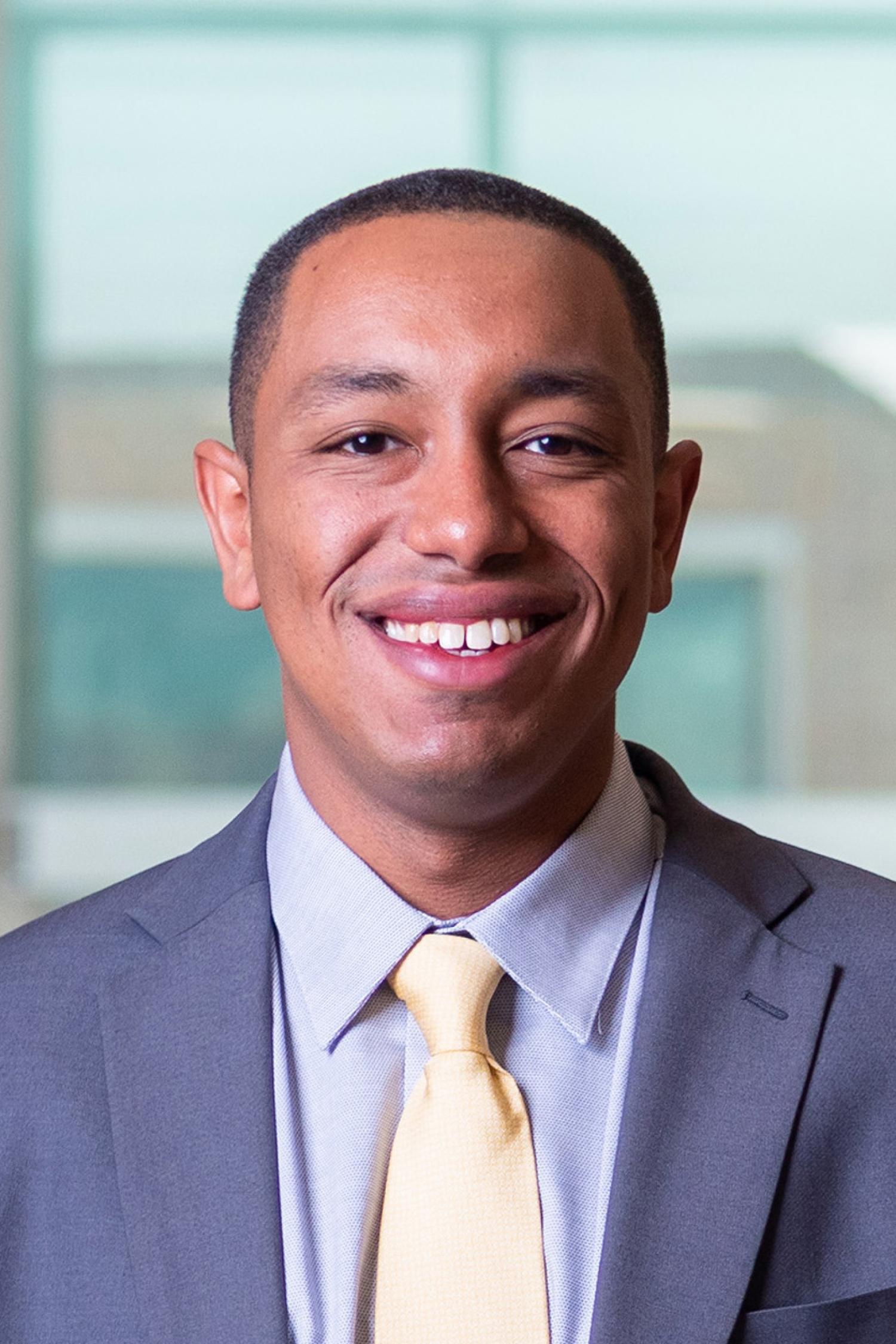
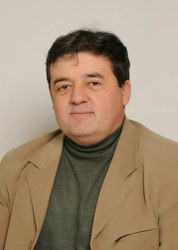
Dr. Megan Kennedy is a faculty member in the Education Department at Westfield State University (WSU), where she has served since 2010. She holds a PhD in Curriculum and Instruction from the University of Denver, an M.Ed. from Smith College, and elementary teacher licensure from Saint Mary’s College. Prior to her academic career, she taught sixth grade in Southampton, MA, and worked as a Gifted and Talented facilitator at a k-8 charter school in Denver. Her teaching focuses on curriculum design, instructional strategies, assessment, and content integration at elementary and middle school levels. She developed an elective course on Anti-Bullying Effective Practices and teaches graduate courses in advanced pedagogy. As Program Administrator for Graduate Education Programs, she oversees graduate student development. She also advises the Iota Iota Chapter of Kappa Delta Pi, the International Education Honor Society at WSU. Dr. Kennedy’s research emphasizes teacher identity, LGBTQ youth inclusion, anti-bullying curricula, and literature-based socially just classrooms. Her co-authored book Safe Spaces: Making Schools and Communities Welcoming to LGBT Youth (2011) highlights her commitment to equity in education. Her professional narrative includes no listed grants or awards, though her leadership in program administration and curriculum development underscores her contributions to WSU’s educational mission.
Sheron Baumann is a Lecturer at the Lucerne School of Business (HSLU W), part of the Institute of Business and Regional Economics (IBR). Her roles include teaching in the Department of Management and Law (IBR ML), where she focuses on continuing higher education and practical academic integration. She holds a Dr. rer. pol. from TU Dortmund (2024), a Postgraduate Diploma in Policy Studies from SOAS, University of London (2014), and degrees in Economics from the University of Bern (2007). Baumann has extensive professional experience, including roles at the Swiss Federal Statistical Office, SG Analytics in India, and educational institutions in Switzerland. Her research emphasizes higher education systems, risk management, SME internationalization, and digital transformation. Key projects include analyzing research-informed teaching practices, assessing benefits of continuing education, and evaluating organizational resilience in the digital age. She has contributed to over 30 peer-reviewed publications, focusing on topics like educational policy, leadership audits for SMEs, and virtual work challenges. Baumann’s work bridges academic and practical domains, with notable outputs including books on mobility futures and integrative risk management. She has led projects on Swiss teaching excellence metrics and digitalization impacts, demonstrating expertise in both theoretical research and applied methodologies.
Tim Eisele is an Associate Professor of Chemical Engineering at Michigan Technological University and Co-Director of the Graduate Programs in Chemical Engineering. He is affiliated with the Great Lakes Research Center (GLRC), focusing on metallurgical and environmental engineering. Eisele earned all his academic degrees (BS, MS, PhD) in Metallurgical and Materials Engineering from Michigan Tech. His research emphasizes particulate processing, metals extraction chemistry, sustainable raw materials production, and bioleaching technologies. Key areas include optimizing separation processes for industrial wastes (e.g., fly ash, slags) and advancing energy-efficient comminution techniques. He also investigates anaerobic bioleaching for manganese and iron recovery, with applications in lunar and Martian resource utilization. Eisele’s recent work includes thermal prospecting for lunar water, manganese bioleaching optimization, and carbon nanotube-enhanced 3D printing inks. His research often bridges environmental sustainability and industrial applications, such as reducing waste through material valorization and improving metallurgical processes. He has co-authored over 70 publications since 1993, covering topics from coal desulfurization to planetary resource extraction. His contributions span academic journals, patents (e.g., U.S. Patent 7,632,330), and technical reports for organizations like the U.S. DOE.
Paul Kidson is an Associate Professor in the School of Education within the Faculty of Education and Arts. His research focuses on educational leadership, policy analysis, and systemic challenges in school governance. He has conducted extensive studies on culturally and linguistically diverse communities' responses to crises such as the COVID-19 pandemic, structural barriers in implementing global educational programs like the International Baccalaureate, and Australian educational leadership's current challenges. His work addresses issues of equity, well-being, and institutional resilience in education systems. Key research interests include personalized leadership theory, sustainable school models, and crisis management in educational institutions. He has contributed to understanding the impact of policy decisions on school leaders, particularly during crises like pandemics and natural disasters. Kidson’s recent studies highlight systemic instability in Australian educational leadership and propose innovative approaches to address teacher shortages, principal well-being, and inclusive policy-making. His articles frequently analyze leadership practices in diverse contexts, including Catholic schools and Islamic educational institutions, emphasizing the intersection of cultural values and institutional management. Kidson’s work underscores the need for adaptive governance structures and co-designed policies to ensure equitable outcomes for students and educators alike.
Shirley Gatenio Gabel is Professor and Mary Ann Quaranta Chair for Social Justice for Children at Fordham University's Graduate School of Social Service. Holding a Ph.D. from Columbia University, she specializes in human rights-based approaches to social policy affecting children and families. Her work integrates comparative policy analysis with rights implementation frameworks. Her research publications consistently address human rights implementation in social policy, particularly examining vulnerable populations and policy effectiveness. Recent work explores COVID-19 impacts on families, paid leave disparities, and transnational advocacy at the UN. She represents the International Association of Schools of Social Work at the United Nations and has consulted for UNICEF and UNESCO. As editor of the Journal on Human Rights and Social Work, she advances rights-based approaches globally. Her work emphasizes translating human rights principles into practical social policy and professional practice.
Jillian Louise Fox is a part-time academic at the School of Education within the Faculty of Education and Arts. Her career spans research in teacher education, early childhood education, and technology integration in pedagogy. Researcher specializing in teacher professionalism, curriculum development, and ICT integration in early childhood education. Active in international collaborations, particularly in Chinese-Australian doctoral partnerships. Contributed to studies on creativity, educational leadership, and exceptional student support in mathematics.
Dr. Matthew Starliper is an Associate Professor of Accounting at the College of Business, Texas A&M University-Corpus Christi. He holds a Ph.D. in Management (Accounting emphasis) from the University of Massachusetts Amherst (2018), an MAcc and B.S. in Accounting from Brigham Young University (2013). His research focuses on judgment and decision making in accounting, investor behavior, and financial disclosures. He is a licensed CPA in Colorado and fluent in Spanish following a religious mission in Mexico (2007-2009). Education: Ph.D. Management (Accounting emphasis), University of Massachusetts Amherst, May 2018 MAcc, Brigham Young University, 2013 B.S. Accounting, Brigham Young University, 2013 Research Interests: Dr. Starliper explores how accounting practices influence investor decisions, particularly through voluntary/non-voluntary disclosures and internal control terminology. His work addresses shadow IT systems' impact on information credibility and managerial decisions. He also studies internal audit function design, including rotational models and recruitment strategies. Publications Trends: His work spans accounting judgment (e.g., material weakness communication), investor behavior (e.g., crowdfunding safeguards), internal audit practices (e.g., rotational models), and technology's role in accounting (e.g., shadow IT risks). Recent studies emphasize communication strategies in regulatory contexts and behavioral aspects of financial decisions. Awards/Grants: None explicitly listed in available texts. Advising/Grants: No formal advisees or grant details provided. His teaching focuses on Financial/Managerial Accounting and Accounting Information Systems.
Jeff Dunn AO is a Professor in Social and Behavioural Science and Chair of Cancer Survivorship at the Centre for Health Research, University of Southern Queensland. He also serves as Chief of Mission and Head of Research at the Prostate Cancer Foundation of Australia and President of the Union for International Cancer Control (2022-2024). His qualifications include a BSc (1980), MSPD (1992), and PhD (2000) from Queensland universities. His research focuses on community cancer control, cancer survivorship, prostate cancer, psycho-oncology, and health systems. Key areas include improving survivorship care models, addressing rural health disparities, and advancing clinical trial protocols. Dunn has led translational research through large inter-sectoral collaborations. Recent articles highlight his work on virtual care models for rural prostate cancer survivors, global psychosocial needs in cancer care, and frameworks for nurse-led survivorship care. His 2014 AO award recognizes contributions to cancer control leadership and innovative care programs. Grant activities include NHMRC-funded initiatives like the Centre for Research Excellence in Prostate Cancer Survivorship ($2.5M) and tele-based survivorship interventions ($1.1M). Supervision emphasizes prostate cancer survivorship needs and rural health challenges. Dunn’s leadership extends to international cancer advocacy through UICC and domestic roles in Australia’s cancer policy landscape.
Jérémie Garcia is an Assistant Professor in the Interactive Informatics Team at the French Civil Aviation University (ENAC) in Toulouse, France. His academic career spans research positions at Goldsmiths University, Paris-Sud University, and IRCAM, with a consistent focus on Human-Computer Interaction applied to specialized domains including music technology and aviation systems. Garcia completed his Ph.D. at the in|situ| team at LRI and in the Music Representation group at IRCAM, followed by postdoctoral positions at Goldsmiths University and IRCAM. His educational background bridges computer science and music technology, providing a unique interdisciplinary foundation for his research. Dr. Garcia's research focuses on developing innovative interaction techniques that enable users to express, develop, and evaluate ideas effectively and creatively. He employs participatory design methodologies and explores the potential of augmented reality, visual programming, auditory feedback, and interactive paper technologies. His work has evolved from music composition interfaces to drone control systems and aviation safety applications, demonstrating a consistent thread of applying HCI principles to domain-specific challenges. Garcia has made significant contributions to accessible drone interfaces through projects like CandyFly and HandiFly, which address the needs of pilots with visual impairments. His recent publications reveal a strong focus on aviation safety, particularly in drone operations and pilot assistance systems. Garcia has pioneered work in augmented reality displays for drone inspections (SafeSpect), tactile feedback systems for pilots (Tactilient), and tools for improving mission planning safety. His research increasingly addresses accessibility challenges, with several publications focusing on making drone technology usable for people with disabilities. The interdisciplinary nature of his work bridges computer science, human factors engineering, and aviation safety, with a clear trajectory from music technology applications to practical aviation solutions. Dr. Garcia teaches Human-Computer Interaction, design techniques, and programming courses for undergraduate and graduate students at ENAC since 2016, including Interactive Web Programming, Creativity Bootcamp, JAVA-FX, Interaction Design, and Python programming. Previously, he taught at Goldsmiths University (2015-2016) and Paris-Sud University (2011, 2015), covering subjects from introductory programming to advanced HCI design. He actively develops research software tools including Dronible (operating drones with tangible objects), Trajectoires (mobile/web app for sound spatialization control), and MetaOSC (Bluetooth to OSC bridge). Garcia participates in numerous research projects related to drone interaction and aviation interfaces, with recent work focusing on safety-critical applications such as SafeSpect and FOCUS. His GitHub profile shows ongoing collaboration with students and colleagues on interactive systems development, demonstrating his commitment to translating research into practical tools.
Karin Esposito, MD, PhD, serves as Senior Executive Dean for Academic Affairs and Professor at Roseman University of Health Sciences College of Medicine, where she is the Chief Academic Officer overseeing accreditation and curriculum. She previously held leadership roles at Florida International University Herbert Wertheim College of Medicine, including Executive Associate Dean for Student Affairs and Associate Dean roles in curriculum and medical education. Her clinical experience includes roles as Associate Chief Medical Officer for Mental Health at Jackson Health System and founding program director for psychiatry residency at Citrus Health Network. Dr. Esposito holds degrees from the University of Miami: BS in Biology, MD, and PhD in Biochemistry & Molecular Biology. She completed her psychiatry residency at Jackson Health System. Her educational leadership includes pioneering the Association of American Medical Colleges' Core Entrustable Professional Activities pilot and leading AMA grant initiatives focused on medical education reform. Her research interests span medical education innovation, post-traumatic stress disorder (PTSD), depression, and research ethics. Her work emphasizes curriculum development, competency-based education, and improving student success through early intervention strategies. She has contributed to national discussions on continuous quality improvement in medical schools and the development of socially accountable medical education programs. Her publications reflect a focus on medical education challenges, including strategies for integrating basic science into clinical training, student performance analysis, and residency program development. Notable contributions include work on entrustable professional activities frameworks and translational research definitions. Dr. Esposito has led grants including the AMA's 'Accelerating Change in Medical Education' initiative and contributed to the design of residency programs in Federally Qualified Health Centers. She has also served on institutional review boards and held academic leadership roles promoting women in medicine and science. Her professional service includes board membership with Citrus Health Network and leadership in academic psychiatry. She has maintained clinical practice in mental health administration and outpatient psychiatry services.
Ingrid Bianca Byerly serves as a Senior Lecturing Fellow in the Thompson Writing Program at Duke University, Durham, North Carolina, where she specializes in writing pedagogy and composition instruction. Her academic foundation is firmly rooted in Cultural Anthropology, directly informing her interdisciplinary teaching approach across university curricula. Her educational credentials include: M.A. in Cultural Anthropology (1994) Ph.D. in Cultural Anthropology (1996) Dr. Byerly's research synthesizes anthropological frameworks with writing education, exploring how cultural contexts shape academic composition and critical expression. Her work emphasizes practical writing skill development through culturally responsive methodologies, bridging theoretical anthropology with classroom application in higher education settings. No scientific awards were documented in the source material, though her sustained role in Duke's writing program reflects institutional recognition of her pedagogical expertise. She actively contributes to the Thompson Writing Program's mission of enhancing writing proficiency university-wide, designing curricula that serve diverse student populations across disciplines. Her leadership focuses on developing transferable writing competencies essential for academic and professional success.
Associate Professor Eduardo Trifoni is an academic at The Australian National University (ANU), serving as Director of the Space Test Program and Head of the National Space Test Facility—the largest space testing infrastructure in Australasia. He is affiliated with the Research School of Astronomy & Astrophysics and the Advanced Instrumentation & Technology Centre. Additionally, he holds roles as an InSpace Mission Specialist and teaches Engineering Thermodynamics at ANU’s College of Engineering, Computing and Cybernetics. Eduardo holds a Master’s in Mechanical Engineering (summa cum laude, 1999) and has over 25 years of research experience in hypersonics, space testing, and hydrogen energy. He leads the operation of the SCIROCCO 70 MW Plasma Wind Tunnel, simulating hypersonic space vehicle entry conditions. His work includes developing thermal protection systems, managing spacecraft testing, and contributing to 22 successful orbital launches in five years. His research spans aerothermodynamics, plasma wind tunnel technology, and material science for extreme environments. Recent projects focus on shape memory polymers for space applications, public-private partnerships in space infrastructure, and additive manufacturing in rocket propulsion. Eduardo has authored over 100 publications and holds four international patents. His grants include prototype testing for aerospace companies like Halocell Energy and Fleet Space Technologies. He collaborates on advanced instrumentation and space mission technologies, aiming to advance Australia’s space capabilities and sustainable energy solutions.
Lionel Valentin Progin serves as a Lecturer at the Urban Sociology Laboratory (LASUR) within the Institute of Architecture, School of Architecture, Civil and Environmental Engineering (ENAC) at the Swiss Federal Institute of Technology Lausanne (EPFL). He concurrently holds a position on the Teaching Committee of the Service for Academic Relations (SAR) at ENAC, contributing to academic program development and educational oversight across the school. His research centers on urban sociology, with emphasis on social dynamics in urban environments, spatial inequality, and the sociological dimensions of urban planning. This work integrates sociological theory with empirical analysis of contemporary cities, reflecting LASUR's mission to investigate urban phenomena through critical social science frameworks. As an educator, Dr. Progin leverages his expertise in urban sociology to enhance architecture and environmental engineering curricula, fostering interdisciplinary understanding of human-centered urban design. His dual roles bridge theoretical research with practical academic administration, ensuring pedagogical relevance to real-world urban challenges.
Hisham Ali is an Assistant Professor in the Department of Aerospace Engineering Sciences at the University of Colorado Boulder (CU Boulder), affiliated with the Aerospace Mechanics Research Center (AMREC). He holds a PhD and MS in Aerospace Engineering from Georgia Institute of Technology (2019 and 2015) and a BS from the University of Alabama (2013). His research focuses on hypersonics, magnetohydrodynamics (MHD), plasma physics, planetary entry systems, and aerocapture technologies for space exploration. Education: PhD, Aerospace Engineering, Georgia Tech, 2019 MS, Aerospace Engineering, Georgia Tech, 2015 BS, Aerospace Engineering, University of Alabama, 2013 Ali’s research explores MHD drag modulation for planetary entry missions (e.g., Neptune aerocapture), plasma wind tunnel development, and energy harvesting during atmospheric entry. His work aims to reduce mission costs, enhance spacecraft efficiency, and enable human exploration of outer planets. Key projects include tabletop-scale plasma tunnel facilities and RF/MW instrumentation suites for hypersonic flow studies. He has received prestigious awards such as the NASA Space Technology Research Fellowship (2013) and the Barry M. Goldwater Scholarship (2012). His contributions span academic and industrial roles, including postdoctoral research at Georgia Tech and a position at The Aerospace Corporation. Ali advises graduate students in CU Boulder’s Aerospace Engineering program and collaborates on grants focused on hypersonic aerodynamics and MHD systems. His laboratory (AER0 369) integrates experimental and computational approaches to advance space exploration technologies.
Dr. Aristotel Tentov is a Full Professor at the Faculty of Electrical Engineering, Computer Science Department of the University 'St. Kiril i Metodij' in Skopje, Macedonia. He holds a Ph.D. in Computer Science (1994), M.S. (1989), and B.S. (1983) from the same university. His career spans over three decades, progressing from Research Assistant (1985) to Assistant Professor (1994), Associate Professor (1999), and Full Professor (2004). His research encompasses Computer Architectures Multiprocessor Systems Networking (Wired/Wireless/ATM) Embedded Systems RFID Process Control Dr. Tentov authored/co-authored over 20 scientific papers and technical reports, with notable work on TCP performance modeling (2000–2001) and double-loop network analysis (1990s). Projects include NATO fighter avionics integration (1991) and EU-funded HeliNet stratospheric network design (2001). He led multiple industrial projects including control systems for zinc smelters, university computer networks, and the Macedonian Rosetta Stone deciphering initiative (2003–2005). His work bridges academic research with practical industrial solutions.