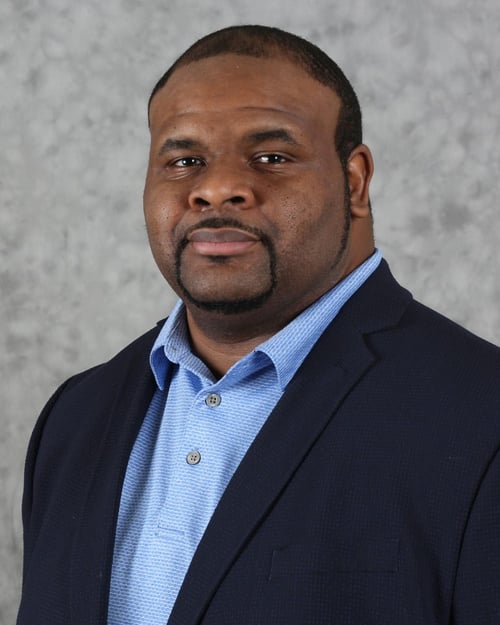
Dina Verdínمشاهده پروفایل
استادیار
Dina Verdín serves as Assistant Professor in Engineering Education Systems and Design at Arizona State University's Polytechnic School, where she leads research on broadening participation in engineering through critical analysis of access and persistence barriers for first-generation, minoritized, and women students at intersectional identity junctions. Her educational foundation includes: Ph.D. in Engineering Education from Purdue University M.S. in Industrial Engineering from Purdue University B.S. in Industrial & Systems Engineering from San José State University Verdín's research program employs asset-based frameworks to examine how funds of knowledge and identity development influence engineering pathways. Her access strand investigates high school exposure barriers through culturally responsive activities that foster engineering interest and agency, while her persistence strand analyzes undergraduate institutional structures affecting identity negotiation and degree completion. This work centers intersectional methodologies to redefine engineering identity beyond traditional norms. Analysis of her 15 most recent publications (2020-2024) reveals consistent focus on first-generation Latinx students, classroom belonging mechanisms, and funds of knowledge applications. Her work predominantly utilizes mixed-methods approaches within Hispanic Serving Institutions, with growing emphasis on migratory student populations and critical engineering agency development. Her accolades include: NSF Graduate Research Fellowship IEEE Frontiers in Education Best Diversity Paper Award College of Engineering Outstanding Graduate Student Research Award AGEP Distinguished Scholar Award AERA Division D Top 3 In-Progress Research Verdín currently directs multiple NSF-funded initiatives including SAFE Teams (Student Asset-based Approach to Equitable Teams) and Reconceptualizing Community Cultural Wealth in engineering design. Her grants portfolio exceeds $1.3 million as PI/Co-PI, focusing on mastery learning implementation, engineering discipline disparities, and migratory student empowerment through gamified curricula. She teaches core courses in engineering statistics and research methods while mentoring graduate researchers. Her work actively shapes engineering education through community-engaged scholarship that centers student assets and challenges deficit-oriented paradigms in STEM persistence research.