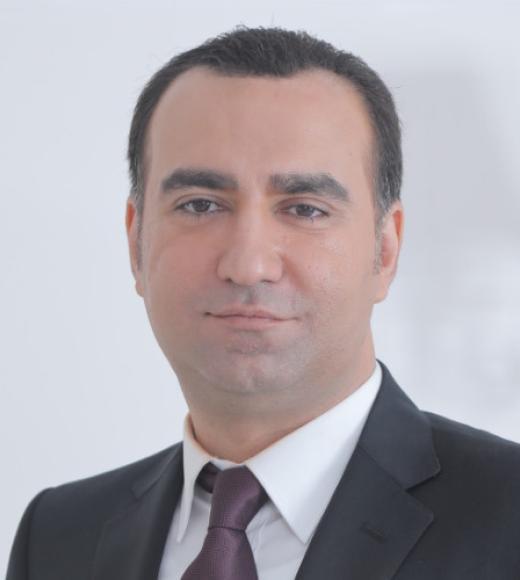
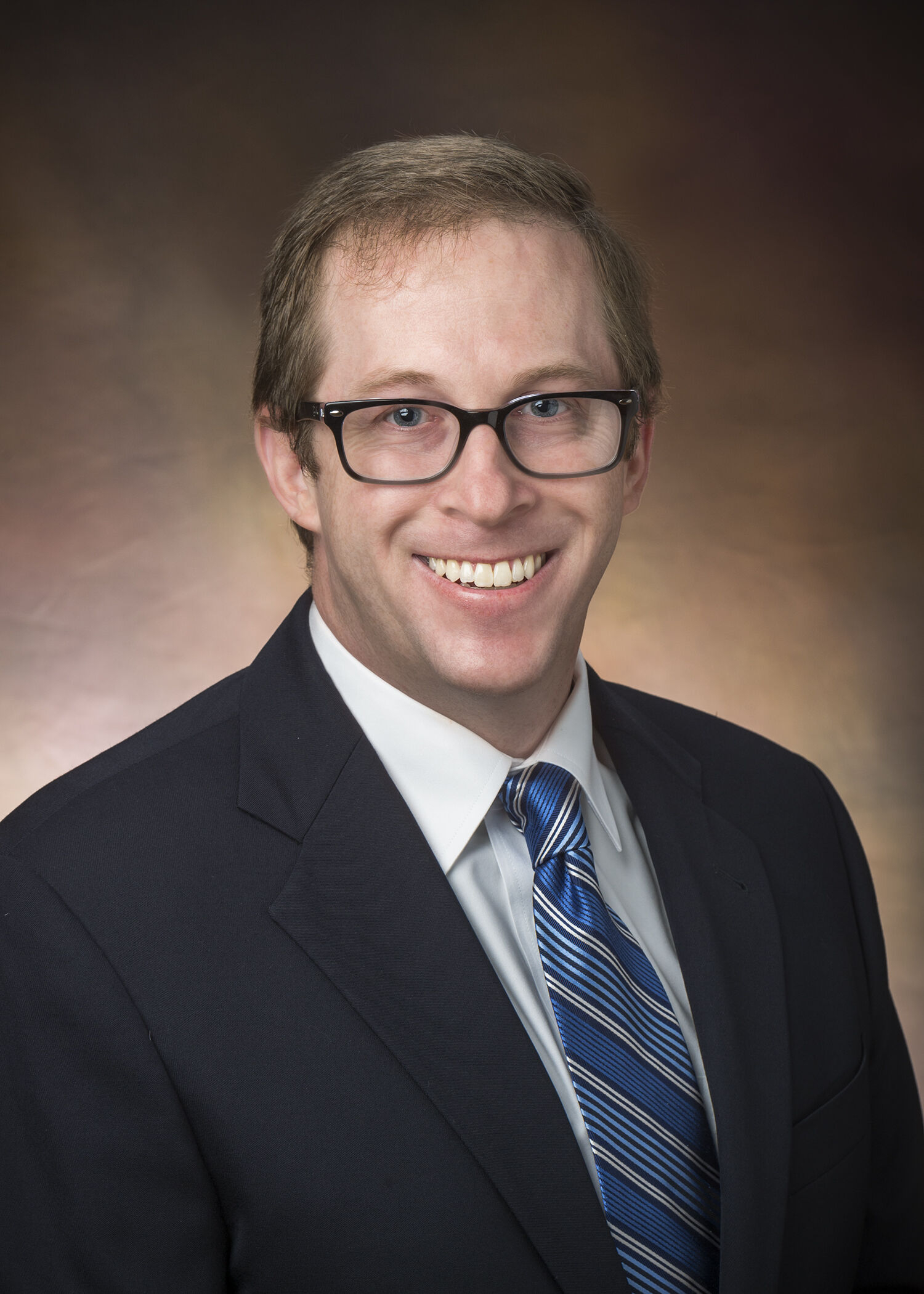
Mohsen Habibi is an Assistant Professor at the University of California, Davis, leading the Advanced Manufacturing Lab (AML). His research focuses on Additive Manufacturing (AM), particularly pioneering Direct Sound Printing (DSP), an ultrasound-based technique for 3D printing via sonochemistry and thermochemistry. His work has been recognized with the David Dornfeld Manufacturing Vision Award (2024), NSF Blue Sky Competition win, and inclusion in Quebec Science magazine's top 10 discoveries of 2022. Before academia, Dr. Habibi worked as a senior manufacturing engineer at General Motors and mechanical designer at MDA (a space technology firm). He held roles as a research associate at Concordia University and a postdoctoral fellow at the University of British Columbia, collaborating with industries like Pratt & Whitney and MAL Inc. His research bridges acoustic physics, materials science, and biomedical engineering, emphasizing non-invasive applications such as in-situ tissue printing and remote polymerization. Research Highlights: His lab explores holographic DSP for complex patterns, minimally invasive medical applications, and sustainable 3D printing systems for underserved regions. Key areas include metamaterials, acoustic holography, and energy-efficient manufacturing. Awards & Recognition: David Dornfeld Manufacturing Vision Award (2024) NSF Blue Sky Competition Winner Quebec Science Magazine's Top 10 Discoveries (2022) Altmetric 99th percentile for DSP publication impact Lab Activities: The AML develops technologies like Remote Distance Printing (RDP) for inaccessible locations and Holographic DSP (HDSP) for multi-pattern fabrication. Projects include acoustic-matter interaction studies and CAD/CAM process optimization.
Michel Versluis is a Full Professor at the University of Twente, Netherlands, specializing in Physical and Medical Acoustics within the Physics of Fluids group. His work focuses on microbubbles and microdroplets for medical imaging and therapy, as well as microfluidic applications in medicine and nanotechnology. University of Twente, Physics of Fluids group His research bridges physics and biomedical engineering, with publications in high-impact journals like PNAS and IEEE Transactions. Recent work emphasizes ultrasound-driven microbubble dynamics, additive manufacturing of flow phantoms, and deep learning for super-resolution imaging. 2025 publications: vascular phantoms, PROTEUS simulator, acoustic microbubble control 2024 innovations: 3D-printed medical devices, immunogenic cell death optimization Contact: m.versluis@utwente.nl
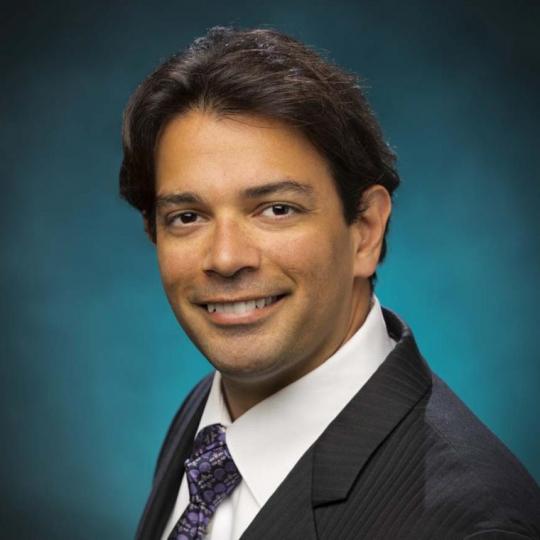
Dr. Marshall E. Benjamin is a Clinical Associate Professor in the Department of Surgery at the University of Maryland School of Medicine . He is a nationally recognized leader in vascular surgery, specializing in renal artery disease and endovascular interventions. Medical School: University of Medicine and Dentistry of New Jersey (1987) Internship/Residency: Temple University Hospital (1988-1992) Fellowship: Wake Forest University School of Medicine (Vascular Surgery, 1996) Dr. Benjamin pioneered the aortic endograft procedure at the University of Maryland Medical Center (UMMC), focusing on minimally invasive abdominal aortic aneurysm repair. He is actively involved in the Eastern Vascular Society and is a registered vascular technologist. Leadership: Chair of Surgery at UM Baltimore Washington Medical Center (UM BWMC) Professional Affiliations: UM Baltimore Washington Medical Group, UM Shore Regional Health, UMMC Scientific Recognition: Board certified in Surgery (1993) and Vascular Surgery (1997), former President of the Eastern Vascular Society.
Gary Zimmerman, MD is an Assistant Professor at the Yale School of Medicine within the Department of Neurosurgery . He specializes in neurosurgical care , with clinical expertise in minimally invasive spinal surgery , sacroiliac joint fusion , spinal tumors , and meningiomas . MD from SUNY Downstate Medical School (1990) Residency at Cornell University/The New York Hospital (1996) Fellowship in Cerebrovascular and Skull Base Surgery at The Mayfield Institute/University of Cincinnati (1997) His research and clinical work focus on advancing neurosurgical techniques , particularly minimally invasive approaches for spinal and brain tumor treatments. He is board-certified in Neurological Surgery by the American Board of Neurological Surgery (2000). Dr. Zimmerman is affiliated with Yale Medicine and provides patient care at 1 Long Wharf Drive, New Haven, CT. He is actively involved in clinical education and innovation within neurosurgery.
Devin Amin, MD, is an Associate Professor in the Department of Surgery at Southern Illinois University School of Medicine and serves as the Program Director for the Neurosurgery Residency Program. He is a board-certified neurosurgeon specializing in advanced surgical techniques for pituitary and skull base disorders. University of Pittsburgh, MD Carnegie Mellon University, PhD in Biomedical Engineering University of Pittsburgh, Residency in Neurological Surgery Dr. Amin's clinical expertise lies in endoscopic pituitary and skull base surgery , while his research focuses on Image Guided Surgery and minimally invasive approaches. His work bridges engineering innovation with clinical applications in neurosurgery. The articles related to Dr. Amin highlight advancements in skull base surgery , including hands-on training initiatives and groundbreaking transorbital procedures in central Illinois. These works emphasize trends in minimally invasive techniques , neurosurgical education , and interdisciplinary collaboration . Excellence in Medical Teaching Award (2012, 2013, 2014, 2016, 2017, 2022) As Program Director for Neurosurgery Residency, Dr. Amin oversees training programs and contributes to surgical education. His clinical practice involves cutting-edge procedures like transorbital skull base surgery, reflecting his commitment to advancing neurosurgical techniques.
Lee H. Schwamm, MD is Associate Dean for Digital Strategy and Transformation at Yale School of Medicine and Senior Vice President & Chief Digital Health Officer for Yale New Haven Health System. He holds professorships in both Biomedical Informatics & Data Sciences and Neurology at Yale School of Medicine. Previously, he spent three decades at Mass General Brigham Health System where he served as Executive Vice Chair of Neurology, Director of the Center for TeleHealth at Massachusetts General Hospital, and Vice President for Digital Patient Experience and Virtual Care. Dr. Schwamm is an internationally recognized expert in stroke diagnosis, treatment and prevention, with particular expertise in telestroke and digital health applications in neurology. His research focuses on stroke in young patients, cryptogenic strokes, patterns of stroke care delivery, and addressing health inequities in stroke outcomes. He has been a pioneer in telehealth, especially in telestroke services, and has served as a policy advisor for the American Heart Association. His work has resulted in over 500 peer-reviewed publications with recent research emphasizing digital health solutions, AI applications in stroke care, social determinants of health impacts on stroke outcomes, and quality improvement in stroke care delivery. Under his leadership, the AHA Get with the Guidelines–Stroke Registry has grown into the world's largest stroke registry with over 8 million patient encounters. Fellow of the American Heart Association Fellow of the American Academy of Neurology Fellow of the American Neurological Association Digital health section editor for Stroke journal Member of Lancet Digital Health international advisory board Dr. Schwamm led the adoption of virtual care for 10,000 clinicians during the first six months of the COVID-19 pandemic, facilitating over 1.7 million virtual visits. He champions redesigning care delivery through a human-centered lens, leveraging technology to improve patient outcomes while reducing healthcare disparities. His educational background includes an AB in Philosophy from Harvard University (1985) and an MD from Harvard Medical School (1991), followed by neurology residency and stroke fellowship at Massachusetts General Hospital.
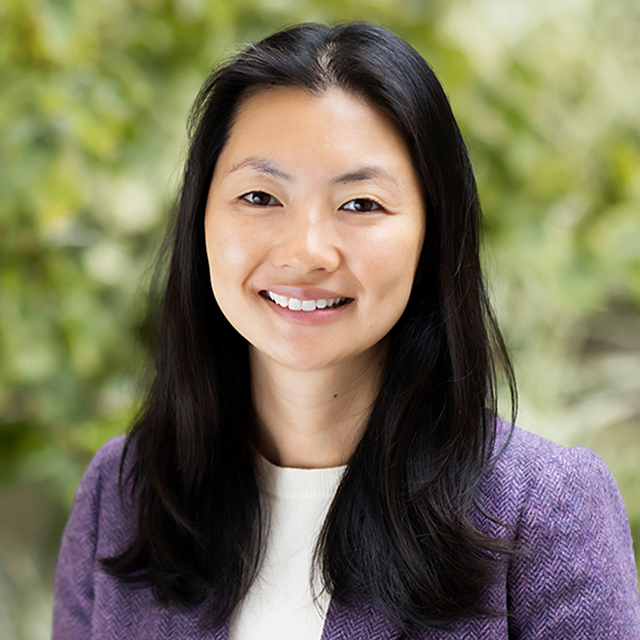
Elizabeth Zheng, MD, is an Associate Professor of Medicine at the University of California, San Francisco (UCSF) School of Medicine, where she specializes in transplant hepatology. She provides clinical care through the UCSF Liver Transplant Program and conducts research focused on improving access to liver care and liver-cancer screening for underserved populations. She co-founded the Asian Liver Health Center and is board-certified in transplant hepatology, gastroenterology, and internal medicine. Education & Training MD – New York Medical College, 2011 Internal Medicine Residency – Montefiore Medical Center (Albert Einstein College of Medicine affiliate), 2014 Gastroenterology Fellowship – Einstein Medical Center, Philadelphia, 2017 Transplant Hepatology Fellowship – UCSF, 2018 Research Interests Dr. Zheng’s scholarly work centers on two major themes: Expanding access to high-quality liver care among underserved and minority populations, particularly Asian Americans. Developing and validating practical strategies for liver-cancer surveillance, including ultrasound-based recall algorithms and real-world management of hepatocellular carcinoma. She has additional expertise in drug-induced liver injury related to herbal and dietary supplements, having authored multiple reviews and prospective analyses on this topic. Publication Trends Across more than a dozen peer-reviewed articles since 2010, Dr. Zheng has advanced knowledge in hepatocellular carcinoma surveillance, COVID-19-associated liver injury, and supplement-related hepatotoxicity. Her collaborative multicenter studies have informed evidence-based guidelines and public-health recommendations. Clinical & Outreach Roles Co-founder, Asian Liver Health Center Attending Transplant Hepatologist, UCSF Liver Transplant Program Multisite clinical practice locations in San Francisco (400 Parnassus Ave and satellite clinics)
ZHANG Li is a Professor in the Department of Mechanical and Automation Engineering (MAE) and a Professor by Courtesy in the Department of Surgery at The Chinese University of Hong Kong (CUHK). He serves as Director of the SIAT-CAS-CUHK Joint Laboratory of Robotics and Intelligent Systems. Research Focus: Small-scale robotics, magnetic slime robots, microrobotic swarms, functional materials for biomedical applications. Editorial Roles: Associate Editor/Editorial Board Member of 10 journals including IEEE T-RO, IEEE/ASME T-MECH, and Advanced Intelligent Systems. His research spans translational biomedicine and minimally invasive interventions, with publications in high-impact journals like Science Robotics , Nature series, and Science Advances . His work on artificial bacterial flagella and microrobotic swarms has been recognized in the Guinness Book of World Records (2012) and Hong Kong’s Top 10 Innovation and Technology News (2022-2024). Major Awards: Fellow of IEEE, ASME, RSC, FAAIA, and FHKIE Gold medals at Geneva (2023) and IIFME2024 Multiple IEEE conference best paper awards RGC Early Career Award (2013), RGC Research Fellow Award (2021/22) He has secured over 30 competitive grants from Hong Kong RGC, ITC, Croucher Foundation, NSFC, and Shenzhen government. His projects include META System for stroke treatment and 3D Printing of Miniature Robots for ophthalmology.
Dr. Thanh Nho Do is a Scientia Senior Lecturer at the Graduate School of Biomedical Engineering (GSBmE), UNSW Sydney, and Director of the UNSW Medical Robotics Lab. He holds a PhD in Mechanical Engineering (Surgical Robotics) from Nanyang Technological University (NTU), Singapore, and a B.Eng. in Manufacturing Engineering from Ho Chi Minh City University of Technology, Vietnam. His research focuses on soft robotics, wearable technologies, and biomedical devices, including flexible surgical systems, soft actuators, and haptic interfaces. Education PhD in Mechanical Engineering (Surgical Robotics), NTU Singapore, 2015 B.Eng. in Manufacturing Engineering, Ho Chi Minh City University of Technology, Vietnam Research Interests Soft robotics for medical applications (e.g., NOTES systems, wearable haptics) Functional materials for biomedical devices Cardiovascular engineering and assistive devices Advanced control algorithms for medical robotics Key Contributions His work spans bioprinting, motor-free robotic systems, and soft wearable technologies. Recent studies include self-deploying cardiac compression devices and bioinspired artificial muscles. Awards 2025: CINSW Career Development Fellow 2024: NSW Young Tall Poppy Science Award 2023: Best Poster Awards at EMBC and ICRA Grants & Funding Includes NHMRC Ideas Grant (Lead CI), Cancer Institute NSW Fellowship, and UNSW Scientia Grant. Active projects address cardiovascular interventions and wearable robotics. Labs & Teams Leads the UNSW Medical Robotics Lab, collaborating on devices like soft robotic catheters and textile-driven exosuits.
Patrick J. Cahill, MD, is a pediatric spine specialist and the Robert M. Campbell Jr. Endowed Chair in Thoracic Insufficiency Syndrome at Children's Hospital of Philadelphia (CHOP). His clinical expertise spans disorders of the pediatric spine, scoliosis, cervical spine conditions, and minimally invasive surgical techniques. He leads the Center for Thoracic Insufficiency Syndrome, collaborating with pulmonology, anesthesia, and physical therapy teams. Academic Role: Physician Scientist Leadership: Director of the Center for Thoracic Insufficiency Syndrome Research Focus: Spinal growth modulation, 3D surgical planning, and reducing anesthesia exposure in young patients His work emphasizes fusionless treatments like magnetically expandable growing rods and Mehta casting, alongside innovations in dynamic MRI for preoperative assessment. Recent publications highlight comparative studies on spinal fusion techniques, surgical complication classifications, and multidisciplinary approaches to complex cases. Awards: Philadelphia Magazine's Top Doctors (2022), SRS Travelling Fellowship (2015) Professional Memberships: Scoliosis Research Society, North American Spine Society, Pediatric Orthopaedic Society of North America
Matthew B Potts, MD is an Associate Professor in the Department of Neurological Surgery at Northwestern University's Feinberg School of Medicine, with secondary appointments in Neurology (Ken and Ruth Davee Department) and Radiology. His clinical expertise spans cerebrovascular surgery, neurointerventional/endovascular procedures, and management of brain aneurysms, vascular malformations, stroke, and spinal vascular disease across multiple Northwestern Medicine hospitals including Shirley Ryan AbilityLab. Dr. Potts completed his BS at MIT (2000) and MD at UCSF (2007), followed by surgical internship (2008), neurological surgery residency (2013), and cerebrovascular fellowship at NYU (2015). BS: Massachusetts Institute of Technology (2000) MD: University of California, San Francisco (2007) Internship: University of California-San Francisco Medical Center, Surgery (2008) Residency: University of California-San Francisco Medical Center, Neurological Surgery (2013) Fellowship: New York University Medical Center, Endovascular/Cerebrovascular Surgery (2015) His research program centers on chronic subdural hematoma pathophysiology, emergency stroke thrombectomy process optimization, and aneurysm treatment outcomes. He employs clinical-translational approaches to improve cerebrovascular disease management through advanced surgical techniques and rigorous outcomes assessment. Recent 2025 publications reveal strong focus on hydrocephalus diagnostics, hematoma expansion biomarkers, vertebrobasilar anatomy, and dolichoectatic aneurysm natural history. These works demonstrate multidisciplinary collaboration across neurosurgery, neurology, and radiology to advance diagnostic precision and treatment efficacy in complex cerebrovascular disorders. Dr. Potts has received exceptional recognition for medical education, including three consecutive Outstanding Teacher Awards (2019-2021) and the John X. Thomas, Jr. Best Teachers Award (2020). His research contributions are honored by the NIH Rush L. Kirschstein Award (2012) and Howard Hughes Fellowship (2005). Outstanding Teacher Award, Northwestern University Feinberg School of Medicine (2021) Outstanding Teacher Award, Northwestern University Feinberg School of Medicine (2020) John X. Thomas, Jr. Best Teachers of Feinberg Award, Northwestern University Feinberg School of Medicine (2020) Outstanding Teacher Award, Northwestern University Feinberg School of Medicine (2019) Ivan Ciric Resident Teaching Award, Northwestern University Department of Neurological Surgery (2017) Best Scientific Presentation, UCSF Department of Neurological Surgery (2013) NIH Rush L. Kirschstein National Research Service Award, National Institutes of Health (2012) UCSF School of Medicine Alumni Scholarship Award, University of California, San Francisco (2006) Howard Hughes Medical Institute Medical Student Research Fellow, Howard Hughes Medical Institute (2005) UCSF Quarterly Research Fellowship, University of California, San Francisco (2005) MIT-Germany Program Research Fellowship, Massachusetts Institute of Technology (2001) As an educator, Dr. Potts mentors medical students and residents through Feinberg's neurological surgery program, evidenced by his resident teaching award. His research is supported by institutional resources and prior NIH funding, with current industry relationships including ownership in Rhaeos, Inc. He serves as Assistant Editor for Neurosurgery and Associate Editor for Operative Neurosurgery. He operates within Northwestern's integrated neurovascular team across multiple hospital sites, collaborating with neurologists, neuroradiologists, and rehabilitation specialists to deliver comprehensive care for complex cerebrovascular conditions, with ongoing work focused on improving health equity in stroke treatment and minimally invasive surgical innovation.
Dr. Parth Chansoria is a Lecturer at the Department of Health Sciences and Technology at ETH Zürich, where he leads biofabrication research within the Tissue Engineering and Biofabrication (TEB) group. His work focuses on structured light technology for regenerative medicine applications, including in vivo bioprinting and microgravity-based tissue engineering. He holds Ambizione and Spark grants from the Swiss National Science Foundation and has pioneered innovations in light-guided biofabrication, collagen-based resins, and anisotropic tissue design. Research domains include: Filamented light biofabrication for aligned tissues Minimally invasive light-based in vivo bioprinting Musculoskeletal tissue engineering in microgravity Isotonic collagen-based photocrosslinkable resins He has secured over 6 patents and received prestigious awards including the ISBF Early Career Investigator Award (2022), Marie Curie Actions Fellowship (2021), and SME 30 Under 30 recognition (2021). His interdisciplinary research bridges bioengineering, materials science, and clinical applications. Key collaborations include projects at UNC Chapel Hill (USA) and NC State (USA), where he developed biomimetic patches for dynamic organ pathologies and ultrasound-assisted cell patterning. His lab explores novel bioinks, hybrid fabrication techniques, and translational applications in regenerative medicine.
Dr. Regina Y. Baker is a Clinical Associate Professor of Surgery in the Division of Plastic and Reconstructive Surgery at the Keck School of Medicine of USC. She holds faculty positions at USC University Hospital, USC/Norris Comprehensive Cancer Center, LAC-USC Medical Center, Huntington Memorial Hospital, and Childrens Hospital of Los Angeles. Her clinical expertise spans breast reconstruction, adolescent breast surgery, body contouring, complex reconstructive surgery, and aesthetic surgery, with a focus on women’s health. She founded the Adolescent Breast Center (ABC) at Childrens Hospital of Los Angeles, addressing congenital and adolescent breast disorders, and leads burn reconstruction efforts at the Southern California Regional Burn Center. Education: MD from Keck School of Medicine, followed by plastic surgery residency at USC. Teaching: Actively involved in mentoring medical students and residents. Her research interests include surgical innovations in reconstructive procedures, wound healing, and regenerative medicine. Dr. Baker’s publications reflect her contributions to breast surgery techniques, stem cell applications, and laser technology in medicine. Awards: Recognized as one of Pasadena Magazine’s Top Doctors in 2010. She collaborates with USC bariatric surgeons to offer post-weight loss body contouring and maintains affiliations across multiple top-tier medical institutions.
Mihir Gupta, MD, is an Assistant Professor of Neurosurgery at Yale School of Medicine. As a fellowship-trained spine surgeon with dual expertise in neurosurgery and orthopedics, he performs both traditional and minimally invasive procedures for complex spinal disorders including degenerative conditions, deformities, tumors, infections, and trauma-related issues. Dr. Gupta also specializes in revision spine surgeries for patients with persistent or new problems following previous operations. Dr. Gupta's educational background includes a BA from Harvard College, an MD from Stanford University School of Medicine, neurosurgical residency at the University of California San Diego, postdoctoral studies at Harvard Medical School, and an orthopedic spine surgery fellowship at Johns Hopkins University. His clinical philosophy emphasizes understanding each patient's unique story through thorough evaluation and physical examination before developing personalized treatment plans. His research interests focus on understanding how genetics contribute to different spinal disorders and how care can be personalized. Dr. Gupta's publications demonstrate expertise across multiple domains including brain tumor diagnostics (particularly CNS lymphoma and glioblastoma), spine surgery outcomes, gender diversity in academic medicine, and neuroimmunology. His work often bridges clinical practice with molecular diagnostics, emphasizing rapid testing methods that accelerate treatment decisions for brain tumor patients. Dr. Gupta collaborates extensively with multidisciplinary teams including physical therapists, pain management specialists, anesthesiologists, and interventional radiologists to develop comprehensive treatment approaches. He emphasizes that surgery is often the last resort, prioritizing nonsurgical options when appropriate. His clinical work at Yale Medicine focuses on highly personalized spine procedures using advanced robotics, navigation, and minimally invasive techniques to tailor solutions for individual patients.
Philipp Neumann is a Professor and Chair of High-Performance Computing at Helmut Schmidt University since 2019. Previously, he held roles including Senior Researcher at the German Climate Computing Center (2016–2019), Postdoc at the University of Hamburg (2017–2019), and completed his Habilitation in Scientific Computing at TU Munich (2019). He transitioned to DESY/Universität Hamburg in May 2024. Education : PhD (Dr. rer. nat.) in Scientific Computing at TU Munich (2008–2013) Habilitation in Scientific Computing at TU Munich (2019) Studies in Technomathematics at Friedrich-Alexander University Erlangen-Nuremberg (2003–2008) Research Interests focus on high-performance computing, parallel and distributed systems, computational science, and applications in climate modeling. His work bridges computational methods with medical challenges, including surgical simulation training, wound healing mechanisms, and gastrointestinal pathology. Professional Activities include leadership roles in major conferences such as steering committee member for ISPDC (since 2021) and program committee roles in IPDPS, ICCS, and IEEE Cluster. He also managed the DFG priority program SPPEXA (2013–2016). Labs/Teams include the Chair for High-Performance Computing at Helmut Schmidt University and collaborations with the German Climate Computing Center. His current work at DESY/Universität Hamburg likely expands these computational efforts into interdisciplinary research.