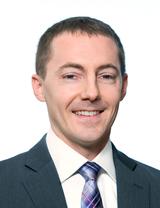
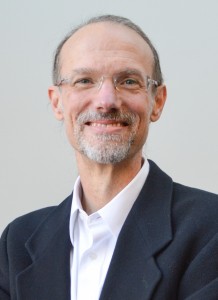
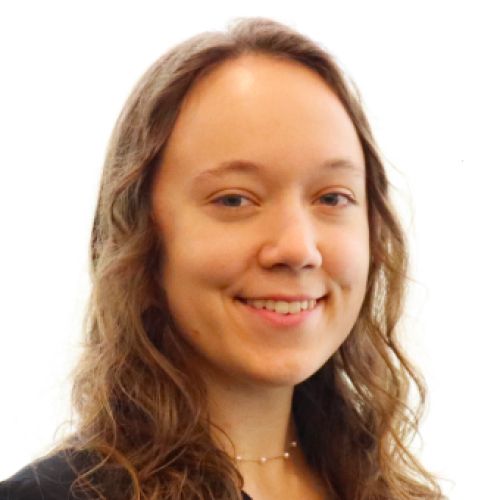
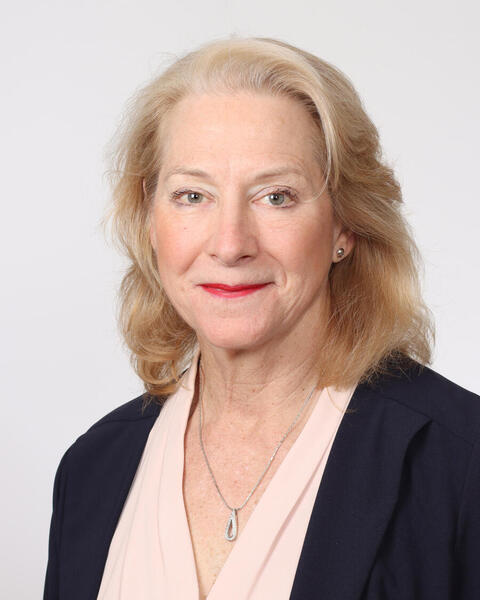
Michel Versluis is a Full Professor at the University of Twente, Netherlands, specializing in Physical and Medical Acoustics within the Physics of Fluids group. His work focuses on microbubbles and microdroplets for medical imaging and therapy, as well as microfluidic applications in medicine and nanotechnology. University of Twente, Physics of Fluids group His research bridges physics and biomedical engineering, with publications in high-impact journals like PNAS and IEEE Transactions. Recent work emphasizes ultrasound-driven microbubble dynamics, additive manufacturing of flow phantoms, and deep learning for super-resolution imaging. 2025 publications: vascular phantoms, PROTEUS simulator, acoustic microbubble control 2024 innovations: 3D-printed medical devices, immunogenic cell death optimization Contact: m.versluis@utwente.nl
Dr. Marshall E. Benjamin is a Clinical Associate Professor in the Department of Surgery at the University of Maryland School of Medicine . He is a nationally recognized leader in vascular surgery, specializing in renal artery disease and endovascular interventions. Medical School: University of Medicine and Dentistry of New Jersey (1987) Internship/Residency: Temple University Hospital (1988-1992) Fellowship: Wake Forest University School of Medicine (Vascular Surgery, 1996) Dr. Benjamin pioneered the aortic endograft procedure at the University of Maryland Medical Center (UMMC), focusing on minimally invasive abdominal aortic aneurysm repair. He is actively involved in the Eastern Vascular Society and is a registered vascular technologist. Leadership: Chair of Surgery at UM Baltimore Washington Medical Center (UM BWMC) Professional Affiliations: UM Baltimore Washington Medical Group, UM Shore Regional Health, UMMC Scientific Recognition: Board certified in Surgery (1993) and Vascular Surgery (1997), former President of the Eastern Vascular Society.
Matthew B Potts, MD is an Associate Professor in the Department of Neurological Surgery at Northwestern University's Feinberg School of Medicine, with secondary appointments in Neurology (Ken and Ruth Davee Department) and Radiology. His clinical expertise spans cerebrovascular surgery, neurointerventional/endovascular procedures, and management of brain aneurysms, vascular malformations, stroke, and spinal vascular disease across multiple Northwestern Medicine hospitals including Shirley Ryan AbilityLab. Dr. Potts completed his BS at MIT (2000) and MD at UCSF (2007), followed by surgical internship (2008), neurological surgery residency (2013), and cerebrovascular fellowship at NYU (2015). BS: Massachusetts Institute of Technology (2000) MD: University of California, San Francisco (2007) Internship: University of California-San Francisco Medical Center, Surgery (2008) Residency: University of California-San Francisco Medical Center, Neurological Surgery (2013) Fellowship: New York University Medical Center, Endovascular/Cerebrovascular Surgery (2015) His research program centers on chronic subdural hematoma pathophysiology, emergency stroke thrombectomy process optimization, and aneurysm treatment outcomes. He employs clinical-translational approaches to improve cerebrovascular disease management through advanced surgical techniques and rigorous outcomes assessment. Recent 2025 publications reveal strong focus on hydrocephalus diagnostics, hematoma expansion biomarkers, vertebrobasilar anatomy, and dolichoectatic aneurysm natural history. These works demonstrate multidisciplinary collaboration across neurosurgery, neurology, and radiology to advance diagnostic precision and treatment efficacy in complex cerebrovascular disorders. Dr. Potts has received exceptional recognition for medical education, including three consecutive Outstanding Teacher Awards (2019-2021) and the John X. Thomas, Jr. Best Teachers Award (2020). His research contributions are honored by the NIH Rush L. Kirschstein Award (2012) and Howard Hughes Fellowship (2005). Outstanding Teacher Award, Northwestern University Feinberg School of Medicine (2021) Outstanding Teacher Award, Northwestern University Feinberg School of Medicine (2020) John X. Thomas, Jr. Best Teachers of Feinberg Award, Northwestern University Feinberg School of Medicine (2020) Outstanding Teacher Award, Northwestern University Feinberg School of Medicine (2019) Ivan Ciric Resident Teaching Award, Northwestern University Department of Neurological Surgery (2017) Best Scientific Presentation, UCSF Department of Neurological Surgery (2013) NIH Rush L. Kirschstein National Research Service Award, National Institutes of Health (2012) UCSF School of Medicine Alumni Scholarship Award, University of California, San Francisco (2006) Howard Hughes Medical Institute Medical Student Research Fellow, Howard Hughes Medical Institute (2005) UCSF Quarterly Research Fellowship, University of California, San Francisco (2005) MIT-Germany Program Research Fellowship, Massachusetts Institute of Technology (2001) As an educator, Dr. Potts mentors medical students and residents through Feinberg's neurological surgery program, evidenced by his resident teaching award. His research is supported by institutional resources and prior NIH funding, with current industry relationships including ownership in Rhaeos, Inc. He serves as Assistant Editor for Neurosurgery and Associate Editor for Operative Neurosurgery. He operates within Northwestern's integrated neurovascular team across multiple hospital sites, collaborating with neurologists, neuroradiologists, and rehabilitation specialists to deliver comprehensive care for complex cerebrovascular conditions, with ongoing work focused on improving health equity in stroke treatment and minimally invasive surgical innovation.
Mihir Gupta, MD, is an Assistant Professor of Neurosurgery at Yale School of Medicine. As a fellowship-trained spine surgeon with dual expertise in neurosurgery and orthopedics, he performs both traditional and minimally invasive procedures for complex spinal disorders including degenerative conditions, deformities, tumors, infections, and trauma-related issues. Dr. Gupta also specializes in revision spine surgeries for patients with persistent or new problems following previous operations. Dr. Gupta's educational background includes a BA from Harvard College, an MD from Stanford University School of Medicine, neurosurgical residency at the University of California San Diego, postdoctoral studies at Harvard Medical School, and an orthopedic spine surgery fellowship at Johns Hopkins University. His clinical philosophy emphasizes understanding each patient's unique story through thorough evaluation and physical examination before developing personalized treatment plans. His research interests focus on understanding how genetics contribute to different spinal disorders and how care can be personalized. Dr. Gupta's publications demonstrate expertise across multiple domains including brain tumor diagnostics (particularly CNS lymphoma and glioblastoma), spine surgery outcomes, gender diversity in academic medicine, and neuroimmunology. His work often bridges clinical practice with molecular diagnostics, emphasizing rapid testing methods that accelerate treatment decisions for brain tumor patients. Dr. Gupta collaborates extensively with multidisciplinary teams including physical therapists, pain management specialists, anesthesiologists, and interventional radiologists to develop comprehensive treatment approaches. He emphasizes that surgery is often the last resort, prioritizing nonsurgical options when appropriate. His clinical work at Yale Medicine focuses on highly personalized spine procedures using advanced robotics, navigation, and minimally invasive techniques to tailor solutions for individual patients.
Dr. Regina Y. Baker is a Clinical Associate Professor of Surgery in the Division of Plastic and Reconstructive Surgery at the Keck School of Medicine of USC. She holds faculty positions at USC University Hospital, USC/Norris Comprehensive Cancer Center, LAC-USC Medical Center, Huntington Memorial Hospital, and Childrens Hospital of Los Angeles. Her clinical expertise spans breast reconstruction, adolescent breast surgery, body contouring, complex reconstructive surgery, and aesthetic surgery, with a focus on women’s health. She founded the Adolescent Breast Center (ABC) at Childrens Hospital of Los Angeles, addressing congenital and adolescent breast disorders, and leads burn reconstruction efforts at the Southern California Regional Burn Center. Education: MD from Keck School of Medicine, followed by plastic surgery residency at USC. Teaching: Actively involved in mentoring medical students and residents. Her research interests include surgical innovations in reconstructive procedures, wound healing, and regenerative medicine. Dr. Baker’s publications reflect her contributions to breast surgery techniques, stem cell applications, and laser technology in medicine. Awards: Recognized as one of Pasadena Magazine’s Top Doctors in 2010. She collaborates with USC bariatric surgeons to offer post-weight loss body contouring and maintains affiliations across multiple top-tier medical institutions.
Lloyd D. Petty, DO, MPH, is a Clinical Assistant Professor in the Department of Internal Medicine at the University of Utah School of Medicine. He specializes in Endocrinology, Diabetes & Metabolism, providing clinical care while contributing to academic research. Education: D.O. and M.P.H. from Nova Southeastern University College of Osteopathic Medicine; B.S. in Physiology from University of Arizona Training: Chief Residency at University of New Mexico School of Medicine; Fellowship in Endocrinology at University of Utah School of Medicine His research focuses on endocrine disorders, particularly diabetes, osteoporosis, and thyroid diseases. Recent publications explore hormonal-gastrointestinal interactions, bone health in oncology patients, and minimally invasive endocrine procedures. Key publications span bone metabolism in chronic lymphocytic leukemia (2024), adrenal gland ablation techniques (2022), and endocrine-gastrointestinal case studies (2017-2023). The work demonstrates expertise in clinical endocrinology applications.
Francesco Maisano, MD , is Full Professor of Cardiac Surgery at Vita-Salute San Raffaele University (Milan) since 2021, where he also serves as Director of the Cardiac Surgery Clinic and of the Valve Center at IRCCS San Raffaele Hospital. From 2014 to 2020 he held the Chair of Cardiac Surgery and directed the Department at University Hospital Zurich. Education & Training 1990 – MD, Catholic University of Rome 1994 – Clinical Fellowship, University of Alabama at Birmingham 1995 – Specialization in Cardiac Surgery, La Sapienza University of Rome Research Interests Professor Maisano’s work centres on innovative therapies for heart-valve disease, spanning surgical reconstruction, catheter-based interventions (TAVI, MitraClip, transcatheter tricuspid devices), and hybrid approaches. He leads translational programmes in biomedical engineering, multimodality cardiac imaging, and artificial-intelligence-guided interventions, with emphasis on the multidisciplinary “Heart Team” model for complex cardiovascular disease. His recent publications (2024-2025) demonstrate intense activity in transcatheter mitral and tricuspid repair, long-term durability of surgical mitral repair, AI-driven procedural guidance, and renal protection strategies during mechanical circulatory support. A dominant theme is translating imaging innovations and device concepts into first-in-human studies and large-scale registries. Scientific Awards & Recognitions European Society of Cardiology Silver Medal (2018) ICI Lifetime Achievement in Research & Teaching (2018) ICI Best Technology Parade Presentation (2010) C. Walton Lillehei Young Investigator Award (1999) Leadership & Grants He directs multiple postgraduate programmes, including Certificate of Advanced Studies (CAS) tracks at the University of Zurich in multimodality imaging, aortic valve, and mitral–tricuspid interventions. He is principal investigator on investigator-initiated grants, coordinates industry-partnered device trials, and mentors numerous doctoral and post-doctoral researchers. His team has filed >24 patents and spun off several cardiovascular start-ups. Labs & Teams At IRCCS San Raffaele he leads the Valve Science Center , a multidisciplinary hub integrating cardiac surgeons, interventional cardiologists, imaging specialists, biomedical engineers, and data scientists focused on next-generation valve repair/replacement technologies and personalised cardiovascular medicine.
Mark W Grinstaff is a Professor at Boston University, leading the Grinstaff Group, which focuses on interdisciplinary biomaterials and biomedical engineering research. His work addresses healthcare challenges through innovations in diagnostics, devices, and therapeutics. He holds a B.A. from Occidental College (1987) and a Ph.D. from the University of Illinois at Urbana-Champaign (1992). Research interests include designing biodendrimers for tissue engineering, interfacial biomaterials, and conducting polymer-based sensors. Key areas span cartilage repair, drug delivery systems (e.g., anticancer, DNA), and biodegradable scaffolds. He explores nanoparticle-based imaging agents for osteoarthritis diagnosis and biomechanical assessments using computed tomography. Recent publications highlight advancements in machine learning-driven osteoarthritis classification, dual-contrast agents for cartilage imaging, and synthetic biolubricants for equine models. His group emphasizes translational research, with a focus on nanotechnology, regenerative medicine, and therapeutic delivery platforms. Grinstaff’s work is supported by grants and collaborations, though specific grants are not detailed in the text. He advises students through the Grinstaff Group, though no student names are listed here. His lab develops novel materials and devices, including polymeric adhesives and biosensors, with applications in orthopedics, oncology, and infectious diseases.
Chao Liu is a Research Scientist at CNRS (French National Center for Scientific Research) since 2008, affiliated with the DEXTER team and the Department of Robotics, LIRMM at University of Montpellier, France. He earned his Ph.D. in Electrical & Electronic Engineering from Nanyang Technological University, Singapore (2006). Current research focuses on surgical robotics , haptics , teleoperation , and nonlinear control theory with applications in computer vision. His work addresses challenges in robotic-assisted telesurgery, including: Stable and transparent human-robot interaction through wave variable compensators and passivity filters Physiological motion compensation using spatio-temporal LSTM and dual Kalman filters EMG-based motion recognition for surgical skill assessment 3D soft-tissue reconstruction with stereo-endoscopes and deep learning Dr. Liu leads European and French projects like: TS2RT (CNRS-funded): Safer teleoperation with motion compensation ROBACUS (ANR-funded): Needle positioning with MPC control HaTUMoCo (CNRS-funded): Haptic teleoperation with uncertainty handling ARAKNES (EU-funded): Microrobotic systems for endoluminal surgery Scientific honors include Senior Member of IEEE and Member of Sigma Xi . He supervises Ph.D. and Master's students working on topics such as concentric tube robot optimization, haptic teleoperation, and EMG-based force estimation. Dr. Liu serves on IEEE Technical Committees for Telerobotics and Haptics , and as Technical Editor of IEEE/ASME Transactions on Mechatronics.
Dr. Joanna Deaton Bertram is an Assistant Professor in the Thomas Lord Department of Mechanical Engineering and Materials Science at Duke University’s Pratt School of Engineering. She concurrently holds an Assistant Professor appointment in Surgery, underscoring her interdisciplinary commitment to advancing medical robotics. Dr. Bertram leads a research laboratory devoted to the design, modeling, and control of robotic systems for surgical and interventional applications, working closely with Duke’s clinical and engineering communities. Education Ph.D. in Robotics, Georgia Institute of Technology, 2024 M.S. in Mechanical Engineering, Georgia Institute of Technology, 2024 B.S. in Biomedical Engineering, Georgia Institute of Technology, 2018 Research Interests Dr. Bertram’s research program is centered on medical robotics , with particular emphasis on continuum robotics and image-guided interventions . Her work integrates novel mechanical design with advanced control algorithms and smart materials to create robotic systems capable of navigating complex anatomical pathways. A hallmark of her approach is the incorporation of real-time fiber-optic shape and force sensing (using Fiber Bragg Grating technology) to provide surgeons with unprecedented feedback during procedures. Application domains include steerable needles for brachytherapy , robotic guidewires for endovascular surgery , and pediatric neuroendoscopy . Publication Themes Across more than fifteen peer-reviewed articles, Dr. Bertram has systematically advanced the state of the art in surgical robotics , fiber-optic sensing , and robotic system modeling . Her 2024 tutorial on Nitinol and Tungsten tendon attachment techniques provides practical guidance for building highly articulated continuum robots, while her 2023 series on the COAST guidewire robot demonstrates model-based design and simultaneous shape/force sensing for large-deflection medical devices. Earlier work explored 3D-printed patient-specific robotic tools and carbon-nanotube flexible sensors, illustrating a trajectory from fundamental sensor research to full robotic system integration. Scientific Recognition & Collaboration Although no major external awards are explicitly listed, Dr. Bertram’s publications in top-tier venues such as IEEE Robotics and Automation Letters , IEEE Transactions on Medical Robotics and Bionics , and IEEE/ASME Transactions on Mechatronics attest to strong peer recognition. She actively invites motivated graduate students, post-docs, and research staff to join her lab, fostering an open and interdisciplinary environment. Advising & Grants Dr. Bertram’s lab is presently recruiting trainees at all levels. While specific funded grants are not enumerated, her dual departmental appointments and extensive publication record suggest active federal or foundation support. Prospective students and collaborators are encouraged to contact her directly at joanna.d.bertram@duke.edu . Laboratory & Teams Dr. Bertram directs a laboratory within Duke University’s Pratt School of Engineering that collaborates closely with clinicians in the School of Medicine. The group focuses on rapid prototyping of medical devices, in-vitro and ex-vivo validation, and translation of robotic technologies to the operating room.
Kyle W. Klarich is Professor of Medicine and consultant in both the Division of Structural Heart Disease and Division of Echocardiography at Mayo Clinic. His clinical practice and research focus on structural heart disease, cardiac tumors, hypertrophic cardiomyopathies, and valvular heart disease. Dr. Klarich investigates complications prevention and quality-of-life improvement for patients with rare cardiac conditions. As Cardiovascular Disease Fellowship program director since 2010, he is extensively involved in medical education and has received multiple teaching awards including the ACGME's Parker J. Palmer Courage to Teach Award finalist recognition.
Gianmarco Pinton is an Associate Professor in the Department of Biomedical Engineering at the University of North Carolina at Chapel Hill. His research focuses on nonlinear ultrasound and mechanical wave propagation, with applications to medical imaging and therapy. He specializes in traumatic brain injury, shear shock waves, and ultrasound therapy. Ph.D., M.S., and B.S.E. in Biomedical Engineering/Physics from Duke University His lab develops physics and simulation tools for nonlinear wave propagation, aiming to create advanced diagnostic ultrasound methods. Key areas include traumatic brain injury, transcranial imaging, and therapeutic ultrasound. His recent work explores super-resolution imaging, brain motor circuits, and Alzheimer's disease vascular mapping using ultrasound. Article trends highlight innovations in transcranial ultrasound, super-resolution techniques, lung imaging, and neuromodulation. His publications address image degradation, contrast agents, and shear wave dynamics in neurological contexts.
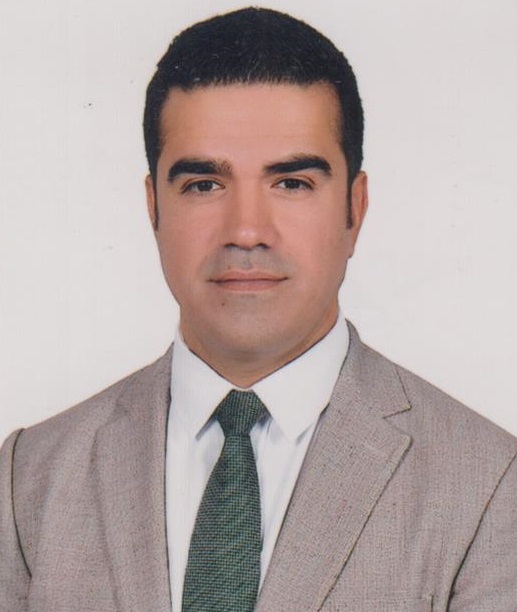
Mehmet Karahan is an Associate Professor in the Department of Cardiovascular Surgery at Gaziantep University Faculty of Medicine. He specializes in cardiovascular surgery with a focus on mechanical circulatory support, left ventricular assist devices (LVAD), heart transplantation, and endovascular procedures. His clinical and research work centers on innovative approaches to treating complex cardiac conditions. His educational background includes: Medical License (English Program): Hacettepe University Faculty of Medicine (2004-2011), Turkey Specialization in Cardiovascular Surgery: Health Sciences University, Ankara High Specialized Health Application and Research Center (2012-2017), Turkey Dr. Karahan's research interests span multiple areas within cardiovascular medicine. He has made significant contributions to the field of mechanical circulatory support, particularly focusing on left ventricular assist devices (LVAD) and their applications in both adult and pediatric patients. His work explores minimally invasive approaches to LVAD implantation, management of complications, and integration with other cardiac procedures. Additionally, he has expertise in endovascular aortic repair techniques, including complex cases involving traumatic injuries and challenging anatomies. His research also extends to heart transplantation, anticoagulation management, and thrombophilia in vascular disease. Analysis of Dr. Karahan's recent publications reveals a strong focus on advancing mechanical circulatory support technologies, particularly LVAD systems. His work addresses critical challenges in the field including pediatric applications, minimally invasive techniques, management of complications like pump thrombosis, and integration with other cardiac procedures. He has also made significant contributions to endovascular aortic repair, developing innovative techniques for complex cases. His research demonstrates a multidisciplinary approach that bridges surgical innovation with patient-centered outcomes. Dr. Karahan is an active member of several professional organizations: European Association for Cardio-Thoracic Surgery (EACTS) - Member since 2024 International Society for Heart and Lung Transplantation (ISHLT) - Member since 2023 National Association of Vascular and Endovascular Surgery - Member since 2020 Turkish Cardiovascular Surgery Association - Member since 2014 He has served as an editor for The Turkish Journal of Thoracic and Cardiovascular Surgery (2025). His clinical work involves complex cardiovascular procedures, with a particular emphasis on innovative approaches to mechanical circulatory support and endovascular interventions. Dr. Karahan has presented his research at numerous national and international conferences, contributing to the advancement of cardiovascular surgical techniques. His professional experience includes positions at Gaziantep University, Ankara Bilkent City Hospital, and Turkey High Specialization Hospital. He has also gained international experience through observer positions at Paracelsus Medical University-Nuremberg Clinic, Hannover Medical School, University of Geneva, and Harvard University.
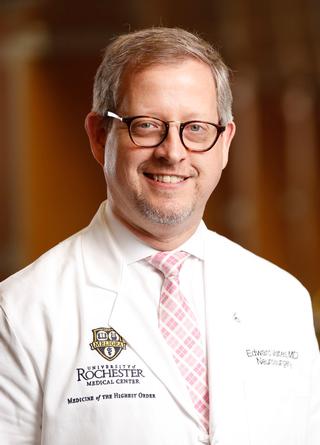
George E. Vates, MD, PhD, is a Professor in the Department of Neurosurgery and the Department of Medicine (Endocrine/Metabolism) at the University of Rochester Medical Center. He serves as neurosurgeon co-director of the University of Rochester Multidisciplinary Neuroendocrinology Clinic and is a key member of the University of Rochester Medical Faculty Group (URMFG), which comprises over 900 providers across 19 departments. Dr. Vates specializes in pituitary tumor surgery, cerebrovascular disorders, and skull base procedures, having performed over 120 transsphenoidal pituitary surgeries. Dr. Vates completed his academic training with exceptional distinction: Duke University: Bachelor's degree, summa cum laude (1988, Phi Beta Kappa) Rockefeller University: PhD in Neuroscience Weill Medical College of Cornell University: MD (1997, Alpha Omega Alpha) University of California, San Francisco: Neurosurgery Residency (1998-2003) Brigham and Women's Hospital, Harvard Medical School: Cerebrovascular/Skull Base Fellowship (2003-2004) His research focuses on pituitary tumor biology, neuroendocrinology, and surgical innovation. He established the Multidisciplinary Neuroendocrinology Clinic as a regional referral center for complex pituitary cases, integrating neurosurgical and endocrinological expertise. Current work emphasizes neuroprotective mechanisms in pituitary adenomas, surgical simulation technology, and optimizing outcomes for elderly glioma patients. Analysis of his 15 most recent publications reveals evolving research trajectories: contemporary studies (2019-2022) concentrate on pituitary tumor management, surgical simulation, and neurosurgical education, while earlier work (2002-2009) explored cerebrovascular anomalies, neural pathway mapping, and vascular malformations. Persistent themes include surgical technique refinement, tumor biology, and clinician training. Dr. Vates' scientific contributions have been recognized through: Phi Beta Kappa (1988) and Alpha Omega Alpha (1991) academic honors Neurosurgery Research and Education Foundation Fellowship (2006) Anspach Award for Cerebral Ischemia Research (2007) AANS Leadership Scholarship and Cone Pevehouse Award (2009) Ongoing service as St. Michael's Hospital Animal Care Committee reviewer As an educator, he mentors neurosurgery residents through clinical supervision and curriculum development, notably publishing on palliative care communication training. His research initiatives, including the 3D-printed cervical laminectomy simulator, demonstrate commitment to advancing surgical education. Current grants focus on neuroprotective strategies in pituitary tumors and resident training methodologies. Dr. Vates co-directs the Multidisciplinary Neuroendocrinology Clinic with endocrinologist Dr. Calvi, fostering collaboration between neurosurgery, endocrinology, and oncology. His clinical team manages complex pituitary cases across Rochester and Hornell campuses, while his research group develops surgical innovations and investigates tumor microenvironment interactions to improve patient outcomes.
Sarah Boyd, MD is an Associate Professor specializing in Female Pelvic Medicine & Reconstructive Surgery. She focuses on optimizing patient outcomes for pelvic floor disorders through surgical and non-surgical approaches. Board-certified in Obstetrics and Gynecology (2017) and Female Pelvic Medicine & Reconstructive Surgery (2021), her expertise spans pelvic organ prolapse, urinary incontinence, and minimally invasive gynecologic procedures. Female Pelvic Medicine & Reconstructive Surgery Fellowship, Hartford Hospital (2016-2019) Obstetrics and Gynecology Residency, Christiana Care Health System (2012-2016) MD from Marshall University John C. Edwards School of Medicine (2008-2012) Her research explores adverse outcomes in pelvic reconstructive surgery, postoperative opioid consumption, catheter management, and non-surgical interventions for prolapse. She collaborates in multi-institutional research groups analyzing perioperative outcomes. Articles demonstrate trends in data-driven surgical optimization and pain management protocols. Scientific Awards: Pyrtek Research Paper Distinction Award in Clinical Research (2019)