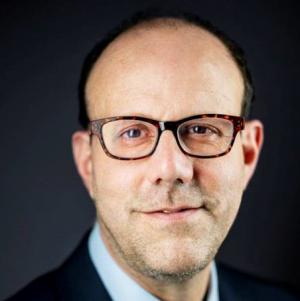
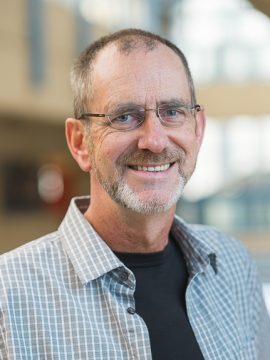
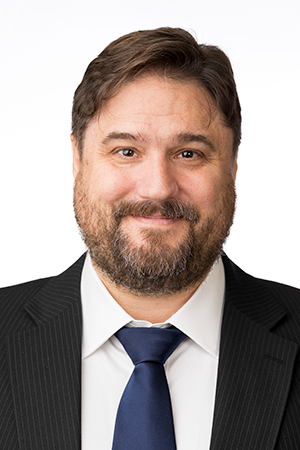
Michael Kremer is a University Professor in Economics at the University of Chicago, holding positions in the Kenneth C. Griffin Department of Economics, the College, and the Harris School of Public Policy. He is the 2019 Nobel Laureate in Economic Sciences for pioneering experimental methods to address global poverty. Kremer earned his Ph.D. from Harvard University in 1992 and has been affiliated with the University of Chicago since 2020. His research focuses on development economics, field experiments, and policies impacting education, health, water, and agriculture in developing countries. He directs the Development Innovation Lab and leads the Development Economics Center at Chicago, emphasizing evidence-based solutions to poverty. Kremer’s work combines rigorous academic inquiry with practical policy applications, bridging theoretical economics and real-world interventions. Awarded the MacArthur Fellowship in 1997 and a Fellow of the American Academy of Arts and Sciences since 2003, Kremer’s contributions have shaped modern development economics. He has collaborated extensively with institutions worldwide, advocating for randomized controlled trials (RCTs) to evaluate social programs. His interdisciplinary approach integrates insights from economics, public policy, and experimental methods, fostering global partnerships to combat poverty effectively.
Colleen Conley is a Clinical Professor in the Department of Psychology at Loyola University Chicago, specializing in clinical psychology with a focus on adolescent and emerging adult mental health. She directs the IMPACT (Improving Mental-health and Promoting Adjustment through Critical Transitions) Lab, which conducts research on psychological well-being during developmental transition periods. Dr. Conley earned her Ph.D. from the University of Illinois at Urbana-Champaign and her B.A. from Lawrence University. Her research program blends observational studies, meta-analyses, and intervention development to improve well-being, particularly during critical life transitions like the college years. Her work examines psychological trajectories in adolescence and emerging adulthood, with special attention to gender issues and LGBTQIA+ well-being. Her research interests center on developmental psychopathology, examining the interplay between individuals and their contexts over time. She investigates how biological, psychological, cognitive, and social factors interact to influence psychological distress and well-being. Much of her work focuses on college student mental health, including trajectories of well-being during the transition to college and interventions to address mental health challenges. Analysis of her recent publications reveals a strong focus on college student mental health, with emphasis on developmental trajectories, intervention effectiveness (particularly peer-led and technology-delivered approaches), and the impact of transition periods on psychological functioning. Her work increasingly incorporates digital interventions and examines moderators of intervention effectiveness across diverse student populations. Research Mentoring Award Program recognition for mentoring award-winning students Heckler Summer Research Fellowship recognition for mentoring fellowship recipients Dr. Conley mentors numerous graduate students in the clinical psychology program, with many completing dissertations on topics related to mental health interventions, student well-being, and developmental transitions. Her IMPACT Lab collaborates with university staff, administrators, and other researchers to develop practical interventions that address student mental health needs. Current projects include Honest, Open, Proud (HOP) for stigma reduction, Wellness Advising with Motivational Interviewing (WAMI), Students Taking on Effective Post-Graduate Skills (STEPS), and Supportive Accountability Methods for Mentoring Young Adults (SAMMY-A). The lab also partners with commercial entities like Headspace for mindfulness research.
Lucien Castaing-Taylor is the John Cowles Professor of Art and Anthropology at Harvard University and Director of the Sensory Ethnography Lab (SEL), currently on leave for Fall 2025. His work bridges anthropology and artistic practice through sensory ethnography, engaging critically with ecological crises and political challenges while maintaining an ethnographic commitment to lived experience. His research spans sensory ethnography, phenomenology, media anthropology, and post-human/multi-species relations, with deep engagement in cultural and political ecology across the Franco-Creole Caribbean, Europe, and American West. Castaing-Taylor interrogates intellectual history and reason while developing methodologies that merge artistic negative capability with ethnographic rigor to capture life's flux without imposing conventional narrative structures. Castaing-Taylor's creative output demonstrates a consistent trajectory from early works like In and Out of Africa (1992) to recent projects such as De Humani Corporis Fabrica (2022), evolving from representational ethnography toward immersive sensory experiences. His filmography and installations increasingly address the Anthropocene, human-animal relations, and embodied knowledge through experimental audiovisual techniques that challenge documentary conventions and expand ethnographic possibilities. His major awards include: Alpert Award in the Arts (2013) True Vision Award (2013) Los Angeles Film Critics' Circle Douglas Edwards Independent and Experimental Film Award (2012) FIPRESCI Award (2012) As Director of the SEL, Castaing-Taylor cultivates a collaborative environment where anthropology converges with experimental filmmaking and installation art. The lab functions as an incubator for boundary-pushing audiovisual research that engages with urgent planetary issues through sensory immersion, fostering new modes of ethnographic inquiry that transcend traditional academic publishing.
Ashli Owen-Smith is a behavioral scientist affiliated with the School of Public Health at Georgia State University , where her research focuses on mental health disparities, suicide prevention, and integrative/complementary approaches for complex mental-physical health conditions. She works with underserved populations including refugees/immigrants, incarcerated individuals, and LGBTQ+ communities through community-based participatory research and mixed-methods frameworks. Her current projects are funded by CDC , DBHDD , and DPH . Education: Ph.D. in Behavioral Sciences (Emory, 2009), S.M. in Public Health (Harvard, 2005), B.A. in Psychology (Smith College, 2001) Her research spans mental health , trauma , suicide prevention , and mindfulness-based interventions . Recent work examines telehealth adaptations for chronic pain and mental health, vaccine hesitancy in refugee communities, and social determinants of suicide . She leads studies on gender-affirming care and health disparities in LGBTQ+ populations. Key article trends include epidemiological analysis of suicide risk factors, COVID-19 impacts on mental health, ICD-10 coding for autism, and complementary medicine in trauma recovery. Subfields span telehealth , health equity , mental-physical comorbidity , and community engagement . Students she has mentored include C.A. Scarlett , T. Griner , and M.M. Sesay . Her work integrates public health policy , clinical research , and health systems analysis .
Daniel Redwood serves as Director of the MS in Nutrition & Functional Medicine at the University of Western States (UWS), a leading institution in integrated health care. With 25 years of clinical chiropractic experience emphasizing nutrition and acupuncture, he previously held a professorship at Cleveland Chiropractic College - Kansas City where he supervised student interns and taught clinical nutrition. His educational background includes: BA in English, State University of New York at Buffalo Doctor of Chiropractic, Palmer College of Chiropractic Dr. Redwood's research focuses on the integration of nutrition and functional medicine within chiropractic practice, advocating for evidence-based holistic models that prioritize prevention and self-care. His work bridges conventional and complementary medicine through clinical applications in pain management, chronic disease prevention, and lifestyle interventions. His scholarly output demonstrates a clear evolution from foundational chiropractic principles toward integrative approaches, with increasing emphasis on evidence-based nutrition protocols and interdisciplinary collaboration in health care delivery systems. Key recognitions include: Educator of the Year (Missouri State Chiropractic Association) Six-time Virginia Chiropractic Association Literary Award winner As an educator and academic leader, he has shaped curriculum development through editorial roles including founding editor of The Journal of Alternative and Complementary Medicine and current associate editor of Topics in Integrative Healthcare. His consulting work with WebMD and Integrative Medicine Consult extends his influence into digital health platforms. Dr. Redwood actively builds bridges between medical disciplines through his leadership at UWS and participation in the Research Agenda Conference (RAC), positioning functional medicine as central to the future of integrated health care systems.
James T. Enns is a Professor and Distinguished University Scholar in the Department of Psychology within the Faculty of Arts at the University of British Columbia. His research primarily focuses on the role of attention in human vision, with secondary interests in developmental psychology and human-machine interaction. Dr. Enns' research interests span perception, attention, vision, cognition, development, and human-machine interaction. His work explores how the human mind selects information, with particular emphasis on visual attention mechanisms. His laboratory research investigates the fundamental processes of visual perception and how attention modulates these processes across different contexts and developmental stages. Analysis of Dr. Enns' publication record reveals consistent engagement with visual perception, attentional mechanisms, and cognitive processing. His research demonstrates expertise in both theoretical frameworks and experimental methodologies related to visual attention, with applications spanning basic cognitive science to potential implementations in human-computer interaction systems. His work often bridges theoretical cognitive psychology with practical applications. Canadian Society for Brain, Behaviour and Cognitive Science Donald O. Hebb Distinguished Contribution Award (2013) Distinguished University Scholar, UBC (2004) Robert E. Knox Master Teaching Award (2004) Royal Society of Canada Fellow (2002) Killam Faculty Research Prize (1994) Killam Faculty Research Fellowship (1993) Society of Experimental Psychology Fellow Dr. Enns has served as Editor for the Journal of Experimental Psychology: Human Perception and Performance, and as Associate Editor for Psychological Science, Consciousness and Cognition, and Visual Cognition. His research has been supported by grants from NSERC, the Canadian Foundation for Innovation, the Australian Research Council, BC Health, and Nissan. He has authored textbooks on perception, edited research volumes on the Development of Attention, and published numerous scientific articles on vision, attention, and cognitive science. Dr. Enns is currently accepting graduate students and continues to mentor the next generation of cognitive scientists. Dr. Enns leads the UBC Vision Lab, which focuses on how the human mind selects information. The lab conducts research on visual attention, perception, and cognitive processes using a variety of experimental methodologies.
Jonathan Santo is a Professor of Psychology at the University of Nebraska at Omaha (UNO), where he serves as Director of the Graduate Developmental Psychology Program and as a faculty member in the Office of Latino/Latin-American Studies. His research explores peer relations, cultural differences in self-esteem, and classroom-level influences on child and adolescent development, with a focus on improving school environments and fostering positive social interactions. ORCA Faculty Fellow His research spans broad areas including Developmental Psychology , Social Support Systems , and Cross-Cultural Peer Dynamics , with specific attention to peer victimization , self-continuity , school climate , and developmental trajectories in Brazilian and Colombian youth . Recent publications analyze topics like hikikomori experiences , friendship security , and HPA axis dysregulation in adolescents. Scientific awards include the ORCA Faculty Fellow recognition. His work often involves longitudinal assessments of peer relationships cross-cultural comparisons (Brazil, Colombia, China, Nigeria, Singapore, U.S.) policy-focused blog posts on family separations and school interventions
Mathew Thomson is a Professor of History at the University of Warwick, specifically within the Department of History under the Faculty of Arts. He holds a BA in History from University College London (1987) and a D.Phil. from the University of Oxford (1992). His research focuses on the cultural and social history of medicine, eugenics, and psychological practices in 20th-century Britain. He has been a Wellcome University Award Holder at the University of Sheffield (1993-1998) and has held roles such as Lecturer and Reader at Warwick (1998-2015) before his current professorship. Thomson's teaching includes undergraduate modules like 'The Cultural History of the NHS' and 'Eugenics Lecture,' as well as postgraduate courses on medical humanities. His publications, including books like *The Problem of Mental Deficiency* (1998) and *Psychological Subjects* (2006), explore themes of mental health policy, eugenics, and the intersection of psychology with societal structures. His recent work examines the NHS's cultural representation and post-war childhood landscapes. He has contributed to public engagement through BBC documentaries (e.g., *The NHS: A People's History*), museum consultations (V&A Museum of Childhood), and policy initiatives like the British Academy Childhood Policy Programme. His research on mental deficiency policies, wartime mental health, and the history of psychological practices underscores his interdisciplinary approach to societal and medical history.
Claire Pippa Saling Burridge is a Researcher in the Department of History at the University of Oslo, focusing on early medieval health and medicine. Her work integrates textual analysis, archaeology, and codicology to study medical knowledge transmission. She is affiliated with the MINiTEXTS project examining marginal medical texts in manuscripts. Previously, she held a Leverhulme Trust Fellowship at the University of Sheffield and postdoctoral roles at the British School at Rome. Her research explores Carolingian medical practices, interdisciplinary methods, and the interplay between medical theory and practice in pre-1000 Europe. Education B.A. (Honors) in History & Medieval Studies, University of North Carolina at Chapel Hill MPhil and PhD in History, University of Cambridge Research Focus Burridge investigates medical minitexts in manuscripts, osteological evidence for dietary practices, and challenges stereotypes about early medieval surgical practices. She examines how medical knowledge was recorded in marginal notes and how religious elements influenced healing practices. Her work bridges textual analysis with material culture studies. Grants & Projects Leverhulme Trust Early Career Fellowship: 'Crossroads: The Evolution of Early Medieval Medicine' MINiTEXTS project: 'Marginalized Voices in Early Medieval Latin Culture' Labs/Teams Active contributor to the International Summer School and the MINiTEXTS research group focusing on medieval manuscript culture.
Suvi Saarikallio is a Professor of Music Education at the University of Jyväskylä, Finland , affiliated with the Faculty of Humanities and Social Sciences and the Department of Music, Art and Culture Studies . She leads interdisciplinary research bridging music psychology, education, and therapy, with a focus on youth development, emotion regulation, and well-being. Research Groups: Centre of Excellence in Music, Mind, Body and Brain (2022-2029), Musiconnect (2022-2027) Key Projects: Music and You, Stress & music listening, MPACT (Music and Sports), Music and Cross-modal Associations, SOSUS (Social Sustainability for Children) Research Trends: Her recent publications explore music's role in emotional regulation, cross-modal perception, health outcomes, and educational applications. Themes include AI's impact on music evaluation, rhythm's connection to cognitive skills, and music's influence on stress and social-emotional development. Contact: suvi.saarikallio@jyu.fi
Professor Emma Rich is affiliated with the University of Bath as a Professor of Physical Activity and Health Pedagogy and Director of the SPHERE Research Centre (Centre for Sport, Physical Activity and Health Equality). Her work bridges sociology and education , focusing on intersections between digital health technologies , body politics , and health inequities in educational and sport contexts. University: University of Bath Role: Professor & Research Centre Director Research Interests : Emma’s expertise spans critical pedagogy , digital health studies , obesity policy critique , and gendered body narratives . She pioneers feminist new materialist approaches to analyze how digital platforms shape health identities and practices among youth. Recent Publications examine digital health’s impact on body dissatisfaction , teacher mind maps , and spatial dynamics in digitized health education. These works emphasize datafication and quantified self trends in adolescent health behaviors. Awards & Recognition : Elected Fellow of the Academy of Social Sciences (2022) Nominated for FSHI Book Prize (2024) Bristol Bath Healthcare Research Impact Award (2019) Leadership & Collaborations : She leads international projects like the Wellcome Trust-funded Digital Health Generation and DigiHealthPE (UNA Europa), collaborating with institutions across the UK, Australia, and New Zealand. Her work integrates UN Sustainable Development Goals , particularly those addressing health equity and digital inclusion .
Jeffrey S. Lidke is a Professor of Religious Studies and Chair of the Department of Religion and Philosophy at Berry College. He holds a B.A. from the University of Colorado (1990), M.A. (1996), and Ph.D. (2000) in South Asia Religion and Philosophy from the University of California, Santa Barbara. A Fulbright Dissertation Fellow to Nepal (1996-97), his research focuses on Nepalese Tantra, South Asian religious traditions, and the intersection of contemplative practices with neuroscience. His major works include The Goddess Within and Beyond the Three Cities (2017) and Viśvarūpa Maṇḍir: A Study of Chaṅgu Nārāyaṇa (2017). Key research areas include Śākta Tantra's political theology, Abhinavagupta's monistic philosophy, and the neuroscientific implications of Tantric meditative practices. His work bridges textual analysis with ethnographic fieldwork in Nepal and India. Education: B.A., Religious Studies, University of Colorado (1990) M.A., South Asia Religion and Philosophy, University of California, Santa Barbara (1996) Ph.D., South Asia Religion and Philosophy, University of California, Santa Barbara (2000) Research Interests: Indian and Nepalese Tantra Kashmir Śaivism Cognitive Neuroscience of Contemplative Practices Embodied Mysticism in Art and Dance Maṇḍala Theory and Political Theology Key Contributions: Pioneered studies on the Sarvāmnāya Tantra system Explored neuroscientific applications of Tantric meditation Edited volumes on South Asian religious practices and ecology Awards: Fulbright Dissertation Fellowship (1996-97) Professional Activities: Co-editor of Southeast Review of Asian Studies Interviews on Tantric philosophy and Yoga-Neuroscience connections
Dr. Karen Cochrane is an Assistant Professor at the University of Waterloo, specializing in Human-Computer Interaction (HCI) with a focus on wearable and tangible computing for mental health and accessibility. Her research integrates soma design, autoethnography, and design fiction to address the needs of underrepresented communities, particularly those with disabilities. Key projects include developing assistive technologies for queer/crip identities, accessible gaming wearables, and tactile interfaces for sensory exploration. She explores embodied experiences through multidisciplinary approaches, blending traditional craft practices with modern computational tools. Her work prioritizes participatory design methodologies, collaborating with occupational therapists, disabled communities, and neurodivergent individuals to co-create inclusive technologies. Recent innovations include VARitouch (a haptic feedback device), Breathing Scarf (for emotional regulation), and adaptive switches for children with motor disabilities. Her research extends into sensory narratives, exploring how fabric and data can articulate bodily experiences through projects like Sensory Data Dialogues and Queer/Crip Body Mapping. While no formal grants or awards are listed, her publications reflect a strong focus on ethical technology, accessibility, and embodied interaction. Current projects emphasize the intersection of wearable tech with identity expression, mindfulness practices, and neuromotor rehabilitation. She actively designs prototypes that bridge clinical needs with creative technology solutions, though specific lab affiliations or team collaborations are not detailed in available texts.
Dr Stella Bolaki is Reader in American Literature and Medical Humanities at the School of English, University of Kent, and Co-Director of the Centre for Health and Medical Humanities. She has been a faculty member since 2011, after holding positions at the University of Glasgow and the University of Edinburgh, where she also held a postdoctoral fellowship at the Institute for Advanced Studies in the Humanities (IASH). Her educational background includes a BA from Athens and an MSc and PhD from the University of Edinburgh. BA, Athens MSc, University of Edinburgh PhD, University of Edinburgh Stella’s research spans interdisciplinary fields including contemporary American literature, medical humanities, disability studies, and Black feminist theory. Her work critically examines narratives of illness, chronic conditions, self-care, and the intersection of art and health. She has pioneered research on artists’ books as tools for wellbeing, testimony, and community engagement, particularly in contexts of trauma and social injustice. Her recent publications and projects reveal a consistent focus on expanding narrative forms in medical humanities—moving beyond traditional literary modes to include photography, performance, film, and digital storytelling. Themes of inequality, mental health, climate anxiety, and embodiment recur across her work, especially in her ongoing monograph on self-care. Fellow of the Higher Education Academy Wellcome Trust funding recipient British Academy funding recipient Research England grant awardee Kent’s AHRC Impact Acceleration Account funding Stella supervises doctoral research across a wide range of interdisciplinary topics and has co-supervised a CHASE-funded project on health zines. She contributes to teaching in American literature and medical humanities at the Kent and Medway Medical School. Her professional service includes editorial roles for Contemporary Cultural Studies in Illness, Health and Medicine and the Journal of Literary & Cultural Disability Studies , and leadership in the Eastern Arc Medical and Health Humanities Network and the Kent Medical Humanities Network. She leads public-facing research through creative workshops, exhibitions, and events such as ‘Artists’ Books and the Medical Humanities’ and ‘Mending the Psyche: Art as Reparation’, often in collaboration with NHS partners and community organizations.
Russell S. Witte, PhD, is a Professor at the University of Arizona, jointly appointed in the departments of Medical Imaging, Optical Sciences, Biomedical Engineering, Surgery, and Neurosurgery. He is also a Professor at the BIO5 Institute and leads the Experimental Ultrasound & Neural Imaging Lab (EUNIL). His interdisciplinary work bridges physics, engineering, and medicine to develop innovative imaging technologies for diagnosing and treating neurological, cardiac, and oncological conditions. Education: PhD, Arizona State University, 2002 MS, Arizona State University, 2000 BS (Honors), Physics, University of Arizona, 1993 Dr. Witte's research centers on hybrid imaging modalities that combine ultrasound with light, microwaves, and electrical signals. His lab pioneers techniques such as photoacoustic imaging, acoustoelectric imaging, and elasticity mapping to visualize tissue function and mechanics deep within the body. These methods have transformative potential in functional brain imaging, cardiac electrophysiology, and early cancer detection. He is particularly interested in leveraging nanotechnology and smart contrast agents to enhance imaging specificity and therapeutic efficacy. His research program reflects a strong trend toward multimodal, physics-driven biomedical imaging, with applications spanning neuroscience, cardiology, and oncology. By integrating principles from biomedical engineering, optics, and applied mathematics, his work aims to bridge the gap between fundamental science and clinical translation. Scientific Affiliations and Memberships: Arizona Cancer Center Sarver Heart Center School of Mind, Brain, and Behavior Neuroscience Graduate Interdisciplinary Program Applied Mathematics Graduate Interdisciplinary Program Biomedical Engineering Graduate Interdisciplinary Program Dr. Witte is deeply committed to training the next generation of interdisciplinary scientists. He actively mentors students and encourages collaboration across engineering, medicine, and industry. His lab fosters a creative environment for dreamers, problem solvers, and innovators aiming to make transformative discoveries at the intersection of physics and medicine. He has established strong collaborative networks across the Colleges of Engineering, Optical Sciences, and Medicine, facilitating translational research with real-world clinical impact. Dr. Witte leads the Experimental Ultrasound & Neural Imaging Lab (EUNIL), a multidisciplinary research team dedicated to developing and refining cutting-edge imaging technologies. The lab focuses on translating novel physical principles into practical tools for disease diagnosis and treatment monitoring, particularly in chronic tendon disorders, arrhythmias, and breast cancer.