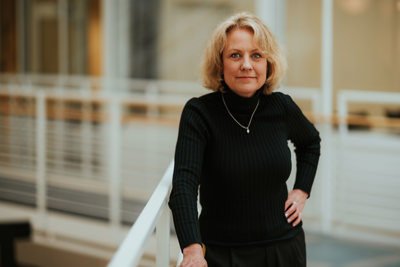
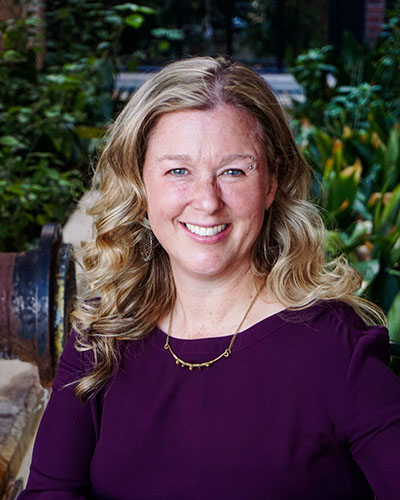
Laura E. Mercer Traavik serves as Associate Professor in the Department of Leadership and Organization at Kristiania University College's School of Communication, Leadership and Marketing. Her expertise spans negotiation strategies, diversity management, and inclusive leadership frameworks within Norwegian organizational contexts, with particular focus on workplace inclusion for caregivers and seniors. Her research examines intersectional dynamics of diversity through lenses of cross-cultural management, economic psychology, and negotiation theory. Current investigations address AI ethics implications for inclusive workplaces, individual motivations for inclusive behavior, and structural barriers faced by women in leadership. She analyzes how fixed mindsets about technology impact virtual team performance and explores employer branding strategies that authentically integrate diversity values. Analysis of her recent publications reveals intensifying focus on practical applications of inclusion science in Scandinavian workplaces. Key trends include caregiver employee integration, senior workforce retention strategies, and the ripple effects of egalitarian team structures. Her work increasingly bridges digital transformation challenges with human-centered inclusion practices, emphasizing contextual Norwegian workplace dynamics while contributing to global diversity discourse through empirical studies on mindset interventions and policy rationales. Traavik actively disseminates findings through NEON Days and EDI conferences, presenting on topics including caregiver inclusion frameworks, senior career development pathways, and cross-cultural negotiation patterns. Her research methodology combines organizational case studies with large-scale policy analysis, notably through MIPEX database applications in Scandinavian contexts.
Prof. Dr. Thomas Zerback serves as Professor of Political Communication and Chair of Communication and Media Studies IV at the Institute of Social Sciences, Heinrich Heine University Düsseldorf, specializing in 'Democratic Decision-Making in the Digital Society' since October 2023. His academic trajectory includes a Magister degree (2005) and PhD (2011) from Johannes Gutenberg University Mainz, followed by a Habilitation (2016) at Ludwig-Maximilians-Universität München, where he worked as a research assistant from 2009 to 2019. Prior appointments include Assistant Professor of Political Communication at the University of Zurich (2018-2023) and visiting professorships in Zürich (2015-2016) and Leipzig (2017). His educational background features: Magister in Publizistik and Business Administration, Johannes Gutenberg University Mainz, 2005 PhD in Communication Science, Johannes Gutenberg University Mainz, 2011 Habilitation in Media and Communication Research, Ludwig-Maximilians-Universität München, 2016 Zerback's research examines how media diversity shapes democratic processes, with emphasis on persuasive political communication, perception of political opinion climates, and media effects in digital environments. His work investigates cross-cutting exposure, exemplar effects on public opinion, disinformation mechanisms, and polarization dynamics—particularly in climate change discourse. Employing experimental methodologies, he explores how media content influences citizens' perceptions of political climates and behavioral intentions, with recent focus on digital society challenges including disinformation and affective polarization. His publications reveal consistent focus on democratic communication processes, with increasing attention to digital disinformation (2020-2024), climate communication polarization (2022-2025), and argument diversity effects on news credibility (2024). The research spans experimental studies, comparative media analyses, and theoretical contributions to political communication frameworks. Scientific recognition includes: 2025 DGPuK Best Conference Submission Award for polarization research in climate debates 2017 Habilitationspreis from Münchener Universitätsgesellschaft 2017 DGPuK Journal Prize for media tone effects on public opinion perception As an academic leader, Zerback served as Secretary of the Political Communication Division of the International Communication Association (2016-2018) and spokesperson for the 'Communication and Politics' group in the German Communication Association (2017-2020). He co-edited Studies in Communication and Media (2019-2023) and contributed to the 'Handbook of Political Communication.' His research has secured funding for studies on media diversity, disinformation resistance, and democratic processes, though specific grant details aren't provided in source materials. He maintains active collaboration with researchers across Germany, Switzerland, and internationally, particularly in climate communication polarization projects.
Solveig Omland is an Associate Professor in Intercultural Studies at NLA University College, Kristiansand, Norway. Her work spans disciplines such as anthropology, migration studies, and religious studies, with a focus on intercultural communication, media representation, and identity negotiation among immigrant communities. PhD in Intercultural Studies (2016), Trinity International University MA in Religion (2006), Trinity International University Cand. mag. in Social Sciences (2003), Høgskolen i Agder Her research explores the intersection of religion, media, and identity, particularly in contexts of globalization and migration. Key themes include religious revitalization in immigrant communities, postcolonial perspectives on cultural integration, and critical media analysis of health crises like COVID-19. Recent publications highlight her expertise in cross-cultural media framing, intercultural pedagogy, and religious discourse in Norway and Sub-Saharan Africa. She employs qualitative methodologies and ethnographic approaches in her work.
Hong Zhang is a Professor of East Asian Studies at Colby College, specializing in interdisciplinary research combining anthropology, sociology, and policy analysis. Her work focuses on labor migration, gender dynamics, family structures, aging populations, and cultural preservation in contemporary China. Ph.D. in Anthropology from Columbia University Post-doctoral research at Harvard’s Fairbank Center M.A. in English from Wuhan University Expertise in Chinese culture, language, and social policy Hong Zhang's research explores the intersection of social policies and lived experiences, particularly examining the One-Child Policy’s impact on family structures, eldercare transitions, and labor migration patterns. Her work bridges cultural analysis with empirical social science. Her publications span edited volumes, journal articles, and translations, addressing topics like aging in urban China, gendered labor migration, and the re-invention of traditional practices. She has contributed extensively to journals such as The China Quarterly and Ageing International . Notable collaborations include guest editorships for themed issues on aging and caregiving, as well as translations of seminal works on migrant labor and feminist theory. Her methodological approach combines ethnographic fieldwork with policy analysis.
Professor Catherine Barnard is a leading scholar in European & Employment Law at the Faculty of Law, University of Cambridge . She serves as Deputy Director of the research initiative UK in a Changing Europe , focusing on the socio-legal impacts of Brexit. Her work bridges EU law, labor rights, and competition policy, with a particular emphasis on migrant worker experiences and digital economy challenges. Education: M.A., University of Cambridge LL.M., European University Institute PhD., University of Cambridge Research Themes: Barnard's scholarship critically examines the intersection of EU legal frameworks and national labor policies, especially post-Brexit. Her recent projects include analyses of low-skilled labor migration, EU Settlement Scheme implementation, and digital platform worker protections. She contributes to debates on free movement doctrine, social dumping, and regulatory autonomy in a fragmented legal landscape. Public Engagement: As a prominent voice in post-Brexit legal discourse, she leads research teams studying migrant integration, tribunal accessibility, and welfare policy continuity. Her collaborative work with EU migrant communities highlights practical legal barriers in employment, healthcare, and debt resolution.
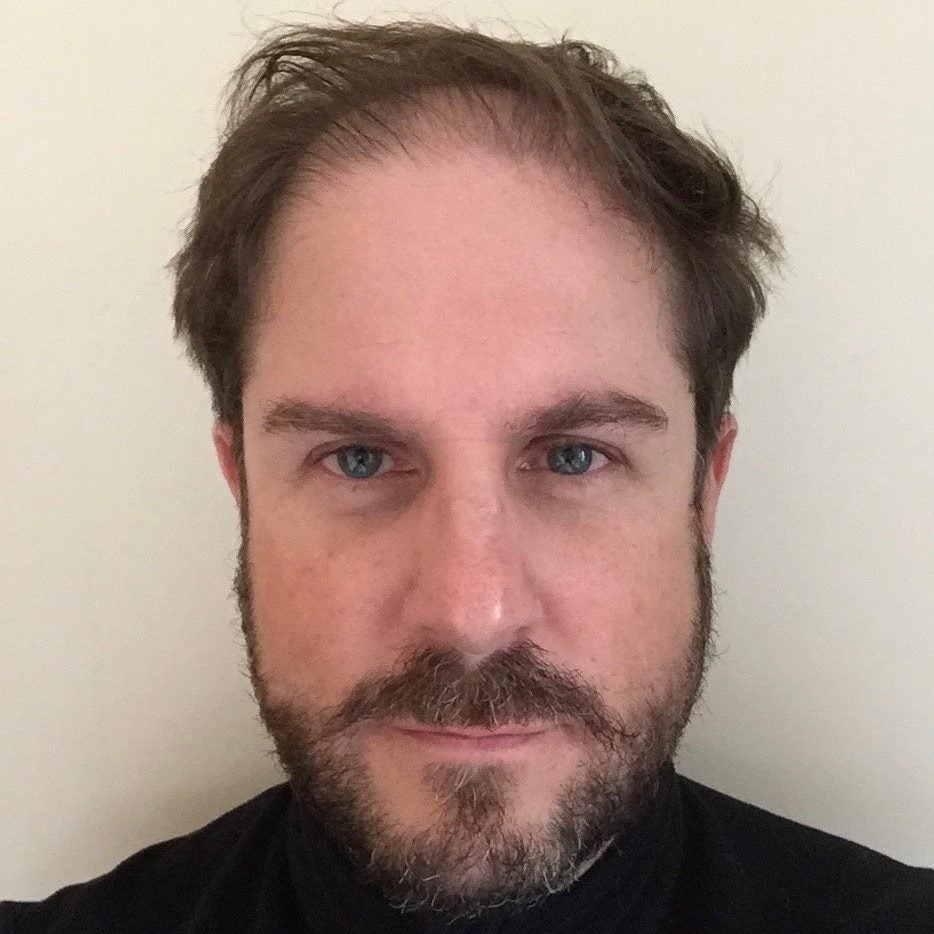
Dr. Ray Drainville is a lecturer at the University of Waterloo, specializing in digital media and visual culture. His research explores the intersection of iconography, social media image analysis, and machine learning applications. With nearly two decades of industry experience in web development and graphic design, he brings practical insights to his teaching on contemporary digital visual culture. PhD in Visual Culture from Manchester School of Art, Manchester Metropolitan University (2018) MA in Information Studies from University of Sheffield (1996) MA in History of Art from Princeton University (1995) BA in History of Art from New College (1992) Dr. Drainville's research interests include digital media, visual culture, iconography, media theory, and hermeneutics. His work increasingly examines linguistic and visual dogwhistles in political contexts, memetic superposition, and algorithmic iconography. He has published in journals such as AI & Society , Studies In Communication Sciences , and Hyperallergic , often combining historical art analysis with contemporary digital platforms. He teaches courses including: GBDA 101 Introduction to Digital Media Design GBDA 203 Introduction to Digital Culture GBDA 228 Digital Imaging of Online Applications GBDA 301 Global Digital Project 1 GBDA 401 Cross-Cultural Digital Business GBDA 402 Capstone Course: Cross-Cultural Digital Business ARTS 290 Theories of Media
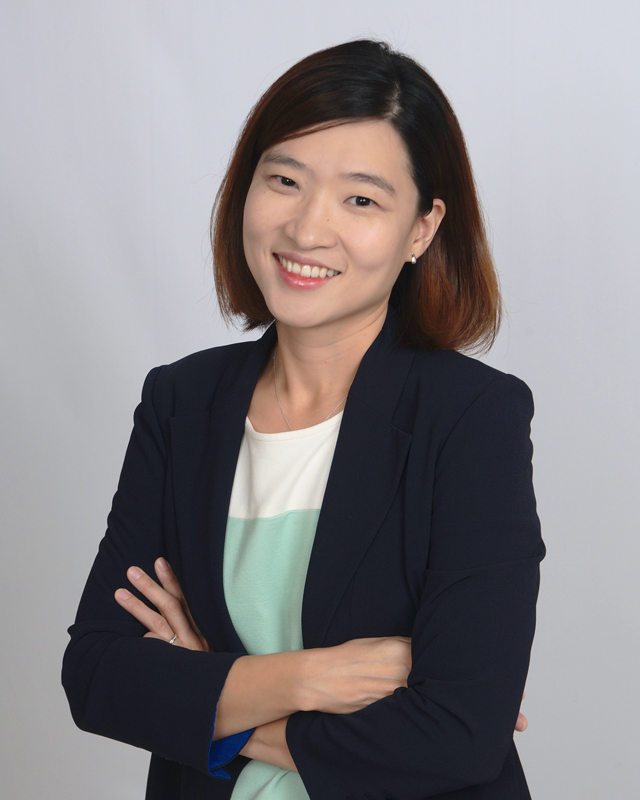
Rosie Jahng serves as an Associate Professor at Wayne State University, specializing in digital media, crisis management, and science communication. She teaches undergraduate and graduate courses including Public Relations Theory, Social Media & Public Relations, and Theories of Media Effects, emphasizing quantitative research methods and computational approaches. Her academic credentials include: PhD in Journalism from the University of Missouri MA in Journalism from the University of Texas-Austin MA in Communication from Seoul National University, South Korea BA in Telecommunication from Sookmyung Women's University, South Korea Dr. Jahng's research critically examines media effects in digital environments, with particular focus on how online comments influence information credibility judgments and how journalists navigate scientific uncertainty during public health crises. Her work bridges public relations and computational communication, investigating fake news dynamics, crisis response strategies on social media, and the ethical dimensions of science reporting. Methodologically, she integrates large-scale data analysis with experimental designs to uncover patterns in audience behavior and journalistic practices. Analysis of her recent publications reveals a cohesive trajectory examining communication during societal disruptions—spanning the Flint water crisis, Syrian refugee coverage, and the COVID-19 pandemic. Her scholarship consistently addresses how digital platforms reshape professional communication norms, with strong emphasis on verification practices, narrative framing, and the psychological mechanisms underlying public trust. Her research program has secured significant external funding from the Arthur W. Page Center for Integrity in Public Communication and the Association for Education in Journalism and Mass Communication, complemented by multiple internal Wayne State University grants supporting her investigations into media authenticity and crisis communication.
Dr Dzavid Haveric is a Research Fellow at the Centre for Islamic Studies and Civilisation , Charles Sturt University . He holds a PhD in Humanities (Victoria University, 2009) and MA in Cultural History (Deakin University, 2004), with additional qualifications in management and journalism. Key affiliations: Institute for Community, Ethnicity and Policy Alternatives (Victoria University) Victoria Museum (Research Associate) Public and Contextual Theology Research Centre (CSU) His research spans Islamic history , Australian Muslim identities , interfaith dialogue , and multiculturalism . Recent work includes military history ( 2024 book ) and socio-historical analyses of human rights in Islamic contexts. Selected recent publication trends: 2024 : Military service and national loyalty narratives 2023 : Islamic jurisprudence in Australian diaspora 2020 : Human rights frameworks in Islamic thought 2019 : Three major books on community building, ANZAC history, and Islamic Australia 2017 : Interfaith community development in Victoria Scientific honors include: 2023 Australian Muslim Professional of the Year (AMAA) Australian Postgraduate Award (2006) Multiple Certificates of Appreciation (2001-2011) He has contributed extensively as a journalist for SBS Radio and Bosnian community newspapers, and held roles at the Parliament of the World's Religions and Victoria Museum .
Dr. Angela Stercken is a Research Fellow at the Institute for Art and Art History, University of Duisburg-Essen. She specializes in art theory, aesthetics, and transcultural exchanges, particularly focusing on the Black Atlantic, diasporic art practices, and temporalities in contemporary art. Key research areas: transatlantic art, postcolonial critique, transmedial aesthetics Active in DFG-funded projects (2017-2020) and international networks Her recent publications explore diasporic image politics, maritime spaces in art, and temporal concepts in global modernism. She has received fellowships from prestigious institutions in the USA, Senegal, and Germany. Scientific awards include: DFG Research Funding (2017-2020) Grimme Online Award (2013) International fellowships (2018) She co-edits collaborative projects on aesthetic temporalities and contributes to exhibitions and digital humanities initiatives.
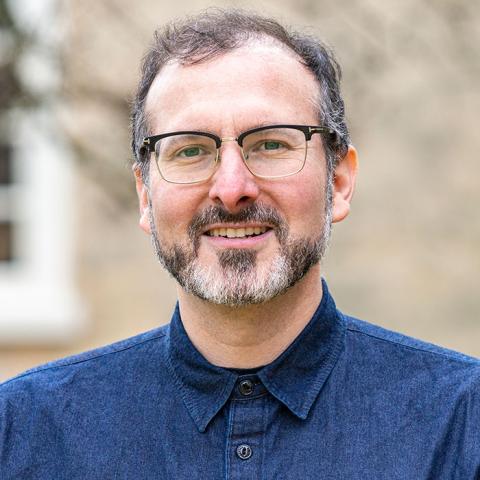
Andrew Friedman is The John R. Coleman Associate Professor of History at Haverford College, specializing in U.S. empire, race and migration, and transnational histories. His research examines the intersections of spatial history, national security, and decolonization through the lens of suburban development in Northern Virginia and its global connections. Education: Ph.D., M.Phil., M.A., Yale University MFA, Iowa Writers' Workshop B.S., Northwestern University Research Interests: Friedman's work interrogates how U.S. imperial power manifests in domestic spaces, focusing on the built environment's role in shaping imperial citizenship during post-WWII suburbanization. His scholarship traces connections between Cold War security institutions, migration patterns, and the creation of political spaces that both reflect and critique American foreign policy. Publication Trends: His publications demonstrate consistent engagement with themes of Cold War spatial politics, racialized labor systems, and transnational connections between U.S. suburbs and global decolonization movements. The research spans cultural geography, architectural history, and diplomatic studies. Scientific Awards: Stuart L. Bernath Book Prize, Society for Historians of American Foreign Relations Spiro Kostof Book Award Honorable Mention, Society of Architectural Historians Chronicle of Higher Education Best Scholarly Book of the Decade Teaching: Friedman teaches courses on international U.S. history, the built environment, global WWII impacts, archive theory, and racial politics in foreign policy, including unique offerings like Walter Benjamin on Lancaster Avenue that bridge theory with local urban studies.
Anne E. McCall serves as the 13th President of The College of Wooster and is a tenured Professor of French and Francophone Studies. She assumed the presidency on July 1, 2023, and was formally inaugurated on October 28, 2023. As the second woman to lead Wooster since its founding in 1866, she brings extensive academic leadership experience from previous roles as provost at Xavier University of Louisiana and deanships at Binghamton University, University of Denver, and Tulane University. Dr. McCall earned her bachelor's degree in French and German from the University of Virginia before pursuing graduate studies in France, where she earned both her master's and doctoral degrees in French literature from the Université Strasbourg. She has maintained a distinguished academic career alongside her administrative roles, remaining active in scholarship throughout her leadership positions. Her research focuses on nineteenth-century French fiction and life writing, with particular expertise in the works of George Sand. As a past-president of the George Sand Association, Dr. McCall has established herself as an internationally recognized scholar in this field. Her scholarly work explores epistolary literature, autobiography, and the intersection of legal and literary discourses in nineteenth-century France, examining how writers like George Sand challenged societal norms through their literary innovations. She has published extensively on George Sand's works, including a book titled 'De l'être en lettres. L'autobiographie épistolaire de George Sand' (1996) and is completing 'Arrested Memories: Letters, Law, and Literature in Nineteenth-Century France'. Dr. McCall's publications demonstrate a consistent scholarly trajectory examining narrative forms, particularly epistolary conventions, and their relationship to social structures. Her work shows increasing engagement with interdisciplinary approaches, connecting literary analysis with historical, legal, and gender studies frameworks. Over time, her research has expanded from focused textual analysis to more complex examinations of how literature interacts with broader cultural and institutional forces. While specific scientific awards aren't detailed in the available information, Dr. McCall's scholarly contributions have been recognized through her leadership positions in academic organizations and her invitation to present at international conferences. Her work has been published in prestigious journals and presses specializing in French literary studies. As an administrator, Dr. McCall has demonstrated exceptional skill in academic leadership, having overseen the creation of new core curricula and nearly two dozen degree programs at Xavier University. She has successfully secured funding from major foundations including Andrew W. Mellon, W.K. Kellogg, and Kresge, as well as federal agencies like NIH, Department of Education, and NSF. Her commitment to inclusive excellence is evident in her work establishing task forces on diversity, creating specialized courses on migrations and diasporas, and implementing initiatives to support underrepresented faculty. Dr. McCall serves as Chair of the Steering Committee for the U.S. section of Scholars at Risk, demonstrating her commitment to academic freedom globally. She has also been involved with the Center for Equity, Justice, and the Human Spirit at Xavier University and has led initiatives addressing systemic inequities in STEM fields, particularly focusing on female faculty of color. Her leadership philosophy emphasizes 'building innovation through inclusive excellence' and she is committed to nurturing environments conducive to global learning and intellectual freedom.
Miriam Sobre, Ph.D. , is an Assistant Professor of Intercultural Communication at the University of Texas at San Antonio (UTSA) in the College of Liberal and Fine Arts , Department of Communication. She specializes in critical intercultural communication pedagogy, diversity, equity, and inclusion (DEI), Jewish-American identity, and qualitative methods. Education: Ph.D. in Intercultural Communication, Arizona State University (2009) M.A. in Language and Culture, The University of Texas (2002) B.A. in English (Creative Writing), The University of Puget Sound (1999) Research Interests include: Critical intercultural communication pedagogy for social justice Intersectionality of Jewish-American identity and Ashkenormativity Academic freedom in DEI-focused education under anti-DEI legislation Virtual cosmopolitanism and social media's role in transnational activism Multicultural identity formation through third culture building Publication Trends reveal a focus on cosmopolitanism, DEI, and intercultural pedagogy, with recent work analyzing anti-DEI policies' impact on educational spaces. Her research spans qualitative case studies, autoethnographic reflections, and virtual community-building frameworks. Scientific Awards include: National Communication Association Best Co-Authored Book Award (2014) Top book award for 'Cultivating cosmopolitanism for intercultural communication' Additional Contributions: Dr. Sobre has presented at major conferences such as the National Communication Association and Western States Communication Association. Her work bridges theory and practice, emphasizing civic-minded communication and trauma-informed intercultural interventions.
Charlotte Bydler is a Professor at the Department of Culture and Learning, Södertörn University, specializing in Art History. She has taught since autumn 2003 and been a full-time employee since 2011. Research leader at CBEES (2011-2014) for Cultural Theory: Cosmopolis Project leader for 'A New Region of the World?' (2016-2019) Project manager for 'Living Archives' (2011-2016) funded by VR Research Focus: Globalization of contemporary art, transnational art practices, cultural heritage dynamics, and digital art. Her work examines institutional frameworks (museums, biennials) and geopolitical dimensions in art production. She has contributed to Sami art studies and analyzed the 1914 Baltic Exhibition. Project Leadership: Directed interdisciplinary projects on art globalization, heritage transfer, and institutional memory, including collaborations with Pontus Hultén's archival legacy at Moderna Museet and Centre Pompidou. Education: Defended doctoral dissertation 'The Global Art World, Inc.' in 2004 at Uppsala University, analyzing globalization effects on avant-garde art through biennials and institutions. Academic Network: Participated in international research collaborations with scholars including Anna Kharkina, Carl Marklund, and Andreas Gedin, with funding from ÖSS, VR, and Knowledge Foundation.
Dr. Paul Mepschen is an Assistant Professor of Social Anthropology at University College Utrecht, Utrecht University, where he has taught since 2019. Holding a PhD from the University of Amsterdam (awarded cum laude in 2016), he specializes in the critical analysis of power structures through ethnographic research focused on Dutch urban contexts. His institutional affiliations include Utrecht University's Institute of Social and Cultural Research (IOS) with research clusters in Contesting Governance, Gender Diversity and Global Justice, and Migration and Societal Change. His educational background centers on social anthropology, culminating in his doctoral dissertation Everyday autochthony. Difference, discontent and the politics of home in Amsterdam (University of Amsterdam, 2016). This foundational work established his methodological approach to studying urban citizenship through longitudinal ethnographic fieldwork in Amsterdam neighborhoods. Mepschen's research critically examines the interconnections of racism, nationalism, and sexuality within contemporary European societies, with particular focus on Dutch contexts. His work interrogates how categories of difference operate in everyday life through: The culturalization of citizenship and belonging Sexual democracy as a tool for exclusionary nationalism Populist discourses framing migration and religious minorities Urban renewal policies affecting marginalized communities The intersection of queer politics with anti-immigrant narratives Rural-urban political divides in identity formation His scholarship consistently reveals how progressive values become weaponized to construct new forms of culturalist exclusion. Analysis of his publication record (2010-2019) demonstrates evolving engagement with super-diversity frameworks while maintaining core focus on autochthony politics. Early work examined sexual nationalism and Orientalism, later shifting to urban citizenship and displacement discourses. Methodologically, he combines ethnographic depth with critical discourse analysis, primarily investigating Amsterdam neighborhoods as microcosms of national identity struggles. Key thematic clusters include culturalist exclusion mechanisms (38% of publications), urban citizenship (29%), and sexuality-nationalism intersections (21%). As an educator at University College Utrecht, Mepschen teaches foundational courses including Introduction to Anthropology , Decolonizing Anthropology , and Citizenship, Difference and the Politics of Belonging . He serves as an academic tutor guiding undergraduate students through their liberal arts curriculum, with office hours conducted by appointment due to temporary mobility limitations from a broken leg. His pedagogical approach emphasizes critical engagement with power structures through community-based learning and activist methodologies. Mepschen operates within Utrecht University's Institute of Social and Cultural Research (IOS) framework, collaborating with interdisciplinary teams on projects examining governance challenges in multicultural societies. His research methodology centers on long-term ethnographic immersion in urban Dutch communities, particularly focusing on neighborhood-level dynamics of inclusion/exclusion. Current work extends his analysis to rural-urban political divides and the historical trajectories of leftist movements in shaping contemporary identity politics.
Prof. Dr. Ali AVCU is a Turkish academic specializing in the history of Islamic sects. He has held faculty positions at Ankara Social Sciences University (2020-), Cumhuriyet University (2011-2015), and others, with a focus on Basic Islamic Sciences . His administrative roles include Department Head and Deputy Dean . Education : PhD in History of Islamic Sects (Ankara University, 2009); MSc in Fundamental Islamic Sciences (Ondokuz Mayıs University, 2002); BA in Theology (Ondokuz Mayıs University, 1999) Research Areas center on Islamic sectarian movements, particularly Shia, Kharijism, and Ismaili traditions. His work explores doctrinal conflicts (e.g., Imamate legitimacy), esoteric interpretation systems, and historical interactions between Islamic theological schools. Recent publications analyze Gnostic influences in Ismailism, Batinism's epistemology, and the evolution of sectarian concepts like zekat. His teaching includes undergraduate and graduate courses on Islamic sectarian history, methodological issues in sectarian research, and classical text analysis. Academic Leadership : Served as Director of Research Application Center (2015-2016) and thesis advisor for 9 students. His 32 publications (192 citations) reflect deep engagement with Islamic intellectual history.