- Intersectionality and equity in STEM education
- Diverse groups of student veterans in higher education
- Transnational Asian students and their families
- +۱ مورد دیگر
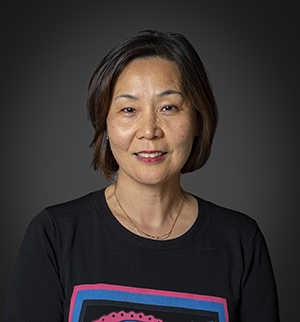
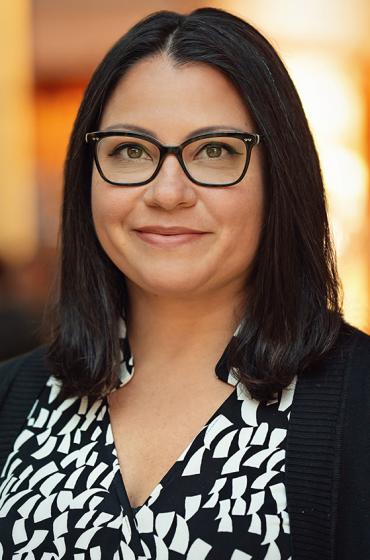
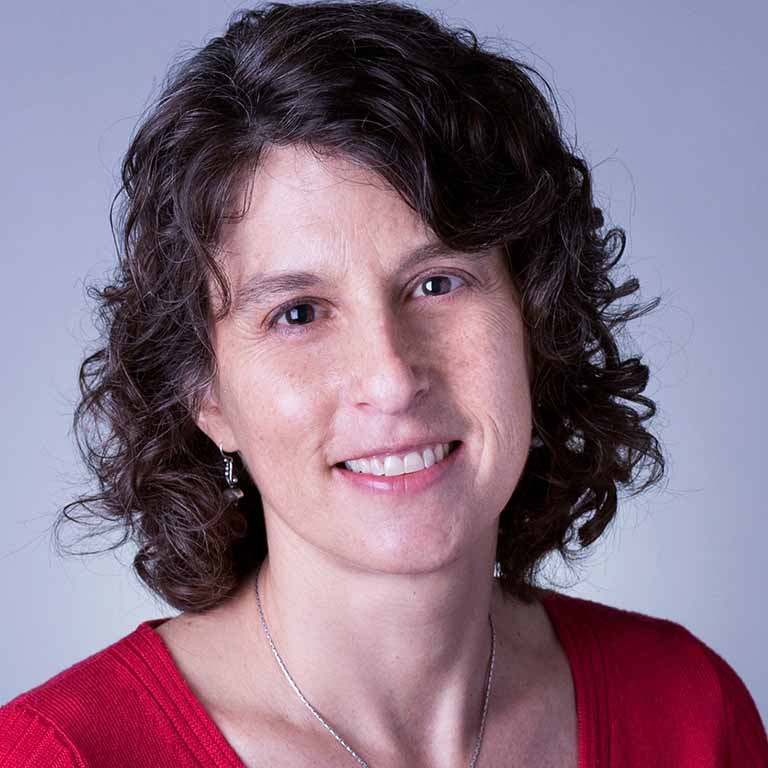
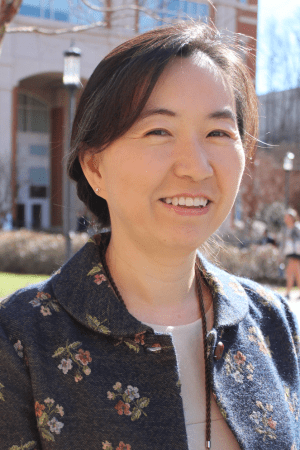
Jae Hoon Lim is a Professor in the Department of Educational Leadership/Educational Research, Measurement, and Evaluation at the Cato College of Education, The University of North Carolina at Charlotte. She serves as Program Director for the Post-Master's Certificate in Qualitative Research and teaches qualitative research methods at both introductory and advanced levels. Ph.D., University of Georgia (2002), Elementary Education with Certificate in Interdisciplinary Qualitative Studies M.A., Korea University (1995), Education with focus on Educational Philosophy B.Ed., Seoul National University of Education (1990), Elementary Education Dr. Lim’s research focuses on intersectionality and equity in STEM education , particularly examining identity construction and systemic barriers faced by underrepresented groups including student veterans, Asian international female students, and African American girls. Her work addresses cultural barriers in educational transitions and critiques social/ethical dimensions of engineering education. Recent publications analyze racial disparities in veteran transitions to STEM careers , gender tightropes in transnational STEM education , and pedagogical strategies for marginalized student groups . Themes across her work include qualitative methodologies, educational equity, and intersectional analyses of race, gender, and class. Principal Investigator for $1.6M NSF grant on veteran education Co-PI for Department of Defense grants supporting student veterans Recipient of UNC Charlotte Faculty Research Grant for women veterans study Dr. Lim actively contributes to academic communities as an Associate Editor for the Journal of Women and Minorities in Science and Engineering and as former President/Chair of the Korean American Educational Researchers Association (KAERA). Her work bridges educational theory with practice through collaborations with institutions like Oxford University Press and Teachers College Press.