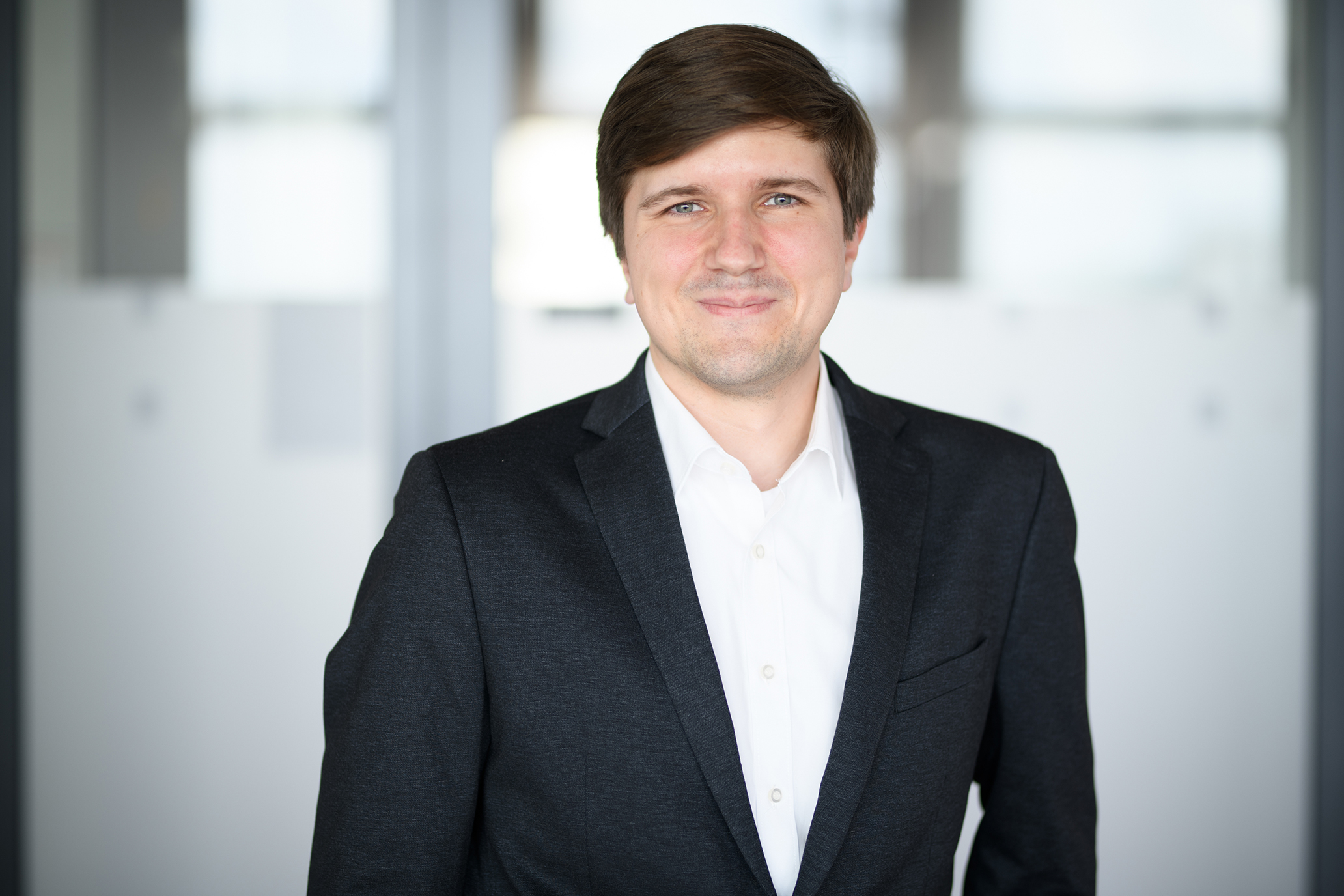
Stefan Schaub is a Professor at the Technische Universität München (TUM) specializing in Microelectronics and Sensor Technology. He is affiliated with the Chair of Microsensors and Actuators (Prof. Schrag) at the TUM campus in Munich, Germany. His research focuses on microsystems engineering and sensor technology. Contact Email: stefan.schaub@tum.de Phone: +49 (89) 289-23131 Office: Theresienstr. 90/I, Raum 0104.01.411, Munich
Bruno Le Pioufle is a Professor at ENS Paris-Saclay, specializing in biomedical microsystems and microfluidics. His work focuses on biochips integrating lipid bilayers, nanopores, and dielectrophoresis for cell analysis, drug screening, and organ-on-chip systems. 1991: PhD, University of Paris 11 1997: Accreditation to supervise research, University of Paris 11 His research spans microfluidic biosensors for ion channels, cell handling via dielectrophoresis, and organ-on-chip platforms. Collaborations include S. Takeuchi at the University of Tokyo and leadership roles at LIMMS/CNRS and Institut d'Alembert. Scientific contributions include solid-state nanopore integration, electrorotation techniques, and lipid extraction from microalgae. Publications highlight advancements in cell permeabilization, bioimpedance analysis, and microfluidic disease models. Recent articles explore DNA dynamics in nanopores, cancer cell staging, and dielectric characterization of cellular responses. Keywords span Biomedical Engineering , Microfluidics , Nanotechnology , and Cell Biology .
Mahmut Taylan Kandemir is a Professor in the Department of Computer Science at Pennsylvania State University. His research spans optimizing compilers, runtime systems, embedded systems, I/O, high-performance storage, and power-aware computing. He leads the Microsystems Design Lab and collaborates with institutions like Argonne National Lab, Microsoft, and Intel. Education: B.S. Computer Engineering, Istanbul Technical University (1988) M.S. Computer Engineering, Istanbul Technical University (1992) Ph.D. Computer Science, Syracuse University (1999) Research Focus: Dr. Kandemir's work integrates hardware-software co-design to address challenges in multi-core architectures, non-volatile memory systems, and energy efficiency. His recent projects explore 3D NAND flash optimization, near-data computing, and reliability in heterogeneous systems. Key themes include reducing data movement overhead, enhancing storage longevity, and developing compiler-directed solutions for emerging hardware. Publications: His articles frequently appear in premier venues (PLDI, ASPLOS, HPCA) and emphasize memory hierarchy optimization, security, and parallelism. Trends include hardware-assisted resilience, approximate concurrency, and energy-efficient VR streaming. Awards: Premier Research Award, Penn State Engineering Society (2017) IEEE Fellow NSF CAREER Award (2000) Best Paper Awards (IPDPS 2008, ICPADS 2006) Top ACM Digital Library Download (2006) Advising & Grants: He has graduated 32 Ph.D. and 20 master's students, with 15 Ph.D. and 5 master's students currently advised. His research is funded by NSF, DARPA, DOE, and industry partners. Active projects include: NSF/OAC: Re-Engineering Galaxy for Performance (2019-2023) NSF/SHF: 3D NAND Flash Optimization (2019-2022) NSF/SPX: Heterogeneous Intermittent Accelerators (2018-2022) Labs & Teams: Leads the Microsystems Design Lab, focusing on architecture-compiler co-design. Collaborates with the Storage Systems Research Center and heterogeneous computing groups at Penn State.
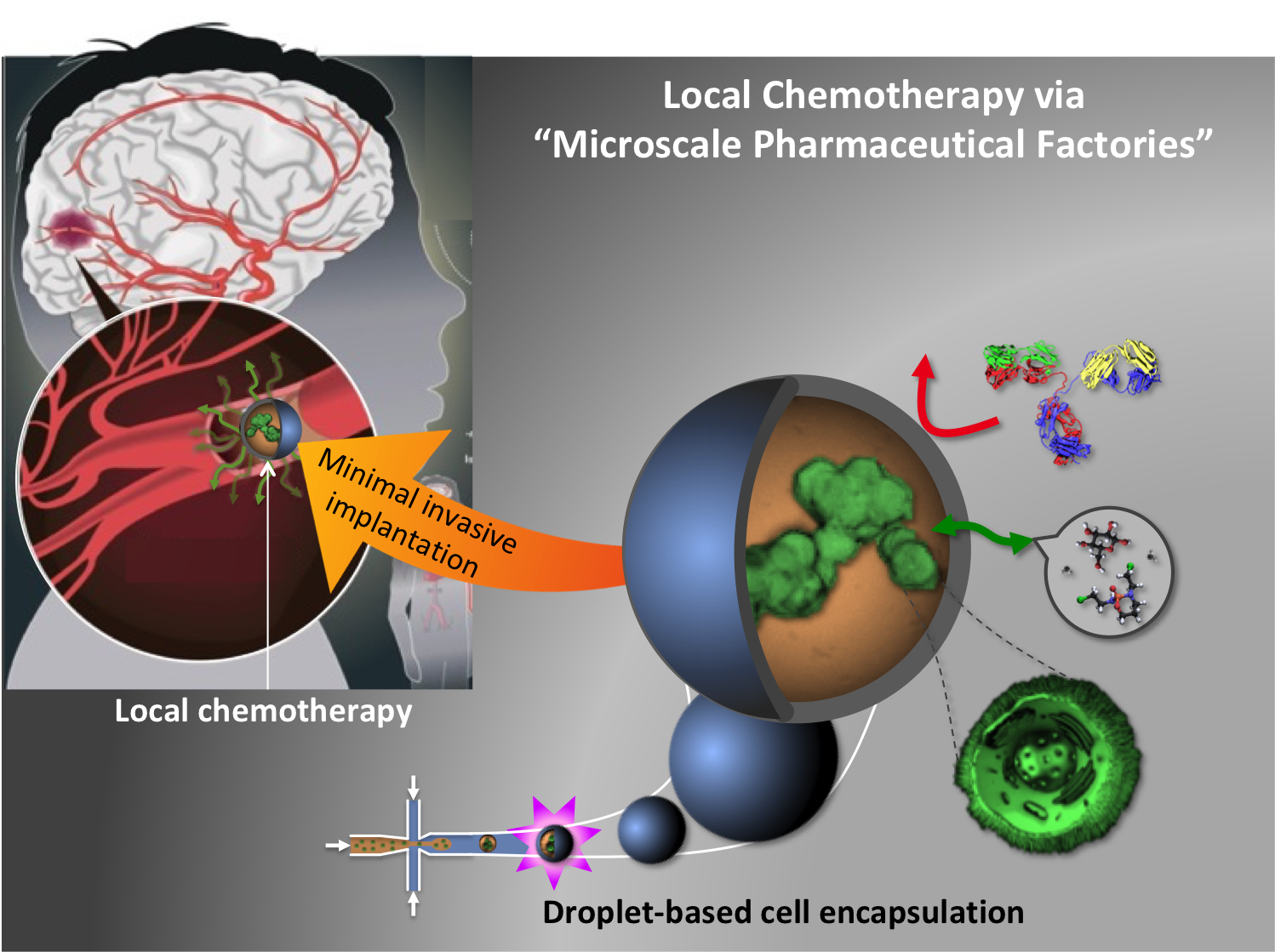
Wouter Metsola van der Wijngaart is a Professor in Micro and Nanosystems at KTH Royal Institute of Technology. His research focuses on microfluidic and lab-on-a-chip systems, micro/nanostructured soft matter, biosensors, and biomedical microdevices. He serves as Deputy Head of Department and actively engages in technology commercialization through spin-off companies. Education : M.Sc. in Electrotechnical Engineering (KU Leuven, 1996), Ph.D. in Microsystems (KTH, 2002) Leadership Roles : Deputy Head of Department, Conference Chair (IEEE MEMS 2015), Editorial Board Member (Journal of Micromechanics and Microengineering) Research Highlights His work spans microfluidics for sepsis diagnostics and urinary tract infection testing , programmable matter systems, and biomedical microdevices for pancreatic cancer screening and cell encapsulation . Key technologies include OSTE polymers , superhydrophobic surfaces , and nanophotonic biosensors . Commercialization Easypark - Mobile parking payments Mercene Labs - Off-stoichiometric thiol-ene polymers UTI-lizer - Point-of-care UTI diagnostics Lucky Loop Medical - EUS-FNA cytology brushes Extendo Medical - Endovascular biopsies Academic Leadership He has managed major European projects (H2020 ITN ND4ID, FP7 NOROSENSOR) and contributed to microsystem education through courses like Research Methodology and Scientific Writing and Microsystems Engineering .
Séverine Le Gac is a Full Professor at the University of Twente, holding appointments in the Faculty of Electrical Engineering, Mathematics and Computer Science (EEMCS), the Department of Electrical Engineering, the MESA+ Institute for Nanotechnology, and the TechMed Institute. She leads the Applied Microfluidics for BioEngineering Research (AMBER) group and serves as President of the Chemical and Biological Microsystems Society (CBMS) and Associate Editor for Lab on a Chip journal. Education: Engineer degree in chemistry (specialization biology) from ESPCI, Paris, France DEA (MSc equivalent; interface biology/chemistry) from MNHN, Paris, France (2000) PhD cum laude in life sciences from University of Lille, France (2004) Research Interests: Dr. Le Gac pioneers microfluidic device applications for biological/medical diagnostics, focusing on organ-on-a-chip platforms for disease modeling (cancer, fibrotic diseases) and medically assisted reproduction. Her work integrates chemistry, biochemistry, and nanotechnology to advance biomarker analysis and cellular microenvironment engineering through lipid bilayer and cell culture innovations. Scientific Awards: PhD prize of the French Society for Mass Spectrometry (2005) Leadership: As Program Director for 'Innovative Nanotechnology for Medicine' at MESA+ (2012) and chair of MicroTAS 2020, she drives international collaboration in microsystems. Her editorial role at Lab on a Chip shapes publication standards in the field. Research Group: The AMBER group develops cutting-edge microfluidic solutions under her direction, bridging MESA+ and TechMed institutes to translate nanotechnology into clinical applications.
Zhangli Peng is Associate Professor in the Richard and Loan Hill Department of Biomedical Engineering at the University of Illinois Chicago and a Principal Investigator in the Center for Bioinformatics and Quantitative Biology . His interdisciplinary program couples advanced multiscale modeling with targeted experiments to understand how soft biological materials—particularly blood cells—negotiate extreme mechanical environments in the microcirculation. Education & Training Ph.D. in Engineering Sciences (Civil/Structural), University of California San Diego, Qiang Zhu Laboratory Postdoctoral Fellow, Massachusetts Institute of Technology, Subra Suresh & Ming Dao Laboratories Research Interests Peng’s group develops and integrates atomistic (all-atom MD, coarse-grained DPD) and continuum (FEM, BEM, SPH) approaches to model cells, organelles, and tissues across length- and time-scales. Core themes include: Red-blood-cell biomechanics and splenic filtration Primary cilium mechanobiology and ciliopathies Micro- and nano-fluidic devices for diagnostics and cell separation Mechanics of cancer metastasis and hematologic disorders Bio-inspired tensegrity and flow-energy-harvesting structures Recent Scholarly Output His 2023–2025 publications illuminate inertial microfluidics , splenic filtration , Piezo1 mechanosensing , and nuclear lamina mechanics , frequently appearing in PNAS , Journal of Fluid Mechanics , Lab on a Chip , and Annual Review of Fluid Mechanics . Honors & Awards 2024 NSF CAREER Award, Division of Civil, Mechanical and Manufacturing Innovation 2023 ASH Junior Faculty Scholar Award, American Society of Hematology 2025 UIC College of Engineering Teaching Award Students & Mentorship Peng currently advises Angela Mitevska , Moein Naderi , Giuseppe Lauricella , Lubna Shah , Zhengxin Tang , Timothy Leong , and Qiyue Luan , among others. His trainees consistently earn top awards at the UIC Engineering Research Symposium and publish in leading disciplinary journals. Laboratory & Collaborations His Multiscale Biomechanics & Microfluidics Laboratory occupies suite CSN-164F in the Clinical Science North building on the UIC medical campus. Active collaborations span MIT, UC Irvine, University of Rochester, New Jersey Institute of Technology, and Cleveland State University.
Georges Adam serves as an Assistant Professor of Mechanical Engineering at Rose-Hulman Institute of Technology. A Rose-Hulman alumnus (BS in Mechanical Engineering and NanoEngineering, 2017), he earned his PhD in Mechanical Engineering from Purdue University in 2022. His teaching portfolio spans programming, mechatronics, robotics, numerical methods, and control systems. Education: PhD in Mechanical Engineering, Purdue University, 2022 BS in Mechanical Engineering and NanoEngineering, Rose-Hulman Institute of Technology, 2017 Research Interests: Dr. Adam's research centers on microrobotics and micromanipulation for biomedical applications. His work encompasses micro-force sensing, targeted drug delivery systems, and micro/nano 3D printing. He develops innovative microrobotic platforms that integrate vision-based sensing, magnetic actuation, and structural color for identification, enabling precise manipulation at the microscale. Publication Trends: Over the past six years (2018-2024), Adam has published extensively on microrobotic systems, with a clear trajectory toward biomedical applications. His research demonstrates expertise in force-sensing micromanipulation, magnetic microbot design for drug delivery, and the application of 3D/4D printing in microrobotics. Collaborative work with institutions like Purdue University highlights interdisciplinary approaches to solving challenges in microscale robotics.
Prof. Dr. Lara Tickenbrock serves as Deputy Head of the Department of Biology and Biochemistry at Hamm-Lippstadt University of Applied Sciences. Her academic role centers on molecular biology and experimental hematology/oncology, with a primary focus on acute myeloid leukemia (AML) research. Her research program investigates: Molecular pathogenesis of cancer, particularly AML Epigenetic mechanisms including miRNA and histone modifications Innovative microsystem development for rapid, personalized AML diagnostics requiring minimal patient material Dr. Tickenbrock leads multiple research initiatives including AML support, Leukemia diagnostics, and LeukaeLabDisk (LLD). She provides expert consultation on genetic engineering protocols and molecular biology training while managing externally funded research projects. Her prior professional experience includes positions at the University of Münster and the Max Planck Institute in Dortmund.
Nicolas Binaud is a Lecturer at Paul Sabatier University (UPS), where he is a member of the Modeling of Mechanical Systems and Microsystems group (MS2M) at Espace Clément Ader in Toulouse, France. His research focuses on multidisciplinary design in uncertain environments with emphasis on robustness, reliability, and sensitivity analysis of mechanical systems. His research interests span across: Multidisciplinary design under uncertainty Modeling of uncertainties and variations of design variables Sensitivity analyses for mechanical systems Development of performance indices for preliminary design Mechanical and computer-aided design Digital tools for mechanics Probability and reliability engineering Dr. Binaud's scholarly work demonstrates expertise in mechanical systems design with particular strength in cable-driven parallel robots, structural reliability, and predictive maintenance. His research shows strong interdisciplinary connections between mechanical engineering, aerospace applications (particularly airframe maintenance), and materials science (especially electrostatic interactions in microsystems). Analysis of his publication record reveals consistent output with recent work focusing on sensitivity analysis of robotic systems and electrostatic characterization techniques. His notable contributions include: Development of comprehensive methods for sensitivity analysis of cable-driven parallel robots Research on model-based prognostics for fatigue crack growth in aircraft structures Studies on 3D charge localization in thin dielectric materials using atomic force microscopy Applications of Kalman filtering techniques for structural health monitoring Cost-driven optimization of predictive maintenance policies for aerospace structures
Filipa Carvallho Mota serves as a Research Fellow at the Integrated Micro and Nanotechnologies (IMiNa) research group within the International Iberian Nanotechnology Laboratory (INL), specializing in the design, fabrication, and characterization of MEMS devices. She holds a Master of Science in Engineering Physics with a specialization in Devices, Microsystems and Nanotechnologies from the University of Minho (2022). Her master's thesis, titled "Piezoresistive thin-film by metal-induced crystallization", focused on developing low-temperature polysilicon fabrication techniques for MEMS integration. Her research expertise centers on Micro and Nanotechnologies , with specific emphasis on MEMS development, Thin-film Fabrication methodologies, and Polysilicon Device engineering. She pioneers metal-induced crystallization processes to enable temperature-compatible MEMS manufacturing, advancing sensor and actuator technologies through innovative material science approaches. As an active member of INL's IMiNa research group, she contributes to cutting-edge micro-nano system development and collaborates on interdisciplinary projects targeting next-generation device fabrication.
Ylva Bäcklund is a Professor in Electronics at Uppsala University's Faculty of Science and Technology, serving as Head of the Research Support Unit within the Office for Technology and Natural Sciences. Her administrative leadership focuses on securing external research funding (particularly EU grants) and managing research infrastructure for faculty and university management. Her research expertise centers on Microelectromechanical Systems (MEMS) and microfabrication, with seminal contributions in silicon wafer bonding, anisotropic etching of silicon/quartz, optical fiber alignment, and bio-MEMS applications. Her work bridges materials science with engineering solutions for telecommunications, medical devices, and space systems. Analysis of her 1995-2005 publications reveals evolving expertise from foundational silicon processing to applied biomedical and wireless systems. Key trends include bonding technologies resilient to harsh etchants, micromachined antennas for 60 GHz communications, and dielectrophoresis-based bio-particle manipulation. No scientific awards were documented. As head of the Research Support Unit, she oversees a team providing end-to-end grant support—from proposal preparation to funder relations—with special emphasis on EU project applications. The unit maintains critical partnerships with funding bodies to advance the university's research competitiveness in technology and natural sciences.
Prof. Dr. Marvin Kaminski serves as Professor of Fundamentals and Microtechnologies in Electrical Engineering at the Institute of Measurement and Sensor Technology, Ruhr West University of Applied Sciences since 2022, following his role at Forschungszentrum Jülich's Helmholtz Nano Facility where he managed cleanroom operations and advised on microstructure fabrication. His educational background: Doctorate (2020) from RWTH Aachen University: Research on 'Phase change superlattices and thin film effects: MBE growth and characterization' within Collaborative Research Center 917 'Nanoswitches' using in-situ RHEED and ex-situ XRD. Master's in Microsystems Engineering (2008-2014) from Westphalian University of Applied Sciences: Thesis on microfluidic focusing in cell sorting at Miltenyi Biotec GmbH. His research specializes in microtechnology and sensor development, with core expertise in molecular beam epitaxy, thin film characterization, and cleanroom process engineering for complex microstructures. This work bridges electrical engineering fundamentals with advanced applications in sensor design and microsystem fabrication. At Ruhr West, he teaches Microtechnical Sensors/Actuators for System Technology Master's, Embedded Systems for Safety Engineering, Electrical Engineering for Health/Medical Technologies, and Measurement Technology for Mechanical Engineering programs.
Maher Kayal is an Honorary Professor at the École Polytechnique Fédérale de Lausanne (EPFL), Switzerland, affiliated with the School of Engineering (STI) and the Department of Mechanical and Process Engineering (STI-SMT). His primary role involves academic leadership in electronics and energy management research. He holds a Master's and PhD in Electrical Engineering from EPFL (1983 and 1989 respectively), and has been with the Electronics Laboratory (ELab) since 1990, directing the 'Energy Management and Sustainability' section. His work focuses on analog/mixed-signal IC design, energy harvesting, smart grid technologies, and sensor systems. Education: M.S. (1983), Ph.D. (1989) in Electrical Engineering, EPFL. Affiliations: EPFL’s Electronics Laboratory (ELab), School of Engineering. Research interests include ultra-low-power sensor interfaces, energy-efficient electronics for smart buildings, and real-time power grid emulation. He has authored/co-authored three textbooks on mixed-mode CMOS design and holds 11 patents. His work bridges semiconductor physics, circuit design, and energy systems. Recent articles focus on wearable biosensors (ANTIGONE project), blockchain-based smart-building energy management, and high-speed power system emulators. Notable awards include the Credit Suisse Teaching Award (2009) and multiple best-paper prizes at IEEE conferences. He has advised over 30 PhD students, with notable alumni working in semiconductor design and energy systems. His labs pioneer innovations in analog emulation for power systems and IoT-enabled smart infrastructure.
Dr. Erwin J.W. Berenschot is a researcher at the MESA+ Institute for Nanotechnology, University of Twente, specializing in nanofabrication, silicon micromachining, and biomedical applications. His work bridges semiconductor processing and biological imaging, with a focus on fractal substrates for cell studies. Key research areas: Nanofabrication, Super-Resolution Microscopy, Microfluidics Innovations in silicon processing for nanoelectronics and nanochannels Pioneering 3D topographies to modulate macrophage polarization Recent publications (2024–2025) highlight applications in cancer research (GSK-3α inhibitors), CNS-targeted therapies, and calibration standards for cellular imaging. His collaborations span materials science, neuroscience, and biomedical engineering. Scientific accolades include: EIPBN 2024 Best Journal Paper Award 2025 Best Poster Award His activities include oral presentations on MEMS devices, nanofabrication, and microTAS systems since 1999. Current projects focus on silicon accumulation-mode trench switches and fractal substrate engineering.
Rene Wolf is a researcher at the MESA+ Institute, University of Twente, specializing in advanced nanofabrication techniques. Their work focuses on high-precision semiconductor manufacturing processes and microsystem development. Research interests center on nanofabrication methodologies , particularly plasma etching and lithography for creating complex 3D microstructures. Key expertise includes dimensional control of high aspect ratio silicon features and wafer-scale machining processes, with applications in MEMS and semiconductor device manufacturing. Scientific contributions demonstrate significant impact in microsystems engineering, with research outputs generating substantial citations in Scopus-indexed publications. Current work emphasizes scalable fabrication techniques for next-generation microelectromechanical systems. Professional activities involve collaborative research within interdisciplinary teams at the MESA+ Institute, focusing on translating nanofabrication innovations into practical engineering solutions for industrial applications.