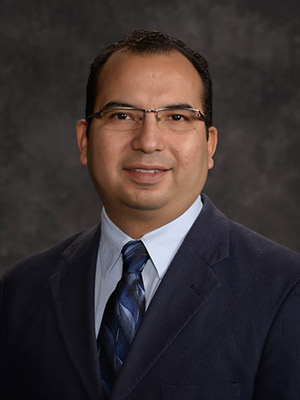
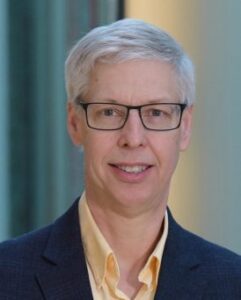
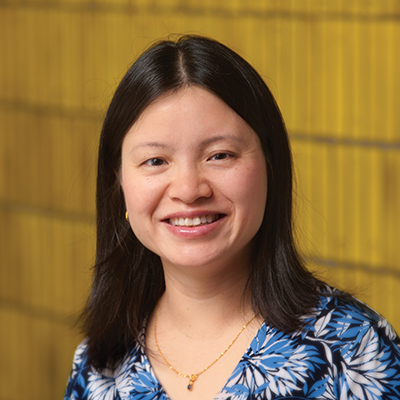
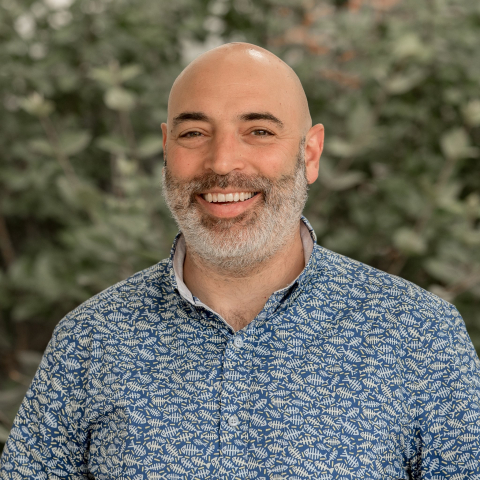
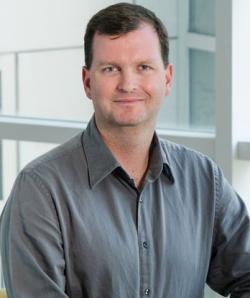
Fang Liu is an Assistant Professor at Chalmers University of Technology, Department of Materials and Manufacturing. Her research focuses on uncovering the physical and chemical mechanisms in material systems such as high-temperature alloys, polymer composites, and semiconductors, using advanced microscopy and spectroscopy techniques. Specializes in structural battery composites, creep behavior, and high-temperature corrosion Collaborates with industry partners and theoretical researchers Develops reliable prediction tools for material performance Research Trends (2023–2025): Structural battery composites with carbon fibers and hybrid electrolytes Microstructural analysis via atom probe tomography and focused ion beam High-temperature oxidation and corrosion resistance Mechanical-electrochemical coupling in multifunctional materials Key Collaborations : Leif Asp (Chalmers), Johanna Xu (Chalmers), Marcus Johansen (Chalmers) Industry partners: Office of Naval Research, VINNOVA, Wallenberg AI Program
Professor Nicholas Warren is a Chair in Sustainable Materials at the School of Chemical, Materials and Biological Engineering at the University of Sheffield. With a PhD from Sheffield and academic experience at Leeds University (2016-2024), his research integrates polymer chemistry with automation technologies. Education: University of Bristol (2005), University of Sheffield (PhD) Academic Positions: Postdoc at Sheffield (2005-2016), University Academic Fellow at Leeds (2016-2024), Associate Professor (2021-2024) Current Role: Chair in Sustainable Materials (2024-present) Research focuses on polymer science with flow chemistry , online monitoring , and artificial intelligence to advance sustainable materials. Key article trends include self-driving laboratories , multi-objective optimization , and nanostructured polymer systems . Scientific recognitions include: 2022 Macro Group UK Young Researchers Medal 2023 RSC Reaction Chemistry & Engineering Outstanding Early Career Paper Award Advisees span current and alumni PhD students like Dr Stephen Knox , Anna Morrell , and Dr Charlotte Pugsley . His team employs self-driving lab platforms that combine robotics, AI, and online analytics for accelerated materials discovery.
Professor Agba Salman is a distinguished academic at the School of Chemical, Materials and Biological Engineering , University of Sheffield, holding the Chair in Particle Technology . He serves as Director of the Diamond Pilot Plant and Course Director for MSc Pharmaceutical Engineering. His research bridges fundamental particle science with industrial applications across food, pharmaceuticals, fertilizers, and catalysts. Salman's work focuses on granulation processes, powder restructuring, and continuous manufacturing. He has pioneered methodologies linking early-stage granulation science with equipment design through computational modeling and real-time monitoring systems. Collaborations with major companies like Nestlé, AstraZeneca, and GSK demonstrate his industrial impact. Key article trends reveal expertise in: High-shear granulation for food/pharma Roll compaction optimization Sustainable granulation practices PAT implementation in continuous processing Lipid/oil migration analysis Microstructure engineering Salman has received recognition through 10 International Granulation Workshops he hosted and 18 special journal issues edited. His group's work on industrial-scale continuous manufacturing (powder-to-tablet systems) addresses critical knowledge gaps while enhancing economic efficiency across multiple sectors.
Jianxiong Li serves as an Assistant Professor in the Department of Mechanical Engineering at Texas A&M University's College of Engineering, where he leads research in advanced manufacturing and materials mechanics. His work bridges fundamental materials science with practical engineering applications in aerospace, biomedical devices, and energy systems. Educational Background: Ph.D. in Welding Engineering, Ohio State University (2022) M.Eng. in Materials Processing Engineering, Tianjin University (2017) B.E. in Materials Shaping and Controlling Engineering, Tianjin University (2014) Research Focus: Dr. Li's investigations span Cold Spray Additive Manufacturing , Extreme Mechanics , and Dynamic Mechanical Testing of nanocrystalline alloys and metal matrix composites. His lab develops novel solid-state joining techniques like impact welding for dissimilar materials, with emphasis on microstructural evolution under high strain rates (up to $10^9$ s$^{-1}$) and interfacial phenomena in biomedical-grade joints. Current projects explore chemical strengthening of glass powders, refractory high-entropy alloy coatings, and synchrotron-based load transfer analysis in composites. Publication Trends: Analysis of his 15 most recent publications (2020-2025) reveals three dominant themes: (1) Biomedical applications of microwelded NiTi-stainless steel joints with interfacial liquid control, (2) Fundamental studies of dislocation dynamics in nanocrystalline alloys at extreme strain rates, and (3) Process development for vaporizing foil actuator and laser-augmented impact welding of challenging material combinations. His work increasingly integrates advanced imaging techniques with mechanical testing. Scientific Recognition: Ohio State University Presidential Fellowship (2021) Research Infrastructure: Dr. Li directs the IM3D Lab (Imaging and Mechanics for Multi-scale Manufacturing), which specializes in high-speed imaging, synchrotron characterization, and mechanical testing of materials under extreme conditions. His group collaborates with national laboratories on vaporizing foil actuator technology and develops manufacturing solutions for next-generation biomedical devices and structural components.
Raymundo Arróyave serves as Professor and Associate Department Head for Research in the Department of Materials Science & Engineering at Texas A&M University, holding the Chevron Professor II distinction and multiple university fellowships including Presidential Impact Fellow and Chancellor EDGES Fellow. He maintains affiliated faculty appointments in Industrial & Systems Engineering and Mechanical Engineering. Educational Background: Ph.D. in Materials Science from Massachusetts Institute of Technology M.S. in Materials Science and Engineering from Massachusetts Institute of Technology B.S. in Mechanical and Electrical Engineering from Instituto Tecnológico y de Estudios Superiores de Monterrey Research Focus: Dr. Arróyave's computational materials science research integrates atomic-scale simulations with thermodynamic and kinetic modeling to predict material behavior. His work spans phase field methods for microstructure evolution, materials informatics, ICME frameworks, and physics-based design of functional materials including lead-free alloys, high-temperature ceramics, shape memory systems, and nuclear materials. Key phenomena investigated include interfacial thermodynamics, phase transformation kinetics, and thin-film stability. Publication Trends: Analysis of his 2012-2014 publications reveals concentrated expertise in computational modeling of soldering metallurgy (particularly Pb-free systems) and shape memory alloys. His work bridges CALPHAD thermodynamic databases with phase field kinetics to predict intermetallic compound evolution in electronic joints and microstructural characteristics in Ni-Ti-Hf/Zr systems, demonstrating strong alignment with industrial applications in electronics and aerospace. Scientific Recognition: FMD Journal of Electronic Materials Best Paper Award (2014) TMS EMPMD Distinguished Service Award (2014) Mexico National System of Researchers Level II Membership (2013-2018) Texas A&M Engineering Experiment Station Young Faculty Fellow (2012) NSF CAREER Award (2010) TMS Young Leader Internship (2006) American Welding Society Graduate Fellowship (2002-2003) Research Leadership: As Associate Department Head for Research, Dr. Arróyave directs departmental research strategy while maintaining active NSF-funded projects including his CAREER award on computational thermodynamics. His collaborations span the Materials Science & Engineering department and affiliated engineering disciplines, with emphasis on translating computational models to industrial applications in electronics manufacturing and high-temperature materials. Research Ecosystem: His work operates within Texas A&M's computational materials infrastructure, leveraging university-wide resources for high-performance computing and materials characterization. Current projects focus on integrating machine learning with physics-based models for accelerated materials discovery, particularly in soldering reliability and shape memory alloy design.
Bradford G. Orr is the Arthur F. Thurnau Professor of Physics in the College of Literature, Science, and the Arts at the University of Michigan , where he also serves as Associate Vice President for Research (Science & Engineering) . His group uses scanning probe microscopies and molecular-beam epitaxy to explore surface-controlled phenomena in nanoscale semiconductors and, in parallel, engineers multifunctional dendrimer nanoparticles for targeted cancer therapy. Education Ph.D. Physics, University of Minnesota, 1985 B.S. Physics, University of Minnesota, 1980 Research Interests Professor Orr’s work sits at the intersection of condensed-matter physics , surface science , and nanomedicine . He investigates: Surface & Interface Physics: atomically-resolved structures of Si/SiO₂ interfaces, self-assembled monolayers on Au, and composition-modulated compound-semiconductor superlattices. Nanobiotechnology: functional poly(amidoamine) dendrimers as drug-delivery vehicles, lipid-membrane interactions, and real-time AFM imaging of cancer-cell apoptosis. Cross-disciplinary Collaboration: active partnerships with Chemistry, Materials Science, the Medical School, and the Center for Biologic Nanotechnology. Scientific Awards Arthur F. Thurnau Professorship (endowed chair) Grants & Advising While specific grant numbers are not listed, his sustained publication output from 1994 through 2021, coupled with leadership roles in university-wide research administration, indicates continuous federal and institutional funding. The group trains a steady stream of graduate students and postdoctoral researchers, though individual advisee names are not provided in the text. Labs & Facilities Research is conducted in the Randall Lab and Homer A. Neal Lab within the Department of Physics, 450 Church Street, Ann Arbor, MI, and leverages shared instrumentation across the University of Michigan nanofabrication and biological imaging cores.
Shu Yang is the Joseph Bordogna Professor and Department Chair of Materials Science and Engineering at the University of Pennsylvania's School of Engineering and Applied Science. Her research spans multiple departments, with primary appointments in both Materials Science and Engineering and Chemical and Biomolecular Engineering. She directs the Yang Lab, which operates at the intersection of multi-materials synthesis, nano-/microfabrication, and device processing, backed by deep understanding of physical, mechanical and biological principles. Director, Center for Analyzing Evolved Structures as Optimized Products (AESOP) Principal Investigator, NSF NRT: Climate Action and Resilience for Extreme Urban Heat (CLIMATE-CARE) Member of the Engineering Research Visioning Alliance (ERVA) Professor Yang's research focuses on developing novel materials synthesis, assembly and eco-manufacturing of complex, multi-functional, nano- to macrostructured soft, sustainable materials and composites. Her lab addresses fundamental questions centered around surface/interface, actuation mechanisms, and structure-property relationships. Through directed assembly of oligomers, polymers, gels, colloids, liquid crystals, amphiphiles, and their composites with inorganic materials and biomolecules across nano- to macroscales, her team creates complex, multi-functional nano- and microstructures with unique surface, optical, and mechanical properties. Analysis of Professor Yang's recent publications reveals a strong trend toward environmentally responsive materials with applications in sustainability, water harvesting, carbon capture, and climate resilience. Her work increasingly integrates kirigami engineering principles with liquid crystal elastomers to create programmable, shape-morphing materials. The research shows a clear trajectory from fundamental materials science toward real-world applications addressing global challenges, particularly in climate action and sustainable infrastructure. Inaugural Nat Geo 33 Extraordinary Changemaker List 2022 Cozzarelli Prize from PNAS for Class III: Engineering and Applied Sciences Advanced Materials Hall of Fame collection recognition Multiple highly cited papers according to Web of Science Professor Yang's research group has secured significant funding for projects addressing climate change, sustainable materials, and advanced manufacturing. Her lab has developed numerous technologies with potential applications in coatings, adhesives, smart windows, displays, sensors, soft robotics, biomedical devices, dehumidifiers, and carbon-absorbing concrete. The Yang Lab maintains a strong mentoring record with numerous students and postdocs who have gone on to successful careers in academia and industry. Her group actively collaborates across disciplines, working with biologists, physicists, environmental scientists, and engineers to tackle complex challenges. The Yang Lab operates state-of-the-art facilities for materials synthesis, characterization, and fabrication. The lab is particularly known for its expertise in liquid crystal elastomers, kirigami engineering, and biomimetic materials. The group maintains strong industry partnerships and has filed multiple patents based on their research. Their facilities enable everything from molecular-scale synthesis to macro-scale manufacturing of functional materials, with particular strength in bridging these scales through innovative design principles.
Rossana Bellopede is an Associate Professor at the Politecnico di Torino, affiliated with the Department of Environmental, Land and Infrastructure Engineering (DIATI) . She leads the Raw Materials (DIATI) laboratory and contributes to projects like CITERIA (critical raw material recovery) and SHOWCAVE (tourist cave impact mitigation). Her roles include coordinating PhD programs in Civil and Environmental Engineering and teaching courses on Circular Economy , Natural Stone Characterization , and Occupational Safety . Research focuses on solid waste recovery (tunnel muck, mining tailings) natural stone durability (weathering, bowing phenomena) microplastic pollution (karst systems, groundwater, caves) asbestos testing (industrial safety) Recent publications examine textile wastewater microfibers (2025), microplastic transport in karst environments (2025), and critical raw material recovery techniques (2025). Her work aligns with SDG 12 (Responsible Consumption) and SDG 11 (Sustainable Cities). Scientific participations include Advisor for ANIM (National Mining Engineers Association) Organizing committee of Heritage Stones Workshop (2021) Research network PROMETIA (2018-2025) She manages commercial projects like CE marking for Piasentina Stone , develops FAST4C circular textiles protocols (2024-2028), and supervises PhD candidates studying microplastic pollution in karst systems stone durability mechanisms sustainable construction materials
Manuela De Maddis is a Tenured Researcher at the Department of Management and Production Engineering (DIGEP) of the Polytechnic of Turin (PoliTo), where she has worked since 2005. She is also a member of the Interdepartmental Center J-Tech@PoliTo. PhD in Industrial Production System Engineering (2004), Polytechnic of Turin MSc in Management Engineering (2001), University of Calabria Her research focuses on Manufacturing Technologies , particularly Welding Processes and Infrared Thermography for non-destructive testing. She leads projects like TECNOPROTEO (2024-2027) and NDTxW (2024-2025) as Scientific Manager. Her work integrates Machine Learning and High-Fidelity Modeling for digital manufacturing systems. Recent publications analyze active thermography in weld quality, electrode degradation in spot welding, and probabilistic tolerancing methods. She supervises PhD students in Materials Science and Production Engineering . Mentoring Polito Project (M2P) (2023) Learning to Teach (L2T) (2023) Manuela teaches courses like Industrial Welding Processes , Advanced Manufacturing Technologies , and Ergonomics in Production Innovation at both undergraduate and graduate levels. She contributes to interdisciplinary labs focused on Manufacturing Process Innovation and Technological Validation .
Jonas Rubenson is a Professor of Kinesiology in the Department of Kinesiology, College of Health and Human Development, at The Pennsylvania State University. His research focuses on the mechanics and energetics of locomotion, in vivo skeletal muscle function, and musculoskeletal structure-function relationships. Ph.D., 2005, Biomechanics, The University of Western Australia B.Sc. (Hon), 1998, Exercise Physiology, The University of Western Australia B.Sc., 1996, Biology and Human Kinetics, University of British Columbia His research integrates experimental and modeling approaches to study gait and skeletal muscle function during locomotion in both health and disease/impairment. Key areas include the relationship between joint and muscle mechanics and metabolic energetics, as well as mechanisms underlying locomotor adaptation and optimization. Recent publications emphasize locomotor plasticity, tendon stress in hopping kangaroos, and musculoskeletal modeling in birds and bipedal models. Rubenson collaborates with research centers such as the Integrative and Biomedical Physiology and the Center for Movement Science and Technology . His work often involves interdisciplinary approaches, combining biomechanics, physiology, and robotics. Current research projects investigate principles of muscle function during movement, with applications in understanding locomotion in extinct theropod dinosaurs and developing legged robots. His team also explores developmental plasticity of locomotor economy and swing-phase mechanics in avian models.
Professor Suzanne Fielding is a faculty member at the Department of Physics, Durham University. She holds a Professor academic rank and has been actively contributing to the field of soft condensed matter physics since 2009. Her research focuses on flow instabilities, shear banding, viscoelastic turbulence, soft glassy rheology, and biologically active suspensions. Education: BSc in Physics, University of Oxford (1997) PhD in Physics, University of Edinburgh (2000) Her research explores how complex fluids and soft solids deform and fail under stress, with particular emphasis on shear banding phenomena, flow-induced phase transitions, and mechanical properties of biological tissues. Recent work investigates delayed material failure, recoverable strain mechanisms, and nonmonotonic stress relaxation patterns. Key trends in her 15 most recent publications (2025–2022) include: shear banding across amorphous materials and granular flows; mechanical cloaking in auxetic systems; rheological behavior of biological tissues; and theoretical models of friction aging. These studies span journals like Physical Review and Soft Matter , often combining computational simulations with analytical physics. Scientific Awards: Arthur B. Metzner Award, Society of Rheology Her funding history includes prestigious fellowships: EPSRC Postdoctoral Research Fellowship (2003–2006), EPSRC Advanced Research Fellowship (2007–2012), and ERC Starting/Consolidating Grant (2012–2017). She has supervised PhD student Sam Walker and collaborates extensively with researchers in soft matter physics and rheology.
Dr. Chris A. Flask is a Professor at the Case Western Reserve University School of Medicine, with joint appointments in Radiology, Pediatrics, and Biomedical Engineering. He serves as Co-Director of the Imaging Research Core and Associate Director of the Medical Scientist Training Program, while also contributing to the Cancer Imaging Program at the Case Comprehensive Cancer Center. Research Focus Quantitative Magnetic Resonance Imaging (MRI) MRI Physics and Pulse Sequence Design Lung Imaging in Cystic Fibrosis Kidney Imaging in Polycystic Kidney Disease, Sickle Cell Disease, and Diabetic Nephropathy Liver Imaging for Inflammation and Fibrosis Scientific Recognition Distinguished Investigator Award 2023 from The Academy for Radiology and Biomedical Imaging Research Reviewer with Distinction for Magnetic Resonance in Medicine Semi-Finalist for ISMRM Young Investigator Award 2013 His recent publications focus on pH-responsive imaging agents, MR fingerprinting techniques, and applications in pediatric and adult diseases. Dr. Flask's work bridges technical MRI innovation with clinical translation across multiple organ systems.
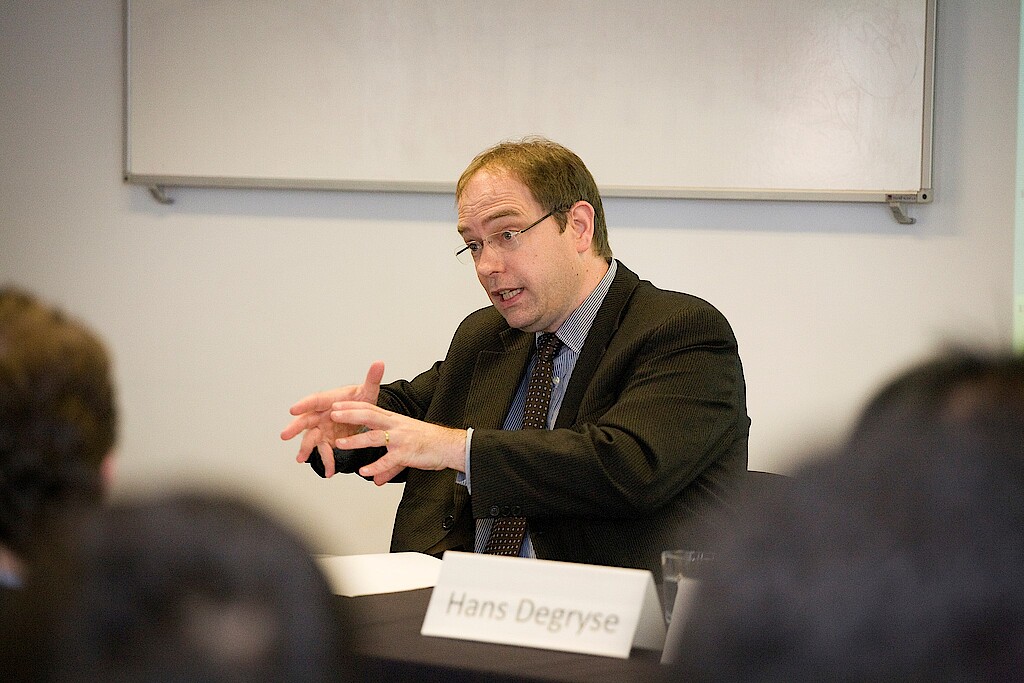
Professor Hans Degryse holds dual roles as Research Professor at the Halle Institute for Economic Research (IWH) and Professor of Finance at KU Leuven. His research focuses on financial intermediation, empirical banking, and the political economy of financial systems. He previously taught at Tilburg University's CentER research institute. Key research interests include banking during financial crises, the impact of institutional reforms on financial systems, and relationship lending dynamics. His work employs geospatial and historical data to analyze credit availability, functional distance effects, and political franchise impacts on financial sector development. Publications from 2018 explore SME credit accessibility during crises, historical voting reforms' influence on financial institutions, and relationship banking's role during economic downturns. No scientific awards are explicitly mentioned, though his work demonstrates significant scholarly contribution to financial economics. He advises through his roles at IWH and KU Leuven, with no listed students or grant details provided in the text. His affiliations include the IWH's Department of Financial Markets, contributing to collaborative research networks.
Ayan Orujov is a Lecturer in Finance at Bangor Business School, affiliated with the Institute of European Finance’s Credit Risk and Accounting & Governance groups. He holds a PhD in Finance from the University of Bristol (2016), an MSc in Finance and Investment (2011), and a BSc in Applied Mathematics and Cybernetics from Baku State University (2010). His research focuses on retail investor behavior, corporate governance, political risk, and gender diversity in corporate boards. He teaches Advanced Corporate Finance, Financial Techniques, and Corporate Finance for the Chartered Banker MBA. Research Interests: Corporate political activism and retail investor reactions Retail investor psychology and fintech impacts Gender diversity in boardrooms Corporate sustainability and ESG integration His recent work explores socio-political activism effects (e.g., Black Lives Matter), gender diversity policy effectiveness, and pandemic-driven trading behaviors. He serves on editorial boards for Journal of Corporate Finance , British Accounting Review , and International Review of Financial Analysis . Supervised PhDs include studies on investor welfare and corporate governance dynamics. Contributions to UN SDGs include advancing responsible consumption (SDG 12) and gender equality (SDG 5) through corporate governance research.
Jacqueline Cole is an Associate Professor in the Department of Biomedical Engineering at North Carolina State University, part of the College of Engineering. Her research focuses on bone mechanics, musculoskeletal development, and regenerative therapies for conditions like brachial plexus birth injury and stroke-related bone deficits. She leads the Orthopaedic Mechanobiology Lab, which employs advanced imaging (e.g., CT, microscopy) and computational modeling to study bone-tissue interactions. Cole teaches courses in orthopedic biomechanics and bone mechanobiology. Education: Ph.D. (2007), M.S. (2004) Mechanical Engineering from Cornell University; B.S. (2001) Mechanical Engineering from Auburn University. Research interests include stroke and obesity effects on bone, brachial plexus injury recovery, and tissue engineering. Awards span teaching (NC State Alumni Outstanding Teacher Award) and research mentorship (Michael Dickey Award). She has pioneered studies on bone-vascular interactions and suture materials for tendon repair. Her lab’s long-term goals involve developing therapies to prevent musculoskeletal dysfunction via mechanobiological approaches. Grants include NIH TIGRR and K12 funding. Recent work explores ischemic stroke’s impact on osteovascular structure and brachial plexus injury’s effects on joint morphology.