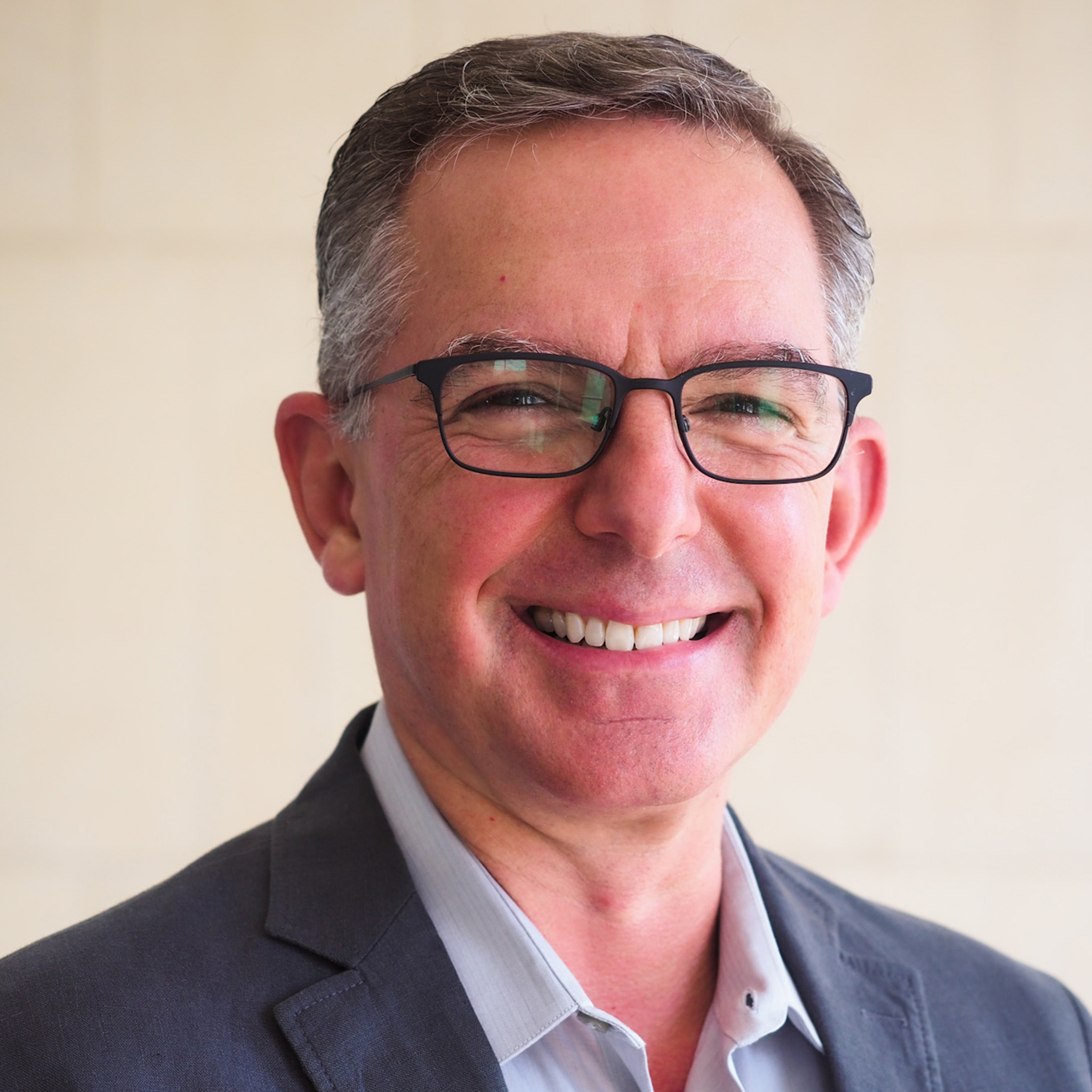
Kyle P. Quinn is a Professor at the Department of Biomedical Engineering, College of Engineering, University of Arkansas. He leads a multidisciplinary research group developing quantitative biomarkers for non-invasive tissue diagnostics, with a focus on skin wound healing and aging. Education : Postdoctoral Fellow at Tufts University, Ph.D. from University of Pennsylvania, and B.S. from University of Wisconsin-Madison. Research Focus : Integrates biomedical optics, cell biology, biomechanics, and bioinformatics to create label-free diagnostic tools. Specializes in multiphoton microscopy, deep learning algorithms, and collagen microstructure analysis for chronic wound detection and skin aging studies. Article Trends : Recent work emphasizes AI-driven wound analysis, multiscale tissue modeling, metabolic imaging in skin and cancer, and engineering solutions for calcific valve disease. Scientific Awards Solomon R. Pollack Award for Graduate Bioengineering Research NIH Ruth L. Kirschstein Postdoctoral Fellowship NIH Pathway to Independence K99/R00 Award NIH R01 Grant NSF CAREER Award Grants : Externally funded by NIH (R00EB017723, R01AG056560, R01EB031032), Department of Defense (W81XWH-17-1-0194, W81XWH-17-C-0169), NSF (1846853), and Arkansas Biosciences Institute. Lab Information : The Quinn Lab recruits postdoctoral, graduate, and undergraduate researchers in biomedical optics, animal models, and data science. Lab facilities include advanced microscopy and computational tools for tissue analysis.
Professor Chengqing Wu is a distinguished academic in the School of Civil and Environmental Engineering at the University of Technology, Sydney (UTS). He serves as Professor of Structural Engineering with a research focus on blast-induced phenomena and advanced concrete technologies. His expertise spans structural response to blast loading, mitigation of blast effects, and the development of ultra-high performance concrete systems. Professor at University of Technology, Sydney Former Chair of Australian Chapter of International Association of Protective Structures (2013-2017) Associate Editor of ASCE Journal of Performance of Constructed Facilities Editorial Board Member of International Journal of Protective Structures Professor Wu's research interests center on structural engineering with emphasis on blast resistance, ultra-high performance concrete, geopolymer concrete, and structural response to extreme loading conditions. His work bridges theoretical analysis with practical applications, particularly in protective structures and extreme environment construction. His research group has made significant contributions to understanding material behavior under blast, impact, and extreme thermal conditions, with applications ranging from terrestrial infrastructure to potential lunar construction. Analysis of Professor Wu's recent publications reveals a strong focus on advanced concrete technologies for extreme environments. His research spans 3D-printed concrete, lunar and Martian construction materials, cryogenic performance of concrete, and blast-resistant structural systems. A notable trend is the increasing application of computational methods and machine learning techniques to predict structural response to explosions, alongside traditional experimental approaches. His work demonstrates a progression from fundamental material characterization to complex structural system analysis, with growing emphasis on sustainable construction and extraterrestrial applications. Author/co-author of over 200 international journal papers Editor of four conference proceedings Editor of two ASCE special issues Editor of two International Journal of Protective Structures special issues Professor Wu has successfully attracted over 4 million dollars in research funding from diverse sources including the Australian Research Council (ARC), Defence Science and Technology Organization (DSTO), and industry partners. His current projects include Eco-friendly Ultra-High Performance Rubberised Concrete, Decarbonised Infrastructure, Structural protective design on large capacity flywheel energy storage system, and Gas Explosion Resistance of Non-Cement Based High Performance Concrete. He actively supervises undergraduate honors students, coursework master's students, and research higher degree candidates, with several scholarships available for prospective postgraduates and research associates. Professor Wu leads research in protective infrastructure technology through the Joint Research Centre for Protective Infrastructure Technology and Environmental Green Bioprocess with Tianjin Chenjian University. His team operates the National Drop Weight Impact Testing Facility and contributes to the National Facility for Physical Blast Simulation. Current research directions include sustainable concrete technologies for extreme environments, blast-resistant structural systems, and innovative applications of concrete in space exploration contexts.
Scott W. Stevens is an Associate Professor and Associate Chair for Undergraduate Education in the Molecular Biosciences department at the University of Texas at Austin, College of Natural Sciences. His research focuses on understanding the structure and function of ribonucleoprotein (RNP) complexes, particularly the spliceosome. Dr. Stevens' research interests center on RNA processing and splicing mechanisms. His laboratory investigates how RNA and protein assemble into large RNP complexes, how these complexes function, and how they are rearranged during their action. His work has significant implications for understanding human diseases caused by RNP malfunction. His research methodology combines yeast genetics, biochemistry, cryo-electron microscopy, and X-ray crystallography. More recently, his lab has expanded into mammalian systems by designing human cells and mice to study splicing reactions in these model organisms. Dr. Stevens has published extensively on spliceosome structure and function, with research spanning from fundamental molecular mechanisms to potential therapeutic applications. His publication record shows consistent productivity from the early 2000s through 2023, demonstrating sustained research impact in the field of RNA biology. His collaborative work extends across disciplines, as evidenced by publications in medical physics and environmental science alongside his primary molecular biology research.
Francisco Javier Oliver Bernal is a Lecturer at the University of Deusto in Bilbao, Spain, within the Faculty of Education and Sport and the Department of Physical Activity and Sports Sciences. He teaches across Computer Engineering, Physical Activity and Sports Sciences, and Primary Education bachelor's programs, as well as the Master's in Secondary Education. He earned his Doctor of Medicine and Surgery from the University of the Basque Country. His research spans Human-Computer Interaction, Educational Technology, and Science Education, with a strong emphasis on accessibility for visually impaired users. He has developed tools for e-learning, digital resource centers, and innovative teaching methodologies in computer science and natural sciences, aiming to enhance educational experiences through technology. His scholarly output, spanning from the 1990s to 2023, demonstrates a consistent focus on technology-enhanced learning, evolving from early work in 3D interfaces and computer graphics to recent applications in health, music, and interdisciplinary educational contexts. Key trends include the integration of accessibility features, the development of domain-specific educational tools (e.g., for biology and astronomy), and responses to contemporary challenges like the COVID-19 pandemic. He has supervised multiple theses on digital accessibility and cooperative systems, though student names were not listed. Details on research grants were not provided in the available text. As a member of the eVida research group (officially recognized by the Basque Government), he contributes to projects advancing accessible educational technologies, including the ACCE project for audiovisual accessibility and READIS digital resource centers for visually impaired users.
Dr. Daniel Southworth is a Professor in the Department of Biochemistry and Biophysics at the University of California San Francisco (UCSF), affiliated with the Institute for Neurodegenerative Diseases (IND). He earned his BS from UC Santa Cruz and PhD from Johns Hopkins University, followed by postdoctoral training at UCSF. His research focuses on molecular chaperones and protein quality control mechanisms relevant to neurodegenerative diseases like Alzheimer’s and Parkinson’s. Using cryo-electron microscopy (cryo-EM), his lab investigates chaperone machinery structure-function relationships, amyloid aggregation pathways, and therapeutic strategies targeting molecular chaperones. Key research areas include: (1) Structural biology of chaperones like Hsp90, CHIP, and Hsp104; (2) Mechanisms of tau and α-synuclein aggregation; and (3) Development of cryo-EM techniques for studying protein complexes. Recent work has revealed novel filament structures in neurodegenerative diseases and identified polyphosphate’s role in amyloid formation. His lab pioneered studies on VCP/p97 AAA+ ATPases and their adaptors, elucidating their roles in protein quality control. Collaborations include CRISPR-based screening in iPSC-derived neurons and drug design targeting chaperone-driven proteostasis. Notable contributions include cryo-EM structural analysis of SARS-CoV-2 proteins and methodological advancements in cryo-EM imaging using K3 cameras. Current research emphasizes translating structural insights into therapeutic approaches for neurodegenerative disorders.
Dr. Michael Kappl is a Researcher and Group Leader at the Max Planck Institute for Polymer Research (MPI-P) since 2002, specializing in surface forces and mechanics at micro- and nanoscales where surface interactions dominate over gravity. His work bridges fundamental surface science with applications in microfluidics, desalination, and energy efficiency. Academic background: PhD in Biophysics, Max Planck Institute of Biophysics, Frankfurt (1991-1996) Postdoctoral research, University of Mainz (1997-1998) Physics studies, University of Regensburg & TU Munich (1983-1990) His research employs atomic force microscopy and nanoindentation to investigate wetting phenomena on superomniphobic surfaces, enabling supraparticle fabrication and innovations in heat exchanger condensation and seawater desalination membranes. He designs surfaces to manipulate liquid-solid interactions for industrial applications. Recent publications reveal trends in electrostatic droplet dynamics, contact angle mechanisms, and surface-force-driven mineral processing, advancing microfluidic systems and separation technologies through interdisciplinary surface science. He directs the Focused Ion Beam Service Lab, providing nanostructuring, TEM lamella preparation, and 3D tomography services to support advanced materials characterization and nanofabrication.
Ryoma Hattori is an Assistant Professor at the University of Florida, based at the UF Scripps Biomedical Research campus in Jupiter, FL. His laboratory, the Hattori Lab, focuses on neural mechanisms underlying cognitive functions, learning, and their disruption in autism. Dr. Hattori received his educational degrees from prestigious institutions: Ph.D. in Molecular and Cellular Biology from Harvard University (2016) A.M. in Molecular and Cellular Biology from Harvard University (2012) B.S. in Biophysics and Biochemistry from the University of Tokyo (2010) His research interests center on decision making, reinforcement learning, and number sense, using systems and computational approaches. The lab employs techniques such as in vivo 2-photon imaging, optogenetics, virtual reality behaviors, and machine learning to investigate neural activity and plasticity dynamics in mice. A significant focus is understanding how these processes are impaired in autism spectrum disorder. Analysis of his recent publications reveals a strong emphasis on computational neuroscience and neural circuit mechanisms. His work spans from developing advanced imaging and analysis tools to uncovering fundamental principles of value coding and meta-reinforcement learning, with applications in both basic neuroscience and artificial intelligence. Dr. Hattori has received numerous scientific awards, including: Outstanding Mentor Award 2025 from Society of Research Fellows, UF Scripps SFARI Bridge-to-Independence Award 2022-Current from Simons Foundation Warren Alpert Distinguished Scholar Award 2021-2024 from Warren Alpert Foundation Postdoctoral Grant Award 2021-2022 from The KANAE Foundation And several fellowships during his postdoctoral and graduate training. As a principal investigator, Dr. Hattori leads multiple active grants, including the Shenoy Undergraduate Research Fellowship in Neuroscience (2025-2026) and a project on "Neural activity and plasticity dynamics for reinforcement learning in autism" funded by the Simons Foundation. His mentorship has been recognized with the Outstanding Mentor Award. The Hattori Lab is a dynamic research group utilizing cutting-edge technologies to explore the neural basis of cognition, with a particular interest in translational implications for autism and related disorders.
Dr. Kyla Sask is an Assistant Professor in the Department of Materials Science and Engineering and Associate Member of the McMaster School of Biomedical Engineering. Her research focuses on biomaterials development and surface modification strategies for medical devices, particularly blood-contacting applications and pediatric devices. Dr. Sask holds a B.Sc. in Chemical Engineering from Queen's University (2006) and a Ph.D. in Biomedical Engineering from McMaster University (2012). Her educational background combines engineering principles with biomedical applications. Her research examines biomaterial interfaces with biological systems, with specific interests in: Surface modification strategies for enhanced biocompatibility Protein and cell interactions at material interfaces Antithrombogenic biomaterials for blood-contacting devices Polymer functionalization using bioactive molecules Nanostructured biomaterials for medical applications Dr. Sask's publications focus on surface modification techniques including polydopamine coatings, covalent immobilization strategies, and nanostructured surfaces to control biological responses. Recent work explores multifunctional surfaces that combine antithrombotic and antimicrobial properties. She teaches courses on biomaterials synthesis and characterization, including MATLS 4LB2 (Synthesis and Characterization of Biomedical Coatings) and MATLS 4Y03 (Advanced Biomaterials: Applications and Device Design). Her industry experience includes previous work at Interface Biologics Inc. developing antithrombogenic polymer technologies.
Terry D. Johnson is Senior Instructional Professor and Program Director for the Master of Engineering at the University of Chicago's Pritzker School of Molecular Engineering. He holds an MS in Chemical Engineering from MIT and is an emeritus Teaching Professor from UC Berkeley, where he co-founded the Masters of Translational Medicine program. Research integrates engineering and biomedicine, with patented innovations in tissue engineering and synthetic biology. Recent work develops sustainable textile dyeing technologies eliminating toxic reductants. Earlier projects include microfluidic hepatocyte cultures and EGF-functionalized biomaterials. Awards: Golden Apple Award for Outstanding Teaching (UC Berkeley 2010) Distinguished Teaching Award (UC Berkeley 2013) Co-authored the popular science book How to Defeat Your Own Clone . Teaches molecular engineering courses and directs master's programs bridging technical innovation and medical translation.
F. Alijani is a researcher at TU Delft in the Dynamics of Micro and Nano Systems department. Their work focuses on nonlinear dynamics, nanomechanical resonators, and graphene-based sensor technology. Department: Dynamics of Micro and Nano Systems Research interests include: Nonlinear dynamics of 2D materials Graphene engineering for bio-sensing Atomic force microscopy (AFM) applications Optimization of nanomechanical systems Structural and aeroelastic modeling Recent publications highlight advancements in topology optimization, bacterial nanomotion detection, and AFM techniques. Collaborations include institutions like TU Delft and TU Delft - 4TU.ResearchData for datasets. No scientific awards are explicitly mentioned in the provided data. Labs & teams: Dynamics of Micro and Nano Systems group at TU Delft, working with Prof. P.G. Steeneken and Prof. A.M. Aragón.
Professor Peter Golyshin is a faculty member at Bangor University's School of Environmental and Natural Sciences, specializing in environmental genomics and microbial biotechnology. He holds a PhD from Lomonosov Moscow State University (1991) and an MSc with Distinction (1987). His research focuses on microbial genomics, particularly extremophiles, and their roles in bioremediation (e.g., oil degradation, plastic biodegradation) and enzyme discovery. He leads the Centre for Environmental Biotechnology (CEB), directing projects like the £9.6M UKRI Engineering Biology Mission Hub and the £1.39M P3EB Mission Hub. His work spans marine microbiology, metagenomics, and applications of extremophilic enzymes in industry. Key achievements include pioneering activity-based metagenomics and characterizing cold-adapted microbial systems. Current projects emphasize engineering biology for environmental solutions and plastic pollution mitigation. Collaborations include international initiatives like the EU-funded FuturEnzyme and INMARE.
Prof. Andrea Di Donato is an Associate Professor at the Department of Information Engineering, University of Ancona and Marche Polytechnic (UNIVPM). His research focuses on electromagnetic fields, nanotechnology, and biomedical engineering with particular emphasis on scanning microwave microscopy, optical holography, and graphene characterization. He holds a position within the 'Electromagnetic Fields' research group, contributing to advancements in materials science, photonics, and biomedical imaging. His work integrates cutting-edge techniques such as inverted scanning microwave microscopy for nanoscale biological imaging and development of photo-mobile polymer films for light-controlled actuation systems. Key projects include holographic grating sensors, tunable lasers, and studies on light-induced effects in 2D materials like graphene oxide. Prof. Di Donato's laboratory specializes in multi-disciplinary approaches combining microwave engineering, optical physics, and nanotechnology. His contributions span from theoretical formulations (e.g., conductivity models for 2D materials) to practical applications like biomedical diagnostics and advanced material fabrication.
Peter Parbrook is a Stokes Professor at the University College Cork (UCC), jointly appointed between the School of Engineering and the Tyndall National Institute. He holds a first-class honors degree in Physics from the University of Strathclyde and a Ph.D. in wide-bandgap II-VI semiconductors. His career includes roles as a Toshiba Fellow at Toshiba Central Research and Development Center in Japan, followed by a lectureship at the University of Sheffield (1995–2009), where he became a Reader and later led the Nitride Team in the EPSRC National Centre for III-V Technologies. He has served as Head of the Electrical and Electronic Engineering Discipline within UCC's School of Engineering since 2016. Education: B.Sc. (Hons) Physics, University of Strathclyde, 1987 Ph.D. in Physics (wide-bandgap semiconductors), University of Strathclyde, 1991 Research Interests: Professor Parbrook specializes in III-nitride semiconductors for optoelectronics, focusing on GaN-based materials and devices. His work emphasizes metalorganic vapor phase epitaxy (MOVPE) growth, defect reduction in III-N materials, and ultraviolet (UV) light-emitting diodes (LEDs). Key areas include improving laser/LED efficiency at wavelengths below 360 nm and developing novel alloys/crystal orientations for nanostructured devices. Grants & Collaborations: Principal Investigator on multiple grants from Science Foundation Ireland (SFI), EU Framework Programmes, and the Irish Research Council. Research programs include 300–340 nm LEDs, deep UV LEDs for space applications, InAlN transistor reliability, and yellow LEDs. Labs & Teams: He leads the Nitride Materials Research Group at Tyndall National Institute, focusing on advanced MOVPE growth and device fabrication. His team collaborates with international partners on projects like the SFI Stokes Professorship and EU-funded initiatives.
Ignacio Arganda Carreras is an Associate Professor at the Universidad del País Vasco/Euskal Herriko Unibertsitatea (UPV/EHU) and an Ikerbasque Research Associate, affiliated with the Donostia International Physics Center (DIPC). His research focuses on biomedical computer vision, with a strong emphasis on deep learning applications in microscopy and medical imaging. Key areas include bioimage analysis pipelines, domain adaptation for cross-modal image segmentation, and AI-driven solutions for healthcare diagnostics. He has contributed extensively to open-source tools like BiaPy, CartoCell, and DL4MicEverywhere, which advance accessibility to deep learning in bioimaging. His work bridges computational methods with biological and medical challenges, addressing issues like 3D object detection, super-resolution imaging, and automated classification in microscopy and clinical settings. Research highlights include developing the MitoEM and Nucmm datasets for mitochondria and neuronal nuclei segmentation, as well as innovative applications in wound healing modeling and aquaculture monitoring. His methodologies emphasize reproducibility, generalization, and mitigation of overfitting in deep learning models.
Somesh Chandra Ganguli is an Academy Research Fellow in the Department of Applied Physics at Aalto University, affiliated with the Atomic Scale Physics research group. His work focuses on exploring novel quantum phenomena in low-dimensional materials, particularly monolayer superconductors and van der Waals heterostructures. He holds a Doctor of Philosophy from the Tata Institute of Fundamental Research (2017), a doctoral degree in Natural Sciences from the same institute (2016), and a Master's from the Indian Institute of Technology Kanpur (2011). His research integrates scanning tunneling microscopy with theoretical modeling to study superconductivity, correlated electron systems, and moiré physics. Notable contributions include discoveries of nodal superconductivity in monolayer 1H-TaS₂ and moiré magnons in ferromagnetic monolayers. Current projects investigate artificial unconventional superconductivity engineered at the atomic scale. His publications span Physical Review Letters, Advanced Materials, and Nano Letters, with a focus on 2D materials, topological phases, and quantum matter design. Collaborations include institutions in Finland, Switzerland, and China.