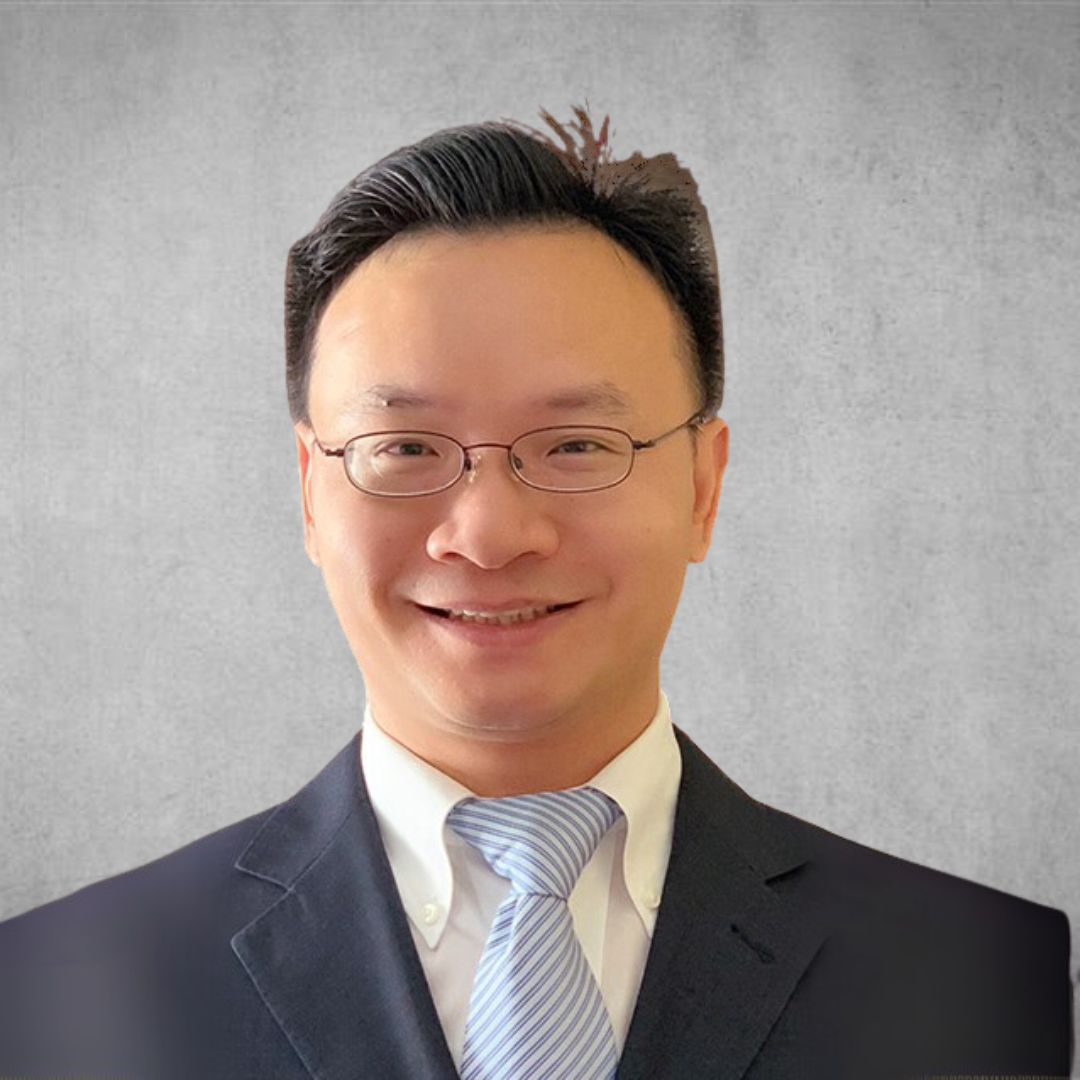
Professor Thomas Bein is affiliated with the Department of Chemistry at Ludwig-Maximilians-Universität München (LMU) , where he leads the Functional Nanosystems research group. His work focuses on synthesizing and characterizing nanostructured materials with applications in energy, catalysis, and biomedical delivery. Mesoporous nanoparticles for drug delivery Semiconductor nano-morphologies for photovoltaics Photoelectrochemical water splitting Metal-organic frameworks (MOFs) Electroactive networks His research emphasizes atomic-scale control of material architectures using self-assembly, hydrogen bonding, and covalent interactions, enabling precise tuning of electronic, optical, and catalytic properties. A review of his recent publications reveals cutting-edge investigations into covalent organic frameworks (COFs), perovskite-inspired solar materials, and functional nanoparticle systems. Key trends include optimizing energy conversion efficiency, enhancing stability in optoelectronic devices, and exploring bio-compatible nanocarriers for targeted therapies. Professor Bein’s group actively contributes to interdisciplinary projects at the intersection of chemistry, physics, and biomedical engineering, with ongoing collaborations in solar energy, sustainable materials, and nanomedicine.
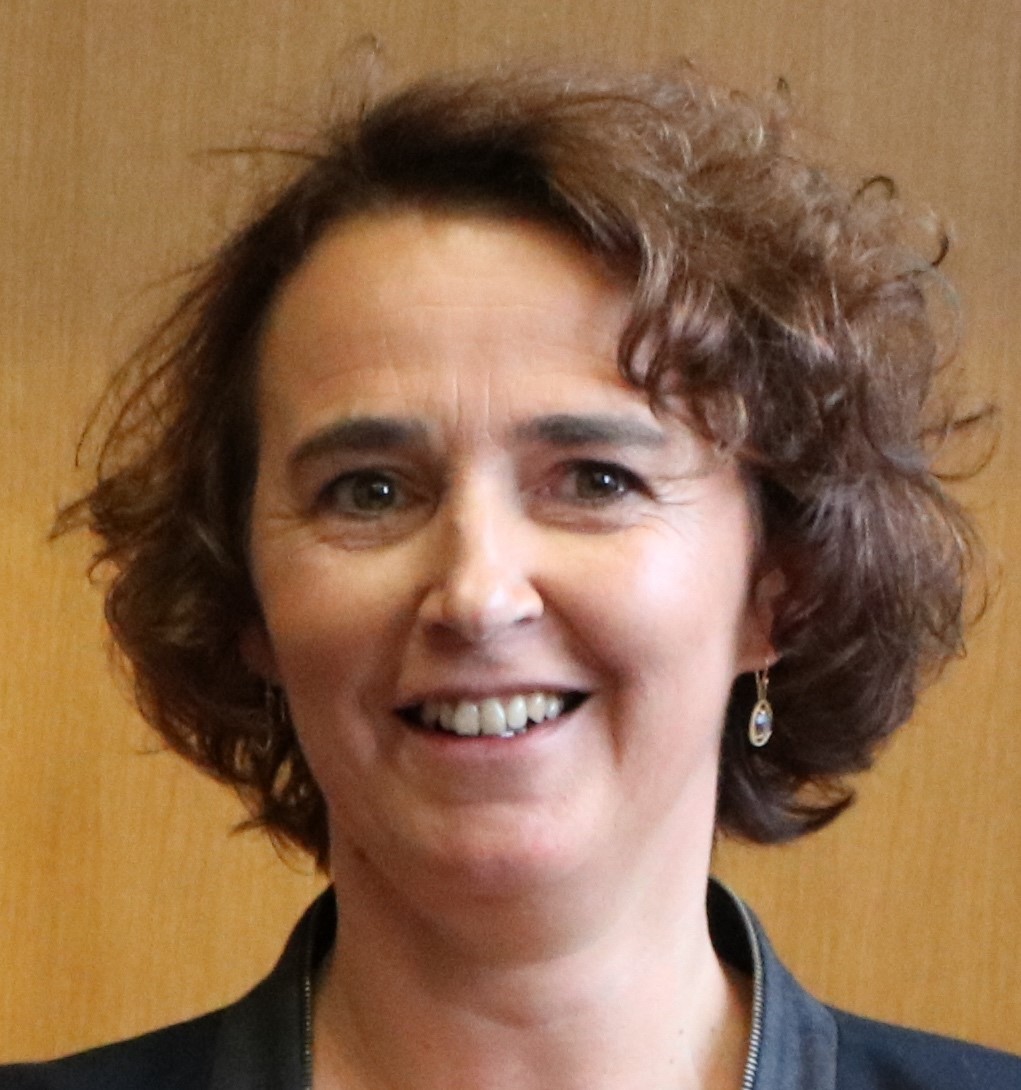
Anne BOUTIN is a Research Director at the French National Center for Scientific Research (CNRS) and Professor at the École Normale Supérieure (ENS) in Paris, France. She leads the Department of Chemistry at ENS, focusing on the thermodynamics of confined fluids and molecular simulations of porous materials like metal-organic frameworks (MIL-53, ZIF-8) and zeolites. Education: Habilitation (1999), PhD in Chemical Physics (1992), Graduate of École Normale Supérieure (1992), MSc (1990) – all from University of Paris XI, Orsay. Positions: CNRS Research Fellow (1994–2009, University of Paris XI; 2009–present, ENS), Visiting Scientist at UC Santa Barbara (1999), Postdoctoral at Imperial College London (1993–1994). Research spans thermodynamic modeling of adsorption-induced structural transitions, polarizable force fields for charged materials, fluid dynamics in nanopores, and stability analysis of flexible frameworks. Google Scholar highlights recent work on electrolyte intrusion (2023) and defect impacts in zeolites (2023). Publications emphasize computational approaches to water confinement , gas separation , and material flexibility . Her 41+ peer-reviewed articles reflect expertise in Monte Carlo , molecular dynamics , and force field development . Awards: Nathalie Demassieux PhD Award (1993) CNRS Bronze Medal (1999) Legion of Honor (2017) Teaching: Statistical thermodynamics. Students: Supervised 17 PhD/postdoc directions.
Kumar Varoon Agrawal is an Associate Professor at École Polytechnique Fédérale de Lausanne (EPFL), holding the Gaznat Chair for Advanced Separations. He is affiliated with the School of Basic Sciences (SB), the Institute of Chemical Sciences and Engineering (ISIC), and the Laboratory of Advanced Separations (LAS) in Sion, Switzerland. Additionally, he contributes to the Swiss Doctoral School in Chemical and Bioengineering (SCGC) and serves as Vice President of the Confédération des Chimistes et des Génie Chimique (CCE). Research Focus: Material Chemistry & Engineering at the Ångström scale for high-performance inorganic and hybrid membranes, emphasizing energy-efficient molecular separations. Teaching: Courses include Fundamentals of separation processes , Diffusion and mass transfer , and Chemical engineering product design . Scientific Contributions: His 15 most recent publications (2025-2020) span topics like graphene pore engineering , 2D material synthesis , carbon capture , and gas separation membranes , with keywords such as Nanotechnology , Materials Science , and Molecular Transport . Subfields include Atomic-Scale Pores , Membrane Stability , and Industrial Scalability . Students and Collaborations: He advises 10 current PhD students and has mentored 9 past PhD candidates in areas like graphene membranes , ion separation , and MOF films . He is an Academic Referent for the EPFL Carbon Team and a committee member for the EDCH Doctoral Program in Chemistry and Chemical Engineering.
Andreas Jentys is a Professor at the Department of Technical Chemistry within the TUM School of Natural Sciences at Technische Universität München (TUM). His research focuses on understanding surface reactions and transport phenomena in mesostructured, micro- and mesoporous oxides with acid/base or redox properties, as well as supported metal catalysts for gas and condensed phase reactions. He prepares materials with tailored functionality and studies their sorptive and catalytic properties using in situ electron and vibrational spectroscopy combined with microkinetic experiments. Education: PhD (Dr. techn.) in Chemistry from TU Wien (1991) Postdoctoral: Royal Institution of Great Britain (1992-1993) with Prof. Richard Catlow Academic Career: TU Wien (1998: Associate Professor), TUM (1999: Senior Scientist; 2011: Professor) Teaching: Active in TUM Asia since 2006 Research interests span catalysis, surface chemistry, material science, and chemical reaction engineering. He specializes in zeolites, bimetallic catalysts, and in situ spectroscopic methods. Recent work examines: Hydrogen evolution and carbon-carbon coupling on Cu Methane activation via Co²⁺ sites in ZSM-5 Photocatalytic systems using metal-organic frameworks Solvent effects in palladium-catalyzed hydrogenation CO₂ hydrogenation over bifunctional catalysts Publications trend toward heterogeneous catalysis, with emphasis on: Design of mesoporous and microporous materials Characterization of metal clusters and oxo species Microkinetic modeling of catalytic systems Environmental applications (NOx/CO₂ reduction) Hydrogen and hydrocarbon processing Teaching includes courses on: Reaction Engineering and Kinetics Industrial Chemical Processes I & II Fundamentals of Catalysis TC Praktikum (internship)
Dist. Professor Leslie Yeo is a distinguished faculty member at RMIT University's School of Engineering, where he leads the Micro/Nanophysics Research Laboratory (MNRL). With a PhD from Imperial College London (2002), he has held positions at Monash University and the University of Notre Dame before joining RMIT. His research focuses on the interactions between high-frequency sound waves and matter at micro and nanoscales. Leslie Yeo's educational background includes a PhD from Imperial College London (2002), where he received the Dudley Newitt prize for outstanding computational/theoretical work. Prior to his academic career, he worked as a Mathematical Modeller at Det Norske Veritas UK. He held prestigious Australian Research Fellowships (2009-2017) that supported his groundbreaking work in micro and nanophysics. Professor Yeo's research interests center around high-frequency (MHz order) sound waves interacting with various materials including fluids, two-dimensional and bulk crystals, biomolecules, cells and microorganisms. His work explores both fundamental physicochemical phenomena and practical applications in microfluidics, drug delivery, diagnostics, tissue engineering, and materials synthesis. His research has significant implications for health technologies, environmental applications, and sustainable energy solutions, aligning with UN Sustainable Development Goals 3 (Good Health and Well-Being) and 7 (Affordable and Clean Energy). Analysis of Professor Yeo's recent publications reveals a strong focus on acoustofluidics and its diverse applications. His work demonstrates expertise in using surface acoustic waves for bacterial inactivation, synthesis of metal-organic frameworks, cell membrane manipulation, and energy conversion technologies. The research spans multiple disciplines including biomedical engineering, materials science, and environmental technology, with particular emphasis on practical applications that address real-world challenges. 2023: Fellowship of the Institution of Engineering & Technology (FIET) 2021: RMIT University Science, Technology, Engineering & Medicine College Research Impact Award 2019: RMIT University Distinguished Professorship 2018: RMIT University Vice-Chancellor's Award for Research Excellence 2016: Johnson & Johnson World Without Disease Quickfire Challenge Award 2007: Young Tall Poppy Science Award Professor Yeo has supervised numerous research students across engineering and science disciplines, with current projects focusing on acoustomicrofluidic synthesis of nanomaterials, high-frequency mechanobiology applications, and diagnostic technologies. His editorial roles include Editor-in-Chief of the American Institute of Physics journal Biomicrofluidics and Associate Editor of Frontiers in Bioengineering & Biotechnology. His work has been widely featured in media outlets including ABC's Catalyst, The Economist, and Nature. The Micro/Nanophysics Research Laboratory under Professor Yeo's leadership is at the forefront of fundamental and applied research on nonlinear high-frequency electroacoustic interactions. The laboratory has discovered novel physicochemical phenomena and actively develops theories to explain the fundamental mechanisms behind these discoveries, with applications ranging from medical diagnostics to sustainable energy solutions.
Prof. Paul Wright is a Professor of Chemistry at the University of St Andrews, leading the Physical Chemistry Teaching program. He holds a PhD from the University of Cambridge and has held roles at Shell R&D, the Royal Institution, and St Andrews since 1994. His research focuses on nanoporous solids, including zeolites and MOFs, with applications in catalysis and carbon capture. He has pioneered methods for synthesizing novel materials and pioneered synchrotron-based structural analysis techniques. Awards include the RSC/SCI Barrer Prize and ICI Readership. He supervises PhD students in advanced materials and catalysis, and teaches courses in thermodynamics, kinetics, and heterogeneous catalysis. Education: PhD in Chemistry, University of Cambridge (1986) Research Interests: Prof. Wright’s work spans five core areas: (1) Designing zeolite templates for novel structures, (2) Developing MOFs with unique properties, (3) Optimizing zeolites/MOFs for CO₂ adsorption, (4) Investigating catalytic applications of microporous solids, and (5) Advanced structural characterization using synchrotron techniques. Recent breakthroughs include understanding ‘sentinel’ cations in zeolites for selective adsorption and developing tandem catalysts combining MOFs with metal nanoparticles. Publications Trends: His articles emphasize structure-property relationships in porous materials, with 2011–2015 papers focusing on scandium-based frameworks, CO₂ capture mechanisms, and catalytic performance of SAPOs and MOFs. Collaborations with institutions like Edinburgh University and European projects highlight applied energy solutions. Awards: RSC/SCI Barrer Prize (1999) ICI Readership (2002–2004) Teaching & Grants: Leads Physical Chemistry courses at all levels, including a 5th-year Masters course in Heterogeneous Catalysis. Active in placement student monitoring via CH4441. Grants include European projects on mixed matrix membranes for CO₂ separation. Labs/Teams: Heads a research group investigating nanoporous solids, collaborating with institutions like Aberdeen University on synchrotron-based catalysis studies.
Ivana Brekalo is a Researcher at the Ruđer Bošković Institute in Zagreb, Croatia, affiliated with the Division of Physical Chemistry and the Laboratory for Applied and Sustainable Chemistry. She holds a Ph.D. in Chemistry from Georgetown University (2019), with a thesis on "Solid State Synthesis and Study of Porous Materials," and completed her Master's (2012) and Bachelor's (2010) degrees in Chemistry at the University of Zagreb. Her work bridges mechanochemistry and materials science, focusing on scalable synthesis methods for functional materials. Doctor of Philosophy, Chemistry, Georgetown University (2013–2019) Master of Science, Chemistry, University of Zagreb (2010–2012) Bachelor of Science, Chemistry, University of Zagreb (2007–2010) Her research emphasizes mechanochemical synthesis, particularly for porous materials like metal-organic frameworks (MOFs) and coordination polymers. She explores solvent-free methods, polymorphism control, and the role of gas-phase catalysts in solid-state reactions. Recent publications highlight thermally controlled milling for agrochemical cocrystals, conductivity in alkali metal coordination polymers, and real-time monitoring of mechanochemical processes. Key publications include Nature Reviews Chemistry perspectives on advanced mechanochemical synthesis and Inorganic Chemistry studies on low-dimensional magnetism in MOF-74 materials. Her work appears in journals like ACS Sustainable Chem. Eng. and Chemical Science , with a focus on green and scalable methods. Scientific Awards Scholarship of the Polish National Agency for Academic Exchange – Ulam Programme (2020) Bepina Sabalić Kunin Fellowship (2013-2015, 2017-2018) Ludo Frevel Crystallography Scholarship, IUCr (2017) CCDC award for best presentation (2022) Brekalo contributes to outreach as the 2019 ACS Volunteer of the Year and has received recognition for her work on solvent-free polymorphism and mechanochemical templation of ZIFs.
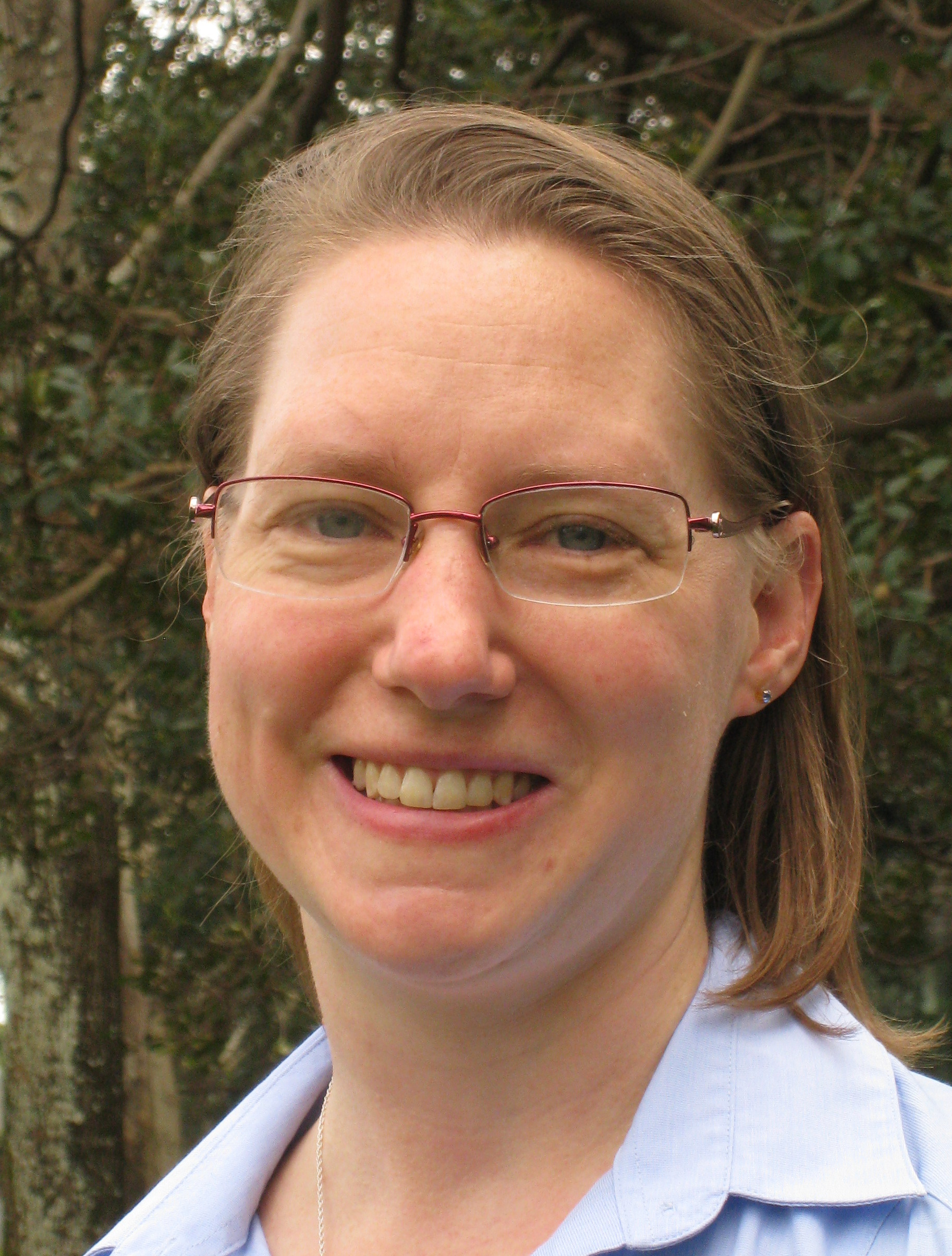
Associate Professor Judy Hart is a materials scientist at the School of Materials Science & Engineering, UNSW Sydney , specializing in the development of semiconducting materials for renewable energy applications. Her work integrates computational (DFT) and experimental approaches to understand composition-property relationships in systems like solid solutions , heterostructures , and doped materials for photocatalysis and solar cells . She leads projects funded by ARC Discovery and Linkage grants , including work on photo-electro-catalysis systems and stabilizing ceramic materials . Education: PhD in Materials Engineering (Monash University, 2007), BEng (Materials) (Monash, 2002) Professional Experience: Senior Lecturer (UNSW, 2017–), Lecturer (UNSW, 2013–2017), University of Bristol (2007–2012) Research Interests Her research focuses on designing materials for renewable energy , particularly photoelectrochemical water splitting and organic oxidation reactions . Key areas include Density Functional Theory (DFT) , defect engineering , band gap tuning , and nanostructured materials . She investigates ferroelectric polarization effects , metal oxide heterostructures , and stability of battery components , with applications in hydrogen production , CO2 conversion , and advanced battery materials . Scientific Awards Ramsay Memorial Fellowship (University of Bristol, 2007–2009) Teaching Contributions She is co-author of the 1st Australian & New Zealand edition of "Materials Science and Engineering: An Introduction" , and teaches courses on computational materials science , corrosion-resistant surfaces , mechanical behavior of metals , and materials design .
Khadija Asif is a PhD researcher in the Department of Chemical and Process Engineering at the University of Strathclyde. Her work focuses on molecular simulations and membrane materials for gas separation applications, particularly in carbon capture technologies. She is actively involved in projects related to metal-organic frameworks (MOFs), polymer structure analysis, and solution-phase molecular modeling. Research areas: Molecular Simulation, Membrane Materials, Gas Separation, CO2 Capture Key methodologies: 3D Electron Diffraction, Computational Modeling Her recent contributions include publications in Angewandte Chemie International Edition and Microporous and Mesoporous Materials . As a Research Co-investigator, she collaborates with Professor Miguel Jorge and Dr. Ashleigh Fletcher on EPSRC-funded projects. She has also contributed to datasets related to electron diffraction studies of MOF transitions.
Dr. Shengqian Ma serves as University Distinguished Research Professor and Welch Chair in Chemistry at the University of North Texas (UNT), joining in 2020 after advancing to Full Professor at the University of South Florida (2010-2020). His career trajectory includes Assistant Professor (2010), Associate Professor with early tenure (2015), and Full Professor (2018) at USF. Educational background: B.S. in Chemistry, Jilin University, China (2003) Ph.D. in Chemistry, Miami University, Ohio (2008) Director’s Postdoctoral Fellowship, Argonne National Laboratory His research centers on designing functional porous materials—particularly metal-organic frameworks (MOFs), covalent organic frameworks (COFs), and porous organic polymers (POPs)—for catalysis, gas separation, and environmental remediation. Key innovations include enzyme immobilization platforms, uranium extraction systems, and water treatment membranes. Recent work emphasizes biomedical applications like cardiovascular therapy and insulin delivery through framework functionalization. Analysis of 2023-2025 publications reveals dominant themes in nuclear waste remediation (radioiodine/pertechnetate capture, uranium extraction) and sustainable energy (hydrogen production, water desalination). Gas separation research focuses on industrial ethylene purification and olefin/paraffin processes using flexible MOFs. Scientific recognition includes: Director’s Postdoctoral Fellowship, Argonne National Laboratory Dr. Ma leads an active research group at UNT with extensive grant-supported projects, evidenced by high-impact publications in energy and environmental chemistry. His team develops materials for carbon capture and climate mitigation while maintaining strong industry collaborations in petrochemical separation. The research group operates within UNT’s Department of Chemistry, utilizing advanced synthesis and characterization facilities as indicated by their dedicated website (http://www.chemistry.unt.edu/~sqma).
M. Ishaque Khan is a Professor of Chemistry and Director of the Materials Chemistry Program at Illinois Institute of Technology's Lewis College of Science and Letters. His work bridges materials design, catalysis, and sustainable chemistry. Ph.D., Indian Institute of Technology, Kanpur M.S., Aligarh Muslim University His research focuses on creating functional materials like polyoxometalates (POMs), metal-organic frameworks (MOFs), and nanocomposites for catalysis, sensing, gas separation, energy storage, and biomedical applications. He emphasizes sustainable synthesis and atomic-level control of material architecture. Recent publications highlight advances in POM@MOF hybrids, organo-functionalized clusters, and NOx sensor development. Collaborations span Argonne National Laboratory, Northwestern University, and industry partners. Scientific Awards German Academic Exchange Fellowship Commonwealth Academic Staff Fellowship Editorial Board Member, Professional Journals As an educator, he designed interdisciplinary science-business programs and courses at Illinois Tech. His leadership roles include Department Chair and Associate Dean.
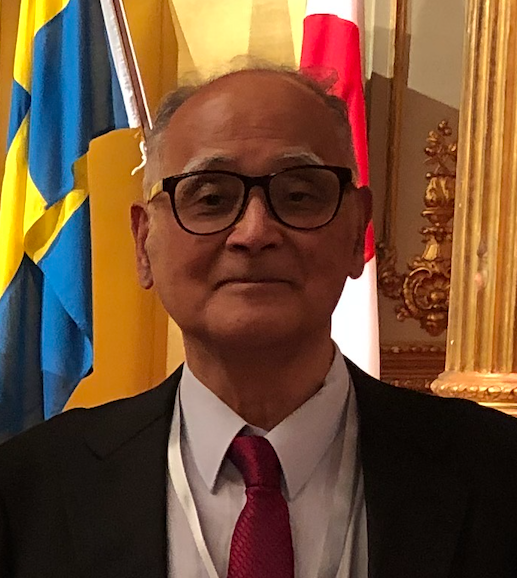
Prof. Osamu Terasaki is a leading expert in electron microscopy and structural chemistry, currently serving as Professor and Director of the Centre for High-Resolution Electron Microscopy at ShanghaiTech University, China since 2017. Previously, he held academic roles at Stockholm University (Professor and Head of Structural Chemistry, 2003-2010), KAIST (Invited Guest Professor, 2009-2017), UC Berkeley (Visiting Professor, 2014-2017), and Tohoku University (Assistant to Associate Professor, 1967-2002). Education: B.Sc. in Physics, Tohoku University, Japan (1965) M.Sc. in Physics, Tohoku University, Japan (1967) DSc in Physics, Tohoku University, Japan (1982) Research Interests focus on advanced electron microscopy techniques to solve complex structural problems in nanoporous materials. His work includes groundbreaking contributions to electron dynamical scattering, zeolite characterization, and the development of Gas Adsorption Crystallography for determining adsorbate distributions in nanoporous crystals. He pioneered electron microscopy methodologies for Metal-Organic Frameworks (MOFs) and Covalent-Organic Frameworks (COFs). Scientific Contributions extend to establishing world-leading electron microscopy centers at Stockholm University, KAIST, and ShanghaiTech University. These facilities have advanced the application of state-of-the-art instrumentation to analyze defects, fine structures, and quantum-confined cluster-crystals in microporous materials. Scientific Awards and Honors include: Dual Donald W. Breck Awards (2007, 2019) Humboldt Research Award (2008) Daiwa Adrian Prize (1996) Magnolia Silver Award (2018) Honorary Memberships in the Scandinavian Electron Microscopy Society (2010) and Japan Association of Zeolites (2014) International Collaborations span institutions in Sweden, South Korea, the U.S., and China, reflecting his global impact in structural science and electron microscopy.
Andrew I. Cooper is a Professor at the University of Liverpool, Director of the Materials Innovation Factory, and Honorary Professor at East China University of Science and Technology (ECUST). He pioneers research in advanced organic functional materials, including conjugated microporous polymers, porous organic cages, and porous liquids, and developed the first autonomous mobile robotic chemist. Fields of Interest: Materials chemistry, robotics, AI-driven synthesis, and computational design of functional materials. Scientific Impact: Over 200 SCI-indexed papers, 52,000+ citations, H-index 117. Key journals: Nature , Science , JACS , Angewandte Chemie . Awards: Royal Society of Chemistry Professorship, Outstanding AI Leader award, Fellow of the Royal Society and European Academy of Sciences. Leadership: Editor-in-Chief of Chemical Science , trained 47 Chinese postdoctoral fellows and PhD students, and leads international collaborations with Chinese universities. Research Trends: Articles focus on robotics, AI, computational materials design, photocatalysis, and dynamic porosity in molecular systems.
Kurtis Carsch is an Assistant Professor of Chemistry at the College of Natural Sciences , University of Texas at Austin. His work bridges chemical separations, materials science, and small molecule functionalization. Education: PhD in Chemistry from Harvard University (2021), BS/MS from Caltech (2016) Research Focus: Design of microporous materials for gas separations and functionalization His group develops metal-organic frameworks (MOFs) , metallomesogens , and mixed-matrix membranes targeting ambient-condition separations of oxygen, alkenes, CO2, and isotopes . Recent projects emphasize unconventional sorbent mechanisms and scalable materials. Kurtis has received prestigious awards including the Arnold O. Beckman Postdoctoral Fellowship , Fannie and John Hertz Foundation Fellowship , and International Adsorption Society Award (2025). His publications highlight advancements in hydrogen storage, CO2 capture, and oxygen adsorption using MOF-based platforms.
Catherine Aitchison is an Assistant Professor and group leader of the Functional Pi Materials Group at Linköping University's Laboratory of Organic Electronics (LOE), affiliated with the Department of Science and Technology (ITN). Her research focuses on developing conjugated organic molecules and polymers for clean energy technologies, including solar fuels, photovoltaics, and membranes. Education: BSc and MSci in Natural Sciences (University of Cambridge, 2015-2016), PhD in Chemistry (University of Liverpool, 2020). Postdoctoral research at the University of Oxford (2020-2024) with Prof. Iain McCulloch, focusing on organic photovoltaics and photocatalysis. Research interests include structure-activity relationships in organic semiconductors, self-assembled materials, and applications in energy conversion/storage. Her group emphasizes organic chemistry's flexibility to tune material properties for real-world applications. Labs/Teams: Functional Pi Materials Group (LOE), collaborating on projects like CO₂ photoreduction and polymer heterojunctions. Active in advancing organic electronics and sustainable energy solutions.