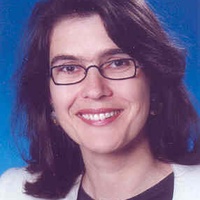
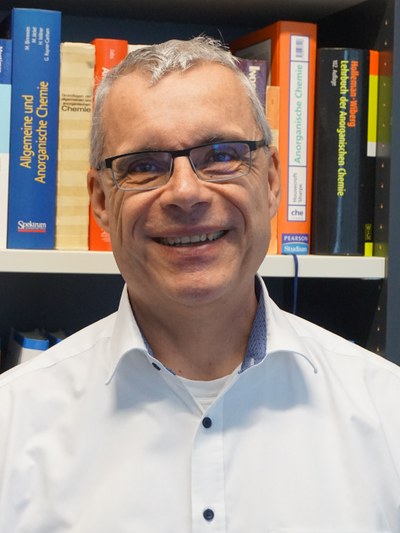
Профессор Татјана Ђуркић је редовни професор на факултету техничких наука Универзитета у Београду, где води кафедру за инжењерство заштите животне средине. Ту је одабрана за редовни професор 22. септембра 2015. године. Нjenе научне интересови обухватају анализу загађивача у води, експозицију естрогених хормона, и примењене методе за оптимизацију ађсорпције токсичних субстанција. Текући предмети укључују ликвидну хроматографију-масну спектрометрију, екологију и полуцију, и анализу екологичких проба. Нjen научни рад обухвата над 30 наставника и менторство, чији су радови фокусирани на експерименте са угљеничним материјалама, екстракцију пестицида, и анализу емергентних загађивача. Нjeno истраживање је специјално фокусирано на методе за оптимизацију ађсорпције користећи наноматеријале и активиране угљене материјале. Тjе уводи иновативне технике за екстракцију трага лекова и UV филтера из воде. Нjени курсови охватају аналитичке методе, вештачки заслађиваче, и екологију. Нjeno наставно искуство обухвата 20+ година, са фокусом на пријемљиву аналитичку хемију и заштиту животне средине.
Jovana S. Ajdacic is a Researcher at the Department of Organic Chemistry, University of Belgrade’s Faculty of Chemistry. She holds a BSc (2016) and MSc (2017) in Chemistry from the same institution. Her research focuses on analytical chemistry methods for environmental and toxicological applications, particularly in collaboration with international organizations like the OPCW and EU frameworks. She has contributed to projects addressing chemical weapons compliance, microplastic toxicity assessment, and advanced analytical platforms for environmental contamination analysis. Education: BSc (2012–2016), MSc (2016–2017), University of Belgrade – Faculty of Chemistry Her work emphasizes the development of GC-MS/LC-MS methods for on-site analysis, micro-extraction techniques (MEPS), and untargeted metabolomics to study chemical exposure effects. She collaborates with the Center for Instrumental Analysis (CIA) and participates in Horizon 2020-funded initiatives. Research projects include MECWA FCUB CIA (OPCW-funded, 2017–2021) and IMPTOX (EU Horizon 2020, 2021–2025), focusing on environmental contaminants and allergic disease risks. She is a member of the Serbian Chemical Society since 2018 and has co-authored publications in International Journal of Energy Research and RSC Advances . Her expertise spans chemical warfare agent analysis, eco-toxicology, and advanced analytical instrumentation.
Patrick T. Schwing is an Assistant Professor at Eckerd College and a Courtesy Research Associate at the University of South Florida's College of Marine Science. His research focuses on quantitatively assessing natural and human impacts on marine seafloor systems to provide actionable information for resource managers. He utilizes sedimentological, radiochemical, micropaleontological, and biogeochemical tools to study benthic and planktic ecosystems. Education: PhD in Marine Science, University of South Florida (2011) BS in Marine Biology, Eckerd College (2006) Research Interests: Land-use impacts on aquatic environments, marine mineral extraction consequences, microplastic distribution, and oil spill effects. Specializes in benthic ecosystem recovery, sediment dynamics, and ecological resilience mechanisms. Integrates multi-disciplinary approaches including stable isotope analysis, radiocarbon dating, and micropaleontological techniques. Key Projects: GOMRI/CIMAGE III & II: Deep-sea oil spill impact studies (2015-2019) Collegium of Natural Sciences Research Grant: Ongoing benthic microcosm research Carnegie Laboratory Centennial Celebration Grant: Baseline marine isoscape development Grants & Funding: Secured over $2M in research funding through NSF, GOMRI, and Eckerd College initiatives. Current projects focus on predictive modeling of MOSSFA events and microplastic distribution patterns. Lab & Collaborations: Leads the St. Petersburg Ocean Team, collaborating with the Smithsonian, National Geographic, and USF's College of Marine Science. Offers contract analytical services in stable isotopes, radiochemistry, and sedimentology.
Dr. Ebenezer Nyadjro is an Associate Research Professor in the Department of Geosciences at Mississippi State University and the Northern Gulf Institute. He is affiliated with NOAA's National Centers for Environmental Information (NCEI), where he serves as the marine microplastics database manager. His research spans physical and satellite oceanography, with a focus on microplastics, ocean currents, salinity, air-sea interactions, and climate variability. Ph.D. in Physical/Satellite Oceanography, University of South Carolina (2012) M.S. in Organizational Leadership, Cameron University (2019) M.S. in Marine Science, University of North Carolina Wilmington (2009) B.S. in Oceanography & Fisheries, University of Ghana (2005) Dr. Nyadjro's research interests include the variability of ocean currents, microplastics, ocean salinity, temperature dynamics, equatorial oceanography, and tropical climate variability. He explores air-sea interactions, freshwater fluxes, and the role of salinity in ocean dynamics. His work also emphasizes ocean data management and capacity-building initiatives, particularly in marine science leadership. His recent publications highlight interdisciplinary approaches using remote sensing and modeling to study salinity exchanges, intraseasonal jets in the Indian Ocean, and the impact of climate events on oceanic processes. He has contributed to understanding mesoscale features in the Arabian Sea, Southern Ocean transport variability, and tropical cyclone activity in the Indian Ocean. His studies often integrate satellite data (e.g., SMOS, HYCOM) with in situ measurements. Dr. Nyadjro has worked at the University of New Orleans, Naval Research Laboratory, and NOAA-Pacific Marine Environmental Laboratory. He collaborates with institutions like NCEI and Stennis Space Center. His role at NOAA involves managing marine microplastics databases, aligning with his interest in ocean pollution and data stewardship.
Andrej Jaklin is a Researcher at the Center for Marine Research Laboratory for Marine Nanotechnology and Biotechnology, Ruđer Bošković Institute. His work focuses on marine ecology, environmental toxicology, and bioremediation, with a specialization in nanoparticle impacts on marine organisms. Jaklin has conducted extensive studies on Adriatic Sea ecosystems, including mussel farming sustainability, invasive species dynamics, and the effects of anthropogenic pollutants on marine invertebrates. Key research areas include: Nanoparticle toxicity in marine environments Marine benthic community dynamics Biological monitoring of microplastics and heavy metals Ecological impacts of invasive species His recent work emphasizes the role of marine organisms like mussels and sea urchins as bioindicators for environmental health. Jaklin collaborates on projects addressing coastal pollution mitigation and sustainable aquaculture practices. His studies frequently involve field observations combined with advanced laboratory analytical techniques.
Dr. Daniel Mark Lyons is the Head of the Laboratory for Marine Nanotechnology and Biotechnology at the Ruđer Bošković Institute's Center for Marine Research. He holds the academic rank of Professor and specializes in nanotechnology, nanobiotechnology, and biomineralization processes. His research focuses on understanding nanoparticle behavior in marine environments, ecotoxicological impacts, and biomineralization mechanisms in marine organisms. Lyons has led numerous projects funded by the Croatian Science Foundation and EU initiatives, including studies on nanoparticle toxicity and marine biotoxin detection systems. Education: Ph.D. in Chemistry (2001) from the National University of Ireland, University College Cork. Research highlights include investigations into microplastic toxicity in marine embryos, silver nanoparticle environmental interactions, and the application of nanotechnology in marine biosensors. His work addresses interdisciplinary challenges in marine environmental science and biotechnology. He teaches courses such as 'General Physics' and 'Nanotechnology in Marine Research' at the Faculty of Natural Sciences, Juraj Dobrila University of Pula, and 'Selected Topics in Physics' at the Faculty of Engineering. Lyons is a member of the Croatian Chemical Society and Croatian Toxicological Society. Key projects include leading the NANO-EMC2 project on nanoparticle toxicity in coastal waters and the SMART-NANO initiative for nanoparticle detection in biological systems. His research outputs span environmental nanotoxicology, marine biomineralization, and advanced sensor technologies for marine pollutants.
Professor Ursula Witte is a Chair in Zoology at the University of Aberdeen, affiliated with the School of Biological Sciences and Department of Zoology. Her research focuses on benthic ecosystem functioning, climate change impacts, and hydrocarbon degradation in marine environments. She leads projects on Arctic and Antarctic benthic ecosystems, deep-sea microbiology, and oil spill preparedness in Scottish waters. Education: Details not explicitly provided in text Her research interests include the study of benthic-pelagic coupling, deep-sea sediment processes, and the effects of anthropogenic activities on marine ecosystems. She has secured significant funding from NERC, EU, and industry partners for projects like ARCDEEP and MAC-EXP . Recent articles highlight her work on Arctic benthic communities, microplastic transport modeling, and microbial responses to hydrocarbon spills. Key grants include studies on Antarctic benthic food webs and deep-sea ecosystem resilience. Professor Witte advises on grants totaling over £2 million and collaborates on initiatives such as the PharmaSea project. She teaches courses like Marine Benthic Ecology and coordinates the SX1015 oceans course. Her lab focuses on developing technologies like pressurized coring systems for deep-sea research.
Prof. Dr. Wolfgang Imhof is a full Professor of Organic Chemistry at the Department of Chemistry, Universität Koblenz-Landau. He currently serves as Dean of Fachbereich 3: Mathematik/Naturwissenschaften and Head of the Organic Chemistry Group. His academic journey includes a diploma in Chemistry (1989) and a PhD (1992) from Ruprecht-Karls-University of Heidelberg, followed by a habilitation (2000) at Friedrich-Schiller-Universität Jena. He has held roles such as apl. Prof., Wissenschaftlicher Oberassistent, and leadership in research committees and editorial boards (e.g., Co-Editor of Acta Crystallographica Sect. E). Education: 1983–1989: Diplom in Chemistry (Ruprecht-Karls-Universität Heidelberg) 1992: PhD (Ruprecht-Karls-Universität Heidelberg) 1995: Business Administration (Fernuniversität Hagen) 2000: Habilitation (Friedrich-Schiller-Universität Jena) Research Interests: Focus areas include: - Catalytic synthesis of heterocycles via transition metal-catalyzed reactions - Quantitative NMR spectroscopy for microplastic analysis - Isotope-labeled compounds for studying plant polyesters (cutin/suberin) - Modification of diamond-like carbon (DLC) layers with photoactive ruthenium complexes His work integrates organic chemistry with environmental applications and materials science. Recent Articles: Recent studies emphasize advancements in microplastic quantification via NMR, catalytic reaction mechanisms, and surface functionalization of DLC layers. Key projects include: - Development of robust methods for environmental microplastic detection - Structural elucidation of heterocyclic compounds and transition metal complexes - Collaborations on bio-mineralization pathways of dicarboxylic acids in soil. Awards/Affiliations: His contributions are recognized through editorial roles, committee memberships (e.g., FBR 3, Energy Management Audit Committee), and leadership in academic governance. Grants/Teams: Active in securing funding for microplastic analysis and catalytic research. Leads interdisciplinary projects, including collaborations with Physics departments for DLC modification. Supervises research on applied organic chemistry and student advising in chemistry programs. Labs/Teams: Directs the Organic Chemistry Group at Universität Koblenz, involving staff like Dr. Carina Schink and Marcel Günther. Hosts international students and collaborates with institutions worldwide (e.g., Ohio State University, Université Pierre et Marie Curie).
Lorena Pochini is an Associate Professor in Biochemistry at the University of Calabria, Department of Biology, Ecology and Earth Sciences (DiBEST). She is also affiliated with the CNR's Institute of Biomembranes, Bioenergetics and Molecular Biotechnologies (IBIOM) and coordinates several undergraduate and graduate programs in Biology and Biotechnology. Her academic profile reflects sustained excellence in research, teaching, and academic leadership. Associate Professor, University of Calabria (2020–present) Coordinator, Degree Programs in Biology and Health Biotechnology Member, Doctoral Faculty in Life Sciences and Technology Research Associate, IBIOM-CNR (2023–present) Speaker, Research Hub 'Inclusive health & well-being', EUPeace Project Her research focuses on membrane transporters, particularly the SLC family, including OCTN1, ASCT2, and LAT1. These proteins play critical roles in nutrient uptake, cancer metabolism, drug interactions, and human diseases. She investigates their expression, purification, functional reconstitution in proteoliposomes, and structure-function relationships using biochemical and molecular techniques. Her recent publications span topics such as acetylcholine transport via OCTN1 in cancer cells, carnitine trafficking in fertility, heavy metal effects on transporters, and the role of SLC transporters in polyamine and amino acid homeostasis. These works reflect a strong trend toward understanding transporter roles in pathophysiology and drug development, frequently published in high-impact journals like International Journal of Molecular Sciences , Frontiers , and Nature Communications . Lorena Pochini has supervised over 50 thesis projects and five PhD dissertations. She has served on numerous examination and degree committees and contributed to national training programs and master’s courses in food safety and biotechnology. Her leadership extends to EU projects and academic governance. She is actively involved in research labs focused on membrane biochemistry and transporter biology, contributing to national and international collaborations. Her work integrates molecular biology, enzymology, and systems physiology to advance understanding of human health and disease mechanisms.
Associate Professor Karagianni Ira is affiliated with the Department of Hydrobiology at the University of Ioannina. Her research focuses on microbial ecology in aquatic systems, including microbial food webs, protist interactions, and microbial diversity in aquaculture and natural ecosystems. She leads the Microbial Ecology Laboratory and has contributed extensively to understanding water quality, microplastic impacts, and eutrophication challenges in Mediterranean environments. Her work integrates field studies, experimental microcosms, and molecular techniques to assess microbial community dynamics. Notable contributions include quantifying microfiber pollution from domestic laundry, evaluating bacterial release from microplastics, and developing water quality indices using zooplankton biodiversity. She also investigates climate change effects on phytoplankton communities and sustainable solutions for aquaculture waste management. Dr. Karagianni collaborates on projects like the POMME experiment and has published widely in peer-reviewed journals. Her lab’s research informs ecological assessments under EU directives and highlights the role of microbial biodiversity in ecosystem health. Current projects explore microbiology literacy in Greece and the ecological impacts of emerging pollutants in aquatic systems. She can be contacted via hkaray@uoi.gr and is based at Building E4, University of Ioannina.
Huw Jones is an Associate Professor of Environmental Chemistry at Middlesex University. He is affiliated with the School of Science and the Environment and actively contributes to research in environmental science, bioremediation, and water treatment. His work spans both laboratory and field studies, integrating ecological, toxicological, and technological approaches to address contamination challenges. Dr. Jones’s research interests include phytoremediation , bioremediation , and water treatment , particularly focusing on arsenic and hydrocarbon contamination. He has explored the use of biosurfactants to enhance soil and water remediation, investigated microplastic release from period products , and applied multi-criteria decision matrixes for plant species selection. His recent work emphasizes sustainable solutions and interdisciplinary applications. Dr. Jones’s publications reveal a diverse research trajectory, including innovations in solarization and phytoremediation for PAH-contaminated soil, enzymatic responses in earthworms, and wastewater treatment mechanisms. Notably, he co-authored a 2017 study on team performance analytics in rugby league , showcasing his multidisciplinary reach. While primarily environmental, his work occasionally intersects with clinical medicine and science education .
Elif Erdem is a Researcher in the Department of Chemical and Biochemical Engineering at the Technical University of Denmark (DTU), affiliated with the PROSYS - Process and Systems Engineering Centre. She conducts research at the intersection of biochemical engineering and industrial biocatalysis, with a focus on enzyme applications under various conditions. Dr. Erdem's research interests span multiple areas of biochemical engineering and biocatalysis. Her work particularly focuses on Enzymology , Biocatalysis , and the behavior of enzymes at Gas-liquid Interfaces . She investigates Liquid Interface Chemistry , Bubbling phenomena, enzyme Stability , and the application of biocatalysts under Industrial Conditions . Her research addresses critical challenges in making biocatalytic processes viable for industrial-scale applications, contributing to several United Nations Sustainable Development Goals related to clean water and responsible production. Analysis of Dr. Erdem's publications reveals a strong focus on practical applications of biocatalysis in industrial settings. Her work consistently addresses the challenges of oxygen supply and gas-liquid interactions in enzymatic reactions, with particular attention to stability issues that arise when scaling laboratory processes to industrial reactors. She has made significant contributions to understanding how enzymes behave at interfaces, which is crucial for developing efficient biocatalytic processes. Dr. Erdem actively supervises multiple PhD students across various research projects at DTU. She serves as a supervisor for doctoral candidates working on P450-based biocatalytic processes for pharmaceuticals (2025-2028), microfluidic measurement tools for enzymes (2023-2026), oxygen affinity in biocatalytic oxidation (2023-2026), and novel evaluation methods for enzymes at interfaces (2022-2026). Her collaborative approach is evident in her work with Professor J. M. Woodley and other researchers across interdisciplinary initiatives. Through her conference participation including the Biocatalysis Gordon Research Conference (2022) and EUROMBR Training Course (2023), Dr. Erdem actively contributes to the international scientific community. Her research on gas-liquid interfaces and enzyme stability has gained significant attention, with her microplastics bioremediation review attracting substantial readership on academic platforms.
Anders Baun is a Professor and Head of the Section for Environmental Fate and Effects of Chemicals at the Department of Environmental and Resource Engineering, Technical University of Denmark (DTU). His research focuses on the environmental risk assessment of nanomaterials, integrating experimental science with regulatory frameworks. He leads a dynamic research group and has secured significant funding from national and international bodies, including the European Research Council and multiple EU Horizon projects. M.Sc. in Environmental Engineering, DTU (1994) Ph.D. in application of biotests for characterization of contaminated water, DTU (1998) Anders Baun's research interests lie at the intersection of nanotechnology and environmental safety. His work emphasizes novel experimental approaches to assess the fate and toxicity of nanomaterials in ecosystems. He is particularly known for his contributions to ecotoxicology, chemical risk assessment, and regulatory science. His research supports sustainable development goals by advancing safe-by-design principles and environmental protection policies. The recent publications reflect a strong trend towards environmental risk assessment of emerging contaminants, including PFAS and micro/nanoplastics. His work increasingly integrates policy-relevant science, focusing on exposure mitigation, regulatory dossiers, and early warning systems for advanced materials. There is a clear shift towards interdisciplinary solutions involving material science, toxicology, and environmental engineering. European Research Council Consolidator Grant (2011) DADES Environmental Award (2008) Statoil Technology Prize (2011) World Cultural Council Special Recognition Award (2012) PhD Supervisor of the Year at DTU (2009) Anders Baun has supervised 19 PhD students (13 as main supervisor) and 42 MSc projects. He has led numerous research grants, including five EU FP7/H2020 projects and national initiatives funded by the Danish EPA and Nordic councils. His advisory roles extend to international committees such as SCENIHR (EU) and the Swiss Research Foundation, where he contributes to shaping nanomaterial safety policies. He has also organized continuing education programs for the European Chemicals Agency. He leads the Environmental Fate and Effects of Chemicals section at DTU Environment and is a key figure in EU-funded consortia such as NanoREM, MARINA, and NanoImpactNet. His team collaborates across disciplines to develop innovative assessment tools and safe-by-design strategies for nanomaterials and other emerging pollutants.
Marina de Jager is a researcher at the Faculty of Science and Engineering , University of Groningen , specializing in Molecular Pharmacology . Her work focuses on respiratory immunology, microplastic toxicity, and ex vivo disease modeling. Research Highlights: Investigating how allergic inflammation alters immune responses to influenza, the role of ACP5 in smoking-related lung pathology, and microplastic fiber impacts on airway epithelium. Key Collaborations: Active partnerships with teams studying lung fibrosis, antifibrotic treatments, and environmental health impacts. Methodologies: Utilizes precision-cut tissue slices, transcriptomics, and mouse infection models. Her contributions align with UN Sustainable Development Goals for health and environmental protection.
Jordi Colomer Feliu is a Professor in the Department of Physics at the University of Girona, Catalonia, Spain. His work bridges environmental physics and sustainable education, focusing on hydrodynamic processes in wetlands, microplastic pollution mitigation, and pedagogical frameworks for sustainable development. He leads research projects like PlastikHUM (microplastics in wetlands) and LIFE BIODAPH2O (nature-based wastewater treatment systems). Research Pillars: Environmental Physics (microplastics, coastal systems) and Sustainable Education (cooperative learning, SDG integration). Projects: PRIORITY (microplastic regulation), WINDERS (wind-induced sediment resuspension in Mar Menor), and COORE (education for sustainable development). Scientific Contributions: His recent articles analyze microplastic-laden turbidity currents, sediment dynamics in vegetated wetlands, and educational methodologies for SDG implementation. The articles highlight interdisciplinary approaches combining environmental science, physics, and pedagogy. Collaborations: He works with the Environmental Physics Research Group and international teams on projects like PRIORITY (COST ACTION 2022-2026) and INNOQUA (nature-based wastewater solutions).