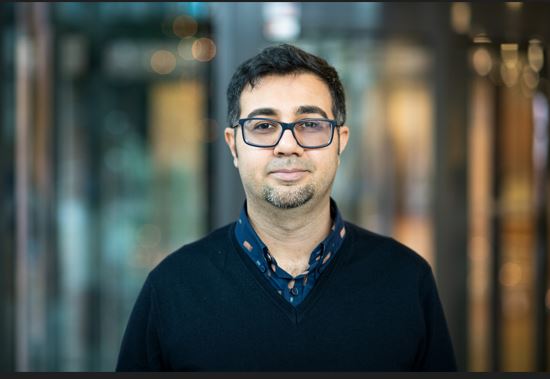
Dr. Pouyan Ahmadi is a Researcher in the Department of Hydrogeology at the Helmholtz Centre for Environmental Research - UFZ, focusing on computational fluid dynamics (CFD), microplastic transport, and multiphase flow in porous media. He holds a PhD in Hydrogeology (2023) and M.Sc. in Reservoir Engineering (2017) from institutions including UFZ and Shiraz University. His research addresses environmental challenges such as microplastic distribution in lakes and the hyporheic zone, supported by projects like the TRACER PhD college and Helmholtz International Research School. Education: 2024–current: Researcher, UFZ Hydrogeology 2019–2023: PhD in Hydrogeology, UFZ & University of Bayreuth 2017–2018: Reservoir Engineer, Shiraz University 2014–2017: M.Sc., Reservoir Engineering, Shiraz University Research interests span CFD modeling, microplastic fate, and rock-fluid interactions. His work contributes to initiatives like the Sonderforschungsbereich 1357 on microplastics, emphasizing interdisciplinary approaches to environmental sustainability.
Yves Comeau is a Professor in the Department of Civil, Geological and Mining Engineering at Polytechnique Montréal. With a Ph.D. in Environmental Civil Engineering from the University of British Columbia (1989), his career spans over three decades, focusing on wastewater treatment, nutrient removal, and water resource recovery systems. He directs the Environmental Engineering Laboratory and co-leads the Center for Research, Development and Validation of Water Treatment Technologies (CREDEAU). Education: B.Eng. (1980), M.A.Sc. (1984), Ph.D. (1989) from UBC Current research emphasizes biological/chemical nutrient removal, modeling, and phytotechnology for cold climates Key projects include steel slag filters for phosphorus removal, willow-based wastewater treatment, and landfill leachate management His 183 publications cover topics from activated sludge modeling to bioremediation of contaminated soils Recent work demonstrates the efficacy of willow vegetation filters in cold climates and microplastic characterization in wastewater. He has supervised 12 Ph.D. and 54 Master’s students, including Dominique Claveau-Mallet (2017) and Xavier Lachapelle-Trouillard (2017). Awards include the Environmental Network Distinction (2016) .
Dr. Mohamed A. Abdallah is an Associate Professor at the School of Geography, Earth and Environmental Sciences at the University of Birmingham. His research focuses on environmental pollutants , particularly persistent organic pollutants (POPs) and emerging contaminants , using mass spectrometric techniques and exposure modeling. Education : PhD in Environmental Chemistry (University of Birmingham, 2010), MSc in Pharmaceutical Analytical Chemistry (Assiut University, 2003), BSc in Pharmaceutical Sciences (Assiut University, 2000) His research spans microplastics in air, water, and food matrices; pharmacokinetic modeling for human exposure; and environmental health risk assessment . He collaborates on interdisciplinary sustainability projects like the Birmingham Plastics Network . Recent articles analyze PFAS contamination in water sources, microplastics in beverages , and toxic interactions between microplastics and contaminants in freshwater ecosystems. His work combines analytical chemistry with policy advisory functions for Health Canada, UK Committee on Toxicity (CoT), DEFRA, and EFSA. Scientific Awards : Fellow of the Higher Education Academy (FHEA) Member of the Royal Society of Chemistry (MRSC) As an experienced educator, he leads modules like Pollution Impact and Environmental Management and Chemical and Biological Incident Management . He has supervised 16 PhD graduates and currently mentors 10 PhD candidates across environmental and biosciences programs.
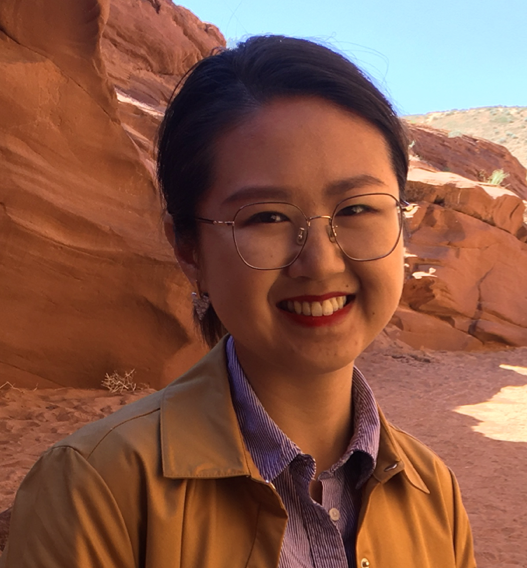
Boya Xiong is an Assistant Professor at the University of Minnesota in the Department of Civil, Environmental, and Geo-Engineering . Her research bridges polymer science , environmental chemistry , and membrane material science to address global environmental challenges. Research Interests: Elucidating polymer degradation mechanisms under environmental stressors Designing nature-inspired antimicrobial membranes Advancing plastic circularity and waste management Mitigating biofouling and pathogenic contamination Assessing environmental fate of industrial polymers Developing sustainable resource recovery systems Recent Publications analyze polymer behavior in hydraulic fracturing, plastic degradation pathways, and biofouling solutions, with keywords spanning polymer chemistry , environmental toxicology , and membrane technology . Scientific Awards: NSF CAREER award (2025) McKnight Land-Grant Professorship (2025) 40 Under 40 (2024) Young Engineer of the Year (2023) NSF ACADEME fellow (2018) Mentorship includes advising current PhD students (Phoebe Keyes, Ehsanur Rahman), alumni (Tariq Bastawisy, Rebeca Loss), and interdisciplinary teams focused on environmental sustainability.
Allen Burton is a Professor at the University of Michigan's School for Environment and Sustainability and Department of Earth & Environmental Sciences . He holds an Honorary Doctorate from the University of Roskilde (Denmark) and serves as Editor-in-Chief of Environmental Toxicology & Chemistry . His research spans global ecosystems, with Visiting Scientist roles in China, Denmark, Italy, New Zealand, and Portugal. Education: PhD in Environmental Science (Aquatic Toxicology), University of Texas at Dallas MS in Environmental Science, University of Texas at Dallas MS in Microbiology, Auburn University BS in Biology and Chemistry, Ouachita Baptist University Dr. Burton's research focuses on chemical bioavailability , stressor causality in aquatic systems , and ecological risk assessment . He develops innovative tools like the in situ Toxicity Identification Evaluation (iTIE) and DEEAR (Drifting Exposure and Effects Assessment Ring) for oil spill monitoring. His work addresses contaminants in freshwater/marine sediments, stormwater, and microplastics, with a strong interest in hyporheic zone dynamics and metal remediation . Key article trends include: Contaminant bioavailability in sediments Metal speciation and toxicity Microplastics as pollutant vectors Oil spill assessment technologies Groundwater-surface water interactions Multi-stressor impacts on ecosystems Scientific honors include: Honorary Doctorate, University of Roskilde Brage Golding Distinguished Professor of Research Fellow, Society of Environmental Toxicology & Chemistry Dr. Burton leads the Burton Lab , emphasizing interdisciplinary approaches to diagnose ecologically significant stressors in human-dominated ecosystems. His team investigates contaminants across urban, agricultural, and industrial landscapes, integrating chemical, biological, and hydrological data for ecosystem management.
Diego Rosso is a Professor in the Civil and Environmental Engineering Department at the Samueli School of Engineering, University of California, Irvine, with joint appointments in Chemical and Biomolecular Engineering, and Materials Science and Engineering. He serves as Director of the UCI WEX Center, focusing on environmental process engineering and sustainable water systems. Ph.D., Civil Engineering, UCLA (2005) M.S., Civil Engineering, UCLA (2003) Chemical Engineering Laureate, University of Padua (2002) His research emphasizes wastewater treatment, mass transfer mechanisms, and carbon/energy-footprint analysis. He explores innovative technologies like nanobiocomposites for heavy metal removal, hydrocyclone systems for microplastics separation, and decentralized water/wastewater infrastructure for urban sustainability. Recent publications analyze ARIMA forecasting for wastewater flow, SARS-CoV-2 surveillance in decentralized systems, and oxygen transfer optimization in biological processes. His work bridges environmental engineering with data-driven modeling and sustainable technology development. His laboratory, the Environmental Process Lab, investigates advanced treatment methods and resource recovery strategies. Contact: bidui@uci.edu | (949) 824-8661 | 844F Engineering Tower, UCI.
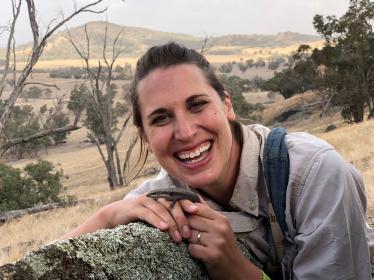
Dr. Julia Riley is an Assistant Professor in the Department of Biology at Mount Allison University. Her research focuses on amphibian and reptile behavior, evolution, and ecology, with a strong emphasis on conservation. She leads the Riley Integrative Ecology Lab, which investigates topics such as social behavior in lizards, developmental plasticity in reptiles, and the impacts of urbanization on species adaptation. Dr. Riley collaborates with institutions across Canada and globally, including Dalhousie University and the New Brunswick Museum. Her work integrates behavioral ecology, evolutionary biology, and conservation science, addressing questions like how environmental factors shape animal traits and how urbanization affects ecological interactions. She actively promotes conservation strategies, such as evaluating protective measures for turtle nests and mitigating road mortality for amphibians and reptiles. Research Themes: Amphibian/Reptile Conservation, Behavioral Ecology, Urban Ecology, Evolutionary Adaptation Key Collaborations: Dr. Joshua Baxter-Gilbert, Dr. Mike Whiting, Dr. Liese Schwanz Funding Partners: NSERC, New Brunswick Innovation Fund, Nature Conservancy of Canada Dr. Riley’s lab emphasizes interdisciplinary approaches, combining fieldwork with quantitative analysis. She mentors students in MSc/PhD programs through her adjunct appointments and prioritizes training in grant writing, field techniques, and ethical research practices.
Prof. Dr. Jana Seifert is a full professor in the Department of Functional Microbiology in Farm Animals at the University of Hohenheim, Germany. She leads the Functional Microbiology research group and serves as the Equal Opportunities Officer for the Faculty of Agricultural Sciences. Her work focuses on microbiome-animal interactions, particularly in livestock, and the functional roles of gut microbiota in nutrient utilization and metabolic processes. Education: Jana Seifert holds a PhD in Biology from the Technical University Bergakademie Freiberg, Germany, and completed postdoctoral research in geomicrobiology at the Helmholtz Center for Environmental Research (UFZ), Leipzig. She transitioned to agricultural microbiology as a junior professor (2013–2018) before assuming her current full professorship in 2019. Research interests include microbial community functionality, metaproteomics, and the application of molecular techniques to study microbial contributions to methane reduction in dairy cows, protein utilization in pigs, and host-microbiome interactions. Key projects include Methabreed (reducing methane emissions via breeding strategies) and WiMiQ (host-microbiome energy metabolism in dairy cows). Her recent publications emphasize metaproteomics, microbiome-driven biomarkers, and the impact of dietary interventions on microbial ecology. Collaborations span institutions like the Hebrew University of Jerusalem and the Friedrich-Loeffler-Institut (FLI), Braunschweig.
Andrew J Whelton is a Professor of Civil and Construction Engineering at Purdue University's College of Engineering, with concurrent appointments in Sustainability Engineering and Environmental Engineering. He serves as Director of the Healthy Plumbing Consortium and Lead for the Center for Plumbing Safety, focusing on water quality, chemical contamination, and public health in building plumbing systems. Professor, Civil and Construction Engineering Professor, Sustainability Engineering Professor, Environmental Engineering Director, Healthy Plumbing Consortium Lead, Center for Plumbing Safety His research spans environmental engineering and public health, with key themes including chemical contamination from plastic pipe degradation, post-disaster water system recovery, wildfire-related water quality impacts, and microbial risks in premise plumbing. Recent work addresses crises like the East Palestine chemical spill and Maui wildfires, while also developing predictive models for water quality and evaluating sustainable infrastructure materials. Scientific awards and recognitions include: Rapid Response Research (RAPID) Grants from NSF for disaster-related studies Environmental Protection Agency (EPA) support for building water quality programs Leadership in interdisciplinary consortia focused on plumbing safety Development of novel tools for water quality monitoring and remediation His publications reveal trends in: Chemical leaching from plastic piping materials Environmental justice in water contamination crises Integration of machine learning for water quality prediction Microbial ecology in stagnant plumbing systems Policy recommendations for disaster response Sustainable material innovation for infrastructure
Andrea Perna is an Assistant Professor at the IMT School for Advanced Studies in Lucca, Italy, with a background in theoretical biology and biophysics. Previously, he held a Senior Lecturer position at the University of Roehampton, UK, and conducted research across Europe and Australia. His work focuses on collective animal behavior, pattern formation in biological systems, and ecology, combining experimental, computational, and mathematical approaches. Education: Degree in Biological Sciences from Scuola Normale Superiore and University of Pisa (Italy), followed by a PhD in Psychophysics (neurobiology) from Scuola Normale Superiore, Pisa. Research Interests: Collective behavior in fish schooling, termite nest architecture, biophysical principles of animal group cohesion, and the interplay between individual behavior and ecosystem properties. Notable projects include modeling trail networks in ants and exploring how environmental factors influence nest construction in termites. Labs/Teams: Leads the Networks Unit at IMT School, collaborating with institutions like the Hawk Conservancy Trust and international researchers in ecology, mathematics, and physics. Active in mentoring PhD and post-doctoral researchers in complex systems and ecological modeling. Grants/Funding: Secured funding for post-doctoral positions studying termite nest evo-devo and collaborative projects on raptor flight mechanics.
Jennifer Weidhaas is an Associate Professor in the Department of Civil and Environmental Engineering at the University of Utah since 2016. She holds a PhD and MS in Civil and Environmental Engineering from the University of California-Davis, and a BS in Civil Engineering from Montana State University. A registered Professional Engineer, her research spans environmental microbiology, wastewater epidemiology, and sustainable water treatment technologies. Education: BS, Civil Engineering, Montana State University (1999) MS, Civil and Environmental Engineering, UC Davis (2002) PhD, Civil and Environmental Engineering, UC Davis (2006) Her research focuses on environmental microbiology , quantitative microbial risk assessment , and water treatment innovations , particularly for munition compounds and PFAS. She leads the E-Sure Research Lab, integrating biotechnology with civil engineering to address challenges in wastewater reuse, biosolid application, and contaminant fate. Her work on ion exchange systems and nanofiltration models has advanced sustainable treatment train design. Key findings from her publications include: Optimized ion exchange systems for NTO removal with 99% efficiency NSF CAREER-funded wastewater surveillance models for pathogen tracking Life cycle assessments showing 22% lower environmental impact with IX-AGR-ozone configurations Development of microbial degradation pathways for insensitive munition compounds Scientific recognition includes: Outstanding Mentor (2018, University of Utah) Multiple Teaching Excellence Awards (2015-2017) Best Paper Award (ASEE, 2017) NSF CAREER Award (2016) She actively engages in community outreach, training 80 K-12 teachers in engineering and organizing water quality testing events for Salt Lake City households. Her teaching portfolio includes graduate thesis supervision and undergraduate courses like Life Sciences in Engineering .
Maria Jose Soler Sempere serves as a Part-time Lecturer in the Department of Clinical Medicine at Miguel Hernandez University of Elche, specializing in Pulmonary Diseases within the Health Sciences category. Her teaching portfolio encompasses laboratory instruction for Integrated Workshops III, Internal Medicine Rotations I/II, and Respiratory System Pathology in the Medicine Bachelor's program, alongside General Pathology for Podiatry students. Her research concentrates on clinical pulmonology with emphases on COPD pathophysiology, asthma management complexities, pleural disease diagnostics, and pandemic-related respiratory impacts. Key investigations explore treatment adherence barriers including nocebo effects in inhaler therapy, novel biomarkers for effusion differentiation, and microplastic exposure from tobacco combustion. Publication trends reveal consistent clinical focus with evolving pandemic-era priorities: pre-2020 work centered on tuberculosis diagnostics and pleural biomarkers (C-reactive protein, cystatin C), while recent studies analyze COPD/asthma interactions with SARS-CoV-2, sarcopenia in exacerbations, and home management of pleural catheters. Her methodology favors observational clinical studies with biochemical and epidemiological analyses.
Dr. Thangavel Thevar is a Senior Lecturer in the School of Engineering at the University of Aberdeen, where he has been teaching since 2005. He completed both his undergraduate degree (First Class Honours in Electrical Engineering) and PhD (in Laser Engineering) at the University of Aberdeen in 1989 and 1993 respectively. Prior to his academic career, he accumulated approximately 10 years of industrial R&D experience in the USA, working on solid-state laser development and holographic applications. Dr. Thevar's research focuses on several key areas: Digital holography for imaging of marine plankton and micro-particles Laser Induced Breakdown Spectroscopy (LIBS) for subsea applications Laser-based instrumentation development Development of solid-state lasers for scientific, industrial, and medical applications Engineering applications of holography His most notable recent achievement is leading a team that developed the weeHoloCam, a state-of-the-art ultracompact underwater holographic camera for imaging microorganisms. Weighing just 3.5 kg, this system is the lightest and most compact of its kind, capable of imaging 240 ml/s and continuously recording up to 200,000 holograms. The system incorporates a rapid hologram processor and an AI-based image classifier. This technology has significant applications in marine studies including spatial and temporal monitoring of plankton species, monitoring harmful plankton & micro-jellyfish, study of vertical transport of floc, and monitoring microplastic pollution in the ocean. Dr. Thevar has secured numerous research grants as Principal Investigator, including projects funded by Sustainable Aquaculture Innovation Centre (SAIC), BBSRC, DEFRA, and Defence & Security Accelerator (DSTL). His current research portfolio demonstrates strong interdisciplinary connections between optical engineering, marine science, and environmental monitoring. His scientific contributions include: Royal Academy of Engineering Visiting Teaching Fellow Award (2010-2013) US patent 8,494,012 B2 for Raman converters Development of alexandrite lasers and ruby holographic lasers during his industrial R&D period Work on US government contracts for non-destructive inspection methods for military aircraft and the space shuttle Sabbatical work at NASA Langley Research Centre developing diode pumped Thulium YALO lasers As an educator, Dr. Thevar has served as Coordinator of MSc Oil & Gas Engineering (2007-2020), Undergraduate Level 1 Coordinator, and has contributed to various committees including Quality Assurance and Students' Progression. He currently teaches courses including Principles of Electronics, Electrical & Mechanical Systems, Control Systems, and supervises individual projects at both undergraduate and postgraduate levels. He is accepting PhD students interested in Engineering research. Dr. Thevar is actively involved in professional organizations, serving as Technical Programme Chair for IEEE/OES Oceans Conference 2007, on organizing committees for various conferences, as a committee member of the Instrument Science and Technology Group (Institute of Physics), and as a member of both IET and IEEE. He also serves as a reviewer for optics-based journals.
Dr. Kai Schulz is an Associate Professor in the School of Environment, Science and Engineering at Southern Cross University. He holds a PhD from the University of Bremen and focuses on ocean change impacts, mitigation strategies, and biogeochemical cycles. His research employs experimental, observational, and modeling approaches to address topics like carbon sequestration, coral bleaching, and ecosystem restoration. Education: MSc and PhD from the University of Bremen, Germany. Research grants include multiple awards from the Australian Research Council (ARC). Research Interests : Climate change impacts on marine ecosystems, ocean acidification, plankton physiology, and Ocean Alkalinity Enhancement (OAE) technologies. He explores how OAE affects carbon cycling, plankton communities, and sediment dynamics through projects like OAEPIIP. Publications highlight interdisciplinary work on carbon dioxide removal, coral resilience, and plastic pollution effects. Recent studies investigate OAE efficiency, Sargassum decomposition, and coral shading responses under thermal stress. Awards : Senior Researcher Award for Research Excellence (2022). Advising and grants: Supervises research students and leads ARC-funded projects on climate mitigation. Collaborates with global teams on OAE and coral reef metabolism studies. Labs/Teams: Affiliated with Southern Cross University's Environmental Analysis Laboratory and contributes to international initiatives like the Ocean Alk-Align project.
Matthew Leybourne is an Associate Professor in the Department of Geological Science and Geological Engineering at Queen's University, affiliated with the Faculty of Arts and Science. He holds a cross-appointment at the Arthur B. McDonald Canadian Astroparticle Physics Institute. His research focuses on geochemical and isotopic investigations of ancient and modern rocks, particularly developing analytical methods for ultra-low trace element concentrations. He leads projects at the Queen’s Facility for Isotope Research, including low-level trace material determinations for astroparticle physics applications. Education: PhD (1998) in Earth Sciences from the University of Ottawa; M.Sc. (1988) in Geology from Acadia University; B.Sc. (1985) in Geology from the University of Waikato. Research interests include ore deposit geochemistry, environmental geochemistry, and quality assurance in analytical methods. Key projects involve fluid geochemistry of ore deposits, marine hydrothermal systems, and isotopic tracers for astrophysics. His work bridges geology and physics, addressing questions about Earth’s early evolution and宇宙起源. Advising includes postdoctoral fellows focused on geochemical analysis and mineral exploration. He collaborates with the McDonald Institute on interdisciplinary projects combining geology with astroparticle detection. Affiliations include the Journal of Tethys, Canadian Geosciences Education Network, and the Society of Economic Geologists.