Prof. Laura Suter-Dick is a Professor and Team Leader of Cell Biology and In Vitro Toxicology at the University of Applied Sciences and Arts Northwestern Switzerland (FHNW), within the School of Life Sciences and the Institute for Chemistry and Bioanalytics. She also serves as Group Leader for Molecular Toxicology and Node Representative for the Swiss Competence Center for 3Rs (3RCC). Her research focuses on developing in vitro models for toxicology and disease modeling, emphasizing alternatives to animal experimentation. Key technologies include 3D cultures, microfluidic systems, bioprinting, and advanced imaging techniques. She teaches Cell Biology, bioassays, and Toxicology at the university level. Her work integrates cutting-edge methods like single-cell sequencing and functional assays to study substance efficacy and toxicity, particularly in brain medicine and drug discovery. Prof. Suter-Dick leads a team supervising bachelor, master, and PhD students in these areas. Her technical expertise spans liver fibrosis modeling, nephrotoxicity screening (e.g., NephroScreen platform), and blood-brain barrier systems. She collaborates on projects like the reduction-responsive enzyme immobilization and neurotoxicity assessment of organic solvents. Her lab employs advanced analytical tools, including flow cytometry and bioanalytical methods, to address translational challenges in toxicology and regenerative medicine. Prof. Suter-Dick advocates for the 3Rs (Replacement, Reduction, Refinement) in animal research and contributes to standardizing microphysiological systems for reproducibility. Her interdisciplinary approach bridges academic research with industry needs, particularly in developing fit-for-purpose in vitro models for regulatory and safety assessments.
Michael Daniele is an Associate Professor at North Carolina State University, jointly appointed in the Department of Electrical & Computer Engineering and the Joint Department of Biomedical Engineering . His research focuses on bioelectronics engineering, particularly in developing microsystems for monitoring, mimicking, and augmenting biological functions. He leads the @BiointerfaceLab , exploring wearable/implantable biosensors, microphysiological systems, and process analytical technologies for biomanufacturing. Education : Ph.D. in Materials Science & Engineering (Clemson University, 2012) Bachelor's in Materials Science & Engineering (Rutgers University, 2009) Research Highlights : Developing "injury-on-a-chip" models for coagulation studies Pioneering hydrogel microneedles for diagnostic devices Advancing light-controlled peptide ligands for protein purification Collaborating with Novartis on viral vector manufacturing Award Recognition : 2024 William F. Lane Outstanding Teaching Award 2019 NSF CAREER Award 2022 University Faculty Scholar Grants & Initiatives : Co-leader of the NC-Viral Vector Initiative (2023–present) NSF-funded projects in biosensor integration and biomanufacturing His work bridges engineering and medicine, with applications in gene therapy, wearable diagnostics, and precision agriculture.
Rebecca L. Carrier is a Distinguished Professor in the Department of Chemical Engineering at Northeastern University and affiliated faculty in Bioengineering and Biology. Her research focuses on biological systems-material interactions, spanning intestinal tissue engineering, retinal regenerative medicine, and oral drug delivery. Education: PhD in Chemical Engineering from MIT (2000), BS from Rensselaer Polytechnic Institute (1995) Research Interests: Carrier’s work advances understanding of compound transport in biological systems and develops biomimetic biomaterials. Key areas include lipid impact on oral absorption, mucus barrier mechanics, and retinal/intestinal tissue engineering. The Advanced Drug Delivery Research Lab employs engineering principles to create disease models and therapeutic delivery systems. Publication Trends: Recent articles highlight interdisciplinary approaches to drug transport modeling, mucosal barrier engineering, and biomaterials for organoid culture. Studies integrate chemical engineering, microbiology, and biomedical applications. Scientific Awards: Fellow, Controlled Release Society (2024) Distinguished Faculty Award (2024) AIMBE Fellow (2018) Søren Buus Outstanding Research Award (2017) NSF CAREER Award (2008) Advising & Grants: Carrier advises PhD and capstone design students, including Ronak Ansaripour’s award-winning team. She secured NIH grants for lipid absorption studies and a Spark Fund award for algorithm-driven drug delivery optimization. Collaborations include research with University College Dublin (2024). Labs & Teams: The Advanced Drug Delivery Research Lab (ADDRES) investigates retinal cell transplantation, gut microbiome interactions, and mucosal barrier dynamics. Lab values emphasize diversity, anti-racism, and ethical scientific collaboration.
George M. Church is a Professor of Genetics at Harvard Medical School and affiliated with MIT, where he directs PersonalGenomes.org, providing open-access genomic, environmental and trait data. His laboratory focuses on transformative technologies for reading and writing 3D/4D biological structures with attention to ethics, safety, and equitable access. Church has co-initiated major scientific initiatives including the BRAIN Initiative (2011) and multiple Genome Projects (GP-Read-1984, GP-Write-2016, PGP-2005). Church's research spans multiple cutting-edge domains including genome engineering, synthetic biology, aging reversal, and space genetics. His lab pioneered foundational methods for direct genome sequencing, molecular multiplexing and barcoding in 1984, leading to the first genome sequence in 1994. His innovations contributed to nearly all next-generation DNA sequencing methods and companies. Current research directions include machine learning for protein engineering, tissue reprogramming, organoids, gene therapy, and in situ 3D DNA/RNA/protein imaging. His work bridges fundamental biology with therapeutic applications across diverse fields from Alzheimer's disease to de-extinction biology. Church's recent publications reveal a remarkable breadth of scientific inquiry, spanning from fundamental genome editing techniques to applications in aging research, neuroscience, and space biology. His work increasingly integrates artificial intelligence with biological systems, as seen in papers on machine-guided cell-fate engineering and automation of systematic reviews with large language models. His research maintains a strong translational focus, with numerous papers addressing therapeutic applications in cancer immunotherapy, gene therapy, and diagnostics. The consistent theme across his diverse publications is the development and application of transformative technologies to address fundamental biological questions and medical challenges. National Academy of Sciences (NAS) membership National Academy of Engineering (NAE) membership Franklin Bower Laureate for Achievement in Science Co-initiator of the BRAIN Initiative (2011) Director of multiple NIH Centers for Excellence in Genomic Science (2004-2020) Church directs numerous research centers including the NIH-CEGS, Personal Genome Project (PGP), Lipper Center for Computational Genetics, and Wyss Institute Synthetic Biology center. His laboratory has trained PhD students across multiple Harvard and MIT programs including Biophysics, BBS, Biomedical Informatics, ChemBio, Chemistry, SSQB, MCO, Virology, HST, EE/CS, Physics and Applied Math. His commercial impact is extensive through companies spanning medical diagnostics (Knome/PierianDx, Alacris, Nebula, Veritas) and synthetic biology/therapeutics (AbVitro/Juno, Gen9/enEvolv/Zymergen/Warpdrive/Gingko, Editas, Egenesis). Church also pioneered new privacy, biosafety, ELSI, environmental and biosecurity policies. The Church Lab operates across multiple research domains including molecular multiplexing, next-generation sequencing, nanopore technology, and genome engineering. The lab maintains strong connections with the Personal Genome Project, Wyss Institute, and multiple commercial ventures. Current research directions include the Spatial Atlas of Human Anatomy (SAHA), human skin rejuvenation via mRNA, and space genetics research through the Consortium for Space Genetics and BioAstra. The lab's mission focuses on transformative technologies for reading and writing 3D/4D structures at any scale, inspired by but not limited by biology.
Professor Christopher Goldring serves as Deputy Executive Dean of the Institute for Systems, Molecular and Integrative Biology at the University of Liverpool's Department of Pharmacology and Therapeutics. He co-directs the Human Liver Research Facility and the Joint Centre for Pharmacology and Therapeutics with XJTLU in Suzhou, China, while holding advisory roles with the MHRA Herbal Medicines Advisory Committee and MRC DiscoveryMedicineNorth doctoral training program. Goldring's research centers on translational drug safety , focusing on developing humanised biologically-relevant models for predicting adverse drug reactions. Key initiatives include: Leading UKRI's 3Dbionet project to enhance 3D in vitro liver models Establishing pipelines for human primary liver cells (>380 samples since 2011) Developing industry-adopted roadmaps for pharmaceutical safety assessment Creating precision-cut tissue slice models for drug metabolism studies Investigating cholangiocarcinoma genomics and targeted therapies Analysis of his 2020-2025 publications reveals three dominant trends: biomarker validation for drug-induced liver injury (DILI), physiological refinement of complex in vitro models (organoids, 3D cultures), and translational oncology focusing on biliary tract cancers. His work bridges academic research with pharmaceutical industry needs through twelve industry partnerships. Recognition includes: Fellow of the British Pharmacological Society Goldring supervises PhD research on stem cell-derived hepatocyte models, DILI biomarkers, and NRF2-mediated immune responses while securing major funding including: TransBioLine consortium (EU Commission, 2019-2025): $22M for translational biomarker development AMMF Charity projects (2017-2026): Cholangiocarcinoma immunosuppression studies NW Cancer Research (2023-2027): Uveal melanoma metastasis modeling MRC/BBSRC grants: Liver model reproducibility and physiological relevance He co-directs the Centre for Drug Safety Science and Human Liver Research Facility, leading teams that include pharmaceutical partners (Janssen, Pfizer, Merck) and international academic collaborators to establish standards for preclinical safety assessment.
Dr. Luiz E. Bertassoni is Professor at the Division of Oncological Sciences at Oregon Health & Science University's Knight Cancer Institute, where he serves as founding director of the Knight Cancer Precision Biofabrication Hub and co-section head for Discovery and Translational Oncology. He holds joint appointments in the Department of Biomedical Engineering, Cancer Early Detection Advanced Research (CEDAR) center, and OHSU School of Dentistry. Education D.D.S. (2007) Ph.D. in Biomaterials, University of Sydney (2012) Postdoctoral training: Harvard Medical School (2012-2013) Brigham and Women's Hospital (2012-2013) University of California, San Francisco (2007-2009) Research Focus Dr. Bertassoni leads multidisciplinary research in biofabrication technologies including 3D bioprinting, organs-on-chips, and regenerative medicine. His laboratory develops innovative approaches for creating vascularized tissue constructs, cancer models, and biomimetic materials with applications in precision oncology and tissue regeneration. Publication Trends Recent work demonstrates strong focus on vascularization techniques, advanced bioprinting methodologies, and microphysiological systems for bone and vascular tissue engineering. Publications consistently integrate nanotechnology, biomimetic design principles, and translational applications in cancer research. Honors Medical Research Foundation New Investigator Award Silver Family Faculty Innovation Award Recipient of over 30 national/international research awards Leadership Founded the Knight Cancer Precision Biofabrication Hub and co-founded two biotechnology companies. Leads multidisciplinary team developing biofabrication platforms for cancer research and regenerative applications. Editorial board member for 10 journals and reviewer for 60+ peer-reviewed publications.
Randolph Ashton is a Professor in the Department of Biomedical Engineering at the University of Wisconsin-Madison College of Engineering. He directs the Stem Cell Bioprocessing and Regenerative Biomaterials Laboratory, where his team engineers novel materials and methodologies for lineage-specific differentiation of human pluripotent stem cells. His interdisciplinary research bridges biomaterials science, stem cell biology, and tissue engineering to develop regenerative therapeutic strategies. His educational background includes: PhD (2007) from Rensselaer Polytechnic Institute BS (2002) from Hampton University Ashton's research focuses on neural and vascular tissue engineering , with specialization in regenerative therapies for the central nervous system. His laboratory employs microfabrication, molecular biology, recombinant protein engineering, and automated live-cell imaging to investigate cellular microenvironmental factors regulating stem cell fate. Current work emphasizes developing high-throughput screening methods and tissue-engineered scaffolds for generating complex tissue structures in vitro. His recent publications reveal a strong trajectory in neural organoid development, CNS vascularization, and microphysiological systems. The research demonstrates quantitative approaches to understanding stem cell differentiation, with applications spanning from fundamental developmental biology to clinical regenerative medicine. Key technological innovations include advanced microelectrode arrays and high-throughput screening platforms for neural tissue engineering. Notable awards include: 2023 AIMBE Fellowship 2020 WARF Innovation Award 2018 UW-Madison College of Engineering Equity & Diversity Award 2017 NSF CAREER Award 2016 Regenerative Medicine Workshop Young Investigator Award Ashton actively mentors graduate students through thesis research (BME 890, BME 990) and teaches core courses including Biological Interactions with Materials (BME 430). His laboratory operates as an interdisciplinary team bringing together engineering, biology, and materials science expertise to develop regenerative therapies, with current focus on central nervous system applications and expanding interests in vascular and muscular tissues. The Stem Cell Bioprocessing and Regenerative Biomaterials Laboratory maintains active collaborations across disciplines and continues to develop novel approaches for high-order tissue structure generation using human pluripotent stem cells. Current research directions include expanding into vascular and muscular tissue systems while refining quantitative methodologies for stem cell microenvironment characterization.
Remco Westerink is Associate Professor at Utrecht University's Faculty of Veterinary Medicine and head of the Neurotoxicology Research Group at the Institute for Risk Assessment Sciences (IRAS). His work focuses on cellular and molecular mechanisms of neurotoxicants in food, drugs, and environmental pollutants. Expertise Areas: In vitro toxicology, developmental neurotoxicology, neuropharmacology, microplastics, risk assessment of chemicals Techniques: Multi-electrode arrays, calcium imaging, PC12 cell models, human iPSC-derived neurons Research explores how pollutants like pesticides, flame retardants, and microplastics affect brain development, function, and degeneration through key projects including EU-funded initiatives (TUBE, ENDpoiNTs) and national collaborations. Recent articles highlight his team's work on neurotoxic effects of: Microplastics crossing blood-brain barrier Bisphenols and PFAS disrupting neuronal networks Insecticides altering calcium signaling Organophosphate flame retardants (TCP) linked to aerotoxic syndrome Designer drugs affecting neurotransmission Scientific Contributions: Editorial Board: NeuroToxicology , Toxicology in Vitro Keynote Speaker: 1st International Congress on Global Environmental Contamination (2014) Invited Talks: International Neurotoxicology Association meetings (2012-2017) Westerink leads research into advanced in vitro models to replace animal testing, including development of 48-well microelectrode array platforms and collaborations with Mimetas and RIVM for organ-on-a-chip technology.
Kyle P. Quinn is a Professor at the Department of Biomedical Engineering, College of Engineering, University of Arkansas. He leads a multidisciplinary research group developing quantitative biomarkers for non-invasive tissue diagnostics, with a focus on skin wound healing and aging. Education : Postdoctoral Fellow at Tufts University, Ph.D. from University of Pennsylvania, and B.S. from University of Wisconsin-Madison. Research Focus : Integrates biomedical optics, cell biology, biomechanics, and bioinformatics to create label-free diagnostic tools. Specializes in multiphoton microscopy, deep learning algorithms, and collagen microstructure analysis for chronic wound detection and skin aging studies. Article Trends : Recent work emphasizes AI-driven wound analysis, multiscale tissue modeling, metabolic imaging in skin and cancer, and engineering solutions for calcific valve disease. Scientific Awards Solomon R. Pollack Award for Graduate Bioengineering Research NIH Ruth L. Kirschstein Postdoctoral Fellowship NIH Pathway to Independence K99/R00 Award NIH R01 Grant NSF CAREER Award Grants : Externally funded by NIH (R00EB017723, R01AG056560, R01EB031032), Department of Defense (W81XWH-17-1-0194, W81XWH-17-C-0169), NSF (1846853), and Arkansas Biosciences Institute. Lab Information : The Quinn Lab recruits postdoctoral, graduate, and undergraduate researchers in biomedical optics, animal models, and data science. Lab facilities include advanced microscopy and computational tools for tissue analysis.
Nathan Sherer is a Professor in the Department of Medical Microbiology and Immunology at the University of Wisconsin–Madison, with affiliations in the Bacteriology Department and the UW Carbone Cancer Center. His research integrates live-cell imaging and biochemical approaches to study virus-host interactions, focusing on HIV-1, Hepatitis B virus (HBV), and Human Papillomavirus (HPV). Institution: University of Wisconsin–Madison School: School of Medicine and Public Health Department: Department of Medical Microbiology and Immunology Additional Affiliation: UW Carbone Cancer Center Nathan Sherer earned his BA in Biology from Grinnell College in 1997, followed by a PhD in Microbiology from Yale University in 2006. He completed postdoctoral training at King’s College London before establishing his independent research program at UW-Madison. Dr. Sherer's research centers on the molecular virology of retroviruses, particularly HIV-1. His lab investigates how viral particles assemble and spread through host cells, with a focus on the post-transcriptional journey of HIV-1 genomic RNAs (gRNAs) from the nucleus to the plasma membrane. They utilize cutting-edge live-cell fluorescence microscopy, genetic manipulations, and biochemical assays to dissect virus-host interactions. Key areas include viral RNA transport, ribosomal frameshifting, virological synapse formation, and the role of host proteins in viral replication. The lab has expanded its scope to include HBV and HPV, exploring mechanisms of genome packaging, capsid trafficking, and viral oncogenesis. The recent publications highlight a strong emphasis on imaging technologies, RNA biology, and host factor identification. Articles span super-resolution microscopy development, single-cell analysis of viral gene expression, and proteomic mapping of viral RNA interactomes. Collectively, the work reveals sophisticated strategies viruses use to hijack cellular machinery, offering insights for novel antiviral therapies. Dr. Sherer mentors a dynamic team of graduate students and postdoctoral researchers from programs such as Molecular and Cellular Pharmacology, Cancer Biology, and Cellular and Molecular Biology. His alumni have pursued successful careers in academia, biotechnology, and pharmaceutical research. While no specific scientific awards are listed, his consistent high-impact publications reflect significant contributions to virology. The lab also benefits from collaborative grants and institutional support, enabling advanced imaging and proteomic studies. Dr. Sherer leads an active research laboratory with ongoing projects in HIV-1, HBV, and HPV virology. The team employs a multidisciplinary approach, combining molecular biology, imaging, and biochemistry to understand viral replication mechanisms. Lab members include senior scientists, postdocs, and graduate students working on various aspects of viral assembly, RNA regulation, and host interactions.
Ying Chen serves as Research Assistant Professor in the Department of Biomedical Engineering within Tufts University's School of Engineering. Her laboratory develops advanced 3D in vitro tissue models of human intestine using silk scaffolds and intestinal organoids to mimic native structure and function. Ph.D. in Biomedical Science and Engineering, University of Maine (2013) M.S. in Environmental Toxicology, Xiamen University (2007) B.S. in Environmental Science, Fujian Normal University (2004) Her research focuses on tissue engineering and regenerative medicine , specifically creating human intestinal models that maintain mucus layers and oxygen gradients. These models enable studies of inflammatory bowel disease, drug delivery mechanisms, nanotoxicity effects, and microbial infections. Her work bridges biomaterials science , organoid technology , and translational medicine , with recent publications emphasizing silk-based protective coatings and cultivated meat applications. Analysis of her publication record (2022-2026) reveals strong emphasis on silk protein biomaterials for cellular protection and tissue modeling, with growing applications in sustainable food technology. Key thematic areas include intestinal disease modeling (32% of recent work), silk-based cell encapsulation (28%), and novel imaging techniques for engineered tissues (15%). Dr. Chen actively secures competitive research funding, including a National Science Foundation grant for 'Dynamic protein-based biomaterial designs for bionic coatings' (2021-2024) and industry collaboration with Sofregen Medical Inc. Her teaching portfolio consistently features 'Tissue Engineering Research Lab' courses since 2019, training students in advanced biomaterial techniques. Her laboratory maintains two key patents: 'Innervated artificial intestine compositions' (2017) and 'Microphysiologic methods and compositions' (2014), demonstrating translational impact beyond academic publications.
Dr. Juan S. Gnecco serves as Assistant Professor in the Department of Biomedical Engineering at Tufts University School of Engineering, holding concurrent appointments as Graduate Biomedical Sciences Member in Genetics, Molecular and Cellular Biology and Associate Principal Investigator at Tufts Medical Center's Mother Infant Research Institute. His laboratory bridges tissue engineering and reproductive biology to address women's health inequities through innovative engineering approaches. Dr. Gnecco's research focuses on three interconnected domains: Tissue engineering and organoid systems for modeling the human endometrium using synthetic hydrogels that replace Matrigel, enabling fully defined studies of hormone-mediated processes Tissue clearing and 3D pathology techniques to visualize endometriotic lesion architecture in unprecedented detail Disease modeling of endometriosis as an estrogen-dependent, progesterone-resistant condition affecting over 10% of women, characterized by debilitating pelvic pain and infertility His work has established critical tools for deciphering immune-endocrine mechanisms in reproductive physiology and disease pathogenesis. Dr. Gnecco's publication record demonstrates consistent advancement in modeling the female reproductive tract, with recent work emphasizing biophysical microenvironment effects on endometrial cell behavior, synthetic matrix development for organoid culture, and molecular characterization of endometriosis. His research trajectory shows deepening focus on translational applications of engineering approaches to endometriosis pathology. Recognition includes: Multiple Gates Foundation funding rounds (2018-present) for phenotypic screening models of the female reproductive tract Rising Star in Engineering and Health by Columbia University (2020) Invited presentations at Society for Reproductive Investigation and Gates Foundation Consortium Editorial board membership for Frontiers in Reproductive Health As Principal Investigator of the Laboratory of Reproductive Engineering, Dr. Gnecco leads interdisciplinary efforts to identify novel therapeutic targets for endometriotic diseases through physiomimetic model systems. His educational background includes a PhD in Cellular and Molecular Pathology from Vanderbilt University Medical Center (2018) and BS in Biotechnology from Rutgers University.
Prof. Ben Maoz is a Professor at the Department of Bio-Medical Engineering , The Iby and Aladar Fleischman Faculty of Engineering , Tel Aviv University . He directs the MaozLab, which pioneers interdisciplinary research in neuroengineering, microphysiological systems, and nanoscale therapeutic delivery. His lab integrates engineering principles with neuroscience to model human diseases and develop translational technologies. Research Focus Prof. Maoz's research spans: Organ-on-Chip Platforms : Developing modular microfluidic systems (e.g., neurovascular units, PNS-CNS models) for disease modeling and drug screening. Nanoneuroengineering : Designing brain-targeted nanocarriers (liposomes, dendriplexes) for siRNA and antibody delivery in neurodegenerative disorders like Parkinson's. Medical Devices : Creating implantable sensors, nanogenerators for sensory restoration, and tools for traumatic brain injury analysis. Cellular Mechanobiology : Investigating biomechanical forces in tissues using magnetoresponsive hydrogels and 3D cultures. Publication Trends His recent work (2023-2025) emphasizes: Advanced drug delivery systems for neurological applications (e.g., siRNA to neurons, alpha-synuclein-targeting antibodies). Innovative organ-on-chip platforms for studying cancer metastasis, viral entry, and neuro-immune interactions. Biomaterials and nanotechnologies addressing sensory restoration, cellular contractility, and super-resolution imaging. Laboratory & Collaborations The MaozLab employs microfabrication, molecular biology, and in vitro modeling to tackle challenges in brain health, with collaborations spanning oncology, virology, and gastroenterology.
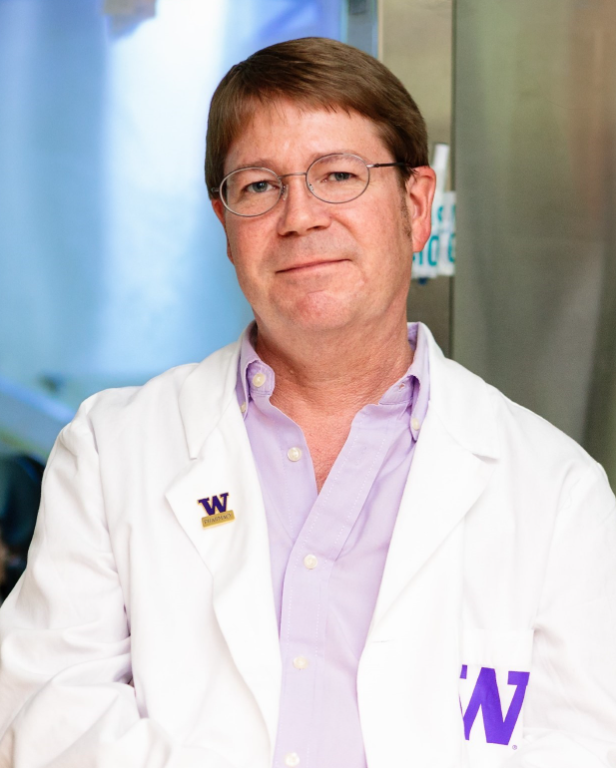
Edward Kelly is a Professor and Adjunct Professor at the University of Washington , affiliated with the School of Pharmacy and the Department of Pharmaceutics , as well as the Environmental & Occupational Health Sciences . He is the Co-Director of the Pharmaceutical Bioengineering Program and leads the Kelly Lab , which focuses on microphysiological systems (organs-on-chips) for preclinical toxicology and drug metabolism research. Education : BS, MS, and PhD in Biochemistry from UC Riverside and the University of Washington. His research interests center on ex vivo modeling of human organ physiology and toxicological responses to drugs and xenobiotics, with a focus on liver and kidney ADME organs . His lab is pioneering the use of organs-on-chips to replace animal testing (the 3 Rs) and study disease models and microgravity effects on the International Space Station. His publications highlight the application of microphysiological systems in nephrotoxicity , drug metabolism , and multi-organ coupling . Key themes include toxicology , translational research , and biomedical engineering for preclinical models . Edward Kelly teaches courses such as Biotechnology and Biopharmaceuticals , Drug Disposition Science , and Pharmacokinetics . His lab actively accepts students , and he collaborates with institutions like the Comparative Health Outcomes, Policy, and Economics (CHOICE) Institute and the Program on Pharmacokinetics of Drugs of Abuse during Pregnancy (UWPKDAP) .
Giorgio Stassi serves as a Professor in the Department of Surgical and Oncological Disciplines at the School of Medicine and Surgery , University of Palermo . His research focuses on cancer stem cells (CSCs) across colorectal, breast, and thyroid malignancies, with emphasis on microenvironment interactions and therapy resistance mechanisms. Office hours are held weekly at the Laboratory of Cellular and Molecular Pathophysiology in Palermo. His research interests include: Precision Medicine applications in CSC-targeted therapies Immunological profiling of tumor microenvironments Epigenetic and metabolic drivers of chemoresistance Bioinformatic analysis of CSC phenotypes Drug repurposing for CSC eradication Recent publications demonstrate a clear trend toward computational oncology and immunomicroenvironment engineering , with notable work on tumor-on-chip systems, NGS-based prognostics, and macrophage-CSC crosstalk. Key journals include Magazine article and Review essay formats addressing clinical translation of laboratory findings. No scientific awards were documented in the provided materials. His supervisory activities include thesis guidance ("Tesi curate") and Erasmus program coordination, though specific students and projects aren't listed. Research is conducted primarily at the Laboratory of Cellular and Molecular Pathophysiology , with institutional support from the ATeN Center and ASCENT Advanced Studies Centre.