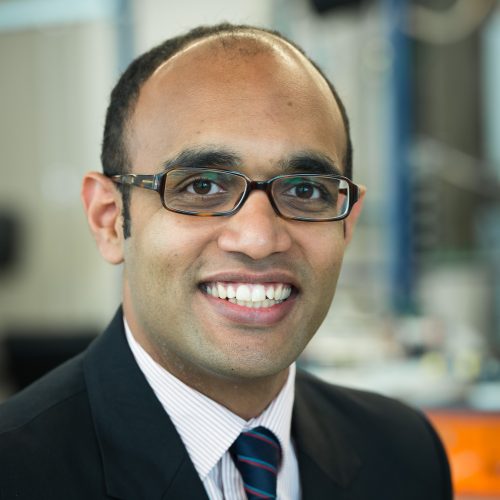
Vikramaditya G. Yadav is an Associate Professor at the University of British Columbia (UBC) in the Department of Chemical and Biological Engineering, Faculty of Applied Science. He directs the Master of Engineering Leadership (MEL) Program in Sustainable Process Engineering and leads the BioFoundry research group. Education: B.A.Sc., University of Waterloo (2007) Ph.D., Massachusetts Institute of Technology (2013) Postdoctoral Associate, Harvard University (2014) His research spans sustainable chemical manufacturing, metabolic engineering, and biotechnology. Key areas include: Designing biosynthetic enzymes for biomass valorization Developing bioremediation strategies for industrial water quality Creating innovative drug delivery systems and tissue engineering solutions Advancing synthetic biology for pharmaceutical and bioenergy applications His recent work focuses on ocular drug delivery, cannabinoid biosynthesis in E. coli, lignin-based nanoparticles for cancer therapy, and computational analysis of plant secondary metabolites. Collaborations with start-ups, industry, and medical labs drive innovation in Canada's bioeconomy. Professional Leadership: Chair, Biotechnology Division of the Chemical Institute of Canada Associate Editor, The Canadian Journal of Chemical Engineering He is affiliated with UBC's BioProducts Institute and contributes to project-based learning pedagogy.
Pedro Fardim is a Professor at the KU Leuven , affiliated with the Faculty of Engineering Sciences, Department of Chemical Engineering , and leads the Chemical and Biochemical Reactor Technology and Safety (CREaS) division. He also serves as President of EPNOE (European Polysaccharide Network of Excellence) and is a member of multiple institutes including KU Leuven Brain Institute (LBI) , Institute for Single Cell Omics (LISCO) , and Institute for Micro- and Nano-scale Integration (LIMNI) . PhD in Chemistry, State University of Campinas (UNICAMP), Brazil Habilitation in Chemical Engineering, Åbo Akademi University, Finland Pedro’s research focuses on topochemical engineering —mimicking natural bioassembly processes in trees and microorganisms to create sustainable materials and biofabrication technologies . His work spans drug delivery , regenerative medicine , biopolymer engineering , and green chemistry , with applications in pharmaceuticals , cosmetics , and energy . Recent projects include hydrogels for wearable sensors , biohybrid materials for bone tissue engineering , and lignin valorization using hydrotropic solvents. His scientific awards include Fellowships from the Royal Society of Chemistry and the International Academy of Wood Science , along with membership in the American Chemical Society . He teaches Chemical Engineering for Human Health , Biochemical Process Engineering , and Biopolymer-based Sustainable Technologies .
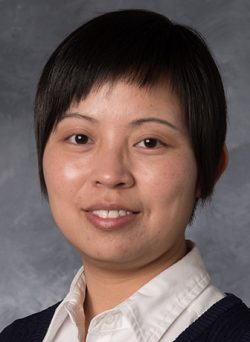
Susie Dai is a Professor in the Department of Chemical and Biomedical Engineering at the University of Missouri, with a laboratory located at the Bond Life Sciences Center. Her research bridges chemistry, biology, and engineering to address critical environmental and sustainability challenges. Education: PhD in Chemistry from Duke University; Certificate in Biomedical Engineering from Duke University; Certificate in Regulatory Science from Texas A&M University; BS in Chemistry from Fudan University Dr. Dai specializes in biological and material engineering, carbon waste conversion, contaminant remediation, and synthetic biology. She is developing RAPIMER, a lignin-based fungal scaffold for PFAS removal, and pioneering electro-microbial systems to convert CO2 into bioplastics and biofuels. Her work focuses on scalable, sustainable solutions for environmental pollutants and carbon utilization. Recent research trends include creating biomimetic materials for sustainable packaging, optimizing lignocellulosic biorefineries, and designing lignin-derived photocatalysts. She leads projects funded by Tito's Handmade Vodka's philanthropic arm for PFAS remediation and collaborates with the NSF Engineering Research Center CURB at Washington University in St. Louis. At Mizzou, Dai integrates engineering and life sciences, leveraging both Mizzou Engineering and Bond Life Sciences Center's resources. Her interdisciplinary approach combines electrochemistry, microbial engineering, and social impact analysis to advance circular bioeconomy solutions.
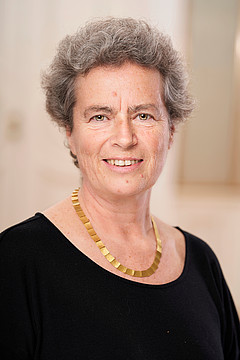
Prof. Ellen Kandeler is a leading academic in soil biology and microbial ecology at the University of Hohenheim , heading the Department of Soil Biology within the Institute of Soil Science and Site Science. Her work focuses on microbial interactions, soil organic matter dynamics, and the impacts of land use and climate change on soil systems. She actively contributes to interdisciplinary projects funded by the German Research Foundation (DFG), including studies on mineral-organic matter associations, pesticide degradation, and agroecosystem resilience. Research interests include rhizosphere dynamics, biogeochemical cycles, and the ecological functions of soil microorganisms, with applications in sustainable agriculture and environmental protection. She is also involved in institutional roles as a Deputy Ombudsperson for Scientific Integrity and member of committees overseeing large-scale research infrastructure. Her recent publications emphasize climate-soil feedbacks, microbial community assembly, and the biodegradation of agrochemicals. Projects like the DFG-FOR 1695 on agricultural landscapes under climate change highlight her commitment to addressing global environmental challenges through soil science. Prof. Kandeler’s work bridges fundamental and applied research, with a focus on translating soil microbial processes into strategies for sustainable land management and mitigating anthropogenic impacts on soil health.
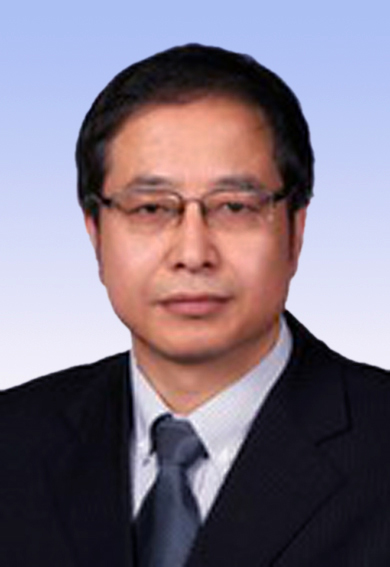
Professor Mou Bozhong is a full Professor and Doctoral Supervisor at the School of Chemistry and Molecular Engineering, East China University of Science and Technology (ECUST) . He serves as Director of the Engineering Research Center for Biorecovery, Ministry of Education and heads the Institute of Applied Chemistry . Recognized as a Foreign Academician of the Russian Academy of Engineering , he also sits on the editorial boards of five leading journals and is a member of key professional committees of the Chinese Chemical Society and Chinese Society of Microbiology. Education & Career Path B.Sc. (1982), Chengdu University of Technology M.Sc. (1989), China Coal Research Institute (Xi’an) – Geodrilling Fluid Chemistry Laboratory Ph.D. (1998), Southwest Petroleum University – Applied Chemistry/Interfacial Chemistry Postdoctoral Research (1998–2000), Ocean University of Qingdao Visiting Scholar, University of Wyoming, USA – Microbial Enhanced Oil Recovery (MEOR) Joined ECUST as Full Professor (January 2001–present) Research Interests Professor Mu’s interdisciplinary research integrates microbiology, interfacial chemistry, and petroleum engineering . He investigates microbial life in extreme reservoir environments , focusing on: Structure and function of biosurfactants and bio-based surfactants Anaerobic biodegradation pathways of petroleum hydrocarbons and associated biomarkers Microbial community dynamics in high-temperature, high-pressure reservoirs CO₂ biotransformation and biofixation by reservoir microorganisms for CCUS applications Microbially influenced corrosion (MIC) and mitigation strategies in oilfield systems Publication & Patent Trends His 200+ SCI-indexed articles and 50+ invention patents (32 authorized) reveal a trajectory from fundamental molecular simulation of lipopeptide surfactants to large-scale field demonstrations of MEOR and CO₂-EOR technologies. Notable themes include in-situ microbial community engineering, metabolic pathway reconstruction via multi-omics, and development of eco-friendly surfactants for enhanced energy recovery . Scientific Awards & Honors Foreign Academician, Russian Academy of Engineering Second Prize, National Science and Technology Progress Award (2010) First Prize, Shanghai Science and Technology Progress Award (2008) First Prize, China Industry-University-Research Cooperation Innovation Achievement Award Baosteel Outstanding Teacher Award National Teaching Achievement Award (Second Prize) Enjoys Special Government Allowance from the State Council Member, 11th & 12th Shanghai CPPCC Teaching & Mentoring Professor Mu delivers core undergraduate courses in Physical Chemistry and graduate courses in Biophysical Chemistry and Energy Biotechnology . He pioneered the nation’s first bilingual Physical Chemistry demonstration course and mentors students in chemistry, microbiology, and bioengineering, actively recruiting Ph.D. and Master’s candidates. Laboratory & Teams His laboratories (Room 225, Laboratory Building 3) house the Engineering Research Center for Microbial Enhanced Oil Recovery , equipped for molecular microbiology, interfacial chemistry, and pilot-scale bioprocess testing. The group collaborates with PetroChina, SINOPEC, and international partners to translate fundamental discoveries into field applications.
Katja Bühler is a Professor at the Technical University of Dresden and Co-Head of the Department of Microbial Biotechnology at the Helmholtz Centre for Environmental Research (UFZ) in Leipzig, Germany. She leads the Working Group on Catalytic Biofilms and holds a joint professorship focused on the 'Technology of Productive Biofilms'. Her research spans microbial biotechnology, cyanobacterial systems, and sustainable bioprocess engineering. She is actively involved in national scientific councils, including the Saxon Academy of Sciences and the German National Hydrogen Council (2021–2023), and chaired the UFZ Scientific and Technical Council from 2019 to 2025. Her research interests center on developing alternative biotechnological reactor concepts using in vitro and in vivo approaches, particularly involving cyanobacteria and catalytic biofilms. She investigates biofilm physiology, photobioreactor design, and metabolic engineering for sustainable chemical and hydrogen production. Her work integrates systems biology, biocatalysis, and environmental biotechnology to advance green industrial processes. The recent publications highlight a strong focus on cyanobacterial biofilms, capillary photobioreactors, and net-zero biotechnologies. Key themes include hydrogen production, biofilm scaling, metabolic engineering of Synechocystis , and sustainable feedstock utilization. These works reflect a trajectory toward environmentally sustainable bioprocesses and carbon-neutral technologies. Katja Bühler has no listed scientific awards in the provided text, but her editorial roles and leadership positions indicate significant recognition in her field. She mentors students through PhD programs such as FATE and CLEANER and collaborates extensively with researchers like Bruno Bühler, Andreas Schmid, and Falk Harnisch. Her projects often involve interdisciplinary teams and joint publications across institutions. She leads the Working Group Catalytic Biofilms at UFZ, which focuses on developing high-performance biofilm-based biocatalytic systems for industrial applications. The group explores reactor design, microbial physiology, and metabolic engineering to optimize productivity and sustainability.
Thorsten Stumpf is a Professor and Director of the Institute of Resource Ecology at Helmholtz-Zentrum Dresden-Rossendorf (HZDR), with a joint professorship in Radiochemistry/Radioecology at Technische Universität Dresden. His work bridges fundamental chemistry and environmental safety in nuclear waste management. Research Interests: His research focuses on the molecular-level understanding of actinide and radionuclide behavior in the environment, including speciation, migration, and interaction with minerals, organic matter, and microorganisms. Key areas include radiochemistry, geochemistry, environmental chemistry, and nuclear waste disposal science. The recent publications reflect a strong trend in using advanced spectroscopic and synchrotron techniques (e.g., TRLFS, EXAFS, XRD) to study actinide speciation and redox behavior. Themes include bioassociation of radionuclides with plants and fungi, formation of actinide nanoparticles, and molecular interactions at mineral-water interfaces—critical for deep geological repository safety assessments. Scientific Awards: Fritz-Straßmann-Preis of the GDCh 'Fachgruppe Nuklearchemie' (2013) Advising and Grants: He has led significant research initiatives, including the Helmholtz-University Young Investigator Group and the Virtual Institute 'Advanced Solid – Aqueous Radiogeochemistry'. While specific students are not listed, his extensive publication record with multiple co-authors suggests active mentoring. His work is supported by Helmholtz Association funding and strategic collaborations. Labs and Teams: He leads the Institute of Resource Ecology at HZDR, which houses advanced laboratories for radiochemistry, spectroscopy, and environmental simulation. The institute is part of a larger network including CASUS and the Dresden High Magnetic Field Laboratory, enabling interdisciplinary research.
Matthew C. Posewitz is a Professor in the Department of Chemistry at Colorado School of Mines. His research focuses on bioenergy production from microalgae, particularly hydrogen, lipids, and starch metabolism, with applications in sustainable fuel technologies. Education: BA in Chemistry from Willamette University, PhD from Dartmouth College, Postdoctoral Study at University of Utah His work explores: Hydrogenase enzymes for biohydrogen production Starch and lipid metabolic pathways in algae ‘Omic’ approaches to algal metabolism Saline-adapted phototrophs CRISPR/Cas9 genome editing in marine microalgae Metabolic flux regulation for bioenergy applications The 15 most recent publications highlight advancements in CRISPR-based strain engineering, pigment modulation, algal productivity optimization, and co-culture systems for bioenergy. Key keywords include Biotechnology , Photosynthesis , Genetic Engineering , and Biochemical Metabolism .
Dr. Yasemin Dilşad Yılmazel is an Associate Professor in the Department of Environmental Engineering at Middle East Technical University (METU) in Ankara, Turkey, with a concurrent position as Assistant Professor at Rochester Institute of Technology. She earned her PhD from Villanova University in 2014 and has built a distinguished career in environmental biotechnology. Her educational background includes: Ph.D. in Civil and Environmental Engineering from Villanova University (2014) M.S. in Environmental Engineering from Middle East Technical University (2009) Dual B.S. degrees in Chemical Engineering and Environmental Engineering from Middle East Technical University (2007-2008) Dr. Yılmazel's research focuses on developing innovative bioprocesses that integrate anaerobic digestion with bioelectrochemical systems for sustainable wastewater management and bioenergy production. Her work with hyperthermophilic microorganisms represents a unique niche in the field, as these high-temperature processes offer advantages over conventional mesophilic systems. She investigates microbial electrochemical processes, biohydrogen production, environmental microbiology, and nutrient recovery from waste streams. Her laboratory work spans from fundamental microbial studies to applied engineering solutions for real-world environmental challenges. Her publication record demonstrates consistent contributions to the fields of bioelectrochemical systems and anaerobic digestion, with a particular emphasis on utilizing hyperthermophilic microorganisms for enhanced biohydrogen and biomethane production. Recent publications focus on carbon-based conductive materials for enhancing biomethane recovery, nutrient recovery through struvite precipitation, and the role of electroactive microorganisms in anaerobic processes. Her scientific achievements have been recognized through several awards: Grant Writer's Boot Camp, Rochester Institute of Technology University (2017) Honorable Mention, Link Foundation Energy Fellowship (2012) A&WMA Graduate Student Scholarship (2010) M.Sc. Scholarship from TÜBİTAK (2007-2009) First-ranking Graduate in Environmental Engineering at METU (2007) Dr. Yılmazel actively mentors a diverse group of students, including PhD candidates, MSc students, and undergraduates. Her research group BIOERG has secured substantial funding from organizations including TÜBİTAK, METU, and international partners. Current projects focus on utilizing electrostatically flocked electrodes for hydrogen and methane production, enhanced biohydrogen production from agro-industry wastes, and sustainable urbanization through innovative technologies. She also serves as a board member at METU's Climate Center, contributing to national sustainability initiatives. Her laboratory, the Bioprocess Engineering Research Group (BIOERG), conducts cutting-edge research on bioenergy systems, with particular expertise in integrating anaerobic digestion and bioelectrochemical systems for more efficient methane production from agro-wastes. The group investigates the utilization of hyperthermophilic microorganisms for biohydrogen production and studies the role of direct interspecies electron transfer in anaerobic processes.
Dr. Satinder Kaur Brar is a Professor and James and Joanne Love Chair in Environmental Engineering at York University's Department of Civil Engineering. She leads the Inzymes Group and directs the One WATER Institute, focusing on interdisciplinary water sustainability research. Her work emphasizes value-added waste processing, emerging contaminant remediation, and innovative treatment technologies. She has attracted over $15 million in funding and trained 80 highly qualified personnel. Notable contributions include enzyme-based bioremediation, valorization of agricultural residues, and green oxidation methods for contaminants like microplastics and pharmaceuticals. Her research impacts global policies and industry collaborations. Dr. Brar's research interests span bioproduct development from wastewater, fate of emerging contaminants, and interdisciplinary water solutions. She pioneered the Enzyme Booster Technology for oil remediation and enzyme production from cold-active microbes. Collaborations with Quebec municipalities, TechnoRem Inc., and H2O Innovation highlight her applied research focus. Her awards include induction into the European Academy of Sciences and Arts (2021), the WEF Eddy Medal (2019), and multiple ASCE accolades. Over 400 peer-reviewed articles, 8 patents, and 15 edited books reflect her prolific output. The One WATER Institute, under her leadership, addresses global water challenges through collaborative initiatives like the UN Global Water Academy. Key grants and partnerships include funding from NSERC, industry collaborators like Lassonde Inc., and government bodies. Her lab’s work on crude glycerol-to-biofuel conversion and antibiotic-metal complex toxicity further underscores her innovation in sustainable biotechnology.
Matilda Backholm is an Assistant Professor in the Department of Applied Physics at Aalto University, specializing in soft matter physics, fluid dynamics, and surface science. Her research focuses on fundamental interactions between liquids and structured surfaces, with applications in materials science and biophysics. Her primary research areas include soft matter mechanics, droplet dynamics on superhydrophobic surfaces, wetting phenomena across multiple scales, and the biophysics of cellular systems. She investigates how surface topography and chemical properties govern liquid behavior at micro/nanoscales, with particular emphasis on friction reduction, droplet mobility, and immune cell mechanics. Her work bridges experimental physics with practical applications in microfluidics, nanomedicine, and advanced materials. Analysis of her recent publications (2017-2025) reveals consistent focus on interfacial phenomena, with major themes including: superhydrophobic surface engineering, ferrofluid manipulation, viscosity effects in confined systems, and mechanical properties of biological aggregates. Her research demonstrates sophisticated experimental techniques combined with theoretical modeling to address fundamental questions in fluid-surface interactions. She has received significant recognition including: Academy of Finland Postdoctoral Grant (2017) Ruth and Nils-Erik Stenbäck Prize for career accomplishments (2017) Finnish Academy of Science and Letters Väisälä Starting Grant (2023) Jane and Aatos Erkko Foundation grant (2023) Research Council of Finland Research Fellowship (2023) ERC Starting Grant (2023) Dr. Backholm leads the “Living, Fluid, & Soft Matter” research group and has secured substantial funding including multiple personal grants from Finnish national bodies and European competitive programs. Her collaborative work spans physics, materials science, and biomedical engineering, with publications in high-impact journals such as Nature Materials, PNAS, and Science Advances. Her laboratory develops advanced experimental platforms for studying liquid-solid interactions at micro/nanoscales, including custom micropipette force sensors and high-precision droplet manipulation systems. Current research directions integrate magnetic field control with soft matter systems and explore biological implications of surface physics.
Professor Daniel Cha holds a faculty position in the Department of Civil and Environmental Engineering at the University of Delaware. He earned his Ph.D. from the University of California, Berkeley, followed by a Master's from the University of British Columbia and a Bachelor's from McGill University. His academic and industrial career spans over three decades with expertise in environmental biological processes, microbial community dynamics, and sustainable waste management solutions. Dr. Cha has worked as a consulting engineer and held roles at the Sacramento Regional Wastewater Treatment Plant. His research focuses on microbial-driven systems, including energy/fertilizer recovery from food waste, biocomposite material synthesis from wastewater microorganisms, and genomic analysis of mixed culture microbial communities. Key areas also include zerovalent iron-based water treatment technologies, sulfate reduction for acid mine drainage mitigation, and innovative fecal sludge management systems in urban contexts. Notable projects include field demonstrations of breathable membrane toilets in India and pilot-scale bioretention systems integrating biochar. His work bridges environmental chemistry with engineering solutions, addressing contaminants like perchlorate, energetic compounds, and heavy metals in industrial wastewater. Publications span advanced oxidation processes, microbial ecology, and novel membrane technologies. While no formal awards are listed, his extensive patent portfolio includes systems for treating energetic compound wastewaters and biodegradation enhancement methods. His lab collaborates on projects involving both academic and industrial partners, emphasizing scalable environmental engineering solutions.
Prof. Keikhosro Karimi is a Professor in the Department of Bio-engineering Sciences at Vrije Universiteit Brussel. His research focuses on sustainable biorefinery systems, waste valorization, and biofuel production. Key areas include biomass pretreatment, bioenergy optimization, and circular economy strategies for industrial and agricultural residues. Research Projects STEP-Chem (2025–2029): Technological strategies for a sustainable chemical industry. IPSU 2024: Smart biorefinery concepts for municipal biowaste valorization in Europe. Research Interests Prof. Karimi’s work integrates advanced pretreatment technologies, machine learning optimization, and life cycle assessment to address sustainability challenges in bioenergy systems. He explores innovative approaches for converting lignocellulosic biomass, marine macroalgae, and food industry byproducts into biofuels, biochemicals, and high-value materials. Recent Contributions Recent studies highlight breakthroughs in ultrasound-assisted biomass processing , fish waste biorefining , and blockchain-enabled food waste management . His work emphasizes scalability, economic viability, and environmental impact mitigation in bioprocess design. Grants & Collaborations Active collaborations include EU-funded initiatives and industry partnerships focused on bio-based economies. Ongoing projects aim to harmonize technological, socio-economic, and environmental dimensions of sustainable chemical production.
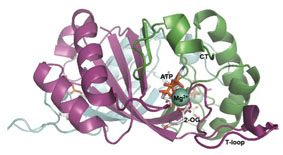
Karl Forchhammer is a full Professor at the University of Tübingen , chairing the Department of Microbiology/Organismic Interactions within the Interfaculty Institute of Microbiology and Infection Medicine Tübingen (IMIT) . He received his education at Ludwig-Maximilians-Universität München, earning a Doctorate in Microbiology with a thesis on selenocysteine biosynthesis in Escherichia coli , for which he received the VAAM Promotionspreis in 1992. His academic career includes a postdoctoral fellowship at the Institut Pasteur and associate professorship at the Justus-Liebig-Universität Giessen (1999-2007). Current Roles: Chair of Microbiology/Organismic Interactions, University of Tübingen Editor for FEBS Journal Scientific Advisory Board member, Max Planck Institute for Terrestrial Microbiology DFG panel member (Microbiology, Virology, Immunology) His research focuses on: PII Signal Transduction Proteins : Molecular mechanisms of 2-oxoglutarate sensing, ATP/ADP binding dynamics, and regulatory roles in carbon-nitrogen balance across bacteria, archaea, and chloroplasts. Nitrogen Starvation Response : Molecular basis of chlorosis in Synechocystis and Synechococcus species, including nblA gene regulation and sodium bioenergetics during dormancy. Metabolic Engineering Applications : Development of FRET sensors for metabolite detection and optimization of polyhydroxybutyrate (PHB) production in cyanobacteria. Carbon Regulation Systems : Structural analysis of SbtB redox-sensitive loops, c-di-AMP signaling in diurnal metabolism, and PirC-mediated phosphoglycerate mutase inhibition. Technological Innovations : Creation of SCAGE method for cyanobacterial transport and development of magnetic bead immunoassays for SARS-CoV-2 detection. Scientific contributions include: Discovery of plant kingdom's first glutamine sensory mechanism through PII evolution Elucidation of PII-NAGK functional conservation over 1.2 billion years Identification of 2-oxoglutarate binding site in PII proteins Demonstration of sodium bioenergetics' critical role in cyanobacterial developmental transitions Development of metabolite FRET sensors for real-time metabolic monitoring Establishment of PHB production platforms without nitrogen starvation His lab has trained 15+ PhD students and 3+ PostDocs, with collaborations spanning microbial biotechnology, structural biology, and environmental systems. Recent publications highlight: 2025 work on natural microbial community-enhanced bioplastic production 2024 structural studies of PII-regulated enzymes 2023-2024 investigations into glycogen metabolism and redox regulation 2022-2023 studies on c-di-AMP signaling and toxin-antitoxin systems
Nico J. Claassens is an Associate Professor at the Laboratory of Microbiology, Wageningen University. His research focuses on microbial synthetic metabolism, including engineering metabolism and synthetic cells using multiplex genetic engineering and quantitative proteomics. He leads the Microbial Synthetic Metabolism group, which develops sustainable bioproduction strategies using CO2 and one-carbon substrates (e.g., formate, methanol) to produce food proteins and other bio-based products. Claassens received his PhD from Wageningen University (2017) and was a Postdoctoral Fellow at the Max Planck Institute (2017–2019), supported by a Rubicon Fellowship from NWO. He became an Assistant Professor at Wageningen in 2020 and was promoted to Associate Professor in 2023. Key research interests include synthetic biology, autotrophic growth pathways, and genome-scale engineering. He holds leadership roles: Associate Editor of Microbial Cell Factories , board member of the Dutch Biotechnology Association, and co-founder of SynBioNL. Awards include the NWO-Veni Grant (2019) and the NVBMB Prize (2022). Claassens teaches synthetic biology and advises the startup Farmless. His lab collaborates on national programs like Building A Synthetic Cell (BaSyC) and contributes to Wageningen Young Academy initiatives. Major achievements include pioneering the reductive glycine pathway for CO2 utilization and developing methods like the SIBR-Cas genome-editing system. His work bridges fundamental research (e.g., synthetic cell design) and applied biotechnology (e.g., food protein production from sustainable feedstocks).