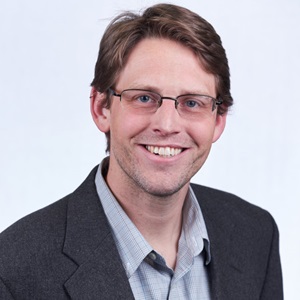
Dr. Aleksandar G. Ostrogorsky is a Professor in the Department of Mechanical, Materials, and Aerospace Engineering at Armour College of Engineering, Illinois Institute of Technology. He directs the CRC Crystal Research Corporation and serves as Associate Editor for the Journal of Crystal Growth. Education: Sc.D. in Mechanical Engineering from Massachusetts Institute of Technology (1986) M.S. in Nuclear Engineering from Rensselaer Polytechnic Institute (1981) Dipl.Ing. in Mechanical Engineering from University of Belgrade (1977) His research focuses on heat and mass transfer phenomena in materials processing, specializing in directional solidification and single crystal growth of semiconductor alloys for gamma ray detectors, photovoltaic applications, and piezoelectric materials. Current NASA-funded projects explore microgravity crystal growth in the SUBSA furnace aboard the International Space Station. Recent publications demonstrate strong focus on thermophysical property measurements, vapor growth techniques, and interface control mechanisms using advanced baffle designs. His work consistently bridges fundamental heat transfer theory with practical crystal growth optimization. Scientific Awards: NASA Group Achievement Awards (2004, 2001) Alexander von Humboldt Fellowship (1991) Fulbright Visiting Fellowship (1980) Multiple innovation awards for semiconductor processing techniques He leads microgravity experiments through NASA collaborations and mentors researchers in crystal growth methodologies. His laboratory develops specialized furnaces for space-based materials research.
Carol Baker is an Emeritus Research Professor in the Department of Biochemistry and Molecular Biology at Pennsylvania State University's Eberly College of Science. Her research focuses on molecular biological engineering of photosynthetic reaction centers in cyanobacteria to enhance energy flow from light. She has also contributed to studies on microbial physiology, RNA-protein interactions, and the effects of microgravity on gene expression. Her work spans over 35 years, including collaborations with Dr. Don Bryant and Dr. John Golbeck in the Bryant Lab. Key research areas include biophysics, biochemistry, microbiology, and enzymology. Her recent studies explore membrane protein engineering, bacterial gene regulation, and synthetic biology applications. She has served on university committees, including the Climate and Diversity Committee, and the Biochemistry and Molecular Biology Department’s committees. Carol Baker's publications highlight advancements in understanding RNA-binding proteins (e.g., CsrA), bacterial motility regulation, and photosynthetic energy conversion. Her work bridges molecular mechanisms with applied biotechnology, such as improving membrane protein purification techniques and designing synthetic pores for solute transport.
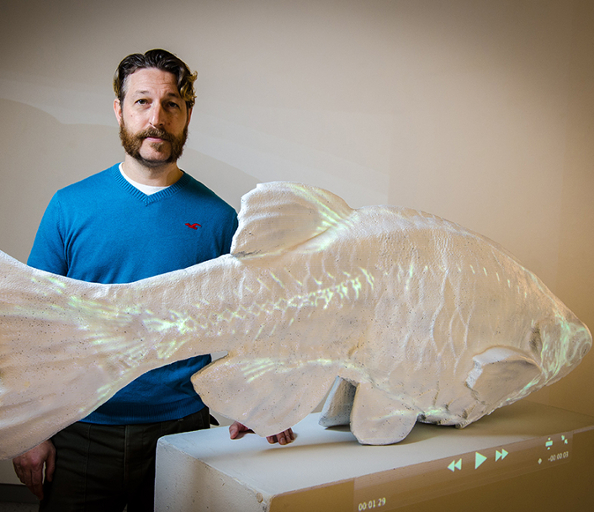
Alain Karma is the Director of the Center for Interdisciplinary Research on Complex Systems (CIRCS) and a CAS Distinguished Professor of Physics at Northeastern University's College of Science. His research spans theoretical condensed matter physics and biological physics, focusing on nonlinear systems and pattern formation in materials science and cardiac electrophysiology. He develops phase-field methods to model materials processes like solidification, fracture, and nanowire growth, with applications to advanced materials design. In biology, his work addresses mechanisms underlying cardiac arrhythmias and ventricular fibrillation, aiming to improve diagnostic and therapeutic strategies. His interdisciplinary approach bridges computational modeling and experimental validation, exemplified by collaborations on microgravity solidification experiments aboard the ISS. He leads CIRCS, which integrates research in biomolecular, cardiac, neural, and nanosystems. Despite no explicit awards listed, his contributions are reflected in high-impact publications spanning materials science and cardiac physiology. His research group actively explores topics like ephaptic coupling in cardiac tissue, ceramic-polymer composites, and ubiquitin ligase effects on ion channels.
Dr. Philip Brewer is an ARC Ext-Funded Research Fellow in Agricultural Science at the University of Adelaide, based at the Plant Research Centre on the Waite campus. His research focuses on plant development, particularly hormonal regulation of shoot architecture, root growth, and stress responses. Central to his work are studies on strigolactones, brassinosteroids, and auxin transport pathways, with applications in crop improvement and sustainable agriculture. Key research interests include strigolactone signaling mechanisms, hormonal crosstalk in bud outgrowth, and the role of plant-microbe interactions in soil health. His work bridges molecular genetics, transcriptomics, and ecological systems to address challenges in agricultural productivity and environmental adaptation. Recent publications highlight advancements in understanding strigolactone-mediated tillering in barley, microbial dynamics in legume-grass cocultures, and the genetic underpinnings of bud plasticity in Arabidopsis. His research also explores biotic stress responses and the synthesis pathways of plant hormones. Brewer’s contributions include identifying novel transcriptional targets in strigolactone pathways and characterizing the role of MAX1 homologues in rice. His interdisciplinary approach integrates genomic tools with ecological insights to advance plant science and agricultural sustainability.
Michael Wiggs is an Assistant Professor in the Department of Health, Human Performance, and Recreation at Baylor University, where he joined the faculty in Fall 2022. His research focuses on skeletal muscle biology, metabolism, and the molecular mechanisms underlying muscle atrophy and hypertrophy in conditions such as disuse, cancer, obesity, and microgravity. His research interests include: Mitochondrial function in muscle metabolism Intracellular signaling pathways regulating muscle size Mechanisms of chemotherapy-induced muscle atrophy Therapeutic interventions for muscle wasting Molecular and genetic approaches in preclinical models Dr. Wiggs teaches courses in exercise biochemistry, research methods, and exercise physiology. His lab aims to develop targeted therapeutics to prevent muscle wasting by understanding the link between mitochondrial dysfunction and protein synthesis/degradation. Though no publications or awards are listed in the provided text, his work is grounded in molecular biology and translational exercise science. He earned his PhD in Exercise Physiology from Texas A&M University and completed post-doctoral training at the University of Florida's Center for Exercise Science. He advises students in exercise science and related fields, though specific advisees are not listed. He has not been described as part-time, retired, or former staff. Dr. Wiggs is based in Marrs McLean Gymnasium, Room 214, at Baylor University in Waco, Texas.
Dr. Ahmet Yozgatligil is an Associate Professor at the Department of Mechanical Engineering, Faculty of Engineering, Middle East Technical University. He previously conducted microgravity droplet combustion research at NASA-Glenn Research Center, Japan Microgravity Center, and NASA’s KC-135 aircraft, and collaborated on nanoparticle generation at University of Maryland/NIST. His current research focuses on Turkish lignite combustion/pyrolysis using TGA-FTIR methods, oxy-fuel combustion, SO2 capturing, and tunnel fire studies. PhD: Mechanical Engineering and Mechanics, Drexel University (microgravity droplet combustion) Positions: Associate Professor at METU, Assistant to the President at METU Research spans Energy Systems , Thermodynamics , and Fluid Mechanics , with emphasis on biomass-derived fuels, lignite analysis, and nanoparticle synthesis. His group explores advanced coal combustion techniques and environmental applications like SO2 capturing. Contact: ahmety@metu.edu.tr | Web Page
Kelsey Ramirez is a Researcher at the National Renewable Energy Laboratory's Renewable Resources and Enabling Sciences Center, focusing on biochemistry, microbiology, and chemical engineering. Her work addresses sustainable materials and environmental science through biotechnological solutions. Her research spans polymer recycling, lignin utilization, and dynamic thermoset development. Recent publications in Nature and ACS Sustainable Chemistry and Engineering highlight advancements in carbon fiber composites and bio-based plasticizers. Collaborations include spaceflight bioprocessing aboard the International Space Station. Current research outputs emphasize bioreactor systems, bioconversion, and waste management technologies. No formal scientific awards are specified in the provided data.
Christian Betzel is a full Professor (C3) of Biochemistry and Structural Biology at the University of Hamburg , heading the Research Group Betzel in the Institute of Biochemistry and Molecular Biology. Since 2004 he has been appointed as C3-Professor at the University of Hamburg, and since 2015 he also serves as Professor Visitante Internacional at the University of São Paulo, Brazil. Education & Academic Career 1982 – Study of Physics, University of Göttingen 1986 – Dr. rer. nat., Freie Universität Berlin, Institute of Crystallography (with Prof. W. Saenger) 1993 – Habilitation, Freie Universität Berlin, Department of Chemistry 2000 – §17 Professor, University of Hamburg 2002 – Doctor of Science, Bulgarian Academy of Sciences, Sofia 2004 – present – C3-Professor, University of Hamburg Research Focus Professor Betzel’s work integrates structural infection biology , crystallogenesis , structure and dynamics of nucleic acids , plant lectins , and venom proteomics . His group develops cutting-edge serial femtosecond crystallography at X-ray free-electron lasers (XFEL) and synchrotrons, studies protein phase-separation phenomena, and translates structural insights into anti-infective drug candidates. A major thrust is understanding antibiotic resistance mechanisms through high-resolution structural enzymology. Research Trends in Recent Publications The 2022-2024 articles reveal an intensive focus on SARS-CoV-2 (main protease, PLpro, and cellular targets), antibiotic resistance determinants (β-lactamases, penicillin-binding proteins), protein phase separation (Tau, α-synuclein), and nanomaterial–biomacromolecule interactions (silver/selenium nanoparticles). Methodologically, the work exploits time-resolved crystallography, serial synchrotron/XFEL crystallography, dynamic light scattering, and cryo-EM to capture fast structural dynamics and transient interactions. Scientific Awards & Memberships Member, Biophysical Society (USA) Member, American Society for Biochemistry and Molecular Biology Member, European Low Gravity Research Association Member, American Crystallographic Association Member, Deutsche Gesellschaft für Kristallographie Advisory Board, Center for Molecular Medicine & Drug Research, University of Karachi Board member, International Organization for Biological Crystallization (IOBCr) Spokesperson, SFX User Consortium at European XFEL Board member, XFEL Biology Infrastructure (XBI) User Consortium Funding & Collaborative Networks Since 2009 Professor Betzel has been PI or Co-I on >20 major grants (>€9 million) from BMBF, DFG, Helmholtz, DAAD, EU, and industry. Highlights include: BMBF “BioXFEL” and “Hochdurchsatz Serielle-Femtosekunden-Kristallographie” projects (>€2 million) Helmholtz “Advanced Imaging of Matter” and ERC Synergy grants Landesforschungsförderung Hamburg graduate schools (SIMOS, DELIGRAH) International collaborations with Universities of São Paulo, Havana, Lübeck, Tübingen, AIIMS New Delhi, JNU, Karachi, and companies such as NOXXON GmbH Laboratories & Teams Professor Betzel leads the AG Betzel research group (≈15-20 members) located at the University of Hamburg and maintains an outstation laboratory at DESY (PETRA III / European XFEL). The group operates state-of-the-art crystallization facilities, dynamic light-scattering instruments, and high-throughput sample-preparation robots integrated with synchrotron/XFEL beamlines.
Janice Pluth, Ph.D., is an Associate Professor in the Department of Health Physics and Diagnostic Sciences at the University of Nevada, Las Vegas, where she has taught Radiation Biology in the undergraduate program since fall 2017. She earned her undergraduate degree in microbiology from the University of Minnesota, followed by a Ph.D. in microbiology and molecular genetics from the University of Vermont. Her postdoctoral training was conducted at Lawrence Livermore National Laboratory and Stanford University. Active member of the Radiation Research Society Secretary of the Environmental Mutagenesis and Genomics Society Pluth's research focuses on the molecular mechanisms underlying radiation-induced carcinogenesis, utilizing both 2D and 3D tissue culture models to investigate key proteins, pathways, and networks involved in the DNA damage response and how radiation disrupts these processes. Her work spans space radiation biology, mitochondrial dysfunction, and genomic instability, with specific attention to reactive oxygen species (ROS), NAD(P) metabolism, and radiation quality effects on cellular homeostasis. Her scientific contributions include studies on ATF2 signaling, chromosome scaffold dynamics, and radiation-regimen-specific impacts on mammary gland development. She explores the interplay between space stressors, ROS, and NAD(P) pathways, while also developing advanced models for radiation-induced DNA repair kinetics and cancer risk assessment.
Dr. Isabelle Dionne is a prominent researcher and academic leader at the University of Sherbrooke, currently serving as Associate Vice-Principal (Studies and international relations) since 2022. Previously, she was the Scientific Director at the Centre de recherche sur le vieillissement du CIUSSS de l'Estrie – CHUS from 2020-2022. Her extensive research program focuses on exercise physiology, nutrition, and aging, particularly examining the impact of exercise interventions on muscle metabolic and physical function in older adults. Dr. Dionne's research interests span exercise physiology, nutrition, oxidative stress, sarcopenia, and stable isotopes. Her work bridges basic science with clinical applications, investigating how physical activity can mitigate age-related declines in metabolic and physical function. She has made significant contributions to understanding how exercise affects glucose metabolism, body composition changes in aging, and countermeasures for physical deconditioning. Analysis of Dr. Dionne's recent publications reveals a strong focus on translational research connecting exercise science with clinical outcomes. Her work spans from space physiology (studying bed rest as a model for aging and spaceflight) to clinical applications for conditions like type 2 diabetes, post-COVID syndrome, and renal disease. The research consistently demonstrates expertise in methodology, particularly in controlled exercise interventions, metabolic assessments, and longitudinal study designs. Publication of the year in Medicine and Health Sciences (National Academy of Sciences, 2019) Gala excellence CIUSSS de l'Estrie-CHUS- prix qualité des soins et services (2019) Prix de la recherche et de la création - Médecine et sciences de la santé (Université de Sherbrooke, 2018) Applied Physiology, Nutrition and Metabolism Award for Nutrition Translation (Canadian Nutrition Society, 2017) Multiple Research Scholar distinctions from Fonds de recherche du Québec - Santé (2006-2014) Dr. Dionne has successfully mentored numerous students who appear as first or co-authors on her publications, including St-Martin P, Paquin J, Marcotte-Chénard A, and others. Her research has been supported by substantial funding from Canadian Institutes of Health Research (over $60 million across multiple projects), Fonds de recherche du Québec, and the Canada Research Chair program (Tier 1: Exercise Recommendations in Healthy Aging, 2013-2020).
Davide Orsi is a Researcher (fixed-term) at the Department of Mathematical, Physical and Computer Sciences, University of Parma. His research spans soft matter physics, nanotechnology, and biomedical applications, with a focus on X-ray photon correlation spectroscopy, diffusing wave spectroscopy, and photodynamic therapy. He collaborates with institutions like CNR-ICMATE, CNR-IMEM, and European Synchrotron Radiation Facility. Ph.D. in Physics (2012) National Academic Qualification as Associate Professor (2018) Teaches 'Laboratory for Molecular Nanotechnologies' (2018–present) His work includes microgravity experiments on emulsions with ESA, development of nanostructures for cancer therapy (combining scintillating and magnetic nanoparticles), and advanced instrumentation (portable NIR fluorimeter for singlet oxygen detection). Techniques used: XPCS, DWS, SEM, fluorescence spectroscopy. Scientific Awards Marco Fontana Prize (2011) Young Researcher Prize 'Nanoinnovation’s got talent' (2017) He has secured grants like Project 'FIL Giovani Ricercatori' (Fondazione Cariparma, 2019) and participated in 13 ESRF experiments. His research connects to COST actions CM1101 and MP1106.
Stefano Sacanna is an Assistant Professor in the Department of Chemistry at New York University, affiliated with the Arts & Science School. His research focuses on colloidal chemistry, material science, and self-assembly, with a particular emphasis on crystallization pathways, active matter, and programmable colloids. He holds a Ph.D. in Physical and Colloid Chemistry from Utrecht University (Netherlands) and an M.Sc. in Industrial Chemistry from the University of Bologna (Italy). Key research areas include the synthesis and assembly of anisotropic colloids, entropy-driven self-assembly of colloidal diamond structures, and the study of active matter systems. His work leverages microgravity environments (e.g., NASA's ACE project) and advanced techniques like light-triggered inflation and dielectrophoretic assembly. Notable contributions include the development of colloidal metallurgy and the discovery of non-classical crystallization mechanisms. He is a Section Editor for Current Opinion in Colloid and Interface Science and a member of NASA's ACE Science Team. In 2020, he received the Early Career Award for Soft Matter Research. His lab, the Sacanna Lab, explores cutting-edge topics such as colloidal organosilica spheres, self-inflating microcapsules, and the interplay between particle shape and phase behavior. Publications span prestigious journals like Nature Materials and Soft Matter , with recent work addressing topics like odd viscosity in chiral fluids, light-driven assembly, and colloidal polymer dynamics. His research bridges physics, chemistry, and biology, with applications in materials design, nanotechnology, and active matter systems.
Kristopher Waynant is an Associate Professor in the Department of Chemistry at the University of Idaho, affiliated with the College of Science. He holds a Ph.D. in Synthetic Organic Chemistry (New Mexico State University, 2008) and a B.S./B.A. in Biochemistry/Chemistry (Virginia Tech, 2002). His postdoctoral research included positions at the University of Illinois Urbana-Champaign, Oregon State University, and Colgate University. His research focuses on synthetic organic chemistry, coordination chemistry, catalysis, and materials science. Key areas include designing novel ligands for metal coordination complexes, developing zwitterionic hydrogels for biomedical and environmental applications, and investigating sustainable methods for metal recovery from electronic waste. He actively contributes to undergraduate education through course-based research experiences (CUREs) in chemistry and bioremediation. Waynant teaches courses such as CHEM 277 (Organic Chemistry I) and CHEM 278 (Organic Chemistry I Lab). His work bridges fundamental chemical research with practical applications in environmental remediation and materials innovation. Recent publications highlight advancements in catalytic systems, hydrogel design, and ligand-based metal recovery processes. His research group, Waynant Research, emphasizes interdisciplinary collaboration and undergraduate involvement in cutting-edge projects. While no scientific awards are explicitly noted, his contributions to hydrogel development and coordination chemistry are widely recognized in the field.
Dr. George Fox is the Moores Professor of Biology and Biochemistry and Chemical and Biomolecular Engineering at the University of Houston's Cullen College of Engineering. He holds dual appointments in the William A. Brookshire Department of Chemical and Biomolecular Engineering and the Department of Biology and Biochemistry. His research focuses on ribosome evolution, RNA structure, microbial ecology, and the effects of microgravity on microbial systems. He earned his Ph.D. and B.S. in Chemical Engineering from Syracuse University. Dr. Fox's work explores the origins and evolution of the ribosome, with particular emphasis on RNA's role in primordial life forms. He has conducted extensive studies on the International Space Station (ISS), analyzing microbial communities and antibiotic resistance under space conditions. His research also delves into the structural differences between bacterial and archaeal ribosomes, using network analysis and cryo-electron microscopy. His recent articles highlight advancements in understanding ribosomal RNA connectivity, protoribosome formation, and the impact of prebiotic peptides on RNA evolution. Collaborations include studies on halophilic archaea and Asgard archaea, revealing insights into protein cluster organization and halotolerance mechanisms. No specific awards or grants are listed here, though his contributions to astrobiology and microbial genomics are widely recognized. His lab focuses on engineering recombinant RNAs for therapeutic and environmental applications, leveraging insights from both Earth-based and space-derived microbial systems.
Dr. Brian Eames is a Professor in the Department of Anatomy, Physiology and Pharmacology at the University of Saskatchewan's College of Medicine. His research focuses on skeletal development and evolution, molecular genetics, synchrotron imaging, and 3D bioprinted tissue engineering. He leads an interdisciplinary lab of evolutionary and developmental biologists and tissue engineers. University of Saskatchewan, College of Medicine, Department of Anatomy, Physiology and Pharmacology Research Interests: Skeletal cell differentiation mechanisms External signals directing bone/cartilage cell fate Pathway activation in skeletal development Application to osteoarthritis therapies Evolutionary variation in skeletal genetics Comparative transcriptomics across chordates Publication Trends (2016-2025): His work spans developmental biology, evolutionary genetics, biomedical engineering, and imaging technology. Key themes include proteoglycan signaling, 3D bioprinting for cartilage, comparative skeletal evolution in cartilaginous fishes, and gene network analysis using bioinformatics tools. Scientific Awards: CIHR New Investigator Salary Award Faculty of 1000 'Must Read' recognition Cover image in Tissue Engineering Part C Methods ACS Editors’ Choice feature Laboratory Overview: The Eames Lab integrates molecular genetics, advanced imaging, and tissue engineering to explore skeletal development and evolution. They employ zebrafish and pig models, synchrotron radiation imaging, and computational approaches to analyze gene co-expression networks.