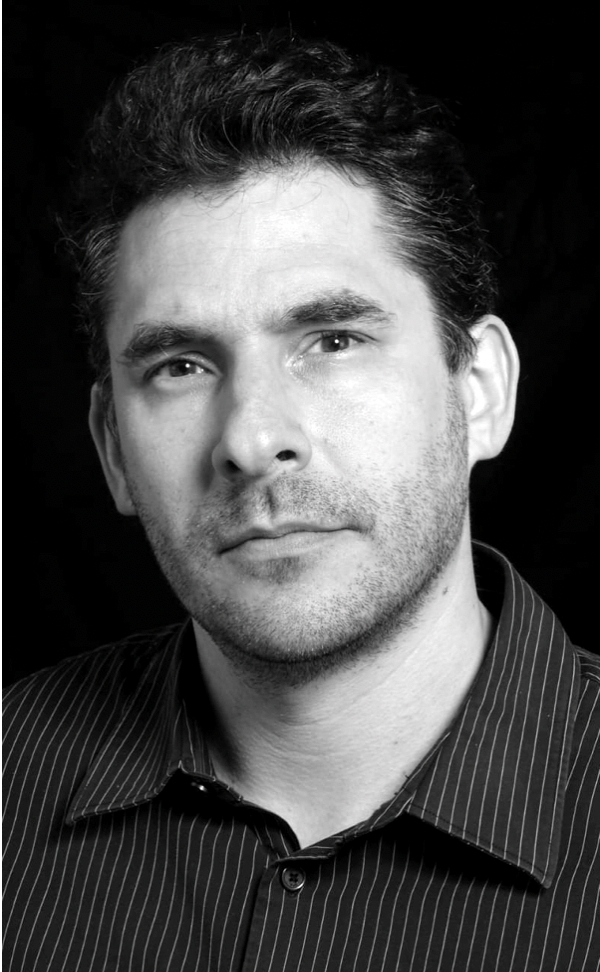
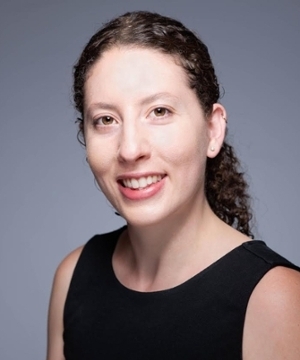
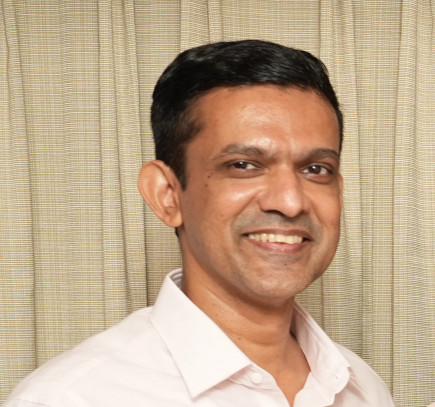
Prof. Waldemar Kolanus leads the Molecular Immunology and Cell Biology department at the University of Bonn's Life & Medical Sciences Institute (LIMES) . His research bridges immunoregulation , stem cell dynamics , and metabolic stress responses in immune cells. Unit 2 member at LIMES Principal investigator in SFB 704 and ImmunoSensation Cluster Leads a multidisciplinary lab with postdocs, PhD students, and technical staff His work focuses on intracellular signaling pathways connecting immune activation to tissue homeostasis, particularly through: Cytohesin proteins in integrin-mediated adhesion and migration TRIM71 in stem cell regulation and congenital hydrocephalus High-salt environments affecting macrophage function Publication trends show expertise in immune cell migration , genetic models , and chemical inhibition , with frequent use of mice and zebrafish for in vivo studies. Key articles explore: TRIM71's dual role in auditory development and germ cell maintenance Cytohesin family's Golgi regulation and insulin signaling Ruxolitinib's off-target migration inhibition of dendritic cells Contact details: Address: LIMES Institute, Carl-Troll-Straße 31, Bonn Email: kolanus.sekretariat@uni-bonn.de Phone: +49 228 73-62788
Rodrigo Ventura is an Associate Professor at the Department of Electrical and Computer Engineering, Instituto Superior Técnico (IST), University of Lisbon. He is also a senior researcher at the Institute for Systems and Robotics (ISR-Lisbon), leading the Space and Aeronautics thematic line. His research focuses on the intersection of Robotics and Artificial Intelligence, emphasizing human-robot interaction, space robotics, and cognitive architectures. He coordinates the Minor in Space Sciences and Technologies at IST and the MBE on Space Systems for Tecnico+. As Adjoint Faculty at the International Space University (ISU), he contributes to global academic initiatives. His work includes experiments on the International Space Station and participation in analog space missions. Research interests span biologically inspired systems, machine learning, and teleoperation interfaces. Recent publications address reinforcement learning for UAVs, microgravity experiments, and pseudo-haptic feedback for robotic control. He teaches subjects like Artificial Intelligence and Decision Systems, Satellite Engineering, and Autonomous Systems.
Dana Z. Anderson is a Professor and Fellow at JILA at the University of Colorado Boulder, holding the Glen Murphy Endowed Chair in the Department of Physics within the College of Engineering and Applied Science (CEAS) . His research focuses on nonlinear optics , atom optics , and optical precision measurements . Key projects include advancing atomtronics (quantum analogs of electronic systems), neutral atom quantum computing , and ultracold atom gyroscopes . He leads the Anderson Optical Physics (AOPy) group , pioneering applications like shaken lattice interferometry for space navigation and quantum sensor development . Anderson's work bridges fundamental physics and applied technologies. His group develops window atom chip technology for ultracold atom manipulation and in-situ imaging systems . Collaborations include NASA's Cold Atom Laboratory (CAL) mission for microgravity experiments on the International Space Station (ISS). Notable contributions include demonstrating matterwave transistor oscillators and optical lattice-based quantum devices . His research has been recognized in high-impact journals like Physical Review Letters and Review of Modern Physics . He actively engages in public outreach and industry partnerships , serving as Chief Strategy Officer at ColdQuanta, a quantum tech startup spun from his lab's innovations.
Robert S. Allison is a Professor in the Department of Electrical Engineering & Computer Science at York University's Lassonde School of Engineering. His research focuses on human perceptual responses in virtual environments, stereoscopic vision, and eye movement analysis. He is affiliated with the York Centre for Vision Research, Sensorium (Digital Arts & Technology), and the Centre for Innovation in Computing at Lassonde. His research interests include depth perception in natural and virtual environments, human-computer interface design for VR, machine vision applications, and the measurement of human motion. He has supervised multiple graduate students and contributed to over 260 publications. His work spans topics like cybersickness mitigation, display lag effects, and perceptual adaptation in VR. Key grants include NSERC-funded projects on perception in virtual environments and collaborations with institutions like the Australian Research Council. His teaching includes courses on human perception in human-computer interaction and digital logic design. Recent articles highlight advancements in understanding motion perception, VR-induced sickness, and multisensory integration. He collaborates widely, with affiliations including the VISTA program and York's Connected Minds initiative.
Mark McQuilling is an Associate Professor of Aerospace and Mechanical Engineering at Saint Louis University's School of Science and Engineering. He holds a Ph.D. in Engineering from Wright State University, alongside M.S. and B.S. degrees in Mechanical Engineering from the University of Kentucky. His research focuses on experimental fluid mechanics, low Reynolds number flows, laminar-to-turbulent transition, airfoil design, unsteady aerodynamics (turbomachinery and airdrop systems), bio-fluid flows, and flow control. His work integrates advanced fluid dynamics techniques with practical applications in aerospace and biomedical engineering. Dr. McQuilling oversees the Fluid Systems Laboratory, which includes subsonic and supersonic wind tunnels, a water tunnel, and thermal system facilities. These labs support undergraduate and graduate research, with capabilities such as Laser Doppler Velocimetry, DPIV systems, and strain gauge balances. His thermal research spans micro-scale fluid phenomena to planetary atmospheric modeling, including studies on Uranus/Neptune vortex dynamics and airdrop parachute aerodynamics. Highlighted research areas include low-pressure turbine blade aerodynamics, parachute drag prediction, and bio-fluid studies like pharyngeal airflow analysis in sleep apnea patients. His peer-reviewed publications (over 20 entries) address topics ranging from micro-air vehicle wing design to thermal management in turbine blades. McQuilling is active in professional organizations like AIAA, ASME, and ASEE, and previously worked at the Air Force Research Laboratory. His email is mark.mcquilling@slu.edu.
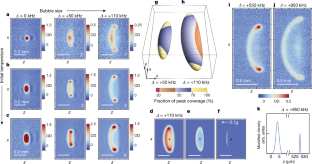
Smitha Vishveshwara is a Professor in the Department of Physics at the University of Illinois at Urbana-Champaign. She holds affiliations with the university’s Materials Research Laboratory and Beckman Institute. Her interdisciplinary work bridges quantum condensed matter theory, biophysics, and artistic expression. PhD in Theoretical Physics (University of California, Santa Barbara, 2002) Postdoctoral Researcher (2002–2005) in the Department of Physics at UIUC Her research focuses on quantum systems, including: Strongly correlated systems in low dimensions (Luttinger liquids, induced superconductivity in nanotubes) Topological order and Majorana fermions in superconductors Quench dynamics in spin chains and optical lattices Microgravity Bose-Einstein condensates and quantum bubbles Biophysics applications (protein networks via percolation theory) Gravitational parallels in quantum Hall systems Recent publications reveal trends in quantum Hall interferometry, Majorana detection schemes, and microgravity condensate dynamics. Awards include the NSF CAREER Award, Simons Fellowship, and APS Fellowship. She teaches courses like “Where the Arts Meets Physics” and has co-created art-science projects such as Quantum Voyages and Quantum Rhapsodies .
Prof. Dr. sc. techn. ETH Oliver Staadt is Full Professor of Computer Science and Chair of Visual Computing at the University of Rostock , Germany. Since 2023 he also serves as Director of the Institute for Visual and Analytic Computing within the Faculty of Computer Science and Electrical Engineering . Previously he was Dean (2016–2018) and Vice Dean (2010–2016) of the same faculty. Education Ph.D. in Computer Science, ETH Zürich (2001) M.Sc. in Computer Science, TU Darmstadt (1994) Research Interests Prof. Staadt’s research spans virtual and augmented reality , computer graphics , visualization , telepresence , immersive analytics , and human–computer interaction . A particular focus lies on real-time rendering and display technologies for large high-resolution display systems, depth-image enhancement for RGB-D sensors, and interaction techniques that leverage spatial cognition and eye-tracking. His work is frequently applied to collaborative settings and microgravity environments, including experiments aboard parabolic flights and the International Space Station. Recent Publication Trends Between 2019 and 2021 his output centers on foveated rendering , AR viewpoint guidance , collaborative analytics on wall-sized displays , and embodied interaction metaphors . Earlier work addressed bandwidth-efficient telepresence, depth-image filtering, and physically-based animation. The corpus reveals a steady evolution from fundamental graphics algorithms toward applied immersive systems. Scientific Awards & Honors Fellow of the Eurographics Association Associate Editor, IEEE Transactions on Visualization and Computer Graphics (past) Associate Editor, Computers & Graphics (past) Associate Editor, Computer Animation and Virtual Worlds (past) Associate Editor, Frontiers in Virtual Reality (current) Chair, Expert Group on Virtual & Augmented Reality, German Informatics Society (2013–2020) Advising & Funding He has successfully supervised more than ten PhD graduates whose dissertations range from collision detection and physically-based animation to 3D interaction in microgravity and predictive user modeling. Current PhD researchers include Bipul Mohanto, Mana Takhsha, and Sven Kluge. His projects are supported by national and EU programs such as EVOCATION, SMOOTH, ARGuide, 3DPick, DIVA, and Telepresence. Labs & Teams Prof. Staadt leads the Visual Computing Group at Rostock, operating state-of-the-art facilities including large tiled display walls, VR/AR laboratories, and motion-capture systems. The institute hosts interdisciplinary collaborations with partners in visualization, computer vision, psychology, and aerospace engineering.
Lorena REBECCHI is a Full Professor in the Department of Life Sciences at the University of Modena and Reggio Emilia. Her research focuses on tardigrade biology, particularly their survival mechanisms under extreme conditions such as desiccation, temperature extremes, and radiation. She explores phylogenetic relationships, symbiotic microbiota, and evolutionary adaptations of these organisms. REBECCHI's work integrates morphological, molecular, and physiological approaches, contributing to understanding anhydrobiosis, stress responses, and tardigrade ecology. Key research areas include tardigrade phylogeny (e.g., resolving their position within Panarthropoda), environmental adaptations (e.g., thermal tolerance and acid resistance), and astrobiology applications (e.g., space flight experiments). She has described multiple new species and revised taxonomic classifications within Tardigrada. REBECCHI collaborates internationally, evidenced by conferences like the 2024 IADCI meeting hosted at her institution. Publications emphasize comparative transcriptomics, symbiont evolution, and the structural basis of tardigrade feeding mechanisms. Her lab's work on Antarctic tardigrades highlights climate change impacts and genetic diversity. REBECCHI's research has practical applications in biotechnology (e.g., space food systems) and environmental monitoring.
Oliver Ullrich is a Professor and Chair of Anatomy / Gravitational Biology and Cell Biomechanics at the University of Zurich. He also holds professorships in Space Biotechnology at Otto-von-Guericke-University Magdeburg, Space Medicine at EAH Jena, and an Adjunct Professor position at Beijing Institute of Technology. As an Academician of the International Academy of Astronautics , he leads the Swiss Parabolic Flight Program and directs the UZH Innovation Cluster “Space and Aviation” (UZH Space Hub). His research spans gravitational biology , space medicine , and cell biomechanics , focusing on cellular responses to altered gravity environments. His work explores Molecular changes in immune cells under microgravity/hypergravity Epigenetic adaptations to gravitational forces Medical challenges in space exploration Sustainable planetary resource utilization Innovations in spaceflight experiment platforms Recent publications highlight trends in space immunology , organoid analysis under gravity stress , and non-governmental parabolic flight infrastructure . Awards include the Albrecht-Ludwig-Berblinger Award of Aerospace Medicine . He serves on advisory boards for aerospace agencies and companies, and as a member of the executive board of the German Society for Aerospace Medicine : Albrecht-Ludwig-Berblinger Award of Aerospace Medicine As an active investigator in European, German, and U.S. space life sciences programs , he has led 19+ parabolic flight missions and contributed to ISS experiments.
Prof. Florian Zaussinger is a faculty member at the Faculty of Applied Computer and Life Sciences at Mittweida University of Applied Sciences. His research focuses on thermal convection, fluid dynamics, and numerical simulations in both geophysical and astrophysical contexts. He has contributed extensively to studies on microgravity experiments, including the GeoFlow and AtmoFlow projects conducted on the International Space Station (ISS). University: Mittweida University of Applied Sciences Faculty: Applied Computer and Life Sciences Department: Mathematics Contact: +49 3727 58-1381 | florian.zaussinger@hs-mittweida.de | Building 6, Room 6-131 His research involves advanced numerical modeling of complex fluid systems, including spherical convection, dielectric heating, and double-diffusive processes. He has developed and applied computational tools like the ANTARES code to simulate convection in DA white dwarfs, planetary atmospheres, and Earth's mantle. His work bridges theoretical fluid mechanics with experimental validation in space-based microgravity environments. Recent publications highlight his expertise in thermo-electrohydrodynamic convection, planetary fluid flow analysis, and microgravity-induced instabilities. While the scraped data does not list scientific awards or students directly, his academic profile emphasizes interdisciplinary collaboration with engineering and life sciences, particularly in applied mathematics for fluid dynamics and experimental data processing.
Andrea Pickel is an Assistant Professor at the University of Rochester, holding joint appointments in the Department of Mechanical Engineering, Materials Science, and the Institute of Optics, while also serving as a Scientist at the Laboratory for Laser Energetics (LLE). She received her PhD in Mechanical Engineering from UC Berkeley (2019) and a BS from Carnegie Mellon University (2014). Her research focuses on nanoscale heat transfer, leveraging luminescent materials and super-resolution imaging to address challenges in thermal management, catalysis, and energy systems. Education: PhD, Mechanical Engineering, UC Berkeley, 2019 BS, Mechanical Engineering, Carnegie Mellon University, 2014 Research interests include luminescence nanothermometry, single-nanoparticle imaging, and high-temperature thermal metrology. Her work integrates experimental methods like stimulated emission depletion (STED) imaging and operando spectroscopy to advance understanding of energy transport at the nanoscale. Notable awards include the NSF CAREER Award (2022), ACS PRF Doctoral New Investigator Award (2020), and Furth Fund Award (2021). She was also named a Scialog Fellow in 2024. Advancing thermal measurement techniques, her group collaborates across disciplines to tackle applications in carbon capture, battery technology, and plasmonic photocatalysis. Current projects emphasize developing dual-mode sensing tools for real-time thermal and chemical monitoring. Labs/Teams: Active at the Laboratory for Laser Energetics (LLE) and leads the Pickel Research Group in the Department of Mechanical Engineering.
Lisa Westerberg is a Professor of Experimental Immunology at Karolinska Institutet's Department of Microbiology, Tumor and Cell Biology. Her research focuses on understanding how defects in actin cytoskeleton regulation lead to immunodeficiencies, autoimmunity, and hematological malignancies. She leads a team studying primary immunodeficiency diseases such as Wiskott-Aldrich Syndrome (WAS) and X-linked neutropenia (XLN), investigating molecular mechanisms underlying immune cell dysfunction. Education: PhD in Cell and Molecular Biology (Karolinska Institutet, 2003), postdoctoral training at Harvard Medical School (2009). Appointed Professor in 2024 after prior roles as Associate Professor (2013) and Assistant Professor (2009). Research interests include nuclear actin regulation in immune cells, clonal evolution in pediatric lymphomas, and space-induced immune changes. Her lab combines molecular biology, microscopy, and in vivo models to develop therapies targeting actin regulators. Awards: Ragnar Söderberg Fellowship, ERC Starting Grant (2019), Swedish Research Council grants. Collaborates internationally on space immunology via ESA experiments. Supervises PhD students in B cell biology and immune signaling. Labs/Teams: Immunodeficiency Diseases Group at MTC, WASPSTINGS network coordinator. Active in translational research bridging primary immunodeficiencies and cancer therapy.
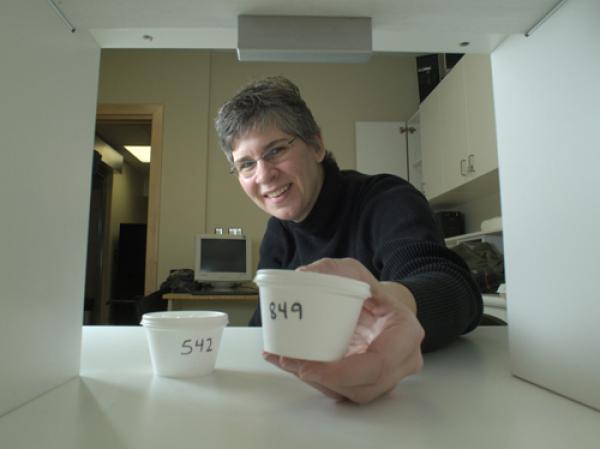
Lisa Duizer serves as Professor and Department Chair in the Department of Food Science at the University of Guelph, where she has been faculty since 2009 after previous appointments at Acadia University's School of Nutrition and Dietetics and Massey University's Institute of Food Nutrition and Human Health. Her research addresses critical challenges in food for aging populations, focusing on sensory properties of foods designed for older adults with dysphagia or malnutrition. Education BASc in Applied Human Nutrition, University of Guelph (1990) MSc in Food Science, University of Guelph (1992) PhD in Food Technology, Massey University (2003) Research Interests Professor Duizer's work centers on sensory science applications for geriatric nutrition, investigating age-related changes in taste and texture perception. She develops evidence-based strategies for improving nutritional quality and acceptability of foods for elderly populations, including pureed food optimization, nutrient fortification techniques, and 'supermenu' development for long-term care settings. Her research integrates human subjects testing with rheological and tribological analysis to establish science-based standards for modified texture foods. Publication Trends Her recent publications (2022-2025) demonstrate expanding interdisciplinary scope, with increasing focus on emotional food responses, space food sensory perception, and plant-based alternatives. The predominant themes involve texture modification for dysphagia management, salt reduction strategies for older adults, and stakeholder-driven interventions for malnutrition in long-term care. This trajectory reflects growing integration of sensory science with healthcare delivery systems and innovative food product development. Scientific Awards No scientific awards were documented in the provided source materials. Advising and Grants Lisa Duizer mentors graduate students with rigorous emphasis on ethical conduct in human subjects research, requiring comprehensive understanding of participant interaction protocols. Her students from nutrition and food science backgrounds have pursued careers as registered dietitians, food product developers in multinational corporations, and research scientists. Her work with the Agri-Food for Healthy Aging group and University Health Network affiliation indicates substantial grant funding from health and agriculture sectors for projects targeting malnutrition intervention in aging populations. Labs and Teams She leads sensory evaluation laboratories within the Department of Food Science and serves as Research Scientist for the Agri-Food for Healthy Aging initiative. Her collaborative network includes the University Health Network, Ontario Ministry of Health and Long-Term Care, long-term care home operators, food distributors, and agricultural producers, facilitating translational research from laboratory to institutional meal service implementation.
Joel George is an Associate Professor in the Department of Aerospace Engineering at the Indian Institute of Technology Madras (IIT Madras), where he conducts advanced research in aerospace vehicle dynamics, navigation, and control systems. His work spans theoretical studies, experimental validation, and practical applications in both atmospheric flight and space exploration domains. Dr. George's research focuses on several critical areas of aerospace engineering: Hybrid rocket propulsion systems and thrust control mechanisms Spacecraft landing technologies, including soft landing applications Orbital mechanics, particularly periodic orbits around asteroids Unmanned aerial vehicle (UAV) applications for microgravity experiments Propeller modeling for small UAV systems Geophysical flows research as part of IIT Madras's Centre of Excellence His recent publications demonstrate a strong trend toward innovative propulsion systems with practical space applications. Dr. George's work on hybrid rocket motors shows particular promise for safer vertical takeoff and landing systems both in space exploration and terrestrial aviation. His research on UAV-based microgravity platforms offers cost-effective alternatives to traditional space-based microgravity research methods. As a dedicated mentor, Dr. George supervises several PhD students including Anandu Bhadran (hybrid rocket motors), Rishi (asteroid orbital dynamics), and Siddhardha (UAV microgravity platforms). His collaborative work extends to partnerships with Prof. Ramakrishna and other researchers at IIT Madras. Within the Geophysical Flows Lab, a Centre of Excellence at IIT Madras, Dr. George contributes his expertise in UAV design, automation, and environmental monitoring. The lab employs a unified approach combining field measurements, climate modeling, and laboratory studies to advance understanding of air-sea interactions in the northern Indian Ocean, with applications to weather prediction and climate science.
Dr. Kevin M. Crosby is a Professor of Physics, Astronomy, and Computer Science at Carthage College, where he also holds the Hedberg Distinguished Professor of Entrepreneurial Studies title. He serves as Director of the Wisconsin Space Grant Consortium and leads the Carthage Space Sciences program. Dr. Crosby has chaired both the Physics and Astronomy Department and the Computer Science Department, and previously served as Division Chair for Natural Sciences for 10 years and Dean of the Division of Natural and Social Sciences for one year. Dr. Crosby earned his position at Carthage College in 1998, coming from the University of Northern Colorado where he was a visiting assistant professor of physics. His academic journey has positioned him as a leader in space science education and research. Dr. Crosby's research focuses on space science and microgravity fluid dynamics, with particular expertise in propellant gauging technologies for spacecraft. His work bridges theoretical physics with practical space applications, emphasizing undergraduate research opportunities. He has developed innovative approaches to measuring liquid propellant in microgravity environments, which has significant implications for long-duration space missions and in-orbit refueling capabilities. His research program actively involves undergraduate students in meaningful space science projects. Analysis of Dr. Crosby's publication record reveals a strong focus on propellant management in microgravity environments, with particular emphasis on modal propellant gauging techniques. His research spans experimental work on parabolic flights, suborbital payloads, and CubeSat missions, demonstrating a commitment to hands-on space research with undergraduate students. Recent work shows increasing integration of AI and advanced sensor technologies into space applications. Hedberg Distinguished Professor of Entrepreneurial Studies Director of the NASA Wisconsin Space Grant Consortium Dr. Crosby actively mentors undergraduate students in space science research, with notable projects including suborbital payload experiments, parabolic flight experiments, and CubeSat development. His Carthage Space Sciences program has secured significant NASA funding through the Space Grant Consortium. Students like Celestine Ananda '20 have participated in high-profile research that has been featured in media outlets including Wisconsin Public Radio and the Milwaukee Independent. Dr. Crosby leads the Modal Propellant Gauging research team that collaborates with NASA Kennedy and Johnson Space Centers. His Carthage Space Sciences program functions as an active research hub where students participate in real NASA-related projects, including the Blue Origin New Shepard flights that have successfully demonstrated propellant gauging technologies in microgravity.