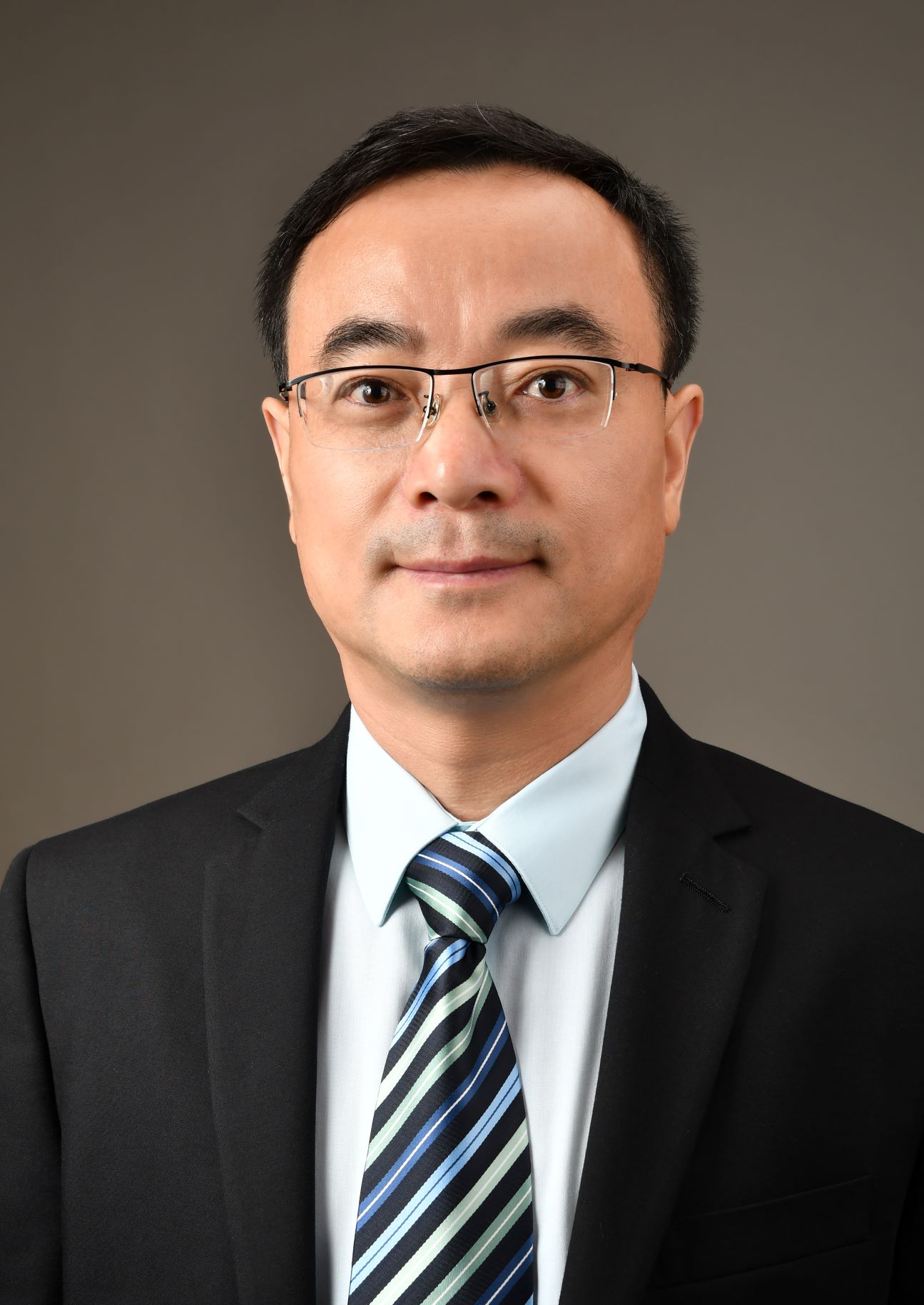
Dr. Fudong Liu is a Professor and Director of Translational Stroke Research in the Department of Neurology at McGovern Medical School, University of Texas Health Science Center at Houston. He leads the BRAINS Research Laboratory and joined UTHealth in 2015 after serving as Assistant Professor at the University of Connecticut Health Center. Previously, he practiced neurology for seven years at Wannan Medical College Yijishan Hospital in China. Education: Medical Degree: Bengbu Medical College, China MS in Neuroscience: Wannan Medical College, China Residency in Neurology: Yijishan Hospital, China His research explores neuroinflammation and sex disparities in cerebrovascular diseases. Using advanced epigenomic and single-cell technologies, his lab deciphers how immune pathways (e.g., IRF4/5 signaling) and X-chromosome mechanisms influence stroke outcomes across the lifespan—from neonatal encephalopathy to aged brain ischemia. Recent work extends to COVID-19 neuroimmunology, revealing sex-specific immune responses and endothelial injury patterns. Dr. Liu has authored 64+ publications, with recent studies demonstrating: 1) Dominant roles of X-chromosome escapee genes in stroke sensitivity, 2) Microglial IRF5-IRF4 regulatory axes as key inflammation modulators, and 3) Metabolomic/immune profiling of COVID-19 complications. His NIH/AHA-funded work bridges molecular discoveries with therapeutic strategies. He mentors trainees and contributes to academia through NIH/AHA grant reviews, editorial duties, and international conference leadership. The BRAINS Laboratory focuses on translating mechanistic insights into clinical applications for stroke and neuroinflammatory disorders.
Juan José Pérez Moreno is a Professor in the Department of Cell Biology at the University of Seville, leading the "Hypoxia and Aging-Associated Diseases" research group. His work investigates cellular mechanisms underlying aging, neurodegeneration, and tissue organization using Drosophila as a primary model system. His research spans Cell Biology , Neuroscience , and Aging with specific expertise in endoplasmic reticulum dynamics , mitochondrial function in microglia , and muscle development . Current projects integrate AI-based biological image analysis to study tissue organization mechanisms, reflecting interdisciplinary innovation. The lab's focus on conserved cellular pathways bridges fundamental discovery with implications for human neurological disorders. Recent publications (2024-2014) demonstrate consistent output in high-impact journals including Nature Metabolism and Journal of Cell Biology . Key themes include microglial mitochondrial dysfunction in development, presynaptic ER organization in neurodegeneration, and muscle adhesion mechanisms. This body of work reveals strong translational potential for understanding aging-associated diseases. He currently leads the research project "Análisis de Imágenes Biológicas basado en IA para investigar los mecanismos de organización de los tejidos" (PID2022-137101NB-I00), securing active grant funding. Prospective students receive mentorship in cutting-edge techniques including live imaging, Drosophila genetics, and computational analysis within a collaborative research environment. The "Hypoxia and Aging-Associated Diseases" laboratory operates within the University of Seville's Department of Cell Biology, maintaining international collaborations evidenced by conference presentations across Europe. The group's infrastructure supports advanced cellular and molecular investigations into fundamental mechanisms of aging and neurodegeneration.
Dr. Quentin Pittman is an Adjunct Professor in the Department of Physiology and Pharmacology at the Cumming School of Medicine, University of Calgary. He also holds positions as a Child Health & Wellness Researcher at the Alberta Children's Hospital Research Institute, Full Member of the Hotchkiss Brain Institute, Deputy Chair in the Department of Physiology and Pharmacology, and Full Member of the Mathison Centre for Mental Health Research and Education. Dr. Pittman's educational background includes: B.A. in Biological Sciences, University of Lethbridge, 1972 Doctor of Philosophy in Physiology, University of Calgary, 1976 Dr. Pittman's research focuses on neuroimmune-endocrine interactions, particularly how inflammation affects brain function and behavior. His work spans four major areas: the effects of inflammation on the brain leading to behavioral co-morbidities; cellular actions of peptides, mediators and neurotransmitters; early life programming of the brain by inflammation; and febrile seizures. His laboratory employs approaches ranging from whole animal models studying physiology and behavior to cellular studies examining morphological, molecular, electrophysiological and synaptic properties. He collaborates extensively with researchers including Keith Sharkey, Mark Swain, Simon Hirota and Matt Hill to explore how chronic peripheral inflammation in animal models of colitis, arthritis and liver disease cause changes in the brain that may underlie psychiatric co-morbidity. Analysis of Dr. Pittman's recent publications (2019-2022) reveals a strong focus on the gut-brain axis, neuroinflammation, and microglial function. His work increasingly examines how the microbiome influences brain function and behavior, particularly in inflammatory conditions. There's also a significant emphasis on the endocannabinoid system's role in modulating neural circuits affected by inflammation and stress. His research bridges basic neuroscience with clinical relevance, particularly for understanding psychiatric comorbidities in inflammatory diseases and neurological conditions like epilepsy. Dr. Pittman has received numerous prestigious awards throughout his career: Fellow of the Royal Society of Canada (2010) Fellow of the Canadian Academy of Health Sciences (2016) Fellow of the American Physiological Society (2019) Distinguished Member of the International Regulatory Peptide Society (2021) Multiple teaching awards including Golden Apple Award (2008) and Honor Roll for Great Teaching (2014) University Professor designation at the University of Calgary (2006) Dr. Pittman has maintained continuous research program support from the MRC/CIHR and other agencies for nearly 40 years. His collaborative approach is evident in his extensive network of research partnerships across multiple institutes including the Hotchkiss Brain Institute and Alberta Children's Hospital Research Institute. He has held numerous leadership positions within these organizations and has served on committees for national and international scientific societies. His laboratory has produced significant findings on how early life inflammation programs long-term brain function and vulnerability to neurological conditions. Dr. Pittman's laboratory work spans multiple facilities including the Health Sciences Centre at the University of Calgary. His research team employs diverse methodologies from whole animal behavioral studies to sophisticated cellular and molecular techniques including patch clamp electrophysiology. His work on neuroimmune interactions has positioned his laboratory at the forefront of understanding how peripheral inflammation communicates with the central nervous system to influence behavior and neural function.