Teruna Siahaan, Ph.D. is the Aya and Takeru Higuchi Distinguished Professor in Pharmaceutical Chemistry at the University of Kansas . He serves as Associate Chair in Pharmaceutical Chemistry and Co-Director of the NIH Biotechnology Training Program. His research centers on leveraging cell adhesion molecules for targeted drug delivery and tissue engineering applications, with strong associations to KU's Bioimaging and Biomolecular Engineering tracks. Recent work focuses on blood-brain barrier modulation using cadherin-derived peptides , enabling enhanced delivery of therapeutics for neurodegenerative diseases and brain tumors . His team develops bioactive peptides for autoimmune disease suppression , antimicrobial therapies , and macromolecule transport across biological barriers. Collaborations span nanotechnology , molecular dynamics simulations , and clinical translation of novel drug delivery systems. The research portfolio demonstrates expertise in peptide engineering translational neuroscience biopharmaceutical development autoimmune disease modulation structural-activity relationship studies in vivo efficacy testing His work combines computational methods with experimental validation to optimize therapeutic candidates for complex diseases.
Arion Chatziioannou is the Crump Chair in Medical Engineering and Professor of Molecular and Medical Pharmacology at UCLA's David Geffen School of Medicine, where he serves as Associate Director of the Crump Institute for Molecular Imaging. He is also a Member of the Jonsson Comprehensive Cancer Center (JCCC) Cancer Molecular Imaging program and affiliated with the Molecular Pharmacology and Physics & Biology in Medicine graduate programs. His research spans medical imaging engineering with emphases on preclinical CT/PET instrumentation, radiation detector development, and AI-driven image analysis. Current work focuses on high-resolution micro-CT segmentation using transformer architectures, novel scintillator nanocomposites for gamma detection, and real-time monitoring of cellular metabolism for drug response assessment. His lab bridges engineering and biomedical applications to improve imaging sensitivity for atherosclerosis monitoring, cancer metabolism studies, and radiopharmaceutical development. Analysis of his 15 most recent publications (2020-2025) reveals three dominant research thrusts: (1) deep learning for micro-CT segmentation across institutional datasets, (2) nanocomposite scintillators for spectroscopic gamma detection, and (3) kinetic modeling of drug effects via single-cell glucose uptake imaging. These works consistently integrate hardware innovation with computational methods to advance preclinical imaging capabilities. Scientific recognition includes: Crump Chair in Medical Engineering He mentors graduate students including Alex Leal and collaborates extensively with UCLA's Crump Institute and JCCC. His lab (4350A CNSI) develops integrated imaging systems for real-time cellular metabolism monitoring and high-throughput radiotracer analysis, with ongoing projects in Cerenkov luminescence applications and multi-isotope detection systems. Current research infrastructure includes prototype small-animal PET/CT systems and microfluidic platforms for radiopharmaceutical synthesis validation, supporting translational studies in cardiovascular disease and oncology.
Dr. Michael Van Dam is a Professor and Vice Chair in the Department of Molecular & Medical Pharmacology at the David Geffen School of Medicine, UCLA. He also serves as Co-Associate Director of the Crump Institute for Molecular Imaging and Director of the Crump Cyclotron and Radiochemistry Technology Center. His research focuses on developing miniaturized technologies for radiopharmaceutical synthesis and analysis, particularly for PET imaging applications. Alumni: Queen’s University (B.Sc.), University of Toronto (M.Sc.), Caltech (Ph.D.) Affiliations: Bioengineering Department, Physics in Biology and Medicine Program, Jonsson Comprehensive Cancer Center Commercialization: Co-founder of Sofie, Inc., commercializing ELIXYS radiosynthesizers His recent work emphasizes droplet-based microfluidics, high-throughput radiochemistry platforms, and cost-reduction strategies for radiotracer production. The lab has published extensively on automated synthesis systems and quality control innovations. Current projects aim to translate these technologies into clinical applications. Notable research outputs include advancements in microfluidic reactors , radiosynthesis automation , and Cerenkov luminescence imaging . The team actively explores methods to replace traditional HPLC with rapid TLC for radiopharmaceutical analysis. 64 reactions/hour throughput demonstrated Over 20 granted patents in radiochemistry devices Key applications in oncology, neurology, and cardiology
J. Scott VanEpps is an Associate Professor in the Department of Emergency Medicine and the Department of Biomedical Engineering at the University of Michigan. He serves as Associate Director for the Weil Institute for Critical Care Research and Innovation and is faculty in the Biointerfaces Institute. Dr. VanEpps is also a Center Member of multiple institutes including the Macromolecular Science and Engineering Center, Weil Institute for Critical Care Research, Biointerfaces Institute, Global REACH Center, Taubman Institute, e-Health and Artificial Intelligence Initiative, and MM-PKUHSC Joint Institute. Dr. VanEpps received dual Bachelor's degrees with Summa Cum Laude honors from the University of Pittsburgh in Molecular Biology and Chemical Engineering (1996-2001). He then completed both an MD and PhD in Bioengineering through the Medical Scientist Training Program at the University of Pittsburgh (2001-2009). Following this, he completed his Emergency Medicine Residency at the University of Michigan/St. Joseph Mercy Hospital (2009-2013) and a Research Fellowship in Emergency Medicine at the University of Michigan (2013-2015). Dr. VanEpps' research focuses on life-threatening infections, particularly those related to implantable medical devices. His work spans three main areas: rapid diagnostics for bloodstream infection, antimicrobial nanomaterials to prevent bacterial adhesion, and in situ treatment strategies for biofilm-related infections. His laboratory has developed culture-free diagnostic platforms that can identify pathogens and determine antibiotic susceptibility in hours rather than days. In nanomaterials research, his team has engineered shape-specific nanoparticles that function as enzyme inhibitors with potential as next-generation antibiotics. For biofilm treatment, his lab has pioneered thermal and mechanical approaches to disrupt biofilms on medical devices while preserving tissue integrity. Dr. VanEpps' recent scholarly output demonstrates a strong focus on translating basic science discoveries into clinical applications. His work spans from fundamental nanomaterial characterization to clinical implementation of rapid diagnostics. A notable trend is the integration of multiple approaches—combining nanotechnology, microbiology, and engineering principles to address complex clinical problems in infection management. His research increasingly incorporates machine learning for sepsis prediction and leverages host-pathogen interactions to develop more targeted therapies. Dr. VanEpps was awarded the SAEM Organizational Advancement Award in May 2024 by the Society for Academic Emergency Medicine. His work has been supported by numerous grants including NIH R01 funding for developing heat-based therapies for central line infections, Coulter Translational Research Partnership funding for rapid extracellular vesicle isolation, and multiple awards from the Michigan Economic Development Corporation for antimicrobial device development. Dr. VanEpps actively mentors students and researchers at various levels, including undergraduate students, graduate students, and postdoctoral fellows. His mentees include Zoe Meyer, Emine Turali-Emre, Linqi Huang, Thomas White, Derek Fukuda, and Rachel Cohn. His research program is supported by substantial grant funding, with current projects totaling millions of dollars, including NIH R01 grants, Department of Defense funding, and industry partnerships focused on combating antimicrobial resistance and improving sepsis outcomes. Dr. VanEpps leads the VanEpps Lab, which operates at the intersection of emergency medicine, critical care, and engineering. The lab maintains an active biorepository of patient samples from emergency department presentations with suspected systemic infection, which serves as a valuable resource for evaluating novel diagnostics. The lab collaborates extensively across disciplines, working with microbiologists, materials scientists, engineers, and clinicians to develop innovative solutions for life-threatening infections.
Professor Joachim Jose serves as Chair for Pharmaceutical and Medicinal Chemistry at the University of Münster's Faculty of Chemistry and Pharmacy. With a distinguished career spanning over three decades, he previously held positions at Saarland University and Heinrich Heine University Düsseldorf, where he was Head of the Institute for Pharmaceutical and Medicinal Chemistry from 2008. His academic journey began with biology studies at Saarland University, followed by doctoral research on bacterial ureases, and postdoctoral work at the Max Planck Institute where he co-discovered the autotransporter protein family. Jose's research primarily focuses on the application of 'autodisplay' technology, which his group developed based on the autotransporter secretion mechanism. His work encompasses expression of human target enzymes for inhibitor testing, evolutionary drug design through library expression and HT screening, biocatalytic synthesis of drugs and building blocks, and biosensor development. His publications reveal strong emphasis on protein kinase CK2 research, with particular attention to inhibitor development for cancer therapeutics. Recent work demonstrates expansion into vaccine development, diagnostic tools, and novel therapeutic approaches for neurodevelopmental disorders. Among his notable scientific achievements are the co-founding of two startup companies: Pharmacelsus (2000) for drug absorption screening and Autodisplay Biotech (2008) for biocatalytic synthesis. His research group has maintained consistent productivity with over 50 doctoral dissertations and numerous master's theses completed under his supervision. The group's work bridges fundamental biochemical research with practical pharmaceutical applications, particularly in kinase inhibitor development and surface display technologies. GDCh/DPhG Innovation Award in Medicinal Chemistry (1998) SaarLB Science Award (2004) Medal of the Faculty for Biology and Pharmacy of University Claude Bernard, Lyon (2013) Corresponding member of French National Academy of Pharmacy (2009) Phoenix Pharmazie Wissenschaftspreis (2023) Elsevier's most tweeted Biotech article in 2012 Professor Jose has demonstrated strong leadership in academic administration, serving as Dean of the Faculty of Chemistry and Pharmacy from 2020-2022 and currently as a member of the Tenure Board at the University of Münster. His research group maintains active collaborations across Europe, particularly with institutions in France and Korea, and regularly hosts international guest scientists. The group's current work shows increasing focus on translational research with direct clinical applications, particularly in cancer therapeutics and diagnostic development.
Professor Chiara Galletti is a full professor of Principles of Chemical Engineering at the University of Pisa, where she serves in the Department of Civil and Industrial Engineering within the School of Engineering. She holds several important institutional roles including being a member of the Department's Board of Directors, the department's Job Placement coordinator, and the Delegate for Business Relations at the University of Pisa. Professor Galletti also directs the "Computational Fluid Dynamics for Reactive and Multiphase Flows" laboratory. Professor Galletti earned her honors degree in Chemical Engineering from the University of Pisa in 2001 and completed her PhD in Chemical and Materials Engineering from the same institution in 2005. She furthered her academic experience with a Visiting Research Associate position at King's College London from 2002 to 2005 and a Visiting Scholar role at the University of California, San Diego, in 2012. Her academic career progressed from trainee researcher at the University of Pisa in 2005 to full-time researcher in 2008, associate professor in 2016, and full professor since 2023. Professor Galletti's research focuses on the fluid dynamics of equipment in process and energy industries, with particular emphasis on design and optimization using computational and experimental fluid dynamics techniques. Her work explores innovative combustion technologies for ecological transition through sustainable fuels, especially in hard-to-abate industrial sectors, and process intensification using flow reactors including microfluidic systems. Her expertise spans hydrogen and ammonia combustion technologies, pollutant formation and control, and microfluidic applications in chemical engineering. Analysis of Professor Galletti's recent publications reveals a strong focus on decarbonization technologies, particularly hydrogen and ammonia combustion systems for industrial applications. Her work addresses critical challenges in the energy transition, including NOx emissions control, flashback phenomena in hydrogen combustion, and the development of sustainable fuel alternatives. There is also a consistent thread of microfluidic research examining droplet formation, nanoparticle production, and reaction yield optimization in various microreactor configurations. Professor Galletti has demonstrated exceptional commitment to education and mentorship, having supervised over 110 master's theses across chemical, energy, and aerospace engineering disciplines, as well as 11 doctoral theses. Her teaching primarily focuses on computational fluid dynamics, chemical reaction engineering, pollutant formation and control in combustion, and process intensification in chemical engineering within master's degree programs. As director of the "Computational Fluid Dynamics for Reactive and Multiphase Flows" laboratory, Professor Galletti leads a research team that bridges computational modeling with experimental validation. Her laboratory work supports collaborations with leading companies in the process and energy industries, and she serves as the scientific director for these industrial partnerships. The laboratory's research spans from fundamental fluid dynamics to applied industrial solutions for the energy transition.
SG Mayr is a Professor in the Department of Biomaterials at the University of Leipzig's Faculty of Medicine, leading innovative research at the intersection of materials science and biomedical engineering. With over 15 years of continuous publication record, Mayr directs a research group focused on developing advanced biomaterials through electron beam modification techniques for tissue engineering and regenerative medicine applications. Mayr's primary research interests revolve around biomaterials science and tissue engineering , with particular expertise in polymer modification using energetic electrons. The research program investigates the fundamental properties of collagen, elastin, and other biopolymers, developing novel hydrogels and nanostructured materials with precisely controlled mechanical and biochemical properties. Current work emphasizes electron beam crosslinking , shape memory effects in biopolymers , magnetic nanoparticle synthesis , and neural interface materials , with applications spanning bone regeneration, neural repair, and drug delivery systems. Analysis of Mayr's recent publication trajectory (2020-2025) reveals a strategic progression from fundamental material characterization toward increasingly sophisticated applications. Early work established foundational knowledge about electron beam modification of biopolymers, while recent publications demonstrate translation into clinically relevant systems including injectable hydrogels, neural scaffolds, and bone regeneration matrices. The research increasingly incorporates multi-functional approaches, combining material science with biological signaling pathways to create smarter biomaterials. Mayr's laboratory maintains strong interdisciplinary collaborations across physics, chemistry, and clinical medicine, evidenced by the diverse authorship on publications. The research program appears to be well-funded through German research agencies, supporting work on electron beam modification techniques, nanomaterial synthesis, and tissue engineering applications. Current projects suggest focus on developing clinically translatable biomaterial platforms with precise control over mechanical properties, degradation profiles, and biological interactions.
Giorgio Famiglini is an Associate Professor in Analytical Chemistry at the University of Urbino Carlo Bo, where he is affiliated with the Department of Pure and Applied Sciences (DiSPeA). He serves as School President and teaches courses including Characterization and Recovery of Contaminated Sites, Analytical Chemistry for Cultural Heritage, and Laboratory of Biotechnology across multiple academic programs. Education: Degree from University of Urbino (1992) PhD in Chemical Sciences (1996) Professor Famiglini's research focuses on analytical chemistry with particular expertise in chromatography, mass spectrometry techniques (including nano-LC, GC-MS, LC-EI-MS, and LC-MS), and sample preparation methodologies. His work spans environmental and biological analyses, with significant contributions to analytical instrumentation development. His publications reveal a strong emphasis on microfluidic technologies, electron ionization techniques, and applications in drug analysis and organic synthesis monitoring. With a Scopus h-index of 27 and over 2005 citations (as of 2020), Professor Famiglini has established himself as a respected researcher in the analytical chemistry community, having co-authored more than 70 international papers and book chapters. Professor Famiglini actively contributes to academic leadership as School President and maintains an active teaching schedule through the 2025/2026 academic year. His ORCID ID is https://orcid.org/0000-0001-8303-0384 .
Dr. Ralf Zimmermann is a Research Fellow at the Leibniz Institute of Polymer Research Dresden (IPF Dresden), working within the Research Division of Polymer Biomaterials Science. His research focuses on the intersection of polymer science, biomaterials, and surface analysis, with particular expertise in electrosurface phenomena, molecular transport mechanisms, and advanced bioanalytical techniques. Dr. Zimmermann's primary research interests include: Electrosurface Analysis and characterization of biomaterial interfaces Molecular transport and binding mechanisms at biointerfaces Advanced bioprinting techniques for multi-component hydrogels Time-of-flight secondary ion mass spectrometry (ToF-SIMS) for bioanalysis Multivariate data analysis applied to complex biomaterial systems His extensive publication record from 2017-2025 demonstrates a consistent focus on understanding and manipulating the physicochemical properties of biomaterials, particularly examining how surface charge, molecular structure, and environmental conditions influence biological interactions. Recent work has increasingly focused on tissue engineering applications, with particular attention to vascularization processes, stem cell microenvironments, and advanced bioprinting techniques. His research bridges fundamental surface science with practical biomedical applications, contributing significantly to the development of next-generation biomaterials with precisely controlled properties. Dr. Zimmermann has established himself as a key contributor to the field through methodological innovations in surface characterization and their application to solve pressing challenges in biomedical engineering. His collaborative work spans multiple disciplines, reflecting the interdisciplinary nature of modern biomaterials research and its translation toward clinical applications.
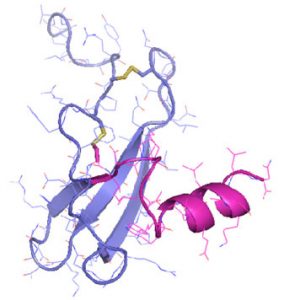
Annette G. Beck-Sickinger is Professor of Bioorganic Chemistry and Biochemistry at the Institute of Biochemistry within Leipzig University's Faculty of Life Sciences. Her research focuses on chemical protein modification to characterize matrix-protein interactions, specifically developing strategies to improve implant biocompatibility through peptide-mediated immobilization of protein mediators and investigation of immune-modulatory chemokine interactions with extracellular matrix components. Her primary research areas include protein engineering, biomaterials science, and chemokine biology, with emphasis on glycosaminoglycan interactions (particularly for IL-8 and CXCL12/SDF-1), peptide-based surface coatings for controlled cytokine release, and light-activated chemokine systems. Current projects target wound healing enhancement via ECM-inspired biomaterials and reduction of implant-related inflammation through modified chemokine analogues. Analysis of her 2013-2021 publications reveals consistent innovation in biomaterial design for medical applications, characterized by interdisciplinary approaches combining synthetic chemistry, structural biology, and translational medicine. Key trends include enzyme-responsive release systems (MMP-9 mediated), photocontrol of protein activity, and mechanistic studies of chemokine-glycosaminoglycan binding to modulate immune responses. No scientific awards are mentioned in the available documentation. While specific advisees are not listed, her extensive publication record with multiple student co-authors (e.g., Bellmann-Sickert, Baumann, Panitz) indicates active supervision of graduate researchers. Her described projects on implant biocompatibility and wound healing suggest ongoing grant support, though specific funding sources are not detailed in the provided text. Her laboratory at Leipzig University's Institute of Biochemistry operates at the chemistry-biology interface, utilizing techniques including expressed protein ligation, NMR spectroscopy, and surface characterization. Collaborations with polymer scientists (Schnabelrauch, Hacker), biophysicists (Abel), and immunologists (Pisabarro) demonstrate a multidisciplinary research ecosystem focused on translating protein engineering into clinical solutions for regenerative medicine.
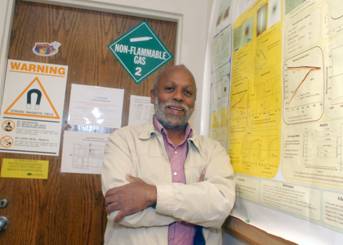
Laurence L. Henry is Professor and Chair of the Physics Department at Southern University and A&M College in Baton Rouge, Louisiana, where he leads the Electron Transport and Magnetic Properties of Materials Laboratory and advises the Southern University Amateur Radio Club (SUARC). His three-decade career spans condensed matter physics research, educational innovation, and community engagement. His academic credentials include: B.Sc. in Physics from Andrews University (1971) M.Sc. in Physics from Northern Illinois University (1978) Ph.D. in Physics from Wayne State University (1991) Dr. Henry's research focuses on magnetic materials and nanoscale phenomena , particularly electron transport in doped semiconductors, nanoparticle synthesis, and thermodynamic properties of complex oxides. His work on Griffiths phase in cobalt-doped iron pyrite and microfluidic nanoparticle fabrication has advanced understanding of magnetic semiconductors and core-shell structures. He developed innovative educational resources including the Introduction To Materials Characterization textbook. Analysis of his 13 publications (2002-2010) reveals consistent emphasis on magnetic and electronic properties of nanomaterials, with dominant themes in cobalt-based nanoparticles (70% of works), magnetic semiconductors (50%), and advanced characterization techniques (magnetization, specific heat, resistance). Key methodological trends include microfluidic synthesis (2006-2009) and investigations of Griffiths phase phenomena (2008-2010). No major scientific awards or fellowships are documented in the provided materials. Dr. Henry has mentored nine graduate students (six MS at SUBR, three PhD at LSU) and secured over $900,000 in research funding: NSF: Correlative Radio Observations ($478k, Co-PI) DOE: Non-Cuprate Superconductors ($225k, PI) NASA: Calorimetry Lab ($145k, PI) HBCU-UP: Thermoelectric Equipment ($50k, Co-PI) He directs the ETMPM Laboratory, which specializes in materials synthesis and characterization using magnetic, electron transport, and heat capacity measurements. His collaborative network spans LSU/CAMD researchers, international partners in Ethiopia, and the SUARC student organization focused on radio communications technology.
Dr.-Ing. Martin Seyring serves as a Research Associate specializing in Scanning Electron and Optical Microscopy at the Schmalkalden University of Applied Sciences, Faculty of Electrical Engineering. His work spans multiple research domains focused on advanced materials characterization and development. His primary research interests encompass materials research on metals and electronic functional materials, scanning and transmission electron microscopy (SEM, TEM, STEM), and solid-state phase transformations at internal interfaces with emphasis on their thermodynamics and kinetics. Dr. Seyring's expertise bridges fundamental materials science with practical applications in electrical engineering and medical technology. His publication record demonstrates significant contributions to understanding oxidation mechanisms in complex alloys, microstructure development in advanced materials, and nanoscale characterization techniques. Recent work shows particular focus on wafer bonding processes, high-entropy alloys, and precision measurement technologies, reflecting both fundamental research and industry-relevant applications. Dr. Seyring actively contributes to the scientific community as a reviewer for prestigious journals including Scripta Materialia, Journal of Alloys and Compounds, and Corrosion Science, demonstrating recognition of his expertise in the field. He teaches courses in Materials and components of electrical engineering (Physics III, EI), Materials science (mechanical engineering), Applied Chemistry (Medical Technology), and has a teaching assignment at the Friedrich Schiller University, Jena for Materials testing. His laboratory work focuses on Microscopy and materials diagnostics as well as Materials and components.
Max Willsey is an Assistant Professor in the Department of Electrical Engineering and Computer Sciences (EECS) at the University of California, Berkeley . His research focuses on enhancing program optimization through techniques from programming languages, databases, and systems. He leads the development of tools like egg and egglog , which leverage e-graphs for equality saturation to build robust compiler optimizers. Education: PhD from University of Washington (2021), BS from Carnegie Mellon University (2016) Current Teaching: CS 164 (Programming Languages and Compilers), CS 265 (Compiler Optimization), CS 294-260 (Declarative Program Analysis and Optimization) Research Interests center on equality saturation, e-graphs, Datalog, and their applications in program synthesis, compiler design, and database theory. His work bridges formal methods with practical systems, particularly in hybrid molecular-electronic computing. Notable Scientific Awards: SIGMOD Record Research Highlight (2024) MIT PL Review Selection (2024) Distinguished Paper Awards at OOPSLA (2021) and POPL (2021) Invited Talks at ICCAD (2019) and Biochips Summer School (2019) NSF Graduate Research Fellowship Honorable Mention (2018) As founder of the EGRAPHS Community , he organizes workshops, forums, and seminars for e-graphs researchers. His publications demonstrate a synthesis of compiler optimization, database theory, and molecular computing, with a focus on unifying disparate programming paradigms.
Professor Aravind Vijayaraghavan is a Professor of Nanomaterials at the School of Materials, The University of Manchester. His research focuses on graphene and 2D materials, with applications in composites, sensors, biomedical engineering, and nanoelectromechanical systems (NEMS). He leads the Polymers Composites and Carbon research group and collaborates on projects like the Manchester Bioelectronics Network and the Graphene Doctoral Training Center. Education: PhD in Materials Science (Rensselaer Polytechnic Institute, 2005), M.Eng. (Rensselaer Polytechnic Institute, 2002), and B.Tech in Engineering (Indian Institute of Technology Madras, 2000). He held postdoctoral roles at MIT (2019–2020) and the Karlsruhe Institute of Technology (2017–2019). Research interests include graphene-based composites for energy, biomedical applications, and advanced materials. His work contributes to UN SDG 9 (Industry, Innovation, and Infrastructure) and SDG 3 (Good Health and Well-being). Notable achievements include the Alexander von Humboldt Research Fellowship (2006) and the Joshua Phillips Award for Innovation in Science Engagement (2013). Advising: Supervises PhD students in graphene composites, NEMS, and biomedical applications. Collaborates on projects funded by EPSRC, Newton Fellowships, and industry partnerships. His lab develops graphene-enhanced elastomers, aerogels for water purification, and biosensors. Key impacts include graphene-reinforced sports footwear (in collaboration with Inov-8) and biohybrid hydrogels for tissue engineering. He actively promotes science engagement and open-source instrumentation.
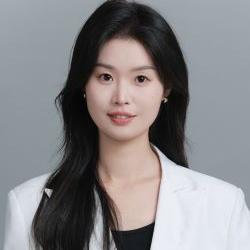
Chao Dong is a Research Fellow in the Department of Psychology at the University of Cambridge. His work focuses on interdisciplinary research at the intersection of materials science, bioelectronics, and soft robotics, with applications in medical devices and energy storage. His research interests include stimuli-responsive materials, flexible sensors, catalytic nanomaterials, and advanced functional fibers. Key research areas involve developing innovative materials for biomedical interfaces, wearable technology, and energy-efficient systems. Recent publications highlight advancements in strain sensing, electrochemical catalysis, and multimaterial fiber fabrication. Chao’s contributions span from foundational material science to applied engineering solutions in healthcare and robotics. His publications reflect a strong emphasis on practical applications, such as bioelectronic medicine, soft robotic actuators, and high-performance sensors. Collaborative efforts in the field of materials synthesis and characterization underscore his role in advancing both theoretical and applied research.