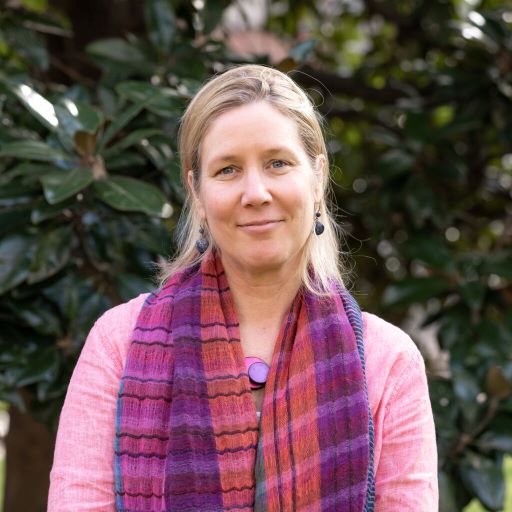
Melissa Kemp is an Assistant Professor in the Department of Integrative Biology at the University of Texas at Austin, affiliated with the College of Natural Sciences. She is based at the Jackson School of Geosciences campus in Austin, Texas, with an office in PAT 102. Her research focuses on Quaternary paleontology, conservation paleobiology, and the ecological dynamics of Caribbean and North American biodiversity hotspots. She teaches GEO 391: Broader Impacts in STEM, emphasizing interdisciplinary approaches and community engagement. Dr. Kemp’s work integrates morphological and molecular data to study evolutionary adaptations, extinction processes, and human impacts on ecosystems. Her NSF CAREER Award supports research on Jamaican fossil ecosystems, while her NSF Postdoctoral Fellowship (2015) advanced studies on North American reptile evolution. She actively promotes equity in STEM through programs like GEOPAths GO Jamaica, which combines service learning with conservation efforts. Key research themes include reconstructing ancient communities, analyzing functional trait diversity in reptiles, and understanding the role of historical contingency in shaping modern biodiversity. Her grants and awards reflect a dual focus on scientific discovery and educational outreach, bridging paleontology with modern conservation challenges.
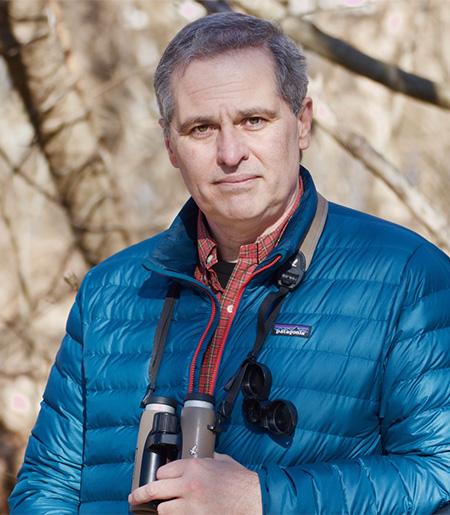
Ian Owens is a Professor and Director of the Cornell Laboratory of Ornithology at Cornell University, affiliated with the College of Arts and Sciences and the Ecology and Evolutionary Biology department. He holds a Ph.D. in Evolutionary Biology from the University of Leicester (1991) and a B.Sc. in Zoology from the University of Liverpool (1988). His research focuses on avian ecology, evolution, and conservation, with an emphasis on global biodiversity, invasive species impacts, and the genetic basis of wild populations. Owens has held leadership roles at institutions such as the Smithsonian’s National Museum of Natural History and Imperial College London. His work integrates field experiments, genetic analyses, and big data to address ecological and evolutionary questions. He leads initiatives like eBird and the Macaulay Library, leveraging citizen science for biodiversity monitoring. Key themes include biogeographical patterns, evolutionary mechanisms, and conservation strategies for endangered species. His research interests span community ecology, evolutionary processes, and organismal biology, with a focus on applying ecological insights to global sustainability challenges. Notable contributions include studies on avian migration’s role in coevolution with parasites, phenotypic plasticity in island birds, and the ecological drivers of body size variation. Owens’ work emphasizes interdisciplinary collaboration, combining genomics, spatial analysis, and citizen science to inform conservation policies. Publications highlight his exploration of avian life history strategies, extinction risk factors, and the ecological impacts of invasive species. He has pioneered global biodiversity assessments, advocating for the integration of natural history collections to address environmental challenges. While no formal awards are listed, his leadership and research contributions have significantly impacted conservation science and ornithology.
Daniel Rabosky is a Professor in the Department of Ecology and Evolutionary Biology at the University of Michigan, where he also serves as Curator at the Museum of Zoology. His research program spans macroevolution, speciation dynamics, and phylogenetic comparative methods, with particular expertise in Australian reptiles and squamate evolution. Rabosky maintains an active laboratory and is currently seeking new graduate students and postdoctoral fellows to join his research team. Rabosky's research interests focus on macroevolutionary patterns and processes, particularly the connections between microevolutionary dynamics and large-scale biodiversity patterns. His work integrates phylogenetic comparative methods with ecological and morphological data to understand speciation processes, adaptive radiations, and the evolutionary dynamics of reptile communities, especially Australian skinks. He has made significant contributions to methodological developments in evolutionary biology through software tools like BAMM (Bayesian Analysis of Macroevolutionary Mixtures) and BAMMtools for analyzing evolutionary rate heterogeneity across phylogenetic trees. Analysis of Rabosky's recent publication record reveals a strong focus on evolutionary theory, methodological development, and empirical studies of reptile diversification. His work spans theoretical macroevolution, phylogenetic comparative methods, Australian herpetology, and the connections between population-level processes and macroevolutionary patterns. The research demonstrates increasing integration of genomic data with traditional morphological and ecological approaches, reflecting broader trends in evolutionary biology. Rabosky actively mentors graduate students including Matheus Januário and Tristan Schramer, and supervises postdoctoral fellows Michael Harvey, Jonathan Mitchell, Sonal Singhal, and Rudolf von May. His laboratory receives research funding supporting multiple projects in macroevolutionary dynamics, with recent grants likely supporting work on the connections between metapopulation ecology and speciation rates, as evidenced by his 2025 Ecology Letters paper. The Rabosky Lab maintains a strong presence in both theoretical and empirical evolutionary biology, with particular strengths in phylogenetic methods development, squamate reptile evolution, and the interface between micro- and macroevolution. The lab actively collaborates with researchers across institutions and contributes to major initiatives like the openVertebrate project for 3D imaging of museum specimens.
Jochen Wolf is Chair of the Evolutionary Biology Division at Ludwig-Maximilians-Universität München (LMU) and a Max Planck Fellow of the Max Planck Institute for Biological Intelligence since 2022. His research integrates evolutionary biology, genomics, and ecology to address fundamental questions about speciation, adaptation, and biodiversity across multiple biological systems. Dr. Wolf's research program applies an integrative approach to understand microevolutionary processes and genetic mechanisms underlying species divergence. His work combines large-scale genomic analyses with laboratory and field experiments to characterize genomic divergence across populations and species. Key empirical systems include natural populations of birds (particularly corvids, swallows, and cuckoos), marine mammals (pinnipeds and killer whales), plant communities, and experimental evolution in fission yeast. His research spans multiple scales from immediate microevolutionary processes to broader evolutionary patterns across time. His recent publications reveal a sophisticated integration of genomic, epigenetic, and ecological perspectives. A notable trend shows increasing focus on structural genomic variation, chromosomal rearrangements, and epigenetic mechanisms as drivers of evolutionary processes. His work demonstrates how these molecular mechanisms interact with ecological factors to shape patterns of biodiversity and adaptation. Dr. Wolf's research has gained significant recognition through publications in top-tier journals including Nature, Science, and Nature Ecology & Evolution. His groundbreaking studies on crow hybrid zones, killer whale ecotypes, and experimental evolution of speciation have been featured in prominent media outlets such as The New Yorker, The Guardian, Scientific American, and Der Spiegel, demonstrating the broad impact of his work. As Principal Investigator, Dr. Wolf actively mentors doctoral students and postdoctoral researchers, fostering the next generation of evolutionary biologists. His lab maintains strong international collaborations, particularly through affiliations with SciLifeLab in Uppsala. Research in his group is supported by multiple funding sources including German Research Foundation grants and European Union programs, enabling both fundamental research and applications to conservation biology. The Wolf lab operates within LMU's Division of Evolutionary Biology, which provides access to state-of-the-art facilities including the Leibniz Supercomputing Centre. The lab maintains strong connections with the Max Planck Institute for Biological Intelligence and SciLifeLab in Uppsala, creating a rich collaborative environment for interdisciplinary research in evolutionary genomics. This network enables comprehensive studies spanning from molecular mechanisms to ecological and evolutionary consequences across diverse biological systems.
John Loehr is a principal investigator (PI) and research coordinator at the University of Helsinki , serving as the head of the Wildlife Ecology Research (WildER) group at Lammi Biological Station . He also coordinates the university’s Wild Animal Phenotyping Infrastructure and is a supervisor and research coordinator for multiple doctoral programs including Wildlife Biology and Interdisciplinary Environmental Sciences. Education: PhD (specific discipline not stated) Research Interests: John’s research integrates wildlife ecology , evolutionary biology , and conservation science . His work with the Eurasian lynx explores acoustic communication and landscape-scale conservation. He also investigates microevolutionary change in amphipods, facial morphology and behavior in humans, and the life-history consequences of forced migration using the MiKARELIA database. His team pioneers non-invasive wildlife monitoring and human-wildlife coexistence technologies . Scientific Contributions: John has authored or co-authored 42 peer-reviewed publications , including recent articles in Nature Ecology & Evolution , Oecologia , and Plant Ecology . His research spans acoustic ecology, forest integrity, conservation policy, and digital humanities. Awards and Outreach: Featured in national and international media for research and science communication Leads public science trails and citizen science initiatives Developed the international internship program at Lammi Biological Station Supervision and Teaching: John supervises multiple PhD and MSc students and teaches courses such as Technology in Ecological Research and Environmental Monitoring and Mammal Ecology . He is actively involved in doctoral training across interdisciplinary environmental sciences. Labs and Teams: He leads the WildER group at Lammi Biological Station and coordinates research infrastructure across the University of Helsinki. His lab uses advanced tools such as 4G trail cameras, bioacoustic recorders, and UAVs for ecological monitoring.
Rebecca Kimball is a Professor in the Department of Biology at the University of Florida , focusing on evolutionary biology through molecular techniques and field research. Her work spans three primary areas: phylogenetics for comparative studies, microevolutionary processes like mating systems and sexual selection, and linking genomic changes to organismal evolution. Education : Ph.D. (University of New Mexico, 1995) Research Themes : Phylogenetic reconstruction, genome-phenome mapping, sensory system evolution, and avian diversification. Her lab, the Braun-Kimball Lab , trains students in phylogenetics, computational biology, and population genetics. Current projects include galliform evolution, chemosensory systems in vultures, and hybridization studies in paradise flycatchers. She collaborates on NSF-funded phylogenomic initiatives and emphasizes rigorous lab practices, including long-term commitments for researchers and interdisciplinary training. Scientific Awards : No explicit awards listed, but her lab receives external grants (e.g., NSF, University Scholars Program). Advising & Grants : Mentors numerous graduate and undergraduate researchers. Lab members often co-author publications and pursue independent projects. Grants focus on phylogenomic tools and avian evolutionary questions. Labs & Teams : Leads the Braun-Kimball Lab, which engages in global collaborations (e.g., Field Museum, New York State Museum) and interdisciplinary work in genomics and ecology.
Martha Burford Reiskind is an Associate Professor and Director of the Genetics and Genomics Scholars Program at North Carolina State University (NC State), affiliated with the College of Sciences and the Department of Biology. Her research focuses on the interplay of genes and environment in shaping species evolution, with emphasis on small population dynamics, landscape genomics, and rapid evolution in native and invasive species like mosquitoes, rockfish, frogs, and butterflies. She leads the Burford Reiskind Lab and actively promotes inclusive scientific education through programs like the Genetics & Genomics Scholars Program. Affiliations: NC State University, College of Sciences, Department of Biology. Groups: Biological Sciences and Affiliated Graduate Programs, Genetics and Genomics Academy (GGA). Her work spans diverse systems, including urban mosquito adaptation, cryptic speciation in rockfish, and sea turtle conservation. She emphasizes conservation genetics, invasive species management, and the genomic basis of adaptation. Notable contributions include studies on Aedes albopictus population dynamics, Chernobyl dog genomics, and hawksbill turtle migratory strategies. Dr. Reiskind has received the 2022 LeRoy and Elva Martin Award for Teaching Excellence and the 2023 Faculty Diversity External Mentoring Endowment Award. She advocates for mentorship and diversity in STEM through initiatives like the Conservation Genetics Graduate Fund.
Linda Laikre is a Professor at Stockholm University in the Department of Zoology . With expertise in population genetics and conservation genetics , her research focuses on understanding microevolutionary processes that govern genetic diversity loss, human impacts on biodiversity, and strategies for long-term species survival. Her work spans species like brown trout , wolf , salmon , pike , moose , herring , dog breeds , and Arctic char , employing empirical data analysis , theoretical modeling , and computer simulations . Education : Not explicitly detailed, but her position as Professor indicates extensive academic training in genetics. Her research has significantly advanced understanding of effective population size (N e ) in subdivided populations, challenging traditional assumptions about genetic diversity conservation. Key contributions include: Development of genetic diversity indicators for the Convention on Biological Diversity Advancements in metapopulation genetics for species like the Fennoscandian wolf Creation of Pool-seq methodologies for non-model species genomic analysis Advocacy for integrating genetic knowledge into Marine Protected Area management She serves as Director of Studies in Population Genetics and actively communicates genetic conservation principles to stakeholders and the public. Her work influences international policies including the Kunming-Montreal Global Biodiversity Framework and EU Nature Restoration Law .
Helen Bothwell is an Assistant Professor at the University of Georgia's Warnell School of Forestry and Natural Resources, specializing in Landscape Ecology and Conservation Genetics. Her research focuses on applying genetic and spatial modeling approaches to address global change impacts on ecosystems, particularly in foundational species like eucalyptus and Populus trees. She leads the Bothwell Conservation Genetics Lab, which collaborates with government agencies to inform conservation management through projects such as drought adaptation genomics and population viability assessments for Georgia black bears and ruffed grouse. Education: B.S. in Conservation Biology from University of Wisconsin-Madison (2010), Graduate Certificate in Applied Statistics from Northern Arizona University (2013), and Ph.D. in Biology from Northern Arizona University (2017). Her work bridges theoretical advances in landscape genetics with applied conservation solutions, emphasizing 'genes-to-ecosystems' frameworks to understand microevolutionary processes influencing macroscale biodiversity patterns. Research Interests include spatial conservation prioritization, functional genomics of drought adaptation, and improving predictive models by integrating genetic data. Current projects span Australian eucalyptus restoration, North American Populus genetics, and Southeast Asian clouded leopard habitat modeling. Her lab emphasizes interdisciplinary collaboration to foster student development and practical outcomes. Grants and Partnerships: Collaborates with Georgia DNR, Australian Research Council, and Global Felid Initiative to translate genetic insights into actionable conservation strategies. Lab members include graduate students and postdocs working on diverse topics from microbial community interactions to wildlife corridor design. Lab Facilities: Utilizes advanced molecular labs, spatial modeling tools, and field research networks across multiple continents. Current initiatives prioritize climate-resilient forest restoration and genetic connectivity mapping for imperiled species.
Jeanne M Robertson serves as an Assistant Professor in the Biology Department at California State University, Northridge, actively contributing to both research and teaching while holding a Faculty Technology Fellow position supporting educational technology integration. Her academic credentials include: Ph.D. from Cornell University (2008) M.S. from Southern Illinois University Carbondale (2001) B.S. from University of California Davis (1993) Dr. Robertson's research centers on microevolutionary processes in amphibians and reptiles, with particular emphasis on natural and sexual selection mechanisms, spatial diversity patterns, and functional significance of coloration. Her fieldwork spans critical biogeographical regions including the California Channel Islands and Central America, employing population genomics and phylogeographic approaches to investigate speciation dynamics. This integrative work bridges theoretical evolutionary biology with empirical ecological studies. She teaches Biological Principles I (BIOL 106) for biology majors using the myCSUN tablet initiative with iPads to create interactive student-centered classrooms, and offers specialized instruction in Molecular Markers in Evolutionary Studies (BIOL 452) covering laboratory techniques and conceptual frameworks in Molecular Ecology.
Richard C. Moore is an Associate Professor in the Department of Biology at Miami University. He is affiliated with the Willard Sherman Turrell Herbarium and the Cell, Molecular and Structural Biology Graduate Program. His research focuses on bridging genomic and morphological diversity studies in plants, emphasizing microevolutionary processes such as sex chromosome evolution and duplicate gene evolution. He also explores the role of transposable elements in homoploid hybrid speciation and genetic/morphological diversity in natural populations. Research Interests: Moore combines genomics, systematics, developmental genetics, and molecular evolutionary biology to study how structural genomic changes drive plant diversity. Key areas include plant evolutionary biology, evolutionary genetics, sex chromosome evolution, gene flow dynamics, and duplicate gene evolution. His work highlights innovations in plant development through genomic shifts. Advising and Grants: Moore has advised students including SM Owens, NA Harberson, L.A. Weingartner, J.E. Brown, J.M. Bauman, J.F. Lawrie, and S.E. Staton. No grants are explicitly mentioned in the text. Labs and Teams: He is part of the Willard Sherman Turrell Herbarium, and his lab investigates genomic mechanisms shaping plant morphology and species diversity.
Christopher Martin is an Associate Professor in the Department of Integrative Biology at the University of California, Berkeley, where he serves as the first Curator of Ichthyology at the Museum of Vertebrate Zoology. He leads the Martin Fish Speciation Lab, which is focused on understanding the origins of biodiversity through the study of rapid evolutionary processes in fish species. Dr. Martin's research centers on adaptive radiation and speciation in fish, with particular focus on three major systems: Caribbean pupfishes exhibiting localized adaptive radiations of trophic specialists in the Bahamas and Yucatan; Cameroon crater lake cichlids, famous as putative examples of sympatric speciation; and Death Valley pupfishes, which are critically endangered desert fishes. His work integrates multiple approaches including large-scale field experiments, population genomics, quantitative and functional genetics, phylogenetic comparative methods, natural history observations, functional morphology, and behavioral ecology. The lab's overarching goal is to map the complex relationships between genotype, phenotype, performance, fitness, and environment to gain a predictive understanding of the processes driving adaptive diversification. Analysis of Dr. Martin's recent publications reveals a consistent focus on the genetic, ecological, and behavioral mechanisms underlying adaptive radiation. His work demonstrates how novel trophic specialists evolve through both genomic and phenotypic changes, with particular attention to craniofacial morphology in pupfishes. The research shows how hybridization, shared adaptive variation, and performance landscapes shape evolutionary trajectories during rapid diversification events. His work bridges microevolutionary processes with macroevolutionary patterns, providing insights into how ecological novelty arises and is maintained. Dr. Martin actively mentors graduate students and postdoctoral scholars, currently advising several PhD candidates including David Tian and Charles Tralka. His lab members pursue diverse research projects spanning from conservation genomics of endangered pupfishes to the developmental genetics of craniofacial evolution. The lab maintains fish colonies in multiple facilities including rooftop field mesocosm ponds, supporting both laboratory and field-based research approaches. The Martin Lab is based within the Museum of Vertebrate Zoology at UC Berkeley, providing access to extensive shared spaces for molecular genetics work, student offices, specimen preparation, and data analysis. The lab maintains growing ichthyology collections and conducts field research in diverse locations including the Bahamas, Cameroon, and Death Valley. Dr. Martin's team includes specialists in genomics, developmental biology, behavioral ecology, and conservation, creating a multidisciplinary approach to studying evolutionary processes.
Dr. Michael Morrissey is a Reader (equivalent to Associate Professor) in the School of Biology at the University of St Andrews. His research focuses on evolutionary quantitative genetics, particularly the analysis of longitudinal data from pedigreed populations in natural settings. He maintains an active research program with numerous recent publications and ongoing projects. Research Interests Dr. Morrissey specializes in evolutionary statistical quantitative genetics, with a focus on analyzing longitudinal data from unmanipulated animal populations. His work leverages individual-based longitudinal data from pedigreed populations to understand how evolution operates in natural environments. He has a particular interest in the selection and genetics of traits in Soay sheep from St Kilda and other long-term animal datasets from around the world. His research encompasses evolutionary genetic theory, using analytical and computational approaches to understand expected patterns of genetic variation in nature. He's particularly interested in patterns generated by complex landscape arrangements, especially dendritic systems in freshwater environments. Recently, he's been working on interpreting relationships between phenotypic traits and fitness using 'chains of causation' to characterize natural selection. Publications Trend Dr. Morrissey's recent publications demonstrate a strong focus on evolutionary quantitative genetics, with significant contributions to statistical methods for analyzing natural selection. His work spans diverse taxa including Arctic charr, lake trout, and Soay sheep, examining growth rates, genetic diversity, and evolutionary adaptation. He has developed important R packages like pedantics and gsg for pedigree manipulation and selection gradient analysis. Research Funding Current Project: 'Is Phenology Evolving In Response To Climate Change?' (NERC, 2023-2026) Recent Project: 'Using whole-ecosystem experimental manipulations to study environmental determinants of natural selection in the wild' (The Royal Society, 2021-2023) Previous Project: 'Resolving the paradox of stasis: addressing the missing fraction problem' (2018-2022) Software Development Dr. Morrissey has developed important statistical tools for empirical microevolutionary studies, including the R packages pedantics (for pedigree manipulation) and gsg (for inference of selection gradients). These tools help bridge fundamental evolutionary genetic theory with real-world field data.
Thomas Fredrik Hansen is a Professor at the Department of Biosciences, Faculty of Mathematics and Natural Sciences, University of Oslo, where he is affiliated with the Centre for Ecological and Evolutionary Synthesis (CEES). His research primarily focuses on evolutionary biology, theoretical biology, and quantitative genetics, with particular emphasis on evolvability, macroevolution, and phylogenetic comparative methods. Hansen's research interests span evolutionary quantitative genetics, morphological evolution, evolvability, and macroevolutionary dynamics. His work integrates theoretical frameworks with empirical data to understand how genetic architecture influences evolutionary potential and constraints. He has made significant contributions to understanding how evolvability shapes macroevolutionary patterns, the role of epistasis in morphological divergence, and the application of phylogenetic comparative methods to study evolutionary processes across diverse taxa. His theoretical work on evolutionary constraints and adaptive landscapes has provided new insights into the mechanisms that govern long-term evolutionary change. Analysis of Hansen's recent publications reveals a consistent focus on the intersection of quantitative genetics and macroevolution. His work demonstrates how microevolutionary processes scale up to macroevolutionary patterns, with particular attention to evolvability as a key determinant of evolutionary trajectories. He has pioneered approaches to measuring and modeling the relationship between genetic architecture and evolutionary potential across different time scales. His research often involves collaborations with empirical evolutionary biologists to test theoretical predictions using data from diverse organisms including plants, insects, fish, and mammals. Hansen has been actively involved in mentoring students and collaborating with researchers across various institutions. His work has contributed significantly to methodological advances in evolutionary biology, particularly in the areas of phylogenetic comparative methods and quantitative genetics. He has also contributed to important theoretical debates regarding evolutionary constraints, the measurement of selection, and the interpretation of evolutionary patterns in the fossil record. Hansen maintains an active research program through the Centre for Ecological and Evolutionary Synthesis (CEES), where he collaborates with researchers studying diverse aspects of evolutionary biology, ecology, and biodiversity. His work bridges theoretical and empirical approaches to evolutionary biology, making substantial contributions to our understanding of how genetic architecture shapes evolutionary potential across different biological scales.
Professor Jon Slate is a Professor of Evolutionary Genetics at the School of Biosciences, University of Sheffield (since 2012). Previously, he held roles at the University of Sheffield as Lecturer (2002–2012) and worked as a Staff Scientist at the University of Otago and AgResearch, New Zealand (2000–2002). He earned a BSc (Genetics) from the University of Manchester (1989–1992), a PhD from the University of Edinburgh (1996–2000), and conducted postgraduate research at the University of Cambridge (1992–1995). His research focuses on the evolutionary genetics of adaptation in wild populations, integrating molecular quantitative genetics with long-term field studies. Key areas include genetic architecture of phenotypic variation, epigenetics, and genomic prediction. Recent work explores links between epigenetic variation and ageing, leveraging techniques like GWAS and genomic prediction. Professor Slate’s awards include the Zoological Society of London Scientific Medal (2011) and a Leverhulme/Royal Society Research Fellowship (2018–19). He has advised numerous PhD students, including Jo Stonehouse, Jake Pepper, and Mark Sutherland. His professional roles include Editor-in-Chief of Evolution Letters and membership in organizations like the Genetics Society and Society for Study of Evolution. Teaching responsibilities include courses on evolutionary genetics, human genomics, and biological laboratory skills. His research group collaborates with field ecologists, emphasizing interdisciplinary approaches to understanding microevolutionary processes.