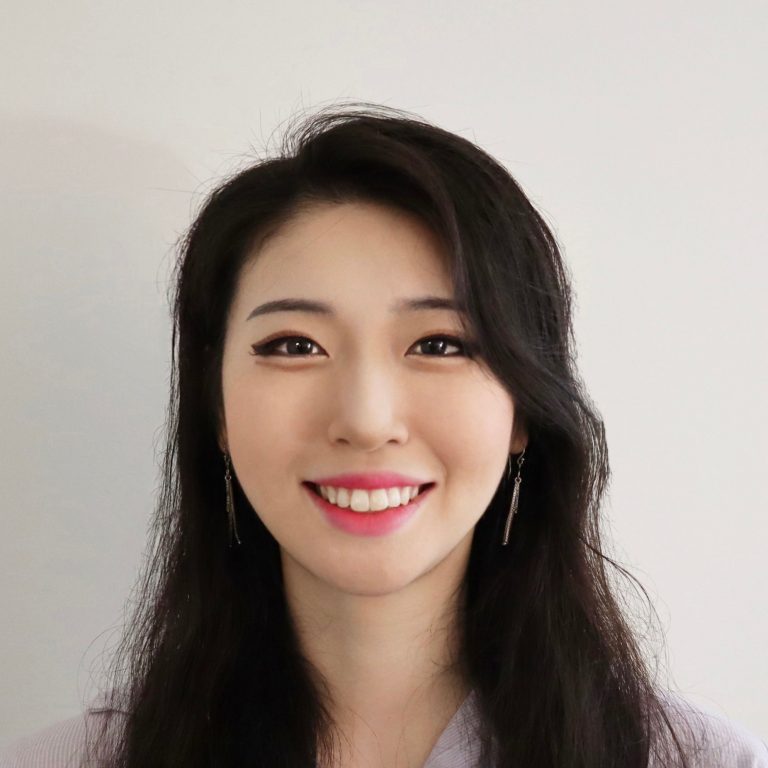
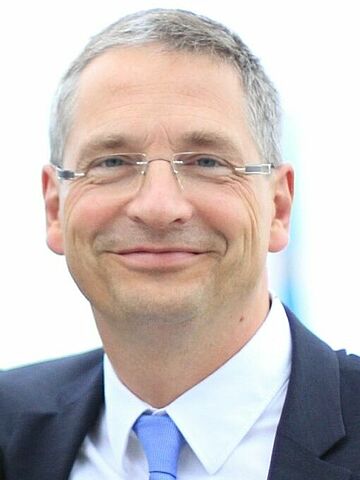
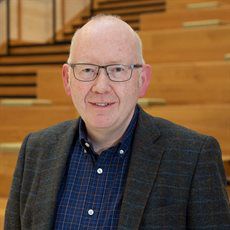
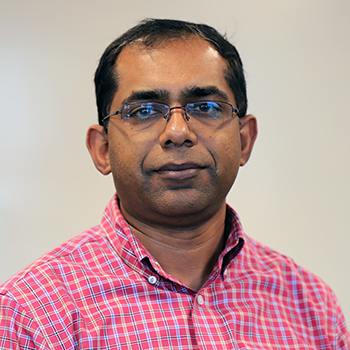
Kyungjin Kim is an Assistant Professor in the Department of Mechanical Engineering at the University of Connecticut, affiliated with the School of Mechanical, Aerospace and Manufacturing Engineering. She joined UConn in Fall 2021 following a postdoctoral fellowship at École Polytechnique Fédérale de Lausanne (EPFL), Switzerland. Her educational background includes a PhD in Mechanical Engineering from Georgia Institute of Technology (2018) and a BS from KAIST, South Korea (2014). Her research centers on soft deformable electronic devices , employing vacuum-processed hermetic encapsulations and quality control methodologies. Key applications include next-generation flexible/stretchable electronics, implantable bioelectronics, and reliability optimization at material/device levels. Secondary interests span smart packaging (food/pharma), composite materials for aerospace/naval engineering, and interdisciplinary studies in microengineering and materials science.
Halil Andac Yigit is a Doctoral Assistant at the Telecommunications Circuits Laboratory (TCL) within the School of Engineering (STI) at EPFL. He is affiliated with the Institute of Microengineering (IEM) and pursues a Doctoral Program in Electrical Engineering through the École Doctorale d'Électronique et d'Electrotechnique (EDoc). His research focuses on biomedical circuits, energy harvesting, and low-power electronics for medical implant systems. Yigit's work emphasizes implantable cochlear devices, wireless power solutions, and precision neural stimulation interfaces. Education : Current doctoral student in Electrical Engineering at EPFL. Research Interests : Development of energy-efficient biomedical devices, including cochlear implants and neural stimulation systems. Specializes in low-power circuits for medical applications, wireless power transfer, and advanced memory technologies like eDRAM optimization. His research bridges microelectronics design with clinical needs, aiming for miniaturization and energy autonomy in implantable systems. Lab Affiliation : Telecommunications Circuits Laboratory (TCL), EPFL, where he collaborates on projects involving MEMS-based systems and autonomous medical devices.
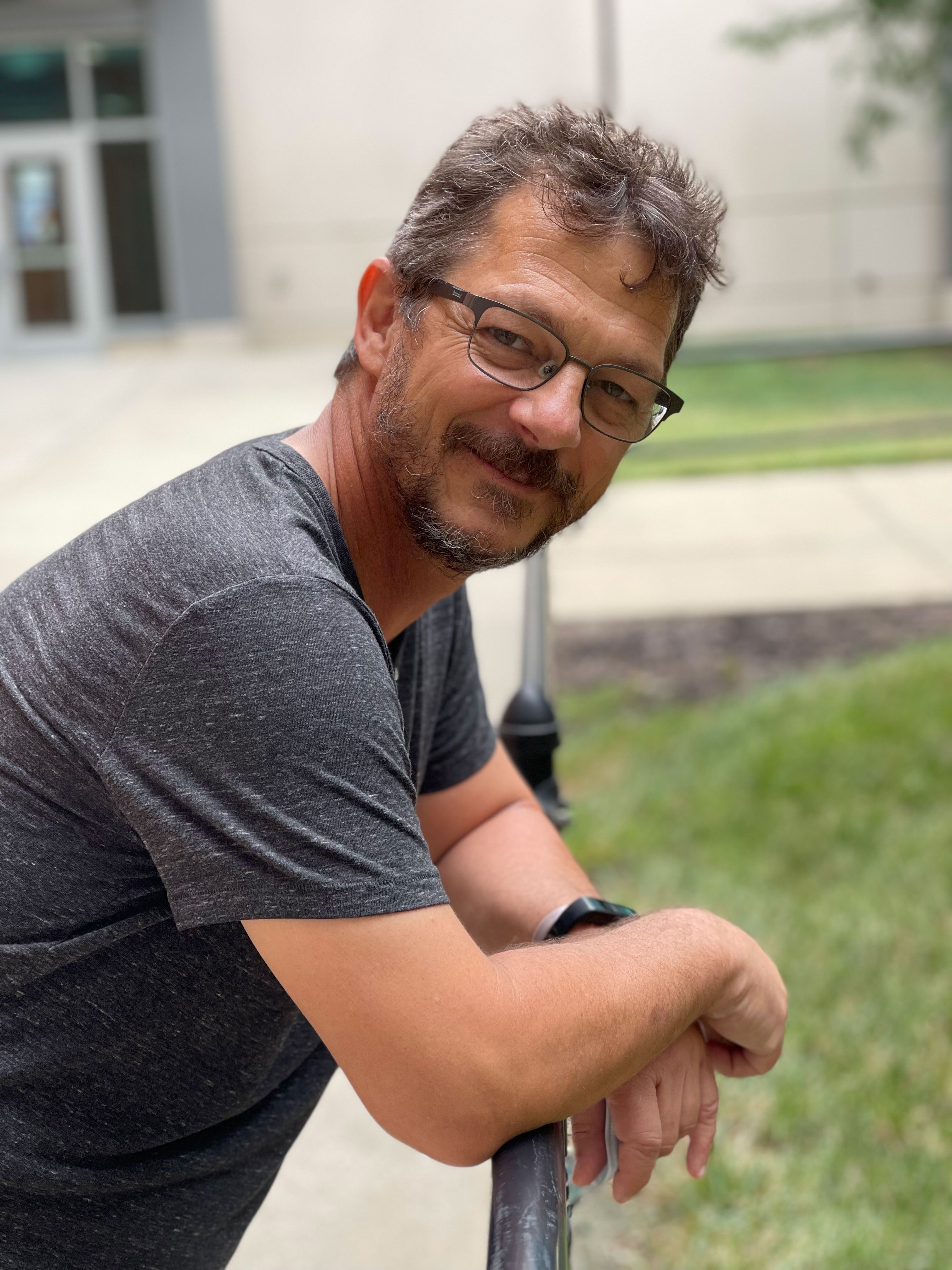
Ali Meimandi is a Doctoral Assistant and candidate in the Doctoral Program in Microsystems and Microelectronics at École Polytechnique Fédérale de Lausanne (EPFL), Switzerland. He conducts research in the BioCMOS Interfaces (BCI) Laboratory within the Institute of Electrical Engineering and Microengineering, School of Engineering, focusing on ultralow-power biomedical integrated circuits. His educational background includes: M.Sc. in Electronics Engineering from Politecnico di Milano (2022) B.Sc. in Electrical Engineering (Electronics) from Amirkabir University of Technology (2018) Meimandi's research centers on designing ultralow power and ultralow area analog/mixed-signal ICs for brain monitoring applications. His expertise spans biosensors, neural prosthesis, and miniaturized CMOS circuits, with emphasis on developing innovative biomedical systems that bridge electrical engineering with neuroscience. His work targets practical implementations for implantable and wearable health monitoring technologies. His publication record shows consistent advancement in miniaturized circuit design for biomedical applications, particularly in brain monitoring, sweat analysis, and hydration tracking systems. These works demonstrate his dual expertise in analog circuit design and biological interface implementation. Key recognition includes: 2024 IEEE Sensors Letters Best Paper Award for 'Flexible Sensor and Readout Circuitry for Continuous Ion Sensing in Sweat' As a Teaching Assistant for Bio-nano-chip design (EE-517) and Analog circuits for biochip (EE-518), Meimandi contributes to EPFL's educational mission while advancing his research in active Bio/CMOS interfaces. His work in the BCI Laboratory focuses on heterogeneous integration of nanostructures for next-generation biosensors. The BioCMOS Interfaces Laboratory provides an interdisciplinary environment where Meimandi develops novel electronic-biological interfaces, with applications ranging from neural prosthetics to continuous health monitoring systems through innovative circuit architectures.
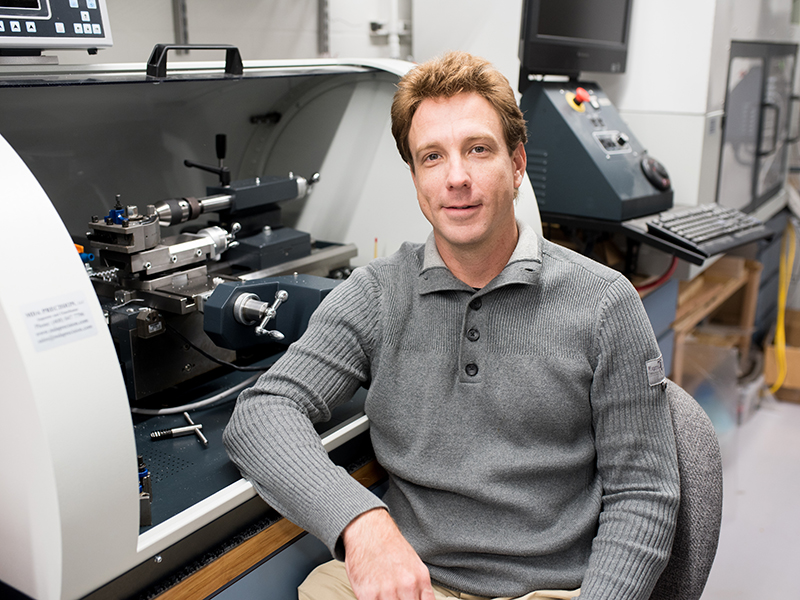
Niclas Roxhed is a Professor at KTH Royal Institute of Technology, leading the Biomedical Microsystems team in the Division of Micro and Nanosystems. He holds affiliations with MIT's Koch Institute and directs MedTechLabs, a KTH-Karolinska Institutet-Region Stockholm collaboration. His research focuses on medical diagnostics sensors, MEMS-based drug delivery, and sampling systems. Roxhed has founded seven companies, authored over 150 papers, and holds 40+ patents. Education: M.Sc. (2003) and Ph.D. (2007) in Microsystem Technology from KTH. He teaches courses in Microsystem Technology and supervises degree projects in Electrical Engineering and Engineering Physics. Research Interests: Develops wearable and minimally invasive medical devices, including microneedle patches, aerosol drug delivery systems, and lab-on-a-chip technologies. His work spans environmental monitoring (plant sap analysis) to endovascular and neural implant technologies. Key Contributions: Pioneered dust-sized MEMS spray chips for lung drug delivery, self-sealing inhaler nozzles, and home-sampled dried blood spot diagnostics. His labs emphasize translational research, bridging microengineering with clinical applications. Grants & Teams: Leads MedTechLabs, a multidisciplinary center advancing medical technology. His teams collaborate internationally, contributing to IEEE MEMS conferences and editorial roles in journals like the IEEE Journal of MicroElectroMechanical Systems.
Won Dong Shin is a Postdoctoral Researcher at the Laboratory of Intelligent Systems (LIS) within the School of Engineering (STI) at EPFL. His research focuses on bio-inspired robotics, particularly in the design and control of drones and multi-modal robots. He explores topics such as avian-inspired flight mechanisms, morphological control systems, and autonomous navigation strategies. His work integrates vision-based control, biomimetic principles, and reinforcement learning to enhance the agility and accuracy of winged drones in urban environments. He has contributed to developing robots capable of transitioning between ground and air, perching, and adapting to complex terrains through energy-efficient designs. Selected projects include studies on elastic actuation for repetitive hopping, multi-modal locomotion systems, and bio-inspired claws for perching. His research often emphasizes practical applications in robotics for civilian tasks, such as urban exploration and environmental monitoring. Shin collaborates with the LIS group, which is part of EPFL’s Institute of Microengineering (IGM). His contact information includes the email won.shin@epfl.ch and a physical office at MED 1 1612 in Lausanne.
Eva Blasco is an Associated Group Leader at the Functional Polymeric Materials Research Unit under the Institute of Nanotechnology at Karlsruhe Institute of Technology (KIT), with affiliations to the University of Heidelberg. Her work bridges 3D printing , polymer chemistry , and nanophotonics , focusing on light-driven material design. Her research centers on photochemically activated 3D printing inks , light-stabilized dynamic materials , and multi-photon lithography . She explores how two-color light absorption , alkoxyamine chemistry , and visible light post-processing enable adaptable microstructures. Key trends include 4D printing , biodegradable inks , and temperature/light-responsive systems . Blasco's publications highlight collaborations with institutions like KIT, University of Heidelberg, and international teams. Her work spans photonic metamaterials , bio-inspired 3D scaffolds , and subtractive laser lithography , often involving interdisciplinary applications of light in material science.
Thomas Kenny is the Senior Associate Dean for Education and Student Affairs and holds the Richard W. Weiland Professorship in the School of Engineering at Stanford University. His research focuses on micromechanical structures, utilizing silicon wafer fabrication techniques to develop devices like accelerometers, infrared detectors, and force-sensing cantilevers. Education: PhD in Physics, UC Berkeley (1989) His work spans applications in integrated packaging, inertial navigation, bio-molecule experiments, and bio-analytical instruments, driven by multidisciplinary collaborations with departments and industry. Contact: (650) 725-9210 | Mail Code 3030 | MEMS Lab Website
Ricardo Decca serves as Professor and Department Chair of Physics at Indiana University's College of Arts and Sciences, and co-directs the Nanoscale Imaging Center. His laboratory operates two custom-built Near-field Scanning Optical Microscopy (NSOM) systems for nanoscale investigations. His educational background includes a 1996 Post Doctorate in Physics from the University of Maryland, College Park; a 1994 Ph.D. in Physics from Instituto Balseiro, Universidad Nacional de Cuyo, Argentina; and a 1988 B.S. in Physics from the same institution. His research spans four primary domains: photodefined nanowires in high-temperature superconductors using NSOM-induced oxygen migration; spectroscopic analysis of quantum dots through photoluminescence and inelastic light scattering; NSOM-based tracking of fluorescent molecules in biomembranes to study diffusion properties; and experimental searches for deviations from Newtonian gravity at submicron ranges using isotope-coated microelectromechanical systems. Decca's experimental work focuses on precision force measurements at nanoscale dimensions, particularly investigating Casimir forces and potential new interactions beyond standard gravitational models. His laboratory develops specialized NSOM instrumentation operating from room temperature down to liquid helium conditions, enabling non-invasive studies of condensed matter systems. Current projects include characterizing photoinduced Josephson junctions in YBCO superconductors, quantifying dipole-dipole interactions between quantum dots, and visualizing nanoscale domains in lipid bilayers. As Department Chair and Co-Director of the Nanoscale Imaging Center, Decca oversees research infrastructure housing custom NSOM systems and microelectromechanical experimental apparatus. His laboratory maintains active collaborations in condensed matter physics and nanotechnology, with emphasis on developing novel techniques for force measurement and nanoscale characterization at the intersection of physics, materials science, and biophysics.
Kris Dorsey is an Associate Professor at Northeastern University, holding dual appointments in the Department of Electrical and Computer Engineering (College of Engineering) and the Department of Physical Therapy, Movement, and Rehabilitation Sciences (Bouvé College of Health Sciences). She also serves as an MLK Visiting Associate Professor at MIT’s Media Lab. Her research focuses on soft robotics, wearable medical devices, and multifunctional materials. Dr. Dorsey earned her Ph.D. in Electrical and Computer Engineering from Carnegie Mellon University and a B.S. from Olin College. Education: Ph.D., Electrical and Computer Engineering, Carnegie Mellon University, 2013 B.S., Electrical and Computer Engineering, Olin College Her research interests include designing reconfigurable soft sensors for medical and robotic applications, with a focus on integrating flexible electronics and active materials. Notable projects include the PARSES (Programmable and Reconfigurable Soft Engineered Systems) group, which explores soft robotics and wearable technologies for healthcare and industrial use. Key Awards: NSF CAREER Award (2019) Japan-America Frontiers of Engineering Participant (2023) Journal of Micromechanics and Microengineering Emerging Leader (2022) Emerging Leader Abie Award (2022) Dr. Dorsey’s work emphasizes interdisciplinary collaboration, bridging engineering, healthcare, and materials science. She mentors students in Northeastern’s undergraduate research programs and leads initiatives funded by NSF and industry partnerships.
Dr. Chris Rylander is an Associate Professor in the Department of Mechanical Engineering at the University of Texas at Austin. His research focuses on biomedical engineering solutions for healthcare challenges, particularly in medical device design, biomechanical systems, and thermal/fluid systems. He leads the Medical Device Laboratory, emphasizing translational research to improve patient care and advance engineering education. Dr. Rylander holds a Ph.D., M.S., and B.S. in Mechanical Engineering from UT Austin. He has secured $4.23M in grants from NIH, NSF, and the Wallace Coulter Foundation. His work spans 30 peer-reviewed articles and innovations like neonatal monitoring devices, convection-enhanced drug delivery systems, and laparoscopic cleaning tools. He advises current PhD students and has graduated 4 PhD and 9 MS students. Key research interests include: Medical device prototyping & testing Catheter-based drug delivery systems Biocompatible material development Optical instrumentation for diagnostics His clinical collaborations focus on neonatal care advancements, brain tumor treatment systems, and improving surgical instrument hygiene. He chairs the Research & Development Committee for the American Society for Lasers in Medicine & Surgery.
Prof. Dr.-Ing. Ingo A. Müller is a full-time Professor in the Department of Electrical Engineering and Computer Science at Wismar University of Applied Sciences , where he also serves as Dean of the Faculty of Engineering. His academic work spans teaching modules such as Bauelemente und Schaltungen , Mikrocontrollertechnik , and Schaltkreisentwurf , alongside extensive research in optical fiber sensors , MIMO systems , and sensor technology . Research Focus : Development of miniature all-glass fiber optic sensors for biomedical and industrial applications Optical sensor systems for high-temperature environments (e.g., geothermal wells, exhaust gas flows) Innovations in EFPI-FBG hybrid sensors for simultaneous pressure-temperature measurement Applications of digital light processing in optical communication Key Publications : His work from 2009–2021 reveals trends in fiber optic sensing for harsh environments, MIMO transmission systems , and feedback control mechanisms for sensor stabilization, with a focus on practical implementations in biomedical and industrial contexts. Scientific Achievements : Recipient of the Best Paper Award at EWOFS 2010 Contributor to patents in fiber optic pressure sensing (2010, 1990) Active in international collaborations (Tokyo University of Science, 2006) Laboratory Infrastructure : He oversees labs in Electronic Components and Circuits , Microcontroller Technology , and Circuit Design , supporting both educational and research activities.
Dr. Uwe Pelz is a Researcher at the Chair of Microsystem Construction within the Department of Microsystems Engineering (IMTEK) at the University of Freiburg. He serves as a Responsible Investigator for projects in the livMatS (Living, Adaptive and Energy-autonomous Materials Systems) cluster, focusing on thermoelectric energy harvesting and microsystem technologies. His work includes developing advanced materials for energy systems and microfabrication processes using printed circuit board (PCB) technologies. Key research areas include thermoelectric materials, 3D printing of phase change materials, and micro-thermoelectric generator (μTEG) fabrication. Pelz has contributed to projects like ThermoMetaS (thermoelectric metamaterial surfaces) and ThermoBatS (thermoelectric battery systems), funded by the DFG (German Research Foundation). His publications span topics such as paraffin-based photoresins for additive manufacturing, PCB-integrated micro-TEGs, and nano-scale material dispersions for energy harvesting. Pelz is actively involved in academic activities through livMatS, including organizing colloquia and contributing to outreach programs like IDEASfactory@FIT. His interdisciplinary approach bridges materials science, microengineering, and sustainable energy solutions.
Dr Carl Anthony is a Senior Lecturer and Head of Education in the Department of Mechanical Engineering at the University of Birmingham, within the School of Engineering. He has been a key figure in microsystems research and education since joining the university in 2006. Educational Background: BSc (Hons) in Physics with Optoelectronics, University of Surrey, 1993 PhD in Electrical and Electronic Engineering, Newcastle University, 2006 His research focuses on Microsystems Engineering , particularly microsensors, energy harvesting, nonlinear resonators, and bio-MEMS tactile sensors. His work bridges fundamental physics with practical engineering applications, especially in autonomous sensing systems. He has pioneered research in Focused Ion Beam microfabrication and wireless sensor powering solutions. The recent publications highlight a consistent trajectory in MEMS and microfabrication technologies , with increasing emphasis on bio-integrated sensors, energy autonomy, and advanced characterization techniques. His work spans materials, devices, and system-level integration, demonstrating interdisciplinary depth. Scientific Awards: EPSRC First Grant (2010) for developing a battery-less clockwork energy harvester for in-wheel tyre pressure sensors Carl Anthony is actively involved in research funding and supervision. He has secured competitive grants such as the EPSRC award and supervises PhD students in areas including micro energy harvesters, coupled resonators, and micro-vacuum systems. He is a member of the Energy Harvesting Network and collaborates with European consortia on bio-MEMS projects. He leads research in the MicroEngineering Group , where his team investigates dynamic behavior of micro-resonators, fabrication-induced material damage, and novel sensor architectures. The group leverages advanced tools like FIB and SEM for nanoscale engineering and characterization.
Vivek Subramanian is a Full Professor at École polytechnique fédérale de Lausanne (EPFL), affiliated with the School of Engineering. He holds multiple key roles across departments, primarily at the Laboratory for Advanced Manufacturing Technologies (LAFT), and also contributes to teaching and leadership in SMT-ENS, EDMI-ENS, IEM-GE, CEAE, STI-DIR, and EDAM-GE. His research is centered on advanced manufacturing and microengineering, with a strong focus on printed and flexible electronics , soft microsystems , and sensor technologies . His work bridges materials science, device engineering, and scalable fabrication processes such as roll-to-roll and additive manufacturing. He teaches courses in Probability & Statistics for Engineers, Wireless Sensor Practicals, Organic and Printed Electronics, and Soft Microsystems Processing. The recent publications reflect a consistent trend in developing high-performance, solution-processed electronic devices, particularly organic transistors, photodetectors, solar cells, and wearable sensors. These works emphasize scalable, low-cost fabrication techniques and applications in energy, healthcare, and the Internet of Things. Scientific Awards: None listed in the provided text. Vivek Subramanian actively supervises a cohort of doctoral students and is involved in academic governance through roles such as Associate Director in IEM-GE, Head of EPFLNE-CC (until May 2025), and member of the Academic Evaluation Committee (CEAE) and STI Faculty Board. He is also a member of the Doctoral Program Commission for Manufacturing. His research is supported by funding bodies including the ETH Board, National Science Foundation (NSF), and the Jack Kent Cooke Foundation. He leads the Laboratory for Advanced Manufacturing Technologies (LAFT) , which focuses on innovative fabrication methods for next-generation electronic systems. The lab emphasizes interdisciplinary collaboration and practical applications in flexible, wearable, and printed electronics.
Dr. Menake Piyasena is an Associate Professor in the Department of Chemistry at New Mexico Institute of Mining and Technology, where he leads the Bio-analytical and Microfluidics research group. His work focuses on developing novel analytical methods for environmental, biological, and chemical applications, including disease diagnostics and pollutant detection. Education: Postdoctoral Researcher, University of New Mexico, 2009 Postdoctoral Researcher, University of Maryland, 2007 Postdoctoral Fellow, California State University-Los Angeles, 2005 Ph.D., Analytical Chemistry, University of New Mexico, 2005 B.Sc., Chemistry, University of Kelaniya, 1997 Research Interests: Dr. Piyasena's research explores microsphere and polymer monolith-based bio-assemblies for disease diagnostics, acoustic focusing systems for biological particle separation, and microfluidic techniques for environmental contaminant removal. His group specializes in biosensors, acoustofluidic devices, and microfabrication techniques for analytical applications. Publication Trends: Recent work demonstrates a strong focus on environmental applications of microfluidics, particularly microplastic separation and pharmaceutical degradation analysis. His 15 most recent publications emphasize acoustofluidic particle manipulation, lipobead-based biosensors, and innovative microdevice fabrication for biological and environmental monitoring. Research Group: Leads the Bio-analytical and Microfluidics laboratory developing portable detection systems for environmental toxins and disease biomarkers.