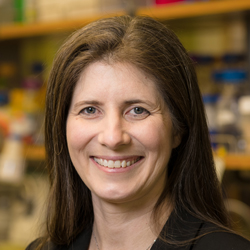
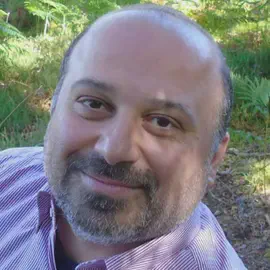
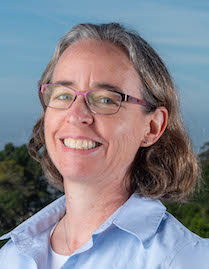
Wenxiang Cao is a Research Scientist in the Department of Molecular Biophysics and Biochemistry at Yale School of Medicine. His research focuses on the biophysical and biochemical mechanisms of protein enzymes and the mechanical properties of protein polymers. He holds a PhD in Physics from Northeastern University (2003) and completed a postdoctoral fellowship at Yale University (2008). Key research areas include actin filament mechanics, cryo-electron microscopy (Cryo-ET) method development, and the structural basis of protein interactions. Notable contributions include studies on cation-induced stiffening of actin filaments and phosphate release mechanisms in actin-branching complexes. His work frequently involves collaborations with researchers like Enrique De La Cruz and Chuck Sindelar, yielding over 60 peer-reviewed publications. Awards include an American Heart Association Postdoctoral Fellowship (2006). Current affiliations include the Yale School of Medicine and the Molecular Biophysics and Biochemistry department. Research highlights include quantitative studies of ENPP1 variants in bone disease and structural analysis of bacterial microcompartments using Cryo-ET.
Martin Warren is a Professor and Group Leader at the University of East Anglia, affiliated with the Faculty of Science and the Norwich Institute for Healthy Aging. His research focuses on vitamin B12 metabolism, gut microbiome dynamics, and their implications for human aging and neurological health. Research Interests: Vitamin B12 metabolism and transport in microbes and plants Gut microbiota and bacterial extracellular vesicles Nutritional biochemistry and aging Molecular mechanisms of bacterial colonization Systems biology of microbial metabolism The recent publications indicate a strong trend in interdisciplinary research combining microbiology, molecular biology, and nutritional science, with applications in healthy aging and neurological function. His work spans from fundamental microbial processes to human clinical implications, particularly in older adults and dietary populations such as vegans. Scientific Engagement: Active contributor to high-impact journals including Nature Communications , Annals of Neurology , and Plant Physiology Research widely shared on social media (X, Facebook, Bluesky) and covered by numerous news outlets Work referenced in Wikipedia and academic platforms like Mendeley Advising and Grants: While specific students and grants are not listed in the provided text, his role as a Group Leader and prolific publication record suggest active supervision of research students and leadership in securing research funding. His collaborations span multiple institutions and countries, indicating a broad research network. Labs and Teams: Leads a research group at the University of East Anglia, closely associated with the Norwich Institute for Healthy Aging, focusing on molecular and systems-level understanding of vitamin B12 and microbiome interactions.
Professor Peijun Zhang is a Professor of Structural Biology and Wellcome Trust Investigator at the University of Oxford, based in the Division of Structural Biology within the Nuffield Department of Medicine. She maintains a dual affiliation with the Electron Bio-Imaging Centre (eBIC) at Diamond Light Source, where she leverages cutting-edge cryo-electron microscopy infrastructure. Her research program focuses on achieving atomistic-level understanding of viral and bacterial infection mechanisms through integrated structural, computational, and biochemical approaches. Her primary research explores HIV-1 capsid assembly, maturation, and host-interaction interfaces (including CypA, TRIM5α, TRIMCyp, CPSF6, and MxB), alongside bacterial chemotaxis sensory arrays in pathogens. She pioneers cryo-EM and cryo-electron tomography methodologies—particularly correlative microscopy, cryo-FIB/SEM, and high-resolution sub-tomogram averaging—to visualize infection processes in near-native cellular contexts. This work bridges structural biology with pathogen-host dynamics, targeting therapeutic interventions for infectious diseases. Analysis of her 2025 publications reveals a dominant trend toward in situ structural virology , with 70% of articles examining HIV-1 nuclear import mechanisms and capsid-host interactions, 20% focused on SARS-CoV-2 fusion dynamics, and 10% on bacterial pathogenesis and methodological advances. The work consistently emphasizes native-state imaging of infection processes, demonstrating how pathogen structures adapt within host cellular environments—a critical insight for antiviral development. Her scientific recognition includes: Wellcome Trust Investigator Award for 'Molecular mechanisms of HIV-1 restriction by capsid-sensing host cell proteins' ERC Advanced Grant for 'Molecular choreography of bacterial chemotaxis signalling' Professor Zhang directs substantial research funding including a BBSRC project grant on 'Assembly and Dynamics of Bacterial Chemosensory Signaling Arrays' and an NIH/NIAID grant supporting the University of Pittsburgh Center for HIV Protein Interactions CryoEM Core. Her laboratory operates as a structural biology hub integrating high-end imaging with biochemical validation, maintaining active collaborations with Vanderbilt University, University College London, Dana-Farber Cancer Institute, and Yale University to address fundamental questions in pathogen mechanics. Her research group functions as a multidisciplinary team combining cryo-EM expertise, computational modeling, and molecular biology to capture dynamic infection processes. The lab's strategic positioning at the Oxford-Diamond interface enables unique access to advanced imaging infrastructure while maintaining strong ties to clinical and basic research networks through the Nuffield Department of Medicine.
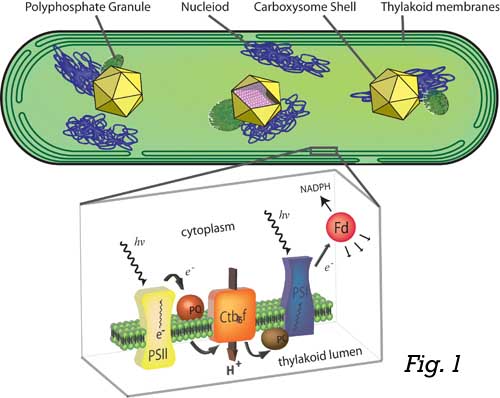
Cheryl A. Kerfeld is the Hannah Distinguished Professor at Michigan State University in the College of Natural Science and Department of Biochemistry & Molecular Biology. She also holds a joint appointment at Lawrence Berkeley National Laboratory , where she leads research in the Molecular Biophysics & Integrated Bioimaging Division. Kerfeld directs the MSU-DOE Plant Research Laboratory and co-leads the Center for Catalysis in Biomimetic Confinement (CCBC) , a DOE Energy Frontier Research Center. Structural Bioengineering Bacterial Microcompartment Research Photoprotection Mechanisms Her research focuses on bacterial microcompartments (BMCs) and cyanobacterial photoprotection , including the Orange Carotenoid Protein (OCP) . She investigates BMC shell architecture, permeability, and engineering for synthetic biology applications. Her work on photoprotection explores carotenoid-protein interactions and light-harvesting regulation in cyanobacteria. Recent publications highlight her team's breakthroughs in in vitro BMC shell assembly , novel phycobilisome linker proteins , and computational modeling of metabolite pathways . These studies demonstrate her lab's expertise in integrating structural biology with synthetic applications, including collaborations with institutions like Argonne National Lab and UC Berkeley. Scientific awards include: Election as AAAS Fellow (2019) Anton Lang Memorial Award for research excellence Kerfeld's team has developed tools like the BMC Caller webtool for genomic analysis and pioneered non-lipid synthetic cell architectures through the NSF-funded ProteoCell project . She actively participates in STEM outreach, including the Berkeley Lab K-12 programs and MSU's Undergraduate Genomics Research Initiative .
Danielle Tullman-Ercek is a Professor of Chemical and Biological Engineering at Northwestern University and Director of the Master of Science in Biotechnology Program. She leads the Tullman-Ercek Lab, focusing on engineering self-assembling protein systems for applications in medicine and environmental science. Her work explores principles of protein nanoscale organization, performance enhancement through biochemical process organization, and functional manipulation of protein assemblies in living/non-living systems. Education: Ph.D. in Chemical Engineering from the University of Texas at Austin (200?), B.S. in Chemical Engineering from Illinois Institute of Technology. Research Interests: The lab studies protein containers like viral capsids (e.g., MS2) and bacterial microcompartments (e.g., Pdu microcompartments), as well as membrane protein machines such as the type III secretion system. Key projects include understanding self-assembly rules, optimizing metabolic pathways within encapsulated systems, and developing tools for synthetic biology education/training. Recent work highlights include engineering type III secretion systems for protein delivery, designing synthetic organelles via microcompartment engineering, and advancing high-throughput screening techniques for biomaterials. Her lab collaborates with groups like the Center for Synthetic Biology (co-directed since 2023) and the Olvera de la Cruz lab for computational modeling. Advising & Grants: Supervises graduate students (e.g., Madeline Mills, Matthew Lucia) and postdocs (e.g., Feipeng Chen, Ekta Bhattacharya). Lab alumni include Dr. Carolyn Mills (Assistant Professor at UC Santa Barbara) and Dr. Nolan Kennedy (Research Assistant Professor). Active in training initiatives like the Synthetic Biology Across Scales program. Labs/Teams: Tullman-Ercek Lab (Northwestern) and affiliated with the Center for Synthetic Biology, McCormick School of Engineering, and the PhD Program in Interdisciplinary Biological Sciences.
Daniele Militello is an Associate Professor at the University of Palermo's Department of Physics and Chemistry, specializing in quantum optics, open systems, and quantum thermodynamics. His PhD (2006) focused on quantum measurement effects, with JSPS-supported research at Waseda University on measurement impacts. Research contributions include quantum Zeno dynamics, time-dependent Hamiltonians, and noise effects in quantum systems. Recent work explores quantum synchronization in chiral networks, dissipative quantum control, and fundamental limits in quantum clocks. Publications span Physical Review, Journal of Physics, and Quantum Information journals. He has collaborated on INFN initiatives and international projects with institutions in Bristol, Madrid, and Durban. Article analysis reveals sustained focus on quantum control under decoherence, with recent expansion into biophysical applications of quantum principles. Methodological innovations include approaches beyond rotating wave approximations.
Michael Prentice is a Professor of Medical Microbiology at University College Cork (UCC), where he conducts groundbreaking research in bacterial genomics and microcompartment biology. He is a principal investigator at the Alimentary Pharmabiotic Centre (APC) and previously served as a Senior Lecturer at Bart's and the London Medical School, Queen Mary University of London from 1993-2004. His educational background includes: MB ChB (Medical Degree) from Birmingham Medical School (UK) in 1980 PhD from Queen Mary, University of London in 1998 Professional qualifications: FRCP (2021), FRCPI (2020), FFPRCPI (2007), FRCPath (1999) Professor Prentice's research centers on bacterial genomics, particularly Yersinia pestis and Yersinia enterocolitica genomes, and the role of horizontally transmitted genes in bacterial pathogenicity. His discovery of a horizontally-transferred metabolosome-specifying operon in Y. enterocolitica led to significant work on bacterial microcompartments (metabolosomes), which are present in approximately 20% of bacterial genomes. His research has shown these structures are important in E. coli urinary tract infections and has applications in renal failure complications and environmental bioremediation. Analysis of his recent publications reveals a strong pivot toward practical applications of microbiological research, particularly in infection control during the pandemic. His 2020-2023 work addresses airborne transmission of SARS-CoV-2, hospital infection control measures, and aerosol dynamics in medical settings, demonstrating how his foundational expertise in bacterial metabolism and genomics informed critical pandemic response research. His research has been supported by: Science Foundation Ireland (multiple awards totaling over €500,000 since 2012) Health Research Board Healthcare Infection Society Higher Education Authority Department of Agriculture, Food and the Marine (DAFF) Professor Prentice has successfully supervised numerous graduate students including Karen McCarthy (PhD, 2016), Alan Barry (MSc, 2015), Tamara Ringwood (PhD, 2013), Kamila Knapik (PhD, 2013), and Olabisi Ojo (PhD, 2009). His laboratory has received continuous funding for innovative research bridging basic science and clinical applications. He maintains extensive collaborations with researchers at UCC (Dr. John MacSharry, Professor Barry Plant), University of Kent (Professor Martin Warren), Queen Mary University of London (Professor Richard Pickersgill), and international institutions including University of Versailles. His work with the APC positions him at the forefront of microbiome research in Ireland, with particular emphasis on the intersection of bacterial metabolism and human health.
Dr. Robert Jefferson is a Lecturer in the Department of Chemistry at King’s College London, part of the Faculty of Natural, Mathematical & Engineering Sciences. He holds a BA from Whitman College and a PhD from UCLA, followed by postdoctoral work at EPFL under a Marie Skłodowska-Curie Fellowship. His research focuses on computational and experimental methods to design membrane protein complexes for therapeutic and synthetic biology applications. Education: B.A. Biochemistry, Biophysics, Molecular Biology (Whitman College) PhD Biochemistry & Molecular Biology (UCLA, James Bowie Lab) Research interests include engineering membrane protein stability, GPCR signaling, and dynamic receptor-peptide interactions. His group explores how membrane proteins interact within cellular environments and designs systems to correct defects or enhance functions. Recent work emphasizes computational design of signaling complexes and chemotaxis mechanisms. Key articles span membrane protein folding, GPCR quaternary structures, and single-molecule methods. Awards include NIH and Marie Skłodowska-Curie Fellowships. He advises PhD student Nicholas Massouh and leads the Jefferson Group, collaborating internationally on synthetic biology tools and protein therapeutics. Labs/Teams: The Jefferson Group at King’s College London
Corie Ralston serves as Facility Director of the Biological Nanostructures facility at the Molecular Foundry, Lawrence Berkeley National Laboratory, with a guest appointment in the Molecular Biophysics and Integrated Bioimaging division. Her work bridges structural biology and synchrotron radiation techniques at the Advanced Light Source. Dr. Ralston earned a B.S. in Physics from UC Berkeley and a Ph.D. in Biophysics from UC Davis, followed by postdoctoral training at Brookhaven National Laboratory where she pioneered X-ray footprinting methodology. Her research focuses on developing novel X-ray techniques for macromolecular structural analysis, with applications spanning photoprotection mechanisms in cyanobacteria, chaperonin protein function, and membrane channel dynamics. Recent work integrates photoluminescence spectroscopy with X-ray footprinting mass spectrometry for real-time protein conformation studies. Her publication record demonstrates consistent innovation in structural biology methods, particularly through the ALS-ENABLE initiative which enhances synchrotron capabilities. Current projects examine bacterial microcompartments, amyloid beta aggregation, and electrochemical cofactor recycling systems, reflecting her interdisciplinary approach to biological nanostructures. Dr. Ralston leads the X-ray Footprinting Mass Spectrometry facility at Beamline 3.3.1, providing critical resources for the structural biology community. Her collaborative work spans multiple DOE user facilities and involves extensive partnerships across academia and national laboratories.
Cheryl Ann Kerfeld is the Hannah Distinguished Professor in the Department of Biochemistry & Molecular Biology at Michigan State University, with joint appointments at the MSU-DOE Plant Research Laboratory and the BioMolecular Science Gateway. She maintains an active research laboratory with locations in both East Lansing, Michigan and Berkeley, California. Dr. Kerfeld's research focuses on bacterial microcompartments, carbon fixation mechanisms, and cyanobacterial photoprotection systems. Her lab employs structural biology, bioinformatics, and synthetic biology approaches to understand and engineer these natural nanoscale compartments. She leads the Center for Catalysis in Biomimetic Confinement (CCBC), a DOE Energy Frontier Research Center, and the ProteoCell project funded by the NSF. Her recent publications demonstrate a strong focus on bacterial microcompartment structure, function, and engineering applications, with particular emphasis on carboxysomes and metabolosomes. Her work spans from fundamental structural characterization to practical applications in metabolic engineering and sustainable biotechnology. Scientific Awards: AAAS Fellow (2019) ASBMB Award for Exemplary Contributions to Education (2011) Anton Lang Memorial Research Excellence Award (2020) Dr. Kerfeld has advised numerous postdoctoral researchers and students who have gone on to make significant contributions in the fields of structural biology and photosynthesis research. Her lab actively participates in STEM education outreach, including hosting high school students for job shadow experiences and participating in community science events. She also leads major collaborative research efforts, including the Center for Catalysis in Biomimetic Confinement (CCBC), which involves scientists from Michigan State University, Argonne National Laboratory, and Berkeley National Laboratory. The Kerfeld Lab operates as a multi-site research group with facilities at both Michigan State University and Lawrence Berkeley National Laboratory, allowing for complementary experimental approaches to studying bacterial microcompartments and photosynthetic systems.
Jared R. Leadbetter is Professor of Environmental Microbiology at the California Institute of Technology (Caltech), affiliated with the Division of Geological and Planetary Sciences and the Environmental Science and Engineering department. He serves as Option Representative for Geobiology and has held positions at Caltech since 2000, progressing from Assistant Professor (2000-06) to Associate Professor (2006-10) to full Professor (2010-present). Leadbetter's research centers on environmental microbiology with specific focus on chemolithoautotrophic microbes (particularly manganese oxidizers), termite gut symbionts, spirochete diversity, and lignocellulose-degrading systems. His methodology integrates classical cultivation techniques with cutting-edge genomic, transcriptomic, and microfluidic approaches. His work frequently employs cryoelectron tomography, FISH-enabled NanoSIMS, and (meta)genomic analyses to study microbial physiology in environmental contexts. Recent publication trends (2014-2025) demonstrate sustained focus on microbial metabolism in extreme environments, with significant contributions to understanding manganese-based chemolithoautotrophy, termite-microbe symbioses, and quorum sensing mechanisms. His research spans freshwater, marine, and terrestrial ecosystems, with particular emphasis on uncultivated microbes and their biogeochemical roles. Leadbetter teaches undergraduate courses including ESE/Bi 166: Microbial Physiology and FS/ESE/Ge 18: The Unseen Microbial World in Plain Sight, where he emphasizes field-based microbial observation. His educational philosophy highlights microbes as fundamental drivers of Earth's systems, famously paraphrasing that humans are merely 'the hood ornament on a really interesting car' while microbes constitute 'what's under the hood'.
Murray Badger is a Professor at the Australian National University (ANU) within the Research School of Biology (RSB). He completed his BSc Agr at the University of Sydney and a PhD in Plant Biochemistry at ANU. His career includes postdoctoral work at the Carnegie Institution of Washington and leadership roles at ANU, such as Head of the Departments of Environmental Biology and Molecular Plant Physiology, Director of the ARC Centre of Excellence for Translational Photosynthesis, and leader of the Badger Group (Photosynthetic Functional Genomics). BSc Agr, University of Sydney PhD, Plant Biochemistry, ANU His research focuses on the genetics, biochemistry, and physiology of photosynthetic CO2 fixation across plants, algae, and cyanobacteria. Key areas include the inefficiencies of the enzyme Rubisco, the evolution and operation of CO2 concentrating mechanisms, and the regulation of photosynthetic capacity through chloroplast development. His work explores synthetic biology strategies to enhance crop photosynthesis by integrating cyanobacterial CO2 concentrating mechanisms. Recent publications highlight biochemical regulation of C3/C4 photosynthesis, carboxysome structure-function analysis, and thermal acclimation in symbiotic algae. His projects aim to address global food security challenges through photosynthetic innovation. Scientific Awards Peter Goldacre Medal (1982) Highly cited researcher in Plant and Animal Sciences (2000) Fellow of the Australian Academy of Science (2008) Corresponding Member of the American Society of Plant Biologists (2009) Murray Badger has secured significant grants, including the ARC LIEF grant (2016), and has mentored students in photosynthetic research. He currently leads the development of the Australian Plant Phenomics Facility node at ANU, advancing translational photosynthesis studies.
Daniel C Ducat is a Professor at Michigan State University (MSU), affiliated with the Department of Biochemistry & Molecular Biology, MSU-DOE Plant Research Laboratory, Molecular Plant Sciences Program, Genetics & Genome Sciences Program, Cell & Molecular Biology Program, and BioMolecular Science Gateway. His research focuses on cyanobacterial biology and biotechnology. Education: PhD (2009) from Johns Hopkins University, BS (2003) from Michigan State University Previous Appointment: Research Associate (2009-12) at Harvard Medical School Research interests center on engineering cyanobacteria for sustainable biotechnological applications, including biofuel production, carbon fixation optimization, and synthetic microbial consortia. His lab develops strains capable of photosynthetic sucrose production and investigates metabolic feedback mechanisms. Scientific contributions span synthetic biology, microbial community design, and photosynthetic metabolism. Key projects include developing light-driven co-cultures, exploring plastic-binding peptides, and creating self-inducible quorum-sensing systems. Scientific Award: NSF CAREER Award (2019) for synthetic microbial community research Labs and teams include the Ducat Lab, focusing on cyanobacterial engineering and sustainable solutions through synthetic biology tools.
Christian Heinis is an Associate Professor at EPFL's School of Basic Sciences (SB), leading the Laboratory of Therapeutic Proteins and Peptides (LPPT). He holds additional roles in the SCGC and EDCH teaching units, and serves as a Member of the Research Awards Commission under EPFL's Vice Presidency for Academic Affairs. His research focuses on designing peptides and proteins for therapeutic applications, including drug discovery, protein engineering, and developing orally bioavailable cyclic peptides. Key areas include macrocycle synthesis, phage display technology, and targeting coagulation pathways. He supervises numerous PhD students and has advised over 20 past students. His lab develops innovative methods for peptide synthesis and screening, with over 50 publications since 2017, emphasizing drug delivery and protein-protein interaction modulation. Teaching responsibilities include courses in Biochemistry, Drug Discovery, and Chemical Biology Seminars. His work bridges chemical synthesis with biological applications, aiming to translate peptide-based innovations into clinical therapeutics.
Prof. Dr. Ulrich Schwaneberg is Chair for Biotechnology at RWTH Aachen University and director of its Institute of Biotechnology; he is simultaneously co-appointed at the DWI – Leibniz Institute for Interactive Materials. He leads the Schwaneberg research group, globally ranked 3rd in directed-evolution output, and serves on the Scientific Board of the Bioeconomy Science Center and as speaker of the Henkel Innovation Campus for Advanced and Sustainable Technologies (HICAST). Education & career: Diploma & PhD in Chemistry, University of Stuttgart (Prof. R. D. Schmid) Post-doctoral fellow, Caltech, 1999-2001 (Prof. F. H. Arnold, Nobel laureate 2018) Professor, Jacobs University Bremen, 2002-2008 Full Professor & Institute Director, RWTH Aachen, since 2009 Co-director, DWI – Leibniz Institute for Interactive Materials, since 2010 Research interests: The group pioneers protein-engineering platforms (KnowVolution, SeSaM, CompassR) that merge directed evolution with computational design to uncover fundamental design principles of proteins. Major application areas are (i) interactive materials—engineering peptides that form dense, ambient-temperature monolayers on polymers, metals, ceramics, plant leaves or teeth to create antimicrobial, anti-fouling or pesticide-release coatings; (ii) biocatalysis—evolving P450s, laccases, phytases, cellulases and artificial metalloenzymes for selective oxy-functionalization, biomass degradation and green polymerization; and (iii) circular bioeconomy—microgel-based delivery systems that replace microplastics in seed coatings, textiles and foliar fertilizers, thereby reducing pesticide loads and environmental persistence. Recent publication trends (2016-2025): More than 220 peer-reviewed papers demonstrate continuous innovation: early work established nanopore-protein-polymer conjugates and redox-switchable enzyme nanogels; mid-period developed KnowVolution campaigns for ionic-liquid-tolerant lipases, high-molecular-weight hyaluronic-acid synthases and aryl-sulfotransferases; latest phase integrates machine-learning-guided recombination, microgel-enzyme reactors (MicroGelzymes), anchor-peptide functionalization of 3-D-printable materials and whole-cell artificial metalloenzymes for olefin metathesis and C–H activation. Scientific awards & patents: BMBF “Next Generation Biotechnological Processes” award 2016 (€1.7 M), BioRegions Innovation Award 2018 for greenRelease technology, visiting professorships at CAS (2013) and Osaka University (2015); co-inventor on >15 licensed enzyme patents and founder of SeSaM-Biotech GmbH offering directed-evolution services. Grants & collaborative infrastructure: Coordinator of the €multi-million Bio4MatPro competence centre (2022-2026) that transforms materials science through biological peptides, microgels and hybrid catalysts; leads projects EcoGuard, GreenProtect, BioCoat, PleuraPlug, Heart2.0 and KlarTEXt funded by BMBF, EU and industry partners. Team & facilities: >40 members (post-docs, PhD students, science-support staff) housed in modern laboratories at RWTH and DWI equipped with robotic screening, droplet microfluidics, anaerobic spectroscopy, SPR, NMR, MS, AFM and pilot-plant bioreactors for rapid translation from gene to product.