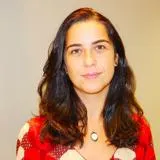
Dr. Patricia Pestana Garcez is a Lecturer in Neuroscience Education at King's College London, affiliated with the Department of Neuroimaging within the School of Neuroscience at the Institute of Psychiatry, Psychology & Neuroscience. She also participates in the King's Brazil Institute. Her teaching focuses on developmental neurobiology and neuroanatomy for undergraduate and postgraduate neuroscience programs. Her research investigates viral infections' impact on neural development and pathology, particularly Zika virus-induced congenital brain abnormalities like microcephaly and corpus callosum agenesis. Recent work explores neuroinflammation's role in neurogenesis and oncolytic virus applications for brain tumor treatment. She collaborates with experts such as Dr. Alessio Delogu and Prof. Ivor Mason. Garcez co-leads the Microbes in Health & Disease Research Interest Group, fostering interdisciplinary collaboration on microbial roles in health and disease. Her research integrates molecular biology, neuroimaging, and clinical neuroscience methodologies.
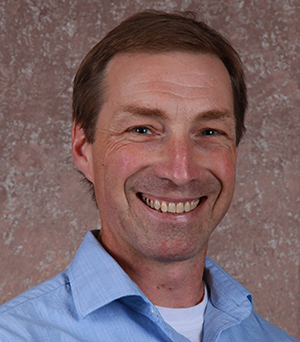
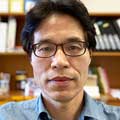
Dr. John Woulfe is an Associate Professor at the University of Ottawa in the Department of Pathology within the Faculty of Medicine . He also serves as an Attending Staff Neuropathologist at the Ottawa Hospital (Civic Campus) and an Associate Scientist at the Ottawa Hospital Research Institute . His clinical and research activities focus on neurodegenerative diseases and biochemical mechanisms. Education : MD and PhD (as indicated by titles) Research Interests include neuropathology , alpha-synuclein aggregation in Parkinson's disease , environmental disease triggers , and intranuclear rodlet formation . His work explores genetic and biochemical factors in neurodegenerative conditions like Huntington's disease and diabetes-related neuropathology . Publication Trends show expertise in neurodegenerative disease modeling , genetic syndromes , and neuropathological characterization . His studies span from mouse models to clinical diagnostics in Alzheimer's and glioma prognostication . Scientific Recognition : Best Paper of the Year Award, Movement Disorders (2014) Research Collaborations with Dr. Doug Gray on alpha-synuclein visualization in vivo. His work bridges basic research and clinical applications in neuroscience and pathology .
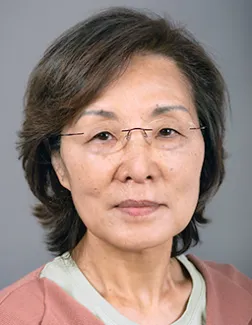
Dr. Hyeryun Choe is a leading researcher at Boston Children's Hospital specializing in viral entry mechanisms and receptor identification. She directs the Choe Laboratory, which investigates how viruses including HIV-1, SARS-CoV, and Zika virus enter host cells. Her work has significant implications for developing antiviral therapies and vaccines against emerging pathogens. Dr. Choe received her PhD from Pennsylvania State University in Cellular and Molecular Biology. Her postdoctoral training included work at Beth Israel Hospital on TFR1 receptor-mediated endocytosis and at Dana Farber Cancer Institute on HIV-1 research. She has established her independent laboratory at Boston Children's Hospital, spent time at The Scripps Research Institute's Florida Campus, and returned to Boston Children's Hospital in 2023. Dr. Choe's research primarily focuses on viral entry mechanisms, with particular emphasis on identifying cellular receptors for clinically important viruses. Her laboratory has made seminal contributions to understanding how HIV-1 uses CCR5 and other coreceptors, how SARS-CoV utilizes ACE2 as its receptor, and how New World hemorrhagic fever arenaviruses employ TFR1. She discovered that tyrosine sulfation is the sole common feature of all known HIV-1 coreceptors and is essential for their function. Her work also revealed that lysosomal enzymes cathepsins B and L are essential for SARS-CoV entry, TIM1 is a general entry-enhancing host factor for many viruses, and AXL mediates Zika virus infection of fetal endothelial cells, potentially contributing to fetal microcephaly. Analysis of Dr. Choe's recent publications reveals a consistent focus on coronavirus research, particularly SARS-CoV-2. Her work spans viral entry mechanisms, vaccine development, and antiviral therapeutics. She has made significant contributions to understanding how the virus enters cells, how it adapts to humans, and how to develop effective countermeasures including engineered ACE2 proteins and improved vaccine platforms. Her research also extends to HIV-1 and Zika virus, demonstrating breadth across multiple viral pathogens while maintaining a unifying theme of viral entry mechanisms. Dr. Choe has made substantial contributions to the field of virology through her laboratory's discoveries. While specific awards aren't listed in the provided information, her high-impact publications in top journals like Nature, Science, and Cell demonstrate recognition of her work by the scientific community. As principal investigator of the Choe Laboratory, Dr. Choe oversees research projects spanning multiple areas of viral pathogenesis. Her team investigates viral entry mechanisms across different virus families, develops novel antiviral strategies including AAV vectors for targeted delivery, and works on improving protein therapeutics for viral diseases. Current projects include developing AAV vectors that specifically target CD4+ T cells or B cells, engineering B cells for HIV-1 vaccine evaluation, and finding strategies to minimize antibody-dependent enhancement in dengue virus infection. The Choe Laboratory operates at the intersection of virology, cell biology, and structural biology, employing biochemical, cell biological, and structural approaches to understand viral entry mechanisms. The lab collaborates with other research groups, including the Farzan lab, to develop innovative antiviral strategies. Current work focuses on applying insights from viral entry research to develop improved vaccine platforms and therapeutic interventions for multiple viral pathogens.
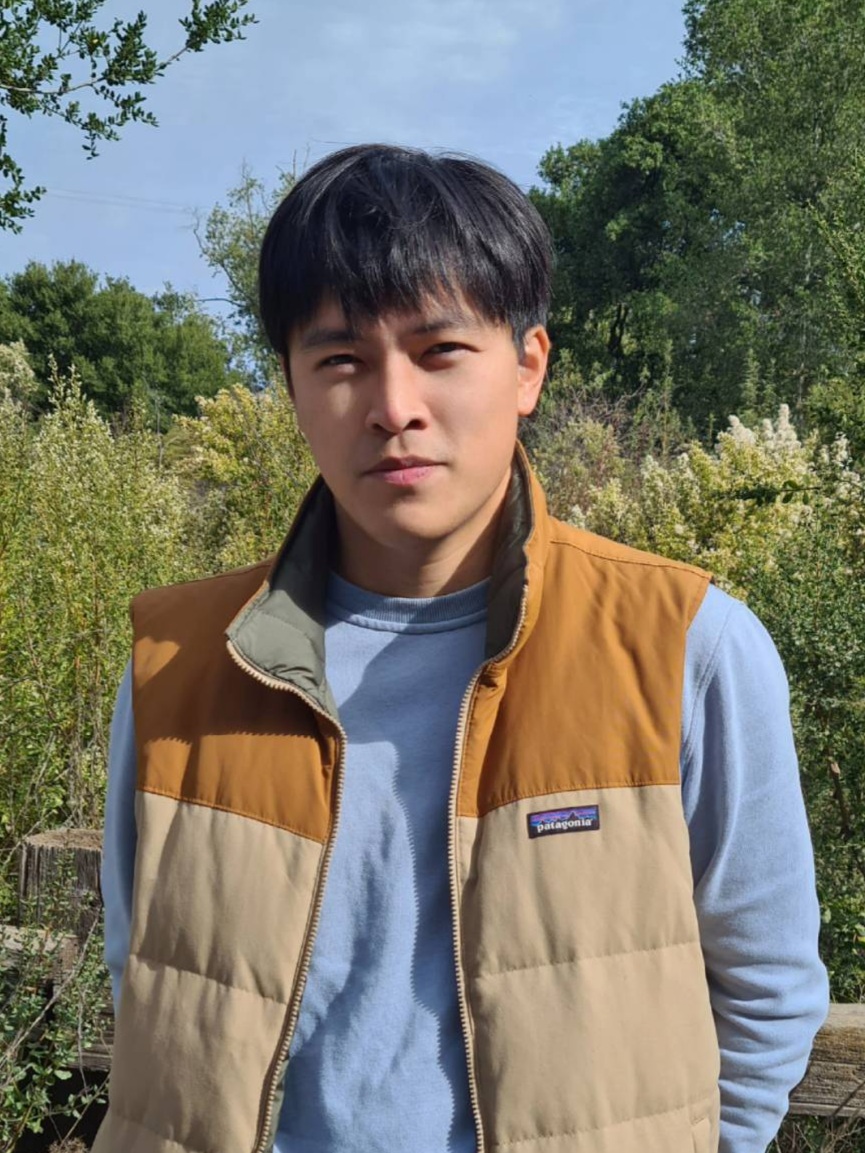
Dr. Chien-Ting Wu is an Assistant Professor in the Department of Microbiology at the University of Texas Southwestern Medical Center . With postdoctoral training at Stanford University and graduate work at Academia Sinica in Interdisciplinary Neuroscience, Dr. Wu's research focuses on respiratory viral infections, ciliary biology, and their intersections with metabolism and cancer. Education Postdoc: Stanford University PhD: Academia Sinica, Interdisciplinary Neuroscience BS: National Yang-Ming University, School of Medicine Dr. Wu's work investigates how respiratory viruses breach physical barriers, how ciliary GPCRs regulate islet hormone secretion, and the link between metabolic disorders and infectious disease susceptibility. Current projects include studying SARS-CoV-2 pathogenesis, ciliary signaling in diabetes, and virus-induced tumorigenesis. Key publication trends reveal expertise in: Virology : SARS-CoV-2, adenovirus, influenza Cell Biology : Ciliary structure, centriole assembly Metabolism : Diabetes, obesity-related signaling Cancer Biology : Virus-induced tumorigenesis Drug Discovery : Ethacridine, FDA drug repurposing Signaling : cAMP-EPAC, MDM2-p53 Scientific Awards & Grants : NIH R01 DK107507 NIH R01 HD085901 NIH R01 DK108817 NIH R01 GM121565 NIH R01 DK126482 NIH P30 DK020593 NIH R01 DK127665 NIH U01 DK123743 NIH P30 DK116074 Dr. Wu's lab advises : Chad Evans (PhD Student) Postdoctoral trainees in virology and ciliary biology
Dr. Donald Basel serves as Associate Professor and Section Chief in the Department of Pediatrics, Division of Genetics at the Medical College of Wisconsin. He is a board-certified clinical geneticist with over 15 years of academic experience, currently directing the Medical Genetics Residency Program and co-directing the Neurofibromatosis & RASopathy Center at Children's Hospital of Wisconsin. His leadership extends to the Human and Molecular Genetics Center as Associate Director of the Rare and Undiagnosed Disease Program and Medical Director of the Genetics Center. Dr. Basel's research interests span medical genetics, rare diseases, skeletal dysplasias, and connective tissue disorders. His work focuses on improving diagnostic approaches for rare genetic conditions through genomic sequencing, understanding genotype-phenotype correlations, and developing sustainable models for genetics clinical services. He has published extensively on neurofibromatosis, RASopathies, and various skeletal malformation syndromes. With 90 publications to his name, Dr. Basel's recent research demonstrates significant contributions to the understanding of rare genetic disorders through large-scale genomic studies and clinical trials. His work shows a strong emphasis on translational research that bridges diagnostic genomics with clinical applications for patients with undiagnosed conditions. Teaching Award: High 5 Winner, Medical College of Wisconsin (2014-2015) Expert Teacher, Medical College of Wisconsin (2016-2017, 2019) Expert Clinician, Medical College of Wisconsin (2016-2019) Best Doctors in America (2017, 2019) BEST Teacher: Pediatrics Residency, Medical College of Wisconsin (2018) As an educator, Dr. Basel has mentored numerous medical students, residents, and fellows in clinical genetics. His research program includes multiple active grants focusing on phenylketonuria, achondroplasia, and molybdenum cofactor deficiency. He maintains active collaborations with international research consortia studying rare genetic disorders and serves on editorial boards for several genetics journals. Dr. Basel leads the Neurofibromatosis & RASopathy Center, which provides comprehensive care for patients with these complex conditions, and oversees the Skeletal Dysplasia Database that supports research into bone and connective tissue disorders.
Seo-Hee Cho serves as Associate Professor in the Department of Medicine at Thomas Jefferson University's Sidney Kimmel Medical College and directs the Cell & Developmental Biology MS Program. Her research focuses on molecular mechanisms of organ development and genetic eye diseases. Her primary research interests include Hippo-Yap signaling pathways in organ growth regulation and disease mechanisms of early-onset blinding conditions caused by Crb1 gene mutations. Key investigation areas cover retinal progenitor cell dynamics, microcephaly pathogenesis involving entosis processes, and tuberous sclerosis complex pathogenesis through Yap/Taz dysregulation. Current work emphasizes Leber congenital amaurosis type 8 mouse modeling and therapeutic target identification. Dr. Cho leads an active research laboratory with dedicated focus on translational medicine applications, affiliated with the Center for Translational Medicine. Her work integrates cell biology, developmental genetics, and disease modeling approaches to address fundamental questions in ocular and neurological disorders.
Canan Doganli serves as an Assistant Professor in the Department of Cellular and Molecular Medicine within the Faculty of Health and Medical Sciences at the University of Copenhagen. Her research is conducted through the Medical Genetics Program and the Larsen Group, focusing on fundamental mechanisms of human embryonic development and birth defects. Her primary research interests explore the genetic and functional aspects of human cardiac development and congenital heart disease, with additional investigations into brain development and primary cilia function. Key areas include: Molecular genetics of congenital heart defects Role of cilia in embryonic development Genetic mechanisms underlying neurodevelopmental disorders Evolutionary adaptations in longevity genes Analysis of her publication record (2018-2024) reveals consistent focus on cilia-related genetic pathways in developmental disorders, particularly their roles in cardiac and neural development. Her work integrates molecular genetics, systems biology, and comparative genomics approaches. Doganli actively collaborates internationally within the Larsen Group and with institutions across Europe and Asia, as evidenced by her multi-author publications in high-impact journals including Nature Communications and Cell Reports.