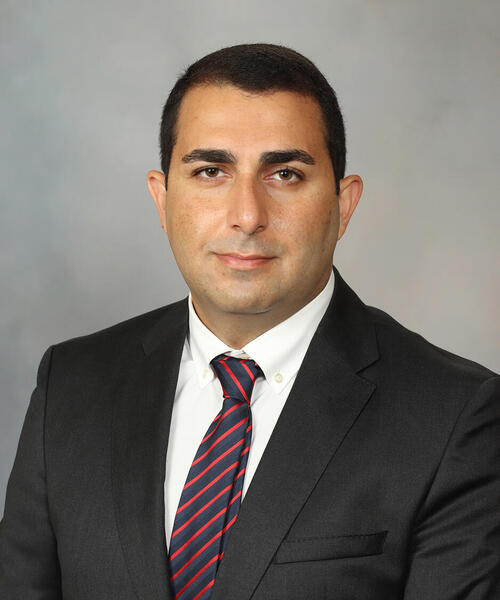
Dr. Quang Ngoc Vinh Tran serves as an Assistant Professor in the Department of Civil, Environmental, and Geospatial Engineering at Michigan Technological University. Previously, he conducted three years of postdoctoral research at Harvard Medical School, Harvard-affiliated hospitals, and the University of Illinois Bioacoustics Research Lab. With over 30 peer-reviewed publications, he actively contributes to the American Concrete Institute (ACI) and American Society of Civil Engineers (ASCE). His academic credentials include: PhD in Civil and Environmental Engineering from the University of Illinois at Urbana-Champaign MS in Civil and Environmental Engineering from California State University, Fullerton BS in Industrial and System Engineering from Ho Chi Minh University of Technology, Vietnam Dr. Tran's research integrates nondestructive evaluation with advanced sensing technologies across civil and biomedical domains. His core expertise spans pressure sensing, ultrasound/microbubble cavitation, computer vision, and deep learning algorithms for noninvasive characterization of construction materials and biological tissues. This interdisciplinary approach enables innovative solutions for concrete technology and cardiac pressure monitoring. Analysis of his recent publications reveals dual-track innovation: civil engineering work focuses on non-contact concrete assessment (setting times, joint activation, durability) using ultrasonic and computer vision techniques, while biomedical research pioneers ultrasound-based pressure sensing for cardiac applications and tumor microstructure characterization. Both tracks demonstrate sophisticated integration of physical sensing with computational analysis. He instructs Structural Analysis Laboratory and previously assisted with Infrastructure NDE Methods, emphasizing project-based learning and student potential development. His research is executed through the Nondestructive Research Lab (NRL), where he leads projects on early-age concrete sensing systems, high-performance concrete durability modeling, cardiac pressure sensing via focused ultrasound, and ultrasound-based tissue characterization for disease staging.