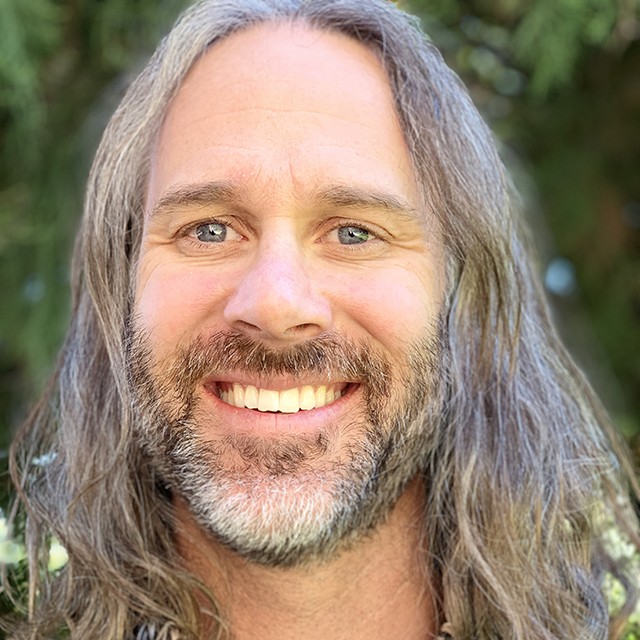
Jeffrey G. Baguley is a Teaching Professor in the Department of Biology at the University of Nevada . Holding a Ph.D. in Marine Science from the University of Texas at Austin and a B.A. in Biology from Linfield College, he has conducted postdoctoral research at the Baruch Institute for Marine and Coastal Science. Education : B.A. in Biology, Linfield College (2000) Ph.D. in Marine Science, University of Texas at Austin (2004) Research Focus : Baguley's work examines marine meiobenthic ecology across three key areas: Deep-sea ecology: Biodiversity assessment and community structure analysis in northern Gulf of Mexico Polar ecology: Spatial-temporal dynamics of extreme environment communities Ecotoxicology: Contaminant impacts on meiobenthic populations through field studies and mesocosm experiments
Dr. Quinn Webber is an Assistant Professor at the University of Guelph's Department of Integrative Biology, College of Biological Science. His research focuses on the causes and consequences of animal behavior, particularly in bats and caribou. He examines how individual behavioral variation and environmental factors influence fitness and disease outcomes, leveraging contemporary statistical methods to analyze ecological scales. His work contributes to One Health initiatives and species conservation. Research Interests: Behavioral ecology of bats and caribou Disease ecology and pathogen transmission Spatial ecology and habitat selection Conservation biology and species management Integration of social and spatial behavior Lab Environment: The lab emphasizes collaborative learning, with weekly meetings, writing groups, and interdisciplinary collaborations. Recent achievements include student publications, scholarship awards (e.g., NSERC, Vanier), and ongoing projects on behavioral aging, migration, and microbial transmission. Follow lab activities via Instagram (@uog_web_lab) or Bluesky (@qwebber.bsky.social). Grants & Advising: Mentors graduate students in PhD/Master's programs, focusing on behavioral ecology and conservation. Lab members have secured notable scholarships, reflecting strong mentorship and research impact. Labs/Teams: Active in the Department of Integrative Biology, collaborating on multi-layer social network analyses and telemetry data applications. The lab prioritizes EDI initiatives to foster inclusive research environments.
Dean J. Tantillo is a Distinguished Professor in the Department of Chemistry at the University of California, Davis, where he has been employed since 2003. He holds a PhD in Chemistry from the University of California, Los Angeles (1995-2000) and an AB in Chemistry from Harvard University (1991-1995). His research focuses on theoretical and computational chemistry, with emphasis on mechanistic studies of organic reactions, carbocation rearrangements, natural products biosynthesis, and dynamic effects in chemical reactions. His research interests span theoretical chemistry, mechanistic chemistry, computational chemistry, biosynthesis of natural products (especially terpenes), organometallic chemistry, and physical organic chemistry. Key areas include carbocation stability, enzyme-catalyzed reactions, pericyclic reactions, catalyst design, and the development of computational methods for predicting reaction outcomes. Professor Tantillo has received several prestigious awards, including: Fellow, American Chemical Society (ACSF, 2017) Fellow, Royal Society of Chemistry (FRSC, 2016) Fellow, American Association for the Advancement of Science (AAAS, 2016) He has secured significant research funding, including multiple NSF grants such as 'Modern Theoretical Carbocation Chemistry' (2016-2019) and 'Mechanisms of Complex Carbocation Rearrangements' (2010-2016). He leads an active research group focused on computational chemistry and collaborates extensively with synthetic and biological chemists to validate theoretical predictions.
Dr. Francesca Serio is a fixed-term University Researcher (RTD-B) in the Scientific Disciplinary Sector MEDS-24/B (General and Applied Hygiene) at the University of Salento . Her research focuses on technological solutions for agri-food product protection and human health risk prevention. Specialized in metabolomics and biomarker applications Expert in classical/molecular lab methods for food/environmental analysis Research Expertise : She has developed skills in: Chemical-physical and microbiological analysis of food/water matrices Cytotoxicity testing for cosmetics/medical devices Virus detection via ultrafiltration techniques Seroepidemiology via ELISA Biomarker identification for genotoxic effects Currently participates in funded research projects under competitive calls.
Brad E. Rosenheim is an Associate Professor in the College of Marine Science at the University of South Florida, specializing in isotope geochemistry, climate change, and carbon cycling. He holds a Ph.D. from the University of Miami (2005) and a B.S. from the University of Vermont (1999). His research focuses on reconstructing past climate variability and understanding carbon dynamics using isotopic techniques, including radiocarbon dating and clumped isotopes. Education: Ph.D., University of Miami, 2005 B.S., University of Vermont, 1999 Research Interests: Dr. Rosenheim investigates Antarctic ice-sheet dynamics, oceanic petroleum pollution, and organic carbon burial in coastal wetlands. He employs innovative methods like ramped pyrolysis radiocarbon dating to study sediment chronology and oil spill impacts. His work bridges geochemistry and environmental science, addressing critical questions about climate change and carbon sequestration. Projects: Collaborative Research: Antarctic Subglacial Lake Studies (NSF, 2016–2019) Carbon Cycling in South Florida Blue Carbon Ecosystems (NIFA/USDA, 2017–2020) Deepwater Horizon Oil Spill Forensics (CARTHE, 2012–2013) Scientific Awards: Charles Doll Award (1999) Weiss Presidential Teaching Fellow Finalist (2010) Advising & Grants: He mentors graduate students and postdocs, with research supported by NSF, USDA, and industry partnerships. Notable advisees include Elizabeth Williams (Ph.D.), Alvaro Fernandez (Ph.D.), and Cristina Subt (Ph.D.). Labs & Teams: His lab focuses on stable isotope analysis, with facilities including a dual-inlet IRMS and ramped pyrolysis systems. Collaborative projects span Antarctic expeditions, Gulf of Mexico studies, and blue carbon ecosystems.
Eric Darrouzet is a Lecturer-researcher at the University of Tours, affiliated with the Insect Biology Research Institute (IRBI, UMR CNRS 7261) and the Professional Agrosciences Department. He specializes in chemical ecology, particularly focusing on social insects like the Asian hornet ( Vespa velutina nigrithorax ), invasive species dynamics, and the development of selective control tools. His administrative roles include director of the Professional Agrosciences Department and responsibility for the Master 1 Agrosciences program. Research Themes: Chemical communication in social insects, multi-trophic relationships, invasive species impact, and ecological control methods. Teaching: Physiology, microbiology, animal production, and communication techniques in professional licenses and masters. Public Engagement: Maintains websites ( frelonasiatique.univ-tours.fr ) and a YouTube channel ( YouTube ) to disseminate research on hornets and insect constructions. His work on the Asian hornet includes studies on its biology, thermal tolerance, venom composition, and control strategies. Collaborations include roles in the ADAPIC steering committee and CS3D scientific board. Research outputs span over 50 peer-reviewed articles, focusing on chemical ecology, invasive species management, and insect behavior.
Rufino Mateo Castro is a Professor at the Universitat de València in the Department of Analytical Chemistry . His work focuses on mycotoxin analysis , fungal contamination control , and analytical methods for cultural heritage . Research Interests: Development of advanced analytical techniques (mass spectrometry, electrochemical methods) Mycotoxin detection in food and feed Application of bioactive compounds (e.g., essential oils) for toxin prevention Archaeometric studies of artworks and ancient materials Publications highlight his contributions to mycotoxin mitigation in cereals, environmental risk factors for fungal growth, and chromatographic/electrochemical methodologies . He has collaborated extensively on food safety and cultural heritage projects.
Dr. Bradley P. Marks, P.E., is a Professor of Biosystems and Agricultural Engineering at Michigan State University (MSU) with a dual appointment in Food Science and Human Nutrition. As Chairperson of the Department of Biosystems and Agricultural Engineering in the College of Engineering, he leads research in food safety engineering, focusing on microbial inactivation modeling and process validation for ready-to-eat foods. His work spans low-moisture foods, meat/poultry, and fresh produce, and has secured over $20M in federal and industry grants. Ph.D. in Agricultural Engineering, Purdue University (1993) M.S. in Agricultural Engineering, Purdue University (1992) B.S. in Biosystems Engineering, Michigan State University (1989) Dr. Marks’ research encompasses: Thermal inactivation modeling for Salmonella and other pathogens Predictive microbiology uncertainty quantification Low-energy x-ray irradiation for food pasteurization Bacterial transfer/transport modeling in fresh-cut produce Thermal process validation for meat, poultry, and nut products Recent publications analyze Salmonella inactivation trends across food matrices and storage conditions. Awards include the MSU William J. Beal Outstanding Faculty Award (2017), multiple Withrow Teaching Awards (2002-2018), and the National Science Foundation Graduate Research Fellowship (1989). He served as Biosystems Engineering Undergraduate Program Coordinator for 13 years, guiding ABET accreditation cycles. Scientific Awards: ASABE A.W. Farrall Young Educator Award (2006) CIC Academic Leadership Program Fellow (2013-2014) 20+ industry and academic partnership awards MSU Food Fellow
Mikkel Hansen is an active Postdoc researcher at the National Food Institute (DTU Food), Technical University of Denmark, specializing in microbial biotechnology and biorefining for sustainable food systems. His work directly supports UN Sustainable Development Goals related to food security and responsible consumption, with a focus on converting green biomasses into viable protein sources for human nutrition. Education PhD in Food Science and Technology, Technical University of Denmark, 2023 (Thesis: Green Biomasses as a Source of Protein for Human Consumption) Research Interests Hansen’s expertise centers on plant protein extraction from legumes and grasses, particularly alfalfa ( Medicago sativa ). He pioneers biorefining techniques to recover protein concentrates while eliminating off-flavors (e.g., 'taste of hay') through methods like supercritical CO 2 treatment. His work extends to mycelium-based meat alternatives using Pleurotus ostreatus cultivated on pre-fermented byproducts, integrating food engineering, microbial biotechnology, and nutritional science for scalable sustainable food solutions. Publication Trends His 2022-2024 publications reveal a cohesive focus on alfalfa and grass protein valorization. Key themes include scaling screw-press protein recovery, using agricultural residues (sugar beet pulp) for fermentation media, and eliminating off-flavors in concentrates. The work bridges food engineering (pressing, CO 2 treatment), microbial biotechnology (pre-fermentation, mycelium growth), and sustainable food systems , with applications in meat alternatives and nutritional quality improvement. Advising and Grants Hansen has no formal advisees. He was a PhD student in two funded projects: the DTU PhD project "Green biomasses as a source of protein for human consumption" (2019-2023) supervised by Peter R. Jensen and Tim J. Hobley, and the "InnoGrass" project (2019-2021) led by Jensen. These projects addressed sustainable protein extraction from green biomasses, with outputs including his thesis and peer-reviewed articles. Laboratory Affiliation He operates within DTU Food’s Research Group for Microbial Biotechnology and Biorefining, leveraging expertise in pressing, fermentation, and biorefining to optimize protein recovery from agricultural residues while improving digestibility and sensory properties for food applications.
Jonathan Asmund Arnesen is a Postdoctoral Researcher at the Novo Nordisk Foundation Center for Biosustainability, Technical University of Denmark (DTU), specializing in Computational Protein Engineering. His work focuses on metabolic engineering and synthetic biology applications in yeast systems. Research Areas: Metabolic Engineering of Yarrowia lipolytica for terpenoid production Genetic Engineering of microbial pathways Genome Editing techniques in eukaryotic organisms Publication Trends : His recent work involves engineering yeast for biosynthesis of plant-derived triterpenoids (e.g., hernandulcin, asiatic acid) and optimizing sterol production pathways. Key methods include CRISPR-Cas9 and metabolic flux engineering. Professional Activities : Organizer of major conferences including the European Summit of Industrial Biotechnology (2019) and the 7th Conference on Physiology of Yeasts and Filamentous Fungi (2019).
Felix Schottroff is an Assistant Professor in Food Technology at the University of Natural Resources and Life Sciences, Vienna (BOKU), affiliated with the Institute of Food Technology within the Department of Biotechnology and Food Sciences. He also holds a Tenure Track Professorship in Integral Food Processing at TU Berlin since 2023, reflecting his growing academic leadership. His research is centered on innovative food processing technologies, particularly pulsed electric fields (PEF) and ohmic heating, with applications in food safety, preservation, and sustainable production. His research interests include food process engineering, sterile process technology, bioprocess engineering, microbiology, and thermal and non-thermal food processing methods. He investigates the mechanistic effects of electric fields on microbial inactivation and cellular processes, aiming to improve efficiency in food and fermentation systems. His work bridges engineering principles with food science to develop scalable, energy-efficient, and high-quality food processing solutions. The recent articles highlight a strong focus on electrotechnologies such as PEF and ohmic heating, with applications in sterilization, baking, fermentation, and protein extraction. Trends include process modeling (CFD), scale-up strategies, and integration of these technologies into sustainable and precision food production systems. His work often involves interdisciplinary collaboration and industrial relevance. BOKU Anerkennungspreis für außergewöhnliche Leistungen in der Lehre (2022) Best Presentation Award, 4th World Congress on Electroporation (2022) Food Engineering Award, EFCE (2021) Hygienic Study Award, EHEDG (2021) Charles R. Stumbo Award (2019, 2020) PhD Student of the Year, EFFoST (2020) MSc Student of the Year, EFFoST (2016) Felix Schottroff has been actively involved in numerous research projects funded by FFG and industry partners, focusing on food safety, alternative proteins, and sustainable processing. He mentors students and collaborates widely across Europe. He serves as a reviewer for over 20 scientific journals and holds leadership roles in Young EFFoST (Chair), EHEDG, and ISEBTT. He previously led the BOKU Core Facilities (2021–2023), demonstrating organizational and technical leadership. He is involved in several labs and research initiatives, particularly those related to food processing, electrotechnologies, and core facilities at BOKU. His work is supported by national and international collaborations, including with TU Berlin, University of Alberta, and Ohio State University.
Oliver Schlüter is an Adjunct Professor at the University of Bologna's Department of Agricultural and Food Sciences. He serves as Vice-Head of the Horticultural Engineering Department and Senior Scientist at the Leibniz Institute for Agricultural Engineering and Bioeconomy (ATB), leading the Microbiomics Laboratory for Bioeconomy. His work focuses on non-thermal food processing technologies and sustainable protein sources. Habilitation in Food Technology (2019, TU Dresden) Project leader for genetic engineering at ATB Chair of CIGR Section VI and INSECTA International Conference Research Interests span alternative protein sources (insects, hemp), non-thermal technologies (high pressure, plasma, pulsed electric fields), and food safety monitoring using spectral-optical methods. His recent publications emphasize edible insect processing , microbial safety , and bioactive compounds in food systems. Editorial roles in Innovative Food Science and Emerging Technologies and Journal of Insects as Food and Feed Key projects: Biomass2Food , ProtinA , F4F2 , and reKultI4Food
Julian Charles Shillcock is a Lecturer and computational modeling specialist at École Polytechnique Fédérale de Lausanne (EPFL), affiliated with the School of Life Sciences and the Lashuel Lab. He also serves as a Scientist in the UPDALPE group (Prof. Dal Peraro Group) and teaches in EPFL’s SSV (Teaching) and EDNE (Doctoral Education) sections. His work bridges biophysics, computational modeling, and cellular dynamics. PhD in Physics from Simon Fraser University (1996) Group Leader at Max Planck Institute of Colloids and Interfaces (2000-2005) Associate Professor at University of Southern Denmark (2005-2011) Blue Brain Project member since 2011 Shillcock’s research focuses on biomolecular condensates , membrane dynamics , and computational cell biology . He develops mesoscale simulation methods like Dissipative Particle Dynamics to study vesicle fusion , neuronal morphology , and neurodegenerative disease mechanisms . Recent work includes POETS computing platforms for accelerating simulations and Shiga toxin clustering on membranes. His publications (2022-2024) reveal trends in soft matter physics , computational neuroscience , and biomolecular condensate structure . Key collaborations include Imperial College London and University of Southampton on the POETS project. Scientific recognition includes: 2021 Polysphère prize for Best Teacher in Life Sciences He has advised PhD student Lida Kanari in computational morphology and contributed to neocortical microcircuit reconstruction . His research spans computational biophysics , toxin entry mechanisms , and novel computational platforms for life sciences education.
Martin Smith is an Assistant Professor at the Université de Montréal in the Department of Biochemistry and Molecular Medicine . His research focuses on harmonizing genomic technologies and artificial intelligence for precision medicine and functional genome annotation , particularly using single-molecule sequencing and computational biology approaches. PhD in Genomics from University of Queensland (2012) Postdoctoral work at Garvan Institute of Medical Research Director of Genomic Technologies Program at Kinghorn Centre for Clinical Genomics (2017) His research initiatives include transcriptomic profiling using real-time nanopore sequencing , with projects funded by the NSERC , FRQS , Génome Québec , and the Cole Foundation . He supervises M.Sc. student Kristina Atanasova and collaborates with interdisciplinary teams in pediatric acute leukemia and COVID-19 research. Research Highlights : Clonal and transcriptional landscape of lymphocytes Real-time classification of leukemias Evolutionary RNA structure analysis AI-enhanced immunopeptidomics High-resolution RNA sequencing methods Scientific Awards : CSIRO Pre-Incubator Performance Award Palmer Foundation Innovation Award Megabase DNA Sequencing Prize Robert Cedergren Bioinformatics Poster Prize Martin Smith is recognized for developing bioinformatics tools like DotAligner and SLOW5 , and will direct the Ramaciotti Centre for Genomics at UNSW Sydney starting 2024. His work bridges biotechnology and high-performance computing to advance precision medicine applications for conditions including Leishmania and acute leukemia .
Birgit Öhlinger is a Research Associate and Co-Excavation Director of the Monte Iato Project at the Leopold Franzens University of Innsbruck . Her work focuses on the archaeology of the ancient Mediterranean, particularly social transformation processes in cultural contact zones and identity formation through material culture, with a regional emphasis on Sicily. Education: Doctoral studies in Classical and Provincial Roman Archaeology (2010–2014), University of Innsbruck Master’s in Ancient History and Classical Studies (2005–2009), University of Innsbruck Master’s in Classical and Provincial Roman Archaeology (2002–2008), University of Innsbruck Research Interests: Öhlinger specializes in the archaeology of cultural contact zones, ritual and religious practices, and ceramic studies in the Archaic Mediterranean. Her methodological expertise includes digital excavation documentation, experimental archaeology, and material culture analysis, particularly focusing on Monte Iato in Western Sicily. Recent Publications: Her work examines technological choices in local ceramic production, neutron activation analysis applications in Mediterranean archaeology, and ritual consumption practices. She has contributed to debates on cultural hybridity, social identity, and the role of sanctuaries in elite formation. Awards: Anniversary Prize of Böhlau Verlag Vienna (2015) Prize of the Principality of Liechtenstein (2015) Merit Scholarship (2003–2007), University of Innsbruck Doctoral Scholarship (2013–2014), University of Innsbruck Professional Activities: Öhlinger leads projects like "Monte Iato Pots - Experimental Study on Organic Residue Analysis" and "Crime Scene Monte Iato around 500 BC: Microbiological Forensics" . She organizes international conferences and contributes to public outreach through media appearances and exhibitions.