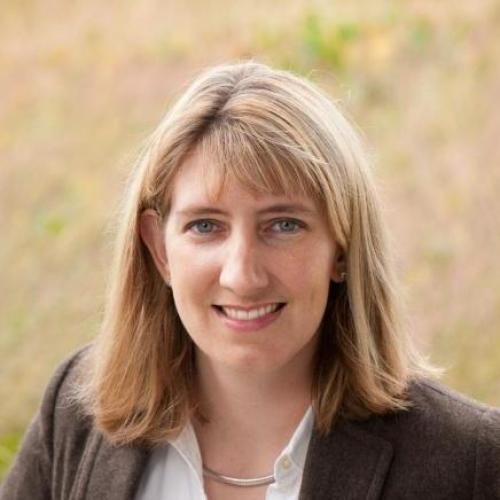
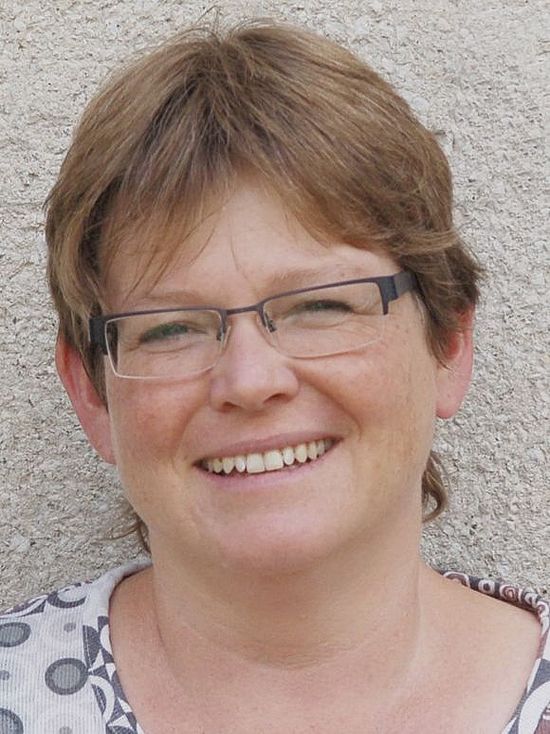
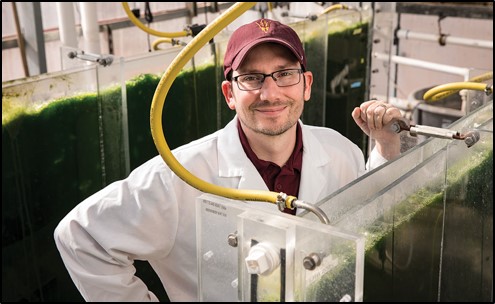
Dr Richard Collins is a Senior Lecturer in Water Engineering at the University of Sheffield , affiliated with the School of Mechanical, Aerospace and Civil Engineering. His research focuses on hydraulic transients , pipeline integrity , and smart water infrastructure . Graduated with an Aerospace Engineering degree (2005) and PhD in Materials and Mechanical Engineering (2009) Current research explores pressure transients , leak detection , and autonomous robotic systems for pipeline inspection Projects include fatigue analysis , biofilm mobilisation , and ultrasound-based pipe assessment His publications emphasize cast iron pipe fatigue , acoustic leak detection , and transient-induced contamination . Funded by RCUK and Datatecnics , his work bridges mechanical engineering and civil infrastructure challenges.
Dr James Shucksmith is a Senior Lecturer in Water Engineering at the School of Mechanical, Aerospace and Civil Engineering, University of Sheffield. After completing his undergraduate degree and PhD at the same department, he joined the academic staff in 2010 following a KTP associate role with Yorkshire Water. His research focuses on urban flooding hydrodynamics, water quality modeling, and sustainable drainage systems. Co-director of EPSRC Centre for Doctoral Training in Water Infrastructure and Resilience Current projects: Real Time Abstraction Management (with Severn Trent Water), Centaur FloodInteract Research interests include: Urban flood hydrodynamics and drainage-surface flow interactions Water quality forecasting tools for surface water abstraction Development of local real-time control systems for urban drainage Experimental validation of flood models using PIV measurements His publications (2010-2025) cover topics like contaminant transport in flooded sewer systems, longitudinal dispersion modeling, and real-time control optimization. Recent work focuses on data-driven approaches for Cryptosporidium prediction and E. coli forecasting.
Jianping Xu is a Professor in the Department of Biology at McMaster University, specializing in the ecology and evolutionary genetics of fungi. His research explores evolutionary mechanisms in fungal populations from environmental, clinical, and host-associated contexts. Institution: McMaster University Department: Biology Research Overview: Integrates microbiology, molecular genetics, and quantitative approaches to study fungal evolution. Research Interests include: Population genetics of human and animal fungal pathogens Mitochondrial DNA variation and inheritance Development of biomarkers for fungal identification Microbiome impacts on host health Publication Trends show focus on fungal pathogenesis, environmental adaptation, and genomic analyses across species like Cryptococcus , Aspergillus , and agricultural fungi. Teaching & Outreach connects to McMaster's biology programs, with research stories highlighting fungal-based innovations (e.g., mushroom plastics) and clinical studies on drug-resistant pathogens.
Terence S. Crofts serves as an Assistant Professor at the University of Illinois Urbana-Champaign, leading the active Crofts Micro Lab research group. His work bridges microbiology, biochemistry, and clinical applications with a primary focus on antibiotic resistance mechanisms and host-microbiome interactions. Dr. Crofts' research centers on the antibiotic resistome across diverse environments including soil microbiomes, infant gut ecosystems, and human pathogens. His investigations span enzymatic resistance mechanisms (particularly nitroreductases and β-lactam catabolism), corrinoid biochemistry (vitamin B12 analogs), and the critical role of microbiome composition in neonatal sepsis outcomes and cancer immunotherapy efficacy. His lab employs genomic, biochemical, and gnotobiotic mouse model approaches to dissect microbial adaptation to antibiotics. Analysis of his 15 most recent publications (2014-2024) reveals three dominant research thrusts: (1) resistome dynamics in environmental and clinical settings, (2) microbiome-immune system crosstalk in disease models, and (3) specialized microbial metabolism of antibiotics and cofactors. His work increasingly connects fundamental resistance mechanisms to clinical outcomes, particularly in vulnerable populations like preterm infants. Dr. Crofts mentors a robust team of undergraduate and graduate researchers, as evidenced by lab group photos, award recognitions (including Elizabeth's SEBASM award), and student poster presentations. The Crofts Micro Lab maintains a collaborative environment with documented lab lunches, team activities, and active participation in scientific conferences. Lab members engage in techniques ranging from chemominipreps to metagenomic library construction, supporting the group's diverse research portfolio.
Dana E. Hunt is an Associate Professor of Microbial Ecology at Duke University's Department of Civil and Environmental Engineering within the Marine Science and Conservation school. Her research focuses on microbial interactions with the environment, including temperature effects and responses to pollutants. Academic Rank: Associate Professor University: Duke University Department: Civil and Environmental Engineering Research Interests: Marine microbial ecology, bacterial interactions, environmental stressors Email: dana.hunt@duke.edu The Hunt lab investigates bacterial dynamics in marine systems, emphasizing temporal and spatial scales. Recent publications highlight studies on nutrient cycling, pollutant adaptation, and microbial community responses to environmental changes. Key topics include marine microbiomes, niche partitioning, and climate stressors. Her teaching portfolio includes courses like Ecological Perspectives: Evolution to Ecosystems and Coastal Watershed Management and Restoration . Collaborations span oceanographic phenomena like Gulf Stream eddies and biogeochemical processes in coastal environments.
Dr. Marina Radojičić is an Associate Professor at the Department of Microbiology, Faculty of Veterinary Medicine, University of Belgrade. With over 25 years of experience, her research focuses on veterinary microbiology, immunology, and infectious diseases affecting both terrestrial and aquatic animals. Academic affiliation: Department of Microbiology, Faculty of Veterinary Medicine, University of Belgrade Teaching: Courses in microbiology, immunology, and clinical microbiology Research Interests: Her work spans virology (Newcastle disease virus, Parainfluenza, pseudorabies), bacteriology (Salmonella, Staphylococci), parasitology (Saprolegnia, Diplomonad), and molecular diagnostics development. She specializes in zoonotic disease surveillance and disease prevention in livestock and aquaculture. Publication Trends: Recent studies emphasize molecular epidemiology of antimicrobial resistance, viral pathogen detection in swine, and zoonotic potential of reptilian Salmonella. Earlier work includes fish parasitology and aquaculture disinfection methods. Notable Contributions: Co-authored the textbook "Mikrobiologija sa imunologijom" (2017) Developed competitive cELISA methods for Salmonella detection Studied antigenic structures of paramyxovirus proteins
HACER MURATOĞLU is a Professor at the Department of Molecular Biology and Genetics , Karadeniz Technical University . Her research focuses on Microbiology , Virology , and Molecular Biology , particularly the study of entomopoxviruses and iridoviruses. She has contributed significantly to understanding viral protein functions, including protein kinases, glycosyltransferases, and nucleases, with applications in biological control and host-pathogen interactions . Her research spans several subfields: Viral Protein Kinases and Their Substrate Specificity Glycosyltransferase Enzymatic Activities Baculovirus Vector Engineering Bacterial Pathogens in Insect Pests Transcriptome-Based Pathogen Discovery Viral Pathogenesis Mechanisms She has received funding from TUBITAK and Higher Education Institutions for projects such as: Vaccine Development for SARS-CoV-2 Functional Analysis of AMEV Protein Kinases Iridovirus Gene Expression Studies Her work has been peer-reviewed for journals like Turkish Journal of Biology and Turkish Journal of Botany .
Alexander Meeske is an Assistant Professor at the University of Washington in the Department of Microbiology . His research focuses on the mechanistic relationships between CRISPR-Cas systems, bacterial hosts, and bacteriophages , utilizing high-throughput genetics, biochemical reconstitution, and microscopy. Established Listeria seeligeri as a model for RNA-targeting CRISPR-Cas13 immunity during postdoctoral work at Rockefeller University. Current work explores regulation of CRISPR immunity, phage resistance mechanisms, and non-immune roles of CRISPR systems. Research interests include: CRISPR-Cas Systems Anti-CRISPR Proteins Bacterial Cell Wall Synthesis Phage-Bacteria Coevolution RNA-Guided Immunity High-Throughput Genetic Screens Recent publications highlight discoveries in: CRISPR-Cas13 dormancy and resuscitation pathways (2019–2023). Anti-CRISPR protein mechanisms (2020, 2022). Phage-encoded escape strategies (2016, 2021). Cell wall synthesis in Bacillus subtilis (2013–2016). Lab members include: Postdocs: Shally Margolis, Shoshanna Kahne. PhD Students: Marshall Godsil, Sarina Kao, Amanda Antoch, Edith Sawyer, Luke Oriolt, Alison Ciling. Research Scientists: Maddie Williams, Mark Katz. Collaborations extend to the Guo Lab, focusing on joint PhD training programs.
Dr. Valerie De Anda serves as an Assistant Professor in the Department of Microbiology and Cell Science at the University of Florida's Fort Lauderdale Research and Education Center (FLREC), operating under the College of Agricultural and Life Sciences. Her research program integrates genomic, proteomic, and metagenomic approaches to investigate archaeal lineages—particularly Asgard archaea—and their pivotal roles in eukaryotic evolution and biogeochemical cycling within marine sediments, wetlands, and deep-sea environments. Her primary research interests encompass microbial genomics, archaeal ecology, and the molecular mechanisms underlying hydrocarbon degradation and methane production. Dr. De Anda specifically examines how Asgard archaea contribute to eukaryotic cellular complexity through defense systems, metabolic innovations, and horizontal gene transfer. Her work also explores novel anaerobic pathways for hydrocarbon utilization in uncultured bacteria and archaea, with implications for understanding carbon cycling in changing ecosystems. This research bridges fundamental evolutionary biology with environmental applications relevant to Florida's coastal resilience challenges. Analysis of her 15 most recent publications (2023-2025) reveals a dominant focus on Asgard archaea genomics, including their defense systems, metabolic capabilities, and evolutionary connections to eukaryotes. Key trends include the characterization of diterpenoid cyclases in archaeal-eukaryotic lineages (2025), methane production mechanisms from hydrocarbons via ANME archaea consortia (2024), and the discovery of novel Asgard species like Asgardarchaeum abyssi (2024). Her work consistently uncovers new microbial pathways for hydrocarbon degradation in marine systems, advancing understanding of anaerobic carbon cycling. Scientific Awards: No awards, fellowships, or medals are documented in the provided source materials. Advising and Grants: The available information does not specify graduate students advised by Dr. De Anda or details of externally funded research grants. Her position at FLREC suggests involvement in institutional research programs, but specific funding sources remain unreported. Dr. De Anda's work is embedded within FLREC's research framework, which addresses South Florida environmental challenges including sea-level resilience, aquatic plant management, and termite ecology. While her publications focus on marine and sedimentary microbiology, FLREC's resources—such as the Trial Garden and Sea Level Resilience program—provide contextual applications for her microbial ecology research, particularly regarding wetland soil processes and coastal ecosystem dynamics.
Magnus Fagerlind is a Senior Lecturer in Bioscience at the School of Bioscience, Department of Biosciences, University of Skövde. He serves as Deputy Head of Division and coordinates advanced-level courses in biosciences. His research spans Microbiology , Bioinformatics , and Systems Biology , focusing on bacterial pathogenesis, biofilm dynamics, and molecular mechanisms. Recent work includes genotyping of Escherichia coli and Klebsiella in sepsis, alongside computational models of quorum sensing in Pseudomonas aeruginosa . Key methodologies: Computational modeling, Next-generation sequencing, Bioinformatics pipelines Applications: Clinical microbiology, Reproductive biology, Educational technology His publications reflect interdisciplinary collaborations in infectious disease research, immunology, and pedagogical innovation. While no explicit awards or advisees are listed, his contributions to research and education at the University of Skövde demonstrate sustained academic engagement.
Anders Forsman is a Professor in the Department of Biology and Environmental Science at Linnaeus University's Faculty of Health and Life Sciences. He serves as the subject coordinator for doctoral education in Ecology, demonstrating his leadership role in academic training. His research spans evolutionary ecology, population dynamics, and conservation biology with a focus on understanding how evolutionary processes contribute to biodiversity across various taxa including insects, fish, amphibians, and mammals. Forsman's research interests center on evolutionary processes that generate diversity in form, color, function, and behavior among living organisms. He investigates how individual variation in functionally important traits affects ecological success of populations and species in changing environments. His work combines behavioral studies, experiments, genetic markers, and theoretical modeling to address fundamental biological questions with applications for conservation biology and sustainable resource management. His research has significant implications for developing more sustainable agricultural, fishing, and forestry practices in the face of climate change. Analysis of Forsman's recent publications reveals a strong focus on climate change impacts across multiple ecosystems. His work spans terrestrial systems (oak forests, moth populations), freshwater environments (riverine fish, pike ecology), and marine contexts (Baltic Sea microbiomes). A recurring theme is examining how biodiversity responds to environmental stressors, with particular attention to spatial patterns, adaptive capacity, and conservation implications. His methodological approach integrates field observations, experimental manipulations, and molecular techniques to provide comprehensive insights into ecological and evolutionary processes. Forsman leads multiple research initiatives including the Evolutionary Ecology group, Fish Ecology research focusing on Baltic coastal predatory fish, and the Linnaeus University Centre for Ecology and Evolution in Microbial model Systems (EEMiS). His current projects address critical environmental challenges such as climate change impacts on coastal ecosystems, adaptation of forest ecosystems to changing conditions, and effects of river fragmentation on fish populations. His collaborative approach is evident in numerous co-authored publications across diverse ecological topics, demonstrating his ability to bridge disciplinary boundaries to address complex environmental questions.
Niko Van den Brande is a Researcher in Sustainable Materials Engineering at the Faculty of Engineering, Vrije Universiteit Brussel (VUB), Brussels, Belgium. His research focuses on polymer chemistry, sustainable materials development, and advanced material characterization techniques. With an h-index of 21 and over 1074 citations, he has established himself as a significant contributor to materials science. His research interests span polymer chemistry, sustainable materials engineering, self-healing polymers, Diels-Alder reactions, lignin-based thermosets, organic electronics, thermal analysis, and crystallization phenomena. His work bridges fundamental chemical principles with practical applications in sustainable material design and engineering. Van den Brande's recent publications demonstrate a strong focus on dynamic polymer networks, self-healing mechanisms, and sustainable material systems. His research integrates computational modeling, experimental synthesis, and advanced characterization techniques to develop next-generation materials with applications in soft robotics, organic electronics, and circular economy systems. Scientific Awards: 18th Annual meeting of the Belgian Polymer Group, BPG-2011 Poster Prize (2011) ChemCYS 2012 prize for the best oral presentation in Polymer Chemistry (2012) Solvay Award (2010) TAWN Thermal Analysis Award (2012) Van den Brande actively participates in numerous research projects including FWOSBO63 (MycoMatters), HERC65 (X-Ray Approach), OZR4285 (Microbe Cultivation Infrastructure), FWOTM1156 (Self-Healing Networks), and FWOSBO54 (Lignin-based Thermosets). His collaborative work spans multiple institutions and involves interdisciplinary teams focusing on sustainable material solutions. His research group collaborates extensively within the Belgian Polymer Group and participates in international conferences, demonstrating strong engagement with the global materials science community. Current projects indicate active work in mycelium-based materials, fungal engineered living materials, and sustainable polymer networks for various applications.
Ana Ramljak serves as a Researcher at Croatia's Ruđer Bošković Institute within the Laboratory for Environmental Microbiology and Biotechnology, focusing on microbial responses to anthropogenic stressors in Adriatic coastal ecosystems. Her work bridges marine microbiology and environmental monitoring to develop bioindicators for ecosystem health assessment. Her academic foundation includes: Ongoing postgraduate studies in Oceanology at the University of Zagreb's Department of Geology (2021-present) Master's degree in Environmental Sciences from the University of Zagreb's Department of Biology (2018-2020) Ramljak's research centers on Marine Microbiology and Microbial Ecology, specifically investigating how coastal pollution alters benthic microbial communities in marine sediments. She examines anthropogenic impacts including aquaculture effluents and urban runoff, with emphasis on developing microbial metrics for Good Environmental Status under the Marine Strategy Framework Directive. Her methodology integrates field sampling, culturable microbiota analysis, and community profiling to assess pollution-induced ecosystem changes. Analysis of her publication record reveals a cohesive research trajectory focused on microbial indicators for marine environmental health. Her 2022-2024 works demonstrate increasing methodological sophistication, transitioning from aquaculture microbiota studies to comprehensive assessments of Adriatic sediment communities. Key thematic threads include benthic microbial resilience, antibiotic resistance propagation in coastal zones, and the functional relationship between microbial community structure and pollution gradients. This body of work positions microbial ecology as critical for operationalizing ecosystem-based management in Mediterranean coastal waters. Ramljak actively contributes to professional communities as a member of the Croatian Microbiological Society and EcotoxicoMic international network. Her research is supported through the Microlink project (Croatian Science Foundation HRZZ), with findings regularly presented at conferences including the Croatian Congress of Microbiology and European Coastal Systems Assembly. Current collaborations explore microbial community responses across pollution gradients in the eastern Adriatic Sea.
Monika Maurhofer is a Professor at the Department of Environmental Systems Science, ETH Zurich , specializing in multitrophic interactions within the rhizosphere. Her research bridges plant pathology, microbial ecology, and biological control of plant diseases and insect pests. 1988: Dipl. sc. nat., ETH Zurich 1993: Dr. sc. nat., ETH Zurich Research focuses on biocontrol pseudomonads and their molecular interactions with plants, fungi, and insects. Key projects include: Understanding Pseudomonas protegens mechanisms in rhizosphere colonization Comparative genomics of entomopathogenic bacteria Developing disease-suppressive compost diagnostics Investigating microbial consortia for pest control 2024-2025 publications highlight her work on entomopathogenic pseudomonads and nematode-bacteria symbiosis , with applications in sustainable agriculture. She received the Golden Owl Award for teaching excellence in 2014 and 2017. Current collaborations include Syngenta Crop Protection and interdisciplinary teams at University of Zurich and University of Basel.
Taylor Weiss is an Assistant Professor in Environmental and Resource Management at The Polytechnic School, Arizona State University (ASU), and a Senior Global Futures Scientist in the Global Futures Scientists and Scholars initiative. He is also affiliated with the Arizona Center for Algae Technology and Innovation (AzCATI) and the Sustainability Initiative at ASU. Weiss specializes in algae biotechnology for carbon capture, sustainable bioproduction, and Food/Energy/Water Nexus innovation. His research includes engineering algae-bacteria consortia, developing sensors for algal applications, and exploring bio-enhanced materials for environmental and health benefits. Key research keywords include: Algae Technology Carbon Capture Renewable Energy Synthetic Biology Environmental Engineering Bioplastic Production Scientific awards include the National Institutes of Health (NIH) Training Fellowship. His work has been cited over 1152 times with 16 scholarly works and 8 grants.