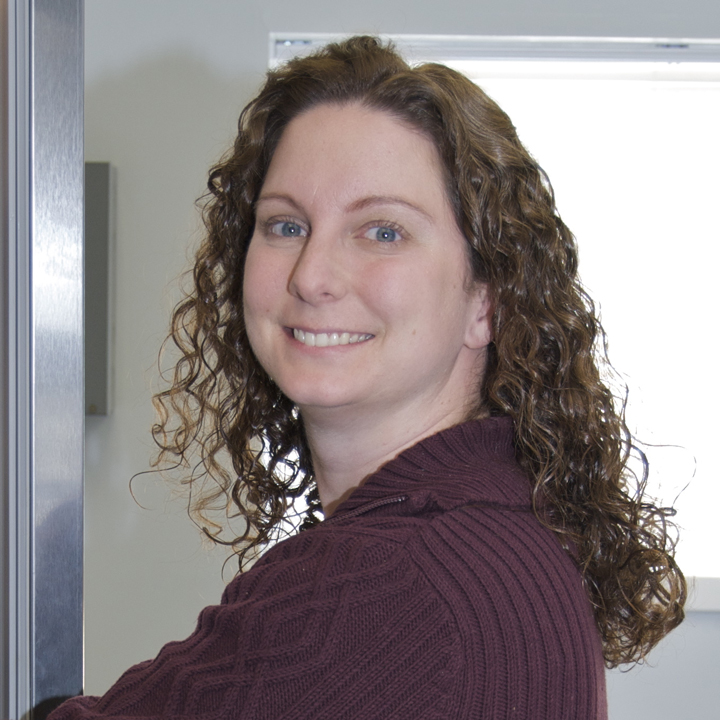
Elizabeth A. Edwards is a University Professor at the University of Toronto in the Department of Chemical Engineering and Applied Chemistry , with cross-appointments to the Department of Cell & Systems Biology . As Director of BioZone and Canada Research Chair in Anaerobic Biotechnology, she leads groundbreaking research in microbial bioremediation of groundwater pollutants and industrial wastewater treatment through anaerobic digestion. Ph.D. in Environmental Engineering (Stanford, 1993) M.Eng. and B.Eng. in Chemical Engineering (McGill, 1985/1983) Licensed Professional Engineer (P.Eng.) Her research focuses on anaerobic microbial communities that degrade pollutants like chlorinated solvents and aromatic hydrocarbons. Using advanced molecular biology, genomics, proteomics , and biochemical pathway analysis , her lab investigates functional interactions in microbial consortia and translates discoveries to commercial applications such as the KB-1® bioproduct . Recent studies examine enzyme activity, lignocellulose degradation, and granulation dynamics in anaerobic reactors. Scientific Recognition: 2020 Killam Prize in Engineering 2016 Canada Research Chair (Tier 1) 2014 Royal Society of Canada Fellow 2011 Canadian Academy of Engineering Fellow 2011 AAAS Fellow 2008-2010 Killam Research Fellowship She supervises extensive graduate student projects spanning enzyme discovery, bioremediation optimization, and microbial consortium analysis. Her lab collaborates with GeoSyntec Consultants and SiREM Labs for field implementation of bioremediation strategies.
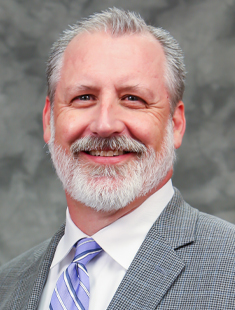
Patrick M. Tarwater is a Professor in the Department of Epidemiology & Biostatistics at Texas A&M University, with research spanning infectious disease epidemiology, traumatic brain injury rehabilitation, sleep science, biostatistical methods, and environmental health impacts on child development. His work integrates clinical, laboratory, and computational approaches to address complex public health challenges. His educational foundation includes: PhD in Biometry from University of Texas Health Science Center at Houston (1999) MS in Mathematics from Texas Tech University (1992) BA in Mathematics from Texas Tech University (1990) Tarwater's research in Infectious Disease Epidemiology features extensive work on HIV/SIV pathogenesis using non-human primate models, SARS-CoV-2 variant dynamics, and microbial risk assessment in environmental settings. His Traumatic Brain Injury and Sleep research includes innovative interventions like the OSABI sleep hygiene protocol and objective sleep monitoring methodologies for rehabilitation patients. The Environmental Health focus centers on the ECHO program's investigation of maternal nutrition and child health outcomes, alongside risk assessments for oil spill contaminants and recreational water safety. Analysis of his 2018-2024 publications reveals three dominant trajectories: (1) viral pathogenesis mechanisms using advanced animal models, (2) neuroimmunological consequences of infections and injuries, and (3) environmental exposure risk modeling. His work consistently employs sophisticated biostatistical techniques and translational approaches bridging laboratory findings to clinical applications. While no specific awards are documented in the source material, Tarwater's prolific publication record in high-impact journals demonstrates significant scholarly contributions. His teaching portfolio includes foundational courses in epidemiology and biostatistics, plus advanced instruction in cohort analysis and epidemiologic inference.
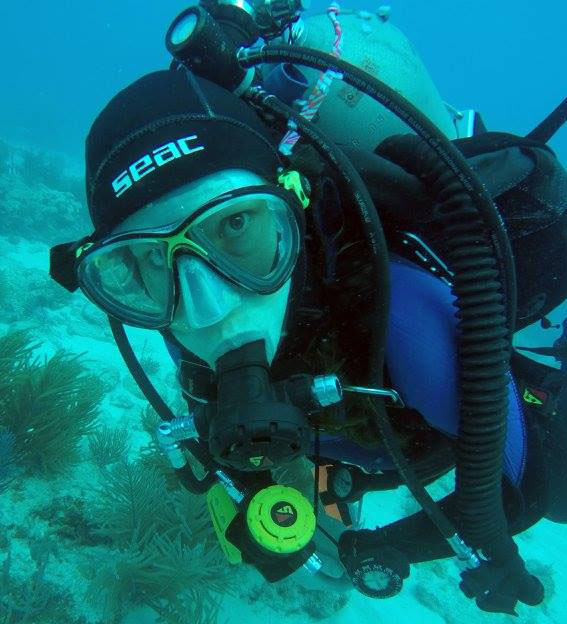
Dr. Patricia Spellman is an Assistant Professor in the School of Geosciences at the University of South Florida, specializing in karst hydrogeology, island hydrology, and hydrological modeling. She holds a Ph.D. in Civil Engineering from Michigan Technological University and leads multiple state-funded projects on aquifer systems. Research expertise encompasses karst vadose zone dynamics, surface-groundwater interactions in carbonate landscapes, and sustainable water management in island environments. Current projects focus on Floridan Aquifer nitrates, Bahamian blue hole systems, and agricultural impacts on water quality. Publications demonstrate consistent focus on karst hydrology innovations, with recent work advancing spectral analysis techniques for vadose zone characterization and multivariate statistical approaches for contamination tracking. Fieldwork spans Florida, Alaska, and Bahamian archipelago. Grants & Projects: Florida DEP Springs Monitoring ($142k) Suwannee River WMD Projects ($67k) NSF RAPID Storm Response ($25k) Florida Fish & Wildlife Isotope Analysis ($22k) Teaching includes Environmental Hydrology and Numerical Modeling courses. Advises 8 graduate students on topics ranging from San Salvador Island hydrology to agricultural impacts on water chemistry. Extensive field methodology expertise including cave diving and sensor deployment.
Jennifer F. Biddle is the Mary A.S. Lighthipe Professor of Marine Studies at the University of Delaware's School of Marine Science & Policy. Her research focuses on microbial ecology of marine systems, deep biosphere life, benthic archaea and bacteria, and geobiology. She leads the Biddle Lab, which explores subsurface microbial processes and their impacts on global biogeochemical cycles. Ph.D., Biochemistry and Molecular Biology, Pennsylvania State University (2006) B.S. with Honors, Biotechnology, Rutgers University (1999) Her work spans topics such as Microbial diversity in deep marine sediments Methane cycling in coastal and open ocean environments Interactions between marine organisms and their microbiomes Biogeochemical processes in extreme environments Recent metagenomic studies from her lab reveal conserved microbial functions across tropical reef fish guts and dynamic archaeal-bacterial communities in Atlantic Ocean sediments. The Biddle Lab maintains active engagement with scientific communities through social media platforms like Twitter and Facebook, emphasizing outreach and collaborative science.
Prof. Andreas Farnleitner is a Professor at TU Wien, affiliated with the Environmental Microbiology and Molecular Diagnostics Research Group. His research focuses on microbial water quality, molecular diagnostics, and environmental microbiology. Key areas include PCR-based methods for fecal pollution tracking, antimicrobial resistance in aquatic environments, and climate change impacts on waterborne pathogens. He has contributed to advancements in DNA aptamer technology for rapid water quality monitoring and employs machine learning for predictive modeling in hydrology. His work spans collaborations across Europe, addressing One Health challenges and wastewater-based epidemiology. Recent projects include studies on Vibrio cholerae in Austrian bathing waters and the biostability of drinking water resources. Prof. Farnleitner leads interdisciplinary initiatives to improve water safety and environmental management. Publications highlight his expertise in microbial source tracking, climate change effects on infection risks, and antibiotic resistance patterns. His team develops innovative diagnostic tools and models for environmental monitoring, with applications in both academic and applied settings. Current projects emphasize the integration of molecular biology and engineering to address global water quality challenges.
Verena Siewers is a Research Professor at the Department of Biology and Biological Engineering, Chalmers University of Technology. Her work focuses on synthetic biology and metabolic engineering of yeast cell factories for producing biofuels, pharmaceuticals, nutraceuticals, and bioplastics, with particular emphasis on developing biosensor tools for pathway optimization. Key research themes: yeast-based biosensors, lipid metabolism engineering, CRISPRi/a applications, and dynamic gene regulation Notable projects include: Development of acetic acid tolerance mechanisms Optimization of fatty acid ethyl esters production Engineering phosphoketolase pathways for acetyl-CoA overproduction Her recent articles reveal trends in: CRISPR-mediated pathway engineering Stress response transcriptional profiling Heterologous plant gene expression in yeast Promoter and transcription factor engineering Funding sources: VINNOVA Novo Nordisk Foundation Carl Tryggers Stiftelse EU Horizon grants Swedish Research Council (VR) Formas
Greg Harrington is a Professor in the Civil & Environmental Engineering Department at the University of Wisconsin–Madison, College of Engineering. His work focuses on drinking water treatment and distribution systems, including pathogen removal, disinfectant decay modeling, and energy efficiency improvements. He has contributed to regulatory frameworks and industry partnerships, notably aiding Madison Water Utility in operational enhancements. PhD, University of North Carolina at Chapel Hill (1997) MS, University of North Carolina at Chapel Hill (1987) BS, Chemical Engineering, Stanford University (1984) Research interests span waterborne pathogen removal , disinfectant decay modeling , energy use reduction , and water loss mitigation . Recent publications emphasize mathematical modeling of disinfection processes, microbial community analysis , and pedagogical innovations in environmental engineering education. 2021 AWWA Water Science Best Paper Award 2020 Harvey Spangler Award for Innovative Teaching 1999 NSF CAREER Award Multiple AWWA and university-level teaching and research recognitions Harrington has integrated professional engineers and community partners into curricula, influencing national capstone design standards. His service includes leadership roles at Madison Water Utility and the Pieper Family Foundation Endowment for Servant Leadership.
Karen Casciotti is a Professor in the Department of Oceans and Professor of Earth System Science at Stanford University, where she has held a faculty position since 2011. She serves as Senior Fellow at the Stanford Woods Institute for the Environment and as Victoria and Roger Sant Director of the Earth Systems Program. PhD in Geosciences from Princeton University (2002) MS in Geosciences (Princeton) and Oceanography (UCSD) B.S. in Environmental Engineering Science from Caltech Her research focuses on marine nitrogen cycle biogeochemistry, particularly nitrate, nitrite, and nitrous oxide (N2O) cycling in ocean waters. She combines stable isotope geochemistry, microbiology, molecular biology, and geochemical modeling across scales from benchtop to global ocean systems. Recent work demonstrates urea utilization by diverse deep-sea microorganisms and its role in chemoautotrophy. Key publications (2023-2025) examine N2O dynamics in tropical oceans, nitrate assimilation pathways, urea metabolism in dark ocean communities, and isotopocule analysis methodologies. Her team developed the pyisotopomer software package for nitrous oxide isotopocule analysis. John Hayes Award (2020) Terman Fellow (2011) NRC Postdoctoral Fellow (2002) Harold W. Dodds Fellowship (2001) She advises doctoral students in oceanography and earth system science while serving as Co-Chair of the GEOTRACES Scientific Steering Committee and former Associate Editor for Marine Chemistry . Her lab investigates microbial nitrogen cycling, seawater chemistry, and climate-relevant trace gas production.
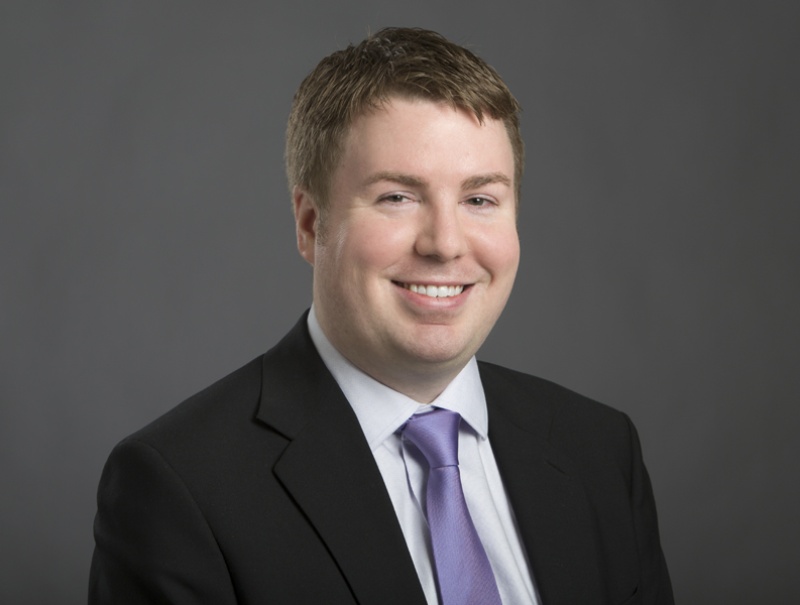
Nicholas M. Moore is an Associate Professor in the Department of Medical Laboratory Science at Rush Medical College, Rush University. He also serves as Associate Director of the Division of Clinical Microbiology and Director of the BSL-3 Laboratory. His work focuses on clinical microbiology, antimicrobial resistance, and pathogen genomics, with extensive research collaborations particularly with Dr. Mary K. Hayden and Dr. Sarah Sansom. Dr. Moore's research interests include: Clinical microbiology diagnostics and laboratory testing Antimicrobial resistance mechanisms and surveillance Pathogen genomics and molecular epidemiology Infection control practices in healthcare settings Development and validation of diagnostic tests for infectious diseases His recent publications demonstrate a strong focus on antimicrobial resistance, particularly regarding carbapenem-resistant organisms and beta-lactamase producing bacteria. He has made significant contributions to understanding the epidemiology of multidrug-resistant organisms in healthcare settings, especially in intensive care units and long-term acute care hospitals. His work often involves genomic approaches to track pathogen transmission and improve infection control practices. Dr. Moore has received recognition through various metrics, with his publications being cited across multiple platforms including X (formerly Twitter), news outlets, and clinical guideline sources. Some of his work has been referenced in policy documents and clinical guidelines, indicating its impact on healthcare practices. His research has been supported by collaborations with numerous colleagues, particularly within Rush University and with other institutions in the Chicago area. He has been active in publishing across high-impact journals in infectious diseases, clinical microbiology, and infection control.
Jennifer Weidhaas is an Associate Professor in the Department of Civil and Environmental Engineering at the University of Utah since 2016. She holds a PhD and MS in Civil and Environmental Engineering from the University of California-Davis, and a BS in Civil Engineering from Montana State University. A registered Professional Engineer, her research spans environmental microbiology, wastewater epidemiology, and sustainable water treatment technologies. Education: BS, Civil Engineering, Montana State University (1999) MS, Civil and Environmental Engineering, UC Davis (2002) PhD, Civil and Environmental Engineering, UC Davis (2006) Her research focuses on environmental microbiology , quantitative microbial risk assessment , and water treatment innovations , particularly for munition compounds and PFAS. She leads the E-Sure Research Lab, integrating biotechnology with civil engineering to address challenges in wastewater reuse, biosolid application, and contaminant fate. Her work on ion exchange systems and nanofiltration models has advanced sustainable treatment train design. Key findings from her publications include: Optimized ion exchange systems for NTO removal with 99% efficiency NSF CAREER-funded wastewater surveillance models for pathogen tracking Life cycle assessments showing 22% lower environmental impact with IX-AGR-ozone configurations Development of microbial degradation pathways for insensitive munition compounds Scientific recognition includes: Outstanding Mentor (2018, University of Utah) Multiple Teaching Excellence Awards (2015-2017) Best Paper Award (ASEE, 2017) NSF CAREER Award (2016) She actively engages in community outreach, training 80 K-12 teachers in engineering and organizing water quality testing events for Salt Lake City households. Her teaching portfolio includes graduate thesis supervision and undergraduate courses like Life Sciences in Engineering .
Jouni Havukainen is a tenured Professor in Sustainability Science at LUT University's School of Energy Systems in Lappeenranta, Finland. He has been working at LUT University since 2008 in various research and teaching roles, progressing from researcher to project leader, scientific director, and ultimately achieving tenure as a full Professor in 2024 after being appointed to an Assistant Professor position in 2022 with a tenure track period until 2026. His educational background includes a D. Sc (Tech.) in Environmental Engineering from Lappeenranta University of Technology (2009-2014). During his doctoral studies, he also worked at the Helsinki Region Environmental Services (HSY), researching biogas utilization in the transport sector in the Helsinki Metropolitan Area and Northern Estonia. He has conducted research across three continents during his PhD studies and postdoctoral research period, including research exchanges at Kaunas University of Technology, Energy Biosciences Institute in Berkeley, Zhejiang University in China, and Technical University of Denmark. Havukainen's research focuses on ensuring environmental considerations are integrated into systemic changes in energy systems. His work spans several key areas: Environmental sustainability of Power-to-X (P2X) technologies Life Cycle Assessment (LCA) of energy and waste systems Circular economy implementation in waste management Renewable energy systems and their environmental impacts Waste-to-energy conversion processes Nitrogen recovery from waste streams His recent publication portfolio demonstrates a strong focus on climate change mitigation through sustainable waste management and energy systems. The research spans from fundamental LCA methodology development to practical applications in municipal waste management, hydrogen production, and Power-to-X pathways. A significant portion of his work addresses the environmental performance of emerging technologies for achieving carbon neutrality in Finland and globally, with increasing attention to international applications in countries like China, Rwanda, and Uganda. Havukainen has secured research funding from multiple sources including EU Horizon projects, Business Finland, and the Research Council of Finland. He has served as project manager for the seven-year EU Life IP Circwaste project (ended 2023) and as Principal Investigator for the BUTTERFLY project on renewable fuels production. His research portfolio includes significant work on port energy communities (Mussalo project), sustainable energy access in East Africa (Sunny project), and hydrogen transition pathways (JustH2Transit project). As an educator, Havukainen has established himself as a leader in sustainability education, founding the 'Biological cycle in circular economy' master's course in 2019 and co-founding the 'Sustainability of Energy systems' postgraduate course in 2024 with colleagues from LUT and Polimi. His teaching has spanned waste management technology since 2008, including the Solid waste management technology course for master's students (2008-2021).
Dr. Isabel Douterelo Soler serves as a Lecturer in Water & Applied Microbiology at the University of Sheffield's School of Mechanical, Aerospace and Civil Engineering within the Department of Civil and Structural Engineering. Since joining as a Research Associate in 2010 on an EPSRC Challenging Engineering project, she has established herself as a leading researcher in urban water systems, culminating in her independent EPSRC Living with Environmental Change Fellowship award in 2016. Her research spans interdisciplinary water quality challenges at the intersection of drinking water supply, sewage infrastructure, and groundwater systems. Key focus areas include biofilm ecology in distribution networks, climate change impacts on water safety, molecular monitoring of pollution, and public health risks from urban flooding. She employs advanced techniques like metagenomics and machine learning to develop risk mitigation technologies for climate-resilient water infrastructure. Analysis of her 15 most recent publications reveals dominant trends in phosphate dosing effects on microbial communities, temperature-driven changes in biofilm dynamics, and molecular methods for pollution tracking. Her work consistently bridges laboratory research with real-world applications through collaborations with water utilities and environmental agencies. Her scientific recognition includes the prestigious EPSRC Living with Environmental Change Fellowship. Major Grants: EPSRC Challenging Engineering project, NBIC proposal with Welsh Water, CIVVSNSF CBET collaboration (US NSF/EPSRC), and Dwr Cymru Welsh Water phosphate dosing initiative. Advising Status: Not currently seeking new PhD students but maintains active supervision through research projects. She actively contributes to the Groundwater Protection & Restoration, Water Distribution Systems & Infrastructure, and SuDS research groups while collaborating with the Pennine Water Group and Co-UDlabs on sustainable urban drainage solutions.
Kathleen A. Lohse is a Professor in the Department of Biological Sciences at Idaho State University with a joint appointment in the Department of Geosciences. Her research program integrates ecosystem ecology, soil science, and hydrology to investigate biogeochemical processes in watersheds and their responses to human-induced changes, with a strong emphasis on sustainability and water quality management. Her educational background includes a Ph.D. in Soil Science from the University of California, Berkeley (2002) and dual bachelor's degrees from Cornell University: a B.A. in Biology and a B.S. in Urban and Regional Studies (1993). Dr. Lohse's research focuses on three interconnected pillars: (1) hydrologic and biogeochemical controls on watershed ecosystems, (2) anthropogenic impacts of land use change across terrestrial-aquatic boundaries, and (3) integration of social dimensions into ecosystem management. Her transdisciplinary approach bridges ecology, earth system science, and hydrology to address critical sustainability challenges in the Anthropocene, particularly in semi-arid and urbanizing landscapes. Analysis of her publication record reveals consistent emphasis on soil-landscape interactions, nutrient cycling (especially nitrogen and carbon), and urban-rural interfaces. Her methodological framework combines field measurements, controlled laboratory experiments, and GIS-based spatial modeling to scale findings from microsites to entire catchments, providing actionable insights for watershed management under global change pressures. She directs the Soil and Aqueous Biogeochemistry Research (SABR) Laboratory, which fosters collaborative research at the intersection of ecology, earth sciences, and hydrology. The lab's work spans from soil-mantled hillslopes to river networks, employing interdisciplinary approaches to understand ecosystem responses to anthropogenic disturbances and climate variability.
Joseph N.S. Eisenberg, PhD, MPH is Professor of Epidemiology and Professor of Global Public Health at the University of Michigan School of Public Health . A leading infectious-disease epidemiologist, Eisenberg integrates theoretical transmission modelling with large-scale field studies to understand how environmental and social determinants drive water- and vector-borne disease dynamics across the globe. Education PhD, University of California, Berkeley/San Francisco, 1992 MPH, University of California, Berkeley, 1991 BS, University of California, Berkeley, 1982 Research Focus Eisenberg’s work centres on infectious disease epidemiology , particularly the environmental determinants of waterborne and vector-borne pathogens. His group develops dynamic transmission models that move microbial risk assessment from static individual-based calculations to population-based frameworks capable of capturing feedbacks between human behaviour, climate, infrastructure and pathogen spread. Empirical validation of these models occurs through multi-country collaborations in Ecuador (birth cohort, dengue mapping, zoonotic E. coli), Mexico (waste-water irrigation), Israel (poliovirus environmental surveillance), Ethiopia (urban water-system risk) and Kenya (WASH impacts). Recent Publication Trends Over 2024–2025 Eisenberg has published extensively on dengue and Zika transmission in Ecuador, WASH intervention modelling , antimicrobial resistance in enteric E. coli , and COVID-19 epidemiology . These works combine high-resolution field data (human landing catches, multiplex PCR diagnostics, eye-tracking neurodevelopment assessments) with advanced computational approaches (agent-based models, Bayesian spatial risk mapping, mechanistic QMRA), underscoring a commitment to methodological innovation grounded in real-world public-health problems. Scientific Awards & Recognition While no specific prizes are enumerated in the supplied text, Eisenberg’s sustained funding from the CDC (recent $17.5 M award establishing the Michigan Integrated Center for Outbreak Analytics and Modeling – MICOM) and repeated publication in PNAS , American Journal of Epidemiology and other high-impact journals attest to significant peer recognition. Advising & Grants Eisenberg mentors graduate students and post-doctoral researchers across epidemiology, biostatistics and global health. Active funding includes: CDC / MICOM – Michigan Integrated Center for Outbreak Analytics and Modeling (Principal Investigator) National Institutes of Health – Environmental influences on child diarrheal disease and the microbiome (Co-Investigator) NSF – Coupled natural-human systems: road development and infectious disease in Ecuador (Principal Investigator) Laboratories & Teams Eisenberg directs the EcoDess: Environmental Change and Diarrheal Disease in Ecuador research platform, coordinating interdisciplinary teams in Ann Arbor and field stations in Esmeraldas and Quito provinces. He is affiliated with the University of Michigan Center for Global Health Equity and the Global Public Health IDEAS initiative , fostering cross-campus collaborations in modelling, microbiology and social epidemiology.
Prof. Dr. Klaus-Holger Knorr is a Professor of Hydrology at the University of Münster's Institute of Landscape Ecology, where he leads the Ecohydrology and Material Cycles research group. His academic journey includes a Diplom in Geoecology (2005) and a Dr. rer. nat. (2008) from the University of Bayreuth, followed by postdoctoral work and habilitation (2017) in biogeochemistry. He became a professor in 2018 after serving as an Academic Councillor at Münster. Knorr's research focuses on biogeochemical processes in wetland ecosystems, with emphasis on: Carbon and greenhouse gas dynamics in peatlands and lake sediments Redox-controlled organic matter transformations Hydrological-biogeochemical coupling in restoration contexts Impacts of climate change on wetland biogeochemistry His publications predominantly explore methane/CO 2 production pathways, peat decomposition controls, and ecosystem responses to disturbance, using approaches spanning field monitoring to isotopic tracing. He has secured significant research funding including multiple DFG projects like ReDOCs (DOC mobilization), ReVersal (peatland restoration), and SPURT (peatland resilience). Awards include the Bernd Rendel-Preis (2007) and Humboldt Society recognition. He leads laboratory facilities for ecohydrological analysis and mentors doctoral researchers in wetland biogeochemistry.