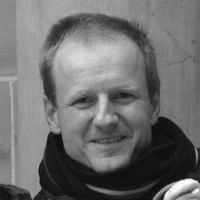
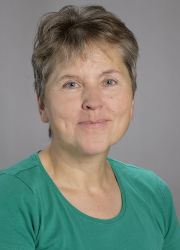
Prof. Dr. Jörg E. Drewes is a Full Professor and Chair at the Research Institute for Urban Water Management, Technical University of Munich (TUM), Germany. He also serves as Academic Program Director for Environmental Engineering at TUM and is a co-founder of Waterloop Solutions GmbH. His work spans advanced water treatment technologies, wastewater reuse, and environmental health surveillance. Affiliations : TUM, Colorado School of Mines, King Abdullah University of Science and Technology, UNSW Water Research Centre Research focuses on advanced oxidation processes , membrane fouling mitigation , micropollutant removal , and wastewater epidemiology for public health. His team develops integrated systems for water-energy-food nexus applications and graphene oxide-based treatment solutions. Recent publications address PFAS remediation , UVC-LED pre-treatment for biofouling control, and GIS-based wastewater surveillance models . Awards include the Bayerische Staatsmedaille (2023) and William Dunbar Medal (2022). 2023 : Bayerische Staatsmedaille 2022 : William Dunbar Medal 2018 : IWA Fellow He leads the Nexus@TUM initiative and contributes to EU water resilience strategies. Collaborations include projects in Germany, China, India, and Spain, focusing on climate-resilient water systems and resource recovery .
Prof. Dr. Anja Meryandini is a Professor in the Department of Biology at IPB University (Bogor Agricultural University), Indonesia. She leads research in microbial biotechnology with a focus on enzyme technology, probiotics, prebiotics, and fermentation processes for food and agricultural applications. Her educational journey includes a Bachelor's degree in Biology from Padjadjaran University, a Master's degree in Biology from IPB University, and a PhD in Microbiology from Albert Ludwig Universitaet, Germany. This strong academic foundation has supported her extensive research career spanning over three decades. Professor Meryandini's research interests encompass: Microbial enzyme technology (protease, mannanase, xylanase) for animal feed processing Development of probiotics and prebiotics for food and animal applications Flour production using microbial technology Fermentation processes for various agricultural products Soil microbiome analysis in relation to land use changes Biodegradation of environmental pollutants Her recent publications reveal a consistent focus on lactic acid bacteria, yeast fermentation, enzyme characterization, and biodegradation processes, often utilizing Indonesian indigenous microorganisms. She has made significant contributions to understanding cocoa fermentation microbiology, tempeh processing, and agricultural waste valorization. Professor Meryandini has been actively involved in important research projects including 'Impact of rainforest transformation on phylogenetic and functional diversity of soil prokaryotic communities in Sumatra (Indonesia)' which is part of a larger CRC 990 program. Her work demonstrates strong interdisciplinary connections between microbiology, environmental science, and food technology. With over 100 publications documented from 1994 to 2024, Professor Meryandini maintains an active research program with significant contributions to microbial biotechnology in the Indonesian context and beyond.
Prof. Dr. Michael Schloter serves as Director of the Research Unit for Comparative Microbiome Analysis at Helmholtz Munich since 2011 and holds a Professorship in Microbiology at the Technical University of Munich since 2010. He concurrently acts as Principal Investigator at both the German Center for Lung Diseases (DZL) and the Central for Food and Nutrition (ZIEL) at TU Munich, driving interdisciplinary research at the intersection of environmental and human health through the "Planetary Health" framework. His educational foundation was built through diploma studies at Ludwig Maximilian University Munich and doctoral research at the University of Bayreuth, followed by formative work in Brazil and the United States where he pioneered bioinocula development for stress-resilient agriculture. At Helmholtz Munich (formerly GSF), he evolved from group leader in soil microbial ecology (2001) to Research Unit Director, expanding his focus from agricultural systems to human microbiome-health connections. Dr. Schloter's research program centers on microbiome-host crosstalk across ecological scales, investigating how environmental microbiota interact with human and plant microbiomes to influence health outcomes. His work integrates ecological theory with microbiome analysis to decode host-microbe co-evolution patterns, with applications spanning sustainable agriculture, allergy prevention, and infection control. Key thematic pillars include holobiont theory, probiotic development, and microbiome-mediated disease prevention through environmental quality improvement. Analysis of his 2025 publications reveals a strategic research portfolio bridging fundamental and applied microbiome science. Agricultural studies dominate (maize, potato, apple systems), examining microbial inoculants and soil management, while human health investigations explore preterm birth complications and Antarctic mammal microbiomes. Computational approaches for antimicrobial resistance assessment and ecosystem-scale projects like JenaTron demonstrate methodological breadth, all converging on translating microbiome functionality into real-world sustainability solutions. Major recognitions include: Election to the Bavarian Academy of Science (2021) Consistent placement among the top 1% of highly cited global researchers (2019-2021) Heinrich Baur Research Award (2011) for agricultural microbiology contributions As Research Unit Director, Schloter leads large-scale collaborative initiatives including the DZL and ZIEL consortia, securing major funding for microbiome standardization projects and international research networks. His leadership extends to developing analytical frameworks for cross-ecosystem microbiome comparisons and establishing protocols for translating microbial ecology principles into clinical and agricultural applications. The Comparative Microbiome Analysis unit operates as a nexus for multi-host microbiome research, employing comparative genomics, field-scale agricultural trials, and clinical cohort studies to investigate microbiome dynamics across environmental, plant, and human systems. Current infrastructure includes advanced sequencing facilities and experimental platforms for plant-microbe and host-microbe interaction studies under controlled and natural conditions.
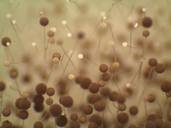
Prof. Vera Meyer is a Professor in the Department of Applied and Molecular Microbiology at Technische Universität Berlin’s Faculty III - Process Sciences. Her research focuses on optimizing fungal production systems for bioactive compounds, antifungal agents, and secondary metabolites. She leads projects such as the MY-CO SPACE exhibition, exploring fungal-based materials in architecture and sustainability. Notable contributions include work on Aspergillus niger morphology, pyomelanin synthesis for radiation shielding, and co-authoring over 150 publications. Meyer holds patents on fungal biosynthetic processes and collaborates internationally on interdisciplinary bioeconomy initiatives. Contact: vera.meyer@tu-berlin.de . Education details are not explicitly listed, but her career includes leadership roles in TU Berlin’s biotechnology programs and UniCat collaborations. Research emphasizes systems biology approaches to microbial engineering, combining microbiology, mathematics, and engineering for predictive models of cellular processes. Recent projects include the MY-CO SPACE exhibition at Bundeskunsthalle Bonn (2025-2026), showcasing fungal-based construction materials.
Privatdozent Dr. Andreas Faust is a leading researcher at the European Institute for Molecular Imaging (EIMI) at the University of Münster, where he heads the Chemical Targeting Lab. His work focuses on developing innovative imaging agents for medical diagnostics, particularly in radiopharmaceutical chemistry and molecular imaging. He maintains strong affiliations with the Department of Nuclear Medicine at the University Hospital Münster and participates in the "Cells in Motion" excellence cluster, contributing to cutting-edge research at the intersection of chemistry, medicine, and imaging technology. Dr. Faust completed his chemistry studies at the University of Münster, earning his Diploma in 1999, followed by his doctoral degree (Dr. rer. nat.) in 2003 with research on artificial caffeine receptors. His academic journey continued with positions at the Department of Organic Chemistry and the Department of Nuclear Medicine before becoming head of the chemistry group at EIMI in 2011. Dr. Faust's research centers on organic and medicinal chemistry with specialization in radiopharmaceutical chemistry . His team develops novel tracers for diagnostic molecular imaging using positron emission tomography (PET), single-photon emission computed tomography (SPECT), optical imaging, and photoacoustic imaging. A significant portion of his work focuses on creating specific ligands for the alarmins S100A8/S100A9 and bacteria-specific tracers based on complex carbohydrates or siderophores. His research has important applications in inflammation imaging, infection diagnostics, and cancer theranostics, with emphasis on improving metabolic stability and target specificity of imaging agents. His publication record demonstrates consistent contributions to molecular imaging, with recent work emphasizing bacteria-specific PET tracers, inflammation imaging targeting S100 proteins, and novel optical imaging probes. The research shows a clear trajectory toward developing clinically applicable imaging agents with improved specificity and metabolic stability, particularly in the areas of infection diagnostics and inflammation monitoring. 2017: Best Poster Award at Symposium "Molecular Imaging Agents in Medicine," Groningen 2009: Young Investigator Award at Deutscher Röntgenkongress, Berlin 2005: Best Scientific Poster Award at 4th Annual Meeting of the Society of Molecular Imaging, Köln Dr. Faust leads multiple significant research projects, including as Coordinator of a project on immune cell distribution imaging (2019-2024) and as Principal Investigator for CRC-project A03 "Targeting of S100A8/A9 for imaging of inflammatory disorders" and research on vascular graft infections (both 2021-2024). His Chemical Targeting Lab comprises a multidisciplinary team working at the intersection of chemistry, microbiology, and medical imaging, securing substantial funding from the Innovative Medicines Initiative and DFG Collaborative Research Centre. The Chemical Targeting Lab maintains state-of-the-art facilities for chemical synthesis, radiochemistry, and biological testing. The lab collaborates extensively with microbiologists, clinicians, and imaging specialists to translate basic research into clinical applications. Current research directions include optimizing bacterial imaging probes for clinical diagnostics and developing new inflammation-specific tracers for early disease detection, with particular focus on S100A9-targeted imaging and siderophore-based bacterial detection systems.
Dr. Marion Schrumpf is a Group Leader in the Soil Biogeochemistry research group at the Max Planck Institute for Biogeochemistry, affiliated with the Department of Biogeochemical Processes. Her work focuses on soil carbon dynamics, mineral-organic matter interactions, and climate change impacts on soil systems. Research areas: Soil biogeochemistry, carbon cycling, mineral-soil interactions, nutrient stoichiometry, microbial ecology, and climate modeling. Email: mschrumpf@... Phone: +49 3641 57-6182 Office: B2.015 Her recent publications address themes like mineral control over soil carbon stabilization, drought effects on soil processes, microbial stoichiometric adaptation, and the Jena Soil Model's role in simulating carbon-nutrient interactions. She leads efforts to disentangle the complex relationships between land use, mineralogy, and soil organic matter turnover across diverse ecosystems.
Prof. Dr. Kirsten Jung is a faculty member at the Department of Microbiology , Faculty of Biology , Ludwig Maximilian University of Munich . Her research focuses on bacterial signal transduction, stress response mechanisms, and systems biology approaches to understand microbial regulatory networks. Key research areas include stress-dependent gene expression in bacterial populations Structural and functional analysis of membrane-integrated receptors Metabolism-based chemical communication in bacteria Integration of experimental and computational systems biology Recent publications highlight her lab's work on Escherichia coli epitranscriptomic modifications under heat stress, m 5 C rRNA dynamics, and the role of RNA methylation in host-pathogen interactions. Collaborative studies address bacterial acid stress responses and their implications for antibiotic tolerance. Her interdisciplinary work bridges microbiology with ecological studies, as evidenced by research on biodiversity conservation in forest and urban ecosystems. Publications also demonstrate expertise in advanced imaging techniques (e.g., arterial spin labeling for glioma analysis) and bioinformatics approaches. Current advisees include Gloria Gessinger and Tania P. Gonzalez-Terrazas . She can be contacted at jung@lmu.de .
Prof. Dr. Johannes Max is a Professor at the Department of Horticulture and Food Technology, Faculty of Horticulture and Food Technology, Hochschule Weihenstepfan-Triesdorf (HSWT), located in Freising, Germany. His primary research focus is on plant nutrition, particularly optimizing nutrient cycling and sustainable agricultural practices. He leads projects on phosphorus recovery from wastewater, precision irrigation systems, and greenhouse climate management. Research Interests: Plant nutrition dynamics, recycled fertilizer efficiency, greenhouse hydroponics, water use optimization, and tropical crop adaptation. His work emphasizes bridging gaps between environmental sustainability and agricultural productivity through innovative technologies like porous pipe irrigation and circular economy concepts. Key Projects: Leading initiatives such as 'Sustainable Tunisian Tomato Production via Soilless Systems' and 'Industrial Waste Heat Utilization Guidelines.' Collaborates on research into phosphorus availability in recycled fertilizers, demonstrating how grain size impacts plant uptake. Grants & Advising: Oversees major grants focused on nutrient recycling and tropical greenhouse systems. Actively involved in international collaborations, including projects in Thailand and Greece. Advises on innovative irrigation and crop management strategies. Labs/Teams: Coordinates interdisciplinary teams in agrotechnology and resource efficiency. Works closely with industry partners to translate research into scalable solutions for sustainable agriculture.
Karl Schmid is a W3 Professor of Crop Plant Biodiversity and Breeding Informatics at the University of Hohenheim's Institute of Plant Breeding, Seed Science and Population Genetics within the College of Agricultural Sciences. His research integrates evolutionary genetics, population genomics, and machine learning to address agricultural challenges. Ph.D. in Biology, University of Munich (1996) Postdoctoral Research, Cornell University (1997-1999) Emmy-Noether Research Group, Max Planck Institute of Chemical Ecology (2000-2006) Group Leader, Leibniz Institute of Plant Genetics (2006-2008) Professor of Genetics, Swedish Agricultural University (2008) His research focuses on crop biodiversity conservation, evolutionary genetics of plant pathogens, and breeding informatics applications. Current work leverages deep learning for phenotyping (quinoa panicles, barley genomics) and analyzes pathogen evolution (Exserohilum turcicum in maize). His team actively develops computational tools like GGoutlieR for geo-genetic pattern detection. Recent publications demonstrate strong trends in applying AI to agricultural genomics, particularly in quinoa improvement and pathogen surveillance. His group leads the EU H2020 INVITE project on molecular markers in plant variety protection and organizes international symposia like the 2024 Quinoa Symposium at Hohenheim. Head of Crop Biodiversity and Breeding Informatics Group Principal Investigator, EU H2020 INVITE project Organizer, International Quinoa Symposium 2024
Prof. Dr.-Ing. Bernd Nolting is a faculty member at the Bochum University of Applied Sciences , where he has served since 1996 as Professor of Urban Water Management. He was Dean of the Department of Civil and Environmental Engineering from 1999–2005. His career spans international projects in Germany (Düsseldorf, Regensburg, etc.), India, Palestine, China, Russia, Romania, and Bulgaria. Education: Dipl.-Ing. in Civil Engineering (specializing in Urban Water Management, Hydrology, Hydraulic Engineering) from Technical University of Hanover Doctorate: Ruhr University Bochum His research focuses on wastewater drainage systems , sewer network calculations , rainwater infiltration , and water-sensitive urban planning . He specializes in addressing urban flash floods , rehabilitation of water supply networks , and hydraulic optimization of drainage systems . Publications from 1988–2009 reveal expertise in membrane bioreactors , nutrient removal (nitrogen, phosphorus), stormwater management , and cost-effective wastewater solutions . Key themes include biological and chemical treatment interactions , filtration systems , and sustainable urban infrastructure .
Prof. Dr. Tuba Esatbeyoglu is a full Professor of Molecular Food Chemistry and Development and serves as the Executive Director of the Institute of Food Science and Human Nutrition at Leibniz University Hannover, within the Faculty of Natural Sciences. She leads research in food chemistry, quality, and safety, with a focus on bioactive compounds and sustainable food innovation. Research Interests: Her work centers on secondary plant metabolites, food by-product utilization, HPLC method development, proanthocyanidin chemistry, food stability, authenticity markers, and in vitro biological activity and toxicity. She investigates the bioaccessibility and sensory properties of functional foods, contributing significantly to food quality and safety science. Publication Trends: Her recent publications reflect a strong focus on polyphenols, encapsulation technologies, food waste valorization, and analytical method development. She frequently explores the health impacts of plant extracts, liver protection, and sustainable food systems, often employing in vitro and animal models. Scientific Awards: Georg Forster Research Award (Alexander von Humboldt Foundation, 2022) Poster Prize, Brunel University (2014) Danone Nutrition for Health Institute Scholarships (2013, 2014) Rochow Family Trust Scholarship (2012) DGQ Young Scientist Award (2011) Award for Outstanding Academic Achievements in Food Chemistry (2006) Advising and Grants: While specific students are not listed, she supervises research in food science and has served on examination boards. She has led projects including a genetic engineering S1 facility and holds permissions under the Infection Protection Act. She has been involved in reviewing for major funding bodies including DFG, DAAD, and the Alexander von Humboldt Foundation. Labs and Teams: She heads the Molecular Food Chemistry and Development research group at the Institute of Food Science and Human Nutrition. She is active in national and international scientific networks, including DECHEMA, GDCh, DGE, IFT, and FEI’s Scientific Advisory Board, and contributes to standardization efforts via DIN.
Prof. Johannes Barth, Ph.D. is a Professor and Chair of Applied Geology at the GeoZentrum Nordbayern (GeoCenter Northern Bavaria) within the Friedrich-Alexander-Universität Erlangen-Nürnberg (FAU). His office is located in Room O1.106 at Schlossgarten 5, 91054 Erlangen, Germany. With an extensive publication record spanning from 1997 to 2025, Prof. Barth has established himself as a leading researcher in hydrogeology and isotope geochemistry. Prof. Barth's research focuses on hydrogeology, isotope geochemistry, and environmental systems . His work investigates groundwater systems, carbon cycling in aquatic environments, and the application of stable isotopes to understand water-rock interactions. He has conducted significant research on karst aquifers, particularly in Sri Lanka, examining issues related to seawater intrusion, groundwater quality, and connections to public health concerns like Chronic Kidney Disease of unknown etiology (CKDu). His research often bridges fundamental geochemical processes with practical environmental and health applications. Analysis of Prof. Barth's recent publications (2023-2025) reveals a strong focus on tropical hydrogeology, isotope applications, and environmental health . His work demonstrates expertise in using stable isotopes (particularly oxygen and carbon) to trace water sources, understand biogeochemical processes, and address water quality issues. There's a notable emphasis on Sri Lankan groundwater systems and their connections to human health, as well as broader investigations of carbon cycling in freshwater ecosystems and lakes. Prof. Barth actively collaborates with researchers across multiple disciplines and countries, particularly with Sri Lankan scientists studying groundwater-related health issues. His work bridges geoscience with public health through the "One Health" approach, demonstrating the interdisciplinary nature of modern environmental research.
Professor Maren Voss is a leading marine biogeochemist at the Leibniz Institute for Baltic Sea Research Warnemünde (IOW), where she leads the Marine Nitrogen Cycle working group. With over two decades of research experience, she has established herself as a world expert on nitrogen cycling in marine environments, particularly in the Baltic Sea, South China Sea, and Amazon River plume region. Her work has been recognized with the prestigious 2022 Björn Carlson Baltic Sea Prize for groundbreaking research on marine nitrogen processes. Dr. Voss's research interests focus on the marine nitrogen cycle, biogeochemistry, and eutrophication processes, with particular expertise in stable isotope analysis. Her work examines nitrogen fixation, nitrification, and nutrient cycling across diverse marine environments. She has pioneered research on how coastal peatlands influence nutrient cycling in the Baltic Sea and has conducted extensive studies on nitrogen dynamics in river plumes, particularly the Amazon River plume in the Western Tropical North Atlantic. Her recent publications reveal a strong focus on climate change impacts on nitrogen cycling, with particular attention to coastal peatland rewetting, Amazon River plume dynamics, and microbial nitrogen processes. Her research integrates field observations, laboratory experiments, and modeling approaches to understand how nitrogen cycling responds to environmental changes. 2022 Björn Carlson Baltic Sea Prize for research on marine nitrogen in the Baltic Sea Professor Voss has supervised numerous doctoral, master's, and bachelor's students throughout her career. Her research has been supported by major funding agencies including the German Research Foundation (DFG), the European Union, and the German Federal Ministry of Education and Research (BMBF). Current projects include Peatland Climate Protection, MnION, BALTICMAGX, SEA-Quester, and CofiEs, reflecting her continued leadership in marine biogeochemistry research. She leads the Marine Nitrogen Cycle working group at IOW, which employs advanced techniques including NanoSIMS for cellular-level biogeochemical analysis. Her team collaborates extensively with international partners across Europe, Asia, and the Americas, particularly on projects related to river plume dynamics and coastal biogeochemistry.
Thomas Amon is a Professor at the Free University of Berlin and Head of the Department of Sensor Technology and Modeling at the Leibniz Institute of Agricultural Engineering and Bioeconomy Potsdam (ATB) . He leads research in livestock-environment interactions , with a focus on reducing greenhouse gases, managing antimicrobial resistance, and optimizing dairy and pig production systems. Current Roles: Department Head (ATB), Professor (Free University Berlin) Research Pillars: Animal husbandry emissions, biogas systems, antibiotic resistance dynamics, climate-resilient farming His research interests span agricultural biotechnology, environmental microbiology, and sustainable systems engineering. Key projects include: LeibnizLabPP - Pandemic preparedness in animal-environment systems SMP4 - Antibiotic use modeling in livestock EmiMod - Emission quantification methods Using process-based models like Dutch Tier 3 and ManureDNDC, he quantifies whole-farm carbon and nitrogen cycles across confinement and pasture-based dairy systems. His work reveals: 63% of GHG emissions from confinement systems come from enteric methane Pasture systems show 18-69% soil organic carbon sequestration 19.9 tCO 2 -eq per cow in confinement vs 2.7-4.0 tCO 2 -eq in pasture systems His scientific contributions include: First mechanistic model linking diet composition to antibiotic resistance gene persistence Novel framework for dairy GHG accounting across barn-manure-soil interfaces Optimized ventilation models for pig housing with outdoor access
Stefan Irniger serves as a faculty member at a German-speaking academic institution, where he has supervised numerous doctoral candidates between 2004 and 2014. His academic position as a Privatdozent (PD) indicates he has completed the habilitation process, the highest academic qualification in the German system. Dr. Irniger's research spans multiple areas of molecular and cellular biology, with particular emphasis on: Microbial pathogenesis and host-pathogen interactions Fungal and yeast molecular genetics Protein regulation and post-translational modifications Enzyme structure and function Cellular metabolism and signaling pathways His doctoral students have published work examining diverse biological systems including Toxoplasma gondii, Saccharomyces cerevisiae, Aspergillus nidulans, and various plant-pathogen interactions. The publications demonstrate a consistent focus on molecular mechanisms underlying cellular processes, with particular attention to protein regulation, metabolic pathways, and host-microbe interactions. His students' work appears across multiple subdisciplines including parasitology, fungal genetics, enzymology, and membrane biology. Dr. Irniger has guided 18 doctoral students to completion, with dissertation topics spanning from 2004-2014. His students have investigated fundamental biological questions with implications for infectious disease, agricultural pathology, and basic cellular mechanisms. While specific awards are not documented in the available records, the breadth and quality of supervised research indicates significant scholarly contribution to his fields of expertise.