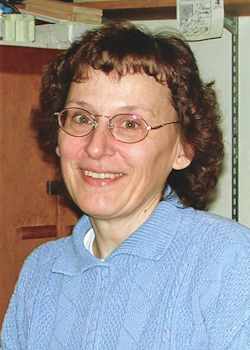
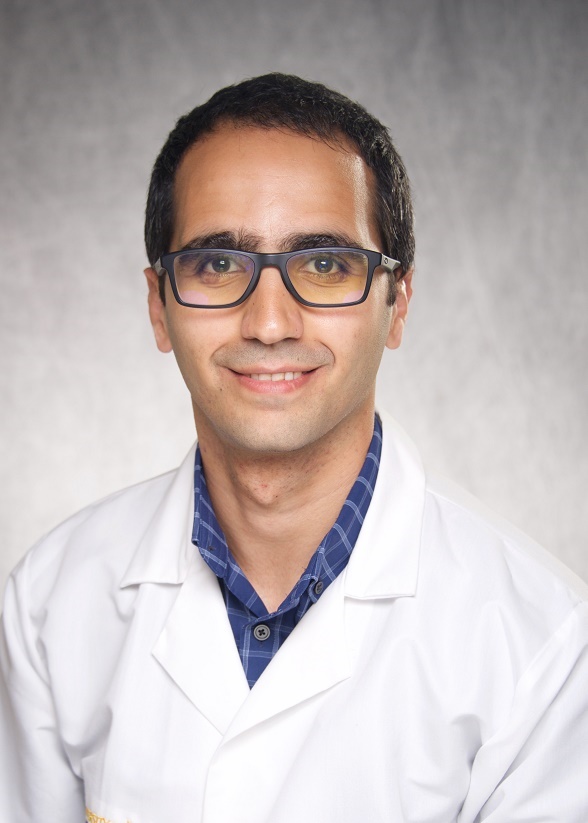
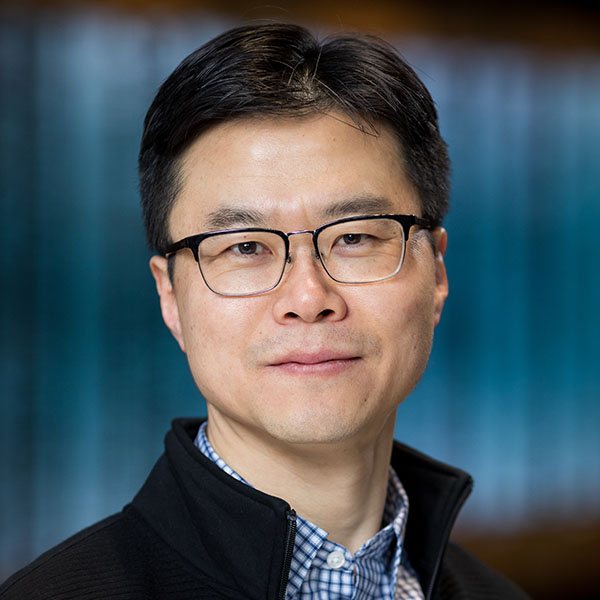
Catherine E. Costello is the William Fairfield Warren Distinguished Professor and Director of the Center for Biomedical Mass Spectrometry Education at Boston University School of Medicine. She holds a PhD and MS from Georgetown University. Her research focuses on biopolymer structural studies and mass spectrometry method development, particularly in glycobiology. Her lab is an NIH-funded Resource Center advancing glycan characterization and structural analysis. Key research interests include carbohydrate conjugate analysis, glycoproteomics, and applications in disease mechanisms like cancer, infection, and immune response. Collaborations span institutions globally, addressing complex biomolecules and their roles in health and disease. Recent publications highlight advancements in glycoproteomic characterization, ion mobility spectrometry, and glycan identification. Awards include the distinguished professor title. Lab members include postdoctoral associates, research staff, and visiting scientists from institutions like MGH and Nutricia Research.
Julia Chamot-Rooke is a Principal Investigator and Researcher at the Institut Pasteur in Paris, France, affiliated with the Department of Structural Biology and Chemistry and the Mass Spectrometry for Biology unit (UTechS MSBio), a joint CNRS service and research unit (USR2000). She leads multiple projects in advanced proteomics and is the PI for the Institut Pasteur in the European Proteomics Infrastructure Consortium providing access (EPIC-XS). Her research focuses on developing innovative methods in top-down proteomics , cross-linking mass spectrometry , and structural proteomics to study intact proteins, post-translational modifications, and protein complexes. Her work has applications in microbiology, infectious diseases, and host-pathogen interactions. She has developed the ProteoCombiner software to integrate proteomics data for improved proteoform characterization. The recent publications reflect a strong emphasis on structural and functional proteomics , particularly in microbial systems and immune interactions. Trends include the use of advanced mass spectrometry techniques (HDX-MS, cross-linking MS, top-down MS) to investigate protein structure, dynamics, and interactions in pathogens and host systems. There is also a growing focus on software and tool development to enhance data analysis and reproducibility in proteomics. Principal Investigator, EPIC-XS at Institut Pasteur Coordinator, Joint Research Activity on Future and Emerging Proteomics Technologies Lead Developer, ProteoCombiner software She supervises PhD students and research engineers and collaborates widely on projects involving bacterial pathogenesis, immune evasion, and structural biology. Her lab is equipped with state-of-the-art Orbitrap mass spectrometers and participates in transnational access programs, providing cutting-edge proteomics services to the European research community.
Pixu Shi is an Assistant Professor in the Department of Biostatistics and Bioinformatics at Duke University's School of Medicine. Previously, they served as a Visiting Assistant Professor in the Department of Statistics at the University of Wisconsin-Madison (2018-2020) and as a Postdoctoral Researcher in the Department of Biostatistics at the University of Wisconsin-Madison (2016-2018). Dr. Shi earned their PhD in Biostatistics from the University of Pennsylvania in 2016 under advisor Hongzhe Li. They also hold an MS in Biostatistics from the University of Pennsylvania (2015), an MS in Statistics from Rutgers University (2012), and a BS in Statistics from Peking University (2010). Dr. Shi's research focuses on developing statistical methods for Microbiome Research, Longitudinal/Temporal Omic Data analysis, Integration of Omic Data, Spatial Omics, and High-dimensional Statistical Inference. Their work bridges statistical theory with practical applications in biomedical research, particularly in microbiome studies where they've made significant contributions with the TEMPTED (TEMPoral TEnsor Decomposition) method. The article trends show a strong focus on microbiome analysis, statistical methodology development, and applications in obesity, infectious disease, and cancer research. Their most recent work (2024-2025) demonstrates expertise in tensor decomposition methods, longitudinal data analysis, and integrating microbiome data with clinical outcomes across diverse areas including adolescent obesity, viral infections, and cancer metastases. Dr. Shi has secured multiple substantial research grants from major institutions including the National Institutes of Health (NIMH, NIAID, NCI, NIDDK, NIA), totaling over a decade of continuous funding for projects related to microbiome research, HIV/AIDS, cancer biomarkers, and metabolic studies. They actively contribute to education through teaching courses such as BIOSTAT 905: Linear Models and Inference at Duke University and previously taught statistics courses at the University of Wisconsin-Madison. Dr. Shi has also organized specialized workshop series including Quantitative Methods for HIV/AIDS, Microbiome, Immunology, and Cancer Bioinformatics.
Emmanuel Ho is a Professor at the University of Waterloo and serves as the Associate Director of Graduate Studies & Research. His research focuses on nanomedicine and vaccine delivery, with expertise in drug delivery systems, polymer chemistry, and biomaterials. He leads the Ho Research Group, dedicated to developing innovative biomedical technologies for healthcare challenges. His work integrates materials science, pharmacology, and engineering to address issues in infectious diseases, ocular health, and drug delivery mechanisms. Key research areas include the design of smart polymers for targeted drug delivery, development of biosensors for rapid pathogen detection, and the application of nanotechnology in combating antimicrobial resistance. His projects often involve interdisciplinary collaborations, such as combining machine learning with nanoparticle formulation design to optimize therapeutic efficacy. Recent advancements from his lab include microwave biosensors for E. coli detection, bacteria-responsive drug release platforms, and pH-sensitive nanomicrobicides for HIV prevention. These innovations highlight his commitment to translating cutting-edge science into practical medical solutions. The Ho Research Group’s work has been widely published in top-tier journals, reflecting its impact on both academic and clinical fields.
Professor Aris Katzourakis is a Professor of Evolution and Genomics at the University of Oxford, leading the Paleovirology Lab. His research focuses on viral evolution, particularly through the study of endogenous viral elements (EVEs) preserved in host genomes. He investigates retroviruses, SARS-CoV-2, HIV, and other viruses to understand long-term evolutionary dynamics. His work bridges paleovirology with modern epidemiology, addressing issues like zoonotic origins and viral adaptation. He serves as an associate editor for BMC Evolutionary Biology and editorial board member of Evolutionary Biology . Education: Background in virology and evolutionary biology, though specific qualifications are not detailed in the text. Research interests include: Endogenous retroviruses (ERVs) and their role in host immunity/evolution SARS-CoV-2 origins and epidemiology Evolutionary mechanisms of viral pathogenesis Phylogenetic analysis of viral families (e.g., hepaciviruses, papillomaviruses) Recent articles highlight his work on bat viruses ancestral to SARS-CoV-2, virophage interactions, and viral diversity in endangered species. His lab has mentored students like Charles Reuben Hugo de Souza and Nikita Trojanskis. Grants and collaborations are implied through his extensive publication record and editorial roles. The Paleovirology Lab is part of Oxford's interdisciplinary initiatives, such as Oxford Mosaic.
Per Bruheim is a Professor at the Department of Biotechnology and Food Science, Norwegian University of Science and Technology (NTNU). He leads the Bruheim research group, focusing on Deep Phenotyping of prokaryotic and eukaryotic systems using advanced metabolomics, fluxomics, and lipidomics techniques. He is the scientific leader of the NV faculty Mass Spectrometry lab and has developed targeted/non-targeted MS methods applied to diverse biological systems. Teaching roles include leading the 2-year and 5-year Biotechnology programs (MSBIOTECH and MBIOT5). He teaches courses such as TBT4140 Biochemical Engineering, TBT4110 Microbiology, and TKP4170 Process Design. Current research projects include targeting antibiotic resistance via bacterial stress responses (Trond Mohn Foundation), chemically defined cell culture media development, and peptide drug inhibition of translesion synthesis mechanisms. Research interests center on metabolomics and systems biology approaches to study microbial physiology and antibiotic resistance, with applications in bioprocessing and sustainable protein production. His lab employs mass spectrometry for precise metabolic profiling and collaborates internationally on projects involving lipidomics and flux analysis. Advising and grants involve mentoring over a dozen master’s theses on topics like microbial fermentation optimization, single-cell protein production, and recombinant protein expression. He actively pursues funding for projects addressing AMR mechanisms and bioprocess innovation. The Bruheim group also collaborates with industry on sustainable raw material utilization for microbial cultures. Labs/Teams: Leads the Mass Spectrometry facility at NTNU and directs the Bruheim research group within the Institute of Biotechnology (IBT). Collaborates with national/international partners in microbiology, metabolomics, and bioprocessing.
Marcia R. Lee is an Associate Professor in the Department of Microbiology at Miami University, where she also serves as Director of Medical Laboratory Science. She is based in Pearson Hall and holds a D.V.M. from the University of Minnesota (1980). Her academic work bridges microbiology, medical laboratory science, and entomological applications of microbial physiology. Research Interests: Dr. Lee's research focuses on the use of ice-nucleating active (INA) bacteria and fungi to manipulate insect cold tolerance, particularly in freeze-intolerant pests like the Colorado potato beetle. She investigates how INA microbes reduce supercooling capacity, thereby decreasing insect survival in cold environments. Additionally, her lab studies the differential effects of antifungal agents on pathogenic fungi such as Aspergillus fumigatus , Fusarium oxysporum , and Candida albicans , with an emphasis on inhibiting hyphal growth and conidial germination using microtiter assays, flow cytometry, and fluorescent microscopy. Publication Trends: Her recent work demonstrates a consistent focus on microbial ecology, fungal biology, and biological pest control. The publications reflect interdisciplinary research combining microbiology, entomology, and environmental physiology, with applications in agriculture and clinical microbiology. Scientific Contributions: Published in journals such as Current Microbiology , Biological Control , CryoLetters , and Entomologia Experimentalis et Applicata . Presented at the Interscience Conference on Antimicrobial Agents and Chemotherapy (ICAAC). Advising and Grants: While specific students or grant funding are not listed in the text, her research program implies involvement in mentoring undergraduate and graduate researchers through laboratory projects and collaborative studies. Her work likely involves external or institutional support given the technical nature of the methodologies employed. Laboratory and Research Team: Dr. Lee leads a research laboratory focused on microbial applications in biological control and antifungal testing. Her team has collaborated with researchers such as R.E. Lee, L.A. Castrillo, and J.A. Wyman, indicating an active, collaborative research environment centered on microbial-entomological interactions.
Andrew L. Goodman, PhD, is the C.N.H. Long Professor and Chair of the Department of Microbial Pathogenesis at Yale School of Medicine. He is also Director of the Yale Microbial Sciences Institute. His research focuses on understanding how gut microbes influence human health, particularly in drug metabolism, host-pathogen interactions, and microbiome ecology. Goodman earned his BA in Ecology and Evolutionary Biology from Princeton University, his PhD in Microbiology from Harvard University, and completed postdoctoral training at Washington University. His lab develops innovative tools such as transposon insertion sequencing (INSeq) and personalized microbiota culture collections. Key contributions include discovering microbiome-driven drug metabolism pathways, mechanisms of bacterial resilience during infection, and bacterial competition strategies. His work has been recognized with awards including the NIH Director’s New Innovator Award and the Presidential Early Career Award in Science and Engineering. Recent research highlights include studies on GPCR-targeted drug modulation by gut microbes (2025), protein-folding mechanisms in bacterial competition (2025), and microbiome responses to time-restricted feeding (2023). Goodman collaborates with institutions like the Diabetes Research Center and Yale Cancer Center, advancing translational microbiome research. Awards: ASPET John J. Abel Award, HHMI Faculty Scholar, Pew Foundation Labs/Teams: Goodman Lab, Yale Microbial Sciences Institute Grants: NIH, Burroughs Wellcome Foundation, HHMI
Hasan Samra is an Assistant Professor at Augusta University’s Medical College of Georgia, specializing in the Department of Pathology with a focus on Clinical Pathology. His academic and clinical work bridges diagnostic pathology with infectious diseases, emphasizing rare and complex infections in immunocompromised populations. Education: MD from Syrian Private University (2014) Certifications: Georgia Professional Licensing (BRD, 2021) Dr. Samra’s research explores emerging infectious diseases, fungal and bacterial pathogenesis, and molecular diagnostics. He investigates rare infections like mucormycosis, listerial peritonitis, and Naegleria fowleri, often in high-risk patients such as those with diabetes, hematologic malignancies, or post-transplant conditions. His work also addresses public health challenges, including undiagnosed AIDS in pediatric monkeypox cases and post-disaster infections. Publications highlight trends in invasive fungal sinusitis, prosthetic joint infections, and rapid diagnostic methods like the Idylla system. His scholarship emphasizes precision medicine, antimicrobial stewardship, and improving diagnostic protocols for challenging cases. He teaches Clinical Pathology (PATH 5009) and contributes to institutional policies on surgical pathology examination standards.
Dr. Byeonghwa Jeon is an Associate Professor in the Division of Environmental Health Sciences at the University of Minnesota. His research focuses on antibiotic resistance mechanisms, stress tolerance in foodborne pathogens, and development of antimicrobial alternatives such as bacteriophages and antioxidant-based therapies. Education: PhD in Veterinary Medical Sciences, University of Tokyo, Japan MSc in Food Science and Biotechnology, Lund University, Sweden BSc in Food Science and Technology, Seoul National University, Korea Postdoctorate in Veterinary Microbiology and Preventive Medicine, Iowa State University Dr. Jeon's research employs molecular biology, genomics, and microbial ecology to study Campylobacter jejuni, a leading enteric pathogen, with emphasis on stress responses, biofilm formation, and antibiotic resistance. His work aims to develop interventions to disrupt bacterial survival pathways and reduce public health impacts. Recent publications highlight his exploration of antioxidant-mediated antimicrobial synergy, cold tolerance mechanisms, and phage-based control of multidrug-resistant bacteria. Key collaborations include researchers from South Korea, Canada, and the U.S. Areas of investigation include: Stress tolerance in foodborne pathogens Molecular mechanisms of antibiotic resistance Bacteriophage applications for STEC and Salmonella Oxidative stress and biofilm regulation Wall teichoic acid roles in Listeria Adjuvant strategies for bacitracin against MRSA
Professor Siobhán McClean (University College Dublin) is a leading researcher in Biomolecular and Biomedical Science with 24 years of academic experience. Her work focuses on chronic respiratory infections in cystic fibrosis patients and vaccine development against ESKAPE pathogens. Current roles: Professor (2024-present) Associate Dean for Widening Participation (2019-2023) Head of Biochemistry (2019-2022) Academic qualifications: BSc in Biochemistry, UCD PhD, Imperial College London Professional Diploma in Creativity & Innovation, UCD Research Interests: Specializing in bacterial adaptation to hypoxia in chronic infections, she leads studies on Burkholderia cepacia complex, Pseudomonas aeruginosa, and Pandoraea pulmonicola. Her team develops novel vaccine antigens through proteomic analysis of host-pathogen interactions, with recent work on TLR4 agonists and universal stress proteins. Article Trends: Recent publications focus on mRNA vaccine platforms, hypoxia-driven pathogenesis, and cross-reactive antigens for ESKAPE pathogens. Key themes include adjuvant optimization, host cell attachment mechanisms, and immune correlate analysis across bacterial/viral/parasitic agents. Scientific Awards: Principal Investigator for Marie Curie BactiVax network Coordinator of All-island Vaccine Research Alliance (AIVRT) Science Foundation Ireland grant recipient Training Leadership: Supervises 7 active PhD researchers and has trained 15 Marie Curie students across 8 countries. Her lab develops cationic nanoparticles and investigates bacterial stress responses.
Laura Sanchez is an Associate Professor in the Department of Chemistry and Biochemistry at the University of California, Santa Cruz (UCSC). She leads a research lab focused on imaging mass spectrometry and natural products discovery, with a particular emphasis on microbial interactions, metabolomics, and applications in women’s health. Previously, she was at the University of Illinois at Chicago (UIC) before relocating to UCSC in 2021. Education: B.A. in Chemistry from Whitman College (Walla Walla, WA) followed by a Ph.D. in Chemistry at UCSC under Professor Phil Crews. Postdoctoral training included work under Professors Roger Linington (UCSC) and Pieter Dorrestein (UC San Diego as an NIH IRACDA Fellow). Her research integrates advanced mass spectrometry techniques with biological systems to study small molecule communication in microbial communities and cancer metabolism. Research Interests : Specialization in imaging mass spectrometry (MALDI-TIMS-MS2), microbial metabolomics, and development of novel techniques like SICRIT (Soft Ionization by Chemical Reaction in-Transfer). Her lab investigates how microbial interactions influence metabolite production and explores metabolomic signatures in ovarian cancer progression. Recent work includes spatial quantification of signaling molecules (e.g., c-di-GMP in biofilms) and the role of neurotransmitters like norepinephrine in cancer cell survival. Awards : K12 BIRCWH Scholar (2016–2017) 2019 UIC Rising Star in the Life Sciences 2022 ACS Infectious Diseases Young Investigator Award 2022 American Society for Pharmacognosy Matt Suffness Young Investigator Award Grants & Collaboration : Developed the Natural Products Atlas (open-access knowledge base) and contributed to workflows like TIMSCONVERT. Collaborations span microbiology, oncology, and bioinformatics, with a focus on translational research in women’s health. Current projects include analyzing fallopian tube-ovary cross-talk in high-grade serous ovarian cancer and optimizing mass spectrometry for high-throughput screening. Labs & Teams : Directs an interdisciplinary lab at UCSC, emphasizing open-source method development and collaborative microbiome research. Her team includes graduate students and postdocs working on microbial communication, cancer metabolomics, and imaging technology innovation.
Andrew Currie is a Professor and Associate Dean (Research & Innovation) at Murdoch University's School of Medical, Molecular and Forensic Sciences, within the College of Environmental and Life Sciences. He leads the Sepsis Diagnostics Research Group at the Centre for Molecular Medicine and Innovative Therapeutics and co-heads the Neonatal Infection and Immunity Team with Clinical Professor Tobias Strunk at the Wesfarmers Centre of Vaccine & Infectious Diseases at Telethon Kids Institute. His research focuses on immunology and infectious diseases in pediatric populations, particularly sepsis diagnostics and neonatal immunity. Education: PhD (Immunology, University of Western Australia, 2001); BSc (Biotechnology with Honors, Murdoch University, 1997). Research Interests: Sepsis diagnostics, innate immunity mechanisms in neonates, medical biotechnology for diagnostics (e.g., biosensors), and translational research in pediatric infections. Collaborates internationally with institutions in Canada, Denmark, the UK, US, and China. Aims to reduce sepsis burden in vulnerable populations through advanced molecular methods and interdisciplinary partnerships. Key Affiliations: Lead of Sepsis Diagnostics Research Group (Murdoch University), Senior Lecturer in Immunology, Honorary Associate at Kids Research Institute Australia. Past roles include leadership in the Centre for Molecular Medicine and Innovative Therapeutics. Scientific Contributions: Over 100 peer-reviewed articles focusing on sepsis biomarkers, neonatal immunity, tick-borne diseases, and clinical trials for interventions like vitamin C and probiotics in critical illness. Active in developing precision medicine approaches for neonatal sepsis. Grants & Funding: Co-leads major projects on sepsis diagnostics and neonatal infection, supported by national and international grants. Collaborates on multi-institutional initiatives. Labs/Teams: Sepsis Diagnostics Research Group (Murdoch) and Neonatal Infection and Immunity Team (Telethon Kids Institute). Works closely with the Personalised Medicine Centre and Health Futures Institute.
Dr. Angela Poole is an Assistant Professor of Molecular Nutrition in the Division of Nutritional Sciences at Cornell University's College of Human Ecology. She leads a research group focused on precision nutrition, investigating interactions between host genetics, dietary intake, and gut/oral microbiomes to prevent metabolic diseases. Education & Background Ph.D. in Genome Sciences, University of Washington Postdoctoral research at Dr. Ruth Ley's laboratory B.S. in Engineering and Applied Science, Caltech Research Focus Her interdisciplinary work combines genetics, microbiology, and nutrition to develop personalized dietary interventions. Key areas include: Optimizing dietary fiber for diabetes prevention Oral biofilm pathogenesis Host-microbiome-diet interactions in metabolic disorders Publication Trends Her 15 most recent publications (2014-2025) demonstrate consistent focus on microbiome dynamics, genetic influences on nutrition, and metabolic health. Recent work emphasizes oral/gut microbiome responses to dietary components like resistant starch and salivary amylase. Research Group Leads an active lab developing systems biology approaches for precision nutrition applications.
Jenny PY Ting, PhD, is the William R. Kenan, Jr. Distinguished Professor of Genetics at the UNC School of Medicine and a member of the UNC Lineberger Comprehensive Cancer Center. She serves as Director of the Center for Translational Immunology and Co-Director of the Inflammatory Diseases Institute. Her research focuses on innate immunity, inflammation, and the molecular mechanisms underlying autoimmune diseases, cancer, and neuroinflammation. Dr. Ting's lab investigates the NLR protein family, particularly their roles in inflammasome activation, MHC regulation, and microbial sensing. She has discovered critical functions of NLRC5 and CIITA in immune gene transcription and pioneered studies on plexin-semaphorin signaling in immune cell interactions. Her work on SARS-CoV-2 revealed necroptosis-driven cell death cascades in airway cells, informing therapeutic strategies against cytokine storms. Key Projects: Microbiome-based therapies for multiple sclerosis Targeting NLRP3 inflammasomes in inflammatory diseases Role of plexins in T cell activation and sepsis Awards: National Academy of Sciences member (2022), AAI Distinguished Fellow (2023), ICIS-Pfizer Award (2021). Her lab employs cutting-edge techniques including transcriptomics, proteomics, and murine models. Collaborations span virology, oncology, and neurobiology, with translational goals for immune-based therapies.