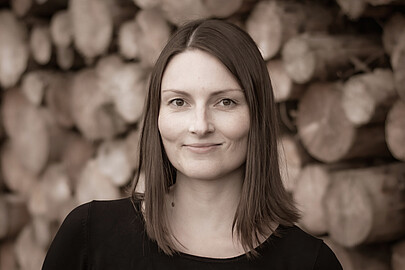
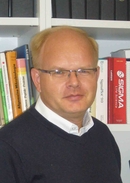
Prof. Ralph Hückelhoven is a Professor of Phytopathology at the Technical University of Munich (TUM), affiliated with the TUM School of Life Sciences. His research focuses on the molecular and biological mechanisms underlying plant diseases, particularly plant immunity, pathogen exploitation of signal transduction, and host-pathogen interactions. He leads the Chair of Phytopathology at TUM since 2006, following academic roles at universities of Kiel and Hohenheim. Education: PhD (1999) and habilitation in molecular phytopathology (2005) from Justus Liebig University Giessen, after a biology degree at RWTH Aachen University. Awards: Julius Kühn Prize (2004) and leadership of a DFG Junior Research Group (2002-2006). His research spans plant immunity at cellular and molecular levels, including studies on receptor kinases (e.g., MIK2, LORE), RAC GTPases (e.g., RACB), and metabolomics-driven insights into pathogen resistance. He has published over 100 peer-reviewed articles, examining topics like fungal toxins, volatile signaling, and crop disease management. Key publications include work on Arabidopsis immune receptors, barley powdery mildew susceptibility factors, and Fusarium head blight resistance. Research integrates genetics, proteomics, and metabolomics to advance disease-resistant crop development. His lab investigates host-pathogen interactions across scales—from molecular signaling to field epidemiology—contributing to sustainable agricultural strategies against plant pathogens.
Prof. Dr. Jörg Stülke is a full Professor of Microbiology and Head of the Department of General Microbiology at the Institute of Microbiology and Genetics, University of Göttingen. He has held this position since 2003 and leads an active research group focused on bacterial metabolism and gene regulation. His research spans two major model systems: the pathogenic bacterium Mycoplasma pneumoniae and the well-studied Bacillus subtilis . His group employs systems-level approaches including transcriptomics, metabolomics, and bioinformatics to understand metabolic regulation and gene expression. Key interests include protein phosphorylation, RNA-mediated regulation, mRNA processing, and the role of second messengers such as cyclic di-AMP in bacterial physiology and pathogenicity. The recent publications reveal a strong trend in molecular microbiology, functional genomics, and systems biology. His work often integrates experimental and computational methods, particularly evident in the development and maintenance of the SubtiWiki database for B. subtilis . The research bridges fundamental mechanisms of life with applications in understanding bacterial virulence and cellular homeostasis. He is affiliated with several graduate programs under the Göttingen Graduate Center for Neurosciences, Biophysics, and Molecular Biosciences (GGNB), including: Molecular Biology (IMPRS) Biomolecules: Structure - Function - Dynamics (GZMB) Molecular Biology of Cells (GZMB) Microbiology and Biochemistry Genome Science (IMPRS) While no individual students are listed, he clearly supervises doctoral candidates through these programs. His group has secured significant research output, including publications in Science , Nucleic Acids Research , and PLOS Pathogens , indicating successful grant funding and collaborative research. The lab maintains a dedicated website at http://genmibio.uni-goettingen.de/ , which serves as a hub for research activities and resources like SubtiWiki.
Univ.-Prof. Dr. med. Martin A. Kriegel serves as full Professor and Department Head of the Department of Translational Rheumatology and Immunology at the Institute of Musculoskeletal Medicine, University of Münster, while maintaining an active laboratory at Yale School of Medicine. He leads the Section for Rheumatology and Clinical Immunology (SRKI) at Medical Clinic D, where his team integrates clinical care with cutting-edge microbiome research. His department operates from Röntgenstraße 21 and Von-Esmarch-Str. 54 in Münster, Germany, with extensive collaborations including the "Cells in Motion" research initiative and the CiM-IMPRS graduate program. Dr. Kriegel's research program focuses on the critical interface between host immunity and microbiota, particularly investigating how gut commensals translocate to host tissues and trigger autoimmune responses. His laboratory pioneered the discovery that specific pathobionts like Enterococcus gallinarum and certain Lactobacillus strains can translocate from the gut to mesenteric lymph nodes, liver, and other sites, driving autoimmune responses through molecular mimicry of human autoantigens. His work has established fundamental mechanisms by which microbiota influence rheumatic diseases, cutaneous autoimmunity, and cancer immunology, with particular emphasis on Ro60 autoantigen mimicry, TLR7-dependent pathways, and diet-microbiome interactions. The laboratory employs advanced techniques including gnotobiotic mouse models, humanized systems, and detailed molecular characterization of host-pathobiont interactions. Analysis of Dr. Kriegel's publication record reveals a consistent trajectory of high-impact research connecting microbiome dynamics to autoimmune pathogenesis. His most recent work (2023-2025) demonstrates increasingly sophisticated understanding of how specific bacterial strains influence disease phenotypes across multiple autoimmune conditions, with notable advances in identifying shared microbiome signatures across lupus and inflammatory bowel disease. The publications show progressive refinement from initial observations of microbial translocation to detailed mechanistic insights into tryptophan catabolism pathways, structural basis of molecular mimicry, and diet-sensitive microbial triggers. Dr. Kriegel's scientific recognition includes US Patent No. 11,058,756 B2 for compositions treating autoimmune diseases by reducing enterococcus, reflecting the translational potential of his research. His laboratory receives substantial funding, most notably a $3 million award from the Lupus Research Alliance for the TransLuMi project investigating gut pathobiont translocation in systemic lupus erythematosus. As an educator and mentor, Dr. Kriegel directs a substantial research team including multiple postdocs (Drs. Marcia Pereira, Nathalie Becker), PhD candidates (Anna Brinkhege, Carina Brune, Helen Fuhrmann), and laboratory specialists. He participates in the CiM-IMPRS graduate program and supervises medical students through the MedK program. His laboratory currently manages multiple significant research projects including: (A) intestinal wall permeability and pathobiont translocation in autoimmunity; (B) diet-environment-microbiome interactions; (C) microbiota disruption of immunological tolerance; and (D) microbiome roles in lymphoma development. The Kriegel laboratory maintains state-of-the-art facilities at both Münster and Yale, with specialized capabilities in gnotobiotic research, microbiome analysis, and immune profiling. His team collaborates with international partners including Dr. Eran Elinav at Weizmann Institute, Dr. Nissan Yissachar at Bar-Ilan University, Prof. George Tsokos at Harvard, and Prof. Ilana Brito at Cornell University. The laboratory's website (https://www.medizin.uni-muenster.de/mikrobiom/startseite/) details ongoing projects and research opportunities.
Prof. Dr. Kirsten Jung is a faculty member at the Department of Microbiology , Faculty of Biology , Ludwig Maximilian University of Munich . Her research focuses on bacterial signal transduction, stress response mechanisms, and systems biology approaches to understand microbial regulatory networks. Key research areas include stress-dependent gene expression in bacterial populations Structural and functional analysis of membrane-integrated receptors Metabolism-based chemical communication in bacteria Integration of experimental and computational systems biology Recent publications highlight her lab's work on Escherichia coli epitranscriptomic modifications under heat stress, m 5 C rRNA dynamics, and the role of RNA methylation in host-pathogen interactions. Collaborative studies address bacterial acid stress responses and their implications for antibiotic tolerance. Her interdisciplinary work bridges microbiology with ecological studies, as evidenced by research on biodiversity conservation in forest and urban ecosystems. Publications also demonstrate expertise in advanced imaging techniques (e.g., arterial spin labeling for glioma analysis) and bioinformatics approaches. Current advisees include Gloria Gessinger and Tania P. Gonzalez-Terrazas . She can be contacted at jung@lmu.de .
Prof. Dr. Tim Rollenske is a faculty member and principal investigator at the University of Bonn , affiliated with the Faculty of Medicine and the Institute of Immunology . He leads the Tim Rollenske Laboratory , focusing on mucosal immunology and B cell responses to the microbiota. His research is supported by prestigious grants such as the Emmy Noether DFG Grant and the ImmunoSensation 2 Seed Funding. His research interests include: Mucosal Immunology and IgA function B cell biology and antibody repertoire Host-microbe interactions and microbiota modulation Monoclonal antibody discovery and therapeutic potential Analysis of his recent publications (2018–2025) reveals a strong focus on the role of secretory IgA in shaping microbial communities, B cell development in early life, and cross-reactive antibody responses in infection and immunity. His work integrates human samples, gnotobiotic mouse models, and single-cell BCR analysis. Scientific awards include: Fritz and Ursula Melchers Prize (2022) ImmunoSensation 2 Seed Funding Prize (2023) Travel grant and poster prize at IMMEI Retreat (2024) He mentors several PhD students, including Jonathan Schreiber, Sophie Burkhalter, Antonia Geisse Anguita, and Chris Johann Göschel. His lab is part of a collaborative network within the University of Bonn’s immunology research ecosystem, including the Christian Kurts, Natalio Garbi, and Veronika Lukacs-Kornek laboratories. He has received funding from DFG, Excellence Cluster ImmunoSensation 2, and SFB 1454 Metaflammation. His laboratory investigates the molecular mechanisms by which B cells and antibodies maintain mutualistic host-microbe relationships at mucosal surfaces, with long-term goals of improving mucosal vaccination and developing monoclonal antibody therapies.
Prof. Friedrich Götz is a Senior Professor and Head of the Department of Microbial Genetics at the University of Tübingen, Germany. He has held this position since 2015, following his tenure as a full professor from 1987 to 2015. He is also a Visiting Professor at the Shiraz University of Medical Sciences (SUMS, 2020–present) and a member of the Cluster of Excellence - CMFI (2018–present). His academic journey includes a Ph.D. in Microbiology from Ludwig Maximilians University (LMU) Munich (1974–1978) and Habilitation at TU Munich (1985). His research focuses on microbial genetics, particularly the physiology of staphylococci, lipoprotein roles in immune responses, and bacterial-host interactions. Recent studies highlight microbiota-derived neurotransmitters influencing host cells and the development of novel antimicrobial compounds. His work has led to groundbreaking insights into skin microbiota's role in wound healing and neurochemical signaling. Prof. Götz has been awarded the DECHEMA Award (1989), DGHM Award (1991), and DGHM Lecturer Award (2009). He has served as President and Vice President of the VAAM (2003–2009), and has held leadership roles in major initiatives, including the DFG Graduate College 685 (2010–2011) and the Transregio SFB (2006–2013). He actively contributes to scientific publishing as an editor for journals like Molecular Microbiology and Medical Microbiology and Immunology, and advises international research institutions. His research spans over 380 peer-reviewed publications, with an h-index of 99, and has mentored over 120 PhD students and postdocs, many of whom have become professors. His lab, part of the Interfaculty Institute for Microbiology and Infection Medicine (IMIT), collaborates globally on microbial genetics and infection biology.
Mohammadali Khan Mirzaei serves as Vice Head of Research Unit and Team Leader at the Institute of Virology, Helmholtz Zentrum München and Technical University of Munich since May 2022. Previously held Senior Postdoctoral Researcher (2019-2022) and Postdoctoral Researcher (2016-2019) positions at the same institutions and McGill University respectively. His research focuses on phage-host interactions for developing therapeutics against drug-resistant infections and microbiome engineering. Utilizes Single-cell techniques Multi-omics approaches Metabolic labeling Advanced model systems to investigate bacteriophage applications in human health contexts including gut microbiota modulation and inflammatory diseases. Recent publications demonstrate strong emphasis on phage therapy translation , with key contributions in ulcerative colitis treatment, microbiome westernization effects on cancer risk, and novel phage preservation technologies. Research bridges fundamental virology with clinical applications targeting multi-drug resistant pathogens. Academic trajectory includes Ph.D. in Molecular Genetics from Stockholm University (2016) with thesis on "The efficacy of bacterial viruses against multi-resistant Escherichia coli: from isolation to Pharmacology" , following M.Sc. research on phage isolation against resistant E. coli strains.
Dr. Thomas Spallek is a Junior Group Leader leading the Plant Biotic Interactions Group at Georg-August University Göttingen, Germany. His research focuses on functional genetics of parasitic plants, interspecific signaling, and haustoria formation mechanisms. Previously, he held roles as Project Leader (2019–2022) and Postdoc (2018–2019) at the University of Hohenheim, with postdoctoral experience at RIKEN (Japan) and The Sainsbury Laboratory (UK). Education: PhD in Plant Biology (Max Planck Institute, Cologne, 2011), Diploma in Biology (University of Konstanz, 2008). Research Interests: Parasitic plant genetics and host interactions Cytokinin signaling in plant-pathogen relationships Cellular and molecular mechanisms of haustorium development Publications span plant-parasite signaling, hormonal regulation, and genomic studies of parasitic weeds. Notable collaborations include work on Striga asiatica genome analysis and cytokinin-driven virulence factors. He is affiliated with the International Research Training Group 2172 - PRoTECT and coordinates the Plant Biotic Interactions research group. His work integrates molecular genetics, bioimaging, and computational tools to dissect plant defense and parasitic strategies.
Paul Schulze-Lefert is Director of the Department of Plant Microbe Interactions at the Max Planck Institute for Plant Breeding Research (MPIPZ) in Cologne, Germany, and Honorary Professor at the University of Cologne. His research bridges genetics, molecular biology, and biochemistry to study plant-microbe interactions, with focus areas including: Structure/function of Arabidopsis root microbiota (ERC Advanced Grant ROOTMICROBIOTA) Intracellular immune sensors and non-self perception mechanisms Evolutionary conservation of NLR-triggered immunity His work explores how plants distinguish beneficial microbes from pathogens, and how root microbiota influence nutrient uptake and disease resistance. Research utilizes Arabidopsis, barley, and Lotus japonicus models to decode immune receptor functions and microbial community assembly. Major scientific honors include election to the National Academy of Sciences (USA), German National Academy of Sciences (Leopoldina), and American Academy of Microbiology. He co-founded AgBiome to translate microbiome research into crop protection solutions. Dr. Schulze-Lefert leads an active research group with 6+ PhD students/postdocs investigating: Bacterial root endophytes NLR receptor biochemistry Microbiota-mediated nutrient cycling Cross-kingdom immune mechanisms Current projects include ERC-funded work on root microbiota evolutionary trajectories and structural studies of immune receptors.
F. J. B. van Duijnhoven is a prominent researcher at the German Cancer Research Center (DKFZ), specializing in cancer epidemiology with a particular focus on colorectal cancer. As a key member of the Division of Cancer Epidemiology, he contributes significantly to understanding the complex interplay between genetic, metabolic, and lifestyle factors in colorectal cancer development and progression. His research interests span several critical areas in cancer epidemiology, including Mendelian randomization methodologies to establish causal relationships, metabolic pathways in cancer development (particularly the tryptophan-kynurenine pathway), genetic risk factors across diverse populations, and the impact of nutritional factors on cancer risk and outcomes. His work often bridges the gap between basic science and clinical applications, with a strong emphasis on identifying modifiable risk factors for cancer prevention. Analysis of his recent publications (2023-2025) reveals a consistent focus on sophisticated epidemiological methods, particularly Mendelian randomization studies that help establish causality in observational data. His research spans multiple domains including genetic epidemiology, nutritional factors, metabolic biomarkers, and gene-environment interactions. The international nature of his collaborations is evident through numerous multi-center consortium studies involving European and East Asian populations. His scientific contributions primarily appear in high-impact oncology and epidemiology journals, demonstrating his standing in the cancer research community. His work frequently addresses questions relevant to cancer prevention strategies and risk stratification approaches. Van Duijnhoven actively collaborates with international research teams across multiple continents, contributing to large-scale studies with thousands of participants. His research has significant implications for developing personalized prevention strategies and improving our understanding of colorectal cancer etiology across diverse populations.
Evgeny A. Idelevich is a Professor at the Institute of Clinical Microbiology and Hospital Hygiene, University Medicine Greifswald, Germany. His expertise spans Clinical Microbiology , Virology , and Infectious Disease Epidemiology , with a focus on Multidrug-Resistant Organisms and Translational Research . Research Interests: Bloodstream infections, rapid diagnostic techniques, Staphylococcus aureus pathogenesis, and healthcare-associated infections. Email: evgeny.idelevich@med.uni-greifswald.de Publications: 10+ studies (2016-2025) on sepsis care, nanopore sequencing, and antimicrobial resistance. His work emphasizes 24-hour microbiology services for critical care and cross-border comparisons of healthcare structures impacting infection control.
PD Dr. Klaus B. Tenberge is a Professor in the Department of Botany at the University of Münster, Germany. His research focuses on molecular cytology of plant-pathogen interactions and cell wall biology , with a particular emphasis on Claviceps purpurea infections in rye and Botrytis cinerea interactions with tomato/bean plants. He has supervised numerous doctoral and state examination theses since 1992 and serves on the Münster State Examination Office for biology teaching positions. Education: Biology and Mathematics at University of Münster (First State Examination, Doctorate, Habilitation in Botany) Contact: Schlossplatz 7, Münster | tenberg@uni-muenster.de His research projects analyze host-pathogen dynamics using light/electron microscopy , immunogold labeling , and in situ hybridization , targeting mechanisms like cell wall degradation , active oxygen species , and scavenging enzymes . Key collaborations include work on Claviceps and Botrytis systems with DFG and EU funding. He contributes to scientific societies (German Botanical Society, German Society for Electron Microscopy) and peer-review for journals such as Molecular Plant Pathology and New Phytologist . Recent teaching includes modules on field biology , plant biodiversity , and electron microscopy .
Dr. Jennifer Gerke is a Researcher at the Institute of Organic Chemistry within the Faculty of Natural Sciences at Leibniz University Hannover. Her work focuses on microbial secondary metabolism, fungal development, and synthetic biology. She leads research in the Synthetic Biology Group and contributes to interdisciplinary projects in organic chemistry and molecular biology. Her research explores mechanisms of fungal adaptation, including secondary metabolite regulation, transcription factor networks, and plant-microbe interactions. Recent studies highlight novel biosynthetic pathways, pathogen virulence mechanisms, and applications in biotechnology such as fragrance production in yeast. Key contributions include discoveries in tropolone biosynthesis, velvet domain protein functions, and the role of Hülle cells in fungal survival. Her work bridges fundamental research with applied biotechnology, addressing topics from antibiotic discovery to metabolic engineering.
Prof. Dr. Heinrich Jung is a Professor of Microbiology at Ludwig-Maximilians-Universität München (LMU), leading the research group on Bacterial Physiology and Biochemistry. He holds multiple administrative roles, including Dean of Studies for the Faculty of Biology and Biological Safety Officer. His research focuses on microbial transport systems, bacterial metabolism, and protein structure-function relationships. Key interests include efflux systems in Pseudomonas putida, membrane transporter dynamics, and microbial cooperation mechanisms. Education and Academic Background: Prof. Jung’s expertise stems from extensive research in microbial biochemistry and membrane biology. His work integrates biochemical, genetic, and structural approaches to study prokaryotic transport proteins. He also contributes to science education through initiatives like the "Biologie macht Schule PLUS" program. Research Trends: Recent publications emphasize efflux system roles in siderophore secretion, acetate metabolism regulation, and antibiotic resistance mechanisms. He explores cooperative behaviors in microbial populations and structural features of transporters like PutP and CaiT. Articles highlight interdisciplinary methods, including protein purification and EPR spectroscopy. Scientific Contributions: Over 50 peer-reviewed articles focusing on microbial physiology, transport biology, and protein structure. Labs/Teams: Head of the AG H. Jung team at LMU’s Biocenter, collaborating with groups like AG K. Jung and AG T. Cordes. Grants & Awards: No specific awards listed, but sustained research funding evident via publication output. His lab’s infrastructure supports structural biology studies and microbial genetics, with ongoing projects on bacterial response to environmental stressors and metabolic pathways.
Prof. Dr. Heinrich Jung is a faculty member at the Department of Microbiology, Faculty of Biology, Ludwig Maximilian University of Munich. His research focuses on membrane protein structure-function relationships, particularly sodium-coupled transporters like PutP and CaiT in prokaryotes. Specializes in Microbiology and Membrane Protein Dynamics Utilizes crystallography , EPR spectroscopy , and functional assays Investigates transport mechanisms in pathogens like Helicobacter pylori Research trends in recent publications highlight: Elucidating efflux systems (e.g., ParXY, TtgABC) and their roles in bacterial resistance Structural and functional analysis of solute/sodium symporters and antiporters Exploration of two-component regulatory systems (MxtR/ErdR) in carbon metabolism Biophysical studies on transmembrane domain dynamics using DEER spectroscopy