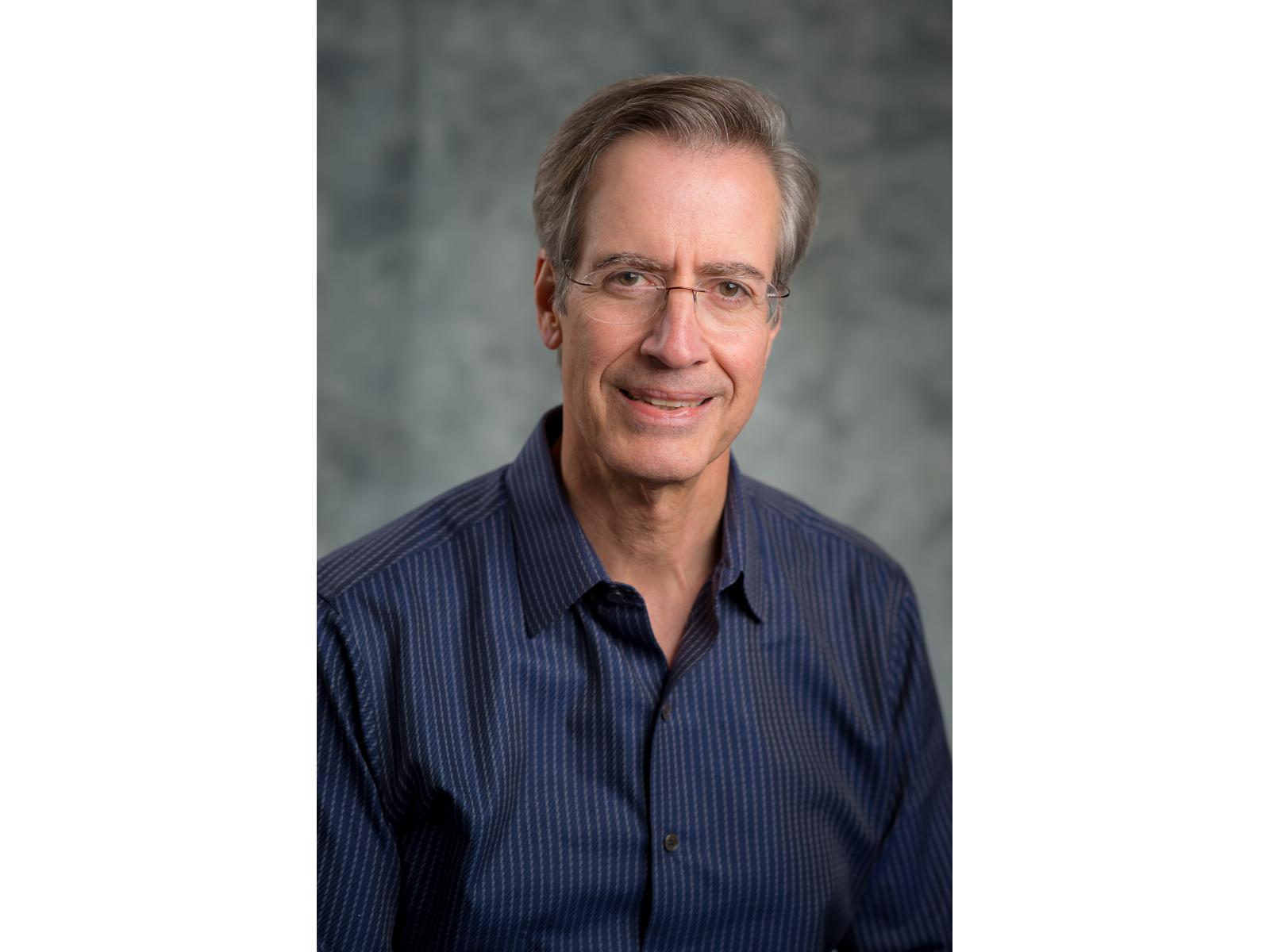
Tomás Alarcón is an ICREA Research Professor at the Centre de Recerca Matemàtica (CRM) in Bellaterra, Barcelona, where he leads the Cancer Modelling Group. He has been affiliated with CRM since November 2010 and was appointed to an ICREA Research Professorship in October 2015. He also serves as deputy director of CRM since March 2016 and is an Affiliated Professor at the Department of Mathematics, Universitat Autònoma de Barcelona since September 2013. Dr. Alarcón earned his PhD in Theoretical Physics from the University of Barcelona in 2000. Following his PhD, he held postdoctoral positions at the University of Oxford (2001-2003), University College London (2003-2006), and Imperial College London (2006-2009). He briefly served as a senior researcher and group leader at BCAM in Bilbao, Spain (2009-2010) before joining CRM. His research focuses on mathematical modeling of complex biological systems, with particular emphasis on multiscale modeling of tumor growth, hybrid methods for multiscale models, stochastic modeling of somatic cell reprogramming, robustness and evolvability in relation to drug resistance, stochastic models in population dynamics, and membrane biophysics and microfluidics of biofluids. His work integrates phenomena across different biological scales, from angiogenesis to cell-cycle progression under oxygen starvation. Analysis of his recent publications reveals a strong focus on computational oncology, with particular attention to epigenetic regulation, tumor microenvironment mechanics, and cancer metabolism. His work combines mathematical rigor with biological relevance, often collaborating with experimentalists to validate theoretical predictions. Key themes in his recent work include chromatin dynamics, metabolic regulation in cancer, multiscale modeling approaches, and the application of dynamical systems theory to biological problems. ICREA Research Professorship (2015) Dr. Alarcón has mentored numerous PhD students and postdoctoral researchers, many of whom have gone on to successful academic careers. His group collaborates extensively with researchers at institutions including University of Oxford, University College London, Universitat Autònoma de Barcelona, and various international centers. He has received research funding for projects related to cancer modeling and mathematical biology, though specific grants are not detailed in the provided information. His laboratory, the Cancer Modelling Group at CRM, consists of research fellows, postdocs, PhD students, and collaborators working on various aspects of mathematical oncology and computational biology. The group is also part of the DysCoVir I2SysBio-CRM Associated Unit, indicating a broader collaborative network in systems biology.