

Prof. Waldemar Kolanus leads the Molecular Immunology and Cell Biology department at the University of Bonn's Life & Medical Sciences Institute (LIMES) . His research bridges immunoregulation , stem cell dynamics , and metabolic stress responses in immune cells. Unit 2 member at LIMES Principal investigator in SFB 704 and ImmunoSensation Cluster Leads a multidisciplinary lab with postdocs, PhD students, and technical staff His work focuses on intracellular signaling pathways connecting immune activation to tissue homeostasis, particularly through: Cytohesin proteins in integrin-mediated adhesion and migration TRIM71 in stem cell regulation and congenital hydrocephalus High-salt environments affecting macrophage function Publication trends show expertise in immune cell migration , genetic models , and chemical inhibition , with frequent use of mice and zebrafish for in vivo studies. Key articles explore: TRIM71's dual role in auditory development and germ cell maintenance Cytohesin family's Golgi regulation and insulin signaling Ruxolitinib's off-target migration inhibition of dendritic cells Contact details: Address: LIMES Institute, Carl-Troll-Straße 31, Bonn Email: kolanus.sekretariat@uni-bonn.de Phone: +49 228 73-62788
جستجوی استاد راهنمای دانشگاهی
برای مسیر پژوهشیتان، استاد راهنما، استاد دانشگاه و پژوهشگر مناسب را پیدا کنید و با آنها ارتباط بگیرید.
نمایش ۱-۱۵ از ۴۵۱ استاد راهنما
اطلاعات پروفایلها از صفحات عمومی دانشگاهها گرفته شده و ممکن است بهروز نباشد.
Prof. Dr. Oliver Krüger is a behavioral ecologist and evolutionary biologist at Bielefeld University 's Faculty of Biology , where he leads the Department of Animal Behaviour since 2013. His research spans avian and marine mammal systems, focusing on life history strategies, parasite-host interactions, and environmental adaptation. Education: Biology studies at Bielefeld University (1994-1996) MSc in Oxford (1996-1997) PhD at Bielefeld University with Fritz Trillmich and Jan Lindström (1998-2000) Research Themes: Behavioral ecology, evolutionary biology, and population dynamics across tropical and temperate ecosystems. Key projects include NC³ (Niche Choice/Construction) and studies on Galápagos sea lions, common buzzards, and pinniped species. Scientific Leadership: Spokesperson, SFB TRR 212 "NC³" (2018-2025) Advisory Board member: German Ornithologists Union, IUCN SSC pinniped group, German Primate Centre Peer review roles: Humboldt Foundation, DFG, HFSP, NSF Awards: Leopoldina Prize (2001) Niko Tinbergen Award (2008) DFG Heisenberg Professorship (2010-2015)
- Plant Pathology
- Molecular Biology
- Plant Immunity
- +۳ مورد دیگر
Prof. Ralph Hückelhoven is a Professor of Phytopathology at the Technical University of Munich (TUM), affiliated with the TUM School of Life Sciences. His research focuses on the molecular and biological mechanisms underlying plant diseases, particularly plant immunity, pathogen exploitation of signal transduction, and host-pathogen interactions. He leads the Chair of Phytopathology at TUM since 2006, following academic roles at universities of Kiel and Hohenheim. Education: PhD (1999) and habilitation in molecular phytopathology (2005) from Justus Liebig University Giessen, after a biology degree at RWTH Aachen University. Awards: Julius Kühn Prize (2004) and leadership of a DFG Junior Research Group (2002-2006). His research spans plant immunity at cellular and molecular levels, including studies on receptor kinases (e.g., MIK2, LORE), RAC GTPases (e.g., RACB), and metabolomics-driven insights into pathogen resistance. He has published over 100 peer-reviewed articles, examining topics like fungal toxins, volatile signaling, and crop disease management. Key publications include work on Arabidopsis immune receptors, barley powdery mildew susceptibility factors, and Fusarium head blight resistance. Research integrates genetics, proteomics, and metabolomics to advance disease-resistant crop development. His lab investigates host-pathogen interactions across scales—from molecular signaling to field epidemiology—contributing to sustainable agricultural strategies against plant pathogens.
Prof. Dr. Michael Schloter serves as Director of the Research Unit for Comparative Microbiome Analysis at Helmholtz Munich since 2011 and holds a Professorship in Microbiology at the Technical University of Munich since 2010. He concurrently acts as Principal Investigator at both the German Center for Lung Diseases (DZL) and the Central for Food and Nutrition (ZIEL) at TU Munich, driving interdisciplinary research at the intersection of environmental and human health through the "Planetary Health" framework. His educational foundation was built through diploma studies at Ludwig Maximilian University Munich and doctoral research at the University of Bayreuth, followed by formative work in Brazil and the United States where he pioneered bioinocula development for stress-resilient agriculture. At Helmholtz Munich (formerly GSF), he evolved from group leader in soil microbial ecology (2001) to Research Unit Director, expanding his focus from agricultural systems to human microbiome-health connections. Dr. Schloter's research program centers on microbiome-host crosstalk across ecological scales, investigating how environmental microbiota interact with human and plant microbiomes to influence health outcomes. His work integrates ecological theory with microbiome analysis to decode host-microbe co-evolution patterns, with applications spanning sustainable agriculture, allergy prevention, and infection control. Key thematic pillars include holobiont theory, probiotic development, and microbiome-mediated disease prevention through environmental quality improvement. Analysis of his 2025 publications reveals a strategic research portfolio bridging fundamental and applied microbiome science. Agricultural studies dominate (maize, potato, apple systems), examining microbial inoculants and soil management, while human health investigations explore preterm birth complications and Antarctic mammal microbiomes. Computational approaches for antimicrobial resistance assessment and ecosystem-scale projects like JenaTron demonstrate methodological breadth, all converging on translating microbiome functionality into real-world sustainability solutions. Major recognitions include: Election to the Bavarian Academy of Science (2021) Consistent placement among the top 1% of highly cited global researchers (2019-2021) Heinrich Baur Research Award (2011) for agricultural microbiology contributions As Research Unit Director, Schloter leads large-scale collaborative initiatives including the DZL and ZIEL consortia, securing major funding for microbiome standardization projects and international research networks. His leadership extends to developing analytical frameworks for cross-ecosystem microbiome comparisons and establishing protocols for translating microbial ecology principles into clinical and agricultural applications. The Comparative Microbiome Analysis unit operates as a nexus for multi-host microbiome research, employing comparative genomics, field-scale agricultural trials, and clinical cohort studies to investigate microbiome dynamics across environmental, plant, and human systems. Current infrastructure includes advanced sequencing facilities and experimental platforms for plant-microbe and host-microbe interaction studies under controlled and natural conditions.
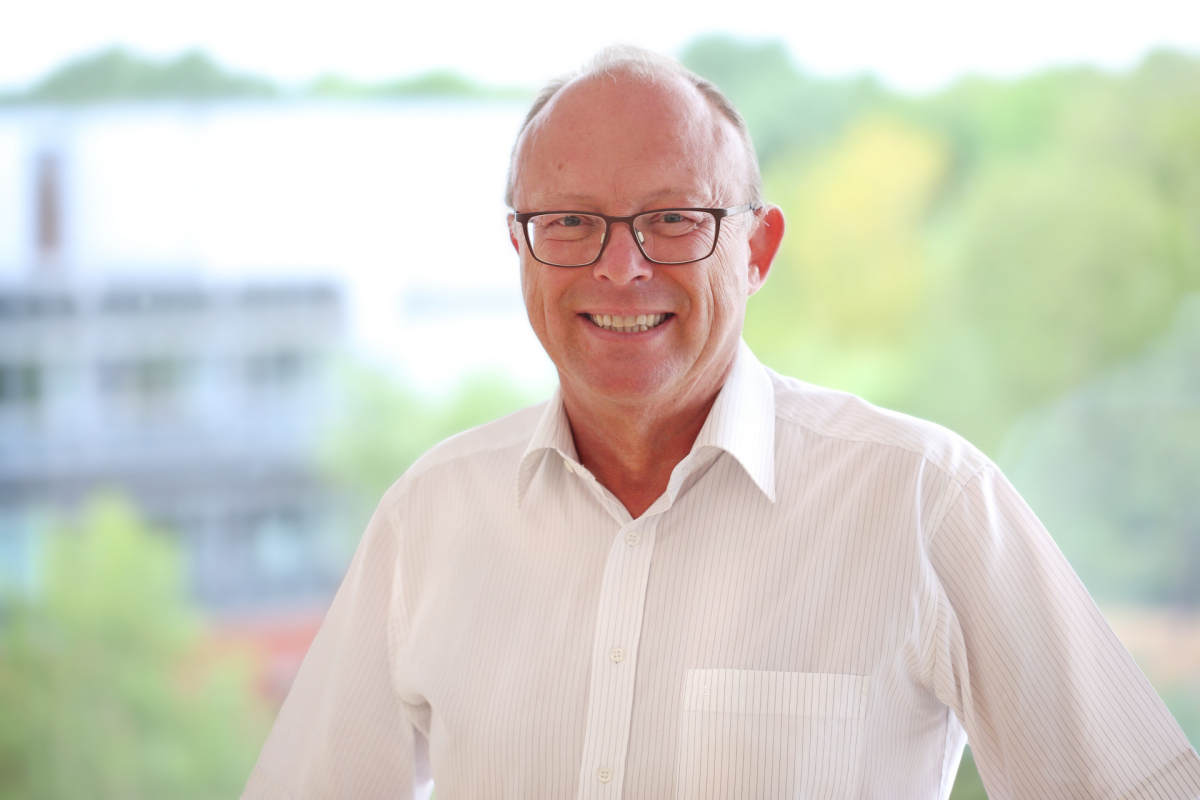
Prof. Dr. Rudolf Amann serves as Managing Director at the Max Planck Institute for Marine Microbiology in Bremen, Germany, and leads the Department of Molecular Ecology. His work pioneers molecular methods for studying marine microorganisms, with a focus on fluorescence in situ hybridization (FISH) to identify and quantify microbial cells. Managing Director, Max Planck Institute for Marine Microbiology (since 2018) Department Head, Molecular Ecology Research Center, Bremen, Germany Research Interests: Marine microbial diversity and ecology Carbon cycle dynamics in coastal and deep-sea environments Phytoplankton-bacterioplankton interactions Microbial taxonomy and phylogenetics Single-cell identification techniques (FISH, CARD-FISH) Integration of metagenomics and proteomics Publication Trends: Recent work focuses on microbial interactions in extreme environments (hydrothermal vents, Arctic waters), carbohydrate cycling in oceanic systems, and ecological differentiation of bacterial populations through advanced imaging and omics technologies. Contact: ramann@mpi-bremen.de
Martin Kaltenpoth serves as Director at the Max Planck Institute for Chemical Ecology in Jena since 2020 and Professor for Evolutionary Ecology at Johannes Gutenberg University of Mainz since 2015. Previously, he led the Research Group Insect Symbiosis at the MPI for Chemical Ecology from 2009 to 2015. Education: PhD in Biology (summa cum laude), University of Würzburg, 2006 Diploma in Biology (with honors), University of Würzburg, 2003 His research centers on insect-bacterial symbioses , investigating evolutionary, ecological, and chemical dimensions of host-microbe interactions. Key foci include nutritional and defensive symbiosis in beetles, genomic adaptations of symbiotic bacteria, and chemical mediation of symbiotic relationships. His work bridges entomology, microbiology, and chemical ecology to unravel coevolutionary mechanisms. Analysis of recent publications reveals dominant trends in beetle-microbe systems, emphasizing symbiont roles in cuticle synthesis, antifungal defense, and host-plant adaptation. His studies frequently employ genomic, biochemical, and experimental approaches across diverse insect lineages. No scientific awards were documented in the source material. While specific advisees and grants remain unlisted, his leadership of research groups and dual academic appointments indicate active supervision of graduate researchers and externally funded projects in symbiosis evolution. Currently directing research at the Max Planck Institute, Kaltenpoth advances understanding of symbiotic systems with implications for evolutionary theory and sustainable pest management strategies.
- Freshwater Molecular Ecology
- Evolution
- Metabarcoding
- +۱۲ مورد دیگر
Michael T. Monaghan is a Professor at the Faculty of Biology, Chemistry and Pharmacy, Freie Universität Berlin, and leads the Research Group in Molecular Ecology and Genomics at the Leibniz Institute of Freshwater Ecology and Inland Fisheries (IGB). His work bridges evolutionary biology, molecular ecology, and environmental monitoring, focusing on freshwater systems and urban aquatic habitats. Education: B.S. (The Ohio State University, 1995), M.S. (Idaho State University, 1998), Dr. sc. nat. (ETH Zürich, 2002) Key Positions: Senior Scientist/Research Group Leader at IGB (2008–present), Visiting Professor at Duke-NUS Medical School (2016), Guest Professor at Ehime University (2015–2016) Dr. Monaghan's research explores freshwater biodiversity dynamics using molecular tools like metabarcoding and phylogenomics. His team investigates how environmental changes—climate warming, urbanization, pollution—affect microbial and insect communities, with a focus on eDNA applications and ecohydrology. His publications (2022–2025) span topics such as climate-driven plankton shifts, urban habitat adaptation by bees, toxin genetics in algae, and metagenomic monitoring of aquatic systems. Collaborative projects like BiNatUr and ODER~SO emphasize urban resilience and disaster ecology. Teaching includes data science in biology, evolutionary ecology, and environmental genomics at Freie Universität Berlin and the Institute of Computer Science. He mentors doctoral and master’s students in molecular ecology and trains interns in biodiversity genomics. Lab Members: Dr. Dagmar Frisch (Scientific Staff) Dr. Katrin Kiemel (Postdoc) Elisabeth Funke (Research Technician) Doctoral Candidates: Onur Erk Kavlak, Athena Karapli-Petritsopoulou, Daniel Wewer
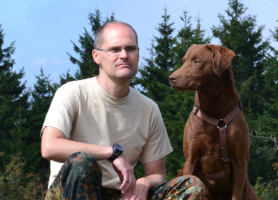
Prof. Dr. Jörg Schultz serves as a Professor for Bioinformatics at the Faculty of Biology, University of Würzburg, a position he has held since 2003. He is also a Group Leader at the Center for Computational and Theoretical Biology (CCTB) and was a member of the CCTB Managing Board from 2015-2019. His academic journey includes significant roles as Group Leader at the Max Planck Institute for Molecular Genetics in Berlin (2002-2003) and at cellzome in Heidelberg (2000-2002). He completed his PhD studies at EMBL Heidelberg (1996-2000) after conducting his diploma thesis there in 1995-1996, following biology studies at the University of Konstanz (1991-1996). Prof. Schultz's research spans bioinformatics, computational biology, and evolutionary genomics, with notable contributions to protein domain analysis, phylogenetics, and structural bioinformatics. His recent work has focused extensively on plant genomics, particularly studying carnivorous plants like the Venus flytrap to uncover the evolutionary roots of plant carnivory. His research integrates computational methods with biological questions to address fundamental evolutionary patterns and molecular mechanisms across diverse organisms. Prof. Schultz has maintained a prolific publication record since the late 1990s, with his most recent work demonstrating continued innovation in computational approaches to biological questions. His publications reveal a consistent trajectory from foundational work on protein domain evolution (including the development of the SMART database) to current research on plant genomics, molecular evolution, and bioinformatics tool development. His work shows particular strength in bridging computational methodology with biological insight across multiple domains. Among his significant contributions is the development of the ITS2 Database, a widely used resource for phylogenetic analyses, along with various computational tools including ALVIS for sequence alignment visualization, reper for repetitive element analysis, and BCdatabaser for DNA barcoding. These resources have advanced methodological capabilities in the bioinformatics community. As an academic mentor, Prof. Schultz has guided numerous students and researchers through his laboratory at the University of Würzburg, contributing significantly to the education and training of the next generation of bioinformaticians. His leadership roles demonstrate his commitment to advancing computational and theoretical biology as academic disciplines while maintaining strong connections between computational approaches and biological discovery.
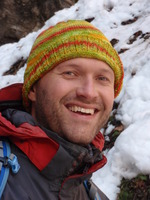
Niels Dingemanse is a tenured Professor of Behavioural Ecology at Ludwig Maximilians University (LMU) in Munich, Germany, and leads the Evolutionary Ecology of Variation research group at the Max Planck Institute for Ornithology. His academic journey includes roles as a Postdoctoral Research Fellow at the University of Groningen and the University of Wales, Bangor. He holds a PhD in natural sciences from Utrecht University (2003) and an M.Sc. in Ecology from the University of Groningen (1997). His research focuses on evolutionary and behavioural ecology, particularly the ecological and evolutionary significance of individual variation in behaviour, physiology, and life-history traits. Key themes include personality evolution, indirect genetic effects, and the integration of genomic approaches with ecological field studies. Dingemanse has contributed to projects like the Great Tit HapMap initiative, exploring genomic variation across continental scales. Publications emphasize interdisciplinary methods, combining field experiments with genomic and statistical tools. His work addresses topics such as mate choice evolution, the role of environmental fluctuations in shaping social plasticity, and the genetic basis of vocal rhythms in birds. Grants and fellowships include the Veni Innovational Research Incentives Scheme (Netherlands Organisation for Scientific Research) and ALW open competition grants. He has advised numerous postdoctoral researchers and leads collaborative projects across Europe.

Dirk de Beerمشاهده پروفایل
پژوهشگر
Dr. Dirk de Beer is the leader of the Microsensor Group at the Max Planck Institute for Marine Microbiology in Bremen, Germany. His research focuses on the structure and function of marine sediments, investigating how microbial conversions (e.g., photosynthesis, chemoautotrophy, anaerobic nitrogen/carbon/sulfur cycling) are controlled by transport processes and how microbial species distributions are regulated in hot spots like seeps, microbial mats, and biofilms. His group employs advanced techniques such as microsensors and planar optodes to study high-resolution geochemical dynamics in marine systems. Key research areas include: Biogeochemical cycling of oxygen, sulfur, and carbon Microbial community interactions in sediments and mats Environmental regulation of microbial processes Reactive oxygen species in marine environments Coral bleaching and ocean acidification Recent publications highlight collaborations on arsenic cycling, hydrogen peroxide dynamics, and microbial respiration in extreme environments. Dr. de Beer's work is central to understanding how microbial processes influence global elemental cycles and climate regulation.

Mikhail Gelfand is a Full Professor and Director of the Center for Molecular and Cellular Biology at Skolkovo Institute of Science and Technology (Skoltech), where he also serves as Vice President for Biomedical Research. His distinguished career spans multiple prestigious institutions including Lomonosov Moscow State University and the Higher School of Economics. His educational background includes: 1985: MSc in mathematics (functional analysis) 1993: PhD in physics-mathematics (biophysics) 1998: DSc in biology (molecular biology) 2007: full professor (bioinformatics) Professor Gelfand's research focuses on molecular evolution, comparative genomics, systems biology, and metagenomics. His work examines eukaryotic processes including alternative splicing, mRNA editing, and chromatin structure, as well as bacterial genome evolution and transcription regulation. His lab combines data on three-dimensional chromatin structure, epigenetic states, and gene expression to obtain an integrated view of genome functioning across diverse organisms from humans to amoebae. One major research direction focuses on the evolution of transcript splicing and editing, while comparative analysis of bacterial genomes yields functional annotations of novel enzymes, transporters, and transcription factors. His recent publications demonstrate a strong focus on RNA editing in cephalopods, bacterial genome analysis, and computational approaches to understanding chromatin structure. The work spans molecular biology, evolutionary biology, and bioinformatics, with particular emphasis on how RNA editing contributes to adaptation and molecular evolution across metazoans. His research shows how edited adenines are more frequently substituted with guanine in evolution than their unedited counterparts, suggesting RNA editing may enhance adaptation. His notable awards include: The President of Russian Federation's Award for Young Doctors of Science (2000) The "Best Scientist of the Russian Academy of Sciences" award (2004) A. A. Baev Prize in Genomics and Genoinformatics (2007) Member of Academia Europaea (2010) As Director of the Center for Molecular and Cellular Biology, Professor Gelfand leads a research group that combines computational and experimental approaches to study genome function and evolution. His lab's work has significant implications for understanding molecular mechanisms of evolution and adaptation across diverse biological systems, from bacteria to complex eukaryotes. His research on metagenomics extends to practical applications in areas including coral disease, aphids, and oil wells.

- Microbiology
- Molecular Biology
- Systems Biology
- +۱۱ مورد دیگر
Prof. Dr. Jörg Stülke is a full Professor of Microbiology and Head of the Department of General Microbiology at the Institute of Microbiology and Genetics, University of Göttingen. He has held this position since 2003 and leads an active research group focused on bacterial metabolism and gene regulation. His research spans two major model systems: the pathogenic bacterium Mycoplasma pneumoniae and the well-studied Bacillus subtilis . His group employs systems-level approaches including transcriptomics, metabolomics, and bioinformatics to understand metabolic regulation and gene expression. Key interests include protein phosphorylation, RNA-mediated regulation, mRNA processing, and the role of second messengers such as cyclic di-AMP in bacterial physiology and pathogenicity. The recent publications reveal a strong trend in molecular microbiology, functional genomics, and systems biology. His work often integrates experimental and computational methods, particularly evident in the development and maintenance of the SubtiWiki database for B. subtilis . The research bridges fundamental mechanisms of life with applications in understanding bacterial virulence and cellular homeostasis. He is affiliated with several graduate programs under the Göttingen Graduate Center for Neurosciences, Biophysics, and Molecular Biosciences (GGNB), including: Molecular Biology (IMPRS) Biomolecules: Structure - Function - Dynamics (GZMB) Molecular Biology of Cells (GZMB) Microbiology and Biochemistry Genome Science (IMPRS) While no individual students are listed, he clearly supervises doctoral candidates through these programs. His group has secured significant research output, including publications in Science , Nucleic Acids Research , and PLOS Pathogens , indicating successful grant funding and collaborative research. The lab maintains a dedicated website at http://genmibio.uni-goettingen.de/ , which serves as a hub for research activities and resources like SubtiWiki.
- Host-microbiota interactions in autoimmunity
- Gut commensal translocation mechanisms
- Microbiota-induced immune cell migration
- +۵ مورد دیگر
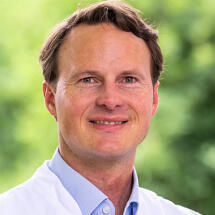
Univ.-Prof. Dr. med. Martin A. Kriegel serves as full Professor and Department Head of the Department of Translational Rheumatology and Immunology at the Institute of Musculoskeletal Medicine, University of Münster, while maintaining an active laboratory at Yale School of Medicine. He leads the Section for Rheumatology and Clinical Immunology (SRKI) at Medical Clinic D, where his team integrates clinical care with cutting-edge microbiome research. His department operates from Röntgenstraße 21 and Von-Esmarch-Str. 54 in Münster, Germany, with extensive collaborations including the "Cells in Motion" research initiative and the CiM-IMPRS graduate program. Dr. Kriegel's research program focuses on the critical interface between host immunity and microbiota, particularly investigating how gut commensals translocate to host tissues and trigger autoimmune responses. His laboratory pioneered the discovery that specific pathobionts like Enterococcus gallinarum and certain Lactobacillus strains can translocate from the gut to mesenteric lymph nodes, liver, and other sites, driving autoimmune responses through molecular mimicry of human autoantigens. His work has established fundamental mechanisms by which microbiota influence rheumatic diseases, cutaneous autoimmunity, and cancer immunology, with particular emphasis on Ro60 autoantigen mimicry, TLR7-dependent pathways, and diet-microbiome interactions. The laboratory employs advanced techniques including gnotobiotic mouse models, humanized systems, and detailed molecular characterization of host-pathobiont interactions. Analysis of Dr. Kriegel's publication record reveals a consistent trajectory of high-impact research connecting microbiome dynamics to autoimmune pathogenesis. His most recent work (2023-2025) demonstrates increasingly sophisticated understanding of how specific bacterial strains influence disease phenotypes across multiple autoimmune conditions, with notable advances in identifying shared microbiome signatures across lupus and inflammatory bowel disease. The publications show progressive refinement from initial observations of microbial translocation to detailed mechanistic insights into tryptophan catabolism pathways, structural basis of molecular mimicry, and diet-sensitive microbial triggers. Dr. Kriegel's scientific recognition includes US Patent No. 11,058,756 B2 for compositions treating autoimmune diseases by reducing enterococcus, reflecting the translational potential of his research. His laboratory receives substantial funding, most notably a $3 million award from the Lupus Research Alliance for the TransLuMi project investigating gut pathobiont translocation in systemic lupus erythematosus. As an educator and mentor, Dr. Kriegel directs a substantial research team including multiple postdocs (Drs. Marcia Pereira, Nathalie Becker), PhD candidates (Anna Brinkhege, Carina Brune, Helen Fuhrmann), and laboratory specialists. He participates in the CiM-IMPRS graduate program and supervises medical students through the MedK program. His laboratory currently manages multiple significant research projects including: (A) intestinal wall permeability and pathobiont translocation in autoimmunity; (B) diet-environment-microbiome interactions; (C) microbiota disruption of immunological tolerance; and (D) microbiome roles in lymphoma development. The Kriegel laboratory maintains state-of-the-art facilities at both Münster and Yale, with specialized capabilities in gnotobiotic research, microbiome analysis, and immune profiling. His team collaborates with international partners including Dr. Eran Elinav at Weizmann Institute, Dr. Nissan Yissachar at Bar-Ilan University, Prof. George Tsokos at Harvard, and Prof. Ilana Brito at Cornell University. The laboratory's website (https://www.medizin.uni-muenster.de/mikrobiom/startseite/) details ongoing projects and research opportunities.
Dr. Marion Schrumpf is a Group Leader in the Soil Biogeochemistry research group at the Max Planck Institute for Biogeochemistry, affiliated with the Department of Biogeochemical Processes. Her work focuses on soil carbon dynamics, mineral-organic matter interactions, and climate change impacts on soil systems. Research areas: Soil biogeochemistry, carbon cycling, mineral-soil interactions, nutrient stoichiometry, microbial ecology, and climate modeling. Email: mschrumpf@... Phone: +49 3641 57-6182 Office: B2.015 Her recent publications address themes like mineral control over soil carbon stabilization, drought effects on soil processes, microbial stoichiometric adaptation, and the Jena Soil Model's role in simulating carbon-nutrient interactions. She leads efforts to disentangle the complex relationships between land use, mineralogy, and soil organic matter turnover across diverse ecosystems.
- MRI cell tracking
- infection imaging
- MR methodology
- +۶ مورد دیگر
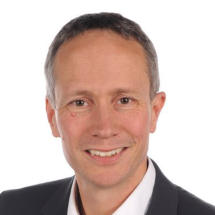
Cornelius Faber is a University Professor in the Department of Radiology at the University of Münster, Germany, where he leads the Experimental Nuclear Magnetic Resonance research group. His work focuses on developing and implementing novel MRI techniques that extend the boundaries of magnetic resonance imaging in terms of spatial and temporal resolution, sensitivity, and specificity for physiological, structural, and molecular changes. He actively participates in the "Cells in Motion" interdisciplinary research initiative at the university. Professor Faber's research spans multiple critical areas in medical imaging and biomedical science. His primary expertise lies in MRI cell tracking , enabling visualization of cellular dynamics in vivo. He has made significant contributions to infection imaging , developing methods to detect and characterize microbial infections using MRI. His work on MR methodology development has advanced quantitative imaging techniques, while his research on multimodal integration in MR and MRI contrast mechanisms has provided deeper insights into molecular and cellular processes. His research bridges physics, engineering, and biomedical applications, with particular relevance to inflammation, cancer, neurological disorders, and cardiovascular disease. Analysis of Professor Faber's extensive publication record reveals a clear evolution from fundamental MRI technique development toward increasingly sophisticated applications in disease models. His recent work demonstrates a strong trend toward multimodal imaging approaches that combine MRI with complementary techniques such as mass spectrometry, optical imaging, and PET. This integration creates comprehensive diagnostic platforms that provide both anatomical and molecular information. A notable pattern is the focus on cellular dynamics, particularly immune cell behavior in inflammatory conditions and tumor microenvironments, with applications spanning neuroscience, oncology, and cardiology. Professor Faber leads a multidisciplinary research team of approximately 15 members, including scientists, doctoral students, technicians, and medical students. His laboratory is deeply integrated with the University of Münster's research infrastructure, particularly the Multiscale Imaging Centre. The group's work contributes significantly to advancing preclinical MRI methodologies while maintaining strong clinical relevance, with numerous publications in high-impact journals across medical imaging, neuroscience, and biomedical engineering disciplines.