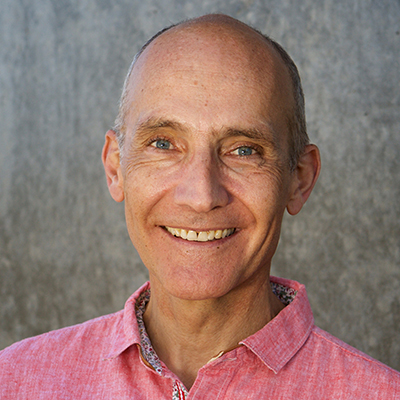
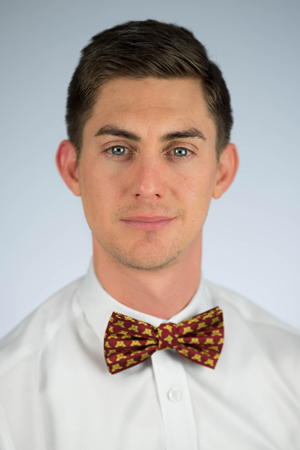
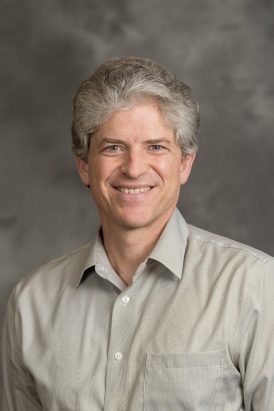
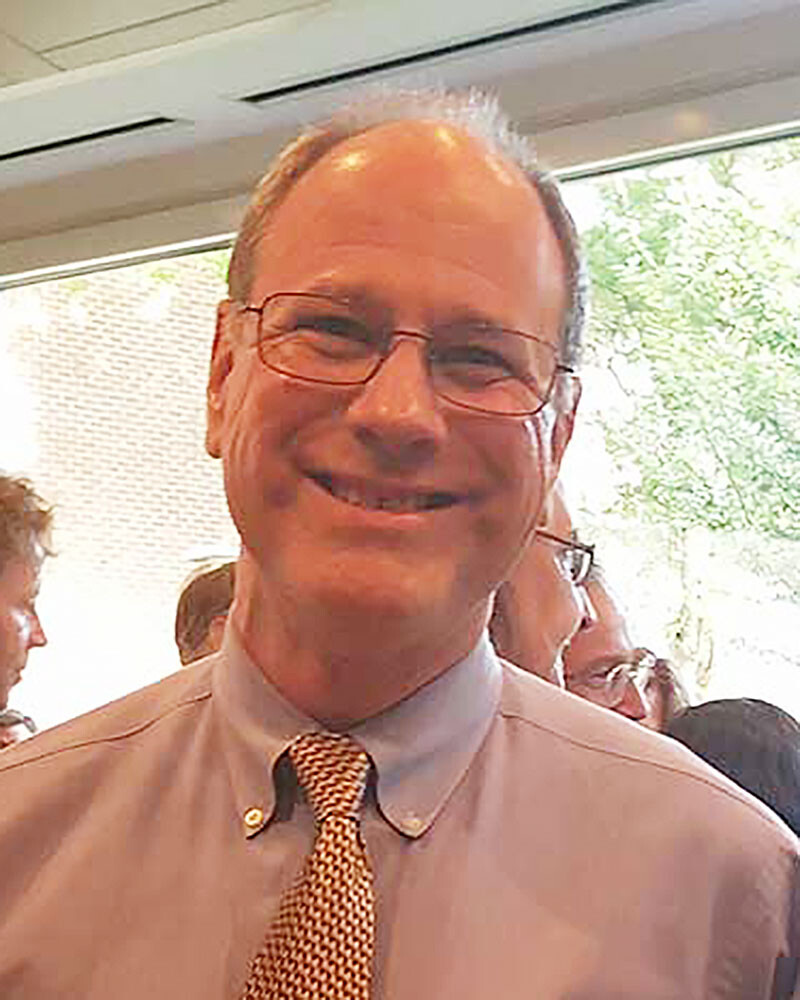
Felix Schweizer is Professor of Neurobiology at the David Geffen School of Medicine, University of California, Los Angeles, and concurrently serves as Interim Director of the Brain Research Institute and Chair of the Graduate Interdepartmental Program for Neuroscience, reflecting his leadership in both research and graduate training. Education Ph.D. in Biochemistry (summa cum laude), University of Basel, 1989 Research Interests Schweizer’s laboratory focuses on the molecular mechanisms of synaptic transmission and neuronal communication. Using electrophysiology, optical imaging, and quantitative proteomics, his group investigates how protein ubiquitination dynamically regulates neurotransmitter release and neuronal excitability. Recent projects explore microbial metabolite sensing by vagal afferents, the synaptic impact of environmental toxicants linked to Parkinson’s disease, and how gravitational load alters vestibular synaptic architecture. Collaborations with Drs. James Wohlschlegel (multiplexed SILAC proteomics), David Krantz (pesticide neurotoxicology), and Larry Hoffman (vestibular biology in altered gravity) extend the lab’s reach from molecular mechanisms to systems-level neuroscience. Scientific Awards No specific awards are listed in the provided text. Advising & Grants As Chair of the Graduate Interdepartmental Program for Neuroscience, Schweizer oversees interdisciplinary Ph.D. training across UCLA. The laboratory continuously hosts post-doctoral fellows and graduate students, and recent funding supports work on ubiquitin-mediated synaptic modulation, pesticide-induced neurodegeneration, and spaceflight-induced synaptic plasticity in the vestibular system. Labs & Teams The Schweizer laboratory, located in the Center for Health Sciences at UCLA, integrates electrophysiology, advanced imaging (serial EM and EM tomography), and biochemical approaches to dissect synaptic function across rodent, Drosophila, and human tissue models.
Caroline Schauer is a Professor and Department Head in Materials Science and Engineering at Drexel University's College of Engineering. Holding the Margaret C. Burns Chair in Engineering, she has been tenured since 2010 and promoted to full professor in 2018. BS (1991), MS (1994), PhD (1997) in Chemistry from SUNY Stony Brook Postdoctoral fellowships at University of Twente, Tufts University, and Naval Research Laboratory Her research focuses on natural polymer processing , electrospun nanoyarns , biodegradable biomaterials , and concrete self-healing technologies . Recent work explores MICCP (microbially induced calcium carbonate precipitation) for sustainable infrastructure and collagen-based nanoyarns for tissue engineering. Key trends in her publications include bio-inspired fiber design, antimicrobial material development, and environmental applications. Notable contributions span smart textiles , wound healing dressings , and conductive polymer composites . Fellow, American Institute for Medical and Biological Engineering (AIMBE), 2021 ELATES Fellow, 2017-2018 Drexel Harold M. Myers Award for Distinguished Service, 2018 Drexel Fellowships Office Faculty Mentor Award, 2016 Schauer has secured funding from NSF , DOD , PA Innovation Fellowship , and the US Department of Education . She leads the Natural Materials and Polymer Processing Group and serves as President of the Fiber Society since 2023.
Dr. Shauna C. Henley is a Senior Agent and Affiliate Agent in the Department of Nutrition & Food Science at the University of Maryland , affiliated with the College of Agriculture and Natural Resources . She specializes in food safety education , nutrition , and consumer behavior research , with a focus on improving safe food handling practices across the supply chain. Dr. Henley earned her B.S. in Biology from Muhlenberg College, an M.S. in Nutrition & Food Science from the University of Vermont, and a Ph.D. in Biology with a concentration in Human Nutrition from Drexel University. Her research spans food safety education , behavioral interventions , and community-based extension programs , including workshops on boiling-water-bath canning and FSMA compliance for farmers and food entrepreneurs. Her 15 most recent publications (2017-2025) address critical food safety issues, including home canning practices , Salmonella prevention , and consumer education strategies . She has received recognition such as the University of Maryland Extension Excellence Award (2025) and the Best in Class award from the Association for Communication Excellence (2025) for ProduceTRAINer.org. Dr. Henley has secured multiple grants, including a USDA-FSOP grant for food safety training and a McCormick Science Institute grant for herb and spice safety research. She leads initiatives like the Food Safety Action Team and contributes to national food safety campaigns , such as the widely recognized ' Don't Wash Your Chicken! ' project.
Marc Habash is an Associate Professor at the School of Environmental Sciences, University of Guelph. His work focuses on microbial interactions in environmental systems, particularly pathogen detection, microbial biofilms, and water quality. He holds a BSc in Cellular and Molecular Biology from the University of Toronto, an MSc in Microbiology and Immunology from the University of Western Ontario, and a PhD in Environmental Biology from the University of Guelph. Research interests include molecular and culture-based detection of waterborne pathogens, microbial source tracking using Bacteroidales spp., and biofilm formation studies involving probiotics. Collaborative efforts examine proteomic analysis via mass spectrometry techniques. His lab is located in the Edmund C. Bovey Building (Room 3238). Publications emphasize environmental microbiology applications: from yeast tolerance mechanisms to advanced PCR methods for microbial viability quantification. Recent work explores bacterial surface dynamics, insect pest diapause induction, and enzymatic dehalogenation processes. Research consistently bridges fundamental microbiology with practical environmental monitoring solutions. No scientific awards are listed. Advising and grants sections remain unpopulated in available records. His interdisciplinary approach connects environmental engineering, molecular biology, and ecological systems analysis.
Per Bruheim is a Professor at the Department of Biotechnology and Food Science, Norwegian University of Science and Technology (NTNU). He leads the Bruheim research group, focusing on Deep Phenotyping of prokaryotic and eukaryotic systems using advanced metabolomics, fluxomics, and lipidomics techniques. He is the scientific leader of the NV faculty Mass Spectrometry lab and has developed targeted/non-targeted MS methods applied to diverse biological systems. Teaching roles include leading the 2-year and 5-year Biotechnology programs (MSBIOTECH and MBIOT5). He teaches courses such as TBT4140 Biochemical Engineering, TBT4110 Microbiology, and TKP4170 Process Design. Current research projects include targeting antibiotic resistance via bacterial stress responses (Trond Mohn Foundation), chemically defined cell culture media development, and peptide drug inhibition of translesion synthesis mechanisms. Research interests center on metabolomics and systems biology approaches to study microbial physiology and antibiotic resistance, with applications in bioprocessing and sustainable protein production. His lab employs mass spectrometry for precise metabolic profiling and collaborates internationally on projects involving lipidomics and flux analysis. Advising and grants involve mentoring over a dozen master’s theses on topics like microbial fermentation optimization, single-cell protein production, and recombinant protein expression. He actively pursues funding for projects addressing AMR mechanisms and bioprocess innovation. The Bruheim group also collaborates with industry on sustainable raw material utilization for microbial cultures. Labs/Teams: Leads the Mass Spectrometry facility at NTNU and directs the Bruheim research group within the Institute of Biotechnology (IBT). Collaborates with national/international partners in microbiology, metabolomics, and bioprocessing.
Andrew L. Goodman, PhD, is the C.N.H. Long Professor and Chair of the Department of Microbial Pathogenesis at Yale School of Medicine. He is also Director of the Yale Microbial Sciences Institute. His research focuses on understanding how gut microbes influence human health, particularly in drug metabolism, host-pathogen interactions, and microbiome ecology. Goodman earned his BA in Ecology and Evolutionary Biology from Princeton University, his PhD in Microbiology from Harvard University, and completed postdoctoral training at Washington University. His lab develops innovative tools such as transposon insertion sequencing (INSeq) and personalized microbiota culture collections. Key contributions include discovering microbiome-driven drug metabolism pathways, mechanisms of bacterial resilience during infection, and bacterial competition strategies. His work has been recognized with awards including the NIH Director’s New Innovator Award and the Presidential Early Career Award in Science and Engineering. Recent research highlights include studies on GPCR-targeted drug modulation by gut microbes (2025), protein-folding mechanisms in bacterial competition (2025), and microbiome responses to time-restricted feeding (2023). Goodman collaborates with institutions like the Diabetes Research Center and Yale Cancer Center, advancing translational microbiome research. Awards: ASPET John J. Abel Award, HHMI Faculty Scholar, Pew Foundation Labs/Teams: Goodman Lab, Yale Microbial Sciences Institute Grants: NIH, Burroughs Wellcome Foundation, HHMI
Dr. Jonathan B. Clayton is an Assistant Professor in the Department of Biology at the University of Nebraska Omaha and holds cross-appointments at the University of Nebraska-Lincoln (Department of Food Science and Technology) and the University of Nebraska Medical Center (Department of Pathology and Microbiology). He holds a D.V.M. and Ph.D. in Comparative and Molecular Biosciences from the University of Minnesota. His work focuses on host-microbiome interactions in humans and nonhuman primates, particularly exploring how dietary fiber, lifestyle, and environmental factors influence gut microbiome composition and metabolic health. He founded the Primate Microbiome Project (PMP) to map microbiome variation across all primates, linking it to health, evolution, and conservation. Research Interests include microbiome modulations of metabolic diseases (diabetes, obesity) and neurological disorders (stress), using in vitro/in vivo models like germ-free mice and marmosets. His methodologies involve next-generation sequencing, anaerobic culture, and marmoset models. Clayton is affiliated with the Callitrichid Research Center and GreenViet Biodiversity Conservation Center, emphasizing translational research and conservation applications. Teaching focuses on Microbiology and Microbial Ecology. His lab (Clayton Lab) investigates causal mechanisms of microbiome-related diseases and has published extensively on gut microbiome dynamics in captive and wild primates. Recent work highlights antibiotic impacts on gut-brain axis interactions and conservation implications of microbiome diversity.
Laura Sanchez is an Associate Professor in the Department of Chemistry and Biochemistry at the University of California, Santa Cruz (UCSC). She leads a research lab focused on imaging mass spectrometry and natural products discovery, with a particular emphasis on microbial interactions, metabolomics, and applications in women’s health. Previously, she was at the University of Illinois at Chicago (UIC) before relocating to UCSC in 2021. Education: B.A. in Chemistry from Whitman College (Walla Walla, WA) followed by a Ph.D. in Chemistry at UCSC under Professor Phil Crews. Postdoctoral training included work under Professors Roger Linington (UCSC) and Pieter Dorrestein (UC San Diego as an NIH IRACDA Fellow). Her research integrates advanced mass spectrometry techniques with biological systems to study small molecule communication in microbial communities and cancer metabolism. Research Interests : Specialization in imaging mass spectrometry (MALDI-TIMS-MS2), microbial metabolomics, and development of novel techniques like SICRIT (Soft Ionization by Chemical Reaction in-Transfer). Her lab investigates how microbial interactions influence metabolite production and explores metabolomic signatures in ovarian cancer progression. Recent work includes spatial quantification of signaling molecules (e.g., c-di-GMP in biofilms) and the role of neurotransmitters like norepinephrine in cancer cell survival. Awards : K12 BIRCWH Scholar (2016–2017) 2019 UIC Rising Star in the Life Sciences 2022 ACS Infectious Diseases Young Investigator Award 2022 American Society for Pharmacognosy Matt Suffness Young Investigator Award Grants & Collaboration : Developed the Natural Products Atlas (open-access knowledge base) and contributed to workflows like TIMSCONVERT. Collaborations span microbiology, oncology, and bioinformatics, with a focus on translational research in women’s health. Current projects include analyzing fallopian tube-ovary cross-talk in high-grade serous ovarian cancer and optimizing mass spectrometry for high-throughput screening. Labs & Teams : Directs an interdisciplinary lab at UCSC, emphasizing open-source method development and collaborative microbiome research. Her team includes graduate students and postdocs working on microbial communication, cancer metabolomics, and imaging technology innovation.
David Porter is a Professor of English and Comparative Literature at the University of Michigan's LSA (Literature, Science, and the Arts). He holds a MA from Cambridge University (1990) and a PhD from Stanford University (1996). His research focuses on transcultural translation, early modern China-Europe exchanges, and Great Lakes environmental humanities. Key projects include the Detroit River Story Lab and the Great Lakes Theme Semester. He has authored works such as The Chinese Taste in Eighteenth-Century England and edited Comparative Early Modernities: 1100-1800 . His recent work bridges environmental stewardship with community engagement in the Great Lakes region. Research interests span seventeenth/eighteenth-century British literature, postcolonial studies, material culture, and environmental humanities. His publications analyze cross-cultural aesthetics, global early modernity, and anarchist political thought. He teaches courses on literary journalism and research methodologies. Porter's interdisciplinary projects engage public audiences through initiatives like the Great Lakes Writers Corps and the Great Lakes Arts, Cultures, and Environments Summer Program. His scholarship integrates literary analysis with ecological and historical frameworks, emphasizing interconnected global histories.
Dr. David S. Kosson is a distinguished faculty member at Vanderbilt University, holding the Gass Family Chair in Energy and the Environment. He serves as Professor of Civil and Environmental Engineering, Chemical and Biomolecular Engineering, and Earth and Environmental Sciences. As Director of the Consortium for Risk Evaluation with Stakeholder Participation (CRESP) and the Environmental Laboratory, he leads multidisciplinary research addressing nuclear waste management, environmental remediation, and policy. His work has established frameworks like the U.S. Leaching Environmental Assessment Framework (LEAF), impacting national waste management policies. Dr. Kosson earned his Ph.D., M.S., and B.S. in Chemical Engineering from Rutgers University. He previously chaired Vanderbilt’s Civil and Environmental Engineering Department (2000–2012). His research focuses on nuclear/chemical waste containment, contaminant mass transfer, and eco-cultural risk assessment. He advises U.S. federal agencies on defense waste remediation and chemical weapons demilitarization. Education: Ph.D., Chemical and Biochemical Engineering, Rutgers University M.S., Chemical and Biochemical Engineering, Rutgers University B.S., Chemical Engineering, Rutgers University Key Roles: CRESP Principal Investigator Environmental Laboratory Director Former Department Chair (Civil & Environmental Engineering) His research integrates laboratory experiments with field data to model long-term behavior of waste forms and geological interfaces. Notable contributions include studies on cement-rock interactions, PFAS leaching, and ecological risk assessment at DOE sites like Hanford and Oak Ridge. He has authored over 200 publications, advancing risk-informed decision-making in waste management. Scientific contributions span nuclear waste durability, eco-cultural justice frameworks, and sustainable materials engineering. He collaborates internationally on deep geological disposal systems and environmental policy.
Professor Jim Haseloff is a faculty member at the University of Cambridge, serving as Head of the Synthetic Biology for Engineering Plant Growth Group within the Department of Plant Sciences, School of Biological Sciences. His research focuses on applying engineering principles to construct new genetic systems in plants, with particular emphasis on using Marchantia polymorpha as a model system for understanding and engineering plant growth and development. Professor Haseloff's research interests span synthetic biology, genetic circuit design, plant transformation technologies, and the development of low-cost tools for biological research. His laboratory develops novel DNA tools and imaging techniques for visualizing, manipulating, and modeling genetic interactions and morphogenesis in plants. His work bridges the gap between fundamental plant biology and applied engineering approaches to reprogram plant development and physiology. The lab has established Marchantia polymorpha as a simplified model system with a streamlined genome, haploid genetics, and an open form of development ideal for quantitative analysis. Analysis of Professor Haseloff's recent publications reveals a strong focus on advancing the Marchantia model system for synthetic biology applications. His work spans genetic tool development, chloroplast engineering, plant sensing technologies, and fundamental developmental processes. Notably, his research increasingly integrates low-cost sensing technologies with traditional plant biology, reflecting his commitment to making synthetic biology more accessible worldwide. Professor Haseloff is actively involved in several major initiatives including OpenPlant (promoting open technologies for plant synthetic biology), Biomaker (funding construction of low-cost devices for biology), and the Engineering Biology IRC. He has taught undergraduate courses on Plant and Microbial Sciences (NST PMS 1B), Plant Development (NST CDB 1B), and Synthetic Biology (NST PS 2), with extensive teaching materials publicly available online. His laboratory has pioneered techniques for cell-free expression systems that are 200-400 times cheaper than commercial versions, low-cost microreactors using 3D-printed components, and innovative in vivo plant sensing devices. The group has developed extensive resources for the plant synthetic biology community, including standardized DNA parts, microscopy techniques, and educational materials for no-code programming in biology.
Dr. F. Jerry Reen serves as a Senior Lecturer and Principal Investigator in the School of Microbiology at University College Cork (UCC), Ireland. With over two decades of academic experience since joining UCC's Department of Microbiology in 2002, he has established himself as a leading researcher in microbial communication systems and host-pathogen interactions. His research group operates within the BIOMERIT Research Centre, and he maintains active collaborations across multiple institutions in Ireland and internationally. Dr. Reen earned his BSc in Biochemistry at the National University of Ireland Galway (NUIG), followed by a PhD in the Molecular GlycoBiotechnology Group at NUIG, supported by an Enterprise Ireland Scholarship and an NUI Teaching Fellowship. His academic journey includes a postdoctoral position in the lab of Dr. E. Fidelma Boyd at UCC, during which he was a visiting scientist at the Sidney Kimmel Cancer Center in San Diego and received an IRCSET Postdoctoral Fellowship for bacteriophage-host interactions research. Dr. Reen's research focuses on deciphering communication systems underpinning polymicrobial-host interactions for human and ecosystem health, with particular emphasis on small molecule signaling in microbial communities. His work bridges fundamental microbiology with translational applications, targeting antimicrobial resistance through chemico-biological therapeutics and developing sustainable pharmaceutical production methods using marine biocatalysts. His research has evolved from early work on Vibrio species to current investigations of Pseudomonas aeruginosa signaling systems, bile acid interactions in cystic fibrosis, and marine enzyme applications in green chemistry. His laboratory's publication record demonstrates consistent productivity with over 80 peer-reviewed papers (h-index 26), spanning from foundational studies on LysR-type transcriptional regulators to recent innovations in virtual reality educational tools. The research trajectory reveals an expanding scope from molecular microbiology to systems-level understanding of microbial communities, with increasing emphasis on sustainable solutions for the pharmaceutical industry. Bronze LEAF Award (2022) - Green Campus University College Cork The Disciplinary Excellence in Learning, Teaching and Assessment (DELTA) Award (2021) - National Forum for the Enhancement of Teaching and Learning Purdy-Lucey UCC Life Sciences Invention of the Year 2015 (2016) Best Poster Exhibition (2012) - Royal Irish Academy National Researcher of the Year, Silver Medal (2011) - Roche BioSciences Researcher of the Year, Gold Medal (2011) - Roche Dr. Reen has successfully secured significant research funding from multiple sources including Science Foundation Ireland (SFI), Health Research Board (HRB), Enterprise Ireland, and Irish Research Council. His current projects include 'BioBloc' enhanced Contact LEns solutioNS (BBCLENS), HEACOVID19, SSPC3 Pharm5, and investigations into novel macrolides for cystic fibrosis management. He has mentored numerous graduate students, including Stephanie Flynn (PhD, 2019), Noelle McCarthy (PhD, 2009), and David Woods (MSc, 2008), with two doctoral students currently completing their research. His educational innovations, particularly student-partnered virtual reality simulations, have transformed how challenging molecular concepts are taught. Dr. Reen leads an interdisciplinary research group that combines microbiology, chemistry, bioinformatics, and education technology. His team collaborates with internal UCC colleagues including Dr. Gerard McGlacken and Prof. Anita Maguire, as well as external partners from institutions like the University of Warwick, Medical University of Graz, and University de Porto. The laboratory maintains strong connections with clinical researchers studying cystic fibrosis and has developed novel approaches for detecting bacterial signaling molecules using boron-doped diamond electrodes.
Dr. Carla L. Schwan is an Assistant Professor and Extension Food Safety Specialist at the University of Georgia’s College of Family and Consumer Sciences, Department of Nutritional Sciences. She serves as the director of the National Center for Home Food Preservation, focusing on microbial validation of preservation methods and consumer food safety education. Her work bridges academic research with practical outreach through training programs and international collaborations. Doctor of Philosophy in Food Science, Kansas State University (2020) Master of Science in Food Science, Kansas State University (2015) Bachelor of Science in Food Science and Technology, Federal University of Santa Maria (2012) Her research spans home food preservation , antimicrobial resistance , and food safety in informal markets . She combines laboratory studies on pathogen survivability with community-based training programs, emphasizing culturally relevant solutions in countries like Cambodia and Ethiopia. Her recent work explores digital misinformation in food safety and the intersection of food access and microbial contamination. Dr. Schwan’s publications reflect a strong focus on Salmonella and E. coli pathogen analysis in diverse settings, from swine feed mills to informal markets. Her articles highlight the need for validated preservation protocols (e.g., kombucha brewing) and cross-disciplinary approaches to food security. Trends include global health implications, microbial genomics, and practical safety toolkits. Scientific recognition includes the Graduate Student Council Award (2020) Cochran Fellowship (2019) Extraordinary Student Award (2019) Student Travel Scholarship (2018) . Dr. Schwan leads annual in-service training programs for UGA faculty and has collaborated on projects in six countries. She emphasizes international food safety and community empowerment via the National Center for Home Food Preservation, which she directs. Her lab integrates research with public health messaging.
Bao-Zhu Yang is a Researcher at Yale School of Medicine , specializing in the Department of Psychiatry . With a PhD from University at Albany (2001), his work focuses on genetic mechanisms underlying psychiatric disorders. Positions: Research Scientist in Psychiatry Labs: Gelernter Lab, Division of Human Genetics His research explores gene-environment interactions , admixture mapping , and comorbid substance use-depression using linkage/association methods. Supported by NIH K01 funding, he investigates genetic bases for conditions including childhood depression , alcoholism , and PTSD . Recent publications highlight: Microbiome studies in methamphetamine use disorder (2023-2025) Genetic polymorphism analyses in NGF and GABAergic pathways (2020-2024) Network approaches to nicotine-alcohol comorbidity (2019) Epigenetic research on child maltreatment effects (2020) Scientific Recognition: Young Investigator Award (2011) from NARSAD Brain and Behavior Research Foundation Active grant support includes NIH K01 career development award for gene-mapping in comorbid disorders. Collaborates with leading researchers including Joel Gelernter and Hongyu Zhao across 30+ joint publications. His work spans 15+ years with recent focus on integrative -omics approaches to addiction psychiatry. Based at 300 George St, New Haven, CT , Yang's laboratory work involves genetic epidemiology , transcriptomic integration , and neurogenetic mapping of substance use disorders.
Kevin O'Connor is a Full Professor in the School of Biomolecular and Biomedical Science at University College Dublin (UCD), where he has held academic positions since 1999, progressing from Assistant College Lecturer to his current role as Full Professor since 2018. He serves as Director of the BiOrbic Bioeconomy SFI Research Centre, leading Ireland's national research efforts in bioeconomy development. His academic career spans over 25 years with continuous advancement through UCD's academic ranks. Professor O'Connor's research focuses on two primary areas: biodegradable polymer synthesis by bacteria and enzymes as biocatalysts. His work in biodegradable polymers centers on polyhydroxyalkanoates (PHAs), investigating bacterial production methods using waste and bio-based resources. His enzyme research explores biocatalysis under mild conditions with high specificity, using protein engineering to enhance enzyme activity for producing pharmaceuticals and fine chemicals. His laboratory investigates waste valorization, upcycling plastic monomers, CO 2 conversion to biopolymers, and hydroxytyrosol applications in food and animal nutrition. His publication record reveals a strong trend toward solving plastic pollution through biotechnological approaches, with significant work on converting plastic waste to valuable biopolymers. Recent publications demonstrate expertise in bioprocess engineering for fungal cultivation, metabolic engineering of bacterial strains for PHA production, and developing sustainable alternatives to fossil-based plastics. His research bridges fundamental microbiology with practical industrial applications in the circular bioeconomy. NovaUCD innovation award (2016) Professor O'Connor has secured significant research funding including the Horizon Europe 'PROMOFER' project (2024-2028) focusing on PHB production optimization and the SFI 'BEACON' partnership (2019-2027) as part of the BiOrbic Bioeconomy Research Centre. He has coordinated the 'Applied Enzymology and Protein' module for over seven years and serves as PhD thesis supervisor. His leadership extends to chairing the Scientific Committee of the Biobased Industries Joint Undertaking and serving on the EC Expert Group for bio-based products. As Director of BiOrbic, Professor O'Connor leads a major national research center focused on developing Ireland's bioeconomy, with particular emphasis on creating rural economic opportunities through bio-based innovations. His work includes establishing the Lisheen bioeconomy innovation and pilot facility campus, demonstrating his commitment to translating research into practical applications that support primary producers in innovating and diversifying through science and technology.