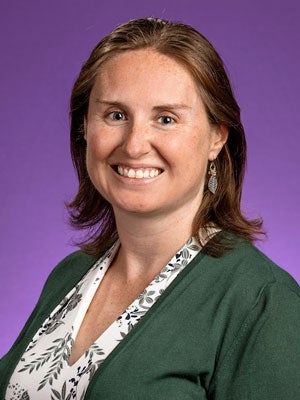
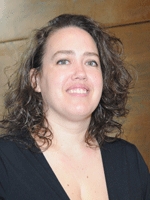
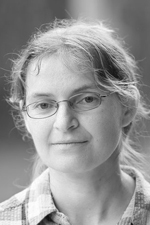
Professor Enzo Lombi is a Research Professor and Barbara Hardy Chair in Environmental Science & Engineering at the Future Industries Institute , University of South Australia. His work bridges environmental science, soil chemistry, and sustainable agricultural practices. 2025 Research : Investigated DGT (Diffusive Gradients in Thin Films) for pesticide residue analysis and fertosphere chemical gradients for fertilizer efficiency. 2024 Innovation : Analyzed energy consumption in domestic vertical farming systems to address climate-related energy concerns. Key Grants : Cooperative Research Centre for High Performance Soils (Australian Government) and NIH-funded projects. His research focuses on contaminant bioavailability , chemical speciation , and novel analytical techniques like synchrotron-based spectroscopy. He has contributed extensively to understanding metalloid behavior in soils and plants. Publications highlight collaborations with institutions such as the University of Queensland, Marche Polytechnic University, and University of California. Current projects emphasize circular nutrient systems and planetary boundary frameworks.
Erin Field is an Associate Professor in the Department of Biology at East Carolina University (ECU), housed within the Thomas Harriot College of Arts and Sciences. She operates from the Life Sciences & Biotechnology Building (Room 3409) and can be contacted via fielde14@ecu.edu. Field leads the interdisciplinary Field Lab, which investigates microbial drivers of geochemical processes in aquatic environments, with emphasis on water treatment, contaminant mobility, and nutrient cycling. Education Ph.D. in Microbiology, Montana State University (2011) B.S. in Environmental Science Biology, Southampton College of Long Island University (2005) Research Interests Field specializes in geomicrobiology, particularly microbe-metal interactions involving iron-oxidizing bacteria in marine estuaries, coastal zones, and freshwater systems. Her work examines how biologically produced iron oxides sequester nutrients like phosphorus, nitrogen, and organic carbon, and how environmental factors modulate this process. She integrates metagenomics, single-cell genomics, and cultivation techniques to overcome challenges in studying unculturable microbes. Current initiatives explore hurricane impacts on microbial communities, shipwreck biofilm assembly, and environmental DNA (eDNA) applications for ecological monitoring and conservation. Publication Trends Field's recent publications (2019-2024) reveal sustained focus on microbial responses to anthropogenic and natural disturbances, especially hurricanes and hydrocarbon exposure. She consistently links iron-oxidizing bacteria to metal corrosion, nutrient cycling, and eDNA method development, with genomic analyses underpinning most studies. Her work bridges marine archaeology, fisheries science, and biogeochemistry through field-lab integrative approaches. Scientific Awards No scientific awards were documented in the provided materials. Advising and Grants Advising: Mentors graduate students in microbiology and biogeochemistry (specific names unstated). Grants: Research supported by external funding for interdisciplinary projects involving field expeditions, genomic analyses, and eDNA repository development. Labs and Teams The Field Lab operates the ECU Geomicrobiology facility and an eDNA repository. It combines molecular genomics, geochemical assays, and hydrological modeling to study microbes in shipwrecks, aquifers, and estuarine systems. The team actively disseminates findings via Twitter ( @ErinKField ) and Weebly-hosted platforms.
Dr. Lesley Duffy is a Research Microbiologist and Team Leader for the Applied Microbiology team within the Microbial Food Systems Group at the Commonwealth Scientific and Industrial Research Organisation (CSIRO). She leads research initiatives focused on food safety and microbial contamination issues across various food supply chains including red meat, poultry, and vegetable production systems. Dr. Duffy holds a PhD from The University of Queensland (2019) and a Bachelor of Applied Science in Microbiology/Biochemistry from QUT (1988). Her extensive educational background has prepared her for leadership in food safety microbiology research. Her research expertise spans foodborne pathogens such as E. coli O157, Listeria, Salmonella and Campylobacter, with investigations into their ecology throughout the supply chain from farm to retail. She specializes in source tracking, transcriptomics to understand microbial stress responses, survival through processing, and microbiome changes from farm to fork. Dr. Duffy has conducted national benchmarking projects for the chicken industry and developed strong industry partnerships to address food safety challenges. As a Project Leader, she engages with clients to design and conduct research addressing shelf life, challenge testing, contamination issues, through-chain understanding, risk assessment, and microbiome manipulation. She utilizes her commodity and microbial knowledge to contribute to broader project areas including sustainability, continuous assurance, and climate change. Designated shipper of class 6.2 dangerous goods Fire Warden AQIS Manager Dr. Duffy works collaboratively with industry clients to investigate microbial contamination issues, solve food safety and quality problems, and develop shelf life extension solutions across multiple food sectors.
Julie Anne Wildschut serves as Assistant Professor and Environmental Core Fellow in the Department of Engineering at Calvin University. She concurrently works as Project Engineer for Plaster Creek Stewards since 2015 and represents the third ward on Grand Rapids' Stormwater Oversight Commission. Education: MSE in Environmental Engineering Sciences, University of Florida (2019) BS in Engineering with Civil Concentration, Calvin University (2000) Her research centers on sustainable water solutions, specializing in green stormwater infrastructure for northern climates , natural stream restoration techniques , and rural water disinfection systems for communities in Ecuador. She develops passive chlorination methods that operate without electricity, optimizing designs like the CTI-8 chlorinator for small-scale implementation while addressing community acceptance challenges. Her recent publications analyze chlorination efficacy in resource-limited settings, revealing critical relationships between bypass valve control and chlorine concentration stability. This work bridges engineering design with public health outcomes in developing regions. Professional Service: Third-ward representative, Stormwater Oversight Commission (Grand Rapids) VEX Robotics team coordinator at local school Ongoing project engineer for Plaster Creek Stewards Wildschut holds Professional Engineer licenses in Michigan (2015) and Colorado (2005). Her field experience includes major infrastructure projects like the Valley Highway EIS in Denver and Christ Church Water Quality Improvements in Grand Rapids, where she applied HEC-RAS modeling and natural stream restoration techniques.
Dr. Ying Cheng is a Research Associate at the University of Newcastle, holding dual appointments in the School of Environmental and Life Sciences and the School of Architecture and Built Environment within the College of Engineering, Science and Environment. Her work focuses on developing innovative technologies for sustainable environmental remediation and energy recycling, with particular expertise in sensor development and green synthesized nanomaterials. Dr. Cheng earned her Doctor of Philosophy from the University of Newcastle, following a Master of Engineering from Fujian Normal University in China. Her undergraduate studies were completed at China Agricultural University, where she focused on soil aggregate and organic carbon stability in the North China plain. During her master's studies, she specialized in remediation of printing sewages using green synthesized nanomaterials and biomaterials, and her PhD research centered on the fabrication of biocompatible anode electrodes in Microbial fuel cells (MFCs) for sewage treatments and energy recovery. Her research spans multiple areas with sensor technology accounting for 70% of her focus, followed by environmental assessment and monitoring (10%), environmental nanotechnology (10%), energy generation (5%), and One Health (5%). She has developed green synthesized graphene-based nanocomposites and biomaterials for environmental applications, with particular expertise in creating functional materials that combine bacterial strains like Burkholderia species with nanomaterials for enhanced contaminant removal. Her primary research focus since graduation has been method development of rapid and reliable in-field detection and sensor invention for environmental risk assessment. Analysis of her recent publications reveals a strong trend toward integrating advanced sensing technologies with machine learning for environmental monitoring. Her work increasingly focuses on developing portable, field-deployable solutions for detecting contaminants like volatile organic compounds, arsenic, and petroleum hydrocarbons. Many of her studies combine nanomaterials with biological systems to create innovative remediation approaches, particularly for simultaneous removal of multiple contaminants from water systems. 33 peer-reviewed journal articles 1 book chapter 1 patent 6 research grants totaling $2,444,668 Dr. Cheng has secured significant research funding for projects focused on rapid field-based assessment methods for contaminated sites. Her collaborative work frequently involves researchers like Liang Wang and Ravi Naidu, with whom she has developed several field-deployable solutions that simplify environmental monitoring and make it more accessible. Her laboratory work centers on green synthesized nanomaterials for environmental applications, with established expertise in microbial fuel cells for wastewater treatment and energy recovery.
Dr Anithadevi Kenday Sivaram is a Researcher at the University of Newcastle , affiliated with the School of Environmental and Life Sciences . Her research focuses on environmental toxicology, bioremediation, and soil health, particularly addressing the impacts of per- and polyfluoroalkyl substances (PFAS) and polycyclic aromatic hydrocarbons (PAHs). Contact: anitha.kendaysivaram@newcastle.edu.au Location: Callaghan campus, University Drive, Callaghan, NSW 2308, Australia Research Interests : Dr Anithadevi explores the ecotoxicity of PFAS and firefighting foams, particularly their effects on aquatic organisms and plants. She investigates bioremediation strategies using plants and microbes to degrade pollutants like PAHs, with a focus on rhizosphere interactions and organic amendments. Her work also examines the fate of PFAS during thermal treatments and microbial viability in sustainable agriculture. Recent Publications Trends : Her studies span PFAS contamination in commercial composts, pyrolysis-based remediation of biosolids, and transgenerational toxicity in nematodes. Key themes include pollutant fate, plant-microbe interactions, and innovative methods for environmental cleanup.
Professor Mizi Fan is a distinguished academic in the Department of Civil and Environmental Engineering within the College of Engineering, Design and Physical Sciences at Brunel University. Holding the position of Professor, they serve as Chair of the Board of Examiners for Civil Engineering and Head/Director of Research for the Department of Civil Engineering. Professor Fan maintains significant external affiliations including Fellow of the Institute of Materials, Minerals and Mining (IOM3), Principal Scientist at Building Research Establishment (UK, Associate), and appointment by the UK Foundation of Science and Technology as UK representative for the Committee of European Cooperation in the Field of Scientific and Technological Research. Professor Fan's research spans multiple cutting-edge areas in sustainable construction and advanced materials. Their work focuses on natural fiber composites, vacuum insulation panels, geopolymers, self-healing cementitious materials, and nanocellulose technologies. The research portfolio demonstrates expertise in transforming waste materials into high-value construction products, developing sustainable insulation solutions, and creating novel energy storage materials from biomass resources. Their interdisciplinary approach bridges civil engineering, materials science, and environmental sustainability, with particular emphasis on practical applications that address pressing challenges in green construction and resource efficiency. Analysis of Professor Fan's extensive publication record (222 publications) reveals consistent high-impact contributions across multiple domains. Recent work shows increasing focus on sustainable material systems, with significant contributions to vacuum insulation panel technology, self-healing concrete mechanisms, and advanced biomass utilization. The research demonstrates strong international collaboration patterns and addresses critical challenges in building energy efficiency, waste resource utilization, and sustainable construction materials development. Fellow, Institute of Materials, Minerals and Mining (IOM3) UK representative for Committee of European Cooperation in Field of Scientific and Technological Research Editorial Board member for Construction and Technology journal Editorial Board member for Indoor and Built Environment journal Editorial Board member for Nature Science journal External Evaluator for EU Framework Programmes (FP5, FP6, FP7) External Evaluator for Greek Ministry of Education R&D programme Professor Fan's research activities are supported through multiple international collaborations and funding mechanisms, including coordination of complex EU projects. Their work demonstrates strong translation from fundamental materials research to practical engineering applications, particularly in sustainable construction technologies. The research group maintains active partnerships with industry and research institutions across Europe and Asia, facilitating the development of innovative solutions for real-world construction challenges.
Annie DesRochers is a Professor at the University of Quebec in Abitibi-Temiscamingue (UQAT) , holding the NSERC Industrial Research Chair in Forestry and Wood Production since 2002. She serves as Director of the UQAT Forest Institute and contributes to organizations like the Canadian Botanical Association and Poplar and Willow Council of Canada . Education : PhD in Forest Biology & Management (U. Alberta, 2000), MSc in Renewable Resources (UQAC, 1996), BSc in Biology (UQAM, 1994) Research Interests : Focuses on intensive silviculture for fast-growing boreal plantations and root system dynamics in poplar/conifer stands . Her work explores root grafting effects on forest stand dynamics, nutrient cycling, and plantation productivity. Scientific Contributions : Her 15 most recent publications (2020–2025) highlight innovations in soil amendments for forest regeneration , root grafting ecology , and hybrid poplar management . Keywords span Forest Carbon Cycling , Tree Competition , and Boreal Ecosystems . 2022 - David J. Gifford Award (outstanding tree biology research) 2011 - Discovery of the Year (Québec Science, root grafting studies) Student Supervision : Mentored 34 graduate students (PhD/MSc) and 13 trainees (postdocs/interns), including Mathieu Gnocchini , Hiba Merzouki , and Tokyo Rabearison . Collaborates with institutions like Alberta-Pacific Forest Industries Inc. and Canadian Forest Service .
Sylvia Franke McDevitt serves as Associate Professor in the Biology Department at Skidmore College, Saratoga Springs, NY, where she conducts research on microbial metal homeostasis and teaches courses including Microbial Genetics, General Microbiology, Microbes in Society, and Bacterial Pathogens. Education: B.S. in Biology, Martin-Luther-University Halle, Germany (1996) M.S. in Microbiology, Martin-Luther-University Halle, Germany (1999) Ph.D. in Microbiology/Molecular Biology, Martin-Luther-University Halle, Germany (2002) Postdoctoral Associate, Martin-Luther-University Halle (2002-2003) Postdoctoral Associate, University of Arizona (2003-2006) Her research centers on bacterial regulation of essential transition metals (copper, zinc, iron) and resistance to toxic metals (silver). She investigates copper/silver resistance mechanisms in Escherichia coli involving periplasmic export systems, and examines zinc's role in Salmonella typhimurium pathogenicity through macrophage infection studies. This work addresses critical questions about bacterial adaptation to metal stress and implications for combating antibiotic-resistant pathogens using biocides like silver. Analysis of her 2004-2007 publications reveals consistent focus on metal transport systems, particularly cation diffusion facilitators and copper resistance proteins. Her work bridges microbiology, molecular biology, and biochemistry, with recurring themes in metal-dependent pathogenesis, biocide resistance mechanisms, and evolutionary adaptation of transport systems across bacterial species. Scientific Awards: No awards mentioned in source text Advising and grants: The provided materials list no graduate students, postdoctoral researchers, or specific grant funding sources. Her research appears conducted within institutional academic frameworks without mention of external funding. Laboratory and team structure is not described in the source text, though her publications indicate collaborative work with researchers including C. Rensing, G. Grass, and others on metal transport projects.
Timothy Ginn is Boeing Distinguished Professor of Environmental Engineering at Washington State University's College of Engineering, with a joint appointment as Affiliate Professor in the Department of Mathematics and Statistics. He holds a PhD in Civil Engineering from Purdue University (1988), MS in Civil Engineering (1985), and BS in Classics and Environmental Sciences from University of Virginia (1982). Prior to WSU, he held positions at UC Davis (1997-2015) and Battelle National Laboratories (1989-1997). His research focuses on reactive transport phenomena in environmental systems, with specialized expertise in: groundwater age modeling, scalar dissipation theory, multidomain diffusion, pre-asymptotic dispersion, and biogeochemical reactive transport. His work integrates advanced mathematical approaches with practical applications in contaminant transport, microbial processes, and water resources engineering. Analysis of his 15 most recent publications reveals strong emphasis on: 1) Development of novel transport models incorporating temporal dynamics 2) Experimental and theoretical studies of contaminant behavior in porous media 3) Hydrological process quantification through tracer methods 4) Biogeochemical interactions in engineered and natural systems. Recurring themes include residence time distributions, mixing-limited reactions, and inverse problem solutions. Scientific Awards: Crimson Spirit Award, WSU (2022) Outstanding Engineering Mid-Career Award, UC Davis (2010) Excellence in Reviewing, American Geophysical Union (1991, 2014) He teaches undergraduate courses in Fluid Mechanics (CE 315), Water Resources Engineering (CE 351), and Groundwater (CE 475), and graduate courses in Inverse Problems (CE 543) and Biogeochemical Reactive Transport (CE 543). Leads research on subsurface transport phenomena through his laboratory, focusing on experimental validation of theoretical models in hydrologic systems.
Cristina Menta is a full Professor in the Department of Chemical, Life and Environmental Sustainability Sciences at the University of Parma, specializing in Zoology (SSD BIO/05). She has been habilitated for first level in Zoology and second level in Ecology. Dr. Menta serves as a member of the Parity Committee for the Degree Course in Natural and Environmental Sciences and the Didactic Commission at the University of Parma. She was previously the Scientific Director of the Natural History Museum of the University of Parma from 2016 to June 2022. Dr. Menta earned her PhD in Animal Biology from the University of Bologna in 1999 and her degree in Natural Sciences with honors (110/110 con lode) in 1995. She has completed specialized training in soil chemistry, soil ecotoxicology, and environmental remediation through various professional development courses. Her research focuses on soil biodiversity, particularly on soil arthropod communities as bioindicators of soil quality. She coordinates the soil biology research group at the University of Parma, investigating soil biodiversity in natural and anthropized terrestrial ecosystems. Her work includes studying soil arthropod responses to agricultural practices, forest management, catastrophic events, and their relationships with fungi, particularly truffles. Dr. Menta is the national and international reference for the QBS-ar index (Biological Quality of Soil) based on soil microarthropod communities. Her recent publications demonstrate a strong emphasis on soil health assessment, with particular attention to soil arthropod communities as bioindicators. Her research spans multiple ecosystems including forests, agricultural lands, and vineyards, examining the impacts of management practices, climate events, and contamination on soil biodiversity. A significant portion of her work investigates the relationship between soil fauna and truffle ecosystems, as well as remediation techniques for contaminated soils. PROGETTI GIOVANI RICERCATORI – ANNO 2001 - Finanziamento MURST for project titled 'Uptake, regulation and excretion of lead in Pomatias elegans' Dr. Menta has supervised numerous research projects and collaborations, including the HORIZON-RIA project REWET (Restoration of Wetlands), ECOFOREST (Economizing Organic Carbon in Forests), and various regional and international soil biodiversity initiatives. She coordinates the Working Group of the Italian Society of Soil Science (SISS) focused on 'Biological Quality of Soil based on microarthropods QBS-ar' and serves as Deputy in the IUFRO Research Group on Humus and Soil Biodiversity. Her work has established her as a leading international expert in soil biodiversity assessment methodologies. Dr. Menta leads the group researching soil biological quality through microarthropods and serves as the leader of the working group harmonizing a global protocol for determining the QBS-ar index within the GLOSOLAN (Global Soil Laboratory Network) under the Global Soil Partnership of the FAO. Her research group at the University of Parma has developed standardized methodologies for soil quality assessment that are now applied internationally.
BIANCHI Federica is a Full Professor in Analytical Chemistry at the University of Parma's Department of Chemical, Life and Environmental Sustainability Sciences. She earned her PhD in Chemical Sciences from the University of Parma in 2003, following her Chemistry degree with honors in 1999. Her career progression includes positions as Tenured University Researcher (since 2002), Associate Professor (2014-2023), and Full Professor (since October 2023). Her research spans separation sciences, mass spectrometry instrumentation, chemometrics, and quality assurance, with applications in environmental analysis, food safety, and materials science. She leads multiple national and international projects including METROFOOD-IT (agrifood metrology), PlasticTrace (microplastics analysis), and RE.MO.PACK (sustainable packaging). Professor Bianchi teaches courses across undergraduate and graduate programs including Analytical Chemistry II and Chemometries, Statistical Process Control, and Environmental Analytical Chemistry. She has supervised numerous PhD theses through international collaborations with institutions in Sweden, India, and Lithuania. As departmental job placement delegate, she organizes career development events and manages transition-to-work programs. Organizational roles include: Director of Advanced Training Course in Quality Systems (since 2014) Member of Editorial Board for Separations journal Vice-Chair of Unified Council of Chemistry Degree Courses Councilor of Forensic Analytical Chemistry Group (Italian Chemical Society) Scientific committee member for METROFOOD-RI infrastructure Her laboratory focuses on developing novel analytical methods using hyphenated techniques like LC-ion mobility-HRMS and advanced materials for sample preparation. Recent work explores MOF-based sensors, microplastic detection, and sustainable packaging solutions. With 107 publications, 2 patents, and an h-index of 34, her research emphasizes metrological traceability and quality control in analytical measurements.
Elena Maestri is a Full Professor in the Department of Chemical, Life and Environmental Sustainability Sciences at the University of Parma, with leadership roles including President (2016-2021) and Deputy President (2022-present) of the Biotechnology Degree Course, and Coordinator of the PhD in Biotechnology and Biosciences (2024-present). She serves on editorial boards for Environmental Science and Pollution Research, International Journal of Phytoremediation, and Agronomy. Her educational background includes a cum laude Degree in Biological Sciences from the University of Pavia (1980-1985) and a PhD in Genetic Sciences from the University of Parma (1985-1989). Her research focuses on Environmental Biotechnology , specializing in phytoremediation of heavy metals/nanomaterials using higher plants, molecular traceability for food safety/authenticity, plant genetic responses to environmental stressors (thermal, drought, contaminants), and circular economy applications through biochar production. Her work integrates genomics, proteomics, and molecular marker analysis to develop sustainable agricultural solutions. Recent publications (2024-2025) demonstrate a strong trend toward field-tested applications of biochar and microbial consortia for soil remediation, crop resilience, and water management, particularly in Mediterranean agricultural systems like rice paddies, tomato fields, and olive groves. She has received significant recognition for scholarly contributions: 2016 Sentinel of Science Award for Environmental Science (top 10% reviewers) 2017 Top Reviewers for Multidisciplinary 2018 Top Reviewers for Environment/Ecology As an academic leader, she coordinates PhD programs, serves on the EU GREEN Alliance Steering Committee (Cluster 2, WP3), and directs National Scientific Degrees Plan activities for Biology/Biotechnology. Her research is supported through consortia including SITEIA.PARMA, INSTM, CIDEA, and CINSA. She leads interdisciplinary teams within SITEIA.PARMA (Agri-food Safety), INSTM (Materials Science), CIDEA (Energy/Environment), and CINSA (Environmental Sciences), driving innovation in sustainable agriculture and environmental remediation technologies.
Benoit Bach is a full Professor of Oenology at the School of Viticulture and Oenology, part of the Western Switzerland University of Applied Sciences (HES-SO) at Changins campus. His primary affiliation is with the Department of Oenology where he holds a main contract as a full professor. Bach leads numerous research projects focused on wine science and technology, with particular expertise in wine chemistry, microbiology, and sustainable production methods. BSc HES-SO in Viticulture and Oenology - Changins - High School of Viticulture and Oenology MSc HES-SO in Life Sciences - HES-SO Master Professor Bach's research spans multiple areas of wine science with particular emphasis on wine stabilization, microbial ecology in winemaking, and innovative technologies for wine production. His work explores the relationship between agricultural practices and microbial diversity, particularly focusing on how alternative fungicides impact grape microbiota and fermentation processes. Bach has developed significant expertise in membrane contactor technology for managing dissolved gases in wines, as well as in the bioprospecting of indigenous yeast strains for winemaking. Analysis of Professor Bach's recent publications reveals a strong trend toward sustainable winemaking practices, microbial ecology in wine production, and chemical analysis of wine components. His research particularly focuses on the application of innovative technologies like membrane contactors for gas management in wines, and the exploration of indigenous yeast strains for fermentation. There's also a consistent thread of research into alternative agricultural practices and their impact on wine quality and microbial diversity. Professor Bach has successfully secured substantial research funding from various sources including INTERREG, OFAG, and HES-SO Rectorat. His current and recent projects include Ecofass-Vin (200,000 CHF), Biodiferm (200,000 CHF), Prime Innosuisse-DYNAWINE (15,000 CHF), and the Development of bioprospecting tools for yeast microbiome (220,000 CHF). These projects demonstrate his ability to lead interdisciplinary research teams across multiple institutions. Bach leads or participates in multiple research teams across different projects, often collaborating with institutions like Agroscope, hepia, and academic partners in France. His work frequently involves interdisciplinary teams combining expertise in chemistry, microbiology, engineering, and sensory analysis. The Ecofass-Vin project team, for example, includes researchers from Switzerland and France working on sustainable wine distribution systems.
Elisa Maria Petta is a Researcher at the Biological, Chemical and Pharmaceutical Sciences and Technologies school, specializing in environmental bioremediation using microbial solutions. Her work focuses on developing innovative biopolymer-supported biofilm systems for degrading persistent environmental contaminants. Research Interests: Dr. Petta's research explores microbial biofilm applications in environmental cleanup, particularly: Biodegradation of chlorinated pollutants like 1,2-DCA using immobilized microbial consortia Design and optimization of biopolymeric scaffolds for enhanced biofilm formation Aquifer bioremediation through biostimulation techniques Microbial community dynamics in contaminated environments Her recent publications (2022-2025) demonstrate a consistent focus on biofilm-engineered solutions for water and soil decontamination, with emphasis on practical applications for chlorinated solvent remediation and material-biofilm interactions.