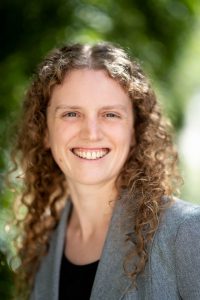
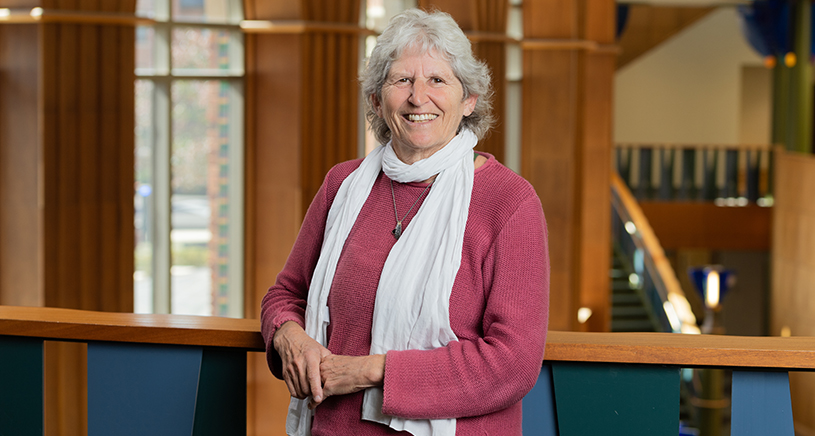
Dr. Rachel Scholes is an Assistant Professor in the Department of Civil Engineering at the University of British Columbia. Her research focuses on protecting human and environmental health through the study of contaminants in urban water systems, with an emphasis on optimizing contaminant removal in engineered and nature-based treatment systems. She holds a B.S. in Chemical Engineering from Northwestern University and M.S. and Ph.D. in Environmental Engineering from the University of California, Berkeley. Her research interests include environmental chemistry, trace contaminants, water reuse, nature-based treatment systems, and stormwater treatment. She teaches courses such as ENVE 301 (Environmental Engineering Intermediate Design Project) and CIVL 562 (Environmental Data Collection and Analysis). Her lab, Scholes Lab, actively investigates contaminant dynamics in constructed wetlands, bioretention systems, and subsurface treatment environments. Key research contributions include enhancing contaminant removal via Fe (III)-EDTA-amended wetlands, studying 6PPD-quinone dynamics in salmon streams, and optimizing pharmaceutical attenuation in benthic wetland biomats. Her work bridges fundamental environmental chemistry with applied engineering solutions for sustainable water management. Dr. Scholes' lab collaborates on projects funded by grants focused on urban water systems, green infrastructure, and contaminant fate. She advises students through the Scholes Lab (www.scholeslab.org), which emphasizes interdisciplinary approaches to environmental challenges.
Dr. Patrick J. McNamara is an Associate Professor in the Department of Civil, Construction and Environmental Engineering at Marquette University's College of Engineering. He directs the McNamara Research Group, which focuses on understanding how chemicals from consumer products impact public health and the environment once they pass through water treatment systems. His research bridges environmental engineering and microbiology to address critical water quality challenges facing modern infrastructure. Dr. McNamara's educational background includes: Ph.D., 2012, Civil Engineering, University of Minnesota, Twin Cities M.S., 2008, Environmental and Water Resources Engineering, University of Texas at Austin B.S., 2006, Civil Engineering (Minor - Spanish for the Business Professions), Marquette University His research program investigates how consumer product chemicals impact engineering treatment processes that rely on healthy bacteria to treat water. The McNamara Research Group develops non-traditional treatment processes to remove these chemicals from water and mitigate their environmental effects. His work spans antibiotic resistance in water systems, micropollutant removal technologies, pyrolysis of biosolids, PFAS contamination, and electrochemical treatment processes. Specific areas include the impact of corrosion inhibitors on antibiotic resistance, removal of chemicals via drinking water treatment, environmental antibiotic resistant bacteria, beneficial biosolids reuse, and pyrolysis applications. Dr. McNamara's publication record demonstrates a strong focus on emerging water quality challenges, particularly the intersection of chemical contaminants and antibiotic resistance. His recent work examines corrosion inhibitors' impact on antibiotic resistance in drinking water, PFAS mitigation through advanced treatment processes, and environmental drivers of antibiotic resistance in stormwater systems. His research combines fundamental microbiology with practical engineering solutions to address complex water quality issues. Dr. McNamara has received numerous honors and awards: 2022 OCOE Outstanding Researcher Award from Marquette University Marquette University's Campus 2020 KEEN Rising Star Faculty Scholar Award from Provost Office (2019) Central States Water Environment Association Bill Boyle Outstanding Educator Award (2018) Way Klingler Young Scholar Award (Marquette University, 2018) Excellence in Review Award – Environmental Science & Technology (2017) Dr. McNamara has secured significant research funding as Principal Investigator on multiple projects, including NSF grants focused on mitigating antibiotic resistance in drinking water and studying the environmental impacts of quaternary ammonium compounds. His current research portfolio includes projects on PFAS removal through novel electrocoagulation-peroxidation processes, designing green stormwater infrastructure to combat antibiotic resistance, and removing contaminants from greywater using electrocoagulation technology in collaboration with industry partners like Kohler Company. The McNamara Research Group at Marquette University maintains strong collaborations with researchers across multiple institutions and works closely with water utilities and industry partners to translate research findings into practical solutions for water treatment challenges. Their work addresses critical infrastructure needs while protecting environmental and public health through innovative engineering approaches.
Dr. Joseph Dumpler is a Lecturer at the Department of Health Sciences and Technology at ETH Zürich, specializing in Sustainable Food Processing. He holds a PhD in Dairy Science and Technology from the Technical University of Munich, Weihenstephan, with a focus on UHT treatment of concentrated milk. His work emphasizes advancing food processing technologies, particularly in protein refinement, non-thermal methods, and membrane filtration. Educations: PhD in Dairy Science and Technology, Technical University of Munich, Weihenstephan (2017) MSc Food Engineering, Technical University of Munich, Weihenstephan His research interests include Natural Deep Eutectic Solvents (NADES) for plant protein extraction, microwave vacuum drying of dairy products, and membrane filtration optimization for microalgae and dairy systems. He has pioneered methods to refine rapeseed and pea proteins while minimizing antinutrients, and his work on microfiltration of milk products addresses emerging microbial risks. Key contributions span kinetic modeling of heat-induced protein aggregation, sustainable food processing , and non-thermal concentration techniques . His articles reflect a focus on bridging lab-scale innovations with industrial applications. Awards: J.T.M. Wouters Young Scientist Award Julius Maggi Research Award (2018) Best PhD Thesis Award from the Association of Dairy, Food and Biotechnologists (Weihenstephan) Dr. Dumpler collaborates with industry partners to translate research into scalable processes, such as NADES-based protein extraction and microwave drying systems. His current role at ETH Zürich’s Sustainable Food Processing Lab (Prof. Mathys) focuses on plant-based meat analogs and novel protein refining concepts .
Dr. David Burton is a Professor in the Department of Plant, Food, and Environmental Sciences at Dalhousie University's Faculty of Agriculture. He serves as Director of the Centre for Sustainable Soil Management and leads initiatives in soil health, greenhouse gas emissions, and sustainable agricultural practices. His teaching spans undergraduate and graduate courses in soil science, nutrient management, and climate change. Research focuses on microbial metabolism in soil, nitrogen cycling, and the environmental impacts of agricultural practices. He co-founded the Atlantic Soil Health Lab and manages the Greenhouse Gas Analysis Lab. Key affiliations include the Canadian Society of Soil Science (Fellow), Soil Conservation Council of Canada, and Fertilizer Canada's 4R Research Network. Recent work emphasizes soil's role in climate resilience, including presentations on regenerative farming and soil carbon sequestration. He collaborates with government and industry to develop climate-smart soil management policies and tools for nitrogen management optimization. Awards: Fellow of the Canadian Society of Soil Science Labs: Centre for Sustainable Soil Management, Greenhouse Gas Analysis Lab, Atlantic Soil Health Lab Grants: NSERC CREATE Climate Smart Soils
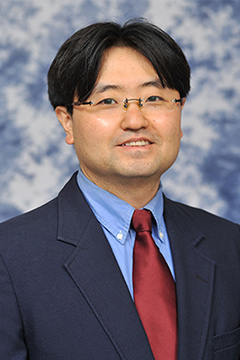
Youngwoo Seo is a Professor at The University of Toledo within the College of Engineering , specifically the Department of Chemical Engineering . His research focuses on molecular-scale bioadhesion, biofilm control in water systems, environmental sensor development, and sustainable water treatment technologies. Education: Ph.D. in Environmental Engineering, University of Cincinnati (2008) M.S. in Civil & Environmental Engineering, Sungkyunkwan University (2001) B.S. in Civil & Environmental Engineering, Sungkyunkwan University (1999) Research and Teaching Interests: span biofilm dynamics, nanoparticle interactions, disinfection by-product control, membrane biofouling, and sustainable bioremediation. He develops environmental sensors for microenvironmental monitoring and applies these tools in water systems and medical device contexts. Scientific Awards: WMAO Distinguished Service Award (2021) Undergraduate Research Mentor Award (2021) US Air Force Summer Faculty Fellowship (2016) Kohler International Travel Award (2015) Sigma Xi Young Investigator Research Award (2014) Faculty Research Excellence Award (2014) GCAT-SEEK Workshop Travel Award (2014) ASEE Faculty Early Career Award (2013) Undergraduate Research Recognition Award (2012) ASCE/EWB-USA Sustainable Development Award (2011) US EPA P3 Competition Honorable Mention (2011) Faculty Excellence Award (2010) His research group explores microbial interactions with engineered materials and environmental systems. Contact him at youngwoo.seo@utoledo.edu or via phone at (419) 530-8131.
Henry Jäger is a Professor in Food Technology at the University of Natural Resources and Life Sciences, Vienna (BOKU) since 2014. Previously, he worked as a Project Manager at Nestlé (2012-2014) and Lecturer at TU Berlin (2012-2017), following his PhD/Postdoc at TU Berlin (2006-2012) and Diploma in Food Technology (2000-2006). His research focuses on electrotechnologies in food processing , particularly pulsed electric fields (PEF) and ohmic heating , for microbial inactivation, food preservation, and quality optimization. He explores applications in plant material processing , gluten-free baking , and novel food preservation methods . His work also addresses edible insect processing for allergenicity reduction and protein recovery. Recent publications (2025-2024) analyze synergies between PEF and ohmic heating, biofilm imitation systems for hygiene validation, and computational models for sterilization processes. These studies span food safety , sustainable processing , and functional food design . Henry Jäger actively contributes to scientific communities, serving on the EFFoST managing board , as scientific advisor for food conferences, and as reviewer for journals like Food Chemistry and Trends in Food Science & Technology . He has organized workshops on PEF applications and contributed to EU food technology initiatives.
Regina Ragan is a Professor in the Department of Materials Science and Engineering at the Samueli School of Engineering, University of California, Irvine. Her research focuses on nanomaterials, self-assembly, and surface-enhanced Raman scattering (SERS) for applications in optical communication, energy systems, and biomedical diagnostics. Education: Ph.D. in Applied Physics, California Institute of Technology, 2002 M.S. in Applied Physics, California Institute of Technology, 1998 B.S. in Materials Science and Engineering, University of California, Los Angeles, 1996 Her work integrates scanning probe microscopy and first-principles calculations to study thermodynamic driving forces in self-assembly and structure-function relationships. Recent publications highlight applications in antimicrobial susceptibility testing, environmental monitoring, and plasmonic device fabrication. The Ragan group develops low-cost diagnostic tools using SERS for telemedicine applications. Current lab members include graduate students and postdoctoral researchers working on nanoscale systems from atomic to mesoscale. Scientific Awards: NSF CAREER Award for fundamental studies of biological/inorganic interfaces Research Trends: Recent articles show a focus on SERS-based diagnostics, plasmonic nanoantennas, machine learning-assisted spectral analysis, and scalable synthesis of 3D graphene architectures. Subfields span quantum plasmonics, stress-activated materials, and biofilm monitoring.
Nathan Yee is a Professor at Rutgers University, where he has held academic appointments since 2004. He earned his B.Sc. from McGill University (1997) and Ph.D. from the University of Notre Dame (2001), followed by postdoctoral research at the University of Leeds (2001-2003). His career progression includes positions as Assistant Professor (2004-2010), Associate Professor (2010-2016), and full Professor since 2016. Research Focus Yee's research integrates geochemistry and geomicrobiology to study: mineral transformation processes, interactions between metal ions and mineral surfaces, microbial influences on inorganic element cycling, and contaminant behavior in environmental systems. His work combines experimental approaches with modeling to investigate biogeochemical processes relevant to early Earth evolution, microbial metabolism, and environmental remediation. Key themes include biologically catalyzed redox reactions, metal isotope fractionation, and geomicrobial controls on contaminant transport. Publication Trends Yee's recent publications (2021-2025) demonstrate strong emphasis on microbial-metal interactions, isotope geochemistry, and planetary science. Dominant themes include: isotopic tracing of metal cycling (Ni, Cu, Hg), microbial redox transformations of contaminants (Se, Te, U), photochemical processes in early Earth systems, and astrobiological investigations of planetary bodies like Mars and Enceladus. Methodologies frequently combine laboratory experiments with geochemical modeling.
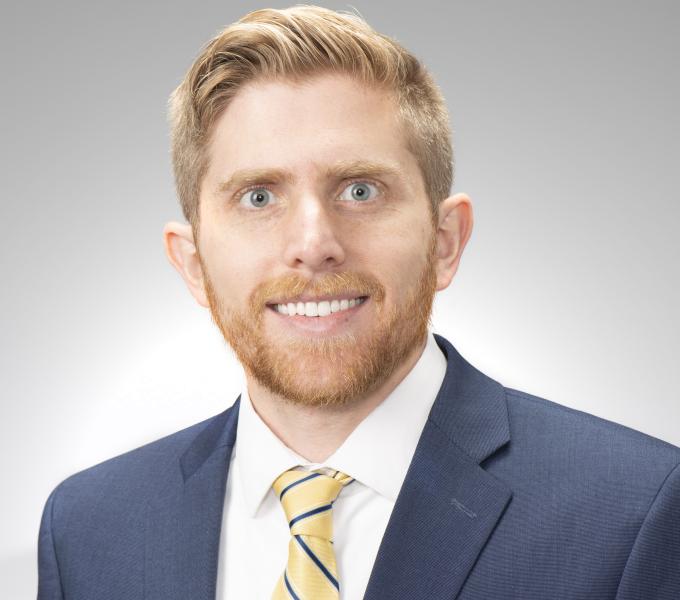
Alexander J Sundermann serves as an Assistant Professor in the Department of Epidemiology at the University of Pittsburgh School of of Public Health. His research focuses on leveraging pathogen genomic surveillance and machine learning to revolutionize infection prevention practices in healthcare settings, with demonstrated impacts on outbreak detection accuracy and intervention speed. Education: 2013: BS in Microbiology, University of Rochester 2014: MPH in Infectious Diseases and Microbiology, University of Pittsburgh 2022: DrPH in Epidemiology, University of Pittsburgh Dr. Sundermann's work centers on whole-genome sequencing of pathogens to detect healthcare-associated transmission invisible to traditional methods. His research demonstrates how genomic surveillance reveals hidden outbreaks of vancomycin-resistant Enterococcus (VRE) and mucormycosis, directly linking colonization to clinical outcomes like ICU admission and mortality. He pioneers machine learning tools that analyze electronic health records to identify transmission routes, creating more efficient outbreak investigation frameworks across hospital networks. His publication portfolio (2019-2025) shows a clear trajectory toward integrated genomic-clinical surveillance systems, with recent work quantifying clinical and economic impacts while addressing implementation barriers. This interdisciplinary approach bridges epidemiology, genomics, and data science to transform infection prevention protocols. Scientific Awards: No awards listed in available information. Advising and Grants: While specific advisees and grant details aren't provided, his multi-institutional collaborations suggest active mentorship within genomic epidemiology research teams. His work with the National Healthcare Safety Network indicates engagement with major public health surveillance infrastructure. Labs and Teams: Dr. Sundermann leads cross-functional teams including microbiologists, data scientists, and clinicians across multiple healthcare systems. His UPMC outbreak investigations and national linen contamination studies demonstrate operational frameworks for real-time genomic surveillance implementation in complex hospital environments.
Dr. Srinivas Prabakar is a Professor of Instruction in the Department of Civil Engineering at The University of Texas at Arlington (UTA). He specializes in water quality, wastewater treatment, and environmental engineering, with a focus on chloramine stability, disinfection by-products, and sustainable water management. Dr. Prabakar holds a PhD in Civil Engineering from UTA (2012), an ME in Chemical Engineering from Annamalai University (2004), and a B.Tech in Chemical Engineering from the University of Madras (2000). Education: PhD, Civil Engineering, UTA (2012) ME, Chemical Engineering, Annamalai University (2004) B.Tech, Chemical Engineering, University of Madras (2000) His research interests center on improving water distribution systems and addressing challenges in wastewater management. Notable projects include investigations into factors affecting chloramine stability in UTA’s water systems and studies on biosorption of heavy metals. Dr. Prabakar has authored or co-authored over 30 publications, including peer-reviewed articles on topics like chlorine decay dynamics and microbial fuel cell applications. His teaching portfolio includes courses such as Principles of Environmental Engineering and Biological Processes, reflecting his commitment to educating future environmental engineers. Dr. Prabakar has advised numerous graduate students and served on dissertation committees, mentoring research in areas like concrete durability and landfill biocovers. Dr. Prabakar’s service roles include Faculty Advisor for Civil Engineering undergraduates, membership in the Texas Water Science & Research Division, and reviewer positions for journals like ASCE Journal of Environmental Engineering . He has received awards including the 2024 Outstanding Faculty Advisor Award and the 2019 Tau Beta Pi-Eminent Engineer distinction. His current grants focus on advancing nanocomposite materials for sewer pipe longevity and identifying critical source areas for non-point pollutants in North Texas watersheds. Dr. Prabakar’s interdisciplinary work bridges environmental engineering challenges with practical solutions for sustainable infrastructure.
Dr. Beata Gorczyca is a Professor in the Department of Civil Engineering at the University of Manitoba, affiliated with the Price Faculty of Engineering. Her research focuses on potable water treatment, with expertise in solid/liquid separation, chlorine disinfection by-products control, and fractal analysis of materials. She leads a research group collaborating with Canadian water utilities like Portage la Prairie and Pembina Valley Water Co-op. Education: PhD in Chemical Engineering (2000, University of Toronto), M.Sc. in Civil Engineering (1992, University of Toronto), B.Sc. in Geological Engineering (1986, AGH University, Poland). Active roles: Member of the Particle Specialist Group at the International Water Association, keynote speaker at conferences. Research interests include water purification processes, membrane filtration, and bioremediation. Her work addresses challenges in high-DOC and high-hardness water treatment, with contributions to nanofiltration fouling mechanisms and microbial remediation solutions. She has supervised numerous graduate students and is involved in advancing water treatment technologies through interdisciplinary collaborations.
Professor Bruce Jefferson is a Professor of Water Engineering at Cranfield University's Water Science Institute. He holds visiting positions at RMIT and the University of New South Wales in Australia. With a BEng and PhD from Loughborough University, he joined Cranfield in 1997, progressing through roles including Senior Research Fellow (2003) and Senior Lecturer (2006). His research focuses on optimizing water and wastewater treatment technologies, particularly resource recovery, anaerobic processes, and advanced oxidation. Key interests include low-energy nutrient removal, control of NOM and algae, and sustainable water production techniques like slow sand filter skimming. Education: BEng (Chemical Engineering) and PhD from Loughborough University. Research spans innovative treatment methods, such as microbubble applications in ozonation and coagulation strategies for PFAS removal. He collaborates with major water utilities (e.g., Anglian Water, Thames Water) and agencies like the EPA. Current projects include NextGen circular water solutions, pollution resilience in rivers, and phosphorus removal via wetlands. Advises six doctoral students and oversees research teams at Cranfield's Water Institute. Labs/Teams: Cranfield Water Science Institute, leading research groups in wastewater treatment, resource recovery, and environmental engineering.
Prof. Zena Moore is a renowned academic and clinician serving as Professor and Head of the School of Nursing & Midwifery at RCSI, University of Medicine and Health Sciences. She holds adjunct professorships at Curtin University (Australia), Griffith University (Australia), Cardiff University (UK), Ghent University (Belgium), and Fakeeh College for Medical Sciences (Saudi Arabia). Her research focuses on wound healing, pressure ulcer prevention, and nursing education, with over 300 publications. She leads the Skin Wounds and Trauma (SWaT) Research Centre and chairs multiple international bodies including the European Pressure Ulcer Advisory Panel. Education: PhD in Wound Healing (RCSI), MSc in Leadership in Health Education (RCSI), MSc in Wound Healing (University of Wales), FFNMRCSI, and Diplomas in Management and Nursing. Research Interests: Wound pathophysiology, pressure ulcer risk assessment, technologies for early detection, and healthcare equity. Awards: 2022 Lifetime Achievement Award from World Union of Wound Healing Societies. Her work spans over 50 funded projects, including grants from Science Foundation Ireland and the National Health and Medical Research Council. She has supervised numerous research projects on topics like pressure ulcer prevention algorithms and eHealth interventions.
Dr. Valentina Trinetta is an Associate Professor and Director of Food as Medicine and the Food Safety and Public Health Lab at Kansas State University's Department of Food, Nutrition, Dietetics and Health, within the College of Health and Human Sciences. She holds a B.S. in Food Biotechnology (University of Pisa, 2005), an M.S. in Genetics Biotechnology for Food Safety (University of Naples, 2006), and a Ph.D. in Food Science and Technology (University of Milan, 2009). Her research focuses on foodborne pathogens' ecology, mechanisms of survival in the food supply chain, and antimicrobial interventions. Key projects include studies on pathogen persistence in swine transport, biofilm formation on food surfaces, and antibiotic resistance in chicken farming. She also explores innovative applications like sorghum fermentation and nanoencapsulated antimicrobials for food safety. Education: B.S. Food Biotechnology (2005), M.S. Genetics Biotechnology (2006), Ph.D. Food Science and Technology (2009). Research Interests: Food Safety, Pathogen Ecology, Non-Thermal Technologies, Biofilm Control, International Food Safety. Labs: Food Safety and Public Health Lab, Trinetta Lab (active on Twitter/Instagram). Dr. Trinetta teaches courses like Public Health and Food Safety (FNDH 750) and leads a study tour in Italy focusing on food traditions and safety. She has advised numerous students, including PhD candidates Aysu Deniz and Alice Colli, and Master's students Victoria López and Madeleine Pike. Her work bridges academia and industry, addressing global challenges in food safety through interdisciplinary approaches.
Betsy Foxman serves as the Hunein F. and Hilda Maassab Professor of Epidemiology at the University of Michigan School of Public Health. She directs three major initiatives: the Center for Molecular and Clinical Epidemiology of Infectious Diseases, the Integrated Training in Microbial Systems program, and the Certificate in Healthcare Infection Prevention & Control. Her academic leadership spans decades with continuous research contributions. Dr. Foxman earned her PhD and MSPH from UCLA (1983, 1980) and BS from UC Berkeley (1977). Her research centers on infectious disease transmission, microbiome ecology, antibiotic resistance, and wastewater surveillance . Key projects include analyzing the oral microbiome in dental caries using genomic methods, studying nose/throat microbiome associations with respiratory infections in nursing facilities, and developing wastewater monitoring for antibiotic-resistant pathogens. Her work integrates next-generation sequencing with epidemiological analysis to identify novel interventions. Publication trends reveal consistent focus on microbiome-pathogen interactions across multiple body sites (oral, vaginal, gut, respiratory). Recent articles demonstrate methodological innovation in wastewater epidemiology (2024 Norovirus GII monitoring) and clinical applications like predicting vancomycin-resistant enterococci contamination (2023 Lancet study). Her research bridges molecular microbiology with population health, emphasizing translational potential for diagnostics and public health interventions. Fellow of the Infectious Disease Society of America Fellow of the American College of Epidemiology Fellow of the American Academy of Microbiology Dr. Foxman's advising portfolio includes numerous NIH-funded projects on microbiome dynamics and infection control. Her leadership in the Center for Molecular and Clinical Epidemiology drives collaborative research across departments. Current initiatives focus on wastewater surveillance standardization and microbiome-based diagnostics for infection prevention. She maintains active laboratories for genomic analysis of microbial communities and clinical sample processing.