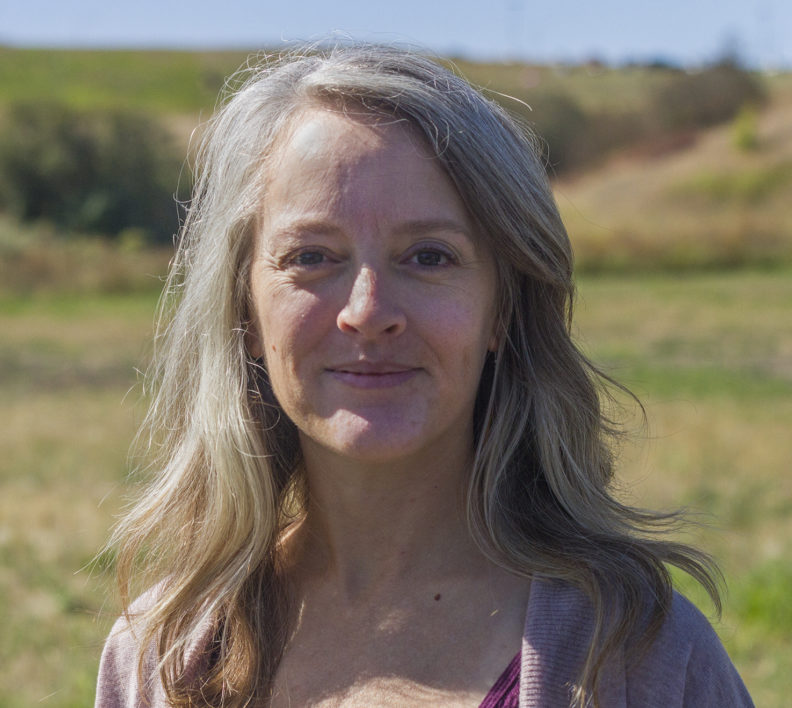
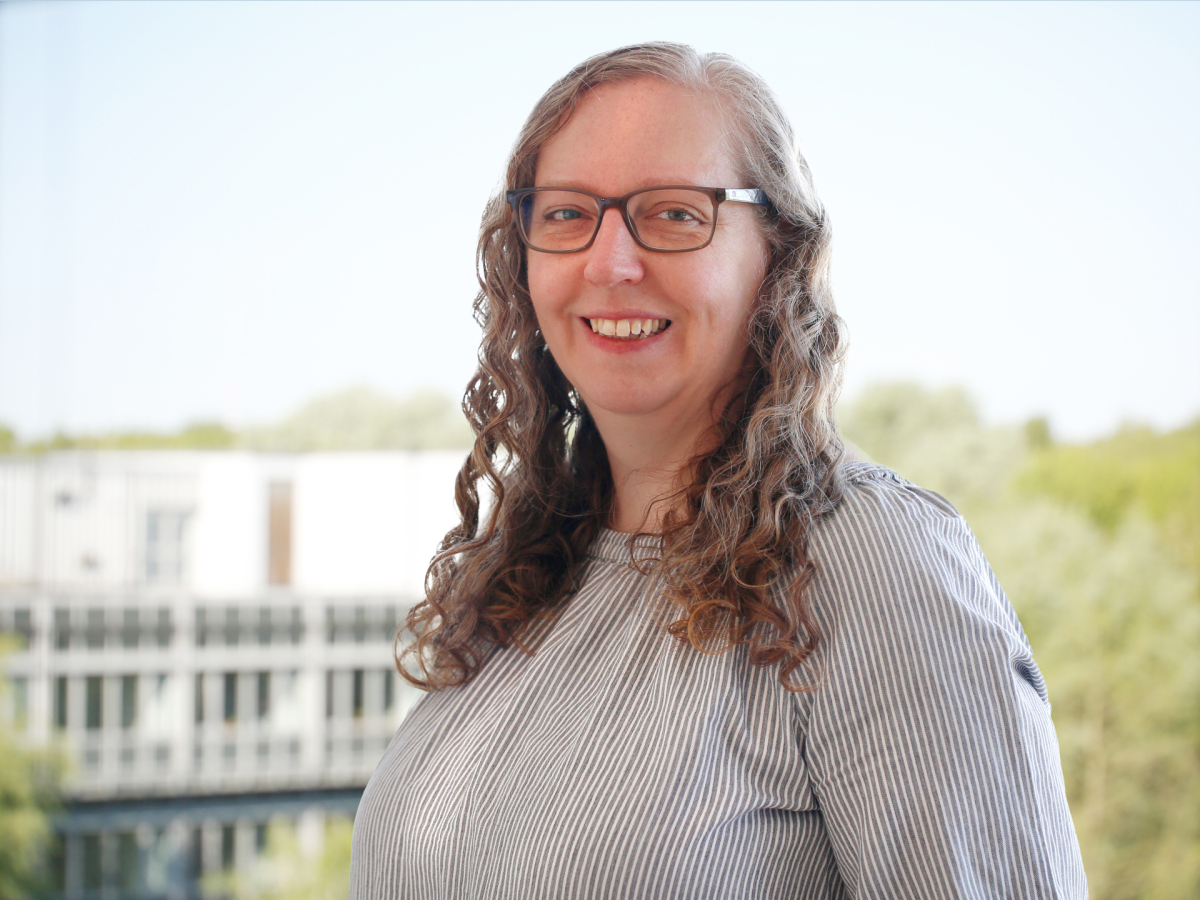
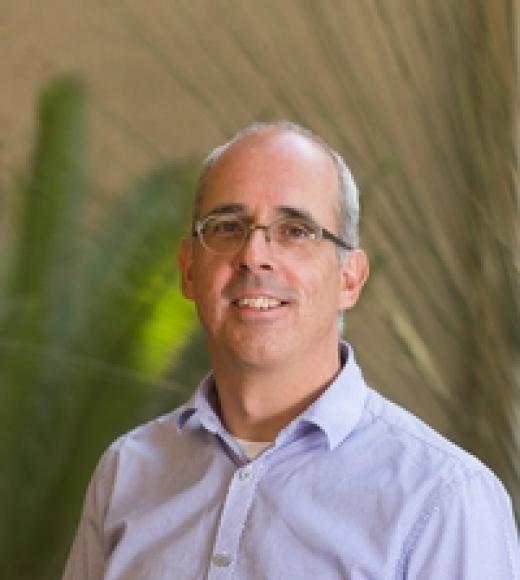
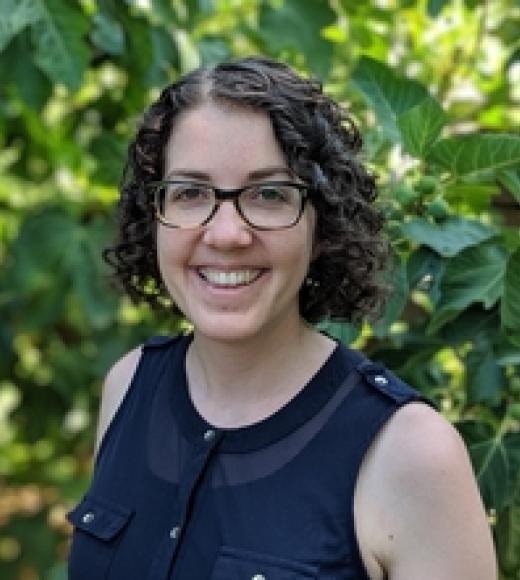
Sarah Bagby is an Assistant Professor at Case Western Reserve University researching how environmental variables drive microbial and viral evolutionary innovations that reshape Earth's biogeochemical systems. Her primary research domains include: Microbiology Environmental Science Evolutionary Biology Bioinformatics Biogeochemistry Molecular Biology Her lab employs integrated methodologies including fieldwork to characterize in situ microbial communities, experimental ecology/microbiology to identify molecular innovations (e.g., cyanobacterial microcompartments, phage pigment pathways), and ecoinformatics to model ecosystem impacts. This work examines how pressure, temperature, irradiance, and fluid dynamics influence microbial membrane structures, energy harvesting, and genetic diversification mechanisms across temporal and spatial scales. Contact details: Office in Millis 109, phone 216-368-3213, email sarah.bagby@case.edu , and lab website bagby-lab.github.io .
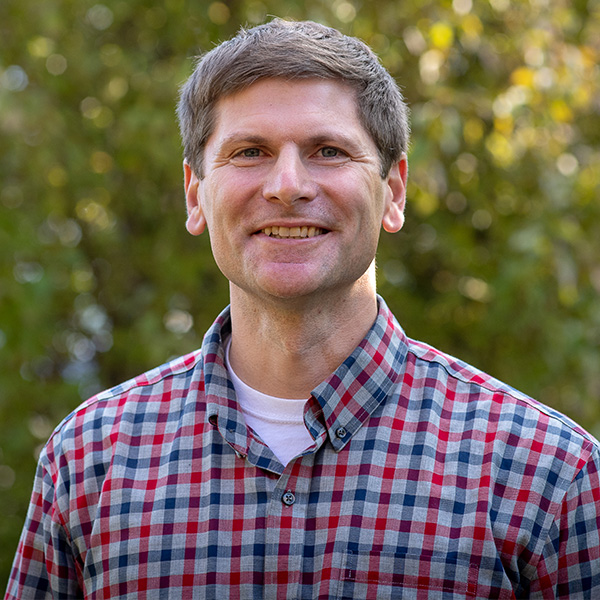
Dr. Jenifer McIntyre is an Associate Professor at Washington State University's College of Agricultural, Human, and Natural Resource Sciences, based at the Puyallup Research and Extension Center. She holds a Ph.D., M.S., and B.Sc. in environmental biology and toxicology. Her research focuses on aquatic toxicology, specifically the impacts of urban runoff and chemical mixtures on Pacific Northwest species. She leads the Puget Sound Stormwater Science Team, collaborating with US Fish & Wildlife Service and NOAA to develop green infrastructure solutions. Research Interests: Her work examines toxic impacts of urban runoff, source control of pollutants, and biological effectiveness of green stormwater infrastructure to protect aquatic wildlife like Pacific salmon. Publications Focus: Recent articles investigate stormwater toxicity mechanisms, tire wear pollutants, wastewater impacts on salmon, and bioremediation techniques. Her work consistently addresses anthropogenic chemical impacts on aquatic ecosystems. Laboratory: Directs the Aquatic Toxicology Lab investigating contaminant effects on fish physiology and behavior.
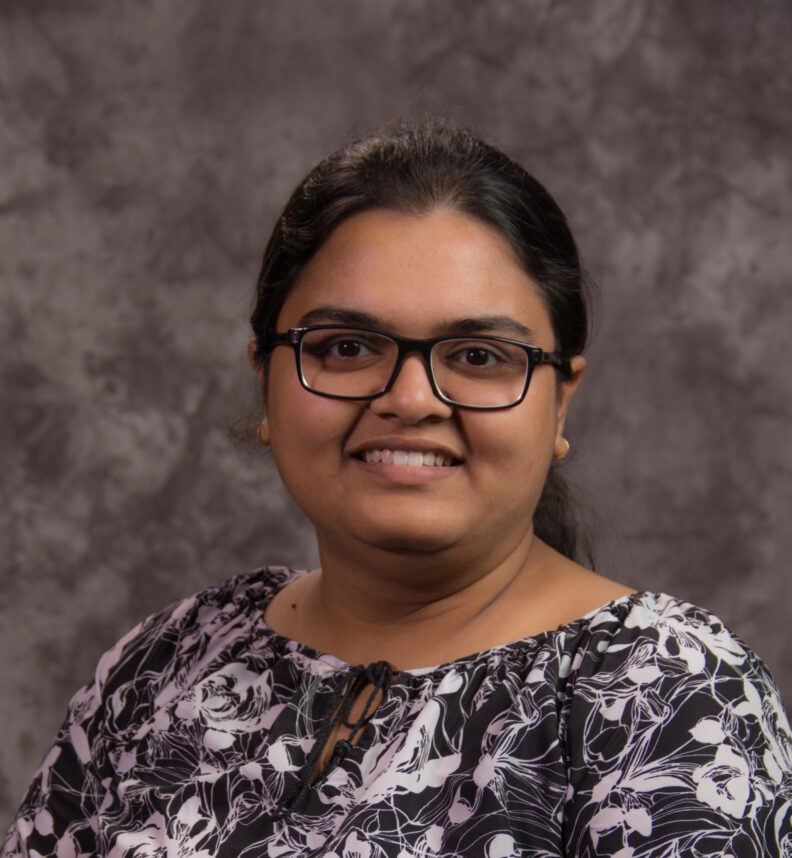
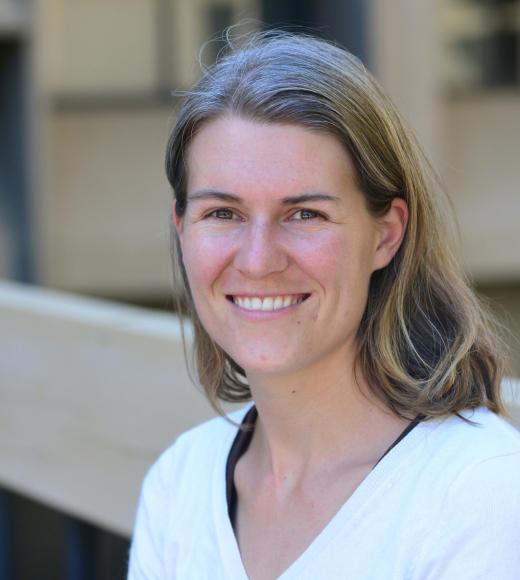
Dr. Shikha Singh is an Assistant Professor at Washington State University's College of Agricultural, Human, and Natural Resource Sciences. Her research focuses on soil carbon dynamics, greenhouse gas emissions, and sustainable agroecosystems. She holds a Ph.D. in Environmental and Soil Science from the University of Tennessee, an M.S. in Plant Science from South Dakota State University, and a B.S. in Agriculture (honors) from Punjab Agricultural University. Her work emphasizes soil health improvement through diversified cropping systems and organic amendments. Key areas include biosolids' long-term impacts on dryland wheat systems, cover crop effectiveness in nitrate leaching reduction, and microbial community responses to agro-management strategies. She has contributed to over 30 peer-reviewed publications since 2017. Dr. Singh collaborates on projects addressing soil biogeochemistry in mixed forested systems and soil moisture extremes' effects on carbon decomposition. Her research integrates field experiments, meta-analyses, and mechanistic modeling to advance sustainable land-use practices.
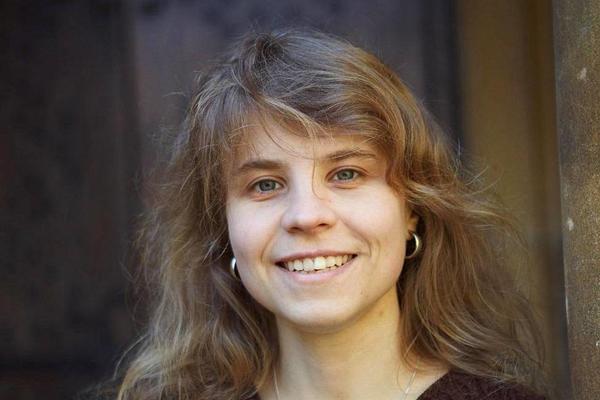
Shawn Wilder is a Professor in the Department of Integrative Biology at Oklahoma State University. His research focuses on trophic interactions and nutritional ecology of arthropods, examining how predator-prey relationships affect nutrient flows in ecosystems. He holds a PhD in Integrative Biology from Miami University and has held academic positions including Associate Professor (2019-2025) and Assistant Professor (2014-2019) at OSU. Prior to this, he served as an ARC DECRA Fellow and Lecturer at the University of Sydney (2013-2014) and held postdoctoral roles at University of Sydney (2010-2012) and Texas A&M University (2007-2010). Wilder’s research investigates nutrient regulation by predators, predator effects on soil and plant processes, and the impacts of land management on arthropod biodiversity. He teaches courses such as Invertebrate Zoology , Behavioral Ecology , and oversees graduate research through Research for PhD Dissertation . His work has been funded through grants like the Digestive Ecology of the Northern Bobwhite (2025) and Effects of Multiple Stressors on Pollinator Health (2018-2023). His studies reveal how predators influence nutrient cycling, with recent work showing spider waste enhances soil respiration and plant growth. He also explores how prey nutrient content drives predator foraging behavior and ecosystem-level consequences. Wilder collaborates widely, contributing to over 70 scholarly works, and maintains an active research group focused on ecological and nutritional dynamics.
Dr. Eunsook Park is an Assistant Professor in the Department of Molecular Biology at the University of Wyoming, affiliated with the College of Agriculture, Life Sciences and Natural Resources. Her research focuses on understanding organelle dynamics and their roles in plant immunity, particularly chloroplast-nucleus communication during stress responses and autophagy modulation in fungal pathogens. She investigates how pathogens disrupt host organelle function and employs high-throughput screening to develop novel antifungal agents. Her research interests are divided into two main areas: 1) Exploring chloroplast-nucleus communication mechanisms during plant immune responses to microbial infections, and 2) Developing autophagy-modulating compounds to combat fungal diseases. Recent work includes studies on RXLR effector proteins disrupting vesicle trafficking and BRET-based screens for antifungal lead compounds. Key achievements include establishing a non-integrative viral delivery system for CRISPR-Cas9 genome editing in plants and characterizing the role of NLR immune receptors in programmed cell death. Her work is supported by grants such as an international NIH-funded project in Korea. While no formal advisees are listed, her lab focuses on plant-microbe interactions, organelle biology, and translational research for agricultural applications. No scientific awards are explicitly mentioned in the provided texts.
Ingrid Sassenhagen is a Tenure Track Researcher at the Leibniz Institute for Baltic Sea Research Warnemünde (IOW), Germany, specializing in Phytoplankton Ecology and Population Genetics. Her work focuses on plankton community dynamics, amplicon sequencing, and trophic interactions in coastal and shallow marine ecosystems. She holds a PhD in Biology from Lund University (2015) and a German Diploma (equivalent to MSc) in Biology from the University of Rostock (2010). Research Interests: Her expertise spans phytoplankton monitoring using advanced techniques like Imaging Flow Cytobot and amplicon sequencing, local adaptation mechanisms in phytoplankton, and trophic interactions within plankton communities. She investigates the ecological success of invasive microalgae and the genetic basis of population structure in harmful algal blooms. Publications: Sassenhagen has contributed to over 15 peer-reviewed articles, including studies on environmental DNA applications, ciliate grazing dynamics, and the genetic mechanisms underlying algal bloom formation. Her work bridges genomics, ecology, and biogeochemistry to address challenges in marine and freshwater systems. Professional Background: Prior to her current role, she held postdoctoral positions at institutions including the Laboratoire d’Océanologie et de Géosciences (France) and the University of Texas at Austin (USA). She also led an Olle Engkvist Fellowship project at Uppsala University (2020–2023). Labs/Teams: Active within the Biological Oceanography and Marine Chemistry groups at IOW, collaborating on projects related to shallow-water processes (STB) and plankton community monitoring.
Prarthana Dharampal is a Post Doctoral Research Associate in the Department of Entomology at the University of Wisconsin-Madison, working within the College of Agricultural and Life Sciences. She is affiliated with the Steffan Lab, which focuses on basic and applied aspects of cranberry entomology and ecology, with research designed to refine IPM strategies while providing mechanistic understanding of key ecosystem functions. Dr. Dharampal's educational background includes a PhD in Biological Sciences from the University of Alabama (2015), an MS in Environmental Science from the University of Calcutta (2007), and a BS in Zoology Honors with minors in Botany and Chemistry (2005). Her dissertation focused on compound specific isotope analysis of amino acids in freshwater ecosystems. Her primary research interest involves using biomarker molecules to describe trophic tendencies and community structure across ecosystems. She specializes in carbon and nitrogen stable isotopes to understand cryptic trophic interactions involving microbial communities. Her work spans food web ecology, pollinator health, and environmental contaminants, with particular emphasis on how microbivory shapes ecological networks. Dr. Dharampal's publication record demonstrates expertise in stable isotope methodology with applications across freshwater ecosystems, agricultural systems, and pollinator habitats. Her research reveals connections between microbial communities and higher trophic levels, showing how fungicide exposure affects bee microbiomes and health. A significant portion of her work examines trophic positions in food webs using advanced isotopic techniques. NSF Research Assistantship (2010-11) Graduate Council Fellowship for Dissertation Research, University of Alabama (2012-2013) Graduate Travel and Research Award (2011, 2012) Inge and Ilouise Hill Research Fellowship, University of Alabama (2011) Lalchand Mookherjee Foreign Scholarship, University of Calcutta (2008) Dr. Dharampal has presented her research at numerous national and international venues including the Entomological Society of America meetings, International Congress on Entomology, and specialized workshops on stable isotope analysis. She is an active member of the Entomological Society of America, Ecological Society of America, Association for Women in Science, and Association of Indian Entomologists in North America. Her technical expertise includes advanced sample preparation and analysis for stable isotope probing, lipid analysis, and microbial community characterization using chromatography and mass spectrometry techniques.
Wiebke Mohr is a Researcher in the Biogeochemistry Group at the Max Planck Institute for Marine Microbiology in Bremen. Her work focuses on microbial and geochemical processes governing oceanic element cycles, particularly nitrogen fixation, sulfur cycling, and microbial symbiosis. She investigates how microorganisms interact with their environments to influence global biogeochemical cycles and climate. Research interests include marine microbial symbioses, nutrient dynamics in oligotrophic oceans, and the role of microorganisms in carbon and nitrogen cycling. Her studies span from microbial interactions in seagrass ecosystems to large-scale oceanographic processes, such as methane formation and diazotroph distribution. Publications highlight her contributions to understanding nitrogen fixation in novel symbiotic systems, methane production linked to oceanic primary production, and global biogeochemical modeling. Collaborations involve interdisciplinary approaches, including field expeditions and lab-based experiments. Wiebke Mohr’s work bridges microbial ecology with biogeochemistry, addressing critical questions about marine ecosystem functions and their responses to environmental changes.
Anthony D’Amato is a Professor and Director of the Forestry Program and UVM Research Forests at the University of Vermont (UVM), within the Rubenstein School of Environment and Natural Resources. He holds a Ph.D. from the University of Massachusetts (2007), an M.S. from Oregon State University (2002), and a B.S. from the University of Maine (2000). His research focuses on silvicultural strategies for climate adaptation, forest management objectives, and ecosystem resilience. Key areas include evaluating traditional and experimental silviculture to address biodiversity, carbon sequestration, and sustainable resource use. He leads the Silviculture & Applied Forest Ecology Lab, collaborating with federal agencies and NGOs on projects such as the Adaptive Silviculture for Climate Change initiative. Research interests span climate change impacts on forest dynamics, emerald ash borer management, and the structural development of northern hardwood forests. He advises graduate students on topics like forest carbon dynamics, regeneration responses, and biodiversity conservation. His work integrates long-term experiments and interdisciplinary partnerships to advance adaptive management practices. Notable contributions include studies on biomass harvesting impacts, forest carbon modeling, and the efficacy of assisted migration strategies. Dr. D’Amato’s lab emphasizes practical solutions for climate adaptation, including variable retention harvesting and restoration plantings. He has supervised over 30 graduate students and published extensively in journals like Forest Ecology and Management , Journal of Applied Ecology , and Ecological Applications . His research bridges ecological theory with applied forestry, addressing urgent challenges like invasive species, climate-driven disturbances, and sustainable resource management.
Rachel L. Vannette is a Professor and Vice-Chair in the Department of Entomology and Nematology at the University of California, Davis. She leads the Vannette Lab, located in Briggs Hall 43, which focuses on understanding plant-microbe-insect interactions, chemical ecology, and community ecology. Her research explores how microorganisms influence plant traits and interactions with insects, with applications in both basic ecological questions and agricultural systems. Education: B.A. in Biology from Calvin College (1990s) and Ph.D. in Ecology and Evolutionary Biology from the University of Michigan (2000s). She holds graduate group affiliations in Entomology (ENT), Ecology (GGE), and Microbiology (MGG). Research interests include microbial contributions to plant defense against herbivores, pollinator attraction via floral nectar, and soil health. Current projects examine nectar microbiome effects on plant-pollinator interactions, soil biota impacts on herbivory, and the role of microbial metabolites in pollinator behavior. Her work bridges ecology, microbiology, and agriculture. Publications highlight nectar microbiome dynamics, fungicide impacts on bees, and symbiotic relationships in insects. She actively collaborates on NSF-funded projects, including a CAREER grant on nectar chemistry and plant-pollinator adaptation. Contact: rlvannette@ucdavis.edu or (530) 752-3379.
Rebecca Fielding-Miller is an Adjunct Associate Professor in the Herbert Wertheim School of Public Health and Human Longevity Science at the University of California San Diego (UCSD). She holds a PhD in Behavioral Sciences and Health Education from Emory University (2015), an MSPH in International Health from Johns Hopkins Bloomberg School of Public Health (2010), and a BA in Comparative Literature from UC Davis (2005). Her research focuses on structural drivers of infectious diseases and gender-based violence, emphasizing intersections of race, gender, and economic inequality in the U.S. and sub-Saharan Africa. Awards and Honors: UCSD Anti-racist pedagogy learning community 2021-2022 Changemaker Fellow Golden Apple Excellence in Teaching Award (UCSD Office of Undergraduate Research, 2021) Outstanding Mentor Research Overview: Dr. Fielding-Miller’s work addresses global health challenges, including HIV/AIDS, gender-based violence, and pandemic responses. She has conducted fieldwork in South Africa and Swaziland, exploring topics like transactional sex, maternal health, and community resilience. Her recent projects include wastewater surveillance for SARS-CoV-2 in schools and participatory research with refugee communities in San Diego. Grants and Funding: Principal Investigator (PI): Addressing Sexual Harassment and Violence at the University of Eswatini (Wellspring Philanthropic Fund, 2022–2023) Co-Investigator: PREVENT: Respiratory Virus Preparedness (NIH, 2024–2029) PI: Safer at School Early Alert (NICHD, 2022–2023) Labs and Teams: She contributes to interdisciplinary teams at UCSD, including the Microbiome and Metagenomics Center (Co-I) and the Altman Clinical and Translational Research Institute.
Dr. Aura Raulo is a Postdoctoral Researcher at the Knowles Lab, University of Turku, with an email affiliation at the University of Oxford. Her research focuses on microbial transmission dynamics in wild animal populations, leveraging advanced tracking technologies (RFID) and Bayesian statistical methods. She investigates how social networks and environmental factors influence microbiota spread in species like wild mice and flying squirrels. Her work bridges ecology, evolution, and computational modeling, exploring metaphors like 'waves' and 'trees' to unify interdisciplinary approaches. Recent projects include analyzing gut microbiota assembly patterns, developing SIR+ disease models, and studying epigenetic aging in wildlife. Research interests span microbiome-host interactions, ecological network structures, and the application of cross-disciplinary tools (e.g., financial crisis models to ecological predictions). Collaborations with artists aim to innovate scientific communication through metaphorical frameworks. She contributes to open-source tools for microbiome analysis and has published extensively on topics like microbial transmission mechanisms, habitat quality impacts, and evolutionary patterns. Key projects include the Knowles Lab’s work on social microbiome dynamics and the development of high-resolution behavioral tracking systems. Her research highlights the interconnectedness of microbial communities with host behavior, environmental conditions, and evolutionary history.
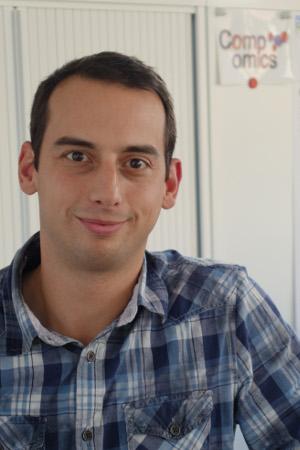
Lennart Martens is a Professor of Systems Biology at Ghent University and serves as Group Leader and Associate Director at the VIB-UGent Center for Medical Biotechnology . He leads the Computational Omics and Systems Biology Group (CompOmics), focusing on Machine Learning applications in high-throughput omics data. His research involves developing AI-driven algorithms for proteomics data analysis, including tools like DeepLC for retention time prediction and MS2Rescore for improved peptide identification. He contributes to open-source proteomics software and FAIR data practices. Fellow of the Royal Society of Chemistry Prometheus Award for Research Excellence (Ghent University, 2014) Juan Pablo Albar 'Proteomics Pioneer' Award (European Proteomics Association, 2015) He has authored over 220 research papers, co-authored two Wiley textbooks on mass spectrometry bioinformatics, and organized Dagstuhl Seminars on computational proteomics. His editorial roles include membership on the boards of Molecular & Cellular Proteomics , Molecular BioSystems , and PeerJ .
Johan Leveau is a Professor of Plant Pathology at the University of California, Davis. His research focuses on the microbiology of plant surfaces (phyllosphere), microbial interactions in plant ecosystems, and the application of molecular tools to study microbial communities. He leads studies on bacterial mycophagy, microbial metagenomics, and bioreporter technology for environmental monitoring. His work bridges fundamental microbiology with agricultural applications, addressing challenges in plant health and sustainable agriculture. Research Highlights: Discovered novel species of Collimonas bacteria from forest soils Developed models explaining microbial colonization patterns on leaf surfaces Explored antifungal secondary metabolites for biocontrol applications Investigated the role of plant hormones (e.g., IAA) in shaping microbial communities Advanced understanding of phyllosphere microbiota's impact on plant disease dynamics Key Projects: Leader of the UC Davis Phyllosphere Microbiology Lab Co-founded the International Citrus Microbiome Consortium Developed the PHYLLOSIM agent-based model for microbial dispersion Recipient of grants for phytobiome research and microbial biotechnology His recent work emphasizes predictive ecology of phyllosphere communities and the integration of microbiome data into agricultural management strategies.
Tiffany Lowe-Power is an Assistant Professor of Plant Pathology at the University of California, Davis, affiliated with the Department of Plant Pathology. Her research focuses on bacteriology, bacterial genetics, and plant-microbe interactions with particular emphasis on xylem pathogenesis and rhizosphere ecology. Her work explores how plant pathogens such as Ralstonia species colonize and thrive in plant vascular systems, including mechanisms of biofilm formation, chemotaxis, and virulence factor regulation. Her research interests also encompass bacterial physiology and metabolism, particularly the role of exopolysaccharides like EPS-I in pathogen dissemination, and the degradation of plant defense compounds such as hydroxycinnamic acids. She has developed diagnostic tools for Ralstonia species differentiation and contributed to open-access standards in plant pathology research. Key themes in her publications include genomic analyses of Ralstonia diversity, functional genomics of type VI secretion systems, and the ecological and evolutionary drivers of pathogen virulence. Her recent work addresses emerging bacterial wilt outbreaks in crops like ginger and the genetic basis of resistance in tomato, pepper, and eggplant cultivars. Tiffany’s research integrates molecular biology, genomics, and biophysical approaches to understand microbial adaptation in plant environments. She advocates for reproducibility and transparency in scientific practices, as highlighted in her 2024 guidelines for open-access plant pathology research. She leads the Lowe-Power Lab at UC Davis, whose research portal is available at https://lowepowerlab.github.io/ .