Hans Christopher Bernstein is a Professor at the Norwegian Fisheries College, UiT The Arctic University of Norway, and affiliated with the Arctic Centre for Sustainable Energy (ARC). His research focuses on biotechnology, microbial ecology, synthetic biology, and microalgal carbon capture and utilization. University: UiT The Arctic University of Norway School: Norwegian Fisheries College Research Group: Microalgae & Microbiomes Research Centers: Arctic Centre for Sustainable Energy (ARC) Bernstein’s work explores the intersection of biotechnology and microbial ecology, particularly in synthetic biology applications for carbon capture. His research includes modeling microbial processes, studying lipidome plasticity in Arctic diatoms, and developing engineered genetic circuits for microbial consortia. Key trends in his publications involve marine microbiome dynamics, cold seep ecosystems, and daylight-driven carbon exchange in structured microbial communities. Recent articles highlight advancements in microalgal biotechnology for industrial carbon capture, synthetic genetic circuits, and spatiotemporal metabolic network models. His work spans both theoretical modeling (e.g., neighbor-dependent interaction inference) and applied biotechnological solutions (e.g., EcoFABS fabricated ecosystems).
Bruno Klein is a Researcher at the National Renewable Energy Laboratory (NREL) working in the Economic Sustainability & Market Analysis group within the Catalytic Carbon Transformation and Scale-Up Center. His expertise lies in techno-economic analysis (TEA) and life cycle assessment (LCA) for biomass conversion pathways to biofuels and bioproducts. Bruno's educational background includes: PhD in Chemical Engineering from State University of Campinas Master's in Chemical Engineering from State University of Campinas Bachelor's in Chemical Engineering from Federal University of Rio Grande do Sul Bachelor's in Multidisciplinary Engineering from École centrale de Lille His research spans conceptual process design, process integration, and sustainability assessment of biomass conversion technologies. Bruno specializes in biochemical conversion pathways with particular focus on algal biomass production and conversion systems. His work integrates techno-economic analysis with environmental impact assessment to evaluate the viability of emerging bioenergy technologies. Recent projects examine microalgae cultivation systems, sustainable aviation fuels, and ethanol production pathways from biomass feedstocks. Bruno's publication record shows consistent output with 29 research contributions between 2020-2025, demonstrating increasing productivity over time. His work addresses critical challenges in environmental sustainability metrics including greenhouse gas emissions, water usage, and land impacts while maintaining economic viability considerations. As an active member of the American Institute of Chemical Engineers (AIChE), Bruno contributes to the professional community in chemical engineering and renewable energy research.
Julie Zimmerman is the Senior Associate Dean of Academic Affairs at the Yale School of the Environment and a Professor in both the Department of Chemical & Environmental Engineering at the Yale School of Engineering and Applied Science and the School of the Environment . She also holds an appointment in Epidemiology (Environmental Health Sciences) and serves as Deputy Director of the Center for Green Chemistry and Green Engineering at Yale. Additionally, she is the Editor-in-Chief of Environmental Science & Technology , a premier journal in the environmental sciences. Ph.D., University of Michigan at Ann Arbor B.S., University of Virginia Her research is centered on green chemistry and green engineering , with a focus on designing sustainable products, processes, and systems. Key areas include developing water treatment technologies for inorganic contaminants using nanomaterials like chitosan-metal composites, advancing integrated biorefineries using supercritical fluid technologies, and promoting the design of safer chemicals and nanomaterials . Her work integrates life cycle assessment, policy analysis, and industrial ecology to address sustainability challenges. Her recent publications reflect a strong trend toward emerging environmental health issues , particularly the chemical composition and health implications of e-cigarettes and novel tobacco products . She also publishes on circular economy modeling, nanomaterial synthesis , and environmental policy . Her editorial leadership further amplifies her influence in shaping the direction of environmental science research. Elected Member, National Academy of Engineering, 2025 Fellow, Royal Society of Chemistry, 2015 Elected Member, Connecticut Academy of Science and Engineering, 2015 Walter L. Huber Civil Engineering Research Prize, ASCE, 2012 Multiple EPA Medals for Commendable Service University of Michigan Distinguished Dissertation Award, 2004 Dr. Zimmerman advises a large group of PhD students and postdoctoral researchers , many of whom have gone on to academic and leadership positions. Her lab is supported by major grants from the National Science Foundation (NSF) , National Institutes of Health (NIH) , and other agencies, including the NSF Nanosystems Engineering Research Center for Nanotechnology Enabled Water Treatment (NEWT) and the Yale Tobacco Center of Regulatory Science. Her lab, the Zimmerman Lab , fosters interdisciplinary research at the intersection of engineering, chemistry, and public policy.
Professor Ingrid Undeland leads the Marine research group at the Division of Food and Nutrition Science, Department of Life Sciences at Chalmers University of Technology. She is a distinguished researcher with expertise spanning marine food science, lipid chemistry, and blue biorefining, having established herself as a leading figure in sustainable seafood research and marine biotechnology. Her educational background includes food science studies from Linnaeus University and a PhD in bioscience from Chalmers University of Technology and SIK (now RISE). Between 1999-2002, she was a post-doctoral fellow at University of Massachusetts Marine Station, which significantly shaped her research trajectory in marine food science. Professor Undeland's research focuses on pioneering next-generation seafood through innovative value chains from seaweed, small pelagic fish, fish side streams, mussels, and microalgae. Her specialized expertise lies in marine lipids and proteins, particularly their stabilization, isolation from complex sources, and nutritional properties including digestibility. She has extensive experience with antioxidant strategies using plant-derived side streams or extracts and fundamental studies of fish hemoglobins as pro-oxidants. Her work also encompasses innovative technologies for biomass fractionation and nutrient recycling to build blue biorefineries, along with in vitro digestion models and general seafood analytics. Beyond marine research, she explores filamentous fungi as sustainable alternative food protein sources. The trends in her recent publications reveal a strong emphasis on valorizing marine resources through advanced processing techniques. Her work increasingly focuses on sustainable extraction methods for seaweed proteins, particularly Ulva fenestrata, and developing antioxidant strategies using berry side streams to stabilize fish proteins. There's a growing interest in understanding the nutritional properties and digestibility of alternative marine proteins, along with environmental assessments of processing technologies. Her research consistently bridges fundamental science with practical applications for creating sustainable seafood value chains. Swedish representative in Nordic Lipidforum, WEFTA, and EuCheMS Editorial board member of Journal of the Aquatic Food Product Technology Member of the National Committee for Nutrition and Food Science at the Royal Swedish Academy of Sciences Co-founder of the startup company AquaFood H-index of 47 according to Google Scholar Professor Undeland has an extensive record of academic mentorship, having supervised or currently supervising 23 PhD students, 14 postdoctoral researchers, and examining over 25 MSc students. Her research is supported by numerous grants, including the WaSeaBi Project which focuses on valorizing seafood side-streams through holistic value chain design. She collaborates with various industry partners and academic institutions across Europe. Her laboratory includes technicians Dr. Karin Larsson and Dr. Rikard Fristedt, and she leads a dynamic research team working on multiple projects related to marine biorefining and sustainable seafood development. Her research group operates within well-equipped facilities at Chalmers University, with specialized laboratories for marine food analysis, protein extraction, lipid oxidation studies, and in vitro digestion modeling. The team also maintains cultivation systems for seaweed and filamentous fungi, enabling integrated research from raw material production to final product development.
Lea R. Winter is an Assistant Professor in the Department of Chemical and Environmental Engineering at Yale University's School of Engineering & Applied Science. Her research focuses on electrified processes at the nexus of food, energy, water, and climate, with emphasis on sustainable CO 2 conversion, green nitrogen fixation, wastewater valorization, and plasma-electrochemical systems. She leads an active research group and mentors multiple PhD students, postdocs, and undergraduates. Ph.D., Columbia University B.S., Yale University Dr. Winter's research interests lie at the intersection of sustainability and chemical engineering. She pioneers electrified membrane technologies, plasma-activated reactions, and catalytic processes for converting waste streams (CO 2 , nitrates, wastewater) into valuable fuels, chemicals, and fertilizers. Her work integrates electrochemistry, plasma chemistry, and heterogeneous catalysis to develop distributed, circular solutions for environmental challenges. Key themes include green ammonia production , on-demand fertilizer synthesis , and electrified water treatment with resource recovery. Analysis of her recent publications reveals a strong focus on electrified membranes for nitrate and CO 2 conversion, plasma-activated co-processing of N 2 and C 1 gases, and single-atom catalysis for environmental applications. Her research spans fundamental reaction mechanisms to scalable engineering solutions, often published in high-impact journals such as Nature Water , PNAS , and Joule . The work demonstrates a consistent trajectory toward enabling a distributed hydrogen and nitrogen economy through sustainable electrochemical and plasma-driven technologies. Scientific Awards: Beckman Young Investigator Award (2024) Department of Energy Early Career Award (2024) Caltech Young Investigators Lecture Series Award (2022) NEWT Distinguished Postdoctoral Fellowship (2020) NSF Graduate Research Fellowship (2015) North American Catalysis Society Kokes Award (2019) Dr. Winter actively mentors students and has advised several who have gone on to PhD programs and faculty positions. Her lab receives significant research funding, as evidenced by her early-career awards from DOE and NSF. She leads projects on mining nontraditional water sources for hydrogen, plasma-based fertilizer synthesis, and electrified membrane systems. The Winter Lab fosters a collaborative, creative, and safe research environment centered on the principles of CRISP: Creativity, Respect, Investment, Safety, and Partnership. She also contributes to scientific discourse through invited viewpoints on climate education and critiques of emerging technologies like seawater electrolysis. Her lab collaborates widely, including with researchers at Columbia, Caltech, and international institutions.
Koenraad Muylaert is a Full Professor at the Faculty of Science, KU Leuven, and head of the Biology department at KU Leuven Kulak. His research focuses on microalgae ecology and phytoplankton physiology , with applications in eutrophication studies , wastewater treatment , and biofuel production . Based in Kortrijk, Belgium, he works with international teams in Ecuador, Qatar, and Belgium. Current projects on mountain lake eutrophication and urban aquatic systems Specializes in nano-material flocculation and omega-3 fatty acid production from microalgae Research Trends from his recent articles show emphasis on: Microalgae harvesting innovations (cellulose nanocrystals, PDMAEMA polymers) Comparative processing techniques (DAF vs sedimentation, drying methods) Biotechnological applications in flavor chemistry and microbiome interactions Laboratory operates at KU Leuven's Kortrijk campus, with strong collaborations in environmental engineering and food science . His work bridges fundamental ecological research with industrial biotechnology for sustainable solutions.
Jonathan Boualavong is an Assistant Professor in the Department of Civil, Structural and Environmental Engineering at the University at Buffalo, State University of New York. His research focuses on electrochemical separations for climate change mitigation, public health, and environmental justice, integrating engineering and critical science and technology studies perspectives. PhD, Environmental Engineering, Pennsylvania State University (2023) MPhil, Chemical Engineering, University of Strathclyde, Scotland (2019) BS, Biomedical Engineering, University of Rochester (2017) His work examines: Electrochemical CO2 capture and its energy implications Mechanistic understanding of metal separations Ethical dimensions of scientific measurement Integration of renewable energy systems with chemical processes Current projects analyze: Air-water interface manipulation for CO2 absorption Electrochemical controls on lead/copper corrosion Coordination chemistry in transition metal redox processes Ethical citation networks in separation science Contact: jboualav@buffalo.edu
Judith Risse is a Postdoctoral Researcher in the Bioinformatics (BIF) department at Wageningen University & Research. Her work focuses on genomic and evolutionary studies, including phylogenomic analysis of plant development, insect adaptation, and microalgal biotechnology. She has contributed to projects involving genome sequencing, transcriptome analysis, and nanopore technologies. Education: Completed her PhD in Bioinformatics (2014) under Prof. Bisseling and Dr. Leunissen, focusing on text-mining for metabolic pathway reconstruction. Research Interests: Floral development in Asteraceae, evolutionary adaptation in insects (e.g., field crickets), and genomic mechanisms of stress tolerance in microalgae. Her work integrates computational biology with experimental genomics. Publications: Key contributions include studies on dandelion floral genetics (2023), great tit genome inversion analysis (2023), and microalgal thermotolerance (2022). She has also published on cricket genomics (2020) and viral photosynthesis interactions (2022). Projects: Led a PhD project on text-mining applications in metabolic pathway analysis. Currently involved in collaborative projects on plant and animal genomics. Labs/Teams: Active in the BIF group at Wageningen, collaborating with institutions like St Andrews University and the Netherlands Institute of Ecology.
Sarah D'Adamo is an Associate Professor in Bio Process Engineering at Wageningen University & Research. Her research focuses on genetic engineering of microalgae, particularly Nannochloropsis species, to enhance lipid production, carotenoid synthesis, and selenium accumulation. She explores metabolic pathways, biotechnological applications, and sustainable biomass production. Expertise: Genetic engineering tools, lipid metabolism, microalgal biotechnology. Key Projects: Includes metabolic modeling, CRISPR-Cas systems, and industrial applications of microalgae. Her work bridges fundamental biology with industrial biotechnology, addressing challenges in biofuel production and nutrient optimization.
Detmer Sipkema is an Associate Professor at Wageningen University & Research, affiliated with the VLAG WIMEK faculty and the Department of Molecular Ecology. His research focuses on microbial ecology, marine biology, and biotechnology, particularly in aquaculture systems and sponge symbionts. He leads projects on metabolic modeling of marine bacteria, ecological impacts of seaweed farming, and probiotics development for aquaculture. Key research interests include microbial diversity, anaerobic digestion in aquaculture waste, and applications of artificial intelligence in microbial studies. He has supervised multiple PhD candidates exploring topics like microbial symbiosis, gut microbiota dynamics, and sustainable aquaculture practices. His work integrates multi-omics approaches, environmental microbiology, and bioprospecting for novel bioactive compounds. Sipkema has published widely on sponge microbiomes, anaerobic processes, and aquaculture sustainability. His datasets include bacterial community analyses from sponges and microalgae, contributing to understanding symbiotic relationships and biotechnological applications.
Dr. Kaveh Emami is a researcher at Newcastle University , specializing in proteomics, microbiology, and biotechnology. His work spans plant biotechnology, bacterial adhesion, and marine microbiology. Key research areas: Proteomics, Microbial Genetics, Plant Biochemistry, and Environmental Microbiology. Collaborated on studies involving rice mutants, barnacle adhesion, antibiotic discovery, and algal-bacterial interactions. His recent publications (2023–2009) focus on proteomic analysis, bacterial pathways, and applications in agricultural and marine biotechnology. No explicit scientific awards are documented in the provided data. Co-authored studies with Professor Angharad MR Gatehouse , Professor Tony Clare , and Professor Jeff Errington highlight his interdisciplinary collaborations.
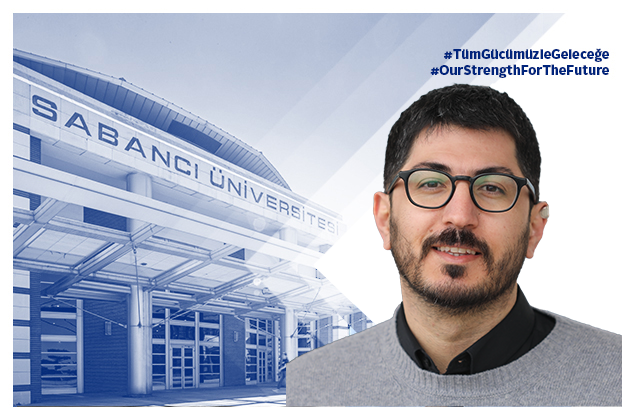
Dr. Morteza Ghorbani is a researcher and faculty member at Sabancı University's Faculty of Engineering and Natural Sciences (FENS), specializing in fluid mechanics and environmental engineering. He leads the AquaCav project, a collaborative effort with Oxford Brookes University, focused on developing sustainable water treatment solutions using hydrodynamic and acoustic cavitation. His research addresses global challenges such as PFAS pollution and wastewater management, with applications in biomedical devices and energy-efficient technologies. Key collaborations include projects funded by the International Science Partnership Fund (ISPF), leveraging his expertise in microfluidic systems and cavitation dynamics. Dr. Ghorbani's work combines experimental and numerical methods to optimize cavitation-based processes for environmental and biomedical applications. His contributions span from fundamental fluid dynamics studies to applied technologies like flexible cystoscopes and clot-on-a-chip platforms. Scientific achievements include the ISPF Research Collaboration Grant (2024) and advancements in PFAS removal, graphene exfoliation, and microalgae cultivation. His research group at Sabancı University explores interdisciplinary solutions at the intersection of engineering, nanotechnology, and sustainability.
Birger Lindberg Møller is a Professor in Plant Biochemistry at the Department of Plant and Environmental Sciences, Faculty of Science, University of Copenhagen. He also serves as Director of the Carlsberg Laboratory (since 2014) and Head of the VILLUM Research Center for Plant Plasticity (since 2013). His research spans plant biochemistry, synthetic biology, and natural products chemistry with applications in sustainable production systems. His educational background includes: M.Sc. (1972) Ph.D. (1975) D.Sc. (1984) D.Sc. h.c. (honoris causa) Professor Møller's research focuses on bio-active natural products , particularly the biosynthesis, transport, storage and degradation of cyanogenic glucosides . His work elucidates how plants communicate with their environment and defend themselves against herbivores, pests and abiotic stresses. A promising application of his lab's research involves engineering microalgae, mosses and plant cells into production units for high value natural products . His engagement in synthetic biology represents a logical extension of his plant research activities, with work targeted towards forming new combinations of membrane proteins for harvesting sunlight energy to synthesize valuable natural products or degrade toxic compounds. Analysis of Professor Møller's recent publications reveals a strong focus on plant specialized metabolism, particularly cyanogenic glucosides and related compounds. His work spans genomics, transcriptomics, metabolomics, and synthetic biology approaches to understand plant defense mechanisms and engineer plants for improved traits. Key themes include sorghum and cassava metabolism, diterpenoid biosynthesis, and the application of synthetic biology for sustainable production of high-value compounds through photosynthetic systems. His notable scientific awards include: Villum Kann Rasmussen Research Prize (2007) - Denmark's largest research award (2.5 mil DKK or 350,000 €) The Academy of Future Research's "The Future Prize" (2004) Societas Physiologia Plantarum Scandinavica "Popularization Prize" (2003) Knight of the Dannebrog (1995) Carlsberg Research Prize Award (1994) Hans Gram Medal from the Royal Danish Academy of Sciences and Letters (1985) Appointed Honorary Doctor at the University of Umeå, Sweden (2009) Professor Møller has served as the main advisor for 43 PhD students (with 8 ongoing in Denmark and 3 in Australia) and numerous BSc and MSc students. He has secured significant research funding throughout his career, including an ERC Advanced Grant (2.5 million €), Villum Foundation grants, and participation in major research centers with multi-million euro budgets. His current funding includes projects related to synthetic biology, plant plasticity, and cyanogenic glucoside metabolism. He leads the Plant Biochemistry Laboratory and is deeply involved with the Center for Synthetic Biology at the University of Copenhagen. His laboratory focuses on understanding plant specialized metabolism and applying this knowledge through synthetic biology approaches to engineer plants and microorganisms for sustainable production of high-value compounds. His team collaborates extensively with international partners across Europe, Australia, and beyond, and he actively promotes cross-disciplinary collaboration to address complex global challenges in energy, sustainability, and medicine.
Prof. Dr. Laura Nyström is a Full Professor of Food Biochemistry at ETH Zurich's Department of Health Sciences and Technology (D-HEST), part of the Institute of Food, Nutrition and Health (IFNH). She leads a research group focused on sustainable food systems, dietary fiber mechanisms, and plant-based material utilization. Her career includes tenure as Assistant Professor (2009–2016) and Associate Professor (2016–2021) before her promotion to Full Professor in 2022. She also chairs the D-HEST department since 2022. Education: MSc (2002) and DSc (2008) in Food Sciences from the University of Helsinki, Finland. Postdoctoral research (2008–2009) in Cereal Technology at the same institution. Research Interests: Healthy and sustainable foods via plant-based materials Health-promoting dietary fiber interactions Genetic diversity of grains and crop utilization Antioxidant extraction from olive mill waste (co-founding Gaia Technologies GmbH) Development of analytical methods for food chemistry Scientific Contributions: Over 70 publications, 3 book chapters, and 2 patents ERC Starting Grant (2015), AOCS Young Scientist Award (2017), and ETH Zurich Leadership Award (2018) Advising & Innovation: Guided interdisciplinary research teams on food chemistry and sustainability Co-developed industrial partnerships for food waste valorization Labs & Initiatives: EPNOE (European Polysaccharide Network) collaborations HealthFerm citizen science project on sourdough fermentation
Bojan Tamburic is a Senior Lecturer in Environmental Engineering at the University of New South Wales (UNSW) Sydney, where he is affiliated with the School of Engineering and the Department of Civil and Environmental Engineering. He holds the prestigious position of Australian Research Council Mid-Career Industry Fellow (IM230100222) and serves as the lead Chief Investigator of the Nuisance and Harmful Algae Science-Practice Partnership (NHASP). Dr. Tamburic earned his academic credentials from Imperial College London, including a PhD in Chemical Engineering (2009-2012), an MSc in Sustainable Energy Futures (2008), and an MSci in Physics (2003-2007). Prior to joining UNSW, he was a Chancellor's Postdoctoral Research Fellow at the University of Technology Sydney. His research focuses primarily on dual aspects of algal science: the management of harmful algal blooms ('bad algae') in waterbodies to preserve water quality and aquatic habitats, and the cultivation of beneficial algae ('good algae') for producing valuable bioproducts such as biofuels, animal feed, and sustainable chemicals. His work spans environmental engineering, water treatment processes, and algal biotechnology applications. Analysis of Tamburic's recent publications reveals a strong trend toward practical applications of algal science in water management. His research spans environmental monitoring using remote sensing, microplastic analysis in urban water systems, odour and taste management in drinking water, and innovative approaches to algal biomass harvesting and utilization. His work consistently bridges fundamental algal physiology with practical engineering solutions for water quality challenges. Australian Research Council Mid-Career Industry Fellow (IM230100222) for the project 'Large scale urban stormwater reuse: safe, clear and odourless water supply' (2023-2026) Dr. Tamburic leads significant research initiatives including the Nuisance and Harmful Algae Science-Practice Partnership (NHASP), focusing on translating scientific understanding of algal phenomena into practical management solutions. His grant portfolio demonstrates strong industry and government engagement, particularly in the area of sustainable water management. He teaches courses including DESN1000 Engineering Design and Innovation and CVEN9886 Environmental Microbial Processes at UNSW.