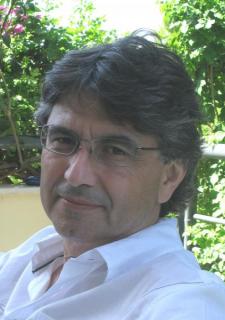
Professor Kotzabasis Kiriakos is a faculty member of the Biology of Organisms, Populations, Environmental and Marine Biology department at the University of Crete. He holds a PhD from the University of Marburg (1987) and has been actively researching plant physiology, photosynthesis, and astrobiology. His work focuses on bioenergetic mechanisms in extremophiles, hydrogen production in microalgae and lichens, and adaptation to environmental stressors such as salinity and low atmospheric pressures. Education: PhD in Biology, University of Marburg, 1987 Research Interests: Plant Biochemistry and Physiology Photobiology and Photosynthetic Mechanisms Green Biotechnology for Sustainable Energy Astrobiology and Extremophile Adaptation Environmental Stress Responses in Microorganisms Publications: Over 50 peer-reviewed articles, with recent work exploring hydrogen production in extremophile organisms, CO2 mitigation via microalgae, and astrobiological applications of lichen symbiosis. His research bridges basic science and applied biotechnology, addressing global challenges like renewable energy and climate change. Labs/Teams: Active in the Biology Department’s labs at the University of Crete, focusing on algal biotechnology and astrobiology. Collaborates with international teams on astroecological studies and extremophile biology.
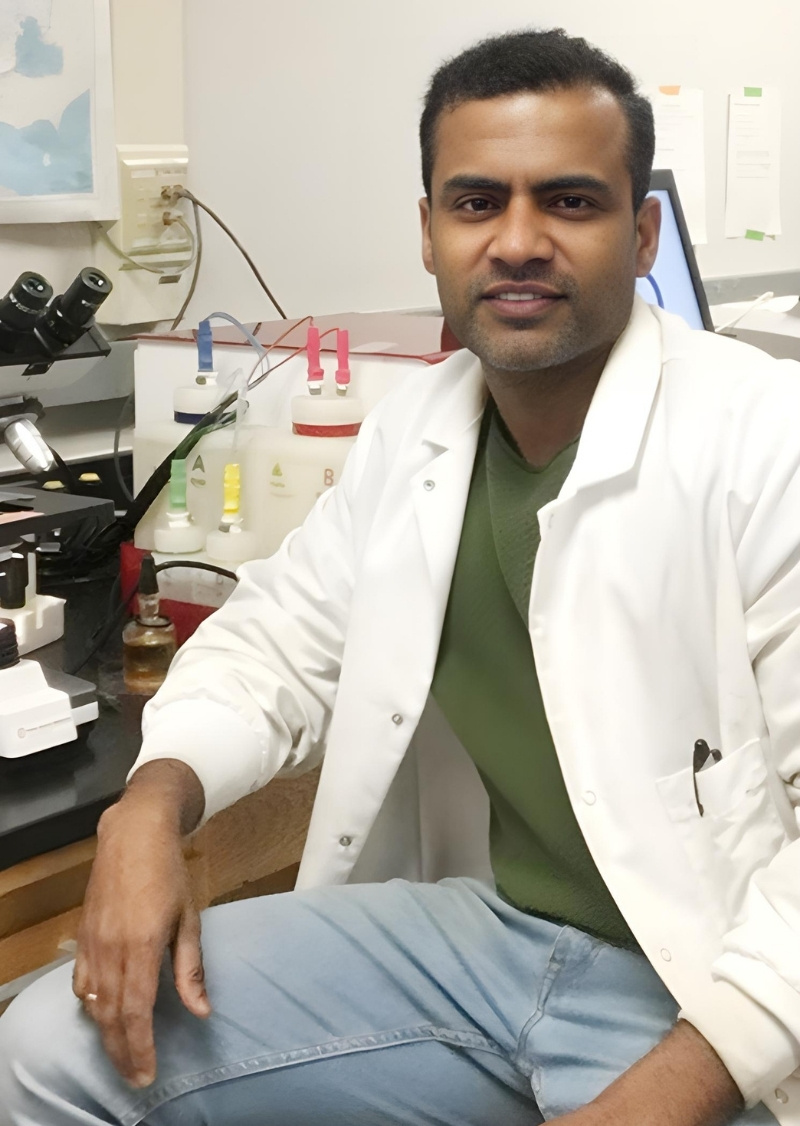
Kishore Gopalakrishnan is a Researcher in the Department of Biological Sciences at Wayne State University's College of Liberal Arts and Sciences. His work focuses on bioprocess development, microbial physiology, and sustainable biotechnology. He holds a Ph.D. in Chemical and Process Engineering from the University of Canterbury (New Zealand) and has expertise in fermentation optimization, scale-up, and interdisciplinary environmental research. Education: Ph.D., Chemical and Process Engineering, University of Canterbury (2015) MTech, Industrial Biotechnology, Annamalai University (2008) BTech, Industrial Biotechnology, Anna University (2006) Research Interests: Dr. Gopalakrishnan specializes in bioprocess innovation for industrial applications, including microbial cultivation strategies, wastewater bioremediation, and microplastic pollution analysis. His work integrates advanced technologies like IoT-based environmental monitoring with traditional fermentation techniques. Current projects explore biofilm-based biofuel production, microplastic cycling dynamics, and algal-bacterial co-cultivation systems. Scientific Impact: Key contributions include optimizing algal biofuel systems, defining microplastic-organism interactions, and developing predictive models for invasive species management. His research has been supported by grants such as the One Health Pilot Project Initiative ($30,000) and the Anderson Engineering Ventures Institute Grant. Grants & Awards: One Health Pilot Project Initiative Award (2024-2025) Early Career Travel Grant, ASLO (2018) Doctoral Scholarship, University of Canterbury (2011-2014) Professional Focus: Dr. Gopalakrishnan collaborates with cross-functional teams to address environmental and industrial challenges. His recent work bridges biotechnology, ecological science, and digital technologies to advance sustainable solutions for resource recovery and pollution mitigation.
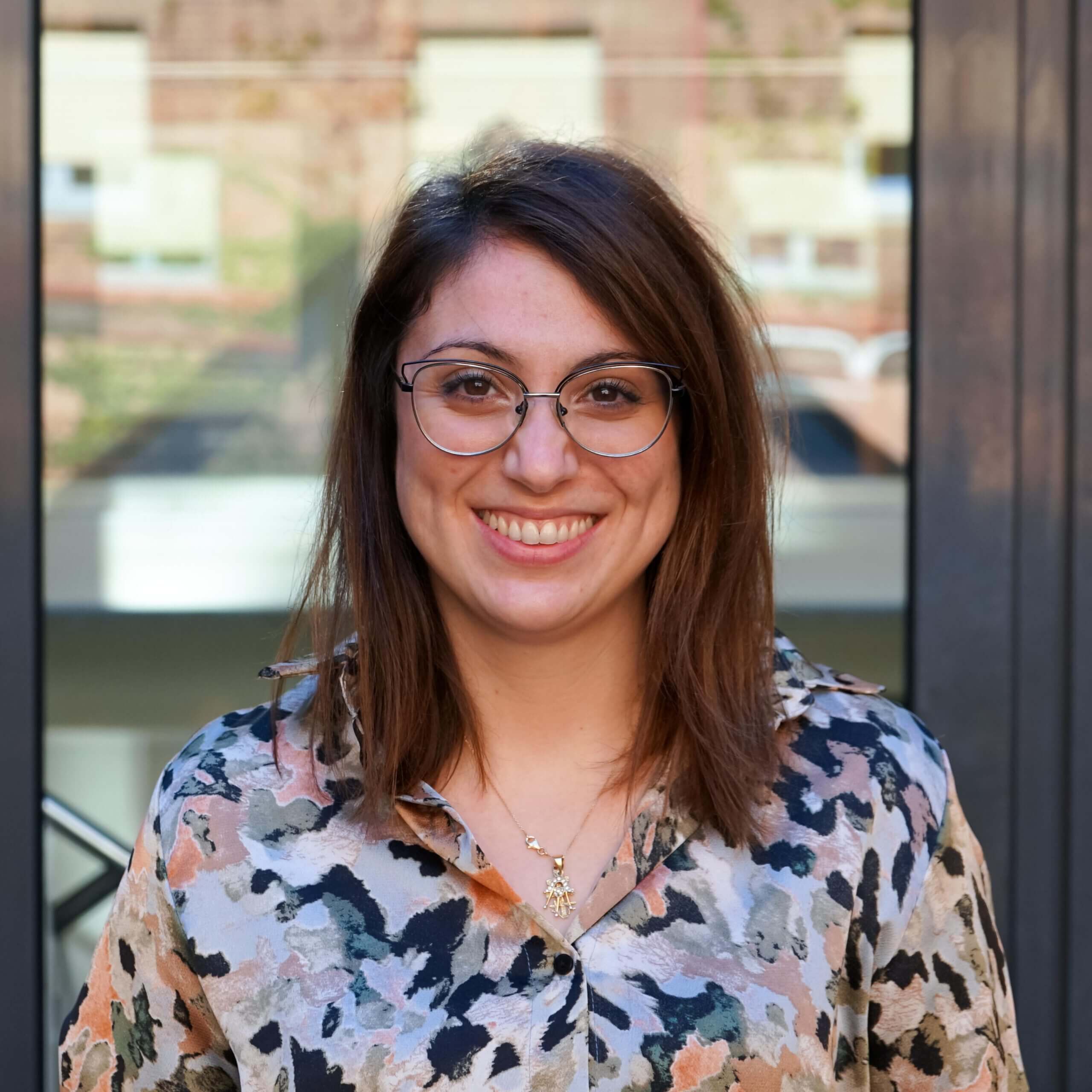
Margalida Artigues Cladera is a Professor with a PhD in the Department of Analytical and Applied Chemistry at IQS School of Engineering, Universitat Ramon Llull. She currently serves as Head of the IQS-SCIEX Demo Lab and is actively involved in the EQBA (Electrochemistry and Bioanalysis) Research Group. Her educational background includes a PhD in Chemistry (2019), Master in Analytical Chemistry (2014), and Bachelor in Chemistry (2013), all from Universitat Ramon Llull. PhD in Chemistry (2019, URL) Master in Analytical Chemistry (2014, URL) Bachelor in Chemistry (2013, URL) Dr. Artigues Cladera's research focuses on advanced analytical techniques, particularly in mass spectrometry applications. Her work spans metabolomics, lipidomics, proteomics, and biosensor development. She specializes in identification of unknown compounds through targeted and untargeted mass spectrometry analysis, with applications in biomedical and environmental contexts. Her recent publications demonstrate expertise in hydrogel fabrication, dietary supplement safety, cancer therapy delivery systems, and microalgal biotechnology. The research output shows a strong interdisciplinary approach combining analytical chemistry with biomedical applications, particularly in developing novel analytical methodologies for complex biological systems. Dr. Artigues Cladera leads multiple research projects including the IQS lipidomics platform development and participates in the CERTERA consortium for advanced therapy drugs. Her work has established her as a specialist in mass spectrometry applications across diverse fields from food safety to cancer therapeutics. As Head of the IQS-SCIEX Demo Lab, she oversees the development of cutting-edge analytical infrastructure for lipidomics research. Her collaborative work extends to multiple research groups and institutions, demonstrating strong interdisciplinary connections in the biomedical and analytical chemistry fields.
Dr. Thomas Baier is a researcher at the Faculty of Biology , University of Bielefeld , affiliated with the Center for Biotechnology (CeBiTec) and the Algal Biotechnology and Bioenergy working group. His work focuses on harnessing microalgae for sustainable biotechnological applications. Email: Thomas.Baier@uni-bielefeld.de Office: UHG G2-152 Dr. Baier’s research spans algal genetic engineering , metabolic pathway optimization , and bioenergy production , with a particular emphasis on Chlamydomonas reinhardtii as a model organism. His publications highlight advancements in CRISPR/Cas9 gene editing , recombinant protein expression , and sustainable chemical production using phototrophic systems. Recent publications reveal a focus on terpenoid synthesis , carotenoid accumulation , and stress-tolerant algal strains , aligning with Bielefeld University’s strategic research on interdisciplinary biotechnology applications. His work integrates molecular biology, synthetic biology, and industrial bioproduction frameworks.
Dr. Lutz Wobbe serves as Managing Director (Chief Operating Officer) at the Center for Biotechnology (CeBiTec) at Bielefeld University since January 2021, following his role as Deputy Chief Operating Officer from July 2020 to January 2021. He is also affiliated with the Faculty of Biology as a Biological Safety Officer and as a Data Protection and Information Security Coordinator for CeBiTec. His academic journey began with a Diploma in Biochemistry from Bielefeld University's Department of Chemistry (1998-2003), followed by PhD research on 'The cytosolic translation repressor NAB1 in the unicellular green alga Chlamydomonas reinhardtii' (2003-2007). Biochemistry Diploma: Bielefeld University, Department of Chemistry (1998-2003) PhD: Research on NAB1 translation repressor in Chlamydomonas reinhardtii (2003-2007) DFG Fellowship: Visiting researcher at Imperial College London with Prof. Peter Nixon (2008-2010) Research Associate: Algae Biotechnology & Bioenergy Group, Bielefeld University (2010-2015) Academic Councillor (Assistant Professor): Algae Biotechnology & Bioenergy Group (2015-2018) Lecturer for Special Tasks: Department of Biology (2018-2019) Research Associate (Postdoc): Algae Biotechnology & Bioenergy Group (2019-2020) Deputy COO: Center for Biotechnology (CeBiTec) (2020-2021) Managing Director (COO): Center for Biotechnology (CeBiTec) (2021-present) Dr. Wobbe's research focuses on microalgae biology and biotechnology, particularly Chlamydomonas reinhardtii, with expertise in photosynthesis regulation, gene expression mechanisms, and algal bioengineering. His work spans fundamental molecular mechanisms to applied biotechnological applications, including bioenergy production and recombinant protein expression systems. His publication record demonstrates consistent contributions to understanding how microalgae adapt to environmental conditions, particularly light and CO 2 availability, and how these mechanisms can be harnessed for biotechnological applications. Analysis of Dr. Wobbe's recent publications (2020-2024) reveals a strong emphasis on genomic approaches to environmental microbiology and continued work on algal biotechnology. His research has expanded from fundamental molecular mechanisms in model algae to broader environmental microbiome studies, including numerous genome sequencing projects of bacteria isolated from local environments around Bielefeld. This reflects both his leadership role at CeBiTec, which houses genomic facilities, and his continued engagement with cutting-edge molecular techniques. The publications demonstrate expertise spanning molecular biology, genomics, bioinformatics, and environmental microbiology. Dr. Wobbe's leadership positions include: Managing Director, Center for Biotechnology (CeBiTec) (2021-present) Biological Safety Officer, Faculty of Biology DISK (Data Protection and Information Security Coordinators) for CeBiTec Module responsibility for 'Fundamentals of Molecular Microbiology' and 'Tutor module'
Severin Sasso is a Professor of Plant Physiology at the University of Leipzig since 2019, where he leads the Plant Physiology Group. He is also a member of the German Centre for Integrative Biodiversity Research iDiv (since 2020) and President of the Wilhelm Pfeffer Foundation (since 2019). Previously, he served as Academic Councillor (2017-2019) and Junior Professor for Molecular Botany (2011-2017) at Friedrich Schiller University Jena, and has held research positions at ETH Zurich, University of Cambridge, and Carnegie Institute for Science. His research focuses on algal metabolism and microalgal-microbial interactions. Current position: Professor (W3) of Plant Physiology at University of Leipzig Education: Chemistry degree (1997-2002) and PhD (2002-2007) at ETH Zurich Postdoctoral training at ETH Zurich (2002-2007), University of Cambridge (2007-2010), and Friedrich Schiller University Jena (2010-2011) Dr. Sasso's research explores: Algal metabolism and environmental interactions Vitamin B12-dependent metabolic pathways in algae Polyketide synthase evolution in microalgae Circadian clock regulation in photosynthetic organisms Chemical mediators in microalgal-microbial communities Postgenomic natural product discovery from microalgae His publications reveal significant contributions to understanding: Molecular mechanisms in algal survival strategies Secondary metabolite biosynthesis in algae Cryptochrome photoreceptor functionality Mutualistic and antagonistic microalgal interactions Evolution of metabolic enzyme complexes Vitamin B12 utilization across photosynthetic organisms Scientific recognition includes: Presidency of Wilhelm Pfeffer Foundation Membership in iDiv biodiversity research center Ongoing participation in SFB 1127 Collaborative Research Center
Vajiheh Safavi-Rizi is a group leader (postdoctoral candidate) in the Plant Physiology and General and Applied Botany research groups at the Institute of Biology, University of Leipzig. She teaches practical courses in plant physiology and general botany while leading research on plant responses to climate change-induced abiotic stresses. Her research focuses on molecular mechanisms of stress tolerance in plants and microalgae under flooding, drought, and nitrogen deficiency, with particular emphasis on nitric oxide (NO) signaling pathways. This work aims to develop resilient crop varieties to ensure global food security amid worsening environmental conditions, bridging fundamental plant biology with agricultural applications. Analysis of her 2015-2021 publications reveals consistent use of genomic and molecular techniques (RNA-Seq, bioimaging) to investigate stress responses in tomato and Brassica species. Key contributions include identifying cross-stress tolerance mechanisms, NO-responsive genes under hypoxia, and nutrient deficiency effects on plant senescence, establishing her expertise in abiotic stress signaling. Dr. Safavi-Rizi leads an active research group at Leipzig University specializing in plant stress physiology, utilizing advanced molecular approaches to study climate adaptation mechanisms with direct implications for sustainable agriculture.
Claudia Grewe is a Professor in the Department of Applied Biosciences and Process Engineering at Anhalt University of Applied Sciences, where she serves as Degree Program Advisor for the Biotechnology Bachelor of Engineering program (offered in both full-time and dual study formats). Her academic career spans from her earliest publications in 2007 through to recent work in 2024, demonstrating sustained research activity in microalgae biotechnology. Professor Grewe's research interests center on microalgae biotechnology with particular expertise in lipid extraction, carotenoid production, and downstream processing of high-value compounds. Her work integrates analytical chemistry methods with bioprocess engineering to develop comprehensive approaches for characterizing and processing microalgal biomass. She has made significant contributions to the development of analytical methods for glycerolipidome profiling and the optimization of extraction processes for both lipophilic and hydrophilic compounds from microalgae. Analysis of her publication record from 2007-2024 reveals a consistent research trajectory focused on microalgae applications, with increasing emphasis on multiproduct recovery systems and analytical method development in recent years. Her work spans fundamental studies of carotenoid biosynthesis under different cultivation conditions to applied research on commercial-scale microalgal cultivation systems and downstream processing. As an academic advisor, Professor Grewe guides students in the Biotechnology program, likely incorporating her research expertise into practical learning experiences. Her work on microalgae as multiproduct cell factories provides valuable context for students interested in sustainable biotechnology and renewable resource utilization. Based at the Köthen campus of Anhalt University of Applied Sciences, Professor Grewe conducts her research and teaching within the Department of Applied Biosciences and Process Engineering, contributing to the university's focus on applied scientific research with industrial relevance.
Prof. Dr. Olaf Kruse is a Professor at Bielefeld University in the Faculty of Biology, where he serves as Head of the Working Group on Algal Biotechnology & Bioenergy at the Center for Biotechnology (CeBiTec). He is also a Board member of CeBiTec and serves on various university committees including the Research Committee. His research focuses on harnessing microalgae as green cell factories for solar energy conversion into biomass, bioenergy, and high-value products. Dr. Kruse's work specifically targets understanding regulatory aspects of photosynthesis in microalgae and optimizing solar energy conversion into biofuels through advanced molecular biology approaches. His group employs Systems Biology strategies using omics technologies to elucidate regulatory networks of light harvesting and establish metabolic flow models for algal biofuel production pathways. Dr. Kruse's recent publications demonstrate a strong emphasis on genetic engineering of Chlamydomonas reinhardtii for enhanced production of valuable compounds including zeaxanthin, astaxanthin, and various terpenoids. His research integrates multiple approaches including CRISPR/Cas9 genome editing, metabolic pathway engineering, and development of novel cultivation techniques such as hydrogel immobilization systems. Young Scientist van't Hoff fund award of the Dutch Royal Society (2008) As an academic advisor, Dr. Kruse has mentored numerous researchers who frequently appear as co-authors on his publications, including Baier T, Jacobebbinghaus N, and Kneip J. His research has been supported through various national and international funding mechanisms including DFG Collaborative Research Centers and EU framework programs. Dr. Kruse leads the Algal Biotechnology & Bioenergy working group which operates within CeBiTec's technology platform, utilizing advanced omics technologies and bioinformatics support for their research.
Yonghua Li-Beisson is a Research Director and Team Leader at the Atomic Energy and Alternative Energies Commission (CEA) in France, specifically at the Aix-Marseille Institute of Biosciences and Biotechnologies (BIAM – UMR 7265) located at the Cité des Énergies in Cadarache. She leads the EBMP Team within the HELIOBIOTEC research unit, focusing on microalgal carbon and energy metabolism for environmental applications and renewable material production. Her research interests span lipid and starch metabolism in microalgae and plants, photosynthesis and carbon metabolism, peroxisome function, and lipid droplet dynamics within the context of bioenergy and the circular carbon economy. Dr. Li-Beisson's work bridges fundamental biological understanding with practical applications for sustainable energy solutions. Her research demonstrates how microalgae convert light energy into chemical energy stored in lipids and starch, with particular attention to subcellular energetics and compartmentalization that govern CO 2 capture and carbon flux. Analysis of her recent publication record shows a strong focus on carbon metabolism in microalgae, particularly in the model organism Chlamydomonas reinhardtii. Her research spans multiple aspects including lipid droplet formation and degradation, carbon partitioning under varying light and CO 2 conditions, regulatory mechanisms of lipid biosynthesis, and novel approaches to enhance oil production for biofuels. The interdisciplinary nature of her work combines molecular genetics, biochemistry, physiology, and biotechnology to address fundamental questions in algal biology with applications in renewable energy. Dr. Li-Beisson has built a robust research program that connects basic science with industrial applications, particularly in the areas of biofuel production and carbon capture. Her work on fatty acid photodecarboxylase has opened new avenues for microbial production of hydrocarbons, while her research on lipid metabolism regulation offers strategies for enhancing oil accumulation in microalgae without compromising growth.
Frédéric Beisson is a CNRS Research Director and Deputy Team Leader at the Biosciences and Biotechnologies Institute of Aix-Marseille (BIAM), affiliated with Aix-Marseille University. His research focuses on lipid biochemistry, specializing in hydrocarbon biosynthesis in microalgae and fatty acid metabolism in plants. Education: Doctorate in Enzymatic Lipolysis (1999, Aix-Marseille University) DEA in Biochemistry (1995, Aix-Marseille University) Master's in Biochemistry (1993, Aix-Marseille University) Research Focus: Dr. Beisson investigates membrane lipid dynamics, photodecarboxylase mechanisms, and metabolic engineering of polyfunctional fatty acids. His work bridges enzymology, plant physiology, and algal biotechnology, with emphasis on sustainable bio-compound production. Publication Trends: Recent work (2021) demonstrates concentrated focus on photoenzyme mechanisms in lipid metabolism, particularly fatty acid photodecarboxylases in algae/plants, combining structural biochemistry with evolutionary analysis. Awards: Anton Lang Award for Outstanding Research Associate (2007) Team Leadership: Heads the Enzymes and Biocatalyzed Membrane Processes (EBMP) team at BIAM, coordinating research on biocatalytic applications of lipid-modifying enzymes.
Johan Andersen-Ranberg serves as an Assistant Professor in the Department of Plant and Environmental Sciences at the University of Copenhagen's Faculty of Science, specializing in the Section for Plant Biochemistry. His research focuses on developing sustainable production systems using algae, particularly Nannochloropsis oceanica, to create high-value molecules from carbon dioxide. His educational journey includes a PhD from the University of Copenhagen with thesis titled 'Biosynthesis of High Value Bioactive Natural Products,' an MSc in Applied Biotechnology from Uppsala University (thesis: 'Utilizing Synthetic Biology in Cyanobacteria'), and a BSc in Medicine and Technology from the Technical University of Denmark. He completed postdoctoral training at the University of California Berkeley in Prof. Krishna Niyogi's laboratory, characterizing genes involved in pigment biosynthesis in stramenophile algae. Andersen-Ranberg's research interests center on algae biosynthesis for sustainability, with a vision to establish Nannochloropsis oceanica as both an Earth-based sustainable production system and potential agricultural crop for space colonization applications. His work spans genetic engineering of eukaryotic algae, carotenoid biosynthesis, cytochrome P450 enzymes, and commercialization of engineered bioproduction hosts. Current projects include developing gene engineering tools for N. oceanica, studying pigment biosynthesis in eukaryotic algae, and creating production platforms for plant natural compounds used in non-lethal rodent pest control products. His publication record demonstrates consistent high-impact research output with recent articles in Nature Communications, Science Advances, Current Biology, and Trends in Plant Science. The research trends show a progression from fundamental biochemical characterization toward applied bioproduction technologies, with increasing focus on engineering approaches for sustainable manufacturing. His work bridges basic science with commercial applications, particularly in the areas of sustainable production systems that utilize solar energy and carbon dioxide. Andersen-Ranberg maintains active collaborations across international research networks, with external collaborations spanning multiple countries as indicated by his research output metrics. His work has been referenced in policy sources, picked up by numerous news outlets, and cited across various social media platforms including X (formerly Twitter) and Facebook. His research has substantial academic impact with hundreds of Mendeley readers across his publications. His laboratory focuses on developing N. oceanica as a production system, leveraging its unique evolutionary position within the SAR supergroup that is responsible for over 40% of Earth's annual carbon dioxide fixation. The research group works on creating sustainable production platforms suitable for both terrestrial applications and potential use in long-duration space missions, such as Mars colonization efforts.
Niels-Ulrik Frigaard is an Associate Professor in the Department of Biology at the University of Copenhagen's Faculty of Science, specializing in Marine Biology. His research laboratory focuses on the ecophysiology and bioengineering of photosynthetic microorganisms including cyanobacteria, microalgae, and anoxygenic phototrophic bacteria. His research interests center on photosynthetic mechanisms, CO 2 metabolism, and metabolic strategies of photosynthetic microbes. Frigaard investigates how these organisms can be utilized for practical applications in CO 2 capture and biosynthesis of metabolites including pigments, sugars, and other compounds. His methodologies integrate genetic and physiological techniques with biochemical and molecular analyses applied to both laboratory cultures and natural/engineered microbial communities. His publication portfolio demonstrates significant contributions to photobiotechnology, with research spanning from fundamental photosynthetic mechanisms to applied biotechnology. Recent work shows increasing focus on carbon capture applications and metabolic engineering of cyanobacteria for bioproduct synthesis. Dr. Frigaard maintains an active research program with substantial scholarly output, as evidenced by numerous high-impact publications and citations across diverse platforms including Scopus, Mendeley, and Wikipedia. His work has been featured in major news outlets and referenced in patents, indicating significant real-world impact. He leads the Frigaard Lab at the University of Copenhagen, which investigates photosynthetic microorganisms through integrated approaches combining genetic manipulation with physiological and biochemical analyses. The lab maintains strong collaborative networks across multiple countries and research domains.