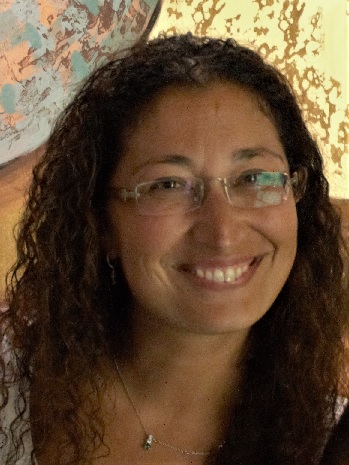
George Aggelis is a Professor at the Department of Biology , University of Patras, Greece. His research focuses on microbial lipid biotechnology, bioconversion of waste materials, and oleaginous microorganisms. Academic Rank: Professor Department: Cell & Developmental Biology Contact: George.Aggelis@upatras.gr Research Interests Lipid metabolism in oleaginous microorganisms Biotechnological applications of microbial oils Environmental valorization of agroindustrial waste Polyunsaturated fatty acid (PUFA) production Mathematical modeling of microbial metabolic pathways Sustainable bioprocesses using aquaculture effluents Publications Trends Recent work emphasizes adaptive evolution of Yarrowia lipolytica for lipid overproduction Focus on bioconversion of lignocellulosic biomass and phenolic waste Applications in aquaculture feed and biofuel production Integration of metabolic modeling with experimental bioprocess optimization
Kine Østnes Hansen is an Associate Professor at the Department of Pharmacy , UiT The Arctic University of Norway , specializing in Natural Products and Medicinal Chemistry . Her research focuses on marine natural product isolation, characterization, and translational drug development, with particular emphasis on OMICs analysis of complex biological samples like algal biomass. Key Projects : AlgScaleUP, HOTBIO, CandRAS Teaching : Courses FAR-1302, FAR-3311, FAR-3312, FAR-2302 Spin-off Affiliation : Researcher at KinSea Lead Discovery AS Her recent work in 2025 includes DYRK kinase inhibition for diabetes therapy and discovery of ophiobolin-type sesterterpenes. Earlier studies (2019–2021) explored Arctic bryozoan alkaloids, antimicrobial peptides from ascidians, and novel lipid structures from marine bacteria. Techniques employed span UPLC-HR-MS2 metabolomics , LC-Orbitrap lipidomics , and NMR spectral analysis for structural elucidation of bioactive compounds.
Christoph Griehl is a Doctoral Researcher at the Max Planck Institute for Dynamics of Complex Technical Systems in Magdeburg, Germany. His research focuses on applying Machine Learning and AI methods to Process Systems Engineering, particularly in multi-stage catalytic processes. He specializes in Bayesian optimization techniques for chemical and materials experimentation, with notable work on ligand discovery in homogeneous catalysis and low-throughput experimentation. He also contributed to an interactive app (AUTARKYO) for energy self-sufficient housing planning and metabolic modeling of microalgae for wastewater treatment. His research interests span interdisciplinary areas including computational optimization, sustainable energy systems, and biotechnology. With 15 contributions in the last year, his work bridges theoretical algorithm development and practical industrial applications in catalysis and materials science.
Ching-An Peng is a Professor in the Department of Chemical & Biological Engineering at the University of Idaho. He holds a Ph.D. from the University of Michigan (1995), an M.S. from the University of Notre Dame (1990), and a B.S. from National Taiwan University (1985). His research focuses on drug/gene delivery systems, nano-bio technologies, and cellular/tissue engineering. Key projects include developing CD47-functionalized nanoparticles to evade immune detection, photothermolysis-based cancer therapies using nanomaterials, and novel drug delivery platforms leveraging mesenchymal stem cells. Education: Ph.D., Chemical Engineering, University of Michigan, 1995 M.S., Chemical Engineering, University of Notre Dame, 1990 B.S., Chemical Engineering, National Taiwan University, 1985 His research interests span drug delivery (e.g., polymeric micelles for anticancer therapies), nanotechnology (carbon nanotubes, gold nanorods for targeted photothermal ablation), and biomedical engineering (mesenchymal stem cell-based therapies, immune-modulating carriers). Recent work includes抗疫 strategies against SARS-CoV-2 using ACE2-functionalized nanoparticles and photothermal agents. Publications highlight advancements in nanomaterial-based therapies, including antiviral drug screening using quantum dot-virus complexes and engineered algal systems for high-value compound production. Collaborations emphasize translational applications of nanotechnology in healthcare. His lab integrates engineering principles with biology to address challenges in regenerative medicine, cancer treatment, and infectious disease control. Ongoing efforts focus on optimizing CD47-functionalized carriers and developing plant-derived prodrug systems.
Dr. Clayton Jeffryes is the Interim Chair and Associate Professor of Chemical Engineering at Lamar University. He holds a Ph.D. (Ch.E.) from Oregon State University and has conducted postdoctoral research in Belgium, focusing on bioprocess engineering and third-generation biofuels. His research emphasizes biologically mediated synthesis of nanomaterials, particularly using phototrophic organisms for green synthesis of metallic nanoparticles, pigments, and bioactive compounds. He leads the Nanobiomaterials and Bioprocessing Laboratory (NABLAB), which houses advanced equipment like photobioreactors and analytical tools for nanomaterial characterization. Dr. Jeffryes has supervised multiple Ph.D. and undergraduate students, many of whom now work in industry or academia. He teaches courses on transport phenomena, thermodynamics, and momentum transfer, emphasizing concept-based learning and interactive pedagogy. Awards include the University Merit Award (2019) and the Anita Riddle Faculty Teaching Fellowship (2018–2021). His research spans Metallic nanoparticle synthesis via algae Biogenic nanomaterials for industrial and biomedical applications Microwave-assisted green chemical processes Publications highlight innovation in nanoparticle production, bioremediation, and sustainable materials. His work integrates engineering principles with biological systems to address environmental and energy challenges.
Mercedes García González is a Professor at the University of Seville, Department of Plant Biochemistry and Molecular Biology, leading the research group "Biología y Biotecnologia de Sistemas en Microalgas." Her work focuses on microalgae biotechnology, CO2 fixation, and metabolic engineering for biofuel production, environmental remediation, and industrial applications. She has directed multiple projects including "Evolución de Redes Diurnas y Estacionales en Clorófitas" (PID2021-123984OB-I00) and collaborates with industries on algal bioremediation and biofuel systems. Her research integrates omics approaches (transcriptomics, metabolomics) to study microalgal responses to environmental stresses and seasonal cycles. Her lab investigates high-value compounds like astaxanthin and carotenoids, with recent work on Ostreococcus tauri and Haematococcus pluvialis . She has pioneered methodologies for microalgal cultivation in photobioreactors and open systems, addressing challenges in scaling biofuel production and CO2 sequestration. Collaborations span academia and industry, with patents on CO2 capture and carotenoid-rich biomass production. Key contributions include multi-omics analysis of diurnal/seasonal cycles in marine microalgae, biostimulant development from microalgae extracts, and functional tools like ALGAEFUN for microalgal genomics. Her research bridges fundamental biology with applied solutions for sustainable energy and environmental challenges.
Rene Wijffels is a Full Professor of Bio Process Engineering at Wageningen University & Research, specializing in algal biotechnology and biochemical engineering. His research focuses on microalgae cultivation, lipid production optimization, and bioprocess development for sustainable applications such as biofuels and high-value products. He leads projects involving photobioreactor design, strain selection, and biorefinery integration. Wijffels supervises multiple PhD candidates in areas like cultivated proteins, functional food ingredients, and microbial biotechnology. He collaborates internationally, contributing datasets on microalgal genomics and metabolic pathways. His work has been featured in media discussions on future foods and sustainable biotechnology innovations. Key areas: Algal lipid metabolism, biofuel production, bioprocess optimization Notable datasets: Genomic studies of Nannochloropsis and Pavlova lutheri Media engagements: Expert commentary on algae-based solutions for food and energy
Salini Chandrasekharan Nair is a Junior Research Fellow at the Estonian University of Life Sciences (Estonian Maaülikool), affiliated with the Institute of Forestry and Engineering's Chair of Biosystems Engineering. She is pursuing a PhD under Professors Timo Kikas and Renu Geetha Bai, focusing on integrating thermal and biochemical processes for algal exopolysaccharide production. Prior roles include Researcher positions at India's CSIR institutes and administrative roles. Education: Master's in Biotechnology (2014, Mahatma Gandhi University) Bachelor's in Biotechnology (2012) Research Interests: Biorefinery technologies, microalgal biotechnology, biofuel production, waste valorization, and process integration. She explores synergies between thermal and biochemical methods for sustainable resource recovery, with applications in bioenergy and environmental remediation. Publications: Her work spans microbial strain optimization, bioprocess engineering, and algal biomass utilization. Recent studies focus on torrefaction condensate effects on microalgae and flue gas applications. Her research emphasizes scalable solutions for bioenergy carriers and biochemicals. Grants & Projects: Leading a project on enhancing Vitamin D3 production in microalgae via industrial flue gas and UV-B exposure (Estonian Research Council, 2024–2030) Contributing to EU-funded 'Accelerating Algae Product Developments in Baltic and North Sea' (2023–2026) Labs & Teams: Active in the Chair of Biosystems Engineering's research group, collaborating on biorefinery and thermochemical process projects.
Carolyn Lee-Parsons is an Associate Professor of Chemistry and Chemical Biology at Northeastern University's College of Engineering. Her expertise lies in biochemical engineering, metabolic engineering, and plant natural product synthesis. She leads the Lee-Parsons Research Laboratory, focusing on enhancing production of pharmaceutical compounds like vinblastine and vincristine from plant cell cultures and microalgae. She holds a Ph.D. from Cornell University and a B.S. (Summa cum Laude) from the University of Kansas. Research Interests: Her work integrates metabolic engineering principles with bioprocess strategies to optimize plant-derived pharmaceuticals. Key areas include: Terpenoid indole alkaloid biosynthesis in Catharanthus roseus CRISPR-based genetic engineering tools Plant specialized metabolism regulation Microalgae biofuel production Plant cell culture optimization Grants & Funding: Notable grants include the NSF CAREER Award (2002) and POWRE grant (2000), focusing on metabolic pathway coordination and alkaloid synthesis enhancement. Labs & Collaborations: Directs the Lee-Parsons Lab, affiliated with Chemistry and Chemical Biology, Biochemistry, and Biology departments. Develops innovative transformation protocols (EASI, FAST) and CRISPR tools for plant engineering.
Dr. Yu Bai is a Researcher in the Department of Microbial Biotechnology (MIBITECH) at the Helmholtz Centre for Environmental Research - UFZ in Leipzig, Germany, a position she has held since March 2023. Her research is embedded within the UFZ’s broader program Changing Earth – Sustaining our Future , focusing on sustainable ecotechnologies and bioenergy systems. Her educational background includes: PhD, Xiamen University, China (2013–2018) Joint PhD, Ruhr University Bochum, Germany (2014–2017) MS, Nanjing University of Technology, China (2009–2012) BS, Huanggang Normal University, China (2005–2009) Dr. Bai’s research focuses on microbial biotechnology for renewable energy, particularly in photosynthetic microorganisms such as cyanobacteria and diatoms. Her work investigates biophotovoltaics , electron transfer mechanisms , photosynthetic pigment biosynthesis (e.g., fucoxanthin), and metabolic engineering for carbon fixation . She employs molecular, biochemical, and systems-level approaches to optimize bioenergy output and understand fundamental microbial processes. Her recent publications reveal a strong trend in bioenergy from photosynthetic microbes , with a focus on Synechocystis and Phaeodactylum . These works span disciplines including environmental biotechnology, algal physiology, and metabolic engineering, often integrating multi-disciplinary perspectives to tackle challenges in energy conversion efficiency and sustainability. While no scientific awards are explicitly mentioned in the provided text, her publications in high-impact journals such as PNAS , The Plant Cell , and ChemSusChem reflect significant scholarly contributions. Dr. Bai has collaborated extensively in international and interdisciplinary research teams, particularly during her postdoctoral tenure at Colorado State University and through joint PhD work in Germany. Although no formal advising or grant information is listed, her role as a lead or co-author on multiple studies indicates active research leadership. She is affiliated with key UFZ research clusters including Sustainable Ecotechnologies and Microbial Biotechnology , contributing to the center’s mission in environmental innovation and bioeconomy.
Seyedeh Fatemeh Mohsenpour is an Assistant Professor in the School of Engineering & Physical Sciences at Heriot-Watt University, United Kingdom. Her research focuses on sustainable biotechnological solutions for environmental challenges, particularly through the use of microalgae in wastewater treatment and renewable energy systems. Her research interests lie at the intersection of environmental engineering, biotechnology, and sustainable energy. She specializes in microalgae cultivation , luminescent photobioreactor design , and integration of algal systems into wastewater treatment infrastructure . Her work emphasizes improving photosynthetic efficiency, nutrient recovery, and bioresource production using innovative light conversion techniques. The trend in her publications reflects a consistent focus on enhancing microalgal growth and functionality through engineered systems. From 2013 to 2021, her research evolved from designing luminescent photobioreactors for spectral optimization to applying these systems in real-world contexts like wastewater treatment and circular economy models. Her highly cited 2021 review underscores her role as a key contributor to the field of algal-based environmental remediation. While no specific scientific awards are mentioned in the provided text, her research impact is evident from citation metrics: her 2021 review in Science of the Total Environment has garnered over 600 citations, and her other works have received significant attention in both academic and public domains. She has actively collaborated with researchers such as N. Willoughby, T. Gutierrez, and A.J. Adeloye across multiple publications. Although no formal advising or grant information is available, her sustained research output over a decade indicates ongoing project leadership and external funding support. Her work has been disseminated through high-impact journals and has attracted coverage in news outlets and social media. Dr. Mohsenpour's research is closely tied to experimental bioreactor development and algal process optimization. While no specific lab name is mentioned, her repeated focus on luminescent photobioreactors suggests she leads or contributes to a research group focused on advanced photobiological systems for sustainable engineering applications.
John Ashley Scott serves as a Full Professor in the Bharti School of Engineering & Computation at Laurentian University, specializing in Bioprocess Engineering. His academic foundation includes a BSc and PhD in Chemical Engineering from Exeter University (UK) and a Masters in Industrial Management from Newcastle University (UK). As a licensed Professional Engineer (PEng) and Professional Engineer Ontario (PEO), he maintains strong industry connections while leading an active research program. BSc in Environmental Chemical Engineering, Exeter University (UK) PhD in Chemical Engineering, Exeter University (UK) Masters in Industrial Management, Newcastle University (UK) Scott's research focuses on environmental biotechnology applications, particularly microalgal bioprospecting for health-beneficial compounds, bioleaching of critical minerals from mine tailings, CO 2 capture/utilization, and natural antifungal agents. His work bridges industrial ecology with practical environmental solutions, emphasizing waste stream valorization and sustainable resource recovery. Current projects involve bioprospecting in extreme environments, microalgal-based CO 2 mitigation, and critical mineral recovery from mining waste. His publication record demonstrates consistent output in high-impact journals, with recent articles emphasizing microalgal applications in biofuels, nutraceuticals, and environmental remediation. Research trends show increasing focus on industrial symbiosis (connecting mining operations with bioprocessing), stress-adapted microalgae for compound production, and practical implementation of circular economy principles in resource sectors. Active NSERC Discovery Grant extension (2025-2028) for $$\text{CO}_2$$ utilization research Joint NERC-NSERC initiative (2025-2027) on mine water cleanup ($494,000) Multiple NSERC Alliance grants totaling over $1 million for mining-waste bioprocessing Ontario Infrastructure Fund and CFI funding for bioprospecting initiatives Scott supervises extensive graduate research with current oversight of 2 postdocs, 3 doctoral students, and 12 master's students. His international collaborations span Brazil (Federal Universities of Pará, Campinas, Ceará, Bahia) and the UK (University of Strathclyde), focusing on critical mineral recovery and natural product discovery. He leads the ongen research group which maintains strong industry partnerships in mining, environmental technology, and bioproduct development. His laboratory infrastructure includes specialized bioreactors for microalgal cultivation under controlled stress conditions, membrane separation systems for biomass harvesting, and analytical equipment for compound characterization. The research team operates through the ongen platform which facilitates technology transfer between academic research and industrial implementation.
Asst. Prof. Gülizar ÇALIŞKAN BİLGİN is affiliated with the Faculty of Engineering's Genetics and Bioengineering Department at Ege University. Her research focuses on bioprocess optimization, nanobiotechnology, and sustainable applications of microalgae. She holds a B.Sc., M.Sc., and Ph.D. in Bioengineering from Ege University (2011–2020). She has contributed to TÜBİTAK-funded projects on biogenic nanoparticle synthesis and microalgae biotechnology. Education: B.Sc. Bioengineering, Ege University (2011) M.Sc. Bioengineering, Ege University (2014) Ph.D. Bioengineering, Ege University (2020) Research Interests: Dr. Bilgin explores bioreactor design, nanoparticle biosynthesis via microalgae, and machine learning-driven bioprocess optimization. Her work emphasizes sustainability, such as converting food waste into biomaterials and developing eco-friendly nanoparticle synthesis methods. Projects & Grants: She leads a project on sustainable microalgae use and has participated in projects like the TÜBİTAK 1001 initiative. Her research bridges academia and education, including creating learning methodologies for biomaterial development in secondary schools. Labs & Teams: Her research is rooted in the NanoBioprocess and Process Analytical Technology Laboratory, where she developed nanoparticle synthesis techniques during her Ph.D.
Ivana Puglisi is an Associate Professor of Agricultural Chemistry at the Department of Agriculture, Food, and Environment (Di3A) of the University of Catania, Italy, since April 1, 2023. She previously held a Fixed-Term Researcher (RTD) position from 2020 to 2023 and has been involved in teaching and research activities within the Faculty of Agriculture for over two decades. Education: Graduated cum laude in Food Science and Technology (1999), University of Catania; PhD in Agricultural Chemistry (2004), University of Catania. Her research focuses on soil-plant interactions, including: Biostimulant effects of natural compounds (microalgae extracts, humic-like residues, Leonardite) on soil biological activity and plant gene expression. Plant secondary metabolism under abiotic stress, particularly anthocyanin biosynthesis pathways and activation mechanisms. Glutathione transferases (GSTs) in plant detoxification and vacuolar anthocyanin accumulation. Protease purification from plant tissues and their application in cheesemaking processes. She has participated in international, national, and regional research projects and serves on the editorial boards of Jacobs Journal of Biotechnology and Bioengineering , Jacobs Journal of Enzymology and Enzyme Engineering , and Plants . Professional affiliations include the Italian Research Group on Pesticides and Environment (GRIFA, since 2017) and the Italian Society of Agricultural Chemistry (SICA, since 2019). She has secured research funding through grants under Law 449/1997 (4 years) and Law 240/2010 (3 years). Her teaching roles include: Permanent instructor for Biochemistry and Physiology of the Soil-Plant System (Biotechnology BSc, 2020/21–present). Past contract professorships in courses such as Biochemistry of Secondary Metabolism , Human Food and Nutrition , and Soil Fertility and Plant Nutrition (2006–2012). Office hours: Monday, Wednesday, and Thursday from 9:00 to 10:00 (in-person in Via S. Sofia, 100; remotely via Teams code e2000br).
Eugenio Gomez Minguet is a Lecturer in the Department of Plant Biology at the Faculty of Biological Sciences, Universitat de València. His research is centered on plant physiology and molecular mechanisms in plants, particularly focusing on polyamine biosynthesis and function in model species such as Arabidopsis thaliana. His research interests include: Plant Physiology Molecular Plant Biology Plant Biotechnology Lichen Microalgae Biodiversity Polyamine Metabolism Arabidopsis thaliana Genetics He is a member of the PHOTOBIONTECH research group, which investigates the biodiversity and biotechnology of lichen microalgae. His doctoral work focused on the origin and function of spermidine aminopropyl transferases in Arabidopsis thaliana, contributing to the understanding of polyamine biosynthesis pathways in plants. No recent publications or scientific awards are listed in the available information. There is no mention of student supervision, grants, or part-time status.